

12 Best Things to Do in Akita (2026): Your Essential Guide
Discover the 12 best things to do in Akita, Japan, from iconic sights to hidden gems and practical tips for a memorable trip in 2026.
On this page
Akita Prefecture sits in Japan's northern Tohoku region and rewards travelers who make the effort to reach it. The prefecture is home to the Akita Inu dog breed, the Kanto Matsuri summer festival, the Oga Peninsula's rugged coastline, and one of Japan's deepest lakes. Unlike Kyoto or Tokyo, Akita moves at its own pace — and that slower rhythm is exactly what makes it worth the journey in 2026.
This guide covers the top things to do in Akita, from the city's cultural landmarks to the rural day trips that reveal the prefecture's real character. Practical details — hours, prices in JPY, transport notes — are included so you can plan without guesswork.
Key Takeaways
- Quick Pick: Akita Kanto Festival for a unique cultural spectacle (3–6 August annually).
- Best for Families: Omoriyama Zoo and Amusement Park combined with Senshu Park.
- Best Rainy-Day Activity: Akita Museum of Art or the Neburi Nagashi Kan folklore center.
- Best Free Activity: Michi-no-Eki Akita Port Tower Selion for panoramic views at no cost.
- Don't Miss: A day trip to Kakunodate Samurai District for historical immersion.
Top Akita Attractions and Must-Sees
Akita rewards visitors who combine time in the city with at least one or two excursions outside it. The city itself has the Senshu Park, the Akita Museum of Art, and the Kanto Festival. Beyond the city, Kakunodate, the Oga Peninsula, and Lake Tazawa each justify a full day or more. Planning these in sequence — city first, then day trips — prevents backtracking and keeps transportation manageable.
Senshu Park (Kubota Castle Ruins) is the most accessible starting point. Entry is free and the park is open around the clock. The original Kubota Castle burned during the Meiji period; what remains are the moat, the restored gates, and a small turret. In late April the park's cherry trees draw crowds; in October the maples turn deep red. A morning walk here before the city wakes up is one of Akita's quiet pleasures.
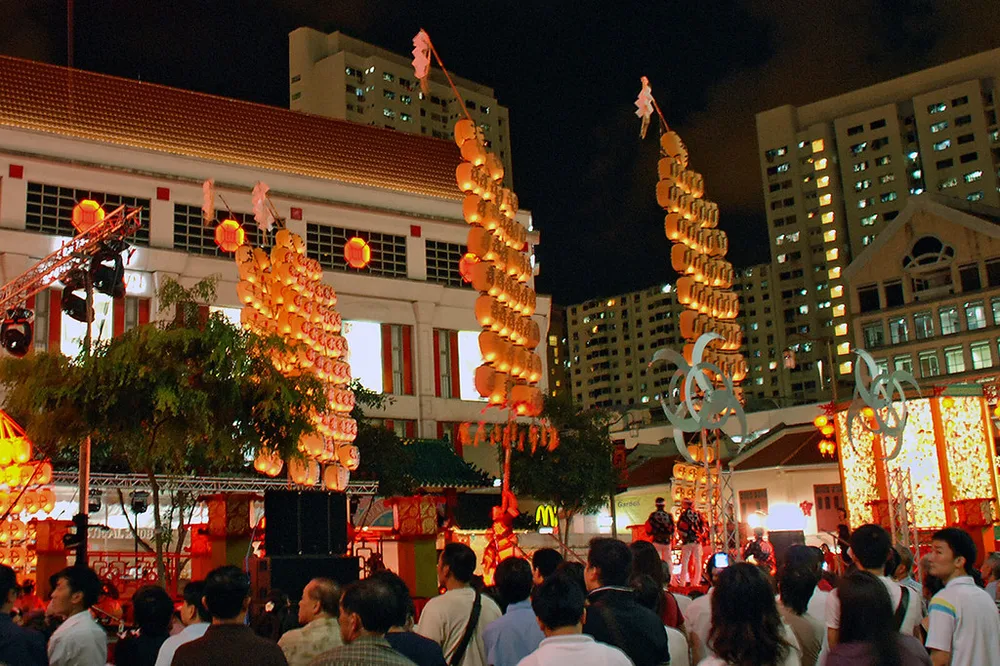
The the Akita Kanto Matsuri runs from 3 to 6 August every year along Chuo-dori. Performers balance bamboo poles up to 12 metres tall, each hung with dozens of paper lanterns. The poles are balanced on foreheads, shoulders, and hips — the technique, called kanto, takes years to master. Public viewing along the street is free; reserved grandstand seats cost ¥2,000–¥3,500 and sell out months in advance. Book accommodation at least six months ahead if your visit coincides with the festival.
Kanto Festival reserved grandstand seats (¥2,000–¥3,500) sell out months in advance. If you plan to visit Akita during 3–6 August, book accommodation and seating 6+ months ahead to avoid last-minute disappointment.
The Akita Museum of Art, designed by Tadao Ando and opened in 2013, sits adjacent to Senshu Park. The permanent collection centers on Tsuguharu Foujita (Leonard Foujita), a Tokyo-born painter who worked in Paris and developed a style blending Japanese ink techniques with Western oil painting. His monumental mural depicting Akita's festivals and seasons covers an entire wall and is considered one of the world's largest oil-on-canvas works. Admission is ¥310 for adults; the museum is open 10:00–18:00, closed Tuesdays.
Akita's Rich Culture and History: Museums and Art
Beyond the Akita Museum of Art, the Akita City Folklore and Performing Arts Center (Neburi Nagashi Kan) explains the cultural logic behind the Kanto Festival. The center is open 09:30–16:30 daily except Mondays, with ¥100 admission for adults. Inside, scale models and video demonstrations show how kanto poles evolved from an August ritual for wishing away summer illness. Visitors can try balancing a lightweight practice pole — it's harder than it looks and makes for a memorable photo.
For traditional craft, Akita has a strong lacquerware tradition known as Akita Magewappa. The craft uses thin strips of cedar bent into oval lunch boxes, coated in lacquer. You'll find these in souvenir shops near Akita Station and in roadside stations (Michi-no-Eki) across the prefecture. A genuine handmade Magewappa bento box runs ¥5,000–¥20,000 depending on the maker; mass-produced versions start around ¥1,500. Buying direct from local craft shops supports individual artisans.
The Yokote Kamakura Festival, held annually on 15–16 February in Yokote City (about 70 minutes south of Akita City by train), is one of the more unusual winter events in Tohoku. Local children build igloo-like snow shelters (kamakura) and light them from inside with candles. The illuminated domes glow in the dark along the streets and at Yokote Castle. If you're visiting Akita in winter, this is worth a dedicated day trip — but book accommodation early, as the small city fills up quickly around the festival dates.
Akita Inu no Sato (Akita Dog Visitor Center)
The Akita Inu no Sato is located in Odate City, roughly 90 minutes by JR Ou Main Line train from Akita City. The center was established to preserve the Akita dog breed, which came close to extinction during World War II. Today it houses a rotating group of resident Akita Inus and serves as the main public venue for learning about the breed's history, temperament, and distinctive physical traits.
Admission is free, though donations are strongly encouraged. Opening hours run 09:00–17:00, with the center closed on Wednesdays. The interaction schedule with the dogs is posted on-site each morning — not every dog is available for petting at all times, as the animals rotate based on their temperament and care schedule. Arriving by 09:30 gives you the best chance of calm, unhurried time with the dogs before tour groups arrive later in the day.
The Where to See Akita Dogs also runs adoption and international support programs for the breed. If you want to contribute beyond a donation, the center's staff can explain the formal support channels. Odate itself is a small town with limited dining options, so bring lunch or plan to eat at the simple café inside the center before heading back to Akita City.
Nature and Outdoors: Parks, Gardens, and Scenic Spots
Akita Prefecture's natural highlights span four seasons. In late April and early May, the Hinokinai River Embankment in Kakunodate lines a 2 km stretch with weeping cherry trees (shidarezakura) that bloom a week or two later than trees in Akita City due to the higher elevation. The cherry blossoms here rank among the most photographed in the Tohoku region, and the combination of samurai-era architecture and pink blossom overhead is genuinely striking. Access is free; crowds peak on weekends, so a mid-week morning visit is considerably calmer.
For autumn colour, Dakigaeri Valley — about 25 minutes by bus from Kakunodate Station — is the most reliable spot in the prefecture. The narrow gorge with its turquoise river runs for several kilometres, and the trail along it stays accessible even for visitors without hiking experience. Peak foliage runs from mid-October to early November. The valley is free to enter and is accessible by local bus from Kakunodate, though the service runs infrequently, so check the timetable before departing.
Lake Tazawa (Tazawako) is about 45 minutes by Akita Shinkansen from Akita City, or one hour by bus from Kakunodate. Japan's deepest lake (423 metres) stays unfrozen in winter due to geothermal activity, and its colour shifts between deep cobalt and emerald depending on the light. The golden statue of Tatsuko — a local princess said to have drunk a sacred spring and transformed into a dragon — stands at the lake's edge and is the most photographed landmark here. Lake cruises run seasonally at ¥1,200 per adult; bicycle rentals at the lakeside cost ¥1,500–¥2,500 per day for a full loop of the lake (about 20 km).
Michi-no-Eki Akita Port Tower Selion: Views and Local Goods
The Selion Tower stands at Akita Port, about 6 km west of Akita Station. The 100-metre observation deck is free to enter and open daily 09:00–21:00 (shorter hours October through March, closing at 18:00). On a clear day the view encompasses the Oga Peninsula to the north, Mount Chokai to the south, and the Sea of Japan to the west. Sunset is the best time to visit — the sky over the water can be dramatic, particularly in late autumn and winter when the air is clear.
The complex below the tower functions as a roadside station (Michi-no-Eki), with stalls selling local produce, packaged Akita foods (Kiritanpo, Inaniwa Udon packs, local sake), and souvenirs. An open-air market runs on weekends from spring through autumn. A small park and playground adjacent to the tower make this a practical family stop — the kids can run around while adults shop or take in the view. Getting there by public bus from Akita Station takes about 20 minutes; taxis cost around ¥1,500.
Godzilla Rock and the Oga Peninsula
The Oga Peninsula juts into the Sea of Japan about 60 km north of Akita City. The peninsula is the origin of the Namahage tradition — demon-like deities (namahage) who visit homes on New Year's Eve, scolding lazy children and adults. The Namahage Museum (¥550, open 08:30–17:00) in Oga City explains the folklore in detail. An adjacent facility, the Oga Shinzan Folklore Museum (¥880), stages live Namahage ceremonies with costumed performers throughout the year — the ceremony runs at specific scheduled times, so check the board at the entrance.
Godzilla Rock (Godzilla Iwa) is a natural coastal formation on the western tip of the peninsula that resembles the silhouette of Godzilla's head when viewed from the right angle — particularly at sunset, when the "mouth" aligns with the descending sun. It's free and open at all times. The terrain around it is uneven volcanic rock, so sturdy footwear is essential. Plan your visit around 30 minutes before local sunset for the most striking alignment.
A rental car is the only practical way to see the Oga Peninsula's scattered highlights in a single day — Nyudozaki Lighthouse, Godzilla Rock, the Namahage Museum, and the scenic coastal road. Car rental from Akita Station starts around ¥7,000–¥9,000 per day. There is a loop bus in summer (late July through late August), but it runs only twice daily in each direction and skips several key stops. For anyone visiting outside that window, driving is the default. The drive from Akita City to the peninsula takes about 70 minutes.
Nyuto Onsen: Akita's Best-Kept Hot Spring Secret
Most visitors to Akita combine Lake Tazawa with a stop at Tsuru-no-yu, the most famous of the seven ryokan in the Nyuto Onsenkyo (Nyuto Hot Spring Village) cluster, roughly 30 minutes by bus from Tazawa-ko Station. What no competitor guide mentions is how the full Nyuto Onsenkyo area works: a day-pass (meguri tegata, ¥1,800) lets you visit all seven onsen facilities in one day, including both indoor and outdoor baths. The rotenburo (outdoor baths) at Tsuru-no-yu feature milky blue-green sulfurous water in a forest setting that has changed little in 350 years. The water genuinely does look different from standard onsen — the minerals produce a distinctive opaque white colour.
Booking an overnight stay at Tsuru-no-yu is notoriously difficult. The ryokan takes reservations by phone only (in Japanese) and typically fills weeks in advance. Cancellations occasionally open up, but planning ahead is essential — aiming for a Sunday or Monday night improves your odds slightly. If overnight isn't possible, the day-visitor bath at Tsuru-no-yu (¥600, 10:00–15:00, closed irregularly — check before going) offers access without a reservation. The other six ryokan in the cluster (including Magoroku, Taenoyu, and Ganiba) are easier to book, less crowded, and have their own distinct mineral compositions and characters.
The Nyuto Onsenkyo bus from Tazawa-ko Station runs year-round, with more departures in summer and reduced frequency November through April. If you're visiting in winter — the onsen district is surrounded by snow from December through March — the contrast between the steaming outdoor baths and the cold air is remarkable. Combine this with a morning at Lake Tazawa and you have a full-day itinerary that most visitors to Tohoku never discover.
Beyond the Main City: Exploring Akita's Surroundings
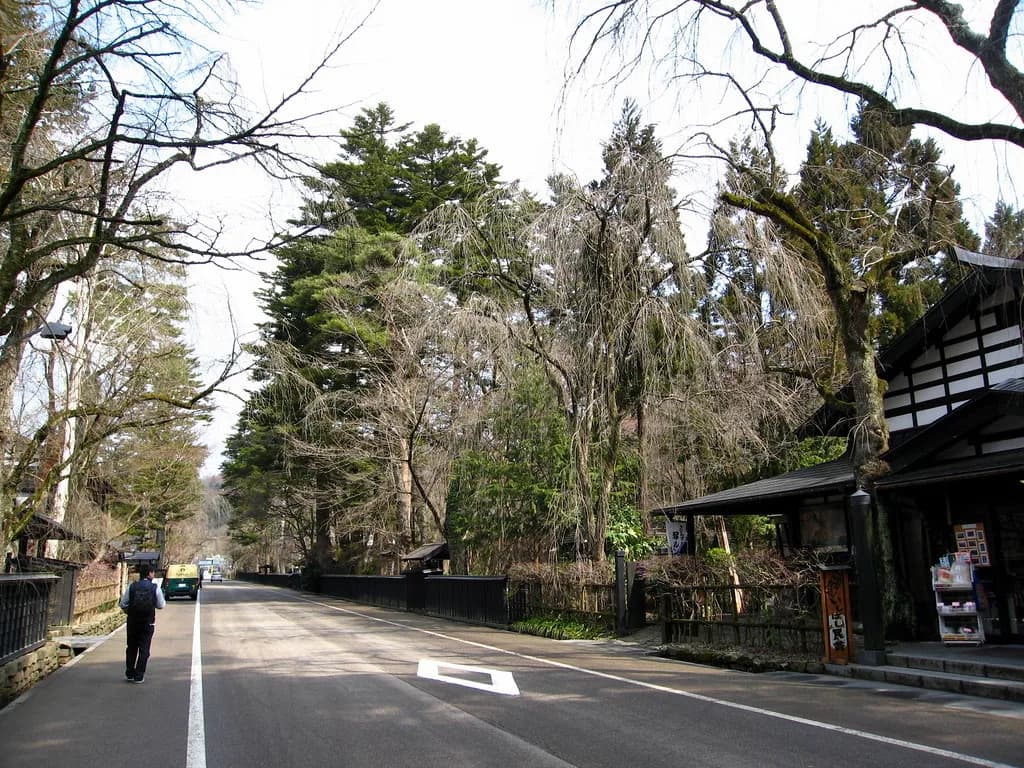
Kakunodate is the most visited day-trip destination from Akita City. The samurai district (bukeyashiki) preserves six original samurai houses that date from the Edo period, most open to visitors for ¥300–¥500 per house. The streets are lined with black-walled storehouses (kura) and older residential buildings. Several houses have been converted into craft shops selling Kabazaiku (cherry bark craft), a technique unique to Kakunodate that uses the bark of wild cherry trees to create tea caddies, trays, and small containers. The crafts are expensive relative to other Japanese souvenirs (¥3,000–¥15,000 for most pieces) but are genuinely handmade and geographically specific. Kakunodate is 50 minutes from Akita City on the Akita Shinkansen (Komachi train).
Yokote and Odate each offer a different angle on Akita's character. Yokote is known for the Kamakura festival in February and for Yokote Yakisoba — a fried noodle dish served with a fried egg on top that has its own regional competition. Odate, beyond the Akita Inu no Sato, has the Hachiko Monument at Odate Station (Hachiko, the loyal dog, was born in Odate). Neither city warrants more than a half-day, but both sit on the same JR Ou Main Line and can be combined with the Akita dog center into a single rail loop from Akita City.
For travelers combining Akita with other Tohoku destinations, the most natural pairings are Aomori (2 hours by Shinkansen via Morioka) and Morioka itself (45 minutes on the Komachi). A 5-day route that covers Sendai, Matsushima, Hiraizumi, Morioka, Kakunodate, Akita City, and Aomori is achievable with a 7-day JR East Pass, which covers the Tohoku Shinkansen lines and most local trains in the region.
Family-Friendly and Budget-Conscious Activities in Akita
Akita has a higher proportion of free or low-cost attractions than most Japanese cities its size. Senshu Park, the Hinokinai River Embankment, Godzilla Rock, and the Selion Tower observation deck are all free. The Akita Inu no Sato has no admission charge. Public viewing at the Kanto Festival costs nothing. For budget travelers, a two-day Akita City itinerary can be done for under ¥5,000 in admission fees if you skip the Namahage Museum and paid onsen.
Omoriyama Zoo and Amusement Park is the best family destination in the city. The zoo is open 09:00–16:30 (closed Wednesdays and some winter dates), with adult admission at ¥730 and children under 15 free. The zoo's resident giant panda, Fubuki, is a consistent draw. The adjacent small amusement park has simple rides suited to younger children, with individual ride tickets running ¥100–¥300. Plan a half-day here and combine it with Senshu Park for a full day that works for all ages without high costs.
The city's Michi-no-Eki network doubles as a budget food strategy. Roadside stations along routes to Kakunodate and the Oga Peninsula stock prepared local foods — Kiritanpo skewers (¥200–¥400), onigiri with local fillings, and seasonal produce — at prices well below restaurant rates. They also function as rest stops and often have clean restrooms, making them practical for road-trip legs with children.
Planning Your Visit to Akita: Practical Tips
The best time to visit Akita depends on your priorities. August (specifically 3–6 August) brings the Kanto Festival, which is reason enough for many visitors. Late April to early May delivers cherry blossoms at Kakunodate and Senshu Park. October is the best month for autumn colour, particularly at Dakigaeri Valley. Winter (December through February) offers the Yokote Kamakura Festival in February and the unusual experience of Nyuto Onsen in snow, but temperatures drop to -5°C or below in the mountains and some outdoor attractions close or reduce hours.
In winter (December–February), mountain areas and rural attractions reach -5°C or below, and some sites reduce hours or close seasonally. If visiting during snow season, confirm opening times before arriving and bring insulated footwear — trails around Dakigaeri Valley and the Oga Peninsula can be treacherous in ice.
Getting to Akita: the JR Akita Shinkansen (Komachi train) runs from Tokyo to Akita Station in approximately 4 hours. The train splits from the Hayabusa (Hokkaido-bound) at Morioka, so ensure you are in a Komachi carriage before boarding. Flights from Tokyo Haneda to Akita Airport take about 1 hour 10 minutes; JAL and ANA both serve the route, typically with 3–4 daily departures. Akita Airport is 40 minutes from Akita City by airport limousine bus (¥900).
Getting around within the prefecture: Akita City's central attractions are walkable from the station, and the city loop bus covers Senshu Park and the Port Tower Selion. For the Oga Peninsula, Kakunodate, or Odate, either a rental car or the JR train network is required. The JR East Tohoku Area Pass (¥20,000 for 5 consecutive days) covers the Akita Shinkansen and most local JR lines in the prefecture — good value if you are doing multiple day trips. Rental cars are available at Akita Station from ¥7,000 per day and are the most efficient option for the Oga Peninsula.
When it comes to Akita's local food, three dishes are non-negotiable. Kiritanpo Nabe is a hotpot with pounded rice sticks, vegetables, and chicken — the definitive Akita winter dish. Inaniwa Udon, hand-stretched into thin, flat noodles, is served cold in summer and hot in winter; the best versions come from producers in Yuzawa City, and you can find them in restaurants across Akita City. Local sake from breweries in Daisen and Yokote consistently ranks among Japan's top regional outputs, and several breweries welcome walk-in visitors outside of their production peak (January through February).
Akita Travel FAQs: Is Akita Worth Visiting?
Akita is worth visiting for travelers who want an authentic regional Japan experience without the crowds of Kyoto or the intensity of Tokyo. The prefecture's combination of strong food culture, unusual festivals, quality onsen, and accessible nature makes it one of the more rounded destinations in Tohoku. The main trade-off is that the infrastructure for international tourists is thinner than in more visited regions — fewer English signs, fewer English-speaking staff, and a public transport network that requires more planning to use efficiently.
For a balanced experience covering Akita City and two or three day trips, allow a minimum of 3–4 full days. This gives you time for the city's main cultural sites, one day at Kakunodate and Nyuto Onsen, and one day on the Oga Peninsula. Extend to 5–6 days if you want to include Odate, Yokote, or Lake Tazawa at a slower pace. If you are visiting only in transit — passing through Akita on a Tohoku rail loop — dedicate at least one night and one full day to avoid feeling like you just changed trains.
Where to stay: Akita City has the widest accommodation range. The Daiwa Roynet Hotel near Kawabata-dori is a reliable business hotel about a kilometre from Akita Station. For a more traditional experience, staying at one of the Nyuto Onsenkyo ryokan near Lake Tazawa is the recommended splurge — but book well in advance. Kakunodate has Hotel Folkloro and Wanoi as the main options; both fill up quickly during cherry blossom season.
Browse the Akita attraction directory for individual visitor guides, access details, and practical tips.
Going deeper on this theme? Our 10 Best Akita Festivals guide covers it in detail, with the practical planning this page leaves out.
Frequently Asked Questions
What is Akita, Japan, famous for?
Akita is most famous for the loyal Akita Inu dog breed, the dynamic Kanto Festival, and its pristine natural beauty, including the Oga Peninsula. It also boasts a rich culinary heritage, featuring dishes like Kiritanpo Nabe and Inaniwa Udon.
How many days do you need for Akita?
To experience the best of Akita City and include a few key day trips, a minimum of 3 to 4 days is recommended. This allows for cultural exploration, natural sightseeing, and enjoying local cuisine at a relaxed pace.
Is Akita good for tourists?
Yes, Akita is an excellent destination for tourists, especially those looking for a less crowded, more authentic Japanese experience. It offers a unique blend of cultural festivals, historical sites, and breathtaking natural landscapes, making it appealing for various interests.
What is the best month to visit Akita?
The best month depends on your preferences. August is ideal for the Kanto Festival, while late April to early May offers stunning cherry blossoms. October provides beautiful autumn foliage, and winter months are perfect for snow activities and unique local festivals.
Akita Prefecture offers a genuinely distinctive travel experience — one that rewards visitors who move beyond the major Tohoku tourist trail. From the Kanto Festival's lantern-lit August nights and the preserved samurai streets of Kakunodate to the sulfurous outdoor baths of Nyuto Onsen and the otherworldly coastal shape of Godzilla Rock, the prefecture covers a wide range of experiences within a compact geography. Plan around the seasonal highlights that match your travel window, allow at least three full days, and book accommodation early if your dates coincide with the Kanto Festival or cherry blossom season.
For trip-planning details, see the official Akita travel guide and Akita on Wikipedia.
Akita pairs naturally with nearby Kakunodate, the samurai town just 45 minutes away on the same Komachi Shinkansen line, and the wider Tohoku gateway city of Sendai.
Heading into Fukushima/Tohoku? Don't miss the samurai castle town of Aizuwakamatsu — the Tsuruga Castle, the Byakkotai story, and the thatched post town of Ouchi-juku.
Explore More Akita Guides
Plan every part of an Akita trip — from the Kanto Festival and Oga Peninsula day trips to local food, the best time to visit, and where to stay.
Food & Drink
Festivals & Seasons
Attractions & Day Trips
- Oga Peninsula Day Trip From Akita Travel Guide
- Senshu Park Akita Travel Guide
- 7 Places To See Akita Dogs In Akita: Top Spots & Travel Tips
Plan Your Trip
Free guide: Japan's Hidden Gems
12 under-the-radar places beyond Tokyo & Kyoto — with the best season to visit each and a local tip you won't find in the guidebooks.
You might also like


Continue reading
More guides you'll find useful


