

7 Places To See Akita Dogs In Akita: Top Spots & Travel Tips (2026)
Discover the top places to see Akita dogs in Akita Prefecture. Get practical tips on visiting hours, accessibility, and local insights for an unforgettable experience.
On this page
Akita Prefecture is the ancestral home of the Akita Inu, and in 2026 there are more dedicated viewing spots here than anywhere else in Japan. This guide covers the best places to see Akita dogs in Akita — from the purpose-built visitor center next to Odate Station to a hot spring inn where two resident dogs greet arriving guests. Each entry includes opening hours, admission costs, and the easiest way to get there so you can plan without surprises.
What makes visiting Akita dogs in their home prefecture different from a Tokyo photo opportunity is the depth of access. Several spots allow brief walks with individual dogs. Others let you observe show-quality Akitas in breeding kennels or watch a dog being groomed before its daily public appearance. The connections here are genuine, not staged for a two-minute selfie queue.
A Brief History of the Akita Dog
The Akita Inu originated in the mountains of northern Akita Prefecture, where the Matagi — traditional bear hunters — relied on these powerful dogs during winter hunts. The breed's endurance and loyalty in brutal mountain conditions shaped the temperament that makes it famous today. In 1931 the Japanese government designated the Akita Inu a Natural Monument, launching the first formal preservation effort.
The story took a darker turn during World War II. Food shortages and military requisitioning reduced the breed to near extinction — only a few dozen purebred dogs survived. Crossbreeding with German Shepherds further diluted bloodlines. After the war, dedicated breeders in Odate spent decades rebuilding the population, eventually reaching a peak of around 40,000 registered dogs by 1972.
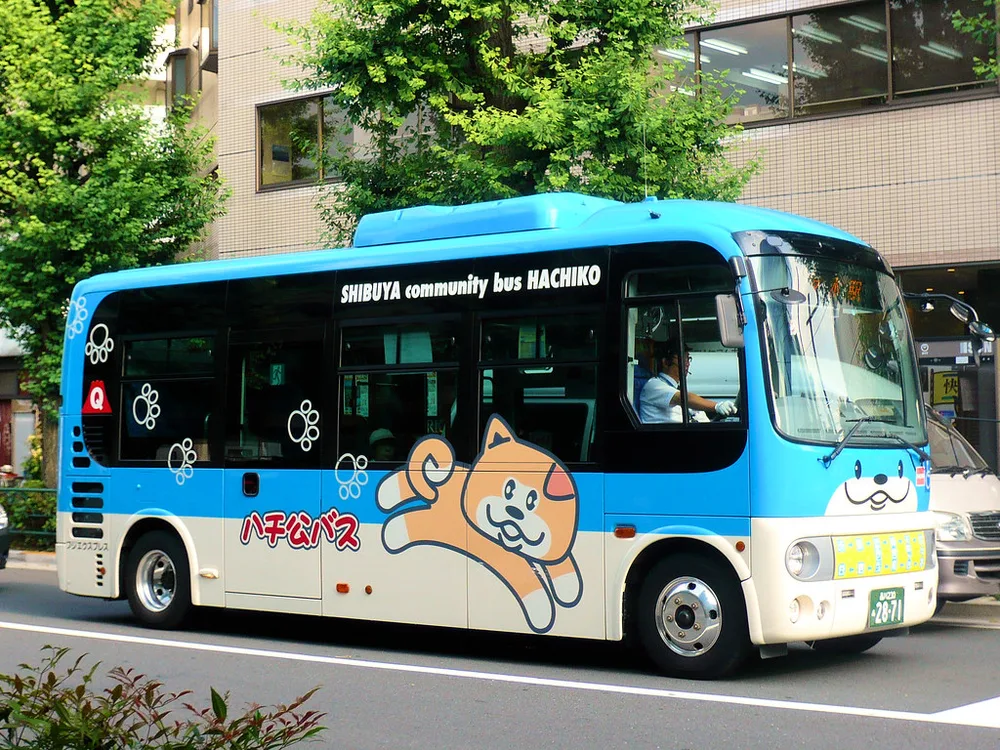
The most famous Akita in history is Hachiko, who waited at Tokyo's Shibuya Station every day for nearly a decade after his owner died in 1925. Hachiko was born in Odate, and you can visit his birthplace in the city. His story brought global attention to the breed and remains the reason many visitors make the trip to Akita Prefecture specifically to meet these dogs in person.
The breed's conservation situation is more urgent than most visitors realize. By 2023 only around 1,800 Akitas were registered in Japan — less than one-twentieth of the 1972 peak. Declining interest from younger breeders and shrinking rural populations in Akita Prefecture are the main pressures. The viewing spots in this guide are run by people actively working against that trend. Visiting them, and spending money there, directly supports the breed's survival.
Understanding the Akita Dog's Appearance and Personality
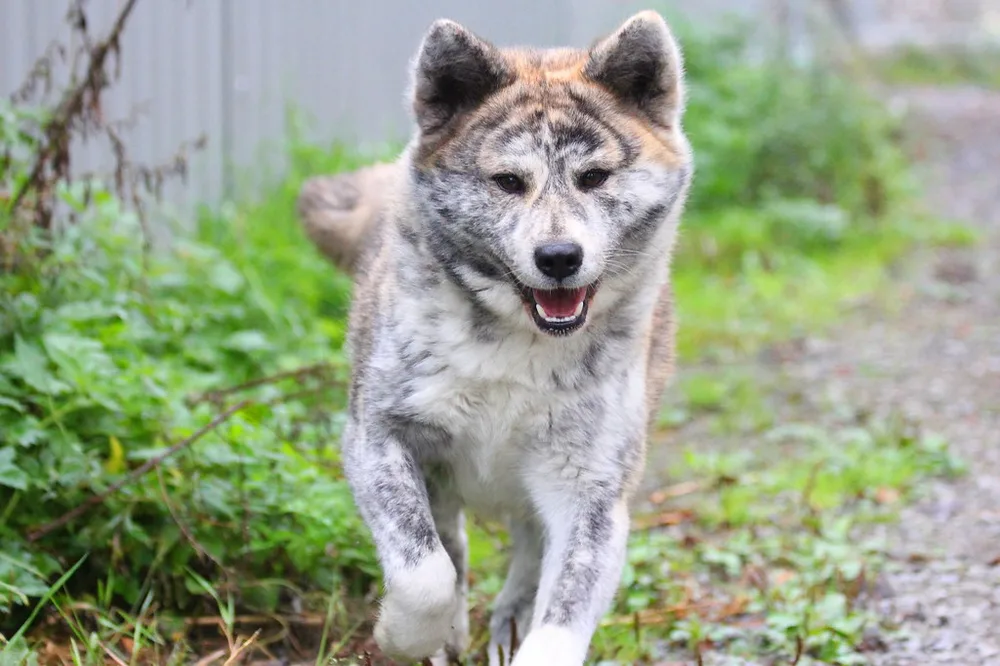
The Akita Inu is the only large breed among Japan's seven native dog breeds. Body length runs 58–70 cm and weight 40–50 kg, making a fully grown Akita roughly twice the height and up to eight times the weight of a Shiba Inu. The thick double coat — perfectly suited to Akita's heavy snowfall — comes in four officially recognized colors: red (reddish-orange with white patches, the most common), brindle (dark tiger-stripe pattern), white (pure snow-white), and sesame (red with black-tipped hairs, the rarest). A long-haired variety also exists, a throwback to ancient crossbreeding with Sakhalin dogs from Russia; long-haired Akitas are considered rare even in Akita Prefecture.
Personality-wise, Akitas are intensely loyal to their owners and highly sensitive to their environment. They tend to be reserved or cautious around strangers — this is not aggression but a dignified aloofness bred over centuries. Dogs at tourist facilities in Akita Prefecture are socialized from puppyhood specifically for public contact, but many venues still limit direct petting to protect the dogs' wellbeing. When a handler says an individual dog prefers not to be touched today, follow that guidance. The experience is better when the dog is comfortable.
When you visit any spot in this guide, move calmly and avoid crouching directly in front of a dog's face. Let the dog approach you. Speak quietly. If a dog turns away or yawns repeatedly, it is signaling stress. Step back and give it space. Following these basics will result in more natural, relaxed interactions for both you and the dog.
Never attempt to separate an Akita from its handler or take it for a walk without explicit permission and guidance. Even socialized dogs retain the breed's independent streak. Handlers know each individual dog's comfort limits and stress signals — follow their instructions exactly during interactions.
Akita Dog Visitor Center (Akita Inu no Sato), Odate
The Akita Inu Visitor Center — known locally as Akita Inu no Sato — is the single best facility for seeing Akita dogs in 2026. It sits a short walk from Odate Station and was designed to evoke the original Shibuya Station from Hachiko's era. Inside you will find a museum with breed history exhibits, a gift shop stocked with Akita merchandise, and a rotating daily exhibition of dogs from the Akita Dog Preservation Society's kennels. A different dog appears most days, so repeat visits genuinely show you something new.
Opening hours run 09:30–16:45 and the center is closed on Mondays. Admission is free. From Odate Station, turn left out of the main exit and walk about three minutes — the building is clearly signposted. If you arrive by car, there is a small parking area adjacent. For the most current dog schedules and any seasonal closures, check the Akita Dog Visitor Center official website before you go.
The best time to visit is a Tuesday, Wednesday, or Thursday morning when weekday crowds are thinnest and you can spend more time in front of the enclosure. On weekends the center fills quickly from mid-morning onward. If you are combining the visitor center with the Akita Dog Museum later in the day, start here as soon as it opens at 09:30.
The daily dog rotation at the Visitor Center means no two visits are identical. Check the official schedule online before you go — popular dogs draw predictable crowds, while quieter rotation days offer one-on-one observation time without waiting.
Akita Dog Museum (Akita Inu Hozonkai), Odate
The Akita Dog Museum is the headquarters of the Akita Dog Preservation Society, the organization that has overseen the breed's survival since the postwar restoration effort. The first floor houses the society's offices alongside the public exhibition area. Displays cover the breed's history, ecological traits, lineage records, and the Hachiko story in considerable depth. If you want to understand how breeders actually evaluate and register purebred Akitas, this is the place to spend an hour.
Dogs are present on Mondays, Wednesdays, and Fridays only, typically red-coated or brindle individuals. Opening hours are 09:00–16:00. Admission is ¥200 per adult. The museum is located in central Odate but is not walkable from the station for most visitors — a taxi from Odate Station takes roughly five minutes and costs around ¥700–¥900. No reservation is required.
Keijo Park, formerly the site of Odate Castle and noted for cherry blossoms in April, sits immediately adjacent to the museum. Combining both in an afternoon is a natural pairing. For serious enthusiasts, the preservation society's staff are knowledgeable and often willing to answer questions about current breeding programs.
Odate Akita Inu Cafe, Odate
This cafe opened in 2025 and operates on weekends and Japanese national holidays only. Two resident Akita dogs — Mutsu and Genta — share the space with customers. You order a drink at the counter, then sit and spend time with the dogs in a calm, low-key environment. Petting and photos are allowed. The format is more relaxed than a typical animal cafe because the dogs are large enough to set the terms of interaction, and they generally do.
The fee is ¥2,000 per hour and includes one drink. Hours run 10:00–18:00 on open days. The cafe is about a ten-minute walk from Higashi-Odate Station, one stop east of central Odate on the Hanawa Line, or accessible by car. No reservation is required, but arriving shortly after opening on weekends avoids a wait. Check the cafe's official Instagram for any irregular closures.
This spot works especially well for visitors who want extended one-on-one time with a specific dog rather than a quick observation window. The named dogs — Mutsu and Genta — have distinct personalities, and the staff are happy to describe them. If you are traveling with children who are comfortable around large dogs, this is the most child-friendly option on the list.
Akita Dog Kennel, Kojuso, Odate
Kojuso is a globally recognized breeding kennel that accepts visitors seeking a closer look at how show-quality Akita dogs are raised and evaluated. The kennel offers both observation and brief walking experiences with adults, and if timing is right — particularly in spring and early summer — puppies may be present. The puppy encounter is not guaranteed but is the main reason enthusiasts book well in advance.
Hours are 10:00–14:00. The fee is ¥2,000 per person for a one-hour visit, with an additional ¥1,000 for a walking experience. Advance booking via the kennel's official Instagram (English queries accepted) is required — walk-in visits frequently miss the owner if they are out with the dogs. The kennel is in the rural outskirts of Odate and requires a car or taxi. This is not a tourist facility in the standard sense; it is a working kennel that has chosen to welcome visitors as part of breed promotion.
Akita Dog Fureaidokoro in Senshu Park, Akita City
the Senshu Park occupies the site of the old Kubota Castle in central Akita City and is one of the prefecture's main green spaces. Within the park, the Akita Dog Fureaidokoro offers brief, informal encounters with Akita dogs in a relaxed outdoor setting. This is the most convenient option for travelers who are based in Akita City without plans to travel north to Odate.
Entry is free. Dogs are available on specific days — primarily weekends and public holidays — with viewing typically running 11:00–15:00, though hours vary seasonally. Confirm the current schedule on the Akita City tourism site or at your accommodation before visiting. Senshu Park is a short walk from Akita Station, making this easy to combine with a morning exploring the castle grounds and the neighboring Senshu Art Museum.
The park setting means interactions are more informal than at the Visitor Center. Dogs are walked by handlers along a defined path, and visitors can watch and briefly greet them. If the park is hosting events — the the Akita Kanto Matsuri takes place in early August each year — check whether the dog schedule runs as normal on those days, as the park becomes very busy.
Akita Dog Station (Akita Inu no Eki), Akita City
The Akita Dog Station is a compact exhibition and meet-and-greet facility in Akita City managed by the Save Akita organization. It typically features younger Akitas and functions as both a small museum and a direct contact point for visitors who want to learn about the breed's preservation challenges. The staff here are among the most forthcoming in the prefecture about the current population decline and what the conservation work actually involves day to day.
Admission is free. Operating hours vary by season and day; the facility is generally open on weekends and holidays but schedules shift, so verify via the Save Akita website or by calling ahead. The station is reachable by bus from Akita Station or on foot from central city hotels. Because it is smaller and less publicized than the Senshu Park facility, it tends to draw fewer visitors and can offer a more personal experience on quieter days.
Akita Dogs at Odate Noshiro Airport
Odate Noshiro Airport has two resident Akita ambassador dogs — Rensui and Ruka — who greet arriving passengers in the arrivals hall. Appearances happen on the 8th, 18th, and 28th of each month, from 10:00 to 11:00. The experience is free and no reservation is required, but the specific dates are fixed, so you need to check whether your arrival aligns before factoring this into an itinerary.
For visitors flying into Odate Noshiro Airport directly from Tokyo Haneda (the route operated by ANA and its regional partners), this is an immediately memorable first impression of the region. The airport is small and the arrivals area is compact, so the encounter is genuinely close-up rather than a distant wave from behind a barrier. If your flight lands outside the 8th/18th/28th schedule, the airport still has Akita dog imagery and merchandise in its small terminal.
Getting from the airport to Odate city center without a car requires a shuttle bus or taxi. Shuttle buses connect to Odate Station in roughly 30 minutes; taxis run around ¥2,000–¥3,000. The airport is also relatively close to Aomori Prefecture, so visitors routing through the north of Japan can logically add it to a Tohoku itinerary that includes Hirosaki or the Oirase Gorge.
Furusawa Onsen: See Akita Dogs While You Soak, Odate
Furusawa Onsen is a traditional hot spring inn in Odate City where two resident Akita dogs — Haru and Hana — greet guests at the entrance. Day visitors can use the onsen and meet the dogs; overnight guests can arrange walking time with them. This is the only venue on this list where Akita dog encounters are integrated into a ryokan experience rather than a dedicated tourism facility.
Day visit hours are 06:30–21:00, with the onsen closed on Tuesdays. Day use of the hot spring costs ¥400. Dog interaction for day visitors requires an advance reservation; overnight guests book walking access through the accommodation booking system on Rakuten Travel. The inn is outside central Odate and requires a car or taxi. Dogs rest irregularly, so it is worth confirming availability when you book.
The combination of a natural hot spring and named dogs with distinct personalities — Haru is reported to be the more outgoing of the two — makes this the most unusual Akita dog encounter in the prefecture. If you are spending two nights in the Odate area, a stay at Furusawa Onsen lets you experience Akita Prefecture's famous onsen culture and its famous dogs in the same place. For more on how to structure time across the prefecture, our Akita itinerary guide covers day-by-day options.
Planning Your Visit: Odate vs. Akita City
Odate is the undisputed center of Akita dog tourism and worth the two-hour journey north from Akita City if you have time. In Odate you can combine the Akita Inu Visitor Center (free, near the station), the Akita Dog Museum (¥200, taxi ride away), and the Odate Akita Inu Cafe (¥2,000/hour, weekends only) in a single day. Add Furusawa Onsen for an evening soak and the full day is well structured. Flights into Odate Noshiro Airport make northern Akita reachable directly from Tokyo in under an hour.
Akita City is easier to reach — it sits on the Akita Shinkansen line and has frequent connections — and offers two free viewing options at Senshu Park and Akita Dog Station, both workable for visitors with limited time. Neither facility matches the depth of the Odate venues, but for a single afternoon they are the right choice. Combine either with a walk through Senshu Park Guide and lunch featuring local kiritanpo hotpot.
A realistic minimum for Odate-focused visitors is one full day in the city, ideally a Tuesday or Wednesday when the museum has dogs and the weekday crowds at the Visitor Center are manageable. For those routing up from Akita City by train (Ou Main Line, approximately 80 minutes, around ¥1,500 one-way), an early departure allows you to complete the Visitor Center, the museum, and lunch before returning in the afternoon. Rental cars give more flexibility and are particularly useful if you plan to visit Kojuso Kennel or Furusawa Onsen. For broader transport logistics, our guide to Getting to Akita by Train covers access from Tokyo, Sendai, and within the prefecture.
| Venue | Location | Admission | Dogs Present | Best For | Advance Booking |
|---|---|---|---|---|---|
| Akita Inu Visitor Center | Odate (3 min from station) | Free | Daily rotation (closed Mondays) | First-time visitors, budget-conscious | No |
| Akita Dog Museum | Odate (taxi required) | ¥200 | Mon/Wed/Fri only | Breed history, preservation details | No |
| Odate Akita Inu Cafe | Odate (10 min from station) | ¥2,000/hour + drink | Weekends only (Mutsu, Genta) | Relaxed one-on-one time | Recommended |
| Kojuso Kennel | Odate (car/taxi) | ¥2,000 + ¥1,000 walk | Rotating (puppies spring/summer) | Show-quality dogs, breeding insight | Required (Instagram) |
| Senshu Park Fureaidokoro | Akita City (walk from station) | Free | Weekends/holidays 11:00–15:00 | City-based travelers, informal setting | No |
| Akita Dog Station | Akita City (bus/walk) | Free | Weekends only | Conservation focus, quieter experience | Check schedule |
| Odate Noshiro Airport | Airport | Free | 8th/18th/28th, 10:00–11:00 | Arrival day encounters (Rensui, Ruka) | No |
| Furusawa Onsen | Odate (car/taxi) | ¥400 day use | Walking available (Haru, Hana) | Ryokan + dog combination | Required |
Beyond the Dogs: What Else to Do in Odate and Akita Prefecture
Odate has more to offer than its famous dogs. The Odate Shinmeisha Festival, held every year on 10–11 September, is one of the most intense local festivals in the Tohoku region — neighborhoods compete by hauling enormous decorated floats up a steep slope, and the energy rivals anything in the main cities. Odate is also the home of magewappa, the cedar bentwood lunch boxes that have been produced here for over 300 years and make excellent gifts. Hinai-dori, a premium local chicken variety considered one of Japan's top three, appears on yakitori and in hot pots throughout the city.
Visitors with a rental car can extend into the wider northern Akita area. Mt. Moriyoshi hosts ski terrain in winter and gondola hiking in spring and summer; the frost-covered trees (juhyo) that appear in January and February are genuinely spectacular. Lake Towada and the Oirase Gorge sit near the Aomori border and combine well with a northern Akita trip. The Shirakami-Sanchi World Heritage Site — a vast expanse of primeval beech forest — is reachable from the western side of the prefecture and appeals to walkers willing to go off the main tourist routes.
Back in Akita City, the Kanto Festival in August draws large crowds for the pole-balancing lantern displays and is one of the prefecture's defining summer events. The city also has good onsen access, a compact castle district, and above-average options for local sake. Our guide to Things to Do in Akita covers the full range of sightseeing options across the prefecture, and Akita food goes deeper on kiritanpo, sake breweries, and where to eat well in both Odate and Akita City.
Frequently Asked Questions
Where are the best places to see Akita dogs in Akita City?
In Akita City, the Akita Dog Fureaidokoro in Senshu Park and the Akita Dog Station are excellent spots. Both are easily accessible from Akita Station and offer opportunities to see Akita dogs, particularly on weekends and holidays. Always check their specific operating days and times before your visit.
What are the best places to see Akita dogs in Odate?
Odate, the breed's birthplace, offers several prime locations. The Akita Dog Visitor Center, Akita Dog Museum, and Odate Akita Inu Cafe are all highly recommended. Additionally, you might be greeted by Akita dogs upon arrival at Odate Noshiro Airport.
Are Akita dogs friendly to strangers at visitor centers?
Akita dogs are generally loyal to their families but can be reserved or aloof with strangers. While some dogs at visitor centers are accustomed to people, it's best to observe from a distance and ask staff before attempting any interaction. Respect their space and temperament.
Is there an entrance fee to see Akita dogs?
Entrance fees vary by location. The Akita Dog Museum in Odate charges ¥200 admission. The Akita Dog Visitor Center is free. The Odate Akita Inu Cafe charges ¥2,000 per hour including one drink. Senshu Park and Akita Dog Station are free. Kojuso Kennel charges ¥2,000 per person plus ¥1,000 for a walking experience, by appointment only.
Seeing Akita dogs in Akita Prefecture is one of those experiences that rewards a bit of advance planning. The Akita Inu Visitor Center in Odate is the anchor — free, close to the station, open most days — and everything else builds around it. Add the museum for historical depth, the cafe for unhurried time with named dogs, and Furusawa Onsen if you want to tie the encounter into a ryokan stay. In Akita City, the Senshu Park facility handles the visit well for those with limited time.
Keep the conservation context in mind while you are there. With fewer than 2,000 registered Akitas in Japan as of 2023, the breed's future is not certain. The people running these facilities are not operating tourist attractions for profit — they are breeders, preservation society members, and enthusiasts who decided that opening their doors to visitors was part of keeping the breed viable. Approaching your visit with that in mind tends to produce better conversations, better access, and a more genuine encounter with these remarkable dogs.
Free guide: Japan's Hidden Gems
12 under-the-radar places beyond Tokyo & Kyoto — with the best season to visit each and a local tip you won't find in the guidebooks.
You might also like


Continue reading
More guides you'll find useful

