

Akita Food Guide: Discover Kiritanpo & Local Delights
Explore Akita's culinary heart with our guide to Kiritanpo hot pot, traditional recipes, top restaurants, and other must-try regional dishes.
On this page
Akita Prefecture in northern Japan offers a rich culinary landscape waiting to be explored. This region is famous for its hearty, comforting dishes, perfectly suited to its cold winters and mountainous terrain. A true Akita food guide must begin with Kiritanpo — the local specialty that defines the prefecture's food identity.
Kiritanpo is more than just food; it embodies Akita's heritage and community spirit. This unique dish provides warmth and flavor, drawing visitors from across Japan and beyond. Prepare to delve into Akita's delicious food culture, from the steaming hot pot to the street-food stall snacks.
This guide covers everything you need to know: what kiritanpo is, where to eat it (including less-visited cities), how to make it at home, what to drink with it, and which other local dishes are worth seeking out in 2026.
Introduction to Akita's Rich Culinary Heritage
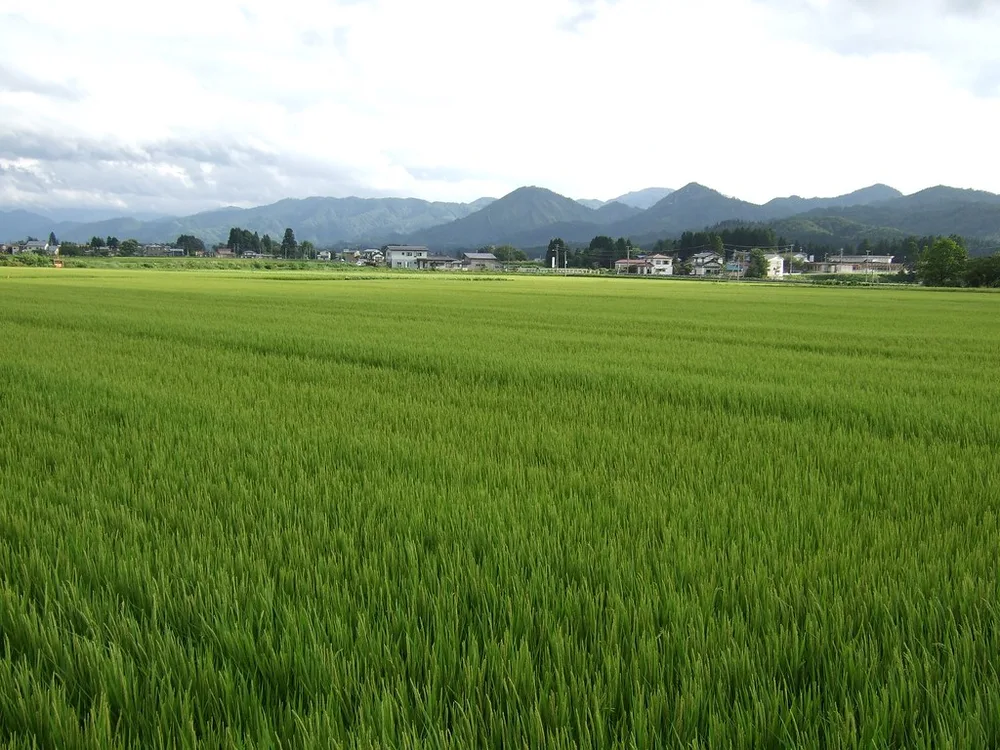
Akita Prefecture sits in the Tohoku region, where long winters and fertile river plains have shaped a cuisine built on warmth, preservation, and premium rice. The prefecture grows Akita Komachi, one of Japan's most prized rice varieties, and the quality of that grain underpins almost every signature local dish.
The local climate has shaped many dishes, favoring warm, nourishing meals shared around a communal pot. Akita's culinary scene draws on abundant seafood from the Sea of Japan, mountain vegetables from inland forests, and livestock breeds found nowhere else in the country. These ingredients reflect the region's natural bounty and agricultural traditions developed over centuries.
Beyond individual dishes, Akita's food culture emphasizes communal dining. Many local specialties, like kiritanpo nabe, are designed for sharing around a table. This communal aspect makes dining in Akita a genuinely heartwarming experience, not just a meal.
Plan your kiritanpo visit between October and February for peak season when fresh burdock, maitake mushrooms, and newly harvested Akita Komachi rice are available. Budget roughly 1,500–3,000 yen per person at a standard restaurant, or 200–300 yen per stick for the simpler street version (miso tanpo).
What is Kiritanpo? Akita's Signature Hot Pot Dish
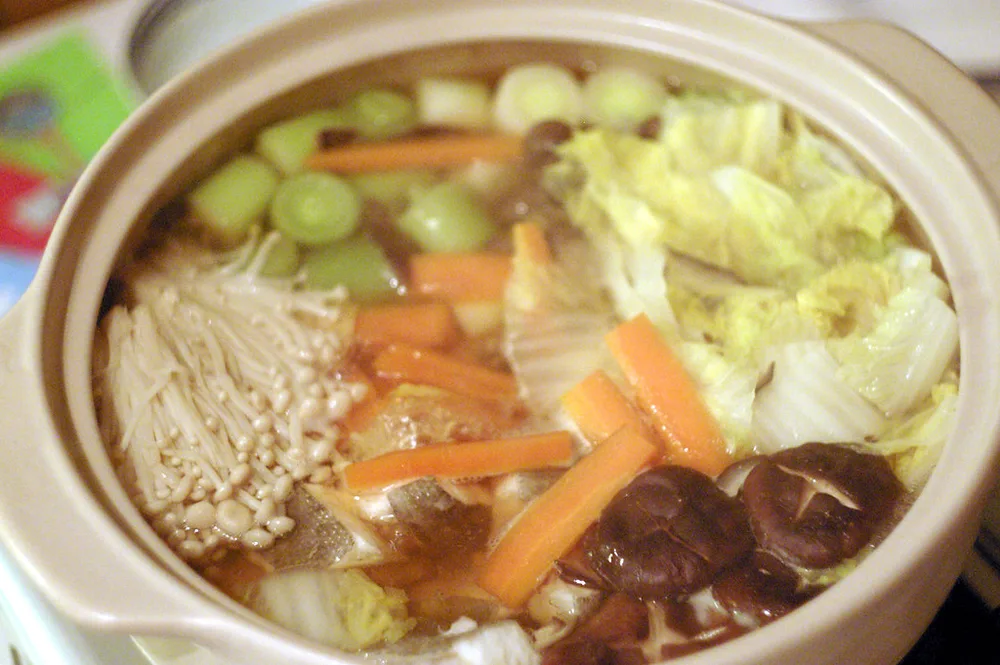
Kiritanpo is a beloved Akita specialty made by mashing freshly cooked rice, wrapping it around cedar skewers, and grilling it over an open flame until lightly browned. The rice sticks are then cut into pieces and added to a rich hot pot — kiritanpo nabe — where they absorb the broth and develop a pleasantly chewy texture.
The dish traces its origins to hunters and woodcutters working in the mountains of the Kazuno and Odate areas in northern Akita. They would mash leftover rice around a stick and grill it over a campfire — a portable, energy-dense meal for long days outdoors. Odate City is today widely regarded as the birthplace of kiritanpo, and many of the region's most celebrated restaurants still operate there.
The name itself comes from the resemblance the rice-wrapped stick has to a "tanpo" — the padded tip cover used on bamboo spears in martial arts practice. Because the grilled stick is cut ("kiri") before going into the pot, it became known as kiritanpo. Key ingredients in the nabe include Hinai-Jidori chicken, burdock root, seri (Japanese parsley), maitake mushrooms, and green onion. The broth is typically soy-sauce based with dashi, mirin, and sake, delivering a deeply savory umami that ties every component together.
Miso Tanpo: The Street-Food Version You Should Not Miss
Before kiritanpo goes into a hot pot, it is also enjoyed on the stick as "miso tanpo" — grilled rice sticks brushed with a sweet-savory miso glaze. This is a popular street snack at Akita food stalls and festivals, costing around 200–300 yen per stick. The surface is toasty and slightly crisp; the inside stays chewy and rice-forward.
Miso tanpo is often the easier entry point for first-time visitors. You can grab one at tourist facilities, local markets, and the Akita Furusato-mura complex in Yokote without needing a table reservation or ordering skills in Japanese. If you try nothing else on a short transit through Akita, miso tanpo covers the core flavor of the dish in under two minutes.
It is worth noting that miso tanpo is also simpler to adjust for dietary restrictions. The miso sauce typically does not contain chicken broth, so it is usually suitable for people who avoid meat — though you should still confirm with the vendor since recipes vary by stall.
The Enduring Appeal of Kiritanpo Nabe
Kiritanpo nabe holds a special place in Akita's cultural identity. It is considered a classic autumn-to-winter dish because fresh burdock root, maitake mushrooms, and newly harvested rice all peak during those months. Families and friends gather to share the communal pot, making it a dish tied as much to social ritual as to flavor.
The unique texture of the grilled rice sticks sets kiritanpo apart from other hot pots. They absorb the rich broth beautifully over the course of the meal, softening gradually while retaining a satisfying chewiness. Seri (Japanese parsley) adds a distinctive herbal fragrance that no other vegetable quite replicates — locals add it at the very end to preserve its aroma.
Its enduring appeal also comes from the use of Hinai-Jidori chicken, one of Japan's three designated jidori (heritage) breeds, prized for its deep, clean flavor and firmer texture compared to standard chicken. Restaurants that use authentic Hinai-Jidori will typically say so on the menu and charge accordingly. This combination of premium local chicken, premium local rice, and wild vegetables makes the dish a genuine expression of Akita's agricultural identity.
Many restaurants finish the meal with zosui — a rice porridge made in the remaining broth after the pot is nearly empty. An egg is stirred in, and the result is a warm, deeply flavored congee that uses every drop of the kiritanpo nabe's flavor. If you see it on the menu or offered by the server, accept it. It is one of the most satisfying ways to end the meal.
Where to Savor Authentic Kiritanpo in Akita
Finding authentic kiritanpo is straightforward in Akita City, where many restaurants near Akita Station and in the Kawabata entertainment district specialize in the dish. Restaurants like Akita Kiritanpo-ya (Ekimae Honten) are well-regarded for traditional nabe using local ingredients. Most serve both lunch and dinner, but reservations are strongly advised on weekday evenings and weekends during autumn and winter.
Odate City, about 90 minutes north of Akita City by limited-express train from JR Akita Station, is the more historically significant destination. This is considered kiritanpo's hometown, and spots like Ganso Murasaki near Odate Station have served the dish for generations. The broth style here tends to be slightly less sweet and more intensely savory than versions adapted for tourist palates in Akita City. If you have the time, the detour to Odate is worth it.
Yokote City, in southern Akita, is another option — particularly for visitors combining the food trip with the Yokote Kamakura snow-hut festival in February. The Akita Furusato-mura complex there serves kiritanpo nabe seasonally. You can search kiritanpo nabe spots in Akita on Google Maps for current listings across all three cities, since individual restaurants open and close seasonally.
Beyond Kiritanpo: Exploring Other Akita Regional Delicacies
While kiritanpo is the flagship dish, Akita's regional cuisine offers several other specialties worth seeking out. Each tells a story about the prefecture's relationship with cold winters, preserved foods, and coastal fishing traditions.
| Dish | What It Is | Price / Where to Find |
|---|---|---|
| Kiritanpo Nabe | Grilled rice sticks in savory broth with Hinai-Jidori chicken, burdock, seri, and maitake mushrooms | 1,500–3,000 yen per person at restaurants; available Oct–Feb |
| Miso Tanpo | Grilled rice sticks on a stick brushed with sweet-savory miso glaze; eaten as a street snack | 200–300 yen per stick; year-round at stalls and markets |
| Shottsuru Nabe | Hot pot with small hatahata fish and fish-sauce broth; strong umami | 1,800–2,500 yen; Nov–Dec peak season |
| Hatahata Zushi | Fermented hatahata fish pressed with rice; tangy and funky, traditional winter preserve | 800–1,200 yen for a portion; specialty restaurants |
| Iburi Gakko | Smoked daikon radish pickles; crunchy, lightly smoky, served as table condiment | 500–800 yen for 200 g jar; souvenir shops |
| Inaniwa Udon | Japan's thinnest, hand-stretched udon ribbons; silky texture, served hot or cold | 500–1,000 yen per serving; Year-round |
Shottsuru nabe is a hot pot centered on hatahata fish — a small, oily fish caught seasonally in the Sea of Japan — simmered in a broth made with shottsuru fish sauce. The sauce has an umami depth similar to Southeast Asian fish sauces but with a distinctly Japanese subtlety. Hatahata is in season primarily from November to December, so this dish has an even shorter window than kiritanpo nabe.
Hatahata zushi is a traditional fermented preparation of hatahata fish pressed with rice and left to sour over weeks. The result is tangy, rich, and funky in the best sense — a true example of Akita's winter preservation traditions before refrigeration existed. It takes some adventurousness to try, but it is genuinely representative of how Akita people survived and thrived through harsh winters.
Iburi gakko are smoked daikon radish pickles — crunchy, amber-colored, and lightly smoky — made by smoking daikon over a wood fire before pickling it in rice bran. They are served as a table condiment at many Akita restaurants and make an excellent companion to sake or as a crunchy counterpoint to the soft textures of kiritanpo nabe. Inaniwa udon, from Yuzawa City in southern Akita, is Japan's thinnest and most delicate udon style — hand-stretched to silky flat ribbons and served both hot and cold. It is worth picking up a souvenir packet at Akita Station's food hall. For a deeper dive into sightseeing around the prefecture while you plan your food trip, see the guide to Akita's top attractions.
Mastering Kiritanpo: A Local's Guide to Making It at Home
Making kiritanpo nabe at home requires three stages: forming and grilling the rice sticks, building the broth, and assembling the pot. None of the steps are technically difficult, but the quality of your ingredients matters more than your technique.
Start with freshly cooked Akita Komachi rice or any short-grain Japanese rice. While still hot, mash it until about two-thirds of the grains are broken but the mixture still has texture — you want it sticky enough to hold a shape, but not smooth like mochi. Form the rice into logs around wooden skewers or thick chopsticks, roughly 3–4 cm in diameter, and grill in a dry pan or under a broiler until the outside turns golden and lightly crisp. This grilling step is non-negotiable: it creates the toasty aroma and slight crust that lets the sticks absorb broth without turning to mush.
For the broth, combine about 800 ml of chicken stock (made from bones or bought), 50 ml of soy sauce, 30 ml of mirin, and 30 ml of sake. Bring to a simmer and taste — it should be savory and slightly sweet, not salty. Add chicken thigh pieces and sliced burdock root first, as they take the longest to cook. Follow with green onion, maitake mushrooms, and the sliced kiritanpo sticks. Seri goes in last, just before serving, so it stays fragrant.
The most challenging part for cooks outside Japan is sourcing Hinai-Jidori chicken. High-quality free-range chicken thighs are a workable substitute. Burdock root (gobo) and seri (sometimes labeled Japanese parsley or water parsley) are available at most Japanese grocery stores. Dried maitake mushrooms rehydrate well if fresh are unavailable. Add a splash of good Akita sake to the broth if you can find it — it deepens the richness noticeably and is the one tip that distinguishes locally made kiritanpo nabe from versions made elsewhere.
Recommended Eating Styles and Perfect Pairings for Kiritanpo
Kiritanpo nabe is traditionally eaten communally from a shared pot at the center of the table. Each person picks ingredients as they cook. The standard advice is to taste the broth first to understand its flavor direction before adding any condiments — most well-made broths need nothing extra.
For drink pairings, Akita sake is the natural choice. The prefecture has a national reputation for clean, soft-water sake that does not compete with subtle food flavors. A Junmai or Junmai Ginjo style complements the savory broth without overpowering the seri's fragrance. If you prefer a sweeter style, a Junmai Daiginjo from Akita pairs well with the chicken. Cold sake tends to work better than warm here, but follow the restaurant's recommendation if in doubt.
Iburi gakko on the side provides a smoky, crunchy contrast to the soft textures in the pot. A simple pickled vegetable (tsukemono) plate is another common accompaniment. When the main ingredients are nearly finished, ask the server about zosui — the rice porridge finish that uses the remaining broth. Crack an egg in and stir gently; the result is one of the most comforting ways to close a Japanese nabe meal.
Discovering Akita's Hidden Gourmet Gems
Beyond the main tourist spots, Akita hides many local gourmet options that reward a bit of advance research. These places offer a more authentic taste of the region's food culture and tend to operate at a slower, more personal pace than the central city restaurants.
Odate's side streets near the station contain small family-run kiritanpo restaurants where the owners often grill the sticks themselves in full view of the dining room. The portions are generous and the clientele mostly local — a reliable sign of authenticity. Call ahead or check opening days, since many keep limited hours and close when ingredients run out.
Local markets are another underused resource. Akita's covered shopping arcades and morning markets (asaichi) in towns like Yokote and Noshiro stock fresh burdock, locally grown seri, and house-made iburi gakko that you will not find packaged in the city. Michinoeki (roadside stations) along Route 7 between Akita City and Odate also feature regional restaurant counters serving kiritanpo nabe at lunch, often for less than 1,200 yen — below the typical restaurant price. These spots are ideal if you are driving between destinations and want a low-effort, high-authenticity meal. For more ideas on how to structure a day outside Akita City, the guide to the Oga Peninsula day trip pairs well with a food-focused route north.
Kiritanpo as a Souvenir: What to Buy and What Lasts
Kiritanpo travels well as a souvenir, but the format you choose depends on how long you need it to keep. Vacuum-packed fresh kiritanpo sticks last several days to a few weeks under refrigeration and are sold at Akita Station's Topico shopping area and at department store food halls. These cook exactly like restaurant versions and are the best option if you live in Japan or are heading home by bullet train.
Dried kiritanpo sticks have a shelf life of several months and are the better choice for international travelers or anyone whose schedule is uncertain. Rehydrate them briefly in warm water before adding to the pot, or let them absorb broth directly from a simmering nabe — they soften somewhat more slowly than fresh versions but perform well. Leftover kiritanpo, whether from a restaurant or homemade, can be sliced and pan-grilled in butter and soy sauce as a rice-cake snack the next morning.
Iburi gakko is arguably the most practical souvenir: vacuum-packed jars keep for weeks without refrigeration, pack flat, and do not break. A 200 g jar costs roughly 500–800 yen at most Akita souvenir shops. Inaniwa udon dried packets are similarly durable and widely available. Both make excellent gifts for people unfamiliar with Akita, since the flavors are accessible and neither requires special preparation knowledge.
Dried kiritanpo and iburi gakko are shelf-stable souvenirs ideal for international travelers. Dried kiritanpo keeps for several months; vacuum-packed iburi gakko jars last weeks without refrigeration. Both are available at Akita Station's food halls and souvenir shops at 500–1,000 yen each, making them excellent gifts for people new to Akita's food culture.
Planning Your Akita Food Adventure: Practical Tips
The best months for kiritanpo nabe are October through February, when fresh burdock, maitake, and newly harvested rice are available and the cold weather makes a hot pot genuinely appealing. Hatahata and Shottsuru nabe peak in November and December. If you visit outside this window, miso tanpo street food is available year-round, and cold inaniwa udon is a satisfying summer alternative.
Budget roughly 1,500–3,000 yen per person for kiritanpo nabe at a standard restaurant. Sets with Hinai-Jidori chicken or course menus run higher. Miso tanpo at a stall costs 200–300 yen per stick. Many smaller kiritanpo restaurants in Akita do not have English menus, so having a translation app on your phone is practical. Learning two phrases in Japanese helps significantly: "Kiritanpo nabe wa arimasu ka?" (Do you have kiritanpo nabe?) and "Hinai-jidori wo tsukatte imasu ka?" (Does this use Hinai-Jidori chicken?).
Dining etiquette follows standard Japanese customs: say "Itadakimasu" before eating and "Gochisousama deshita" when finished. Tipping is not practiced. For getting around, Akita City is walkable from the station, but reaching Odate requires the JR Ou Main Line (about 90 minutes) or a rental car. The the Akita Kanto Matsuri in August draws large crowds, so restaurant reservations during that week fill quickly. Outside festival season, same-day bookings are usually fine except on Saturday evenings.
Frequently Asked Questions
What is the best season to eat Kiritanpo?
Autumn and winter are generally considered the best seasons for Kiritanpo nabe. The cooler weather makes a hot pot incredibly comforting and delicious. Additionally, many of the fresh vegetables used in the dish, like burdock root, are in season during these months.
Where can I eat Kiritanpo in Akita City?
You can find Kiritanpo in many restaurants around Akita City, especially near Akita Station and in the Kawabata district. Look for specialty restaurants that highlight local ingredients and traditional recipes. Some popular options include Akita Kiritanpo-ya or Akita Nagaya Sakaba.
How do you make Kiritanpo sticks at home?
To make Kiritanpo sticks, mash freshly cooked rice until it's sticky but still has some texture. Then, mold the mashed rice around a cedar stick or a wooden spoon handle. Grill these rice sticks over an open flame until they are lightly browned and fragrant. This process gives them their unique flavor and firm texture.
What are other famous Akita dishes besides Kiritanpo?
Beyond Kiritanpo, Akita is known for several other delicious regional dishes. These include Shottsuru nabe, a hot pot made with hatahata fish and fish sauce. Hatahata zushi, fermented hatahata fish with rice, is another unique specialty. Don't forget to try Iburi gakko, smoked daikon radish pickles, a popular snack.
Akita's culinary scene offers a genuine journey through northern Japan's flavors — robust, seasonal, and built on centuries of agricultural and fishing tradition. Kiritanpo nabe, with its grilled rice sticks and Hinai-Jidori chicken broth, is the centrepiece, but the surrounding cast of dishes — miso tanpo, shottsuru nabe, iburi gakko, inaniwa udon — rounds out a food culture that could easily fill several days of dedicated eating.
Whether you eat at a celebrated Odate restaurant, pick up miso tanpo at a market stall, or attempt the hot pot at home with dried kiritanpo from Akita Station, the flavors are accessible and rewarding. Plan your visit between October and February for the full seasonal experience.
Combine the food itinerary with sightseeing at the the Akita Kanto Matsuri, a day trip to the Oga Peninsula, or a visit to the top attractions across the prefecture for a trip that balances culture and cuisine without compromise.
For trip-planning details, see kiritanpo on Wikipedia and the official Akita travel guide.
Free guide: Japan's Hidden Gems
12 under-the-radar places beyond Tokyo & Kyoto — with the best season to visit each and a local tip you won't find in the guidebooks.
You might also like


Continue reading
More guides you'll find useful


