

Onomichi Ramen Guide: Top Shops to Try in 2026
Discover where to eat onomichi ramen in 2026, from Tsutafuji to Maruboshi, plus Setoda lemon treats, Dolce gelato, and Seto Inland Sea seafood nearby.
On this page
Onomichi ramen has quietly built a devoted following among noodle fans who venture past Hiroshima City. The bowl balances a soy sauce broth, small-fish dashi, and melting pork back fat in one distinctive style. This Seto Inland Sea port town, Onomichi, claims the dish as its own. Several shops near the station still serve it the traditional way.
This guide walks through the shops worth the wait, plus the transit details you need. It also covers the seafood, sweets, and a popular gelato stop for when the ramen craving takes a break. Setoda's citrus specialties get their own section too, since they pair naturally with a ramen-focused day. Pair this guide with a full Onomichi itinerary if you want a complete day plan beyond the food.
Last updated July 2026.
What Is Onomichi Ramen? Soy, Dashi, Pork Fat
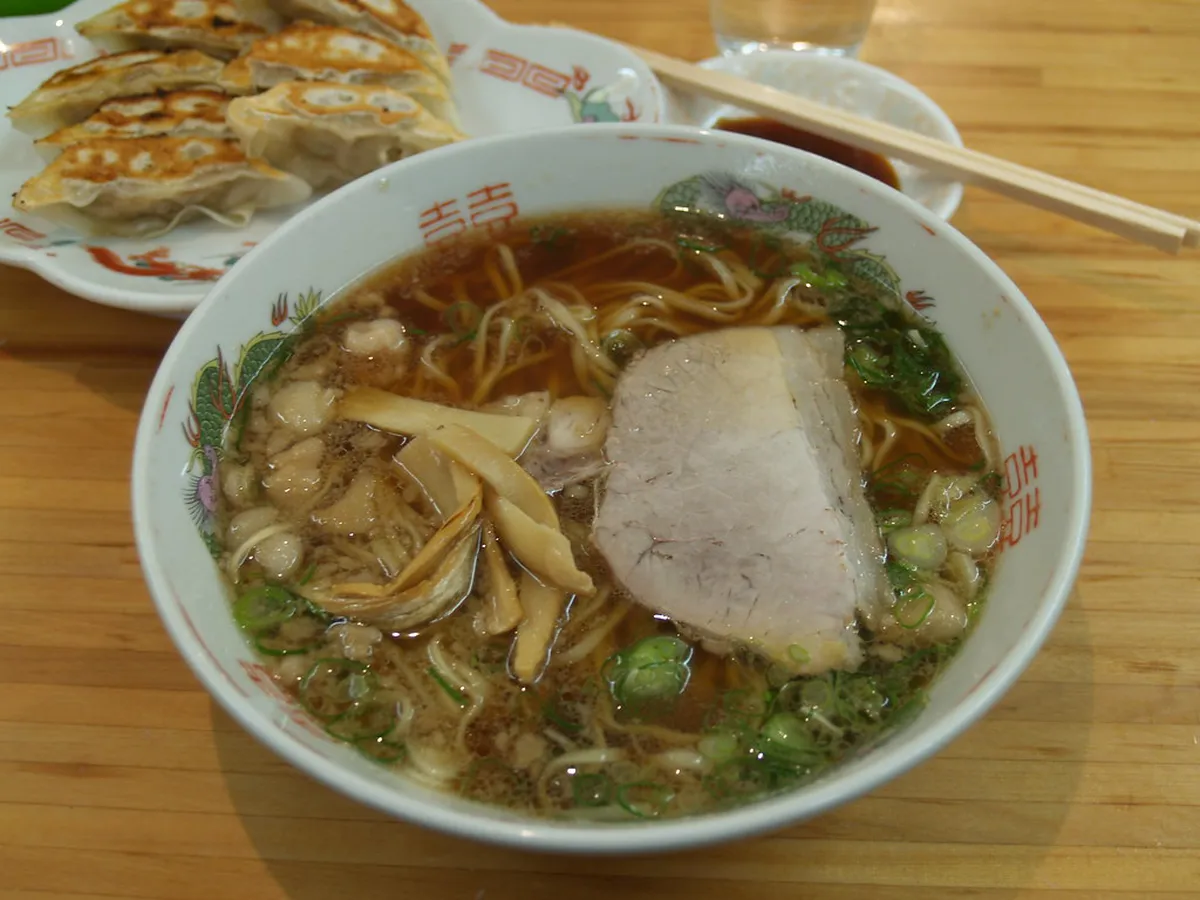
Onomichi ramen starts with a clear soy sauce broth built on two kinds of dashi. Cooks simmer chicken bones alongside iriko, the small dried sardines the Seto Inland Sea produces in abundance. That combination gives the soup a savory backbone with a faint, briny sweetness from the sea.
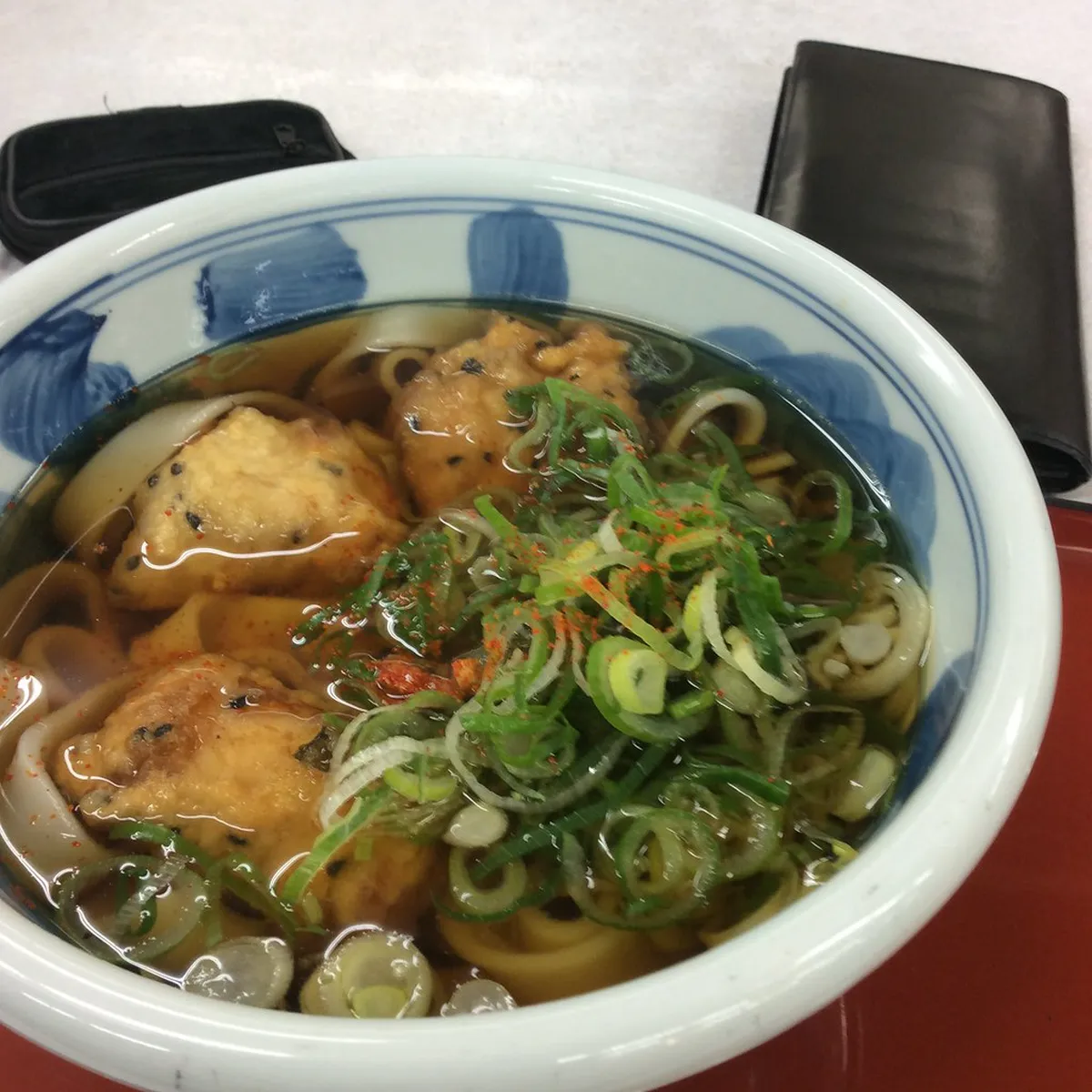
The signature move comes next: chunks of pork back fat, known locally as seabura, float on top of the broth. Cooks boil the fat until tender so it melts on contact and adds a rich, almost buttery finish. Flat, slightly wavy noodles soak up the broth without turning soft, so the texture holds up until the last bite. Toppings usually stay simple, chashu pork, bamboo shoots, and a scatter of green onion.
If you want a lighter bowl, ask for less seabura when you order, since most shops will adjust it. First-timers who like a richer broth can ask for extra fat instead, a common request among locals. Either way, expect a cash-only counter and a ticket machine at the entrance, standard practice at most Onomichi ramen shops.
Most Onomichi ramen shops operate on a cash-only basis and don't accept reservations. Arrive right at opening time (typically around 11:00 AM for lunch) or expect a 20-30 minute wait, especially on weekends. Bring small bills, as many counters have limited change during busy service windows.
Where to Eat Onomichi Ramen: Four Shops to Try
Onomichi packs a surprising number of ramen counters into a small waterfront grid near Onomichi Station. Kaigan-dori, the road running along the harbor, holds several of the most established shops. Lines form fast at lunch, so arrive close to opening or expect a short wait outside.
Maruboshi in particular draws visitors curious about its video-game fame, so the Onomichi Ramen Maruboshi location page is worth checking before you go. None of these four shops take reservations, and most only accept cash. Bring small bills, since change for a large note can slow down a busy lunch line.
- Tsutafuji
- This counter near the station draws some of the longest lunchtime lines in town.
- Regulars order the standard bowl with a modest amount of seabura on top.
- Expect a compact space with a handful of stools, so solo diners fit easily.
- Shukaen
- This shop leans into a heartier, pork-forward bowl than some of its neighbors.
- It sits a short walk from the harbor, making it easy to pair with a waterfront stroll.
- Portions run generous, so come hungry if you plan to finish the whole bowl.
- Ichibankan
- This Kaigan-dori shop has served ramen from a retro dining room for decades.
- The interior barely changed over the years, giving it a genuine Showa-era diner feel.
- Orders include large cuts of pork alongside the usual seabura and noodles.
- Maruboshi
- This spot along Kaigan-dori keeps a clear soy-dashi broth with tender chashu and crunchy menma.
- Fans of the Yakuza video game series may recognize the shop's classic layout.
- Expect a full house at lunchtime, so arrive early or plan for a short wait.
| Dish/Shop | What | Where |
|---|---|---|
| Tsutafuji Ramen | Clear soy-dashi broth with seabura, chashu, bamboo shoots, and wavy noodles | Near Onomichi Station, Kaigan-dori |
| Shukaen Ramen | Hearty, pork-forward bowl with generous portions and tender seabura | Short walk from the harbor, Onomichi |
| Ichibankan Ramen | Classic Showa-era ramen with large cuts of pork, menma, and traditional preparation | Kaigan-dori, central Onomichi |
| Maruboshi Ramen | Clear soy-dashi broth with tender chashu, crunchy menma, and distinctive ambiance | Kaigan-dori, near Onomichi Station |
| Anago (Saltwater Eel) | Grilled or simmered conger eel, fresh from the Seto Inland Sea | Various restaurants near Onomichi Station |
| Setoda Lemon Treats | Lemon cake, lemon soft-serve, and bottled lemon drinks from local citrus | Setoda, short ferry or drive from Onomichi |
| Dolce Gelato | Local citrus and seasonal fruit flavors, perfect after a rich ramen meal | Hondori shopping arcade, central Onomichi |
How Onomichi Ramen Differs From Tonkotsu Ramen
Travelers who know Hakata tonkotsu often expect a cloudy, collagen-thick broth from any bowl labeled ramen. Onomichi ramen breaks that expectation completely, since the broth stays clear even with the pork fat resting on top. The fat adds richness without clouding the soup, a trait that surprises first-time visitors the most.
A common mistake is judging the bowl by its looks and expecting a light, low-fat meal. The seabura still delivers real richness, just without the heavy, filling weight of a tonkotsu broth. If you plan to ramen-hop through more than one shop in a day, order a smaller bowl size where it's offered. Most counters list a mini or regular size, so pacing yourself across two shops stays realistic.
Seto Inland Sea Seafood and Setoda Lemon Treats
Onomichi's harbor location means fresh seafood shows up on menus well beyond the ramen counters. Anago, a type of saltwater conger eel, appears grilled or simmered at several restaurants near the station. Whitebait, known locally as shirasu, gets served raw, boiled, or dried depending on the season.
A short ferry or drive from central Onomichi, the island town of Setoda grows some of Japan's best-known lemons. Shops there sell lemon cake, lemon soft-serve, and bottled lemon drinks made from fruit grown on the surrounding hillsides. Fresh lemons peak from late autumn through winter, so a visit in that window brings the ripest citrus flavor. Setoda pairs well with a wider Setouchi region itinerary if you want to build a longer coastal trip.
Dolce Gelato and a Rainy-Day Walk Down Hondori
When rain rolls in off the Seto Inland Sea, the covered Hondori shopping street becomes the easiest place to keep eating. This Showa-era arcade runs through central Onomichi and stays dry no matter the weather outside. Old bento shops and ceramic stalls sit next to newer bakeries and a well-known gelato counter.
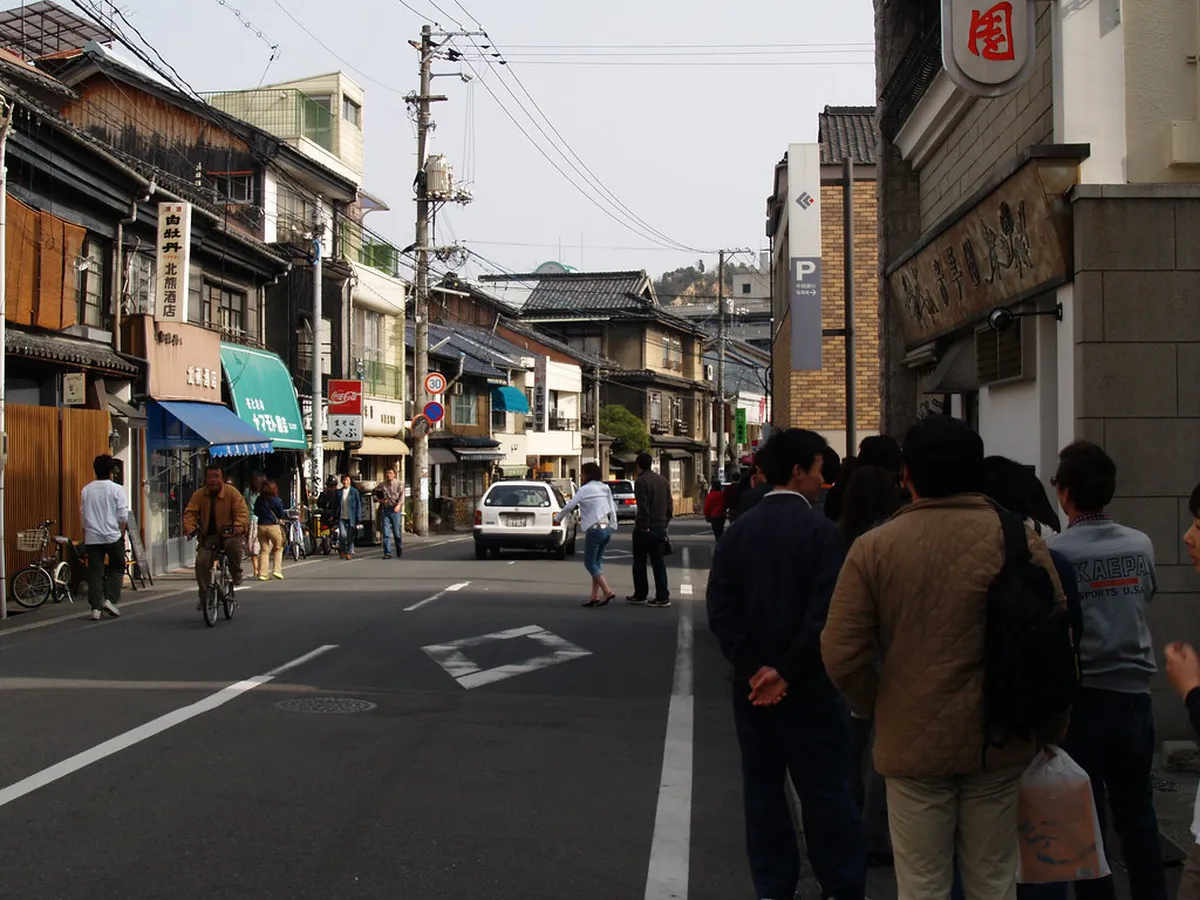
Onomichi's Dolce gelato shop scoops flavors built around local citrus and seasonal fruit near the waterfront. It makes a natural stop after a ramen lunch, since a smaller, cold dessert cuts through the pork fat richness. Grab a cone and walk toward the harbor for a view of the ferries crossing to the smaller islands.
Setoda's lemon season runs from late autumn through winter, bringing the ripest citrus flavors. If you visit during this window, take advantage of fresh Setoda lemons at local shops and restaurants. The contrast between rich ramen and bright lemon desserts makes this an ideal pairing—plan your trip accordingly to catch both in peak season.
Getting to Onomichi and Planning Your Food Day
The fastest route to Onomichi runs through Shin-Onomichi Station on Kodama bullet trains covered by the Japan Rail Pass. From there, a short bus or taxi ride connects to central Onomichi Station near the ramen shops. Traveling from Hiroshima Station on the local Sanyo Line takes roughly two hours with one transfer. Check current Onomichi transport options before booking your train, since schedules can shift through 2026.
Plan ramen stops around midday, since most shops open for lunch and often close between service windows. Pair a ramen lunch with a walk through Onomichi's Cat Alley and hillside temples to work off the meal. That route climbs above the harbor and gives you a clear view back down toward Kaigan-dori.
Cyclists starting the Shimanami Kaido from Onomichi often grab a bowl before setting off toward the islands. Fresh seafood and ripe Setoda lemons both peak in cooler months. Check the best time to visit Onomichi before planning a food-focused trip. Booking a room near the station also makes an early lunch or late dinner easier to fit in.
Where to Stay Near the Ramen Shops
Staying overnight near the harbor solves the pacing problem this guide raises above: fitting two ramen shops into one trip works better without a train to catch. Onomichi U2, a converted warehouse two or three minutes' walk from Onomichi Station, houses Hotel Cycle, the most convenient base for a food-focused stay. Its rooms lean bicycle-themed, since the complex sits at the starting point of the Shimanami Kaido, and staying there includes bike rentals if you want to add cycling to the trip. Breakfast comes included with the room rate, worth noting since many Japanese hotels charge extra for it. Standard doubles most commonly list somewhere in the ¥15,000 to ¥20,000 range for two guests. From the hotel, Kaigan-dori's ramen counters and the Hondori shopping arcade both sit a short walk away, so an early check-in leaves time for a same-day lunch bowl before dinner.
Explore Onomichi Food and Dining
Use these guides to compare local dishes, dining areas and practical food experiences in Onomichi.
Explore food guide in other cities
Frequently Asked Questions
What is in Onomichi ramen?
Onomichi ramen combines a clear soy sauce broth with dashi made from chicken bones and small dried sardines called iriko. Chunks of pork back fat, known as seabura, float on top and melt into the soup. Flat, wavy noodles carry the broth, and toppings usually include chashu pork, bamboo shoots, and green onion.
Which Onomichi ramen shop is most famous?
Tsutafuji and Maruboshi both draw steady lunchtime lines near Onomichi Station, while Ichibankan and Shukaen have served the style for decades along Kaigan-dori. Each shop keeps its own loyal following rather than one clear winner. Trying two shops in one visit is common among ramen fans passing through.
What food is Onomichi known for besides ramen?
Onomichi is known for fresh seafood from the Seto Inland Sea, including anago and shirasu, alongside a small local custard called Onomichi pudding. Nearby Setoda produces lemon cake, lemon soft-serve, and bottled lemon drinks. Gelato from a popular waterfront shop rounds out the local food scene.
Is it rude to leave ramen broth unfinished in Japan?
No, finishing the broth is a personal choice rather than an etiquette rule in Japan. Many diners drink most of the soup because it tastes good, not out of obligation. Feel free to stop once you feel full, especially if you plan to ramen-hop through more than one shop.
Do Onomichi ramen shops take reservations or cards?
Most Onomichi ramen shops skip reservations and rely on a first-come, first-served line, especially around midday. Many counters, including the well-known spots on Kaigan-dori, accept cash only, so bring small bills. Arriving right at opening time helps you avoid the longest waits.
Onomichi rewards travelers willing to slow down and eat their way through a small waterfront grid of shops. The ramen alone justifies a stop, but the lemon treats, gelato, and seafood round out a full day of eating. Rain or shine, the covered Hondori arcade keeps the food crawl going without missing a beat.
Give yourself at least a full afternoon to try two shops without rushing the meal. Browse more Japan travel guides to build out the rest of your Hiroshima Prefecture itinerary. A single visit rarely satisfies serious ramen fans, so plan on returning for the shops you missed.
Free: The Hiroshima Essentials guide
Top things to do, where to stay, a perfect day plan, getting around, and the best time to go — a Hiroshima mini-guide you can take offline.
You might also like


Continue reading
More guides you'll find useful


