
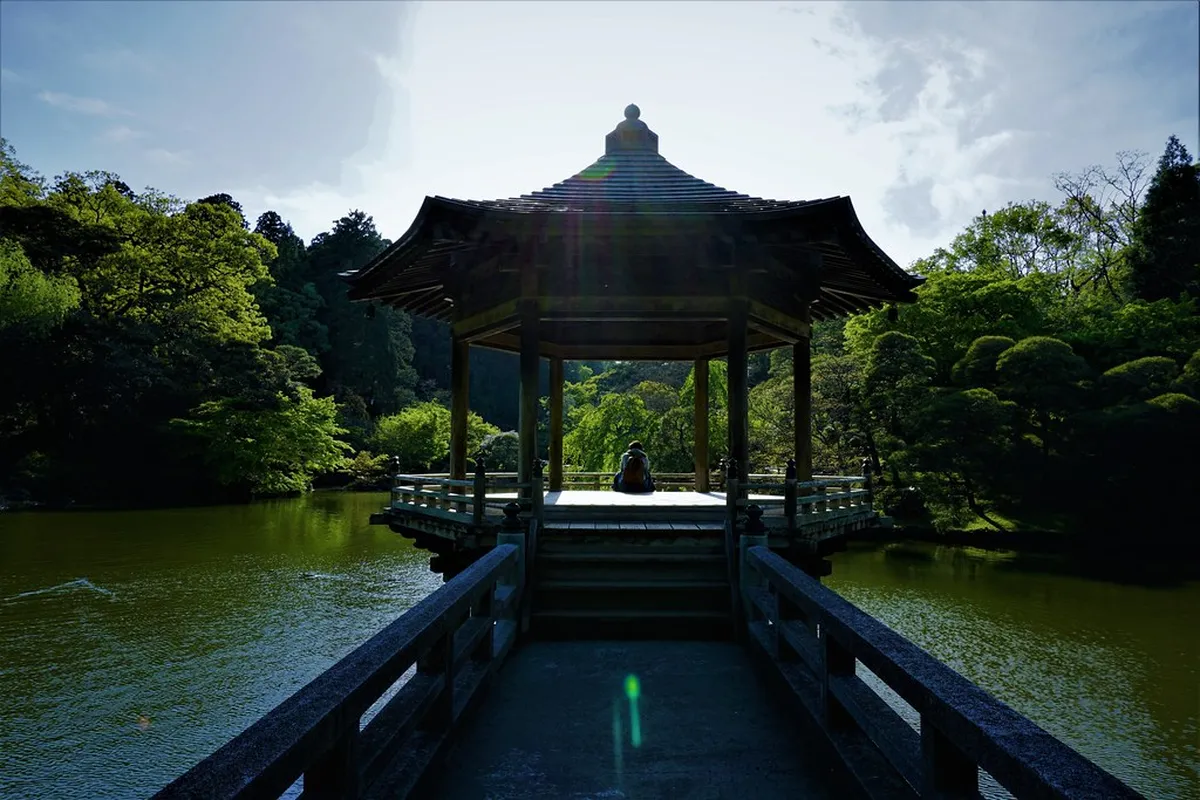
Naritasan Shinshoji Temple
Vast Shingon temple complex founded 940 CE, drawing millions for New Year hatsumode.
Visitor guide →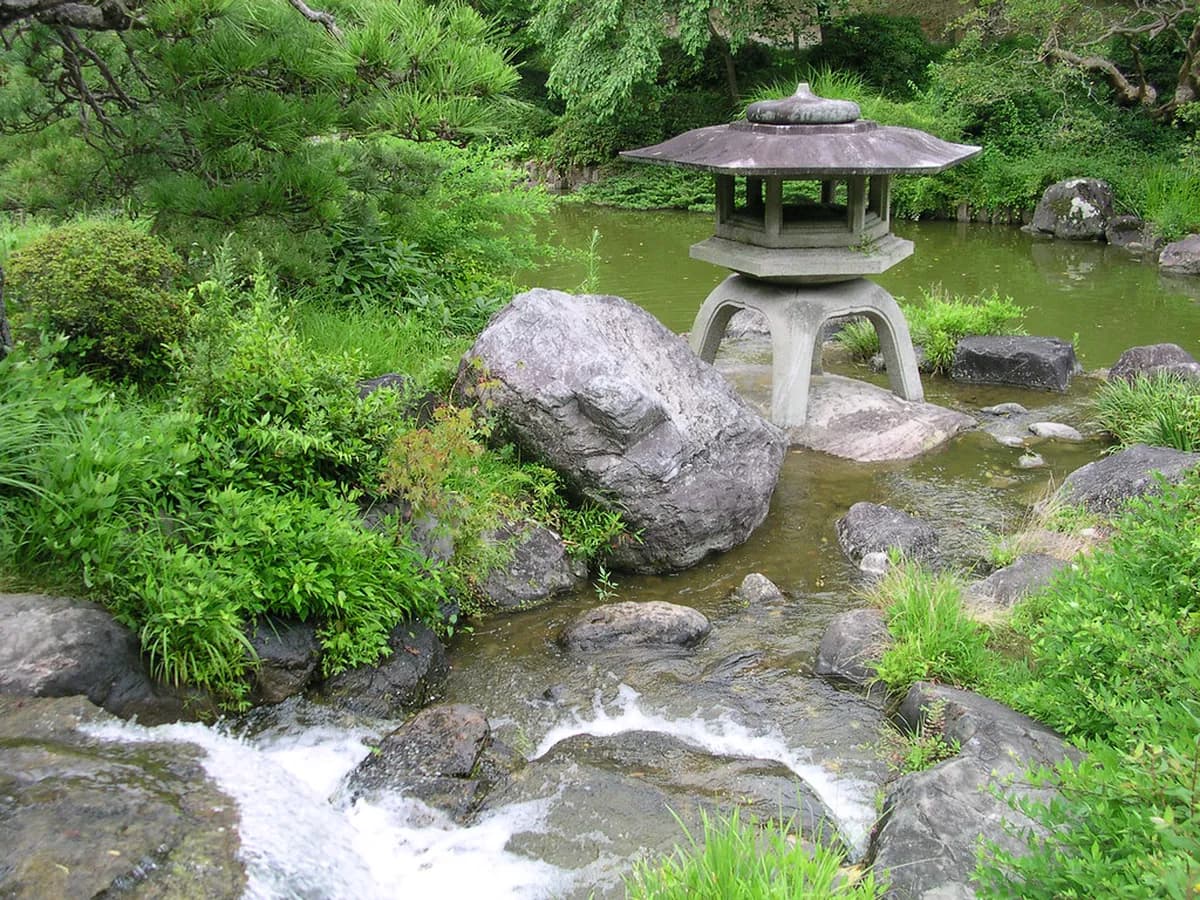
Things to do in Narita town, Chiba: Naritasan Shinshoji Temple, Omotesando eel street, Naritasan Park, Boso no Mura — plus a layover-friendly loop minutes from Narita Airport. 2026 guide.
Almost everyone who searches for things to do in Narita arrives expecting an airport — but Narita is a real temple town in Chiba Prefecture, and the historic Narita at the heart of it has nothing to do with the runways. The city grew up around Naritasan Shinshoji Temple, a 1,000-year-old Shingon Buddhist complex that draws over 10 million visitors a year, and the cobbled approach street, riverside park, and eel restaurants below it make for one of the most rewarding short trips in the Tokyo area. Because Narita International Airport sits inside the same city, you can fold the whole loop into a long layover — Naritasan Station is roughly 10–15 minutes from the terminals by train.
This page is the hub for Narita's town attractions. Below you'll find the five sights worth your time — each links to a full visitor guide with verified opening hours, current pricing and the practical detail official sites leave out — followed by a free-vs-paid breakdown, a suggested itinerary (with a layover-friendly short loop), how to reach Narita from the airport and central Tokyo, the best time to visit, and how to save money. Whether you have a full day or a three-hour gap between flights, start here.
Vast Shingon temple complex founded 940 CE, drawing millions for New Year hatsumode.
Visitor guide →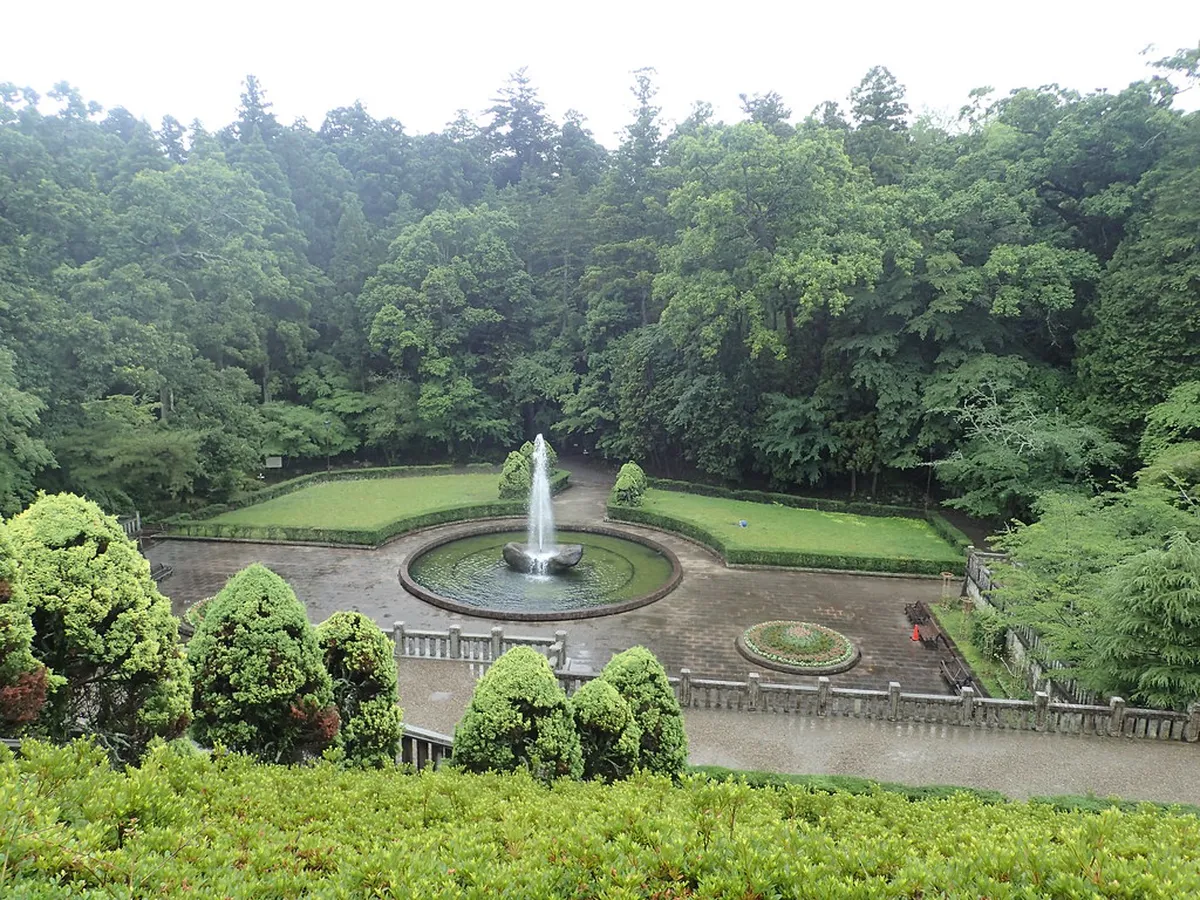
165,000m² landscaped temple garden of ponds, plum and maple behind the main hall.
Visitor guide →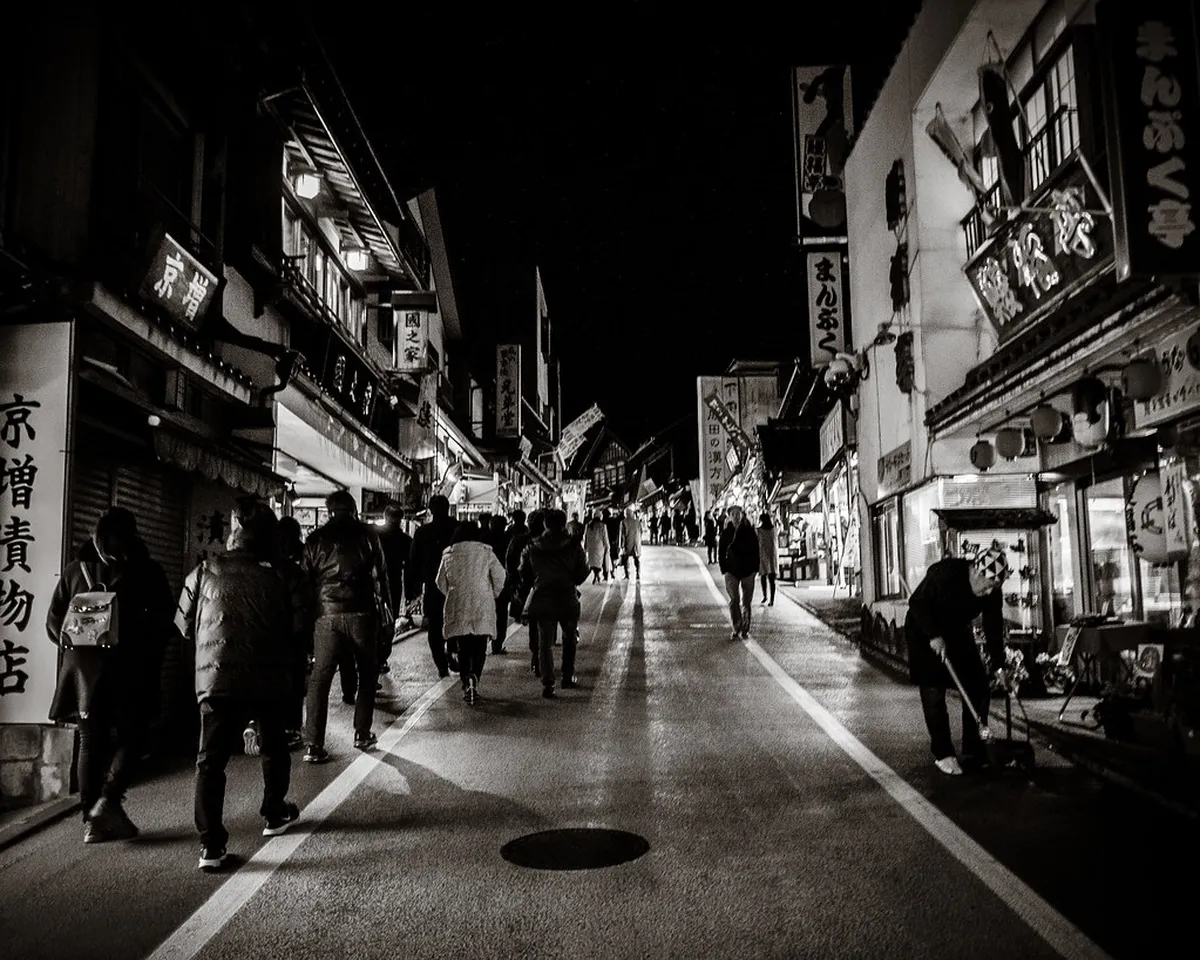
800m Edo-style approach street to the temple lined with unagi restaurants and craft shops.
Visitor guide →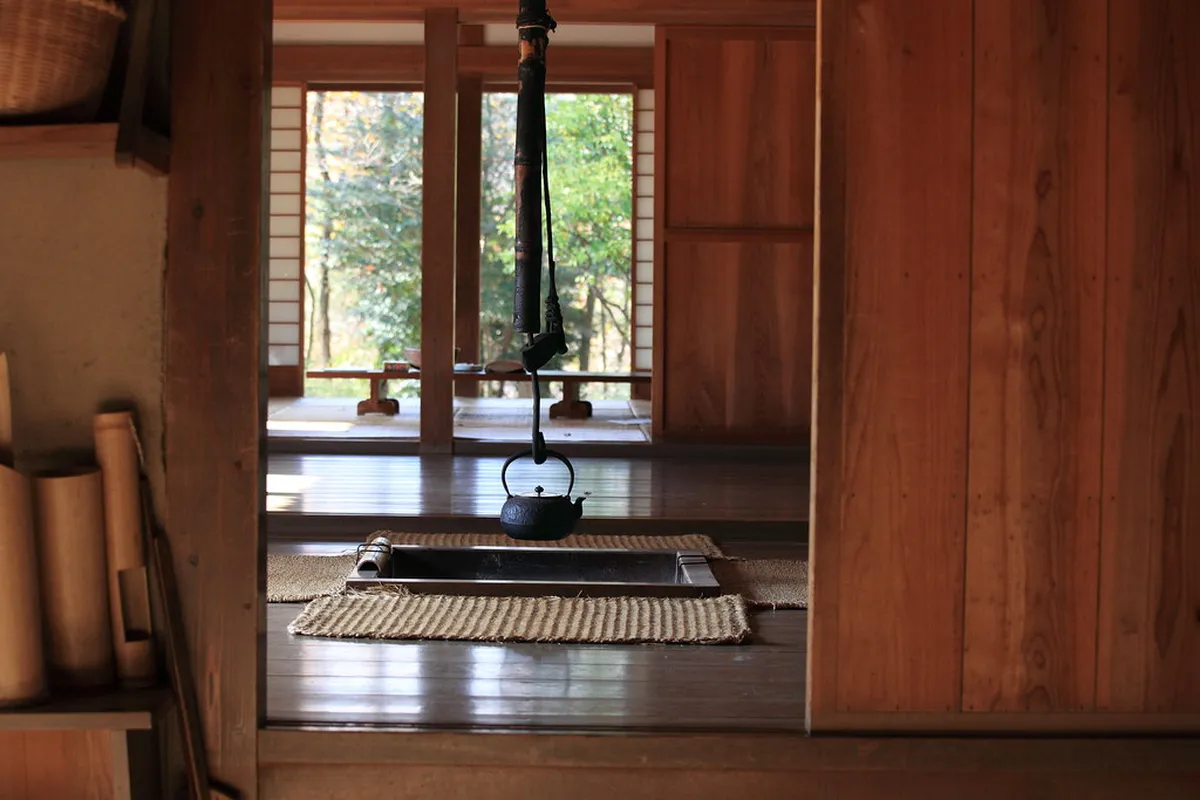
Open-air museum recreating an Edo-period Boso merchant town with hands-on craft workshops.
Visitor guide →
Museum in Naritasan Park holding 6,000+ modern Japanese calligraphy works.
Visitor guide →Narita's sights are unusually compact: four of the five below sit within a 20-minute walk of Naritasan Station, strung along a single sloping street that ends at the temple gate. The fifth, Boso no Mura, is a short ride out into the countryside and rewards anyone with a half-day to spare. Here's what each one is and why it earns a spot on your list.
This is the reason Narita exists as a destination. Naritasan Shinshoji Temple was founded in 940 CE and today spreads across a hillside of halls, pagodas and gates — the vermilion three-storey pagoda, the Great Main Hall, and the towering Great Pagoda of Peace among them. It is one of Japan's most-visited temples, drawing roughly three million worshippers in the first three days of the new year alone for hatsumode. Goma fire rituals run several times daily in the main hall, free to observe, and the grounds are open and free to wander. Allow an hour to walk the complex unhurried; it sits at the top of Omotesando, about a 10-minute walk from the station. For the full layout, ritual schedule and the best photo spots, see our Naritasan Shinshoji Temple guide.
The 800-metre approach street between Naritasan Station and the temple is an attraction in its own right. Naritasan Omotesando preserves an Edo-period streetscape of wooden machiya shopfronts, and it is where Narita's culinary fame lives: this is unagi (grilled freshwater eel) country, and a dozen long-established eel houses fan their charcoal grills street-side, the most famous filleting live eels in the window. Between the restaurants you'll find rice-cracker makers, pickle shops, sweets stalls and craft sellers — ideal for souvenirs and a leisurely graze on the walk up to the temple. Browsing the street is free; budget what you like on food. Our Omotesando guide maps the best eel restaurants and shops.
Tucked behind the main hall, Naritasan Park is a 165,000-square-metre landscaped garden of three ponds, waterfalls, and seasonal planting — plum in late winter, fresh maple and azalea in spring, and a justly famous maple display in November. Carp crowd the ponds (kids love feeding them), shaded paths loop past tea-houses, and the whole park is free to enter. It's the natural counterpoint to the temple's stone and timber, and an easy 20–30 minute stroll. Details and the seasonal calendar are in the Naritasan Park guide.
Set within Naritasan Park, the Naritasan Museum of Calligraphy holds a collection of more than 6,000 works of modern Japanese sho (calligraphy) — one of the largest of its kind in the country. The modern concrete building is a quiet, air-conditioned change of pace, and the rotating exhibitions make the abstract art of the brush surprisingly approachable even if you can't read a character. Admission is a modest paid ticket. See the museum guide for hours and current pricing.
A short ride from central Narita, Boso no Mura recreates a working Edo-period Boso merchant town: reconstructed samurai residences, thatched farmhouses, and a row of shops where costumed artisans demonstrate — and let you try — traditional crafts like indigo dyeing, paper-making and pottery. It's hands-on, family-friendly, and a frequent film and TV location. This is the one sight that needs a half-day and a deliberate trip out, so it suits visitors staying longer rather than a quick layover. Practical access and the workshop schedule are in the Boso no Mura guide.
One of Narita's quiet pleasures is how much of it is free. The temple grounds, the Omotesando street, and Naritasan Park cost nothing to enter — you could easily spend a satisfying half-day on foot without buying a single ticket beyond your train fare. Here's the rough split:
For most visitors the only unavoidable cost is the short train fare from the airport or Tokyo plus whatever you eat. That makes Narita an unusually cheap day out by Tokyo-area standards.
How you sequence the day depends mostly on how much time you have. Two reliable routes:
From Naritasan Station, walk down Omotesando, grazing as you go, and arrive at the temple in 10–15 minutes. Spend an hour on the temple complex, then drop into Naritasan Park behind it and, if it's open, the Museum of Calligraphy inside the park (about 30–60 minutes combined). Walk back up Omotesando for a proper unagi lunch. If you still have a half-day and your own transport or patience for the bus, add Boso no Mura in the afternoon. This is an easy, low-stress day — nothing here demands a tight schedule.
If you only have a gap between flights, the rule of thumb is to allow at least three hours outside the terminal (so roughly a five- to six-hour layover with bags handled). Take the Keisei or JR train from the airport to Naritasan Station (about 10–15 minutes), walk straight down Omotesando to the temple, see the main halls and a glimpse of the park, grab a quick eel skewer or rice cracker on the street, and head back. That core loop fits comfortably in two to three hours on foot and gives you a genuine taste of historic Japan without the trek into Tokyo. Skip Boso no Mura and the museum on a layover — they don't fit the clock. For the full timing math and bag-storage tips, see our Narita layover and stopover guide.
Reaching Narita's attractions is refreshingly simple, because the airport and the temple town share the same rail lines.
Narita is one of the best day trips from Tokyo, and our full Narita attractions blog guide goes deeper on routes, seasons and where to eat.
Narita is a year-round destination, but a few windows stand out. Late November brings the celebrated maple colours in Naritasan Park and is arguably the single best time to visit. Spring (late March to April) layers cherry and plum blossom over the temple grounds. The new-year period (December 31–January 3) is spectacular but extraordinarily crowded — millions come for hatsumode, so go only if the festival energy is the point. For a calm visit, aim for a weekday morning: arrive before the day-trip crowds and tour buses, and you'll have the early temple light and a quiet Omotesando to yourself. Summer is hot and humid but quiet; the indoor calligraphy museum is a welcome refuge.
Because so much of Narita is free, the savings here are about transport and convenience rather than admission. The standout deal is the Narita Kaiun Pass, a Keisei discount ticket that bundles return rail travel to Naritasan Station with discounts and perks at participating Omotesando shops and restaurants — handy if you're coming specifically for the temple and plan to eat or shop on the approach. Beyond that: travel on a weekday to dodge crowds and queues, carry an IC card (Suica/PASMO) so you never fumble for ticket machines on a tight layover, and remember that the temple, park and street cost nothing — your only required spend is the short fare and lunch. Skip the priciest eel houses at the bottom of Omotesando if you're watching the budget; the smaller shops further up serve the same Narita specialty for less.
It's well worth visiting. Narita is a genuine temple town built around the 1,000-year-old Naritasan Shinshoji Temple, with a historic approach street famous for grilled eel and a large landscaped park behind the temple. Most of it is free, and the core sights cluster within a short walk of the station.
The essentials are Naritasan Shinshoji Temple, the Omotesando approach street (best for unagi and souvenirs), and Naritasan Park behind the temple. With more time, add the Naritasan Museum of Calligraphy inside the park and the Boso no Mura open-air museum out in the countryside.
Very close — Narita International Airport sits inside Narita City. Trains on the Keisei Main Line and JR Narita Line run from the airport terminals to Naritasan / JR Narita Station in about 10–15 minutes, and the temple is a further 10–15 minute walk down Omotesando.
Yes, this is one of the best layover trips in Japan. Allow at least three hours outside the terminal (roughly a five- to six-hour layover with bags sorted). Take the train to Naritasan Station, walk down Omotesando to the temple, and loop back — the core route takes about two to three hours on foot. See our Narita layover guide for the full timing.
Two to three hours covers the temple, Omotesando and a quick look at the park — ideal for a layover. A half to full day lets you add an unagi lunch, the calligraphy museum and Boso no Mura at a relaxed pace.
Largely, yes. The temple grounds and halls, Omotesando street and Naritasan Park are all free to enter. Only the Naritasan Museum of Calligraphy and Boso no Mura charge admission, and both are modest. Your main unavoidable cost is the short train fare and any food.
Unagi — grilled freshwater eel — is Narita's signature dish. Omotesando is lined with long-established eel restaurants, many filleting and grilling the eel in the window. Our Narita guide points to the best ones.
Late November for the maple colours in Naritasan Park, or spring (late March–April) for blossom. New Year is spectacular but extremely crowded. For a calm visit, come on a weekday morning before the tour buses arrive.
Ready to go deeper? Pair this attractions hub with our wider Narita coverage: the full Narita attractions blog guide for routes, seasons and itineraries, the detailed Naritasan Shinshoji Temple guide, the Narita layover and stopover guide for travellers between flights, and our Narita Airport to Tokyo transit guide for onward travel. Narita is also one of the easiest day trips from Tokyo.
Further reading: Narita, Chiba on Wikipedia and the Narita travel guide on Wikivoyage.