
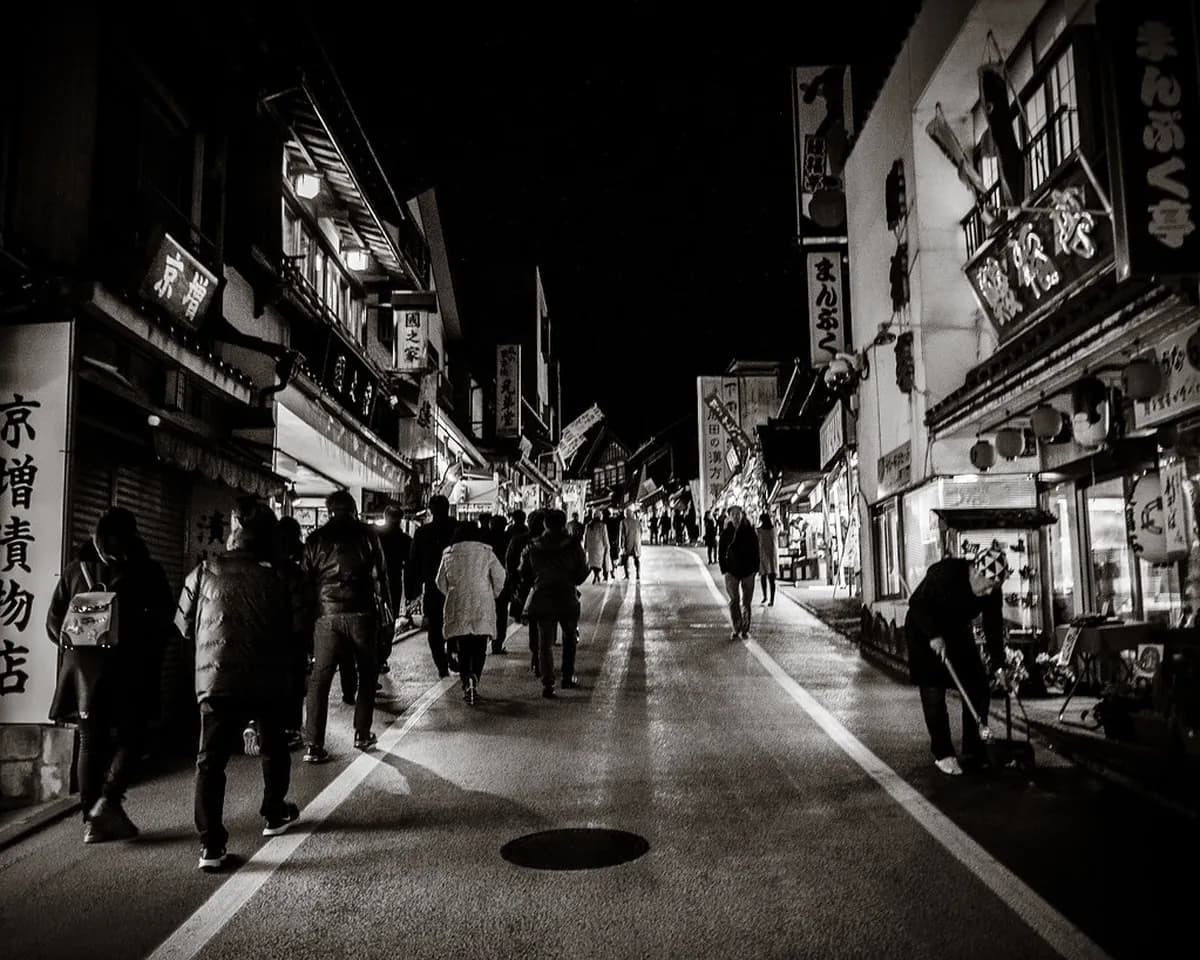
Naritasan Omotesando is one of the most rewarding escapes you can make from Narita International Airport. A 10–15 minute train ride deposits you at the foot of an 800-metre Edo-style approach street lined with eel restaurants, hand-pressed senbei shops, and a thousand-year-old Buddhist temple at its end.
The area ranks among Japan's top three most-visited temple sites for New Year's, yet on a regular weekday it feels unhurried and genuinely local. Whether you have 4 hours or a full day, this guide tells you exactly what to do, what to eat, and how to time your visit around the temple's famous Goma fire ritual.
Why Visit Naritasan Shinshoji and Omotesando?
Most travelers know Narita only as an airport. What surprises first-timers is that Narita City itself — a 20-minute train ride away — holds one of Japan's most significant Buddhist temples and a perfectly preserved old-town shopping street. You can experience genuine Japanese heritage without touching Tokyo.
Naritasan Shinshoji Temple was founded in 940 CE after a monk performed a Goma fire ritual to suppress the Taira no Masakado rebellion. The temple's name, "new victory temple," commemorates that event. That same sacred fire has burned continuously for over 1,000 years — a fact the temple considers its most defining feature.
The temple grounds are considerably larger than first-time visitors expect. Beyond the Main Hall, there are five buildings designated as Important Cultural Properties, a pagoda built in 1712, and Naritasan Park — 165,000 square metres of Japanese garden with ponds and waterfalls. Budget more time here than you think you need.
Getting to Naritasan from Narita Airport (NRT)
From Narita Airport, take the JR Narita Line or Keisei Line toward Narita city. The ride to JR Narita Station or Keisei Narita Station takes 10–15 minutes and costs approximately ¥240–¥270. Trains run frequently throughout the day and both lines go to the same destination neighbourhood.
Once you exit either station, Omotesando begins immediately. Follow the signage pointing toward Naritasan Shinshoji — the street is well-marked in English and you cannot miss the start of the approach. The walk from the station to the temple gate takes about 20 minutes at a leisurely pace.
If you are traveling with luggage, both JR Narita Station and Keisei Narita Station have coin lockers. Sizes run ¥400, ¥500, and ¥700 depending on the locker. At Keisei Narita Station the lockers are coins only, so come prepared — nearby shops may not give change. Storing your bags here makes the walk significantly more enjoyable.
A Stroll Down Naritasan Omotesando Street: Food and Details to Watch For
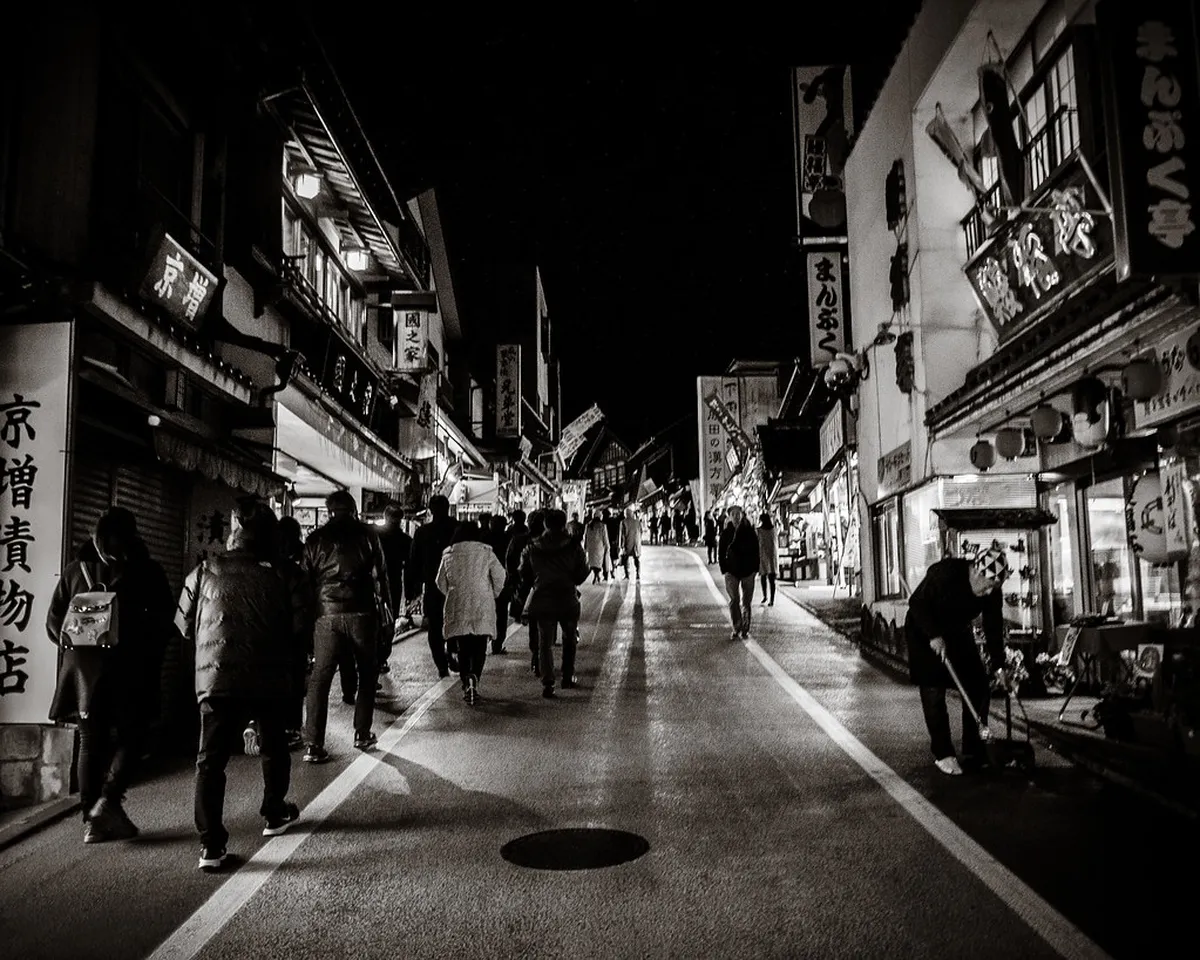
The Naritasan Omotesando street stretches approximately 600–800 metres from Narita Station to the temple, lined on both sides with well-preserved Edo-style buildings. Around a decade ago, all overhead power lines were moved underground, which removed the visual clutter and restored the street to something close to its historic appearance. The effect is striking — it genuinely looks like stepping into a different century.
As you walk, look for the 12 stone zodiac animal statues placed along the street. They are a fun detail that most visitors walk past without noticing, and finding your own zodiac sign has become an informal ritual for regulars. When you reach the Grand Gate (Somon) at the end of the street, look up at the decorative brackets — each one is carved with a zodiac animal, and local tradition holds that walking directly under your own sign brings extra good fortune.
Unagi (eel) is Narita's signature dish. The tradition dates to the Edo period, when locals served eel to pilgrims making the journey to the temple. Narita prepares eel in the Kanto style — steamed first, then grilled — which gives it a soft texture and a deep, savory flavour. Well-regarded options along the street include Kawatoyo Honten and Surugaya. Expect lunch at a proper eel restaurant to cost ¥2,000–¥4,000 per person. If you want something quicker, freshly pressed senbei (rice crackers) at Hayashida's Senbei Rice Cracker Shop and dango at Nana Cafe Koguma both run under ¥500. Miyoshiya Sweets Cafe is a reliable stop for Japanese sweets with green tea.
Most shops open around 09:00–10:00 and close by 17:00. The street thins out noticeably after 16:00, and by early evening most food stalls are done. Plan to arrive before lunch for the fullest experience. On the 28th of each month, the "Good Fortune Fudo Market" — an informal antique flea market — sets up near the Grand Gate, worth timing your visit around if you can.
Exploring Naritasan Shinshoji Temple: Must-See Highlights
The main route through the temple runs from the Grand Gate (Somon), built in 2007 from zelkova wood at about 15 metres tall, through the Niōmon Gate (1831, designated Important Cultural Property) and up a stone staircase to the Main Hall plaza. The Niōmon Gate's large red lantern — 2.8 metres tall, 800 kilograms — was donated by Edo-period fish merchants. Look underneath it for a carved dragon symbolising water and protection from fire. The lantern is replaced roughly every 10 years to maintain its vivid colour.
The Main Hall is the spiritual center of the complex. It enshrines Fudo Myoo, a fierce-looking guardian deity who holds a sword to cut through obstacles and a rope to bind negative forces — the expression is protective, not threatening. This is where the Goma fire ritual takes place daily.
The Three-Story Pagoda (built 1712) stands out for its bright red, green, and gold decoration. At 25 metres, it uses a central pillar design that proved so earthquake-resistant that it influenced modern engineering concepts, including those used in Tokyo Skytree. The Great Peace Pagoda (1984, 58 metres) sits on a raised platform accessible by elevator, making it suitable for all visitors. Inside are five floors; you remove shoes from the second floor up. A time capsule containing peace messages from world leaders is buried beneath it, set to open in 2434.
Do not leave without walking into Naritasan Park behind the temple. The 165,000-square-metre garden contains three connected ponds, a hexagonal pavilion, koi, herons, and Yuhiga Falls — a small waterfall surrounded by moss. Cherry blossoms typically peak in late March, plum blossoms in February, and autumn foliage in November.
The Goma Fire Ritual: What to Expect
The Goma fire ritual is the living heart of Naritasan. Monks burn wooden prayer sticks in a sacred fire inside the Main Hall, symbolising the removal of obstacles and negative energy. The ceremony is accompanied by rhythmic drumming that fills the hall with a low, resonant sound — even visitors with no Buddhist background typically find it moving.
The ritual has been performed daily without interruption for over 1,000 years. Timings follow a set schedule: consult the Naritasan Shinshoji Main Hall Goma Ceremony Schedule for the current year's times, as ceremonies typically run several times per day. The morning session is the busiest; arriving a few minutes early to secure a spot inside the hall is worth it.
At the end of the ceremony, visitors can hold their bags, wallets, or personal items through the residual smoke. This is considered a blessing — the smoke from Fudo Myoo's sacred fire is believed to purify and protect. The ritual lasts roughly 30–45 minutes. Dress modestly, remove hats inside the hall, and keep voices low. Photography is usually permitted from the side but not during the most sacred portions; follow the ushers' guidance.
Every Wednesday, Thursday, and Friday, a kimono experience is available near the temple grounds for around ¥800 (closed in summer). Thursday also offers a free tea ceremony. These make good additions to a 6-hour or longer layover.
Narita Layover Itineraries: 4, 6, and 10-Hour Options
Always account for at least 2 hours at the airport before your departure flight, plus 15 minutes of transit each way. Factor in security and terminal transfer time if you are connecting internationally.
4-hour layover — This is the minimum workable window. Take the train to Narita Station (15 min, ¥240–¥270), walk Omotesando while picking up a quick snack (30 min), spend 45–60 minutes at the main temple grounds including the Niōmon Gate and Main Hall, then return. You will likely catch a Goma ceremony if you time your arrival around a morning session. Budget ¥1,000–¥1,500 including transport and food.
6-hour layover — Add a sit-down eel lunch (60 min) and a loop through Naritasan Park (30 min). This is the sweet spot for most travelers. You can explore the temple at a relaxed pace, watch the Goma ritual, browse the street properly, and eat well — all without rushing. Total spend around ¥3,000–¥5,000.
10-hour layover — A full unhurried day. After the temple and park, visit the Naritasan Museum of Calligraphy (about 1 hour). Use the extra time for a longer meal, afternoon shopping on Omotesando, or simply sitting in the park garden. Return to the airport by 16:00 to stay comfortable.
Planning Your Visit: Best Time and Practical Tips
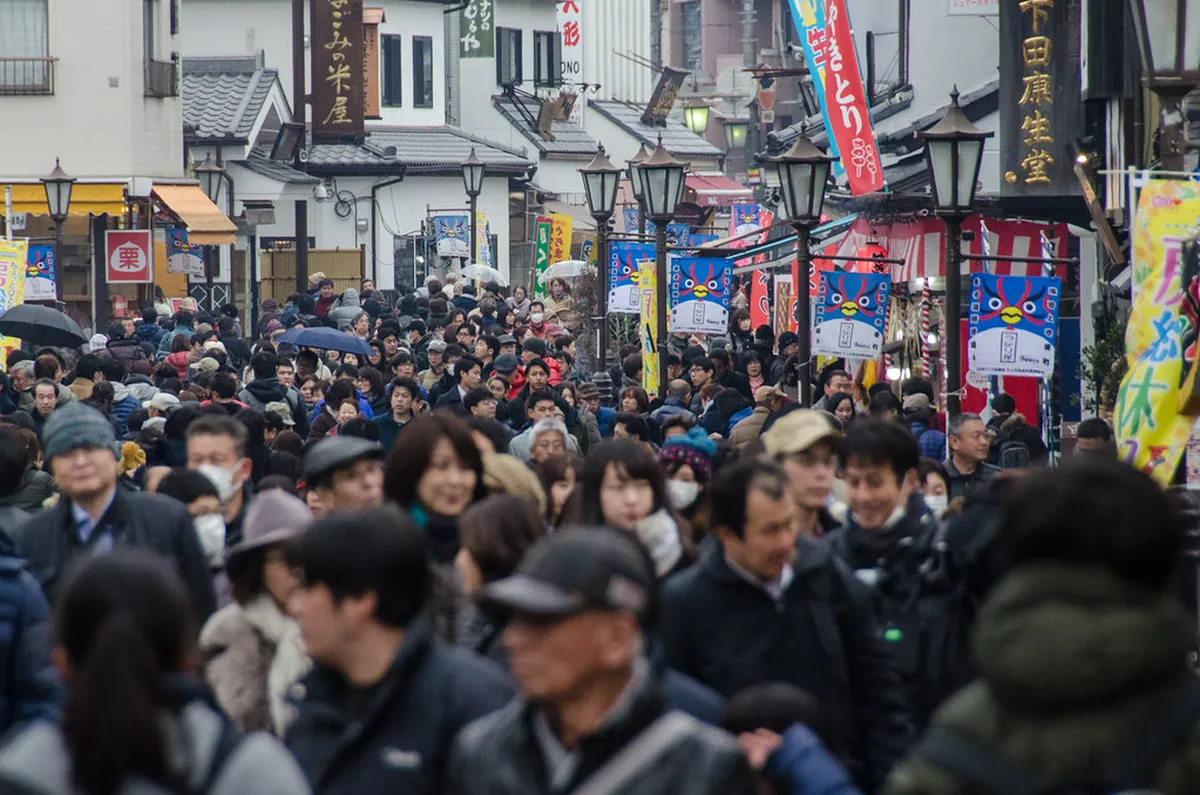
Most shops open by 09:00–10:00. If you arrive before 10:00, the street is quiet but the temple grounds are already accessible. Weekdays see noticeably fewer crowds than weekends. New Year's (Hatsumode) draws over one million visitors to the temple — avoid this period unless you specifically want to experience it.
Spring (late March to April) and autumn (November) are the most scenic seasons in Naritasan Park. Summer is humid but the park's Yuhiga Falls area provides shade and a cooling effect. Winter is clear and uncrowded, and the morning Goma ritual feels particularly atmospheric in cooler weather.
A few practical notes: credit cards are not accepted at many smaller shops and restaurants along Omotesando — carry Japanese yen. The temple grounds are free to enter; there is no admission fee for any of the main buildings, including the Great Peace Pagoda (elevator access is free). English signage is adequate throughout the main route. The whole complex, including Naritasan Park, is accessible for wheelchair users via the elevator at the Great Peace Pagoda, though some stone staircase sections around the Niōmon Gate have no ramp alternatives.
Where to Stay Near Narita Airport: Hotels and Capsule Options
For very early departures or extended layovers, several accommodation options sit close to the airport. The 9hrs Capsule Hotel is located directly inside Terminal 2 of Narita Airport — no transit needed, compact and efficient, best suited to solo travelers who want to maximise sleep time. Families or those carrying significant luggage will find the Narita Airport Rest House more comfortable; it is a short shuttle ride from the terminals and offers standard room sizes.
Toyoko Inn Narita Airport Honkan provides free breakfast and a free airport shuttle, making it strong value for early-morning departures. Hotel Route-Inn Katori Sawara Ekimae is positioned near Sawara town (about 20 minutes by train from Narita), which suits travelers who want to explore the Little Edo townscape before flying. The Hilton Tokyo Narita Airport sits at the higher end with a full amenity set, including an on-site restaurant and pool, best suited to longer overnight stays rather than pure transit.
Beyond Naritasan: Nearby Day Trip Ideas
If you have a full free day — or if you are basing yourself in the Narita area for a night — two destinations are worth considering. Sawara (also called "Little Edo") is a 20-minute train ride from Narita Station. Its canal-side Edo-period merchant townscape is a national preservation district, largely free to walk, and far less crowded than Kyoto's equivalent areas. It pairs well with an Omotesando morning: temple and street food before noon, Sawara by early afternoon.
Katori Shrine, a short bus or taxi ride from Sawara, is one of the oldest Shinto shrines in Japan and the principal shrine of the warrior deity Futsunushi-no-Mikoto. The approach through a dense cedar forest creates an atmosphere quite different from Naritasan's busier urban setting. Both Sawara and Katori Shrine are accessible without a guide and take 2–3 hours combined.
Travelers with a 10-plus hour layover and interest in Tokyo have the option of a guided layover tour, though this requires careful management of transit time — the Narita Express to Tokyo takes 60 minutes and costs around ¥3,000 each way. Most travellers find the Naritasan area sufficient for a satisfying half-day without the complexity of venturing into Tokyo.
Frequently Asked Questions
Is Omotesando worth visiting during a Narita layover?
Yes, Naritasan Omotesando is definitely worth visiting, especially for a layover. It offers a delightful blend of traditional Japanese culture, historic architecture, local food, and unique shopping. The easy access from Narita Airport makes it a perfect short escape to experience authentic Japan.
What is Naritasan Omotesando famous for?
Naritasan Omotesando is famous for its historic Edo-period atmosphere, leading to Naritasan Shinshoji Temple. It is particularly renowned for its unagi (eel) restaurants, traditional senbei (rice crackers), and various Japanese sweet shops. The street provides a vibrant cultural experience for visitors.
How far is Naritasan Shinshoji from Narita Airport?
Naritasan Shinshoji Temple is very close to Narita Airport. A train ride to Narita Station takes approximately 10-15 minutes, followed by a 10-15 minute walk along the Omotesando street to reach the temple. This makes it an ideal destination for short layovers.
What food should I try on Naritasan Omotesando?
You should definitely try unagi (eel), a local specialty, at one of the many eel restaurants. Also, sample freshly made senbei (rice crackers) and various traditional Japanese sweets. Look for dango, matcha ice cream, and other unique local treats available along the street.
Naritasan Omotesando rewards visitors who treat it as a destination rather than a detour. The 800-metre approach street, the living Goma ritual, the park behind the temple, and the eel-house lunches add up to a genuinely full cultural experience — one that takes under an hour to reach from the terminal.
Use the layover itineraries above to size your visit correctly, store your luggage at the station coin lockers, and arrive before noon to catch both the shops at their best and a morning Goma ceremony. Traditional Japan, with very little effort, is right outside the airport.
For the latest official information, see the Naritasan Omotesando on Wikipedia and Naritasan Omotesando official site.