

What to Eat in Narita: 9 Best Foods From Unagi to Airport Dining (2026)
What to eat in Narita: 9 dishes from grilled eel (unagi) on Omotesando to quick airport meals at NRT, plus a layover-length guide for 2026 trips.
On this page
Last updated August 2026, this guide covers what to eat in Narita for a full day near the temple and for a two-hour layover at the airport. Grilled eel anchors the local food scene, and the Omotesando approach also serves pickles, rice crackers, and bean sweets specific to this one street. Nine dishes and stops below are organized by how much time is actually available, from a quick airport bowl to a full Omotesando food crawl.
What Is Narita Famous for Eating?
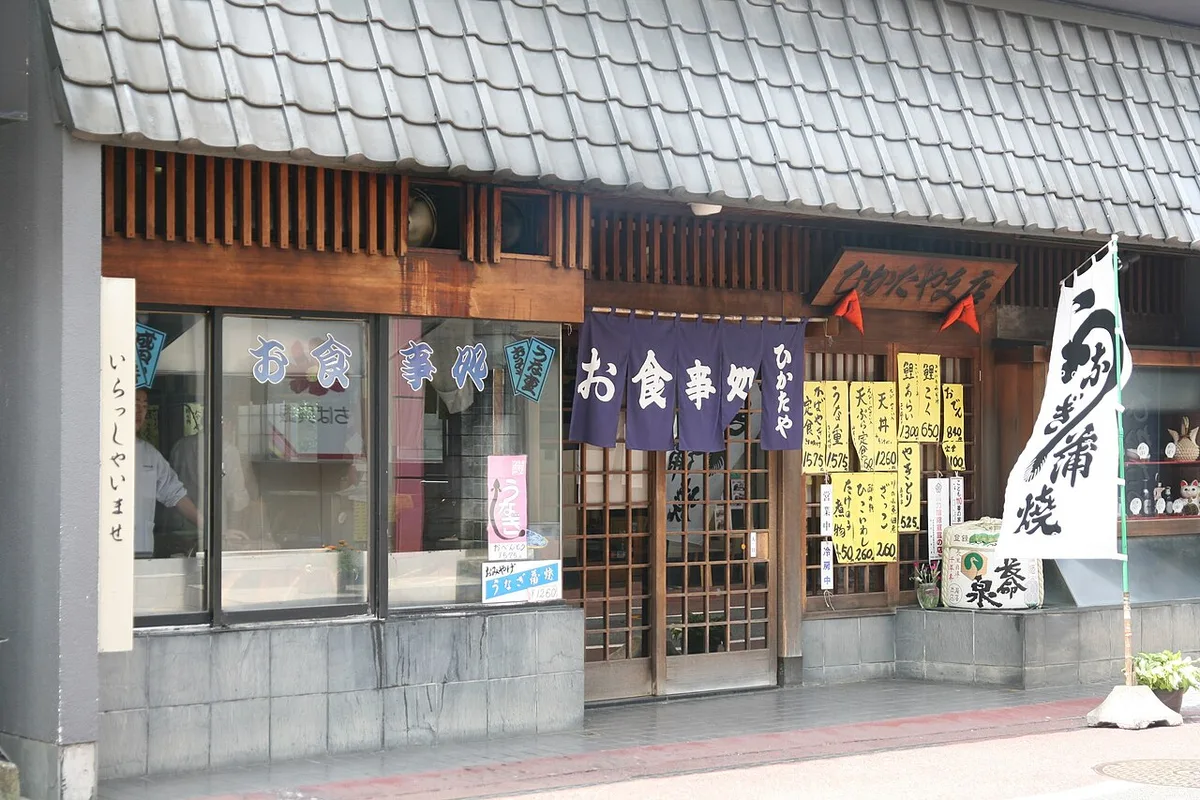
Narita is famous for unagi, grilled freshwater eel served as a boxed unaju or a bowl of unadon. Naritasan Shinshoji Temple pilgrims needed hearty food after walking in from the station, and eel restaurants opened along the route to feed them, a link that still shapes the menu today. That route is Omotesando, an approach lined with pickle shops, rice cracker stalls, and sweet shops selling yokan and manju alongside the eel restaurants. Green tea shows up everywhere along the walk too, sold as a drink and worked into cookies, chocolate, and ice cream at several shops. A short Omotesando food crawl covers most of the specialties in this guide in one walk, either before or after visiting the temple grounds. The list below breaks each specialty down by name, so ordering does not depend on guessing from a shop window.
9 Best Foods to Eat in Narita
These nine dishes and stops cover Narita's signature eel, its Omotesando street snacks, and the practical options for a market breakfast or an airport layover. Unagi anchors the list because it is the one dish tied directly to Naritasan Shinshoji Temple's history, and everything else fills in around it. Pickles, crackers, buns, and jellied sweets come from shops that have sold the same specialties along Omotesando for generations, each with its own small variation. Noodles offer a lighter stop between heavier meals, while the market and airport entries solve the two edge cases most trip planners hit: an early landing before shops open, or a short connection with no time to leave security. Each entry below names the specialty and where it fits into a visit.
- Unagi (Unaju and Unadon) — Grilled Eel
- Grilled eel is the dish locals call non-negotiable, linked to generations of Naritasan Shinshoji Temple pilgrims who stopped to refuel walking in from the station.
- Shops on Omotesando fillet and grill eel over charcoal in view of the street, and watching that preparation is part of ordering here rather than a side show.
- A boxed unaju suits a train ride, a sit-down unadon suits a longer stop, and the Narita unagi restaurant guide covers specific shop picks, including how queues typically build around midday.
- Teppozuke — Pickled Uri Melon With Shiso and Chili
- Teppozuke is Narita's specialty pickle: uri melon stuffed with green chili and wrapped in shiso leaf, sold at pickle stalls the length of Omotesando.
- Shops pack it for travel, so it survives a flight home far better than most fresh food sold along the same street.
- Some stalls fold teppozuke into sora anpan buns instead of sweet bean paste, swapping in a savory version worth trying at least once.
- Senbei — Hand-Toasted Rice Crackers
- Senbei shops along Omotesando toast rice crackers to order, filling the street with the smell of soy glaze from open charcoal grills.
- Plain versions sit beside ones dusted with herbs or seeds, and tasting a few before buying is normal practice at these stalls.
- Senbei packs flat and keeps for weeks, making it one of the easier Narita snacks to carry through an airport on the way home.
- Sora Anpan — Narita's Local Bean Buns
- Sora anpan is a bun style specific to Narita, made with local ingredients and sold in shapes and fillings that shift shop to shop.
- No two Omotesando stalls sell quite the same version, so comparing a few before settling on a favorite is part of the walk.
- One variation swaps the usual sweet bean paste for teppozuke pickle, pairing two of the town's specialties inside a single bun.
- Yokan — Sweet Bean Jelly
- Narita's yokan draws on the town's history as the birthplace of commercial yokan production, and confectioners along Omotesando still sell it by the block.
- The gelled bean sweet travels well without refrigeration, unlike most of the fresh treats sold on the same street.
- That makes it a practical souvenir, sold in small boxed portions that survive a suitcase far better than a bun or a cracker.
- Manju — Steamed Buns With Sweet Bean Filling
- Manju are steamed buns packed with sweet bean jam, sold alongside yokan at the same Omotesando confectionery shops.
- Unlike yokan, manju is best eaten the same day rather than carried home in a suitcase.
- Treat it as a walking snack between temple stops rather than a packable souvenir, since the wrapper does not hold up for long.
- Soba and Udon Noodles
- Buckwheat soba and wheat udon give a lighter option than eel, served cold on their own or hot in broth with fish.
- Several Omotesando shops put regional twists on the standard bowl, including soba-based sweets sold alongside the noodle dishes.
- A noodle stop works well for travelers pacing themselves before or after a heavier unagi meal earlier or later the same day.
- Narita Market Seafood Breakfast
- Narita's wholesale market draws an early-morning seafood breakfast crowd, running well before the Omotesando shops open for the day.
- It suits travelers who land overnight and want a fresh meal before temple hours start, rather than waiting on the food street.
- The Narita Market seafood breakfast guide covers timing and what to order there, including how it fits around an early landing.
- Airport Quick-Service Ramen and Sushi at NRT
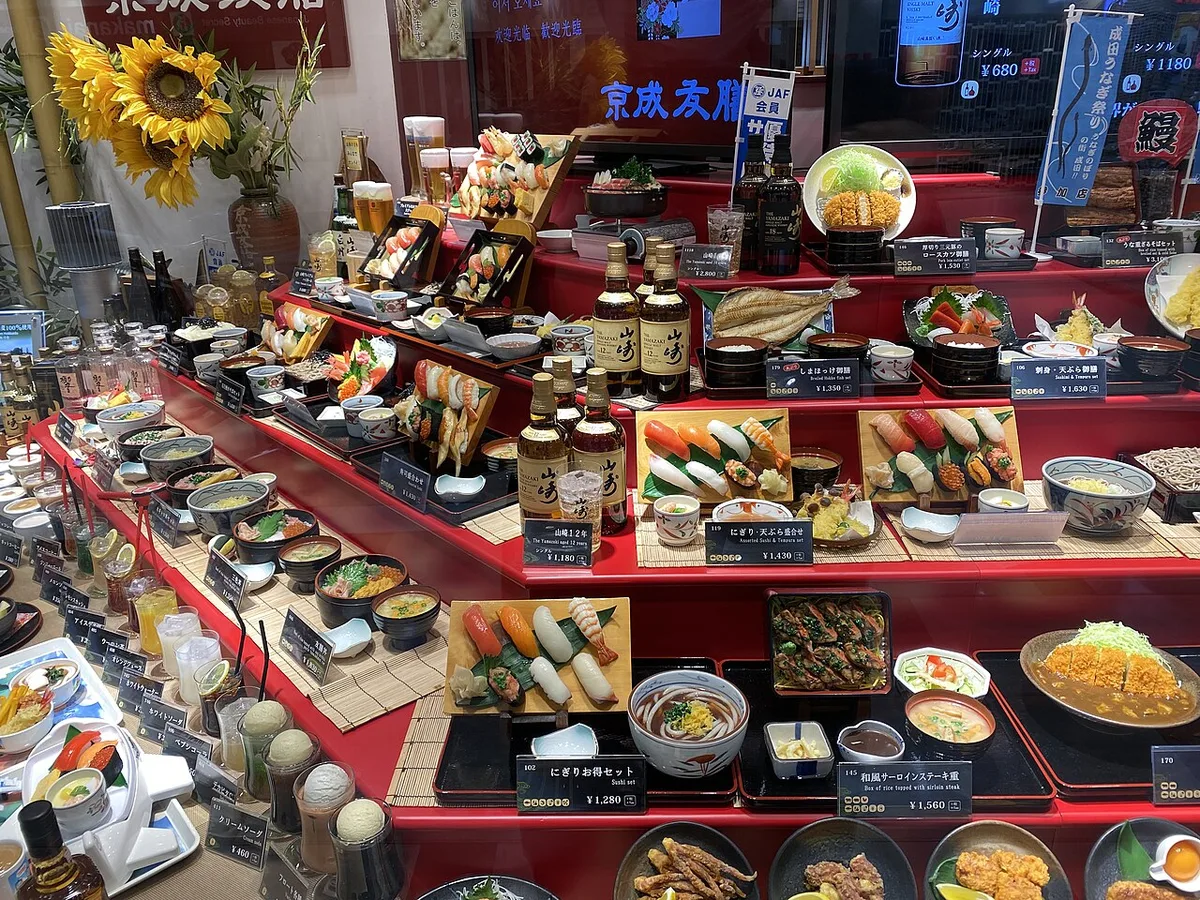
- When the layover is short, Narita International Airport's Terminal 1, 2, and 3 restaurants cover ramen and sushi without leaving the terminal building.
- Hours vary by outlet. As of the airport's own restaurant and shop search, NRT Beer Flight Cafe in Terminal 2's Main Building, on the second floor after security, serves until 21:30 last order.
- The airport food and layover dining guide breaks down picks by terminal for connections too short to leave security.
How Much Time You Have Decides What You Eat
Layover length is the real filter for what to eat in Narita, more than any preference for eel over noodles. A short connection rules out anything beyond the terminal, while a long one opens up the full Omotesando walk. Use the table below to match the time available with a realistic plan, then check the timing details in the sections that follow for the return trip.
The 3 to 5 hours layover becomes notably tight after accounting for 20-30 minutes of round-trip train time, especially when midday queues extend meal duration. Arriving before the lunch rush remains critical when a fixed departure time matters.
| Layover Length | Realistic Plan |
|---|---|
| Under 3 hours | Stay at the airport. Terminal 1, 2, and 3 restaurants cover ramen, sushi, and bento inside security, and there is not enough time for a round trip plus a meal. |
| 3 to 5 hours | Tight but workable. Omotesando is roughly 10 to 15 minutes away by JR or Keisei line, so budget the same amount of time again for the return. |
| 5 hours or more | Time for a full Omotesando stop, including a sit-down unadon meal, provided the visit happens before shops close by around 5:00 PM. |
Eating Inside Narita International Airport by Terminal
Airport dining spreads across three terminals, and hours are set outlet by outlet rather than airport-wide. Checking a specific restaurant before counting on it saves a wasted walk during a short connection. Narita International Airport's own restaurant and shop search lists current hours by outlet, which is the most reliable check before boarding.
| Terminal | Food Notes |
|---|---|
| Terminal 1 | Central and Main Building counters cover ramen, sushi, and bento. Confirm hours at the airport's own shop search before relying on a specific outlet. |
| Terminal 2 | NRT Beer Flight Cafe, on the second floor of the Main Building after security, serves until 21:30 last order, per the airport's listing. |
| Terminal 3 | Quick-service counters suit short connections before boarding. Check current hours before planning a full sit-down meal here. |
Vegetarian, Vegan, and Halal Food in Narita
Naritasan Omotesando is a traditional food street built around eel, pickles, and bean sweets, not a hub for dedicated vegetarian, vegan, or halal menus. Buckwheat, rice, and beans are the base ingredients behind soba, senbei, and yokan, which gives plant-based diners a starting point on the walk. Broths and glazes are not always plant-based, so confirming with the shop still matters more here than in a large city. Halal certification is harder to verify shop by shop on a street built around traditional Japanese cooking, so asking directly before ordering is worth the extra minute. Airport terminals tend to carry a wider mix of packaged and international options for travelers with stricter requirements, since they serve a broader mix of passengers than a temple-town food street. The vegetarian, vegan, and halal food guide covers specific Narita shops and what to ask for on Omotesando itself.
Getting From Narita Airport to the Omotesando Food Street
Omotesando is reachable from the airport in about 10 to 15 minutes by JR or Keisei line to Narita Station or Keisei Narita Station. From either station, the food street runs toward Naritasan Shinshoji Temple, an approach roughly half a mile long lined with the pickle, cracker, and sweet shops covered above. Pairing the walk with a temple visit works well, and the Narita attractions guide covers what else to see nearby before or after eating. Plan the trip for daytime, since most traditional Omotesando shops close by around 5:00 PM, well before a typical dinner hour. Travelers who land on an overnight flight can flip that order and start at Narita's wholesale market for an early seafood breakfast, then walk the food street once it opens later in the morning. That sequence puts an early landing to use instead of losing it to a slow hotel check-in, and it avoids reaching Omotesando too late in the afternoon to have real choices left on the shelves.
Mistakes to Avoid on a Narita Food Trip
A few planning errors repeat across Narita food trips, and most come down to timing rather than the food itself. None of them are hard to avoid once the timing is mapped out before landing, which is the point of the layover table above.
NRT Beer Flight Cafe in Terminal 2 serves until 21:30 last order, unlike Omotesando's 5:00 PM closings. Evening arrivals leave only airport dining as a viable option for local food.
- Arriving after 5:00 PM: most traditional Omotesando shops close for the day, leaving only the airport for dinner.
- Skipping the market window: Narita's seafood breakfast crowd works on wholesale hours, so a late start after a slow hotel check-in misses it entirely.
- Treating a 2-hour layover like a 5-hour one: the round trip to Omotesando plus a sit-down meal rarely fits inside a short connection.
- Assuming every airport counter keeps the same hours: outlets across Terminal 1, 2, and 3 close at different times, so checking ahead avoids a wasted walk.
Where to Eat Unagi on Narita Omotesando
Choose a dedicated eel restaurant if unagi is the reason for leaving the airport. Surugaya and Kikuya are longstanding choices on or near Naritasan Omotesando, the walk leading to Naritasan Shinshoji Temple. They serve unaju, charcoal-grilled eel over rice in a lacquered box, and unadon, the bowl version.
Surugaya is known for the traditional full meal experience. Kikuya is another useful option when comparing queues along the approach. Both can become busy around lunch, especially on weekends and temple-visit days. Arrive before the midday rush if a fixed return train matters.
- Choose unaju for a sit-down temple-town meal.
- Choose unadon when you want the same core dish in a simpler format.
- Allow extra time for made-to-order grilling and a possible queue.
Watching the eel preparation through a street-facing workspace is part of the Omotesando experience. It also explains why this is not the best choice for a rushed connection. For a short layover, eat at the airport instead.
Explore food in other cities
Frequently Asked Questions
Should you eat at Narita Airport or in Narita town?
That decision comes down to layover length more than preference. Under about 3 hours, stay at the airport, where Terminal 1, 2, and 3 restaurants cover ramen, sushi, and bento without leaving security. With 5 hours or more, the round trip to Omotesando for unagi becomes realistic, provided the visit happens before shops close by around 5:00 PM.
What is Narita most famous for eating?
Unagi, grilled freshwater eel served as unaju or unadon, is the dish most associated with Narita. It grew alongside Naritasan Shinshoji Temple, where pilgrims needed a hearty meal after walking in from the station, and that history still shapes which restaurants line Omotesando today.
What time do the Omotesando food shops close?
Most traditional shops along Omotesando close by around 5:00 PM. Airport dining stays open later, so an evening arrival is better matched to Terminal restaurants than to a walk down the food street.
Can you find vegetarian, vegan, or halal food near Naritasan Temple?
Options exist but require more checking than in a large city. Soba, senbei, and yokan lean on plant-based ingredients like buckwheat, rice, and beans. Broths and glazes are not always plant-based, so confirming with the shop still matters, and halal certification is worth asking about directly before ordering.
How do you get from Narita Airport to the Omotesando food street?
JR or Keisei line trains reach Narita Station or Keisei Narita Station in about 10 to 15 minutes. The food street runs from either station toward Naritasan Shinshoji Temple, an approach roughly half a mile long.
Explore Narita Food and Dining
Use these guides to compare local dishes, dining areas and practical food experiences in Narita.
Food and Dining Guides
Free guide: Japan's Hidden Gems
12 under-the-radar places beyond Tokyo & Kyoto — with the best season to visit each and a local tip you won't find in the guidebooks.
You might also like


Continue reading
More guides you'll find useful


