

Vegetarian, Vegan and Halal Food in Narita: Complete Dining Guide
Find vegetarian, vegan and halal food in Narita: certified airport restaurants by terminal, temple-town snacks, prayer rooms, and hidden ingredients to avoid.
On this page
Last updated August 2026, Narita rewards travelers hunting for vegetarian, vegan and halal food in Narita without leaving the airport terminals or the temple town nearby. Halal-certified udon, curry and soba counters sit before security in Terminals 1 and 2, while a fully plant-based ramen shop covers vegan requests in Terminal 2. Naritasan Omotesando's traditional confectioners add meat-free snacks for anyone splitting the day between temple visits and the terminal.
Vegetarian, Vegan and Halal Food in Narita: The Three Options
Narita solves vegetarian, vegan and halal food questions differently depending on where you eat, but the airport concentrates real options in a small footprint. Four certified or fully plant-based restaurants operate across Terminals 1 and 2: one vegan ramen shop and three halal-certified kitchens serving udon, curry and soba. Naritasan Omotesando, the temple approach street in Narita City, adds a slower, traditional layer with snacks that are vegetarian by ingredient rather than by menu design. Language barriers and short connection windows make on-the-spot ingredient checks difficult, so knowing exact counters and floors in advance saves time at the gate. For a wider view of every restaurant category in town, see the Narita food guide. This guide and the sections below focus on exact floors, hours, and the ingredients worth asking about before you order.
Before Security vs After Security: Why the Difference Matters
Every restaurant in this guide is listed as before security or after security, and the difference changes your plan. Before-security restaurants sit in the landside terminal building, open to anyone, including people dropping off travelers or staying in Narita City without flying that day. After-security restaurants are airside, reachable only once you have a boarding pass and have cleared passport control. All four featured restaurants, T's Tantan, Kineya Mugimaru, La Toque and Sojibou, sit before security. That makes them useful for an early arrival by train, not only for departing passengers. Once you clear security, options for halal and fully vegan food narrow considerably. Eating before passport control is the safer plan on a tight halal or vegan itinerary.
Vegan and Vegetarian Restaurants at Narita Airport
T's Tantan occupies Terminal 2's Main Building, 4th floor, before security, and serves food from 07:30 to 20:30. Every dish is fully plant-based: no meat, fish, eggs or dairy touches the kitchen. Ramen broth in Japan is traditionally built on pork bones or fish-based dashi, so a fully plant-based version matters for vegan travelers craving noodles. The Golden Sesame Tantanmen Special headlines the menu. Lighter choices include a vegetable pho with veggie karaage and a plate of gyoza. Menus are printed in multiple languages, and every table has a power outlet, useful for charging a phone during a layover. Next door on the same floor, N's Court serves Japanese, Western and Chinese-Korean dishes from 06:45 to 21:30, with vegetable pasta and curry among the choices. Ask staff at N's Court to confirm which dishes skip dashi, the fish stock used in most Japanese broths and sauces, before you order. Payment at both restaurants covers cash, credit cards, e-money and code payment, so a card works without needing yen in hand.
- Golden Sesame Tantanmen Special — ¥1,900
- Pho with Vegetables & Veggie Karaage — ¥1,400
- Eight Vegetable & Bean Kaphrao Plate — ¥1,500
- Gyoza (12 pcs) — ¥1,500
Halal-Certified Restaurants at Narita Airport
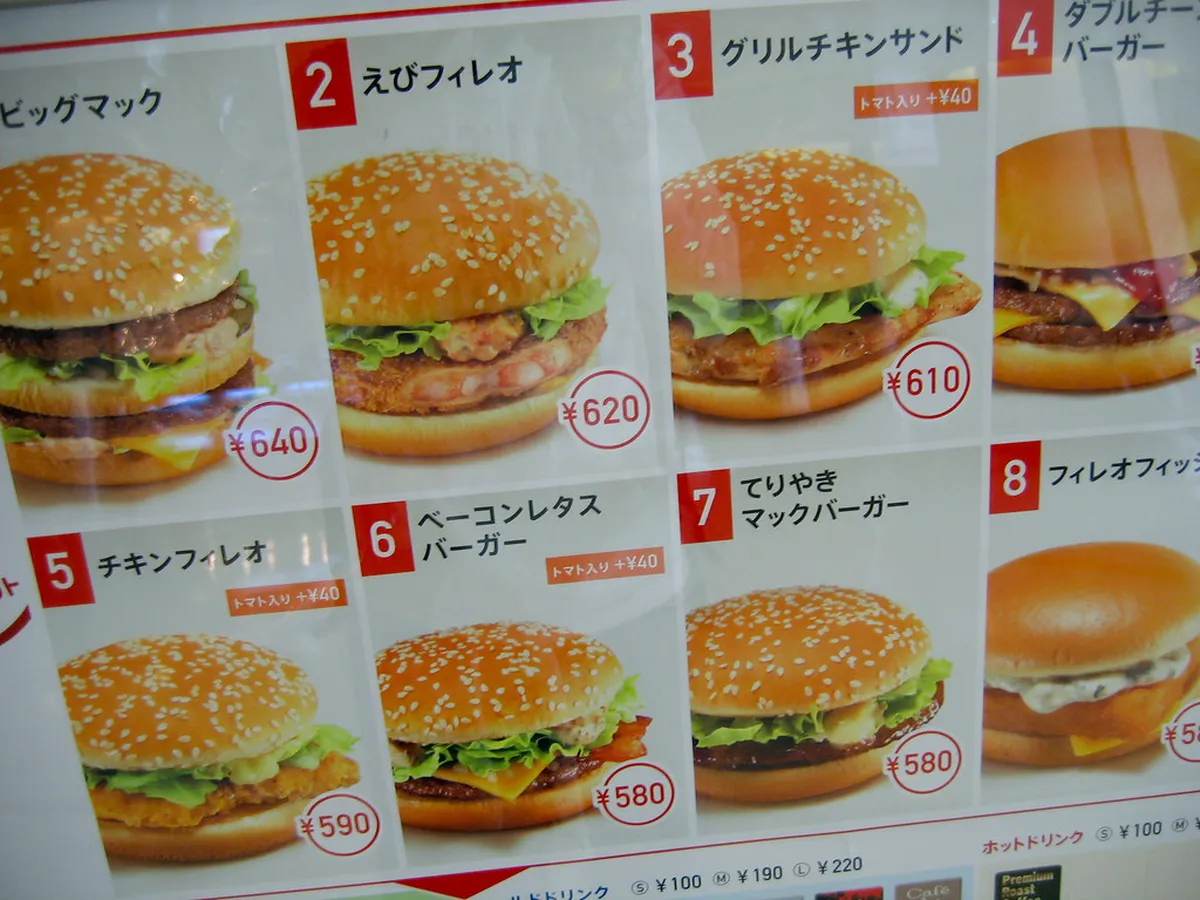
Three halal-certified kitchens operate before security, all reachable without a boarding pass. Kineya Mugimaru sits in Terminal 1's Central Building, 5th floor, and hand-cuts its udon noodles in an open kitchen from 07:30 to 20:30. The self-service counter suits a layover under an hour. La Toque, on Terminal 2 Center's 4th floor, serves Japanese-style halal curry from 08:00 to 20:30, including grilled chicken curry with a fluffy egg topping and a chicken cutlet curry. Baby chairs, power outlets and takeout are all available, which suits families. Sojibou, on the same floor as La Toque, specializes in house-made soba noodles from 07:00 to 20:30, served with fresh wasabi and a choice of hot or cold broth. All three kitchens sit in landside terminal buildings, so they work even for someone seeing off a departing traveler without a boarding pass. Confirm each kitchen's current halal certification at the counter before you order, since menus and suppliers can change between visits.
Travelers with a 90-minute layover should look for Sojibou in Terminal 2, which opens at 07:00—the earliest halal-certified option—giving early arrivals a realistic window to eat before clearing security.
- Kineya Mugimaru — Terminal 1, Central Building, 5F, before security, 07:30–20:30
- La Toque — Terminal 2 Center, 4F, before security, 08:00–20:30
- Sojibou — Terminal 2 Center, 4F, before security, 07:00–20:30
Terminal-by-Terminal Quick-Find Table
Use this table to match a terminal, floor and security side to a dietary need before you clear passport control. All five restaurants and cafes below sit in Terminal 1 or Terminal 2's landside buildings, so none require a boarding pass to reach.
| Restaurant | Terminal / Floor | Security Side | Dietary Type | Hours |
|---|---|---|---|---|
| T's Tantan | T2 Main Building, 4F | Before security | Fully vegan | 07:30–20:30 |
| Kineya Mugimaru | T1 Central Building, 5F | Before security | Halal-certified | 07:30–20:30 |
| La Toque | T2 Center, 4F | Before security | Halal-certified | 08:00–20:30 |
| Sojibou | T2 Center, 4F | Before security | Halal-certified | 07:00–20:30 |
| N's Court | T2 Main Building, 4F | Before security | Vegetarian-friendly (confirm dashi) | 06:45–21:30 |
Vegetarian-Friendly Food in Narita City Near Naritasan
Naritasan Omotesando, the approach street leading to Narita's main temple, sells traditional snacks that are vegetarian by ingredient rather than by design. Mizuyokan, a chilled sweet made from red bean paste and agar, contains no animal products. Roasted chestnuts and grilled rice crackers, sold from streetside stalls along the approach, are typically vegan too, though recipes vary by shop. Always ask before buying, since some rice crackers are brushed with a soy-based glaze that can include bonito flakes or fish extract. A separate cuisine, shojin ryori, is Buddhist temple cooking built entirely around vegetables, tofu, and grains, without meat, fish or strong alliums like garlic and onion. A small number of restaurants near Naritasan Shinshoji Temple serve shojin ryori. Combining a temple visit with a food stop keeps the day flexible for groups with mixed dietary needs, since traditional snack stalls sit alongside non-vegetarian street food. It pairs naturally with a walk through the Naritasan temple grounds. For a full walking route past every stall on the approach street, follow our stall-by-stall Omotesando route. The stalls covered in our seafood breakfast market guide are built around fresh fish. Plan a different morning if you're keeping strictly to vegetarian or halal meals.
Prayer Rooms and Wudu Facilities in Every Terminal
Narita provides a prayer room in every terminal, both before and after security, each with wudu ablution facilities on site. Staff at any information counter can point travelers to the nearest room and confirm current access hours, since layouts are occasionally updated. Because before-security prayer rooms don't require a boarding pass, they work for a prayer stop even on a food-only visit to Narita City. Terminal 3, used mainly by low-cost carriers, has fewer dedicated halal or vegan restaurants than Terminals 1 and 2. Travelers connecting through Terminal 3 should eat at a certified restaurant in T1 or T2 before transferring, where possible.
Kineya Mugimaru in Terminal 1's Central Building sits on the 5F, the same floor as that terminal's before-security prayer room, so Muslim travelers can manage both dining and ablutions within the same building.
- Terminal 1 — before security: Central Building, 5F; after security (international): Central Building, 2F
- Terminal 2 — before security: Center, 1F; after security (international): Center, 1F
- Terminal 3 — before security: Center, 2F; after security (international): Center, 3F
Hidden Ingredients: Mirin, Dashi and Alcohol-Based Soy Sauce
Two ingredients cause most accidental slips for dietary travelers in Japan. Mirin, a sweet rice wine used in glazes and simmered dishes, contains alcohol and is not automatically halal, even when a dish otherwise looks plant-based. Many standard soy sauces are also brewed with a small amount of alcohol, so halal travelers should ask before adding table sauce to a set meal. Some kitchens stock a non-alcoholic soy sauce on request, so it's worth asking rather than skipping soy sauce altogether. Dashi, a stock made from bonito flakes, dried kelp, or both, forms the base of most miso soup, noodle broths and simmered vegetable dishes across Japan. A dish labeled vegetable curry or vegetable udon can still be cooked in a fish-based dashi, so the word vegetable on a menu does not guarantee a vegan dish. Unagi, one of Narita's best-known specialties, is a clear example of both problems at once. Grilling typically uses a sauce built on mirin and soy. Read our Narita's eel dish breakdown for exactly how that sauce is made, useful context if the rest of your group wants to order it while you eat elsewhere.
Allergy Cards and Ordering Safely in Japanese
Japan requires specific allergens to be labeled by law, but vegan, vegetarian and halal status is not a legal label category, so asking directly still matters. A printed dietary card, listing your restrictions in Japanese, speeds up ordering at counters where English is limited. Multilingual menus at restaurants like T's Tantan help, but counter staff may still need to check with the kitchen on request. A card stating no meat, no fish, no dashi, no alcohol, or halal only helps when a menu isn't multilingual. Keep the card in both English and Japanese, since some kitchens read one language faster than the other. Time meals around prayer times where needed. Before-security restaurants in Terminals 1 and 2 sit close to the prayer rooms in the same buildings, so a meal and a prayer break can fit into one stop.
Which Narita Dining Option Fits Your Trip
Match the restaurant to the time you actually have between flights or between temple visits. Confirm hours and certification status at the counter before you fly, since airport tenants occasionally rotate their menus. These floor numbers should get you to the right counter without a lap around the terminal.
- Quick layover under 90 minutes: T's Tantan or Kineya Mugimaru, both before security with fast counter service.
- Traveling with family: La Toque, for baby chairs, power outlets and a Western-Japanese curry menu.
- Traditional noodle experience: Sojibou for house-made soba, or a shojin ryori restaurant near Naritasan Shinshoji Temple.
- Overnight in Narita City: Naritasan Omotesando for vegan-friendly street snacks between temple visits.
Halal-Certified vs Muslim-Friendly: What the Labels Mean
A halal-certified restaurant follows standards checked by a certifying body. At Narita Airport, Kineya Mugimaru, La Toque and Sojibou are the strongest choices when formal halal assurance matters. Ask staff to confirm the current certification and whether every menu item is included.
Muslim-friendly is a looser description. It may mean no pork is served, or that staff can identify pork-free dishes. It does not automatically confirm halal meat, alcohol-free seasonings, separate cookware, or certified suppliers. This distinction matters at general airport restaurants and along Naritasan Omotesando.
- Ask whether meat is halal-certified.
- Ask whether mirin, sake, cooking wine, or alcohol-based soy sauce is used.
- Ask whether fryers and utensils are shared with pork or non-halal food.
A vegetarian-looking dish is not necessarily suitable. Vegetable curry, rice crackers, and noodle sides can contain fish dashi or alcohol-based glaze. When staff cannot confirm the ingredients, choose a certified airport kitchen or the fully plant-based menu at T's Tantan.
Frequently Asked Questions
Is there halal food at Narita Airport?
Yes. Kineya Mugimaru in Terminal 1, and La Toque and Sojibou in Terminal 2, all operate halal-certified kitchens before security, with last orders around 20:30.
Are there vegan restaurants at Narita Airport?
T's Tantan, on Terminal 2's Main Building 4th floor, is fully plant-based, serving tantanmen, gyoza and vegetable pho with no meat, fish, eggs or dairy, from 07:30 to 20:30.
Where can Muslim travelers pray at Narita Airport?
Every terminal has a prayer room with wudu facilities, both before and after security. Terminal 1's before-security room is on the Central Building's 5th floor, and Terminal 2's is on the Center's 1st floor.
Is dashi vegan or vegetarian?
Most dashi in Japan is made from bonito flakes or a bonito-kelp blend, which makes it unsuitable for vegans and vegetarians. Ask specifically for a kelp-only dashi, or a dish made without it.
Should you eat in Narita City or at the airport?
Choose the airport for a fast, halal-certified or fully vegan meal on a tight layover. Choose Naritasan Omotesando for a slower stop with temple-town snacks and, at a small number of restaurants, a full shojin ryori meal.
Can you find halal or vegan food after security at Narita Airport?
This guide's confirmed halal and vegan restaurants, T's Tantan, Kineya Mugimaru, La Toque and Sojibou, all sit before security. Eat at one of them before clearing passport control if certification matters to your meal.
Free guide: Japan's Hidden Gems
12 under-the-radar places beyond Tokyo & Kyoto — with the best season to visit each and a local tip you won't find in the guidebooks.
You might also like


Continue reading
More guides you'll find useful


