

Nijo Market Sapporo Food Guide: What to Eat, Prices & Hours
Arrive 7:30-9:00 AM for the best kaisendon and king crab at Nijo Market. Stall picks, rice bowl prices, opening hours and tourist traps to skip.
On this page
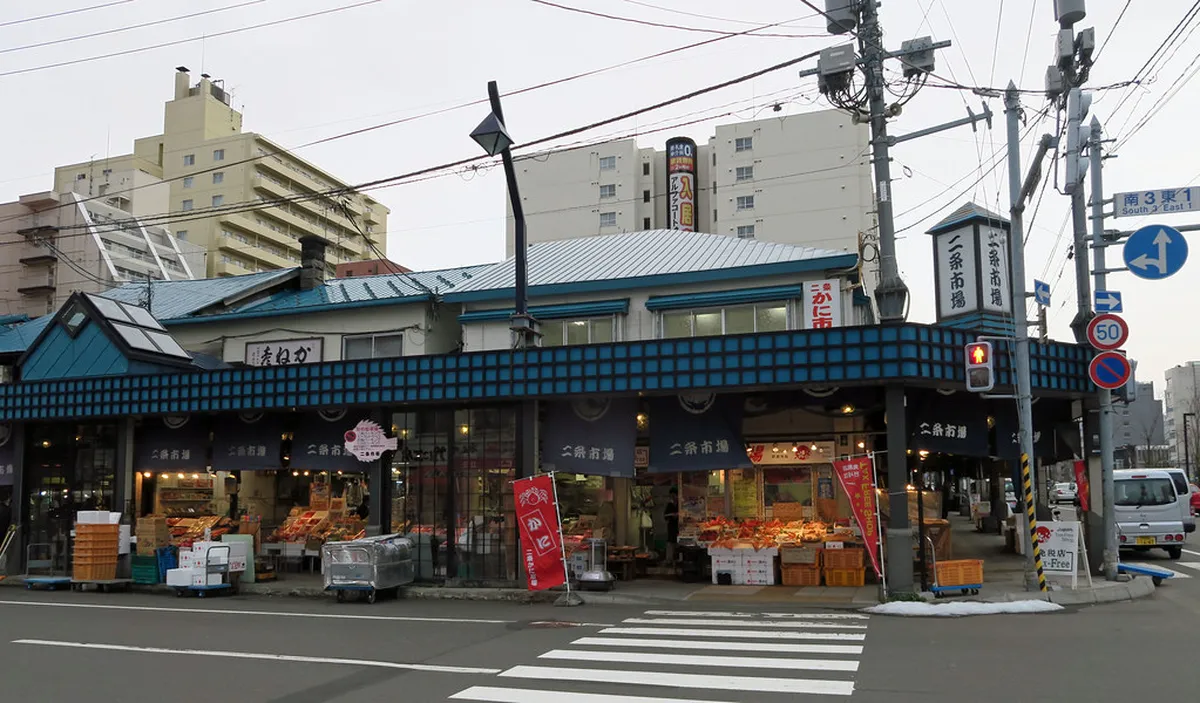
Last updated August 2026, this Nijo Market Sapporo food guide covers what to eat, when to arrive, and how to avoid the market's biggest tourist traps. Nijo Market sits a short walk from Odori Park and Susukino, and its scale feels closer to a compact neighborhood market than to Tokyo's sprawling Tsukiji outer market. Expect Hokkaido king crab, sea urchin, and rice bowls piled with the day's catch, best enjoyed before the late-morning tour groups arrive.
Nijo Market Sapporo Food Guide: Hours, Access, and the Golden Window
Stalls open around 7:00 AM, and since most are seafood-first, the earliest hours are also the best hours. This guide sits alongside Sapporo's must-try dishes roundup, with a full focus on this one market. Odori Park and Susukino both sit within walking distance of the market entrance, so either neighborhood works as a base for a morning visit. Most stalls are cash-only. Carry yen before you arrive, and if you run short, a 7-Eleven near the Sosei River has an ATM that accepts foreign cards.
| Time | What to expect |
|---|---|
| 7:00 AM | Stalls open with the day's freshest selection and the thinnest crowds |
| 7:30-9:00 AM | The golden window: short lines and the best shot at breakfast kaisendon |
| 10:00 AM | Tour bus groups start arriving and lines build at the popular stalls |
| By 2:00 PM | Signature bowls and daily specials start selling out |
| 3:00-5:00 PM | Several restaurants close or take a break before a smaller evening service |
What to Eat: King Crab, Uni, Scallops, and Yubari Melon
Four ingredients define a Nijo Market visit: crab, uni, scallops, and melon. Fresh king crab and snow crab appear both raw over rice and grilled to order at stalls like Fujita. Sea urchin varies by the day's catch. Ask which type is running, since Bafun uni tends to be richer and pricier while Kita-murasaki is lighter and more common. Hokkaido's seafood calendar shifts through the year, so cross-check current seasonal specialties with Japan's official tourism site before locking in dates. For a deeper look at species and how to order them, the crab and seafood guide breaks down each option.
- Hokkaido king crab and snow crab, sold raw over rice or grilled to order at stalls such as Fujita.
- Sea urchin (uni), with variety and price shifting by the day's catch, so ask before you order.
- Scallops (hotate), grilled on a griddle right at the stall so you can watch the shells open.
- Yubari melon, served as soft-serve at Oguma Shoten or as an ice cream topping at Komichi.
The Kaisendon Decision Matrix: Picking a Bowl by Budget and Craving
Kaisendon prices at Nijo Market run from a light breakfast bowl to a splurge-worthy platter. Match the order to the budget rather than picking at random. Uni-heavy cravings and crab-heavy cravings point to different stalls, and the market's price spread makes that decision easier than it looks.
| Budget | Where to order | What you get |
|---|---|---|
| ¥1,180-¥1,800 | DONBE's entry bowl or Donburi Chaya's opening-price option | A single- or double-topping breakfast bowl |
| ¥1,800-¥3,800 | Ohiso's Sanshoku Donburi | Salmon roe, uni, and red king crab together |
| ¥3,480-¥4,800 | DONBE's Manzoku-don | The market's signature crab-and-uni showcase bowl |
| ¥5,000 and up | Premium sashimi platters at Kondo Noboru Shoten | Chef's-choice, uni- or crab-heavy platters for a splurge |
Top Stalls and Restaurants at Nijo Market
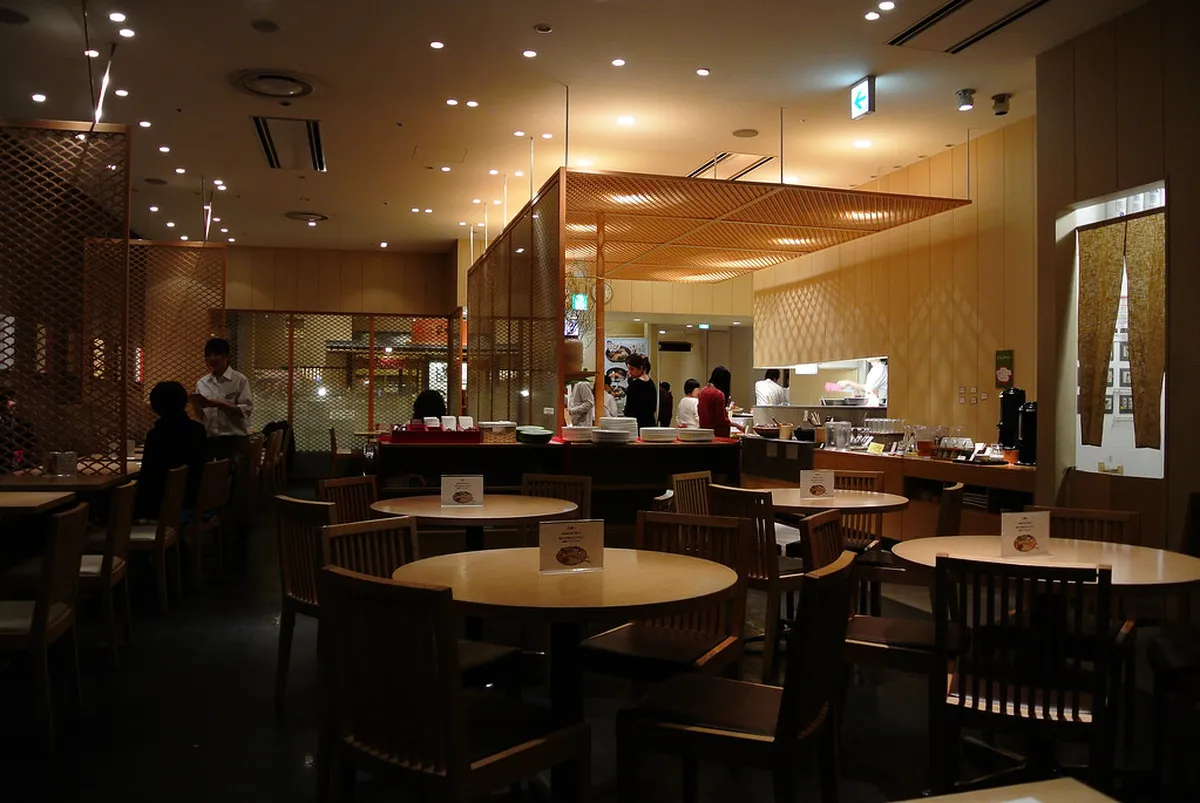
Five spots stand out for a first visit, each suited to a different priority: speed, seating, seafood variety, or something that isn't seafood at all.
DONBE closes at 2:30 PM, cutting access to the market's signature bowl by midday. The 7:30-9:00 AM golden window isn't just about avoiding crowds—it's the only realistic slot to order the Manzoku-don experience before the stall shuts down.
| Stall | Best for | Hours | Price range |
|---|---|---|---|
| DONBE | Manzoku-don, the market's classic satisfaction bowl | 7:00 AM-2:30 PM daily | ¥1,180-¥4,800 |
| Ohiso | Later arrivals and the Sanshoku Donburi | 7:00 AM-9:00 PM, break 3-5 PM, closed Wednesday | ¥1,800-¥3,800 |
| Ta Ke E Sushi | Four-seat counter sushi cut to order | 7:00 AM-3:00 PM, closed Tuesday-Thursday | Varies by the day's catch |
| Donburi Chaya | Families and larger groups | 7:00 AM-5:00 PM daily | ¥1,480-¥3,480 |
| Darumaken | Ramen instead of seafood, more than 60 years in the market | 10:00 AM-2:00 PM, closed Thursday | ¥680-¥1,250 |
- Market hours shift with the season and the day's catch, so confirm before you go.
- DONBE's 2:30 PM close and Ohiso's afternoon break are the two details worth double-checking on the day.
- If Ta Ke E Sushi's four seats are full, conveyor-belt sushi is a reliable backup. The conveyor-belt sushi guide lists nearby options.
Nijo Market vs Jogai Ichiba: Which Sapporo Seafood Market Fits Your Trip
Nijo Market isn't Sapporo's only seafood market, and knowing the difference saves a wasted trip. It's smaller and sits closer to central Sapporo, which makes it an easy add-on to a morning near Odori Park or Susukino. Jogai Ichiba, also called the Curb Market, is larger and farther from downtown. That distance trades convenience for more stalls and generally lower prices. Choose Nijo Market when time is tight and a downtown breakfast matters more than the widest possible selection. Choose Jogai Ichiba when there's a full morning free and lower prices matter more than proximity.
Neighborhood Pairings Near Nijo Market
A market breakfast pairs naturally with a few nearby stops, each within reach on foot.
- Tanukikoji Shopping Street: a covered strip of shops and food stalls, a natural follow-up once the market crowd builds. The Sapporo street food guide covers more stalls across downtown.
- Sosei River Park: an open-air spot to eat market snacks once you're carrying a grilled skewer or a soft-serve cone.
- Sapporo TV Tower: close enough for a quick photo stop after breakfast, and a starting point for the rest of the Sapporo attractions guide.
- Beyond the market itself, the best restaurants in Sapporo roundup covers sit-down dinner options for later in the trip.
A Full Day of Sapporo Food Around Nijo Market
Nijo Market works best as the opening move in a full day of Sapporo eating, with each later stop already mapped out by other guides.
- Morning: kaisendon or a grilled crab breakfast at Nijo Market, ideally inside the golden window.
- Lunch: soup curry, Sapporo's own take on a thinner, vegetable-heavy curry. The 9 Best Soup Curry Restaurants in Sapporo: 2026 Ordering & Neighborhood Guide lists specific shops.
- Lunch alternative: miso ramen, including the butter-topped version served around Ramen Alley. The miso ramen shop guide covers the picks.
- Afternoon: a stop at the Sapporo Beer Garden and Museum. The beer and brewery dining guide has visiting details.
- Evening: jingisukan, Hokkaido's grilled lamb barbecue. The jingisukan guide covers where to go.
- Late night: a closing parfait or Hokkaido milk soft serve. The shime parfait and desserts guide rounds up the options.
- Any point in the day: travelers skipping seafood and meat can start with the Sapporo vegetarian and vegan guide for plant-based stops.
Mistakes to Avoid at Nijo Market
A handful of avoidable mistakes account for most of the disappointment travelers report about Nijo Market.
Some stalls like Ohiso close for breaks from 3-5 PM, distinct from general afternoon shutdowns like DONBE's 2:30 PM daily close. Stall-specific break patterns require different planning than assuming uniform afternoon tapering.
- Arriving after lunch and expecting a full menu: many stalls sell out or close by early-to-mid afternoon.
- Skipping the break-time check: Ohiso and a few neighbors close for a few hours mid-afternoon before reopening for dinner.
- Assuming this is Sapporo's only seafood market: Jogai Ichiba is the larger, farther-out alternative.
- Carrying only a card: bring cash, since many stalls still don't accept one.
- Ignoring the crowd pattern: lanes near Minami 3-jo Higashi tighten fast once tour groups arrive, so the golden window matters more than the calendar.
Hokkaido Seafood Seasonality at Nijo Market
Nijo Market’s daily catch changes with the Hokkaido season, so check the handwritten signs before choosing a premium bowl. Availability also depends on landings and weather, rather than a fixed market calendar.
- Uni: Hokkaido’s summer uni season is especially sought after. Bafun uni is usually richer, while kita-murasaki uni has a cleaner, milder taste.
- Kegani: Hairy crab is a prized Hokkaido choice in spring and autumn. Its sweet meat suits travelers who want crab beyond the larger king crab legs.
- Scallops: Hotate are a dependable choice through much of the year. Order one grilled in its shell if you prefer cooked seafood.
- Salmon roe: Ikura is often strongest in autumn, when salmon season brings fuller, glossy roe to market bowls.
If uni is your priority, ask whether it is local Hokkaido uni and which variety is available. If the answer is unclear, a mixed bowl with scallop, salmon roe, and crab is a safer value than an expensive uni-only order.
Frequently Asked Questions
What time should you get to Nijo Market for the best kaisendon?
Aim for the golden window between 7:30 and 9:00 AM, before the 10:00 AM tour bus rush. Popular bowls can sell out by early-to-mid afternoon, so a mid-morning visit risks a shorter menu.
Does Nijo Market take credit cards?
Many stalls are cash-only, so carry yen before you arrive. If you run short, a 7-Eleven near the Sosei River has an ATM that works with foreign cards.
How is Nijo Market different from Jogai Ichiba?
It's smaller and sits closer to central Sapporo, which makes it an easy add-on to a morning near Odori Park. Jogai Ichiba is larger and farther from downtown, trading convenience for more stalls and generally lower prices.
What's the cheapest way to try a good kaisendon?
Start around ¥1,180-¥1,800 for a single- or double-topping bowl at stalls like DONBE or Donburi Chaya. Save the ¥3,480-¥4,800 signature bowls, like DONBE's Manzoku-don, for when you want a fuller crab-and-uni spread.
Can you eat at Nijo Market if you don't like raw fish?
Yes, several counters grill king crab, scallops, and other seafood to order instead of serving it raw. Fujita is known for grilled items, and a market ramen stop like Darumaken is a fully cooked option.
Free: The Sapporo Essentials guide
Top things to do, where to stay, a perfect day plan, getting around, and the best time to go — a Sapporo mini-guide you can take offline.
You might also like


Continue reading
More guides you'll find useful


