Okinawa Food Markets Guide: Makishi Market & Farmers' Markets
Discover Okinawa food markets, from Makishi Public Market's pick-and-cook system to regional JA farmers' markets, plus prices, hours, and what to eat.
On this page
Last updated August 2026, Okinawa food markets reward travelers who look past the Kokusai Dori souvenir strip. Naha's Makishi Public Market anchors the scene with a pick-it-then-eat-it system that traces back to Ryukyu Kingdom-era trade. Farther out, JA-run farmers' markets in towns like Itoman give drivers a cheaper, less touristed alternative for produce and prepared food.
Why Okinawa Food Markets Start at Makishi Public Market
Makishi Public Market sits in Naha's Makishi district, a neighborhood tied to the trading history of the old Ryukyu Kingdom. Merchant lanes radiate out from the main hall, including Ichiba Hondori Street, Ichiba Chuodori Street, Taihei Street, and Heiwa Street, plus smaller clusters at Shintenchi Marketplace and Nouren Marketplace. Inside the main hall, the first floor holds Okinawa's everyday food supply. Pork cuts here include pig's face, feet, and stomach, alongside colorful reef fish and shellfish pulled from local waters. Vendors also sell goya, a bitter melon, and hechima, a sponge gourd, two vegetables that define Okinawan home cooking. Tropical fruit arrives trucked in directly from island farms and gets stacked in crates near the entrance. Stalls tend to cluster by product type, with seafood counters, pork butchers, and produce vendors occupying different sections of the same floor. Small stand-up stalls along the surrounding lanes fry tempura, steam cakes, and pour fresh goya juice, so grazing starts before you even reach the main hall. Locals still shop here for everyday groceries, not just tourists chasing a market experience. For a broader rundown of the island's signature dishes and where they show up on menus, the broader food guide covers what pairs well with a market haul.
The Pick-and-Cook System: First Floor to Second Floor Dining
Makishi works on a two-floor split that first-time visitors often miss. Downstairs, you select raw ingredients like parrotfish, lobster, or green turban snails straight from the case. Upstairs, food-court-style eateries cook whatever you just bought exactly how you order it. Expect to pay around ¥500 for preparing up to three items, on top of what you already paid for the seafood itself. Fees can vary slightly by eatery, so ask before handing over your seafood if the price matters to your budget. Sellers are generally happy to offer a free sample before you commit to an expensive cut. Accepting one is a small but real way to take part in ichariba chode, the Okinawan idea that once you've met someone, you treat them like family. The system rewards a bit of planning: decide what you want cooked before you buy, since carrying raw seafood around the building gets awkward fast.
¥500 for preparing up to three items, on top of ingredient costs, typically totals less than ordering equivalent dishes at a sit-down restaurant, since preparation is priced separately from full dining markups.
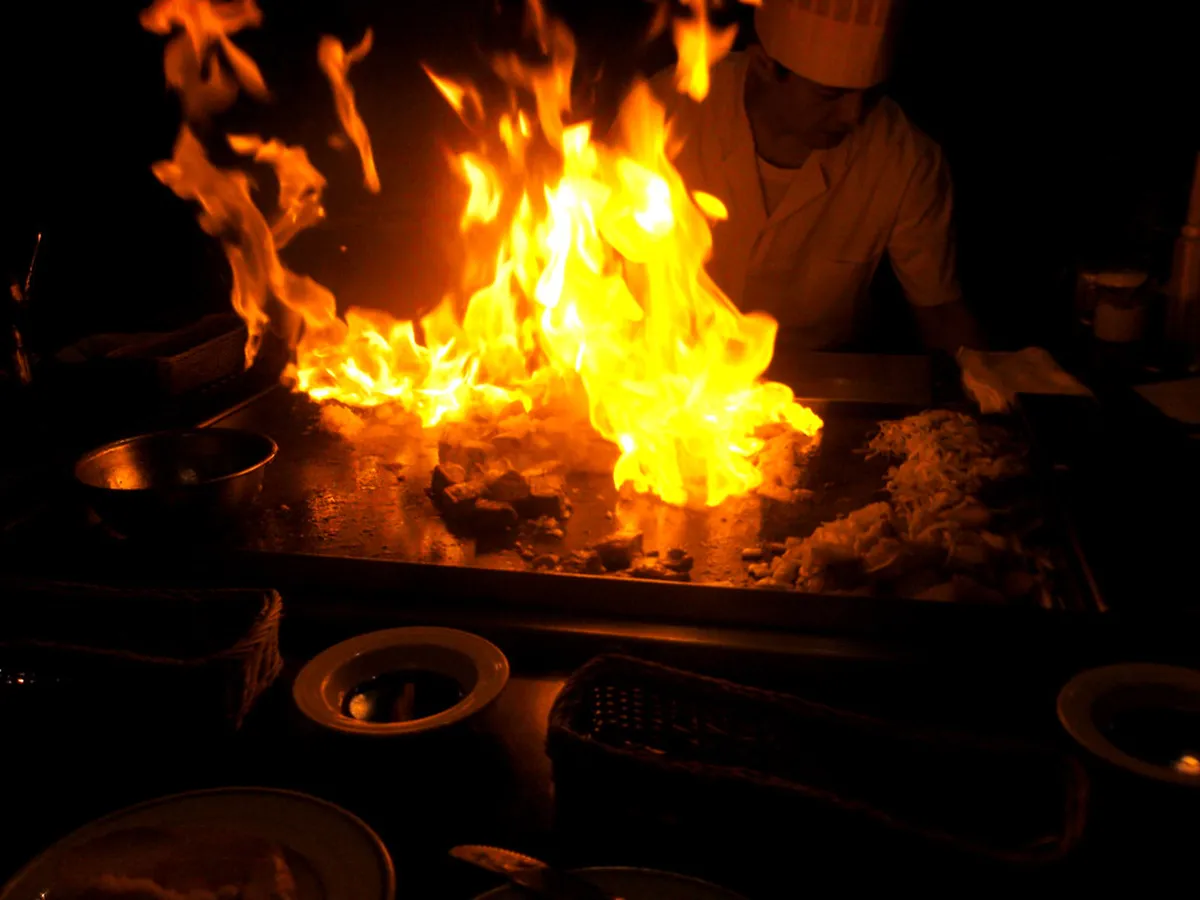
- Choose your seafood, pork, or vegetables from a first-floor stall.
- Pay the vendor and carry your purchase upstairs.
- Hand it to a second-floor eatery and pick a cooking style.
- Pay the preparation fee, about ¥500 for up to three items.
Beyond Naha: JA Farmers' Markets and Itoman's Umanchu Market
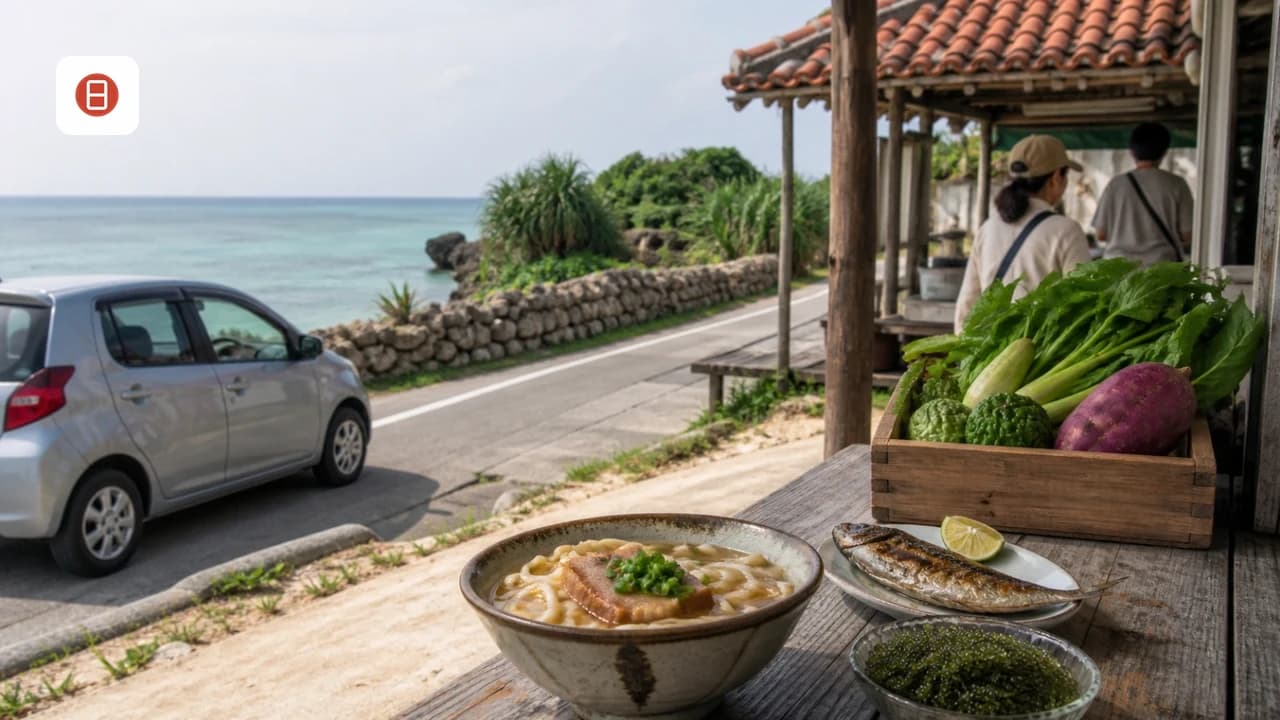
Makishi covers Naha, but it isn't the only food market worth a stop on the island. JA-run farmers' markets, operated by Okinawa's agricultural cooperative, sell direct-from-farm produce at prices below what tourist-district stalls typically charge. The JA Farmers' Market in Itoman, known locally as Umanchu Market, is a common stop for travelers heading south from Naha by car. These markets suit budget-focused shoppers and anyone who wants a grocery-store version of an Okinawan morning rather than a dining-focused outing. Produce here comes straight from nearby farms, often the same day it was picked. Regional markets also stock prepared foods like pickles, dried fish, and homemade sweets alongside the raw produce. Prices are typically posted per item, so comparing stalls before buying is straightforward. A cooler bag or insulated tote helps if you're driving straight from a farmers' market to a rental condo instead of eating right away. Most regional markets sit outside Naha's walkable core, so a rental car makes the circuit realistic in a single day. The food road trip itinerary lays out a route that strings several of these stops together with other food destinations around the island.
Sakae-cho: From Morning Market to Night Izakaya District
Sakae-cho sits beside Makishi and served as old Naha's downtown commercial center. During the day, it runs like a smaller, quieter version of Makishi, with grocery stalls and produce vendors lining the lanes. After dark, those same alleys turn into a different scene. Narrow izakaya bars replace the daytime stalls, and the crowd shifts from tourist to local. Order a glass of awamori, Okinawa's distilled rice liquor, and expect it poured over ice or mixed with water rather than served straight. Some bars specialize in aged awamori, so ask what has been sitting in the cellar longest if you want something less common. Bar owners here tend to know regulars by name, which gives the evening version of Sakae-cho a different feel than its daytime market self. For a deeper look at the styles and distilleries behind that pour, see the awamori distillery guide. Treat the evening switch as a bonus stop, since most visitors come to Sakae-cho for the daytime market first.
What to Eat: Market Specialties Worth Seeking Out
Seafood counters at Makishi stock blue-tinted parrotfish and green turban snails, items you won't typically find at a mainland Japanese fish market. Pork vendors sell the cuts that go into rafute, Okinawa's slow-braised pork belly, along with mimiga, thinly sliced pig's ear served as a chilled salad. The rarest item on offer is irabu, smoked sea snake tied to a reputation for restorative properties dating back to the Ryukyu Kingdom. It costs more than most market snacks and turns up only at larger markets, so treat it as an occasional splurge rather than a routine order. Ask before you buy if you want a vendor to clean or fillet seafood, since presentation varies stall to stall. Goya and hechima anchor a plant-based angle on the same stalls, and both show up throughout the vegetarian and vegan food guide. Sata andagi, Okinawan fried doughnuts, and steamed cakes are common finds at the stand-up stalls near the entrance, and either makes an easy first taste before a full seafood purchase. If noodles interest you more than raw seafood, several eateries near Ichiba Hondori Street serve the versions covered in the regional soba styles guide.

Seasonal Produce: Mango, Pineapple, and Tankan Season
Market produce shifts with Okinawa's growing calendar, so what fills the fruit stalls changes across the year. Tankan, an Okinawan citrus, typically shows up during the cooler months and sells through before spring arrives. Mangoes tend to arrive once the weather turns hot, and pineapple stalls follow soon after in the warmer stretch of the year. None of these windows are fixed, so ask a vendor what came in that morning rather than planning a trip around one fruit. Farmers at the JA markets often label produce with the farm name and harvest date, a detail worth checking before you buy. Vendors are generally glad to point out whatever is freshest, since moving seasonal stock matters more to them than any single sale. A fruit crate near the entrance is often a faster read on what's in season than any calendar.
Makishi vs JA Farmers' Markets: Which Fits Your Trip
Choosing between Makishi and a regional JA market comes down to what you want out of the stop. Makishi suits travelers based in Naha who want seafood, pork specialties, and a central location within walking distance of Kokusai Dori. JA farmers' markets suit travelers with a rental car who want cheaper produce and a shopping experience closer to how residents actually buy food. Neither option is strictly better, since the right pick depends on whether dining or grocery shopping is the priority that day. Combining both in one trip works well if your itinerary includes a Naha stay along with a day of regional driving. Use the comparison below as a starting point, then adjust based on how much driving fits your schedule.
| Market | Best For | How to Reach It |
|---|---|---|
| Makishi Public Market | Seafood, pork specialties, cooked-to-order dining | Walk from Kokusai Dori in central Naha |
| JA Farmers' Markets (e.g. Itoman's Umanchu Market) | Fresh produce, lower prices, local shopping | Rental car, best combined with a regional drive |
Costs, Hours, and Getting to the Markets
Budget for the roughly ¥500 second-floor cooking fee on top of whatever raw ingredients you buy downstairs at Makishi. That combined total generally runs below what the same fish or shellfish would cost plated at a nearby sit-down restaurant, since you're mainly paying for preparation rather than a full dining markup. Hours vary by vendor, and several stalls close on Sundays or on a specific weekday, often Wednesday, so confirm the current schedule with Naha's official tourism listings before you go. Cruise ships dock in Naha regularly, and passengers tend to fill Kokusai Dori and the nearby market lanes by mid-morning. Arriving earlier in the day helps you shop and eat before that crowd builds. Weekday mornings tend to be quieter than weekends, giving more room to browse without jostling for space at the counters. Makishi itself is walkable from Kokusai Dori, while regional JA markets require a car to reach comfortably. Street parking near Makishi is limited, so a nearby paid lot is usually the more reliable option if you're driving into central Naha. Pair a Naha morning at the market with an afternoon among Naha's other attractions to round out the day.
Market Etiquette and Mistakes to Avoid
Cash is king inside Okinawa's food markets. Most stalls, at Makishi and at the regional JA markets alike, don't take credit cards, so carry yen in small bills. Sampling is normal and expected: vendors often offer a taste of seafood or deli items even if you don't plan to buy. Accepting reflects the ichariba chode spirit that defines market interactions here, an idea that treats a shared moment like a bond between family. Bargaining is uncommon at these markets, so treat a posted or quoted price as fixed rather than a starting point for negotiation. Watch for pre-packaged seafood sets aimed at tour groups, since buying individual pieces at the counter usually costs less than a bundled set built for visitors. Skipping the second floor is another common mistake, since it leaves the whole point of the pick-and-cook system unused. Rushing through the first floor without asking questions is a missed chance, since vendors usually know which items are freshest that day.
Frequently Asked Questions
What is the entry fee for Makishi Public Market?
Entry itself is free. You only pay for what you buy downstairs, plus the roughly ¥500 fee for cooking up to three items together on the second floor.
Is Makishi Public Market open every day of the week?
Not necessarily. Many stalls close on Sundays or on a specific weekday, often Wednesday, so confirm the current schedule with local tourism sources before visiting.
Can you pay by credit card at Okinawa's food markets?
Rarely. Most stalls at Makishi and at the regional JA farmers' markets deal in cash only, so carry yen in small bills for both floors.
Are JA Farmers' Markets worth visiting without a rental car?
They work best as road-trip stops in towns like Itoman, so a car makes them far easier to reach than relying on public transit.
What is irabu, and should first-time visitors try it?
Irabu is smoked sea snake, a Ryukyu-era specialty tied to a restorative reputation. It costs more than typical market snacks and only shows up at larger markets.
How much time should you plan for a Makishi Public Market visit?
Plan on roughly an hour for browsing and buying downstairs at Makishi. Add extra time upstairs once your food is cooked, plated, and served at the table.
What should you eat first at Okinawa's food markets?
Start with a stand-up snack like tempura or sata andagi while you browse. Save the seafood purchase for once you know which second-floor eatery will cook it.
Do Okinawa's regional farmers' markets take reservations or require booking?
No. These are walk-in produce and grocery markets, not restaurants, so you simply show up during open hours and shop stall by stall.
Free guide: Japan's Hidden Gems
12 under-the-radar places beyond Tokyo & Kyoto — with the best season to visit each and a local tip you won't find in the guidebooks.
You might also like


Continue reading
More guides you'll find useful