Michelin Star Restaurants Osaka 2026: Dining, Booking & Costs
A 2026 guide to Michelin star restaurants in Osaka: how to book top-tier kitchens, realistic costs, dress code, and cuisine picks by neighborhood.
On this page
Last updated August 2026, this guide breaks down Osaka's Michelin star restaurants by cuisine, price tier, and booking difficulty. Osaka shares its annual Michelin Guide Kyoto Osaka listing with Kyoto, and the lineup runs from top-tier tasting counters to single-star tempura and sushi specialists. Use the neighborhood, cost, and reservation notes below to match a restaurant to the rest of your Osaka itinerary.
Michelin Star Restaurants Osaka: How the Kansai Guide Works
Michelin has reviewed Kyoto and Osaka together since 2010, when the region launched as the Michelin Guide Kyoto, Osaka, Kobe, and Nara. Kobe restaurants dropped out of the rotation in 2016, and Nara split into its own standalone guide in 2022, narrowing the current edition to Kyoto and Osaka. Its most recent edition lists 179 starred restaurants across both cities, spanning kaiseki, sushi, French, Italian, Chinese, and other cuisines. Michelin defines its tiers the same way worldwide: one star means high-quality cooking worth a stop, two stars mean excellent cooking worth a detour, and three stars mean exceptional cuisine worth a special journey. Inspectors judge each kitchen on five criteria, including product quality, technique, and value for money, and stars get reassessed every year rather than granted for life. Osaka's broader food scene runs from convenience-store snacks to these tasting counters, and this guide narrows in on the starred tier only. For a wider roundup, see Osaka's best restaurants guide. A separate Green Star recognizes sustainable practices, and a Bib Gourmand list tracks good food at moderate prices, both sitting outside the starred rankings covered here.
Osaka's Longest-Running Starred Kitchens
A handful of Osaka restaurants have held stars across many consecutive editions of the guide, and they anchor most first-time visitors' shortlists. Hajime, an innovative-cuisine tasting counter, and Kashiwaya, a kaiseki specialist with locations in Kitashinchi and Senriyama, both appear across the 2021-2026 editions tracked by the guide. La Cime, a French restaurant, and Taian, a Japanese kappo-style kitchen, show the same multi-year pattern. Fujiya 1935 also recurs across recent editions and has a reputation for welcoming international guests without a Japanese-language introduction. Confirm the current star level for any of these directly through the official guide before booking, since Michelin reassesses every restaurant each year.
- Hajime — innovative-cuisine tasting counter, recurring in recent editions
- Kashiwaya Osaka Senriyama and Kashiwaya Osaka Kitashinchi — kaiseki, two locations under one kitchen
- La Cime — French technique built around Japanese ingredients
- Taian — Japanese kappo-style counter dining
- Fujiya 1935 — innovative cuisine, noted for welcoming overseas visitors
One- and Two-Star Choices by Cuisine
Beyond the longest-running names, Osaka's starred list breaks down cleanly by cuisine, which makes it easier to match a restaurant to what you already want to eat that night. Osaka's list spans at least five distinct cuisine groups, enough to plan several different starred dinners without repeating a style.
While Michelin's guide lists 179 starred restaurants across Kyoto and Osaka combined, Osaka's offerings alone span multiple cuisine types—kaiseki, sushi, French fusion, tempura, and steakhouse—enabling several distinctly different starred dining experiences within one city.
- Kaiseki and kappo-style Japanese: Ajikitcho Bumbuan, Ajikitcho Horieten, Kaiseki Honda, Kappo Hashimoto
- Sushi specialists: Sushiyoshi, Sushi Harasho, Sushi Sanshin, Sushi Shigenaga
- French and innovative fusion: Point, Le Pont de Ciel, Presqu'ile, Nent
- Tempura and steakhouse: Tempura Hanagatami, Kitashinchi Fukudatei
- Chinese and Italian: Atelier Hanada and Chi-Fu (Chinese); A Canto and YUNiCO (Italian)
Neighborhood Context: Kitashinchi, Shinsaibashi, and Beyond
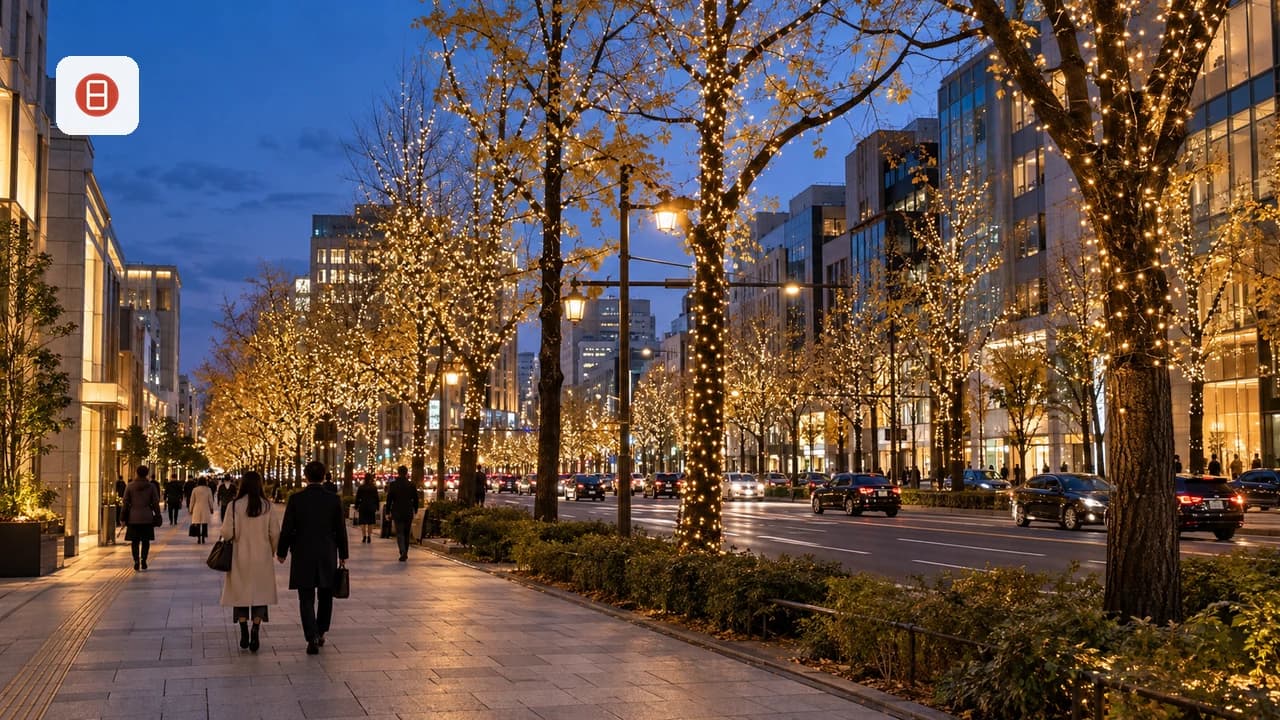
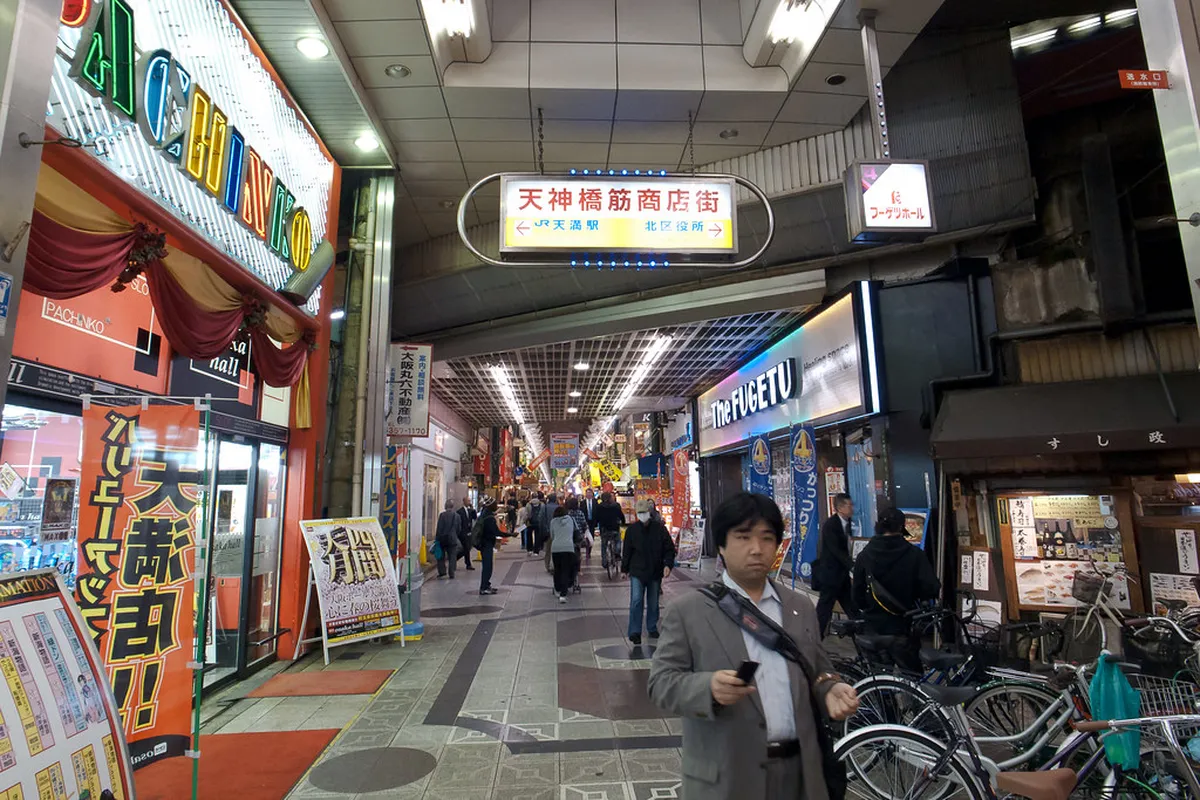
Restaurant names often signal their district in Osaka, which helps with planning around a broader day out. Kashiwaya Osaka Kitashinchi and Kitashinchi Fukudatei both point to Kitashinchi, an established dining pocket on Osaka's Kita side. Nishishinsaibashi Yuno points to Shinsaibashi, part of the Minami side near Namba. Pair a Kita-side dinner with sightseeing from the 20 Top Osaka Attractions list. A Minami reservation pairs naturally with Dotonbori's food scene before or after. Anyone splitting a day between fine dining and market browsing can add Kuromon Ichiba Market earlier, since it sits close to several central Osaka reservations. Always confirm the exact address and nearest station when you book, since a restaurant's name is a hint, not a guarantee.
How to Book: Concierge Access vs. Online Platforms
Osaka's most established kitchens fill through a mix of channels, and which one works depends on the restaurant. Some seats are effectively concierge-only, released first, or exclusively, to hotel concierges with a standing relationship with the kitchen. Others list open availability on booking platforms built for Japanese fine dining, including TableCheck, Omakase.in, and Pocket Concierge. Many restaurants open their books exactly 30 or 60 days before the seating date, so mark that window on a calendar rather than trying to book on short notice. If a hotel concierge is not an option, check each platform directly, since availability and lead time differ restaurant by restaurant.
Cost Expectations: Lunch Sets vs. Dinner Omakase
Menu pricing at Osaka's starred restaurants runs on a wide scale, and the restaurant or booking platform is the most reliable place to confirm current numbers before you book. As a rule, lunch tasting menus cost meaningfully less than the same kitchen's dinner omakase, which makes lunch a realistic way to try a top-tier kitchen on a tighter budget. Restaurants that publish clear online pricing, rather than quoting on request, tend to be the more accessible bookings for first-time visitors. Michelin's own inspection criteria include value for money, so a higher price tag does not automatically signal a better inspection score. Treat any price you see quoted secondhand as a starting point, and confirm the current menu and cost directly before you commit.
Dress Code and Dining Etiquette
Most Osaka Michelin restaurants specify smart casual, which in practice means a collared shirt and closed-toe shoes rather than a full suit. Sneakers and shorts are usually turned away at counter-seat kaiseki and sushi restaurants, since the open kitchen format puts every guest in view of the chef. Some counters enforce a strict no-photo policy during the meal, particularly sushi counters where the chef works close to guests. Confirm both the dress expectation and photo policy when you book, since house rules vary by restaurant and are rarely posted in English.
Osaka Michelin Restaurants at a Glance
Michelin's star count for each restaurant is reassessed every year, so use this table for cuisine and relative price only, and confirm the current star level on the official Michelin site before you reserve. Price tiers below are the editorial team's relative estimate, not a published figure, so confirm exact costs with each restaurant or booking platform.
| Restaurant | Cuisine | Neighborhood Signal | Relative Price Tier |
|---|---|---|---|
| Hajime | Innovative | Central Osaka | ¥¥¥¥¥ |
| Kashiwaya (Senriyama / Kitashinchi) | Kaiseki | Senriyama / Kitashinchi | ¥¥¥¥¥ |
| La Cime | French | Central Osaka | ¥¥¥¥ |
| Taian | Japanese kappo | Central Osaka | ¥¥¥¥ |
| Fujiya 1935 | Innovative | Central Osaka | ¥¥¥¥ |
| Sushiyoshi | Sushi | Central Osaka | ¥¥¥¥ |
| Tempura Hanagatami | Tempura | Central Osaka | ¥¥¥ |
Common Booking Pitfalls to Avoid
A few mistakes come up often enough with Osaka Michelin bookings that they are worth flagging directly.
Treating a concierge inquiry as confirmed is risky; restaurants open their books exactly 30 or 60 days before the seating date, and without explicit confirmation during that window, requests may lapse while seats fill.
- Assuming a walk-in is possible: most counter-seat kitchens are fully booked weeks out, and same-day availability is rare.
- Skipping the cancellation policy: many restaurants charge a fee inside a set window before your reservation, so read the policy at the time of booking.
- Ignoring photo restrictions: some counters ban photography entirely during service, and being asked to stop mid-meal is avoidable by checking beforehand.
- Trusting an outdated star count: rosters change every year, and Michelin's own historical listings show several previously starred Osaka restaurants have since closed.
- Treating a concierge inquiry as a confirmed table: some concierges only submit a request on your behalf, so confirm the booking status before you build a schedule around it.
Dietary Restrictions and Fine Dining Reality
Vegetarian and halal accommodation is limited at Osaka's Michelin level, and it is worth setting expectations before you book. Kaiseki and sushi menus are built around seasonal seafood and dashi stock, so substituting those elements changes the kitchen's core technique rather than one ingredient. Very few starred restaurants publish a standing vegetarian or halal menu, so accommodation typically has to be arranged directly with the restaurant well before your reservation date. If plant-based or halal dining is the priority for a specific night, Osaka's vegetarian and vegan guide covers restaurants built around that requirement from the start. The halal and Muslim-friendly food guide works the same way for halal dining, rather than relying on a starred kitchen to make an exception.
Beyond the Stars: Osaka's Everyday Food Scene
A Michelin dinner is one meal in an Osaka trip built mostly around casual food, and pairing the two is part of the city's appeal. Osaka's street food guide covers the stalls and stands worth working into the same day. Takoyaki and okonomiyaki are the two dishes most visitors try first, and neither requires a reservation. Shinsekai's fried-skewer district has its own identity, covered in the Kushikatsu in Shinsekai Osaka: The Complete Guide to Skewers, Etiquette, and Where to Eat. Offal-focused grilling gets its own writeup in the doteyaki and horumon guide. After a starred dinner, many visitors head to a later spot from the 10 Best Izakaya in Osaka: Top Picks & Local Drinking Guide for a second, cheaper round. A guided introduction to the wider scene is available through the Osaka Food Tour Guide: How to Eat Your Way Through Japan's Kitchen. Slower mornings pair well with a stop from the 10 Best Cafes in Osaka: 2026 Specialty Coffee & Kissaten Guide.
Frequently Asked Questions
How far in advance should you book a Michelin star restaurant in Osaka?
Plan for a 30- or 60-day booking window at Osaka's most established kitchens, since many restaurants open their calendars exactly that far ahead. Set a reminder for the exact date reservations open, especially for restaurants without a concierge relationship. Booking platforms and hotel concierges both work on similar timelines, so check both early.
Can you get a same-day table at a Michelin-starred restaurant in Osaka?
Same-day availability is rare at Osaka's starred restaurants, and most counter-seat kitchens are booked out weeks in advance. A cancellation can occasionally open a seat, so it is worth calling directly if a specific restaurant is a priority. Do not build a trip itinerary around a walk-in strategy for these restaurants.
What should you wear to a Michelin-starred restaurant in Osaka?
Smart casual is standard at nearly every starred restaurant in Osaka, meaning a collared shirt and closed-toe shoes rather than a full suit. Shorts, flip-flops, and athletic wear are usually not appropriate at counter-seat kaiseki or sushi restaurants. Confirm the specific dress code with the restaurant when you book, since expectations vary.
Which Michelin-starred restaurant in Osaka is easiest to book as a first-time visitor?
Fujiya 1935 has a reputation for welcoming international guests and is generally more approachable for first-time bookers than concierge-heavy kitchens. Restaurants listed on TableCheck, Omakase.in, or Pocket Concierge are also a more realistic starting point than restaurants without an online booking option. Start with a platform search before assuming a restaurant is unreachable.
Are there vegetarian or halal Michelin-starred restaurants in Osaka?
Standing vegetarian or halal menus are rare at Osaka's Michelin level, since kaiseki and sushi are built around seafood and dashi. Some kitchens can accommodate a request if you contact them well ahead of your reservation. For dedicated options, plan around restaurants built specifically for those diets rather than a starred kitchen making an exception.
How much does dinner cost at a Michelin-starred restaurant in Osaka?
Costs vary by restaurant, and the most reliable numbers come directly from the restaurant or booking platform at the time you book. Lunch tasting menus are consistently cheaper than the same kitchen's dinner omakase, which makes lunch a realistic entry point on a tighter budget. Treat any secondhand price quote as a rough starting point rather than a confirmed figure.
Free: The Osaka Essentials guide
Top things to do, where to stay, a perfect day plan, getting around, and the best time to go — a Osaka mini-guide you can take offline.
You might also like


Continue reading
More guides you'll find useful