Osaka Food Tour Guide: How to Eat Your Way Through Japan's Kitchen
An Osaka food tour guide comparing market walks, backstreet crawls, and izakaya nights, with 2026 price bands, group sizes, and dietary notes.
On this page
Last updated August 2026, this Osaka food tour guide breaks the city's crowded tour market into a decision framework instead of another ranked list. Osaka earned its nickname Kitchen of Japan, or Tenka no Daidokoro, from takoyaki and okonomiyaki, both invented here. The local Kuidaore culture, or eat-until-you-drop spirit, can overwhelm a first visit, so use the sections below to match a tour to your budget, group size, and appetite for Dotonbori's neon strip versus Shinsekai's backstreets.
Why a Guided Osaka Food Tour Beats Wandering Dotonbori Alone
Backstreet izakayas and standing bars rarely post English menus, and few owners speak more than greeting-level English. A guide translates each dish, negotiates orders, and explains etiquette a visitor would otherwise miss. Kushikatsu counters enforce a strict rule: a skewer that has touched your mouth cannot go back into the shared sauce pot. Cabbage leaves sit at the counter for exactly this reason, and dipping a leaf into the sauce lets you re-sauce without a second dip. Group and private walks also route you to family-run stalls that do not show up on Google Maps. Guides find these spots through years of local relationships, not a search result. This guide pairs with the broader Osaka food guide for a full city overview before you narrow to one tour.
Osaka Food Tour Guide: Choosing by District and Appetite
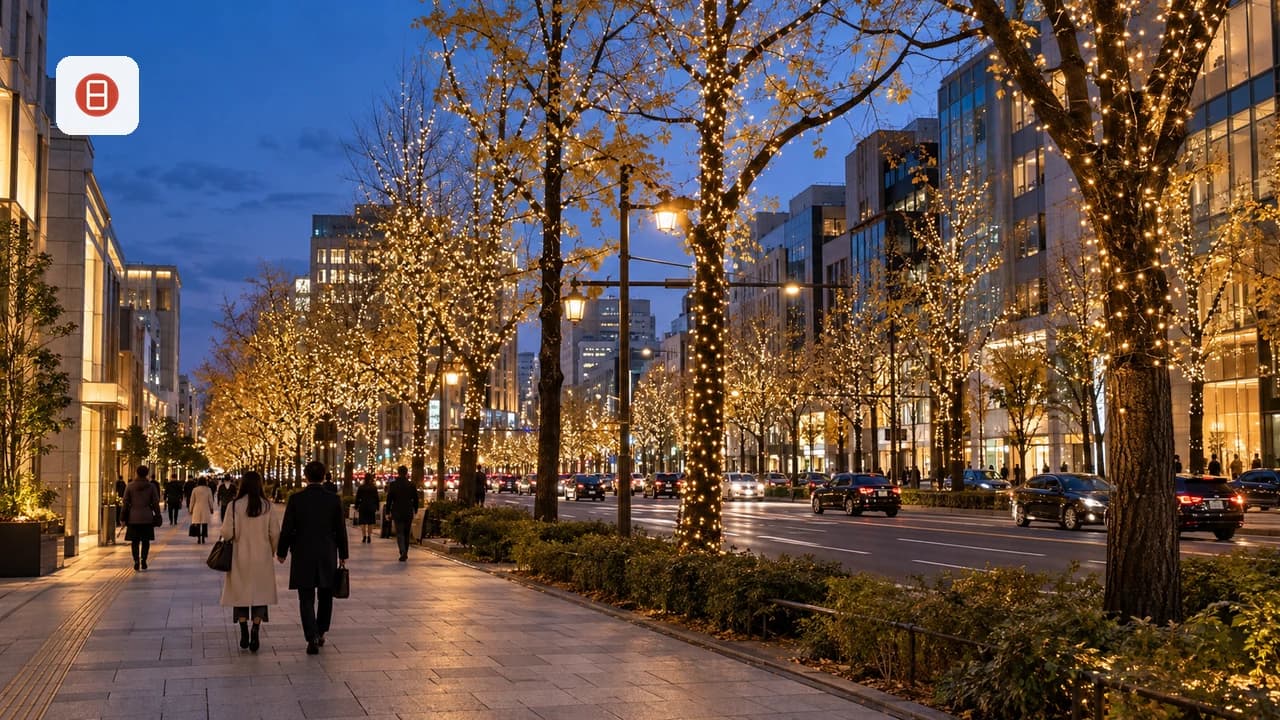
Osaka's food-tour market splits along district lines, and each area rewards a different kind of appetite. Namba and Dotonbori suit first-time visitors who want neon signage and a fast introduction to street-food staples. Shinsekai suits travelers chasing what locals call soul food: doteyaki, kushikatsu, and a retro Taisho-era streetscape. Tenjinbashi-suji runs through Japan's longest shopping arcade and skips the tour-bus crowds that fill Dotonbori. Umeda and Kita suit diners chasing high-end and underground eats, including a sushi counter inside Grand Front Osaka that serves farmed bluefin tuna from Kindai University's aquaculture program.
- Namba and Dotonbori: first-time visitors, neon photography, and the shortest walking loops.
- Shinsekai: doteyaki, horumon, and kushikatsu in a Taisho-era streetscape, detailed in the Kushikatsu in Shinsekai Osaka: The Complete Guide to Skewers, Etiquette, and Where to Eat.
- Tenjinbashi-suji: Japan's longest shopping arcade and a lower-tourist local pace.
- Umeda and Kita: underground eats and Michelin-listed dining for a dressier night.
Tour Categories Compared: Market Walks, Backstreet Crawls, and Izakaya Nights
Three tour formats cover most of what operators sell in Osaka. Market-based walks center on Kuromon Ichiba Market, where stalls stack fresh tuna, grilled scallops, and tea-dusted sweets across a few dense blocks. Kuromon's narrow aisles pack oysters, scallops, tea, and dessert stalls close together. That crowd density can feel like sensory overload on a first visit. One long-running Kuromon walk has ranked as the third most-booked Osaka experience on Airbnb's own tours platform, per its listing. Backstreet crawls push into Shinsekai's retro alleys and cover kushikatsu counters, oden stands, and standing bars that rarely appear in guidebooks. A handful of these backstreet operators have appeared on the Netflix series Somebody Feed Phil, which has pulled international attention toward stalls that were previously local-only. Most categories sell both group and private versions, and a private booking suits travelers who want a flexible pace or a tailored dietary conversation with the guide. Nightlife and izakaya crawls center on Dotonbori and pair yakitori and takoyaki with sake, shochu, or beer at two or more stops. The wider Osaka izakaya scene extends well past Dotonbori into neighborhood bars with no tourist-facing signage. For a broader list of stalls beyond guided stops, see the 12 Best Places for an Osaka Street Food Guide (2026).
The Deep Osaka Reality Check
Dotonbori delivers a polished, well-lit introduction to Osaka food with wide pedestrian streets and reliable queues. Shinsekai and neighboring Nishinari deliver something rougher: narrower lanes, older buildings, and a visibly local clientele. Some backstreet routes walk through a preserved Taisho-era red-light district and touch on the area's history of organized-crime influence. Guides typically frame this as social history rather than spectacle, and the blocks function today as ordinary residential and dining streets. Several operators also sell a hotspots-and-hidden-gems format that blends both approaches in one outing, moving between neon-lit blocks and quieter side streets. Choose Dotonbori for comfort and speed. Choose a Shinsekai or Nishinari route for context and a slower, grittier pace. The Doteyaki and Horumon in Osaka: A Complete 2026 Guide covers specific Shinsekai stalls and dishes in more depth.
Street-Food Etiquette: Cash, Queues, and No Eating While Walking
A few etiquette rules apply everywhere in Osaka, not just on guided walks. Guides handle most of this automatically, but solo diners benefit from knowing the rules in advance.
- Do not eat while walking; step beside the stall or find a standing spot first.
- Carry cash. Many street-food stalls and small izakayas do not accept credit cards.
- Expect queues at popular Dotonbori stalls, especially in the evening; locals wait without complaint.
- Look for a waste bin before you buy; public bins are scarce, and not every stall provides one.
- Watch for seasonal dishes. Menus shift with the season, so an autumn item may disappear by spring.
Decision Matrix: 13-Dish Marathon vs 3-Dish Cultural Walk
Two formats dominate Osaka's tour listings, and they suit different travelers. A dish-marathon format packs 10 to 15 tastings into about three hours, moving fast between stalls, izakayas, and standing bars. A cultural-walk format slows down, serving 3 to 5 dishes while spending more time on history and vendor conversation. Neither format is objectively better. Match the format to your appetite and your tolerance for a packed schedule.
The 10 to 15 tastings marathon format requires following strict etiquette rules—guides translate dishes and explain the kushikatsu sauce-sharing protocol that solos would miss entirely.
| Format | Dishes/Stops | Pace | Best For |
|---|---|---|---|
| 13-Dish Marathon | 10-15 dishes | Fast, about 3 hours | Big appetites, first-time visitors wanting variety |
| 3-Dish Cultural Walk | 3-5 dishes | Slower, about 3-3.5 hours | Travelers who want history and vendor conversation |
| Market Tasting | 10-13 items | Self-paced browsing | Seafood lovers and sensory-first travelers |
| Izakaya/Nightlife Crawl | 4+ dishes, 2-4 drinks | Evening, multiple stops | Groups wanting a drinking-forward night |
Cost, Group Size, and Weather Policies
As of 2026, per-adult pricing on major booking platforms spans a wide range. The gap usually reflects group size, dish count, and whether alcohol is included. Budget-focused backstreet walks with a dinner stop start near $72 per adult. Multi-dish evening walks with two alcoholic drinks included list closer to $90 per adult. Full-day craft-focused tastings in a small group list around $175 per adult. Premium multi-stop evenings with a drink and guidebook included can run past $230 per adult. Most walking routes cover roughly 0.6 to 2.5 miles, so comfortable shoes matter more than fitness level. Weather cancellations typically follow a 3-hour notice window before the tour start time, with a full refund if the operator cancels for rain. Reservations lock in a specific meeting point, usually a subway exit, and most operators require prepayment online.
Budget backstreet walks start at $72 per adult, while a complete meal at the Hanshin Department Store basement costs less than one tour stop—making DIY the cheapest approach.
| Tour Type | Price (per adult) | Group Size | Duration |
|---|---|---|---|
| Backstreet dinner walk | $72 | Up to 15 | About 3 hours |
| Multi-dish evening walk (13 dishes) | $90 | Up to 9 | About 3 hours |
| Dotonbori tasting walk | $231 | Up to 10 | About 3 hours |
| Backstreet nightlife/izakaya crawl | $113 | Up to 8 | Evening |
| Tenjinbashi local walk | $79.99 | Up to 10 | 3-3.5 hours |
| Full-day craft/umami tour | $175 | Small group | Full day |
Accessibility and Mobility on an Osaka Food Tour
Mobility is the logistics gap most competitor guides skip. Shinsekai and Nishinari backstreet routes run through older blocks with narrow lanes and uneven pavement. Some stops involve stairs into standing bars or basement izakayas. Subway stations serving these districts do not uniformly offer elevator access, so confirm step-free routing before booking if mobility is a concern. Dotonbori and the Umeda depachika halls sit on wider, flatter streets and generally suit limited-mobility travelers better. Contact the operator directly before booking a backstreet-specific tour, since group operators rarely publish detailed accessibility information online.
Dietary Restrictions: The Hard Truths About Dashi and Seafood
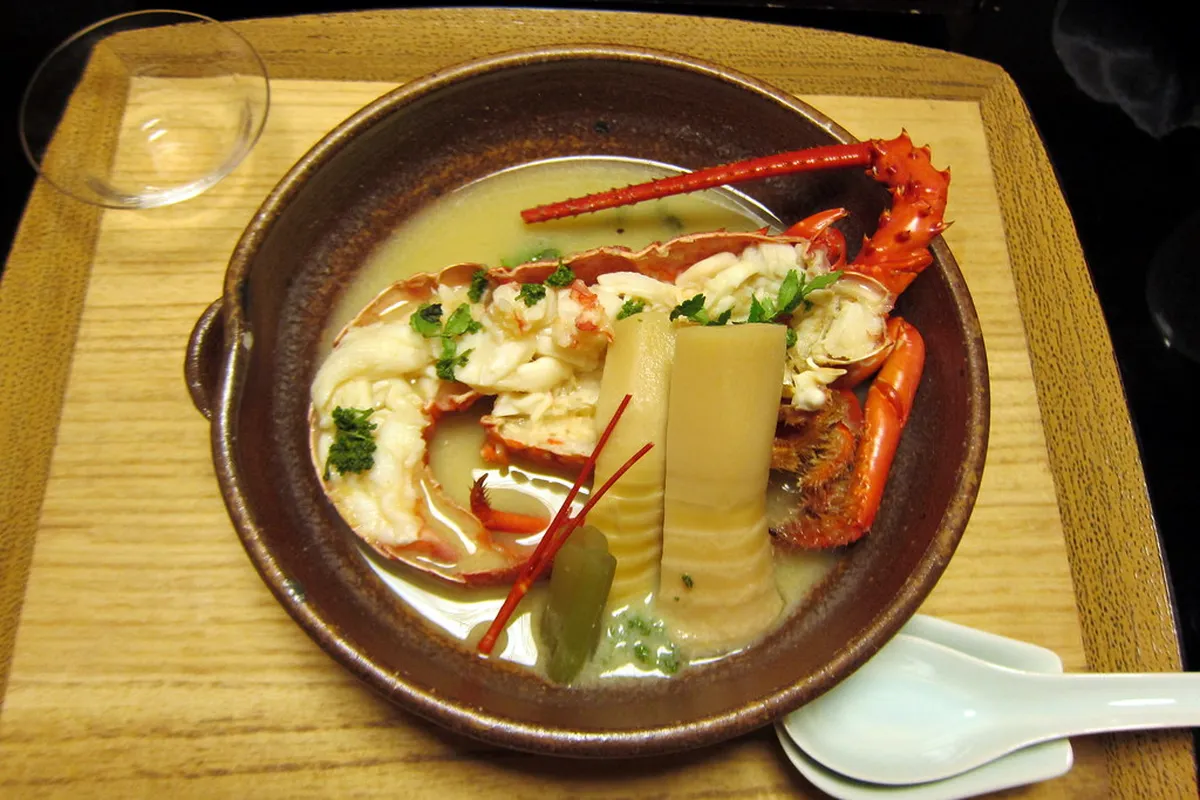
Dashi, a stock built from bonito flakes or kelp, flavors miso soup and many sauces. Seafood hides in places a menu will not flag. Anyone with a seafood allergy should treat Osaka's street-food scene as high-risk. Tell a guide about the allergy before booking, not on arrival. Vegetarian and pescatarian options are readily available on most guided walks. Dairy-free and vegan options stay limited on standard street-food routes. Travelers who need reliable vegan or vegetarian meals should plan around dedicated venues instead of a general tour. The vegetarian and vegan food guide to Osaka lists options built for that need. Halal diners face a similar gap on mainstream tours. The halal and Muslim-friendly food guide covers certified and halal-friendly kitchens directly.
DIY Alternatives: Depachika, Konbini, and Specialty Guides
A guided tour is not the only way to eat well in Osaka. The basement of the Hanshin Department Store in Umeda is the clearest do-it-yourself alternative. Its food hall, including a section known as the Snack Park, packs deli counters, bakeries, and prepared-food stalls that price by weight or by piece. A full meal there typically costs less than a single stop on a guided tour. That makes it the cheapest way to sample the city's food scene alone. Umeda's underground concourse, nicknamed Osaka Station City, adds more casual dining halls beyond the Hanshin basement, useful on a rainy day. Convenience stores add a lower-stakes layer: Lawson and 7-Eleven both rotate seasonal items throughout the year. Checking the chilled and hot-food cases costs nothing beyond curiosity. Some Dotonbori-based tours add a stop at Hozenji Temple or a walk down Sennichimae Doguyasuji, the kitchenware shopping street that supplies many of the city's professional kitchens. For dish-specific deep dives, pair this guide with the 10 Best Places: Osaka Takoyaki and Okonomiyaki Guide (2026). The 10 Best Cafes in Osaka: 2026 Specialty Coffee & Kissaten Guide covers a slower-paced DIY route for mornings. Travelers who prefer a curated sit-down list over a walking tour can start with the best restaurants in Osaka. Anyone building a full day around eating and sightseeing together should check 20 Top Osaka Attractions for routes that pair naturally with a food stop.
Frequently Asked Questions
Is a food tour worth it in Osaka if you don't drink alcohol?
Yes. Soft drink options are standard on nearly every Osaka food tour, and guides substitute tea, soda, or juice for any alcoholic pour at no extra charge on most listings. Skipping alcohol does not reduce the number of food stops.
Are children welcome on an Osaka food tour?
Most standard walks welcome children, but backstreet-focused routes through Shinsekai and Nishinari fit young children poorly. These routes run later, cover more ground, and spend time on adult-oriented history. A market or Dotonbori-based walk works better for a family group.
When should you book an Osaka food tour?
Book two to four weeks ahead for weekend dates, since Friday, Saturday, and Sunday slots fill first. Weekday tours generally hold availability closer to the travel date. Popular small-group routes still sell out during cherry blossom and autumn foliage seasons.
Is an Osaka food tour accessible for wheelchair users?
It depends on the district. Dotonbori and Umeda routes run on wider, flatter streets and suit most mobility needs. Shinsekai and Nishinari backstreet routes involve narrower lanes, uneven pavement, and occasional stairs, so confirm step-free access with the operator before booking.
What does Kuidaore mean, and why does Osaka use it?
Kuidaore translates roughly to eat until you drop, and Osakans use it to describe the city's food-first culture. The phrase shows up throughout tour marketing and explains why a single afternoon can include five or more separate eating stops.
Free: The Osaka Essentials guide
Top things to do, where to stay, a perfect day plan, getting around, and the best time to go — a Osaka mini-guide you can take offline.
You might also like


Continue reading
More guides you'll find useful