Vegetarian and Vegan Food in Osaka: 2026 Restaurant & Neighborhood Guide
Find vegetarian and vegan food in Osaka: dashi-free restaurants, neighborhood clusters, yen prices, and tips for avoiding hidden fish stock in 2026.
On this page
Last updated August 2026, this guide breaks down vegetarian and vegan food in Osaka beyond the neon signs of Dotonbori. Osaka's reputation as the Kitchen of Japan rests on dashi built from bonito flakes, so takoyaki, okonomiyaki, and kushikatsu are traditionally off-limits unless a kitchen states its broth is plant-based. A small but growing cluster of dedicated vegan kitchens in Shinsaibashi, Nakazakicho, and Umeda now rebuilds those same dishes with okara batter and soy protein instead of fish stock and octopus.
Is Osaka Vegan-Friendly? The Honest Answer on Vegetarian and Vegan Food in Osaka
Osaka earns its Kitchen of Japan reputation from street food, not from ingredient transparency. Katsuo dashi, a stock built from smoked bonito flakes, flavors miso soup, okonomiyaki batter, and even some vegetable tempura. That makes vegetarian and vegan food in Osaka harder to spot on a standard menu than in cities with more Western-style cafes. A dedicated cluster of vegan kitchens has grown around Shinsaibashi and Nakazakicho, though, and most of them rebuild Osaka's own specialties, including takoyaki, okonomiyaki, and kushikatsu, from scratch with plant-based stock. Expect a short list of proven restaurants rather than a citywide guarantee. This guide groups them by neighborhood so a day of eating can follow a walkable route instead of a scattered list. Check the Osaka food scene overview for how these vegan spots fit into the wider dining picture.
The Dashi Problem: Why Vegetarian Doesn't Always Mean Vegan Here
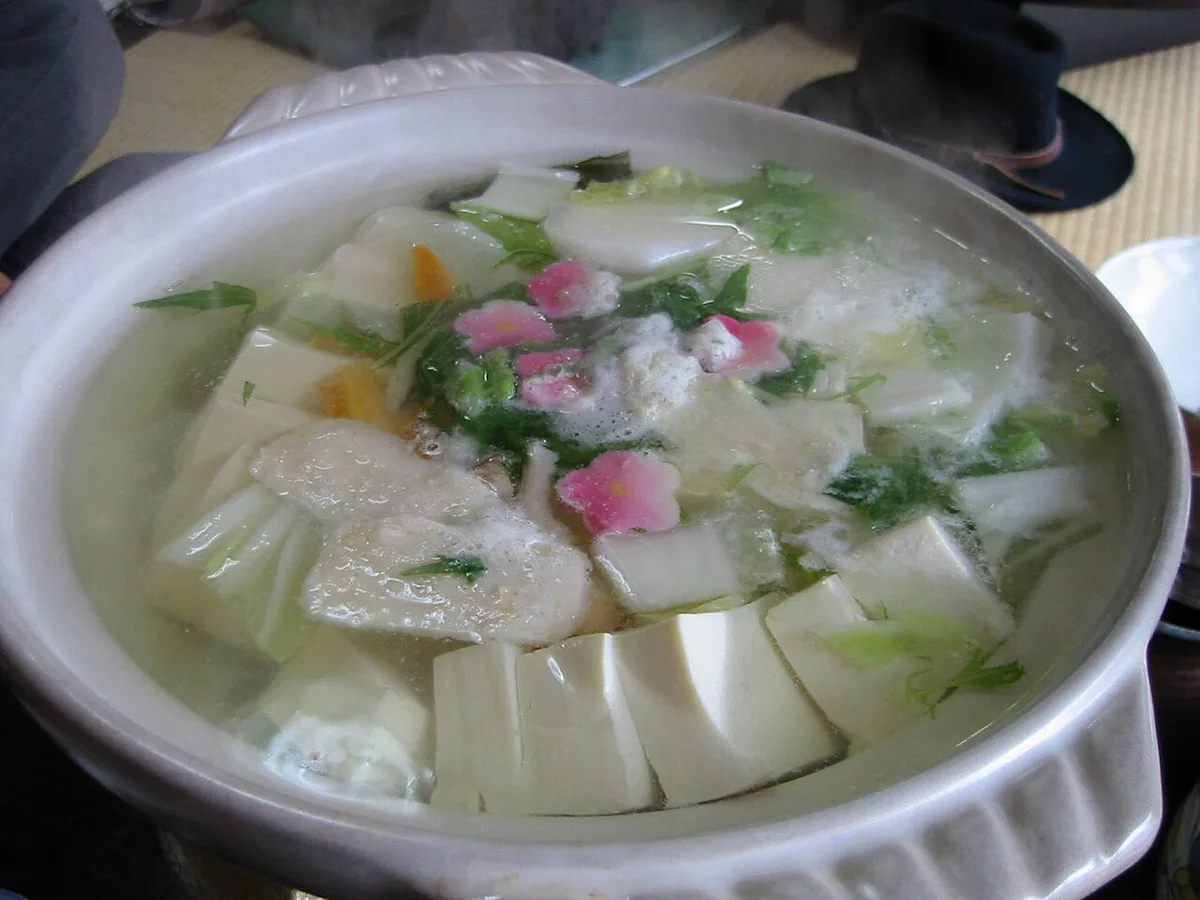
Menus rarely spell out what vegetarian means in Japan. A dish labeled vegetarian can still simmer in katsuo dashi, since bonito stock is treated as a background seasoning rather than a meat product. A useful question is whether the dashi contains katsuobushi, or bonito flakes; that phrasing gets a clearer answer than asking if a dish is vegetarian. Restaurants built for vegan diners, like the ones in this guide, advertise plant-based dashi upfront, usually kombu (kelp) or shiitake stock instead. Kuromon Ichiba Market runs almost entirely on seafood and grilled meat stalls, so a look at Kuromon Ichiba Market's food stalls helps set expectations before a visit, mostly what to skip rather than what to eat.

Essential Tips for Vegan Dining in Osaka
A few operational realities separate a smooth vegan food day in Osaka from a frustrating one.
Aju's 4-customer limit isn't just a wait constraint—it defines the restaurant's experience as an intentionally slow, deliberate meal. Arriving early and managing expectations becomes part of what makes dining here distinctive.
- Hours run short and irregular: many vegan kitchens close one or two days a week and don't stay open all day, so confirm hours the same day you plan to visit.
- Portions run smaller than Western servings. Order a side dish or two, especially at izakaya-style spots serving small plates.
- Some restaurants cap capacity. Aju in Nakazakicho is a one-person operation with a posted 4-customer limit, so arrive early or expect a wait.
- Reservations matter at small set-menu cafes with limited seating; street-food counters like OKO Takoyaki are walk-in only.
- English menus are common at dedicated vegan restaurants, since most cater to foreign visitors, though it's worth confirming at smaller shops.
Vegan Takoyaki and Okonomiyaki at OKO Takoyaki and OKO-Fun
OKO Takoyaki, in Shinsaibashi, runs an all-vegan menu of takoyaki and kushikatsu from a small upstairs room decorated with customer messages on the walls. The batter is made with okara, the soybean pulp left over from tofu production, which makes every takoyaki ball gluten-free. A takoyaki plate costs ¥1,000 and comes with a choice of five sauces. The classic sauce, finished with vegan mayo and seaweed, is the standard order. It's a one-woman operation, so expect a wait later in the evening. Arrive close to opening for the shortest line. The sister shop, OKO-Fun Okonomiyaki Bar, sits a block away with a multi-level interior of graffiti-covered walls. Its okonomiyaki batter also uses okara, and diners choose five vegetables to mix into the cabbage base before it gets topped with vegan mayo. OKO-Fun also serves non-vegan dishes, so specify a fully vegan order when you sit down. OKO Takoyaki sits walking distance from Dotonbori's food scene, so it's easy to pair a takoyaki plate with the river cruise and neon signage nearby.
Aju: Osaka's One-Person Vegan Izakaya in Nakazakicho
Aju sits in Nakazakicho, one stop from Osaka/Umeda Station on the metro, and runs as a genuinely one-person vegan izakaya. The owner cooks, serves, and runs the register alone, and a card at the entrance states he can't handle more than 4 customers at a time. Okonomiyaki at Aju comes topped with mayonnaise and seaweed, filled with mock meat instead of pork. The yakitori plate swaps chicken for soy protein and konjac, shaped and grilled to mimic the texture of skewered meat. Because of the 4-customer cap, plan for a wait if another table is already seated, and treat a visit here as a slower, deliberate meal rather than a quick stop.
Vegan Ramen by Playpen Friends
Vegan Ramen by Playpen Friends operates under three names at one address. The ramen and shaved-ice counter runs during the day. A separate vegan-friendly izakaya menu takes over after roughly 8pm. During daytime hours, the ramen menu stays short: miso, soy (shoyu), and tomato broth, each finished with fried tofu. The shoyu broth carries a noticeably garlicky base, a solid pick if a rich Japanese ramen is what you're after. Shaved ice here isn't the sugar-syrup version common elsewhere. It's built with fresh fruit chunks and puree, layered with vegan cream. Because the evening izakaya menu differs from the daytime ramen menu, confirm which service is running before you go.
Playpen Friends demonstrates why Essential Tips' advice to confirm hours same-day is critical: the restaurant transitions from daytime ramen to evening izakaya around 8pm, so open hours don't guarantee your intended service is running.
Paprika Shokudo: Vegan Izakaya in Shinsaibashi and Shinsekai
Paprika Shokudo runs an all-vegan menu with a focus on organic ingredients. Its original Shinsaibashi location has wooden interiors and outdoor terrace seating. The vegan oyster, made from tofu and mushroom, and the soy-meat karaage are the standout orders. Dinner sets add miso soup, rice, and a side salad to either dish. A second, smaller location, Shinsekai Paprika Shokudo, opened in 2023 down an alley in Janjan Yokocho, steps from Tsutenkaku Tower. Its menu narrows to vegan kushikatsu, takoyaki, noodles, and miso, styled after the classic izakaya format. Shinsekai's wider dining scene runs on deep-fried skewers cooked in shared oil. For the traditional, non-vegan version, see the guide to Shinsekai's kushikatsu stalls. Paprika Shokudo's vegan take is the exception worth seeking out in that district.
Best Vegan Cafes and Bakeries in Osaka
Osaka's vegan bakery scene splits into two styles: American-leaning desserts and lighter Japanese-style presentation. Four spots cover both ends and different neighborhoods.
- Mercy Vegan Factory (near Tanimachi 9-chome Station, walkable from Dotonbori and Namba): a vegan egg sandwich with realistic egg salad on soft bread, plus karaage, Korean gimbap, curry rice, and a case of seasonal patisserie.
- Canelita Sweets (Yotsubashi): American-style donuts, cheesecake, and banana bread; not gluten-free, but free of peanuts, dairy, egg, and refined white sugar.
- Nanahako Sweets (Temmabashi): Japanese-style Western cakes and tarts, lighter and less sweet than Canelita's menu, mostly gluten-free, and free of dairy, egg, and white sugar.
- Green Earth (Honmachi): Western-style mains such as sandwiches, hummus, burgers, wraps, pasta, and pizza, plus a salad bowl with rice and tempeh; a reliable choice for a full lunch rather than a snack.
Vegan Neighborhood Map: Shinsaibashi, Nakazakicho, and Umeda
Three neighborhoods carry most of Osaka's vegan dining, clustered close enough to plan a single day around. Shinsaibashi and neighboring Namba hold the highest concentration. OKO Takoyaki, OKO-Fun Okonomiyaki Bar, and Paprika Shokudo's original location all sit within a short walk of each other, close to Dotonbori. Nakazakicho, one metro stop from Osaka/Umeda Station, carries a quieter, art-district feel and is home to Aju. Osaka's metro system makes that hop from Shinsaibashi straightforward. Umeda/Kita, the city's northern business hub, works as a fallback for department-store basement food halls and higher-end options when the smaller vegan kitchens are closed. Anyone choosing a home base for a vegan-focused trip should weigh where to stay in Osaka against proximity to Shinsaibashi, since most of the dedicated vegan kitchens sit within that pocket. A transit pass bundling free metro rides with sightseeing entries, such as the Amazing Osaka Pass, can help offset the walking between neighborhoods like Shinsaibashi and Umeda.
Vegan Day Trips from Osaka: Nara and Ibaraki
Osaka works well as a base for day trips, and vegan options exist outside the city too. Nara, a similar day-trip distance to Kyoto, has ONWA near Nara Park for a vegan meal between temple visits and the deer park. Ibaraki, between Osaka and Kyoto and about 30 minutes away, is home to Ocha Ohana Montblanc, an all-vegan dessert cafe known for elaborate seasonal parfaits. That cafe takes cash only, opens two days a week, and seats just three tables upstairs. Book ahead through Instagram if there's no Japanese phone number for its online reservation system. Before adding a day trip, weigh whether one day in Osaka covers the city center, or whether a longer stay fits better. The how long to spend in Osaka guide breaks down realistic itineraries for pairing food stops with sightseeing.
Quick Decision Matrix: Where to Eat by Craving
Match a specific craving to a specific stop using this comparison. Only OKO Takoyaki has a single published price point; everywhere else, budget by dish type and expect small-plate portions.
| Restaurant | Specialty | Neighborhood | Price | Best For |
|---|---|---|---|---|
| OKO Takoyaki | Vegan, gluten-free takoyaki (okara batter) | Shinsaibashi | ¥1,000 takoyaki plate | Quick bite |
| OKO-Fun Okonomiyaki Bar | Vegan okonomiyaki, 5 veg toppings | Shinsaibashi | Street-food priced | Quick bite, groups |
| Aju | Vegan izakaya, soy-protein yakitori | Nakazakicho | Small-plate pricing | Solo diners, slow dinner |
| Vegan Ramen by Playpen Friends | Miso, shoyu, tomato ramen; shaved ice | Namba area | Ramen-shop pricing | Quick lunch |
| Paprika Shokudo (Shinsaibashi) | Vegan oyster, soy-meat karaage, dinner sets | Shinsaibashi | Mid-range set meals | Date night |
| Paprika Shokudo (Shinsekai) | Vegan kushikatsu, takoyaki, izakaya snacks | Shinsekai | Small-plate pricing | Quick bite near Tsutenkaku |
| Mercy Vegan Factory | Vegan egg sandwich, gimbap, curry rice | Tanimachi 9-chome | Cafe and lunch pricing | Quick bite, takeaway |
| Green Earth | Salads, hummus, wraps, tempeh rice bowl | Honmachi | Cafe and lunch pricing | Full sit-down lunch |
Mistakes to Avoid When Eating Vegan in Osaka
A few order-day mistakes trip up first-time vegan visitors to Osaka. Vegetable tempura isn't automatically vegetarian. Many kitchens fry it in the same oil as meat and shrimp, and some batters mix in egg. Curry often starts from a meat-based or fish-based stock, even when the visible ingredients are vegetables. Doteyaki and horumon, two Osaka specialties built on beef offal, are worth knowing by name so you can skip them on sight. A separate guide covers doteyaki and horumon dishes in more detail. Outside the dedicated vegan kitchens, the broader Osaka restaurant guide is a useful cross-check on which mainstream spots can adapt a dish. Pairing a food day with sightseeing works well too. Osaka's main attractions, including Osaka Castle, sit within reach of Shinsaibashi and Umeda, so a castle stop can bookend a restaurant run without adding much travel time.
Frequently Asked Questions
Is Osaka vegan-friendly?
Osaka is more vegan-friendly than a first look suggests, especially next to smaller Japanese cities. A cluster of dedicated vegan kitchens in Shinsaibashi and Nakazakicho recreates local specialties like takoyaki and okonomiyaki without fish stock. Outside that cluster, expect to ask about katsuo dashi at almost every restaurant.
What is dashi, and why does it matter for vegetarians in Osaka?
Dashi is the base stock used in most Japanese cooking, and the most common version is built from katsuobushi, or smoked bonito flakes. It shows up in miso soup, sauces, and even some vegetable dishes that look plant-based. A menu item labeled vegetarian in Japan can still contain dashi, so ask specifically about bonito stock rather than trusting the label.
Can you get vegan takoyaki or okonomiyaki in Osaka?
Yes. OKO Takoyaki in Shinsaibashi makes an all-vegan, gluten-free takoyaki from okara batter for ¥1,000 a plate. Its sister shop, OKO-Fun Okonomiyaki Bar, offers a vegan okonomiyaki with a choice of five vegetable toppings, though it also serves non-vegan dishes, so specify a vegan order when ordering.
How much does vegan food cost in Osaka?
Street-food-style vegan meals run close to standard Osaka prices; a takoyaki plate at OKO Takoyaki costs ¥1,000. Set meals at sit-down spots like Paprika Shokudo cost more, since they add rice, miso soup, and a side salad to the main dish. Cafes and bakeries price closer to a Western coffee-shop lunch.
Is Kuromon Ichiba Market worth visiting as a vegan?
Kuromon Ichiba Market runs mostly on seafood and grilled meat stalls, so it isn't a strong stop for a vegan meal. It's still worth a walk-through for the market atmosphere and to see Osaka's seafood culture. Plan an actual meal at one of the dedicated vegan kitchens instead.
Free: The Osaka Essentials guide
Top things to do, where to stay, a perfect day plan, getting around, and the best time to go — a Osaka mini-guide you can take offline.
You might also like


Continue reading
More guides you'll find useful