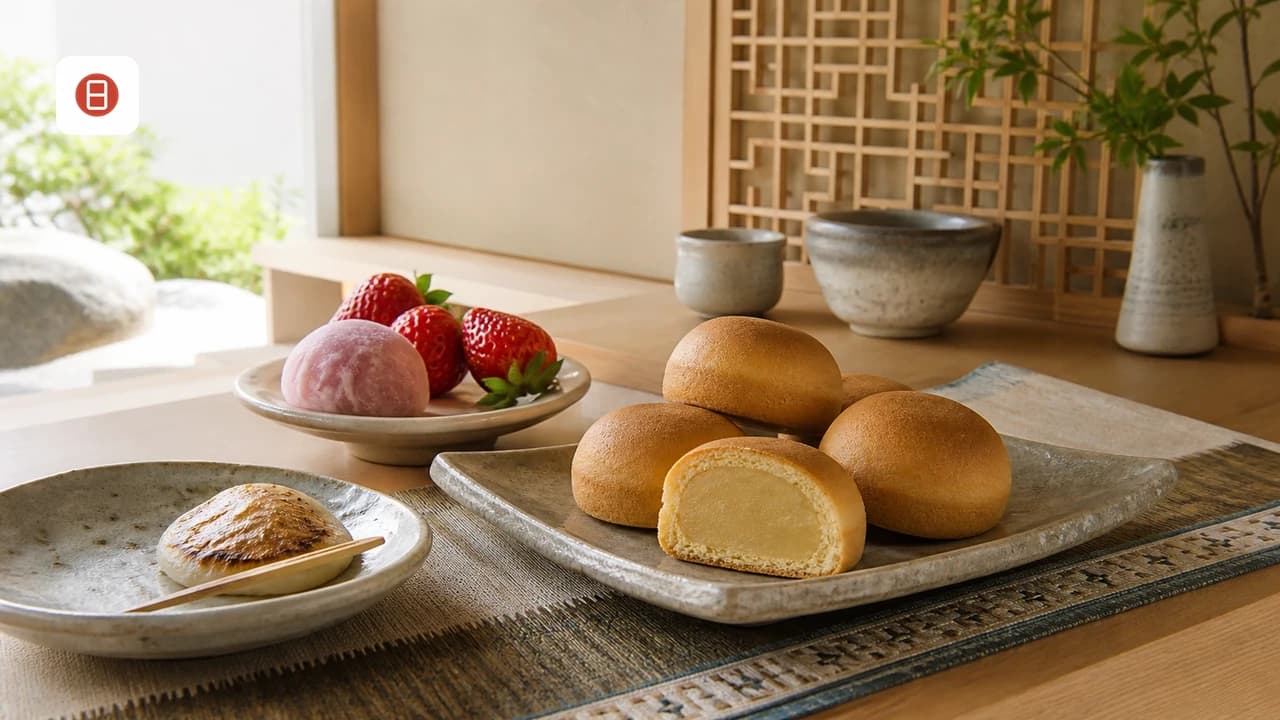
What to Eat in Fukuoka: 12 Must-Try Dishes and Dining Guide (2026)
A 2026 guide to what to eat in Fukuoka: 12 must-try dishes, yatai etiquette, noodle-firmness ordering, neighborhood picks, and typical costs.
On this page
Last updated July 2026, this guide breaks down what to eat in Fukuoka by dish, neighborhood, and ordering etiquette, not just a checklist. Hakata-style tonkotsu ramen, yatai street stalls, and motsunabe hot pot anchor the local food identity, and mentaiko threads through nearly every menu in the city. Use it to plan a food day that moves from Nagahama ramen counters to Nakasu's evening stalls without wasting a queue on the wrong spot.
Why Hakata and Fukuoka Share One Food Identity
Fukuoka's food reputation centers on Hakata, the merchant district that gave tonkotsu ramen its name. Locals often use Hakata and Fukuoka interchangeably for food talk. Hakata was the historical trading port before the two merged into one city. Kyushu's position near Korea and China shaped much of what lands on the plate, from one-bite gyoza to spicy pollock roe. Street-level dining runs alongside higher-end sushi counters, so budget meals and reservation-only spots often sit a few blocks apart. Yatai stalls tie the scene together, serving everything from tonkotsu ramen to French-inflected small plates on the same strip. Fukuoka's rise as one of Japan's fastest-growing cities, driven by tech startups and a wave of young residents, keeps the food scene evolving quickly. New yatai concepts get vetted by a local commission before they're allowed to open, which is part of why the stalls stay lively rather than fossilized. That split helps you read restaurant names and area labels correctly as you move between food zones like Hakata, Tenjin, and Nakasu.
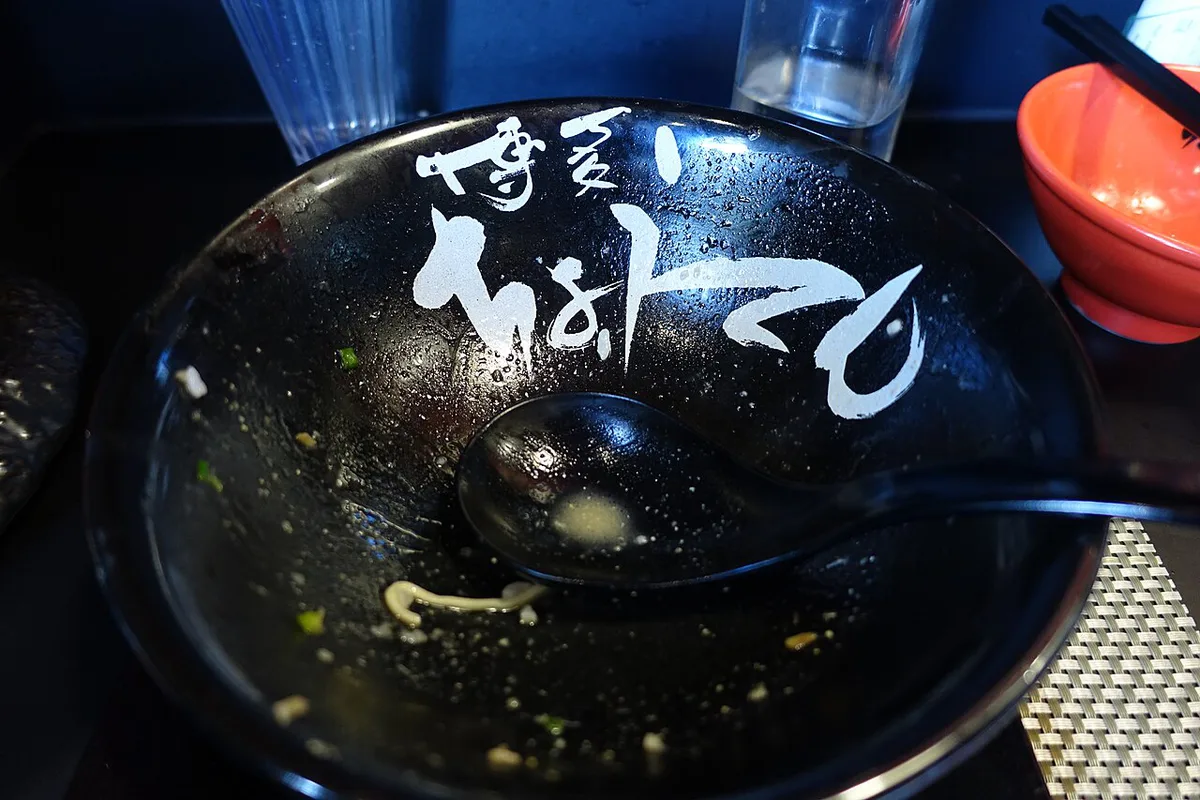
What to Eat in Fukuoka: 12 Essential Dishes and Where to Find Them
These 12 dishes and experiences cover Fukuoka's signature flavors, from the ramen counter to the yatai stall. Ordered roughly from essential to seasonal, most cluster within walking distance of Hakata Station, Tenjin, or the Naka River, so you can chain several into one day.
- Hakata Tonkotsu Ramen
- Pork bones simmer for 8 to 12 hours until the broth turns milky and collagen-rich.
- Noodle firmness runs on a scale from bariyawa (soft) to barikata (extra firm); ask for katamen if you want bite.
- Ramen Alley inside Hakata Station and Ramen Stadium in Canal City group several shops together for side-by-side tasting.
- The Kaedama Noodle Refill
- Kaedama is a plain noodle top-up you order separately once the broth is still warm but the noodles have thinned.
- Call for it when about a quarter of your original noodles remain, before they go soft in the hot broth.
- Most counters post the kaedama price near the register, and it usually costs less than a fresh bowl.
- Yatai Street Stalls
- These open-air carts seat six to ten people and typically start setting up around 6:00 p.m., then clear away completely by dawn.
- Etiquette runs on one drink, one dish per stall; move on quickly once a queue forms behind you.
- Read the yatai stalls guide before your first night out, since menus and cash-only rules shift stall to stall.
- Motsunabe (Offal Hot Pot)
- Beef or pork offal simmers with garlic chives and cabbage in a soy or miso broth.
- Check the motsunabe and mizutaki guide for ordering tips, since most shops serve it as a shared pot for two or more.
- Order champon noodles at the end to finish the last of the broth, a common local move.
- Mizutaki (Chicken Hot Pot)
- Chicken simmers for hours into a delicate broth seasoned simply with salt and green onion.
- It typically runs pricier than motsunabe and suits diners who want a lighter, less intense flavor.
- Hana Midori, near Hakata Station, serves it as part of a lunch or dinner set.
- Mentaiko (Spicy Pollock Roe)
- Toshio Kawahara, founder of Fukuya, adapted this Korean-style roe for Japanese palates and popularized it in Fukuoka in 1949.
- Try it as mentai-ju spooned over rice, folded into a tamagoyaki omelet at a yatai, or spread on a mentaiko baguette.
- For a bottle to take home, the mentaiko tasting and shopping guide lists where locals actually buy it.
- Hitokuchi Gyoza (One-Bite Dumplings)
- These dumplings run smaller than standard gyoza and arrive pan-fried until crisp on the bottom.
- Some shops serve them sizzling table-side on a tetsunabe iron plate, straight off the heat.
- Pair them with yuzu kosho, a citrus-chili condiment, instead of the usual vinegar-soy dip. See the Hakata Udon and Gyoza Guide: Fukuoka's Original Noodle Culture for both dishes in one stop.
- Goma Saba (Sesame Mackerel)
- Raw mackerel sashimi gets tossed in a dressing of toasted sesame, soy sauce, mirin, and sake.
- Fukuoka sits close to the Genkai Sea, one of the few places in Japan where mackerel is commonly served raw.
- Some izakayas pull it from the menu in summer, so confirm before ordering outside the colder months.
- Hakata Udon
- Noodles here run soft rather than chewy, a deliberate contrast to the firmer Sanuki-style udon found elsewhere in Japan.
- Common toppings include maruten (fried fish cake) and goboten (burdock tempura), often ordered together.
- Udon Taira, near Hakata Station, and Daigaku Udon in Akasaka are two commonly recommended counters.
- Amaou Strawberries
- This is Fukuoka's premium strawberry variety, sold fresh in winter and spring and worked into desserts across the city.
- Look for it on seasonal parfait and shortcake menus at cafes around Tenjin and Daimyo.
- Farm stands and department-store food halls stock it fresh during peak season, alongside the dessert menus.
- Kakigoya Oyster Huts
- These winter-only pop-up huts let you grill fresh oysters at your own table.
- Most cluster in nearby Itoshima and only operate during the colder months, so confirm dates before you go.
- Expect a simple table-grill setup where you cook the oysters yourself, shell and all.
- Sri Lankan Curry in Tenjin
- A Sri Lankan curry subculture has taken hold in and around Tenjin, sitting apart from Fukuoka's Japanese-food identity.
- It works as a backup option on days when a long ramen queue doesn't fit your schedule.
- Menus typically include a rice-and-curry set with several small sides, similar to short-eats formats found in Sri Lanka.
Fukuoka's Food Neighborhoods: Choosing a Base
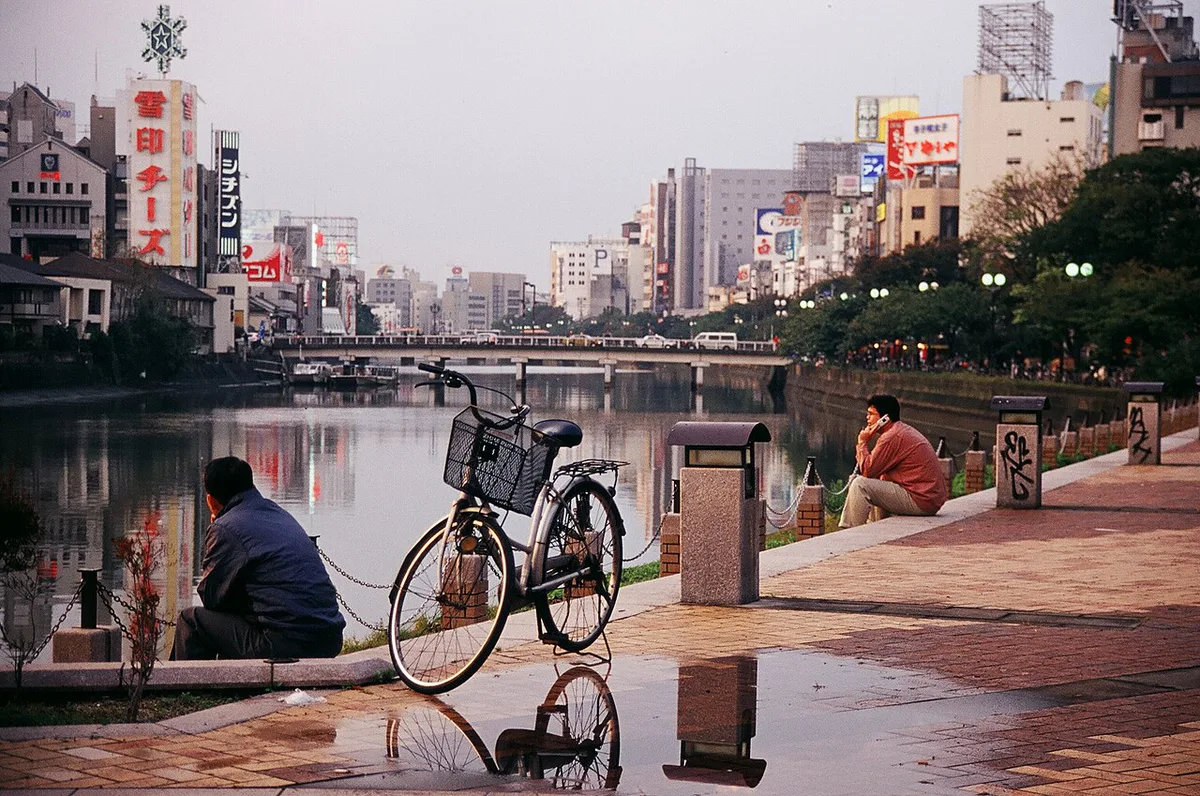
Where you stay changes how easily you reach each food zone. Hakata Station clusters ramen shops and department-store dining under one roof, useful for a meal between trains. Tenjin and Daimyo lean toward cafes, bakeries, and a wider range of cuisines; the curated restaurant picks guide covers several standouts in this pocket, and you can find it at curated restaurant picks. Nakasu holds the largest concentration of riverside yatai, though it draws heavier tourist traffic than the other zones. Nakasu is also a common first-time base for visitors, since hotels there put you within walking distance of the yatai strip. Nagahama is the historic fishing district where the kaedama system reportedly began, and its market-style ramen counters keep prices near the low end of the city. Early risers can also catch live auctions at the Nagahama fish market, with stalls selling everything from sashimi-grade fish to local oysters. For a separate produce-and-seafood market crawl, see the guide to Yanagibashi Rengo Market. To match a neighborhood to your itinerary, the neighborhood breakdown covers lodging and transit alongside food.
| Neighborhood | Best For | Signature Move |
|---|---|---|
| Hakata Station | Ramen Alley and department-store dining | A fast meal between trains |
| Tenjin & Daimyo | Cafes, bakeries, and a wider cuisine mix | Mentaiko baguette runs and bakery queues |
| Nakasu | Riverside yatai | An evening stall crawl along the Naka River |
| Nagahama | Market-style ramen counters | Kaedama's reported birthplace, plus early fish-market auctions |
Ordering Etiquette: Noodle Firmness and Yatai Rules
Two systems shape ordering in Fukuoka: noodle firmness at ramen counters, and stall rotation at yatai. Getting both right makes the meal faster and better. Staff at most ramen shops ask for a firmness preference when you order; if they skip the question, ask directly. Bowls typically arrive with garlic, benishoga (pickled ginger), and karashi takana (pickled mustard greens) on the table so you can season to taste. Yatai stalls run on their own etiquette, separate from noodle firmness. A few habits separate a smooth night from an awkward one.
Yatai start setting up around 6:00 p.m., creating the opening window for an evening crawl. Visitors following the one-drink-one-dish-per-stall etiquette need to plan multiple stops in sequence to build a satisfying evening.
| Term | Texture |
|---|---|
| Bariyawa | Very soft, noodles soften almost completely in the broth |
| Yawa | Soft, a step past the standard order |
| Futsuu | Regular, the default if you say nothing |
| Katame | Firm, the most common request from regulars |
| Barikata | Extra firm, holds bite through a kaedama refill |
| Kona-otoshi | Barely blanched with raw flour still visible, for noodle purists |
- Skipping the one-drink rule
- Most stalls expect at least one drink order alongside food; treat it as the cost of the seat.
- Staying past your meal without ordering more tends to draw notice at a six-seat counter.
- Bringing large luggage
- Seating runs six to ten people shoulder to shoulder, so bulky bags rarely fit under the counter.
- Drop bags at a hotel or locker before heading out for the night.
- Assuming a nearby restroom
- Stalls are outdoor carts without restrooms; plan a bathroom stop before you sit down.
- Nearby convenience stores or station facilities are the usual fallback.
- Ignoring the posted menu
- Check the board for prices before ordering, since formats and costs vary stall to stall.
- Some stalls run cash-only with no printed English menu, so point at what looks good if needed.
Fukuoka's Food Calendar: What's in Season
A few Fukuoka specialties are tied to specific months, so timing a trip changes what lands on the table. Plan around these windows if a particular dish is the reason for the visit.
| Season | What's on the Menu |
|---|---|
| Winter (Dec-Feb) | Kakigoya oyster huts open in Itoshima, and Amaou strawberry season begins |
| Spring (Mar-May) | Amaou strawberries continue through the season on cafe dessert menus |
| Summer (Jun-Aug) | Some izakayas pull goma saba from the menu, and yatai crowds thicken along the river in the warmer evenings |
| Fall (Sep-Nov) | Ramen, gyoza, and mentaiko stay in season year-round as the everyday staples |
Practical Planning: Costs, Wait Times, and Dietary Needs
Yatai run almost entirely on cash, with pricing set stall by stall and charged per dish and per drink. Ramen counters and department-store restaurants take cards more often and post fixed menu prices. Popular ramen shops like Shin Shin or Ichiran Honten can run 30 to 60 minute queues at peak lunch and dinner hours. Arrive right at opening, or aim for a mid-afternoon window, if a long wait doesn't fit your schedule. Some smaller counters skip English menus entirely, so a translation app or a point-and-order approach at the ticket machine helps. Vegetarian and vegan travelers face real limits in a city built around pork bone broth and offal hot pot. A small number of shops now cater specifically to plant-based diets, including at least one all-vegan ramen counter using a sesame-based broth instead of tonkotsu. Before you build a day around set restaurants, check the vegetarian and vegan dining guide for a fuller list of options and substitutions.
| Format | Payment | What to Expect |
|---|---|---|
| Yatai stall | Cash only, per dish and drink | Individually inexpensive, but a multi-stall crawl adds up fast |
| Ramen counter | Cash or card, fixed menu price | One of the cheaper sit-down formats; a Nagahama counter, Ganso Nagahamaya, was still charging close to ¥500 a bowl in recent years |
| Motsunabe or mizutaki restaurant | Card accepted at most sit-down spots | Priced as a shared set for two or more, above a single ramen bowl |
Building a Fukuoka Food Day
A workable one-day plan starts with ramen at a Nagahama or Hakata Station counter for lunch. Leave the afternoon open for a bakery stop or mentaiko shopping around Tenjin. End with a yatai crawl along the river after 6:00 p.m. Pace yourself in twos and threes rather than trying to hit every stall in one night. For an evening built specifically around riverside drinking and seasonal stalls, the riverside yatai nightlife guide lays out a fuller route. Pair the food day with things to do in Fukuoka for sightseeing. Use the broader Fukuoka travel guide to fill in transit and lodging around the meals.
Mentaiko, popularized locally in 1949, has become so integral to Fukuoka's identity that an afternoon mentaiko shopping run is now a standard part of the food-day itinerary.
- Morning: Nagahama Fish Market
- Catch the early auctions and grab a bite of sashimi-grade fish before the crowds arrive.
- Midday: Ramen Lunch
- Pick a Nagahama or Hakata Station counter and order your noodle firmness with confidence.
- Add a kaedama if broth remains once the noodles thin out.
- Afternoon: Bakery and Mentaiko Run
- Head to Tenjin or Daimyo for a bakery stop, then pick up mentaiko to take home.
- Evening: Yatai Crawl
- Start along the river after 6:00 p.m. and move through two or three stalls, one drink and one dish at a time.
Where to Buy Mentaiko as a Souvenir
Mentaiko is easy to buy without detouring from central Fukuoka. Specialist counters offer more varieties than convenience stores, including different spice levels and seasoned sauces.
- Hakata Station: Browse Fukuya and other established makers inside Ming and Hakata Hankyu’s basement food hall.
- Tenjin: Department-store food halls at Iwataya and Daimaru carry gift boxes from several producers in one place.
- Fukuoka Airport: Domestic-terminal souvenir shops are convenient for purchases immediately before departure.
Most traditional mentaiko requires refrigeration, although storage instructions vary by product. Check the label before buying and tell staff how long you will travel. Shops can often provide an insulated bag or cold pack for the journey.
Whole roe makes a polished gift, while tubes and small portions are easier to pack. Karashi mentaiko is the spicy standard. Mild versions suit travelers who want the savory flavor without strong chili heat.
For trip-planning details, see Fukuoka - Wikivoyage.
Explore food in other cities
Frequently Asked Questions
What is the most famous food to eat in Fukuoka?
Hakata tonkotsu ramen is the city's signature dish. Pork bones simmer for 8 to 12 hours into a milky, rich broth, and thin noodles let you order refills with kaedama.
What time do yatai food stalls open in Fukuoka?
Most yatai start setting up around 6:00 p.m. and stay open into the night. They pack away completely by dawn, so daytime visitors won't see them at all.
What is the difference between motsunabe and mizutaki?
Motsunabe is a garlicky offal hot pot made with beef or pork intestines in a soy or miso broth. Mizutaki is a lighter chicken hot pot simmered into a delicate broth with just salt and green onion.
How do you order ramen noodle firmness in Fukuoka?
Tell the counter staff your preference, from bariyawa (very soft) to barikata (extra firm). Order kaedama, a plain noodle refill, once about a quarter of your original noodles remain.
Is it hard to find vegetarian food in Fukuoka?
Pork bone broth and offal hot pot dominate the local menu, so vegetarian options take more planning than in some other Japanese cities. A small number of dedicated spots exist, including at least one plant-based ramen counter that swaps tonkotsu for a sesame-based broth.
What's the best neighborhood to base yourself for Fukuoka food?
Hakata Station works well for ramen and easy transit. Tenjin and Daimyo suit cafe- and bakery-focused mornings. Nakasu puts you closest to the riverside yatai, though it draws the heaviest tourist traffic of the three.
Explore More of What to Eat in Fukuoka
Dig deeper into Fukuoka's food scene by dish, by market, and by dietary need.
Iconic Dishes
- Fukuoka attractions hub: tickets, hours & maps
- Hakata Udon and Gyoza Guide: Fukuoka's Original Noodle Culture
- 5 Best Motsunabe Restaurants in Fukuoka
- Fukuoka Mentaiko Guide
Street Food & Markets
- Fukuoka Yatai Food Guide
- Yanagibashi Rengo Market Fukuoka
- Nakasu Riverside Bars, Yatai & River Cruises
Dining by Need
Free: The Fukuoka Essentials guide
Top things to do, where to stay, a perfect day plan, getting around, and the best time to go — a Fukuoka mini-guide you can take offline.
You might also like


Continue reading
More guides you'll find useful