5 Best Motsunabe Restaurants in Fukuoka (2026 Dining Guide)
Compare the best motsunabe in Fukuoka, from Yamanaka's miso broth in Akasaka to Ichitaka's spicy miso near Hakata Station, with 2026 prices and solo dining tips.
On this page
Last updated July 2026. Finding the best motsunabe in Fukuoka starts with three questions: which soup base, how formal the room, and whether the kitchen accepts solo diners. This guide compares five Fukuoka motsunabe restaurants across Akasaka, Hakata Station, and Nishinakasu, plus how to order the shime that finishes the pot.
What Is Motsunabe? Fukuoka's Cold-Weather Specialty
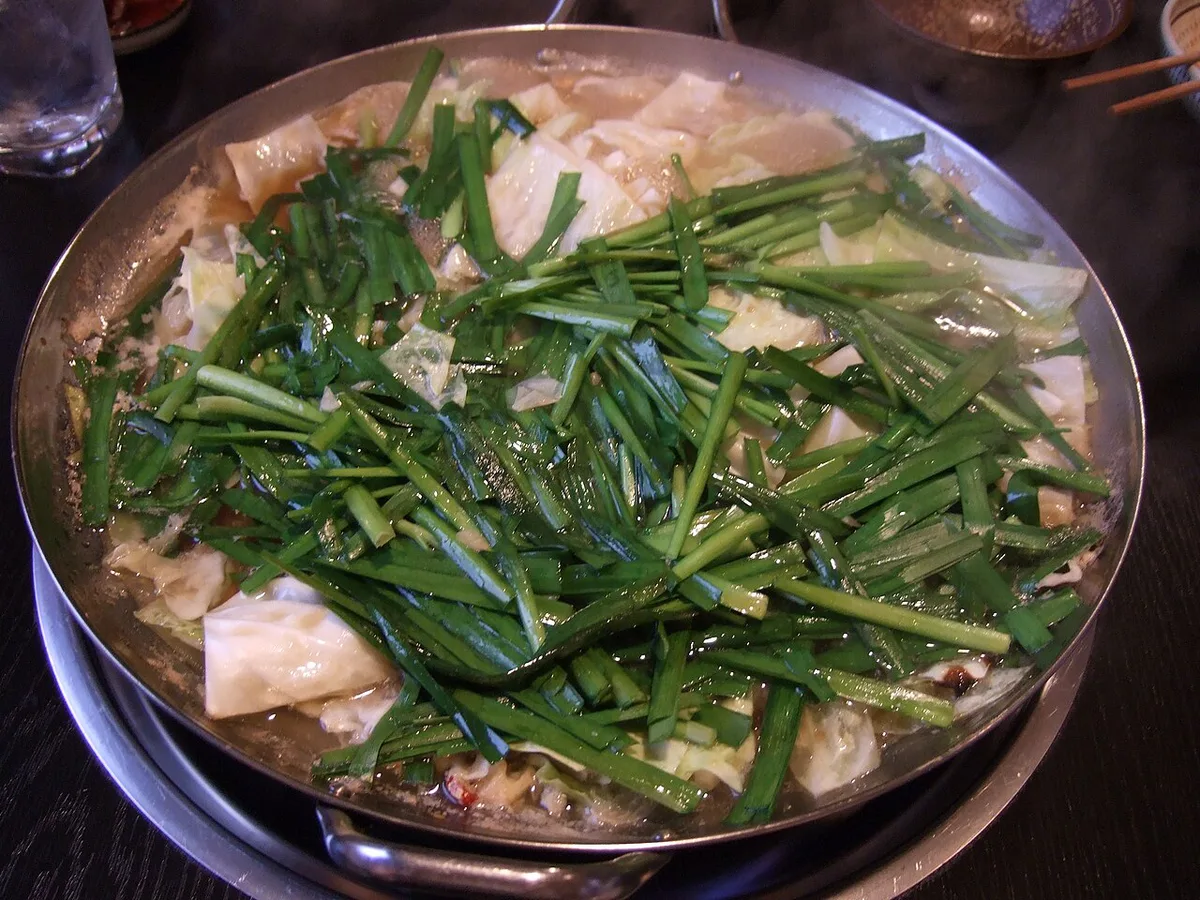
Motsunabe is a hot pot built on beef or pork offal, usually small intestine, simmered with cabbage, garlic chives, and whole cloves of garlic. Restaurants season the broth two ways. A soy-based shoyu stock tastes clean and traditional. A miso stock is richer and slightly sweet. Fresh vegetables matter as much as the offal, and several kitchens source produce from markets like Yanagibashi Rengo food market. Motsunabe sits alongside Hakata ramen as a defining cold-weather dish. It also shares the spotlight with Hakata udon and gyoza. Together, these dishes anchor Fukuoka's food scene.
How to Choose Your Motsunabe Restaurant
Three factors decide which motsunabe restaurant fits your trip: soup base, atmosphere, and party size. Miso broth is richer and slightly sweet, the style Yamanaka pioneered. Shoyu broth is lighter and closer to the dish's original recipe. A newer spicy miso blend, popularized by Ichitaka, adds chili and sansho pepper on top of a miso base. Atmosphere ranges from tatami-and-horigotatsu seating at older institutions to modern, table-only dining rooms near Hakata Station. See the Akasaka and Hakata neighborhoods guide if you are still deciding where to base your stay. Most restaurants set a two-person minimum order. Confirm solo-dining policy before you go. Motsunabe itself is not meat-free, so groups with vegetarians should check vegetarian and vegan dining options in advance.
| Soup Base | Flavor | Best For |
|---|---|---|
| Miso | Rich and slightly sweet; Yamanaka's signature style | A heavier, more traditional broth |
| Shoyu | Clean and soy-forward, closer to the original recipe | A lighter, cleaner broth |
| Spicy Miso | Miso blended with chili and sansho pepper | Heat with umami depth |
5 Best Motsunabe Restaurants in Fukuoka
These five restaurants cover the range from formal, hotel-lobby dining to quick, station-side bowls, so match the pick to your schedule and appetite.
- Hakata Motsunabe Yamanaka, Akasaka Branch
- The Akasaka branch pioneered Fukuoka's miso-style broth and occupies the entire second floor of a building on Taisho-dori.
- The reception looks as formal as a hotel lobby, so look past the entrance and up the stairwell for the actual dining room.
- An order for two costs about ¥3,200 total, and popular sides such as edamame or the beef-cheek dish run roughly ¥500 to ¥1,000 each.
- Hakata Motsunabe Yamanaka, Hakata Branch
- The Hakata branch sets a two-person minimum for its standard miso, shoyu, or shabu-shabu-style motsunabe at ¥2,200 per person.
- Solo diners can order the Yamanaka course instead: vinegared beef offal, tripe, spicy cod roe, sweetened beef cheek, a personal motsunabe, and a shime of champon, udon, or zosui for ¥4,680.
- The dining room uses an oriental theme inspired by the Silk Road, a different look from the Akasaka branch's hotel-lobby entrance.
- Hakata Motsunabe Ichitaka, Hakata Ekimae Dori Store
- Opened in 2024 as a sister brand of longtime favorite Motsunabe Ichifuji, Ichitaka built its reputation on Motunabe Spicy Miso, a broth that blends several miso pastes with chili and sansho pepper.
- The restaurant sits on Hakata Ekimae-dori, about a 10-minute walk from the Hakata Exit of Hakata Station, and about a 1-minute walk from Exit 2 of Kushida Shrine Station on the Nanakuma Line.
- The 130-seat dining room includes eight private rooms. Lunch starts around ¥2,000 and dinner starts around ¥5,000. Peak hours run 7 to 10 p.m., so reserve ahead.
- Motsunabe Oyama
- Motsunabe Oyama keeps locations in major foot-traffic hubs, including inside KITTE Hakata next to Hakata Station.
- Expect the same core format as Fukuoka's dedicated specialists, offal and vegetables in a soy or miso broth, but with faster turnaround for a station-side meal.
- Branch hours and exact pricing vary by location, so confirm current details on-site or by phone before you plan a visit.
- Nishinakasu's Tatami-Style Motsunabe Houses
- Nishinakasu is home to traditional motsunabe houses such as Maru, where kimono-clad staff lead guests to tatami seating.
- Tables use horigotatsu style, a recessed floor well beneath a low table, so you sit at a normal angle without kneeling directly on the tatami.
- The format suits diners who want the full ritual: a shared pot of cabbage, garlic chives, and beef offal in a soy-dashi broth, simmered tableside over a gas burner.
Should You Try Motsunabe at a Yatai Stall?
Fukuoka's yatai stalls are known for ramen, gyoza, and oden, not motsunabe. The offal hot pot needs a full kitchen setup that most portable stalls cannot run. Treat a stall crawl through Nakasu or Tenjin as a separate stop before or after a sit-down motsunabe dinner, rather than a substitute for one. For a rundown of which stalls specialize in what, see the guide to Fukuoka's yatai food stalls.
Motsunabe vs Mizutaki: Which Hot Pot Should You Choose?
Motsunabe and mizutaki are Fukuoka's two defining hot pots, and choosing between them comes down to appetite and weather. Motsunabe leans heavy and fatty, built on beef or pork offal in a soy or miso broth. Mizutaki is lighter, a clean, collagen-rich chicken broth simmered with bone-in cuts. Pick motsunabe on the coldest nights when you want a rich, filling meal. Choose mizutaki when you want warmth without the density of offal, or when someone in your group is unsure about eating offal at all.
| Dish | Broth | Main Ingredient | Best For |
|---|---|---|---|
| Motsunabe | Soy or miso, rich and fatty | Beef or pork offal | Cold nights, heavier appetite |
| Mizutaki | Clear, collagen-rich chicken broth | Bone-in chicken | Lighter meals, offal-hesitant diners |
Costs, Reservations, and Peak Hours
Lunch-time motsunabe typically runs ¥2,000 to ¥3,000 per person, while a full dinner with drinks starts around ¥5,000. Peak dining hours fall between 7 and 10 p.m., when Yamanaka and Ichitaka both fill up with local groups. Reservations are strongly recommended for dinner at both restaurants, especially on weekends. After the shime, many diners continue the evening along the river. See the guide to riverside bars and seasonal yatai for where to go next.
Solo diners at Yamanaka's Hakata branch booking during the 7 to 10 p.m. evening peak must reserve ahead and pay ¥4,680 for the dedicated course.
| Restaurant | Typical Cost | Notes |
|---|---|---|
| Yamanaka Akasaka | About ¥3,200 for two (¥1,600 each) | Edamame ¥500, beef cheek ¥1,000 |
| Yamanaka Hakata Branch | ¥2,200 per person, 2-person minimum | Solo Yamanaka course ¥4,680 |
| Ichitaka Ekimae Dori | Lunch from ¥2,000, dinner from ¥5,000 | Peak hours 7-10 p.m. |
| Motsunabe Oyama | Varies by branch | Confirm current pricing on-site |
How to Order the Shime: Champon, Zosui, or Udon
Shime is the finishing course that uses the reduced, flavor-concentrated broth left after the offal and vegetables are gone. Champon noodles are the classic choice, soaking up the broth much like ramen noodles do. Zosui, a rice porridge simmered directly in the broth, is the lighter option. Some restaurants also offer udon or mochi as a shime. Ichitaka's Ekimae Dori branch lists champon, a risotto-style zosui, mochi, and rice as its four finishing options. Order the shime only once the pot itself is nearly finished, since kitchens usually plate it separately after the offal course wraps up.
Mistakes to Avoid When Ordering Motsunabe in Fukuoka
A few missteps come up often enough that they are worth flagging before your first Fukuoka motsunabe dinner.
- Skipping the reservation
- Yamanaka and Ichitaka both get busy during the 7-10 p.m. peak window, so walk-ins may face a wait or a turned-away table on weekends.
- Over-ordering appetizers
- Small plates like karashi mentaiko, covered in the mentaiko tasting and shopping guide, are meant to be light starters, not a second meal before the nabe arrives.
- Assuming every restaurant seats solo diners
- Most motsunabe restaurants set a two-person minimum order, so call ahead if you are dining alone or head to a branch with a confirmed single-diner course, such as Yamanaka's Hakata branch.
- Forgetting the shime
- Skipping the finishing noodles or rice porridge means missing the part of the meal built to use up the reduced, flavor-concentrated broth.
Your Motsunabe Checklist by Traveler Type
Solo travelers should head to Yamanaka's Hakata branch for the ¥4,680 Yamanaka course, or call Ichitaka ahead to confirm single-diner seating. Groups chasing atmosphere over convenience should book Yamanaka Akasaka or a tatami house like Maru in Nishinakasu. Anyone short on time should default to Motsunabe Oyama inside KITTE Hakata, steps from the station platforms. For more Hakata dining options beyond motsunabe, browse the 12 Best Restaurants and Food Experiences in Fukuoka (2026) guide. Fold the meal into a broader Fukuoka itinerary for the rest of the trip. Cover Fukuoka's top attractions earlier in the day, before the restaurants open for dinner.
Frequently Asked Questions
Can you eat motsunabe alone in Fukuoka?
Most motsunabe restaurants set a two-person minimum order, but a few make exceptions. Hakata Motsunabe Yamanaka's Hakata branch offers the Yamanaka course for solo diners at ¥4,680. Call Ichitaka ahead of time to confirm single-diner seating before you go.
How much does motsunabe cost in Fukuoka?
Lunch typically runs ¥2,000 to ¥3,000 per person, and dinner with drinks starts around ¥5,000. At Hakata Motsunabe Yamanaka's Hakata branch, the standard motsunabe order costs ¥2,200 per person with a two-person minimum.
Do you need a reservation for motsunabe in Fukuoka?
Reservations are not required everywhere, but they are recommended for dinner. Peak hours run from 7 to 10 p.m., and both Yamanaka and Ichitaka fill up on weekend evenings.
What is the difference between motsunabe and mizutaki?
Motsunabe uses beef or pork offal in a soy or miso broth, giving it a heavier, fattier profile. Mizutaki simmers chicken in a clear, collagen-rich broth for a lighter meal. Choose motsunabe on cold nights and mizutaki when you want something cleaner.
Is motsunabe vegetarian-friendly?
No, motsunabe is built around beef or pork offal and is not suitable for vegetarians. Groups with dietary restrictions should plan a separate meal or check vegetarian-friendly options elsewhere in the city before booking a motsunabe night.
What is the shime at the end of a motsunabe meal?
Shime is the finishing dish that uses the leftover, flavor-concentrated broth. Common choices include champon noodles, zosui rice porridge, udon, or mochi, depending on the restaurant.
Free: The Fukuoka Essentials guide
Top things to do, where to stay, a perfect day plan, getting around, and the best time to go — a Fukuoka mini-guide you can take offline.
You might also like
Continue reading
More guides you'll find useful