Dazaifu Tenmangu Shrine Transport Guide: Nishitetsu vs JR
Nishitetsu reaches Dazaifu Tenmangu Shrine in under 30 min from Tenjin for ~410 yen. JR Pass holders transfer at Futsukaichi. Full route comparison inside.
On this page
Navigating a new city requires clear directions and a solid plan for transit. Dazaifu Tenmangu Shrine stands as one of the most significant cultural sites in Kyushu.
Many travelers struggle to choose between the two main rail providers serving the area. This Dazaifu Tenmangu Shrine transport guide: Nishitetsu vs JR will simplify your decision.
Understanding the differences in cost and speed ensures you spend more time exploring and less time on platforms. We will cover every major route to help you reach this historic landmark with ease.
Whether you are using a rail pass or paying as you go, this guide provides the tactical details needed. Let us explore the best ways to reach the home of the deity of learning.
Where Is Dazaifu Tenmangu Shrine?
Dazaifu Tenmangu Shrine sits approximately 15 kilometers southeast of central Fukuoka. This historic location makes it an ideal destination for a half-day or full-day excursion. Most visitors find that the transition from the modern city to this spiritual site is quite swift. You can reach the shrine grounds in under an hour from most major districts.
The shrine itself is the primary attraction in Dazaifu City. It serves as the head of thousands of Tenmangu shrines across Japan. Many people visit to see the famous Fukuoka Landmarks that define the region's spiritual history. The surrounding area also features charming shops and traditional teahouses.
Geographic proximity to the city center allows for flexible travel planning. You do not need to depart at dawn to enjoy the peaceful atmosphere of the grounds. Most routes involve a transfer at a local hub like Futsukaichi. This strategic location ensures that the shrine remains accessible to both locals and international tourists alike.
Understanding the layout of the region helps in choosing the right transit method. Dazaifu is nestled against the mountains, providing a scenic backdrop for the temple structures. The approach to the shrine is a vibrant street filled with local delicacies. This blend of nature and culture makes it a top priority for any Kyushu itinerary.
Nishitetsu vs. JR: Which Rail Route Should You Choose?
Choosing between Nishitetsu and JR is the most common dilemma for travelers. Nishitetsu is a private railway that offers the most direct service to the shrine. Their tracks lead straight into Dazaifu Station, just steps from the main approach. Most tourists find this option to be the most convenient for a quick trip.
JR is the national rail provider and is famous for the Japan Rail Pass. However, JR trains do not go directly to Dazaifu Station. If you use JR, you must stop at JR Futsukaichi and then navigate a gap to the Nishitetsu line. This extra step can add significant time and effort to your journey.
Cost and speed vary noticeably between these two competing rail systems. Nishitetsu is generally faster and more frequent for this specific route. You can find detailed pricing and schedule updates on the Dazaifu Tenmangu Shrine Plan official page. Planning ahead helps you avoid long wait times at transfer stations.
Ultimately, your choice depends on whether you already hold a JR Pass. If you have an active pass, the JR route saves you the base fare to Futsukaichi. Without a pass, the Nishitetsu line from Tenjin is the superior choice for efficiency. Most experienced travelers recommend Nishitetsu for its seamless connection to the shrine gates.
| Route | Starting point | Travel time | Cost | Transfer required |
|---|---|---|---|---|
| Nishitetsu (recommended) | Tenjin Station | ~30 min | ~410 yen | Platform change at Futsukaichi (2 min) |
| JR + Nishitetsu | Hakata Station (JR) | ~50 min | Free with JR Pass + 170 yen | Walk 1.2 km between JR and Nishitetsu Futsukaichi |
| Tabito Liner Bus | Hakata Bus Terminal | ~40 min | ~610 yen | None (direct) |
| Bus from Airport | Fukuoka Airport (Intl) | ~25 min | ~510 yen | None (direct) |
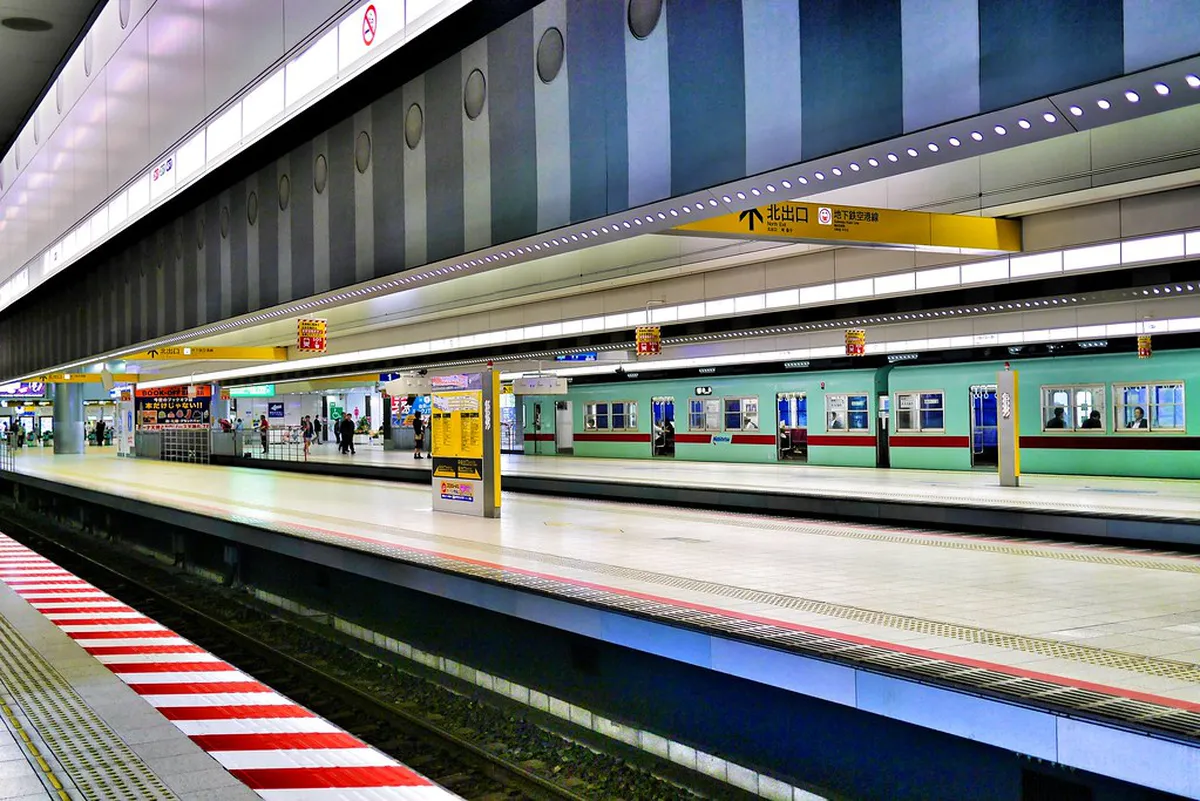
The Nishitetsu Dazaifu Line runs every 10–15 minutes from Futsukaichi. If you miss a train, the wait is short. Electronic signs on the platform display the next departure in real time in both Japanese and English.
- Nishitetsu Railway Route Comparison Details
- Type: Private Rail
- Best for: Speed and directness
- Where: From Tenjin Station
- Cost: Approx 410 yen
- JR Railway Route Comparison Details
- Type: National Rail
- Best for: JR Pass holders
- Where: From Hakata Station
- Cost: Free with pass
From Hakata Station: Bus vs. Train Options
Hakata Station serves as the primary transportation hub for most visitors to Fukuoka. If you prefer a direct route without any transfers, the Tabito Liner Bus is an excellent choice. This bus departs from the Hakata Bus Terminal located right next to the station. It takes you directly to Dazaifu in about 40 minutes under normal traffic conditions.
Taking the train from Hakata requires a slightly more complex set of steps. You must first take a JR train to JR Futsukaichi Station. From there, you will need to walk or take a taxi to the Nishitetsu Futsukaichi Station. This route is best for those who want to maximize their JR Pass usage.
Bus travel offers the advantage of seeing the city streets during your transit. However, buses can be subject to delays during peak morning or evening rush hours. The fare for the direct bus is roughly 610 yen for a one-way trip. Many travelers find the convenience of a single seat worth the slightly higher price.
Train travel from Hakata is often more predictable than the bus. Even with the transfer, the total travel time usually stays within 45 to 60 minutes. You can also combine this trip with a visit to the Nanzoin Temple Reclining Buddha if you plan carefully. Choosing between bus and train often comes down to your personal preference for comfort versus cost.
From Tenjin: The Fastest Route via Nishitetsu
Tenjin is the commercial heart of Fukuoka and offers the fastest rail access to Dazaifu. You should head to the Nishitetsu Fukuoka Station Google Maps location inside the Solaria Terminal Building. From here, you can catch a Limited Express or Express train heading toward Omuta. These trains are frequent and provide a smooth, modern travel experience.
The journey from Tenjin to Nishitetsu Futsukaichi takes only about 15 to 20 minutes. Once you arrive at Futsukaichi, you simply cross the platform to the Dazaifu Line. The total travel time from Tenjin to the shrine is often less than 30 minutes. This efficiency makes Tenjin the preferred starting point for most local commuters.
Travelers can use various discount tickets to save money on this specific route. Consider looking into the Fukuoka City Subway Pass or the special Dazaifu excursion tickets. These passes often include small perks like discounts at local souvenir shops. Always check the latest ticket machine options for the best daily deals.
Look out for the specially decorated Tabito sightseeing train on this line. This train features beautiful patterns representing different aspects of Dazaifu's history and culture. Riding this specific train does not require an extra fee or reservation. It adds a touch of traditional charm to your short journey through the Fukuoka suburbs.
From Fukuoka Airport: Direct Bus vs. Subway Transfers
Arriving at Fukuoka Airport gives you immediate access to the Dazaifu region. The most convenient option is the direct bus from the International Terminal. This service is designed for travelers who want to visit the shrine before heading into the city. You can find the bus stop clearly marked outside the arrival gates.
If you arrive at the Domestic Terminal, you must take the free shuttle to the International side first. Alternatively, you can take the subway from the Domestic Terminal to Tenjin or Hakata. Check the Fukuoka City Subway Guide for the latest fare information and maps. This route is better if you need to drop off luggage at a hotel first.
Coin lockers are available at Dazaifu Station for those traveling with heavy bags. Using these lockers allows you to explore the shrine grounds without any physical burden. The bus from the airport takes about 25 minutes and costs approximately 510 yen. It is a highly efficient way to start your Kyushu adventure immediately upon arrival.
Planning your airport transfer requires checking the bus schedule in advance. While frequent, the buses can fill up quickly during peak tourist seasons. Having an IC card like Suica or Nimoca makes boarding much faster and easier. This small preparation ensures a stress-free start to your historic sightseeing tour.
Taxi and Rental Car Options for Reaching Dazaifu
Travelers with heavy luggage or those visiting as part of a private tour often skip the train network entirely. A taxi from Hakata Station to Dazaifu Tenmangu Shrine takes roughly 30 to 40 minutes depending on traffic and costs approximately 5,500 to 6,500 yen one way. From Tenjin, the fare is slightly lower, around 5,000 to 6,000 yen for a similar 25 to 35 minute ride. From Fukuoka Airport, expect to pay around 6,500 to 7,500 yen for a 20 to 30 minute trip via the Kyushu Expressway, making it a reasonable option for groups of three or four splitting the cost.
Drivers arriving by rental car should take the Dazaifu Interchange off the Kyushu Expressway, about 2 kilometers from the shrine. Dazaifu Tenmangu operates several paid parking lots near the approach street, with rates generally starting around 500 yen for the first few hours. These lots fill quickly during the New Year holidays, the February plum blossom season, and autumn foliage in November, so arriving before 9:00 AM is recommended during those periods.
Car and taxi access bypasses the Nishitetsu Futsukaichi transfer entirely, which appeals to travelers carrying luggage between Fukuoka Airport and a hotel, or those combining the shrine with other stops in a single chartered trip.
Transferring at Nishitetsu Futsukaichi Station
Nishitetsu Futsukaichi Station is the critical junction for almost every rail traveler. When you arrive from Tenjin or Hakata, you must switch to the local Dazaifu Line. Most Dazaifu-bound trains depart from Platform 1 , which is clearly labeled in English. The transfer process is usually very quick, often taking less than five minutes.
The layout of the station is straightforward and designed for high passenger volumes. Electronic signs display the next departing train to Dazaifu in real-time. If you miss a train, do not worry, as they run every 10 to 15 minutes. Staff members are often present on the platform to assist with any navigation questions.
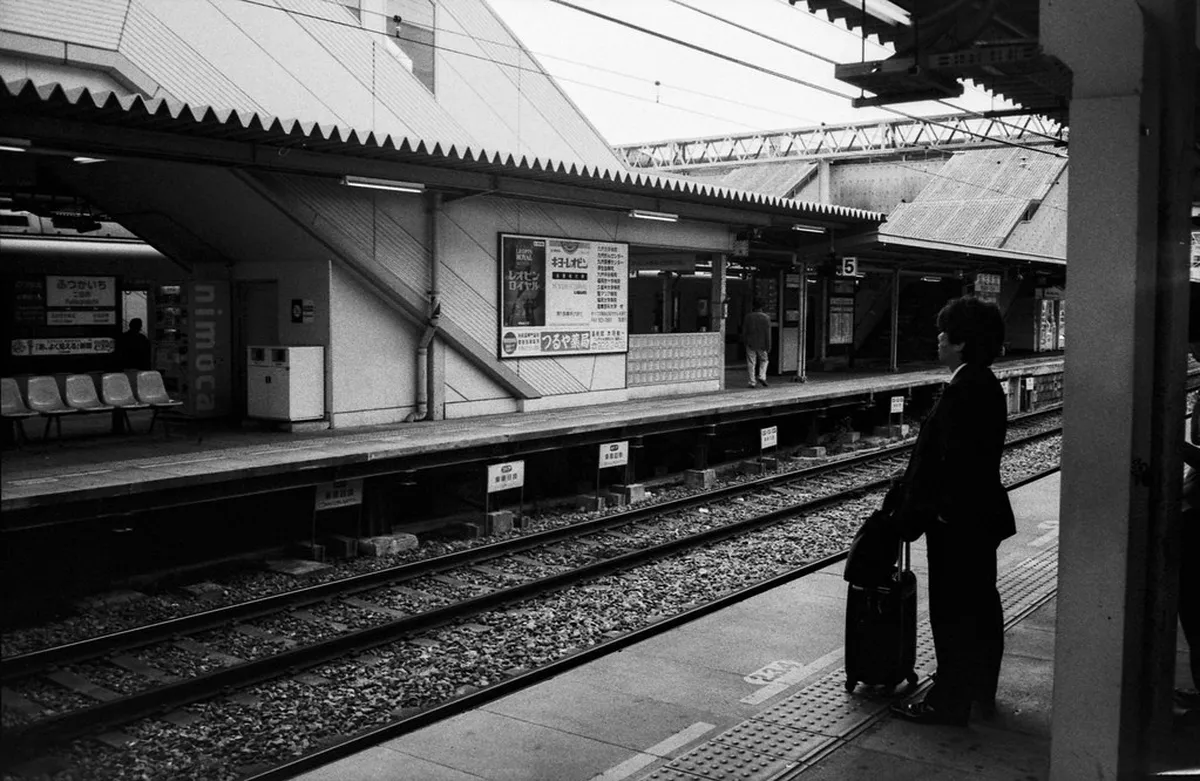
A major point of confusion for tourists is the existence of two different Futsukaichi stations. JR Futsukaichi and Nishitetsu Futsukaichi are separate buildings located about 1.2 kilometers apart. If you arrive via JR, you must walk about 15 minutes through a residential area to reach the Nishitetsu tracks. This physical gap is the biggest drawback of using the JR Pass for this trip.
JR Futsukaichi and Nishitetsu Futsukaichi are two separate stations roughly 1.2 km apart — not the same building. If arriving by JR, budget 12–15 minutes for the walking transfer between them. Travelers with heavy luggage may prefer a short taxi instead.
Walking between the two stations is simple if you follow the street signs or use a map app. The path is flat and takes you past a few local shops and cafes. However, if you have limited mobility or heavy luggage, this walk can be quite tiring. Consider taking a short taxi ride between the two stations to save your energy for the shrine.
Access for Cruise Ship Passengers from Hakata Port
Cruise ship passengers arriving at Hakata Port have limited time to explore the city. To reach Dazaifu, you should first take a local bus to either Tenjin or Hakata Station. These buses run frequently from the port terminal area and take about 15 to 20 minutes. From there, you can choose between the Nishitetsu train or the direct bus.
Time management is essential for cruise visitors to ensure a timely return to the ship. A taxi directly from the port to Dazaifu is the fastest but most expensive option. This ride can take about 30 to 40 minutes depending on the city's traffic levels. Expect to pay significantly more than the cost of public transportation for this convenience.
Most cruise passengers find that the direct bus from Hakata Station is the easiest compromise. It minimizes the number of transfers and reduces the risk of getting lost in the rail system. Be sure to check the return bus schedule as soon as you arrive at Dazaifu Station. This proactive step helps you avoid any anxiety about missing your ship's departure time.
Last Trains and Closing Times: Getting Back from Dazaifu
Most travelers focus on getting to Dazaifu but overlook the return trip, which runs on a tighter schedule than daytime service. The last Nishitetsu Dazaifu Line train back toward Nishitetsu Futsukaichi typically departs around 22:50, with the last connecting Limited Express toward Tenjin leaving Futsukaichi shortly after 23:00. If you are relying on the JR route, the last JR train from Futsukaichi to Hakata runs on a similarly tight window, so build in extra time if you plan to walk the 1.2 km gap between the JR and Nishitetsu stations after dark.
The approach street shops and food stalls generally close between 17:00 and 18:00, well before the shrine grounds themselves. Dazaifu Tenmangu's main hall and outer precincts usually stay accessible until around 19:00 in summer and closer to 18:30 in winter, though the treasure hall and museum close earlier, typically by 16:30.
Because the Dazaifu Line runs every 10 to 15 minutes during the day but drops to roughly every 20 to 30 minutes after 21:00, arriving at the station with time to spare matters more on the way out than on the way in. Checking the Nishitetsu Railway timetable before leaving the shrine is worth the extra minute, particularly on weekends when return crowds can fill the first train or two during peak season.
Beyond the Shrine: Itinerary & Top Dazaifu Attractions
Dazaifu offers much more than just the main Tenmangu Shrine grounds. Learn about things to do in Dazaifu that extend beyond the shrine grounds.
Many visitors enjoy walking to the nearby Fukuoka cultural landmarks like the Kyushu National Museum. This museum features a striking modern design and houses a vast collection of Japanese artifacts. It is accessible via a futuristic tunnel and escalator from the shrine area.
The approach to the shrine is famous for its unique Starbucks designed by architect Kengo Kuma. This building uses over 2,000 interlocking wooden beams to create a stunning visual effect. It is a perfect spot to grab a coffee before heading further into the town. You can also find many shops selling Umegae Mochi, a delicious grilled rice cake filled with red bean paste.
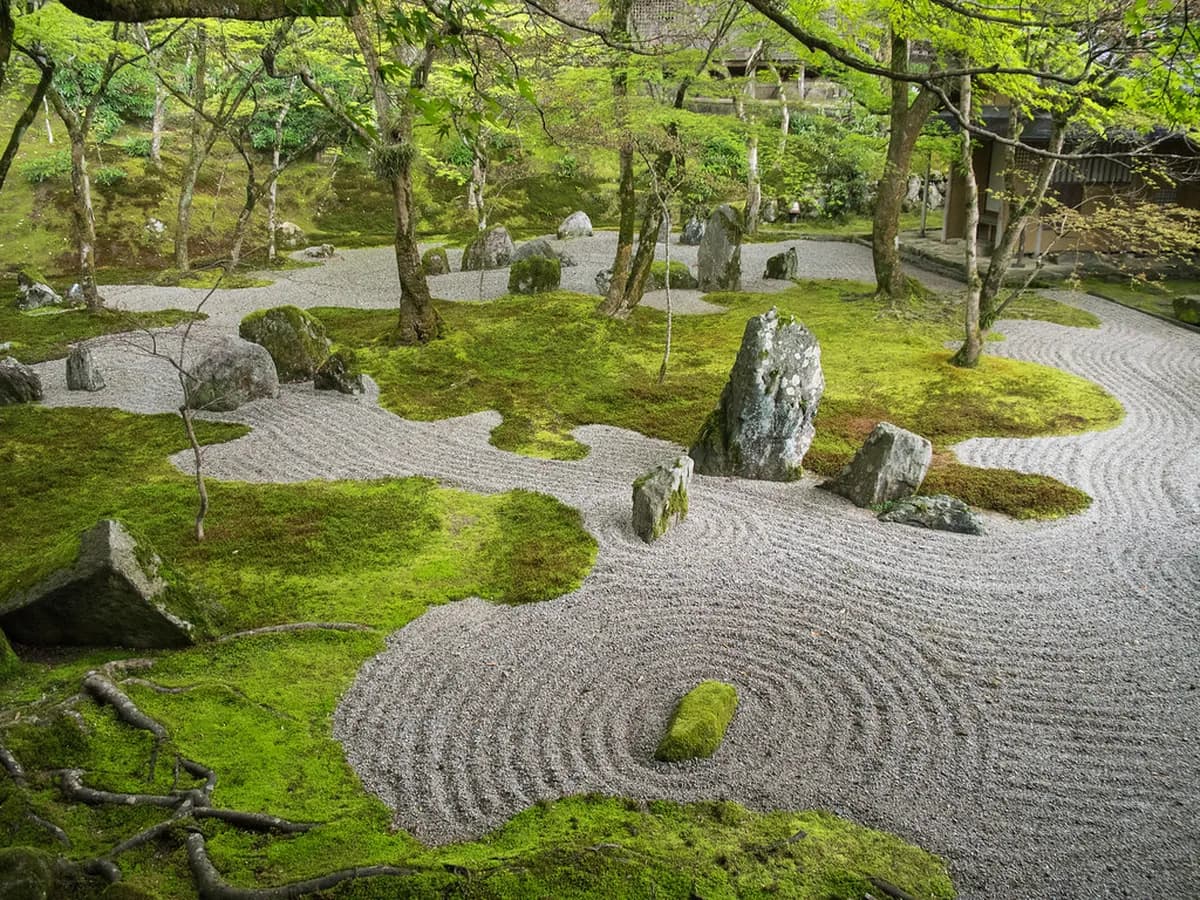
For those seeking a quieter experience, Komyozenji Temple is located just a short walk away. This temple is renowned for its beautiful Zen rock garden and vibrant autumn colors. It offers a peaceful contrast to the often-busy atmosphere of the main shrine. If you have extra time, consider staying at the HOTEL CULTIA DAZAIFU for a luxury historic experience.
Kamado Shrine is another nearby gem that is popular for its connection to matchmaking and modern design. It is located further up the mountain but can be reached by a local community bus. The shrine's office features a sleek, pink-themed interior that attracts many younger visitors. Exploring these additional sites makes your trip to Dazaifu feel like a complete cultural immersion.
- Top Attractions Near Dazaifu Tenmangu Shrine
- Site: Kyushu National Museum
- Cost: 700 yen adult
- Distance: 10 minute walk
- Highlight: Ancient history
- Local Food and Shopping Experience Details
- Item: Umegae Mochi
- Cost: 150 yen each
- Where: Shrine approach street
- Best for: Local snack
Is Dazaifu Worth a Day Trip?
Dazaifu remains one of the most rewarding day trips from Fukuoka for any traveler. Its combination of historic architecture and natural beauty provides a deep look into Japanese heritage. You can easily fit this visit into a larger Fukuoka landmarks itinerary without feeling rushed. The ease of access via the Nishitetsu line makes it a low-stress option.
The shrine is particularly beautiful during the plum blossom season in late winter. Thousands of plum trees bloom across the grounds, creating a fragrant and colorful environment. Festivals throughout the year also offer a chance to see traditional performances and rituals. Every season brings a different perspective to this sacred and historic landscape.
For students and academics, the shrine holds special meaning as a place to pray for success. You will see many people purchasing charms and writing wishes on wooden plaques. This living tradition adds a layer of human connection to the ancient structures. Whether you are seeking spiritual growth or just a beautiful walk, Dazaifu is a must-visit destination.
Frequently Asked Questions
Does the JR Pass cover the train to Dazaifu?
The JR Pass does not cover the final leg of the journey to Dazaifu Station because it is operated by Nishitetsu. You can use your pass to reach JR Futsukaichi Station for free. From there, you must pay a separate fare of 170 yen for the Nishitetsu train. This is a common point of confusion for many first-time visitors.
How long does it take to get to Dazaifu from Hakata Station?
Travel time from Hakata Station generally takes between 40 and 60 minutes. The direct Tabito Liner Bus is usually the fastest option at approximately 40 minutes. If you choose the train route with a transfer at Futsukaichi, expect the trip to take about 50 minutes. Traffic and transfer timing can cause slight variations in these estimates.
Is there a direct bus from Fukuoka Airport to Dazaifu?
Yes, there is a direct bus service from the International Terminal at Fukuoka Airport. This bus is very convenient for travelers who want to head straight to the shrine upon arrival. The journey takes about 25 minutes and costs roughly 510 yen. Always check the current schedule at the airport bus information desk for the latest times.
Can I walk from JR Futsukaichi to Nishitetsu Futsukaichi?
You can walk between the two stations in about 12 to 15 minutes. The route is approximately 1.2 kilometers long and follows a relatively flat path through a local neighborhood. Signs are posted along the way to help guide pedestrians between the two rail lines. It is a manageable walk if you do not have heavy luggage.
What is the Tabito train and do I need a special ticket?
The Tabito is a specially decorated sightseeing train operated by Nishitetsu. It features unique interior designs and patterns that reflect Dazaifu's cultural heritage. You do not need a special ticket or reservation to ride this train; a standard fare is sufficient. It is a great way to experience a bit of local history during your transit.
Choosing the right path to Dazaifu Tenmangu Shrine depends entirely on your starting point and rail passes. Nishitetsu offers the most direct and efficient service from the Tenjin district.
Travelers using a JR Pass can still save money by taking the train to Futsukaichi and completing the short walk. The direct bus from Hakata Station remains the simplest choice for those who prefer to avoid transfers.
No matter which route you select, the destination offers a rich reward of history and beauty. We hope this guide helps you navigate the Fukuoka transit system with confidence and ease. Enjoy your visit to the home of Sugawara no Michizane and the stunning plum blossoms of Dazaifu.
Free: The Fukuoka Essentials guide
Top things to do, where to stay, a perfect day plan, getting around, and the best time to go — a Fukuoka mini-guide you can take offline.
You might also like


Continue reading
More guides you'll find useful