How To Plan A Dazaifu Tenmangu Shrine Day Trip From Fukuoka
Plan your Dazaifu Tenmangu Shrine day trip from Fukuoka with transport tips, top attractions, seasonal events, and where to stay. Start planning today.
On this page
A Dazaifu Tenmangu Shrine day trip from Fukuoka is one of the most rewarding short escapes in all of Kyushu. The shrine sits about 35 minutes from Tenjin by train, making it easy to add to almost any itinerary. Beyond the main shrine, Dazaifu packs in forest walks, a world-class museum, a famous Starbucks, and seasonal festivals.
First-time visitors often wonder how much time they need and which spots deserve priority. This guide answers both questions with a step-by-step plan covering transport, top attractions, seasonal timing, and where to sleep. Whether you have four hours or a full day, Dazaifu will give you more than enough to explore.
Fukuoka to Dazaifu Route Options: Train vs Bus Compared
From Tenjin, the Nishitetsu train is the cheapest route: ¥480 and about 35 minutes with a change at Nishitetsu Futsukaichi. From Hakata Station or the airport's International Terminal, the Dazaifu Liner bus "Tabito" runs direct with no transfer.
| Route | Time | Adult fare (one way) | Notes |
|---|---|---|---|
| Nishitetsu train: Nishitetsu Fukuoka (Tenjin) → Futsukaichi → Dazaifu | About 35 min (Futsukaichi–Dazaifu leg about 6 min) | ¥480 (child ¥240) | Change at Nishitetsu Futsukaichi; some trains run direct from Tenjin. Fares rose on April 1, 2026. |
| Dazaifu Liner bus "Tabito": Hakata Bus Terminal (1F, stop 11) → Dazaifu | About 40 min | ¥800 (¥780 by IC or contactless card) | 28 departures on weekdays, 36 on weekends and holidays; no reservation needed |
| Dazaifu Liner bus "Tabito": Fukuoka Airport International Terminal → Dazaifu | About 25 min | ¥700 (¥680 by IC or contactless card) | Domestic arrivals take the free inter-terminal shuttle first |
| JR + Nishitetsu: JR Hakata → JR Futsukaichi, walk to Nishitetsu Futsukaichi, train to Dazaifu | JR ride plus about 20 min (10-min walk and 6-min train) | ¥340 (JR) + ¥180 (Nishitetsu) = ¥520 | A JR Pass covers only the JR leg; a bus or taxi from JR Futsukaichi takes about 15 min |
Dazaifu Station is about a 5-minute walk from the shrine. Tabito is running as a cashless trial, so pay with an IC card or a contactless credit card; cash is accepted only if you have no other option. Verified against Nishitetsu's April 2026 fare table, the Nishitetsu Dazaifu Liner "Tabito" page, JR Kyushu's fare notice and the Dazaifu Tenmangu access page.
How to Get to Dazaifu from Fukuoka
The Nishitetsu train is the easiest way to reach Dazaifu from central Fukuoka. Start at Nishitetsu Fukuoka Station in Tenjin and take the Nishitetsu Omuta Line to Futsukaichi Station. Transfer there to the Dazaifu Line and ride two stops to Dazaifu Station. The full journey takes about 35 minutes and costs ¥480 each way (fare from April 1, 2026).
A more scenic alternative is the Dazaifu Liner Bus "Tabito," which runs directly from Hakata Bus Terminal via Fukuoka Airport's International Terminal. The bus is decorated with traditional patterns and takes about 40 minutes, making it popular with first-time visitors. It costs more than the train (¥800 from Hakata) but saves you the transfer at Futsukaichi. Check the current timetable at the bus center before your trip, as frequencies vary by season.
Travelers using a Nimoca IC card can tap in and out on both the train and the bus without buying paper tickets. If you plan to use Fukuoka's subway on the same day, read up on the Fukuoka subway day pass vs Nimoca IC card to choose the most cost-effective option. A Japan Rail Pass does not cover Nishitetsu routes, so budget separately for this leg. Taxis exist but are expensive and rarely worth it for this particular journey.
Once at Dazaifu Station, the main approach street leads straight toward the shrine entrance. Almost everything in Dazaifu sits within comfortable walking distance of the station. The one exception is Kamado Shrine, which requires a short bus or taxi ride up the hill.
Dazaifu Attractions: Itinerary & Top Spots
The Dazaifu Liner Bus "Tabito" runs directly from Hakata Bus Terminal with no transfer required (~40 min, ¥800 vs ¥480 for the train from Tenjin). Use a Nimoca IC card on both the train and bus — a Japan Rail Pass does not cover Nishitetsu routes.
Walk the approach street, known as Tenjinsama-dori or Dazaifu Shopping Street, before heading to the shrine. Shops sell the local specialty umegae mochi, a sweet rice cake with a red-bean filling and a plum-blossom pattern. Grabbing one fresh off the grill makes for a great breakfast snack and costs around 130-150 yen each. The street itself is lined with souvenir stalls, cafes, and the famous Starbucks — more on that below.
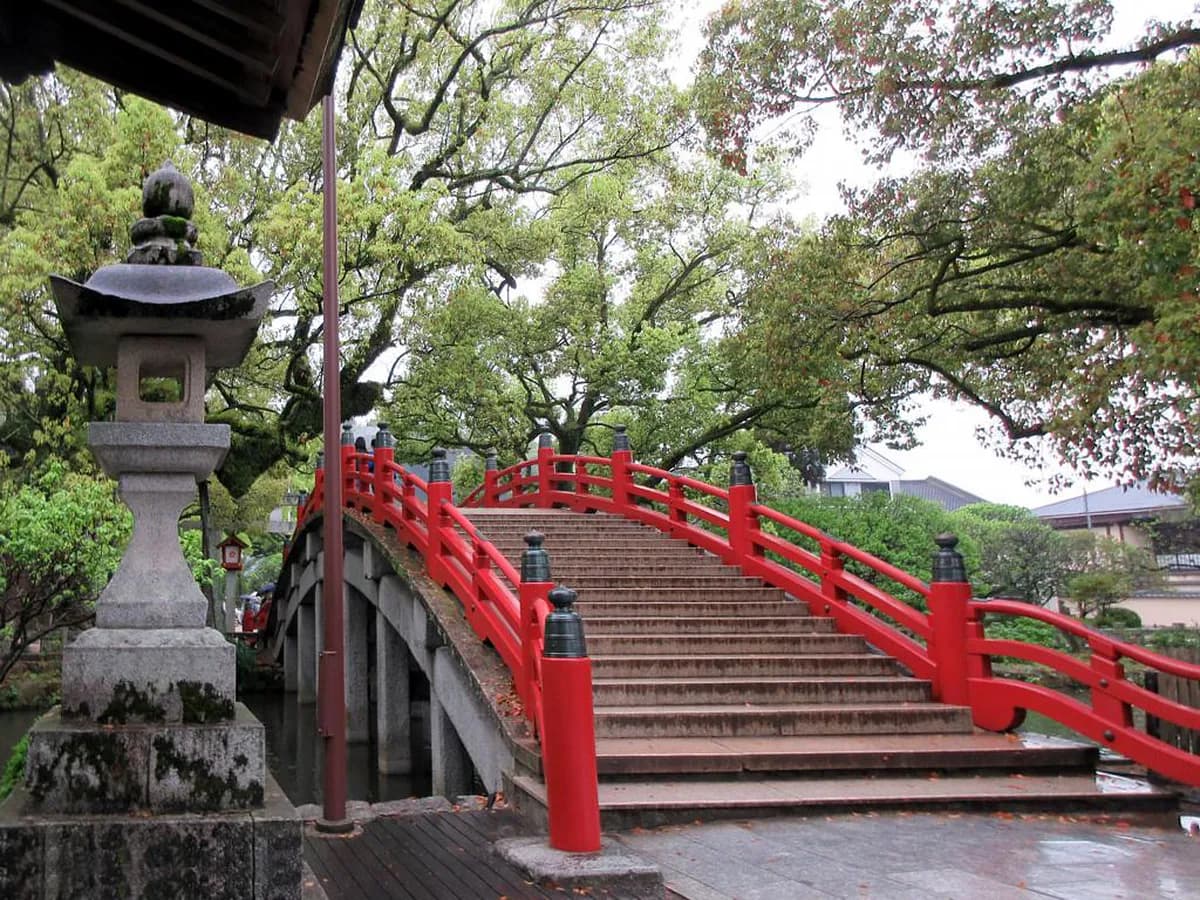
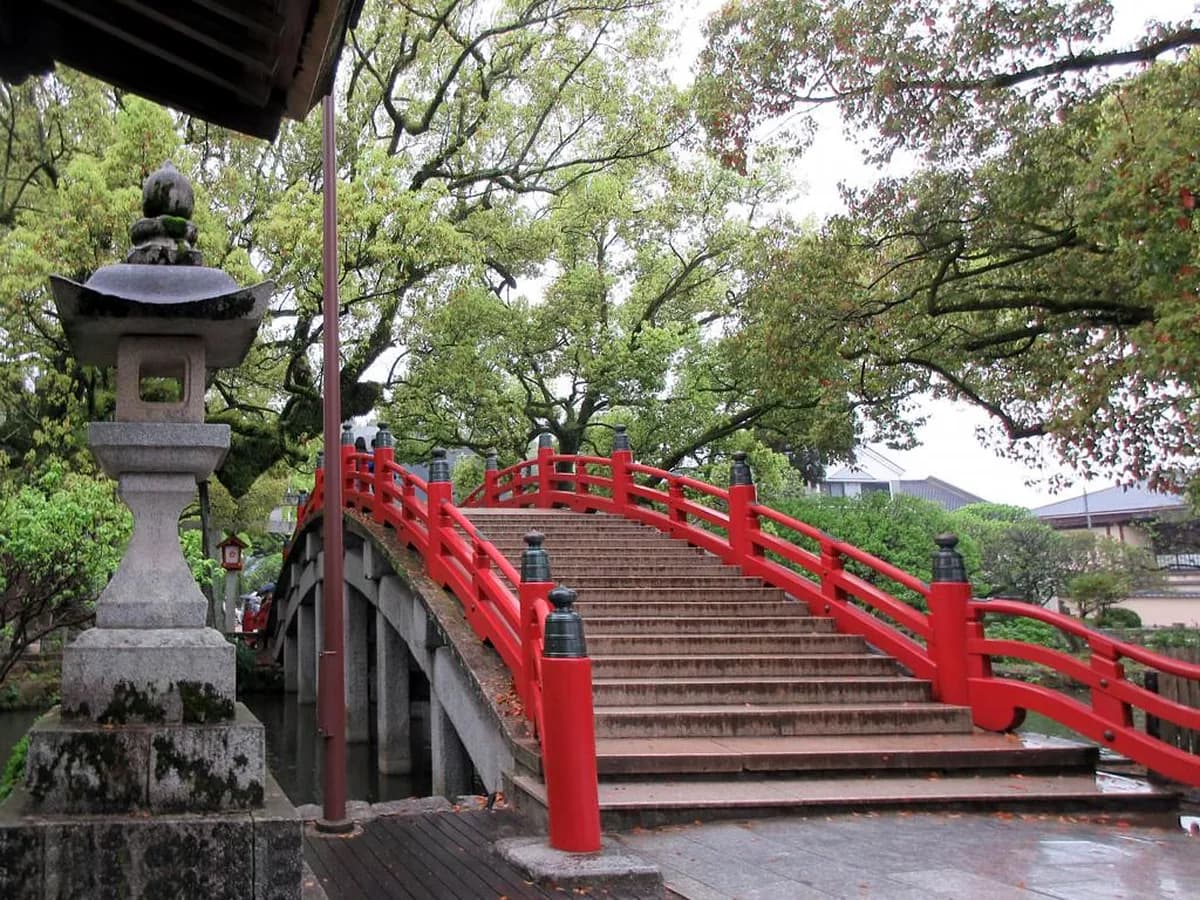
Dazaifu Tenmangu Shrine is the centerpiece of the whole trip and deserves at least 60-90 minutes of your time. The shrine honors Sugawara no Michizane, a revered scholar, and draws students and families seeking blessings for exams. Cross the arched bridges over the pond and explore the main hall, the treasure house, and the surrounding garden. Entry to the shrine grounds is free; some inner areas charge a small fee.
After the shrine, follow the forested trail behind the main hall to reach Tenkai Inari Shrine. The path winds through tall cedar trees and past small stone fox statues, giving it a peaceful, otherworldly feel. The walk takes about 15-20 minutes each way and rewards you with a much quieter atmosphere than the main grounds. Wear comfortable shoes, as the path has some uneven steps.
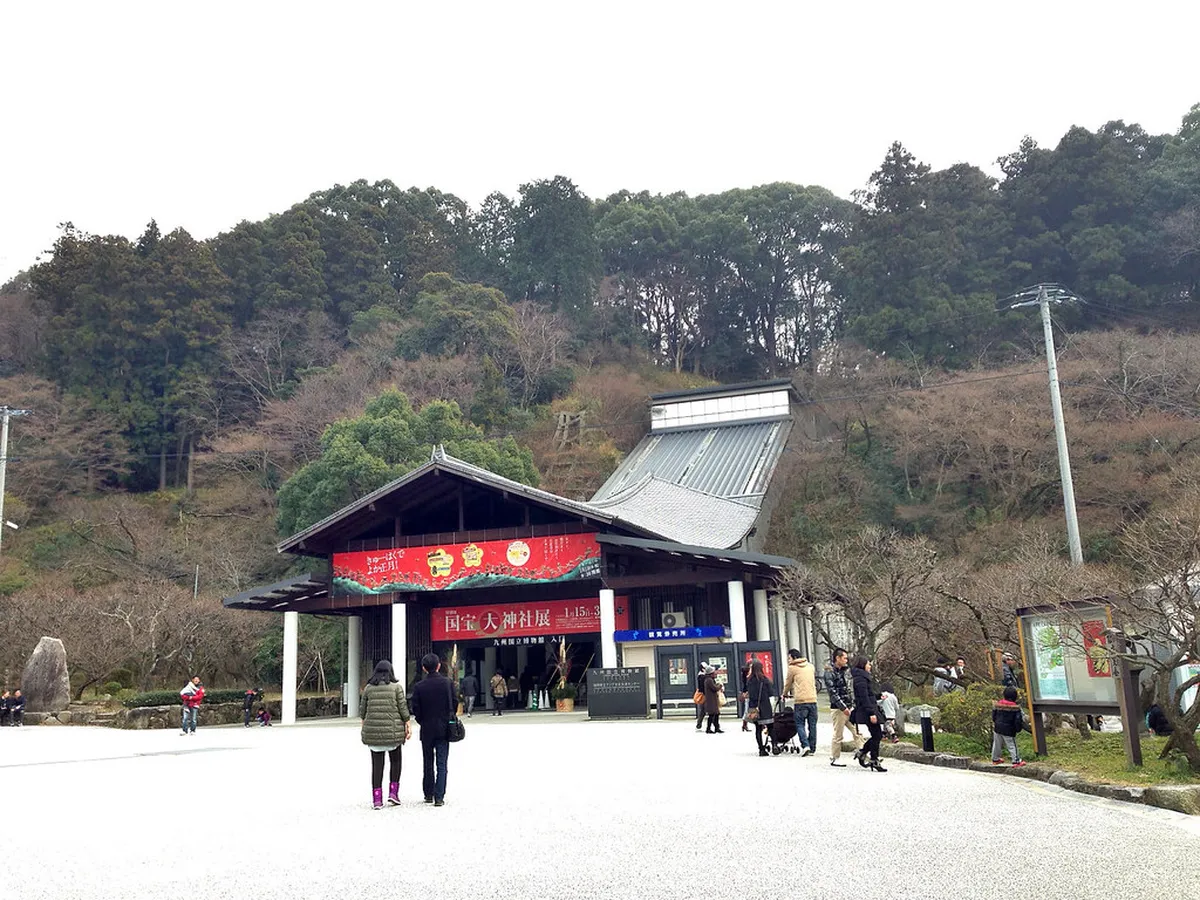
The Kyushu National Museum sits just a short walk from the shrine via a covered escalator tunnel. It covers the cultural exchange between Japan and Asia across thousands of years, with rotating special exhibitions. General admission is around 700 yen, with extra fees for special shows. Budget 60-90 minutes here if you enjoy history and artifact displays.
For a dramatic finale, consider the 30-minute bus or taxi ride up to Kamado Shrine on Mount Homan. The views over Dazaifu and the Fukuoka plain from the upper precincts are genuinely spectacular on a clear day. This extension adds about 90 minutes to your day, so skip it if time is tight. Travelers who love outdoor activities and nature spots in Fukuoka will find this detour well worth the effort.
| Attraction | Time needed | Entry cost | Best for |
|---|---|---|---|
| Shopping Street (Tenjinsama-dori) | 20–30 min | Free (snacks from 130 yen) | First impressions, street food |
| Dazaifu Tenmangu Shrine | 60–90 min | Free; some inner areas extra | History, photography, cultural context |
| Tenkai Inari Shrine Forest Walk | 30–40 min round trip | Free | Peaceful escape from crowds |
| Kyushu National Museum | 60–90 min | ~700 yen general admission | Cultural history, rotating exhibitions |
| Kamado Shrine (optional) | 90 min incl. travel | Free; bus/taxi extra | Panoramic views |
New Year and Golden Week bring enormous crowds to Dazaifu Tenmangu. Avoid early January and late April–early May if you prefer a calmer visit. Arriving before 9 AM on any day gives you the shrine largely to yourself for the first hour.
The History of Sugawara no Michizane and Dazaifu's Ancient Camphor Trees
Dazaifu's story goes back further than the shrine itself. From the 7th century, Dazaifu served as Kyushu's regional government headquarters, overseeing diplomacy and trade with China and Korea and earning it the nickname "the distant capital." That administrative history is why the area still holds some of Kyushu's most significant historical sites, not just Dazaifu Tenmangu.
The shrine exists because of Sugawara no Michizane, a 9th-century scholar and government minister exiled to Dazaifu by political rivals in 901. He died here in 903, and in 905 a shrine was built over his grave. Michizane was later deified as Tenjin, the god of learning, which is why students still travel from across Japan to pray for exam success at the honden, the shrine's main sanctuary hall.
Inside the grounds, look for the camphor trees (kusunoki) surrounding the honden. Several are estimated at more than 1,000 years old, and the largest, just west of the main hall, is thought to be around 1,500 years old and is registered as a natural monument. Their thick, gnarled trunks predate the shrine itself.
Kanzeon-ji Temple's Treasures
About a 15-minute walk east of Dazaifu Tenmangu, Kanzeon-ji Temple is easy to miss but worth the detour for history-minded visitors. Founded in 746, it houses Japan's oldest surviving temple bell, a designated national treasure, along with a treasure hall of Buddhist statues dating back over a thousand years. Entry to the treasure hall costs around 500 yen, and the temple grounds are far quieter than Tenmangu's main approach.
Starbucks at Dazaifu Monzenmachi
The Starbucks on the Dazaifu Temmangu Street approach is unlike any other in the world. Architect Kengo Kuma designed the building using a striking lattice of two-thousand interlocking cedar wood pieces. From the outside, it looks more like a contemporary art installation than a coffee chain. Most visitors walk past, stop to photograph it, and then step inside to order.
The interior is warm and textured, with natural light filtering through the wooden lattice walls. Expect a queue on weekends and public holidays, especially during cherry blossom and plum season. Arriving early in the morning or on a weekday significantly cuts your wait time. Drinks cost the same as any Starbucks in Japan, roughly 500-700 yen for specialty orders.
Even if you are not a coffee drinker, it is worth stepping inside for a few minutes to appreciate the space. Pair your drink with a fresh umegae mochi from the adjacent stalls for a local-meets-global snack moment. The building is a useful orientation point, sitting roughly halfway between the train station and the shrine entrance.
Dazaifu Tenmangu Seasonal Events
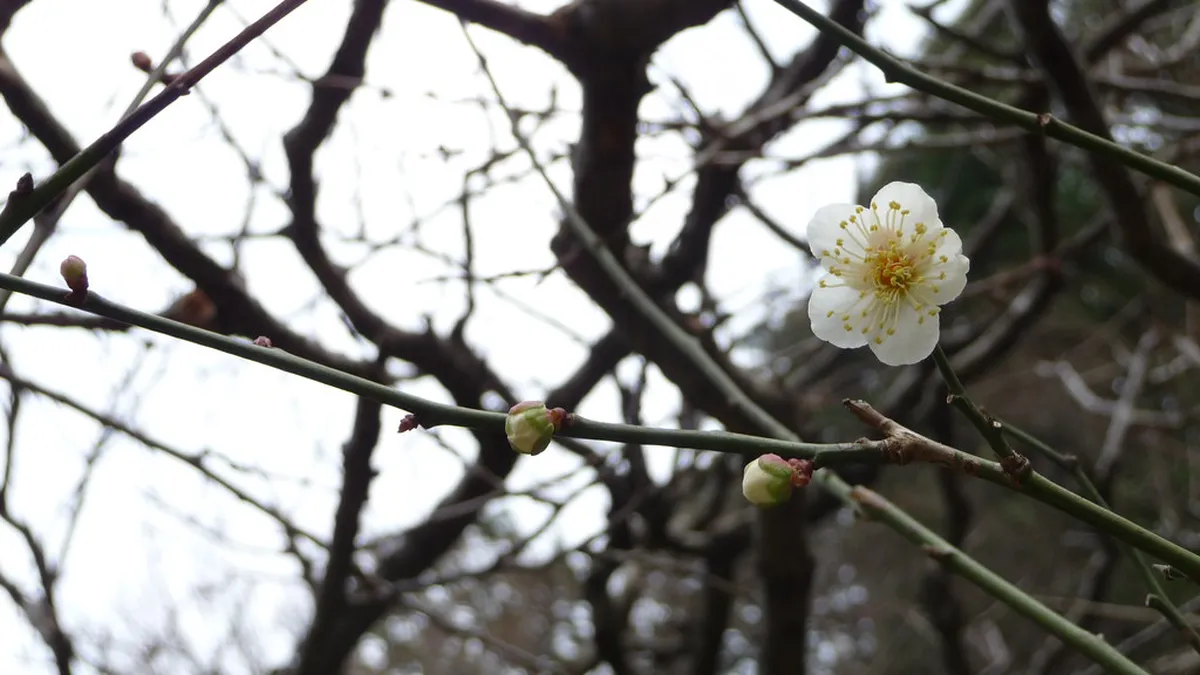
Timing your Dazaifu Tenmangu Shrine day trip from Fukuoka around a seasonal event adds a whole extra layer to the visit. The shrine's plum blossoms are among the most celebrated in Japan, typically peaking in mid to late February. During the Kanko-sai plum festival, the grounds fill with fragrant white and pink blossoms and traditional performances. Check the shrine's official website for exact dates, as peak bloom shifts slightly each year.
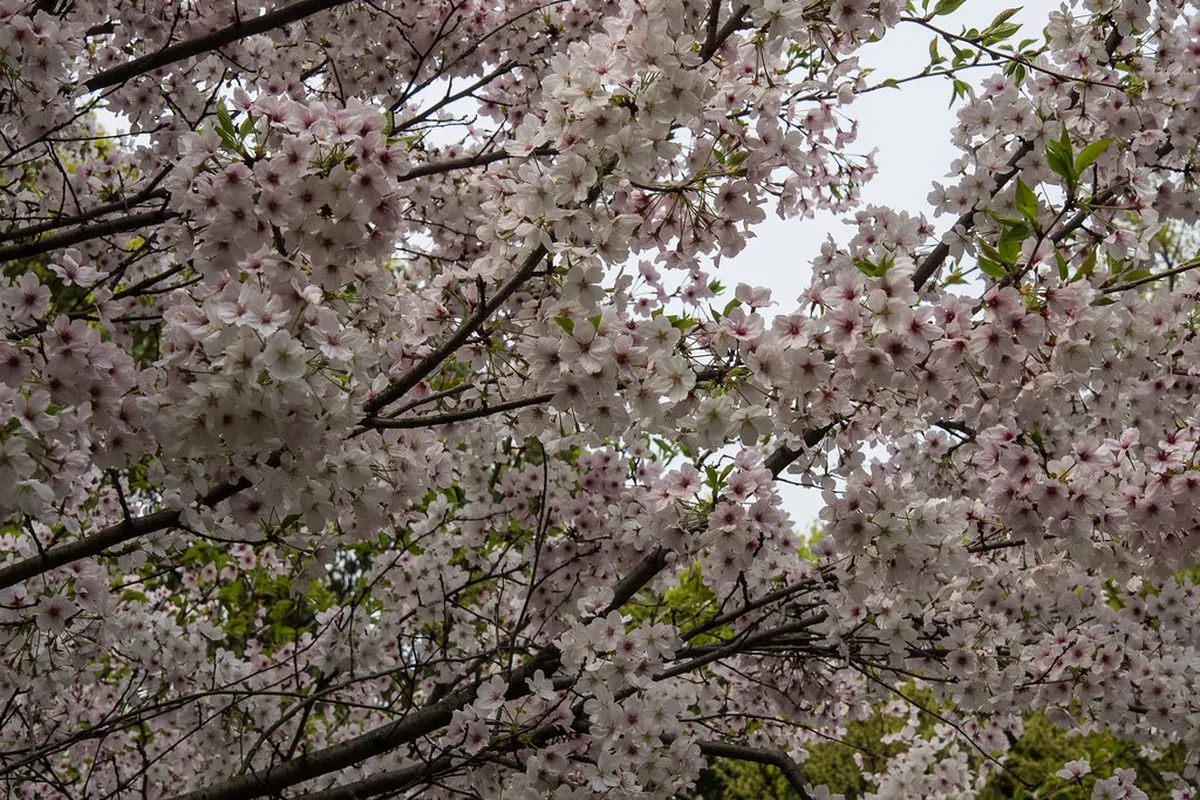
Cherry blossoms arrive in late March or early April and draw large crowds to the shrine and surrounding paths. For a deeper look at timing your Fukuoka trip around seasonal highlights, the Fukuoka seasonal guide to cherry blossoms and festivals covers the full calendar. Summer brings the Otaue Shinji rice-planting ritual and evening lantern events, which feel authentically local. Autumn transforms the maple trees around the grounds into vivid shades of red and orange from November onward.
New Year and Golden Week are the busiest periods, with enormous crowds arriving to pray for good fortune. First-time visitors who prefer a calmer experience should avoid early January and late April through early May. Weekday mornings in spring or autumn strike the best balance between beautiful scenery and manageable crowd levels. Arriving before 9 a.m. on any day gives you the shrine largely to yourself for the first hour.
Late Afternoon Back at JR Hakata City
Most visitors wrap up in Dazaifu by 3 or 4 p.m. and head back to Fukuoka with energy to spare. JR Hakata City, directly above Hakata Station, is an ideal place to spend the late afternoon. The rooftop Tsubame no Mori garden offers free city views and is a surprisingly peaceful spot after a busy day. From Nishitetsu Tenjin Station, a short subway ride connects you to Hakata in about six minutes.
The building houses dozens of restaurants across multiple floors, making dinner planning straightforward. For a classic Fukuoka meal, try Hakata ramen at one of the dedicated ramen floors or nearby stalls. The basement food hall stocks local specialties, packaged sweets, and picnic-ready snacks if you prefer something lighter. Department store shopping on the upper floors rounds out the evening before heading to your hotel.
Travelers on a tight budget will find that returning to Hakata keeps food costs lower than eating in tourist-heavy Dazaifu. For more ideas on spending smart in the city, see the guide to free and cheap attractions in Fukuoka. The Tenjin area also has excellent evening dining if you prefer to stay near your accommodation. Either way, ending the day in Fukuoka rather than rushing back from Dazaifu gives you flexibility.
Where to Stay in Fukuoka
Staying close to either Hakata Station or Tenjin puts you within easy reach of the Dazaifu train and bus routes. Both areas have a strong range of budget hostels, mid-range business hotels, and upscale options. Tenjin is slightly more convenient for the Nishitetsu train, while Hakata suits travelers arriving or departing by shinkansen. Nikko Hotel Fukuoka is a reliable mid-range pick with clean rooms and direct access to Hakata Station.
Booking early matters most during plum blossom season in February and cherry blossom season in late March. Rates in Fukuoka can double or triple during Golden Week and major local festivals. Even a simple business hotel booked two to three months ahead will save you significantly on nightly rates. Most hotels in both Tenjin and Hakata include strong breakfast options, either buffet-style or at nearby cafes.
If you plan to stay longer and explore more of Fukuoka's neighborhoods, a five-day Fukuoka itinerary covering historic landmarks, food, and nature can help you make the most of your base. Staying in the same spot for several nights saves time on check-ins and lets you return from day trips without hassle. Fukuoka's compact layout means most sights are under 30 minutes from centrally located accommodation.
Is Dazaifu Worth a Day Trip?
Dazaifu is one of the few day trips from Fukuoka that genuinely delivers on history, nature, architecture, and food all at once. The shrine alone justifies the 40-minute journey, but the surrounding attractions extend its value well beyond a quick temple visit. Even travelers with only a morning free can cover the shrine, the forest path, and the Starbucks before heading back. A full day unlocks the Kyushu National Museum, a possible hike to Kamado Shrine, and a leisurely lunch on the approach street.
One honest caveat: weekends and public holidays can feel genuinely overcrowded near the shrine entrance. If you are sensitive to crowds, a weekday visit in autumn or late winter will feel like a completely different experience. Dazaifu is also almost entirely free to access, which makes it one of the most cost-effective day trips in Kyushu. Total transport, entry fees, food, and snacks for the day typically comes to under 3,000 yen per person.
For travelers already exploring the broader Fukuoka region, Dazaifu pairs naturally with a morning in Hakata or an afternoon in Tenjin. It works especially well on day two or three of a longer stay, once you have settled into Fukuoka's rhythm. The short travel time and high density of worthwhile sights make it an easy yes for almost every type of traveler.
Half-Day and Two-Day Alternatives to the Full Dazaifu Itinerary
The full itinerary above suits most visitors, but Dazaifu also works well as a shorter stop or a base for a longer exploration.
Half-Day Version (about 4 hours)
If you are short on time or combining Dazaifu with another Fukuoka activity, focus on the essentials: the walk up Tenjinsama-dori, Dazaifu Tenmangu Shrine itself, and the Kengo Kuma Starbucks. Skip the Kyushu National Museum, the Tenkai Inari forest walk, and Kamado Shrine. This trims the visit to roughly four hours door-to-door from central Fukuoka, including train time, and still covers the site's biggest draws.
Two-Day Version
Spending two days lets you slow down considerably. Use day one for the itinerary already outlined above, including the Kyushu National Museum and Kamado Shrine. On day two, add Kanzeon-ji Temple and walk further up Mount Homan's hiking trails past Kamado Shrine's upper precincts, or take a day trip from Dazaifu Station to Yanagawa, known for its canal boat rides, about an hour away by local transfer. Overnight either back in Fukuoka or at one of Dazaifu's small ryokan near the station, which let you reach the shrine grounds before the morning tour groups arrive.
Frequently Asked Questions
How long does it take to get to Dazaifu from Fukuoka?
The journey takes about 35 minutes by Nishitetsu train from Tenjin Station via a transfer at Futsukaichi and costs ¥480. The Dazaifu Liner Bus 'Tabito' takes about 40 minutes from Hakata Bus Terminal and runs directly without a transfer for ¥800. Either way, this is one of Fukuoka's most affordable day trips.
Is Dazaifu Tenmangu Shrine free to enter?
The main shrine grounds are free to enter and explore. Some inner halls, the treasure house, and special exhibitions charge a small admission fee, usually between 200 and 500 yen. The Kyushu National Museum nearby costs around 700 yen for general admission, with higher fees for special shows.
What is the best time of year to visit Dazaifu Tenmangu Shrine?
Late February for plum blossoms and late March to early April for cherry blossoms are the most scenic periods. Autumn from October to November offers colorful foliage and manageable crowds. Avoid Golden Week and early January if you prefer a quieter visit. See the Fukuoka seasonal guide for full timing details.
What should I eat in Dazaifu?
Umegae mochi is the must-try local treat — a sweet grilled rice cake filled with red bean paste and stamped with a plum blossom. Most shops on the approach street sell them fresh for around 130-150 yen each. Several sit-down restaurants along the street also offer tofu-based kaiseki-style lunches for a more substantial midday meal.
Can I do Dazaifu as a half-day trip from Fukuoka?
Yes, a half-day is enough to cover the shrine, the Starbucks, and a quick walk along the approach street. Arriving by 9 a.m. lets you finish the core sights by 1 p.m. and return to Fukuoka in time for lunch or afternoon activities. Adding Tenkai Inari Shrine or the Kyushu National Museum stretches the trip to a comfortable full day.
Planning a Dazaifu Tenmangu Shrine day trip from Fukuoka is straightforward once you sort the transport and build a rough schedule. The Nishitetsu train gets you there quickly, and the sights are dense enough to fill a half or full day without rushing. Seasonal timing, weekday visits, and an early start make the biggest difference to how the day feels.
Start with the shrine, add the forest walk and the Starbucks, then decide on the museum or Kamado Shrine based on your energy. Round off the evening back in Fukuoka at JR Hakata City for dinner and a relaxed end to a rewarding day. Explore more of what the region offers through the full range of Fukuoka Adventures when you are ready to plan your next outing.
Explore More Dazaifu Guides
Deep-dive guides for every part of a Dazaifu day trip — the shrine and temples, what else to see, where to eat and shop, the best season to go, and how to get there.
Shrines & Temples
- Dazaifu Tenmangu Shrine visitor guide
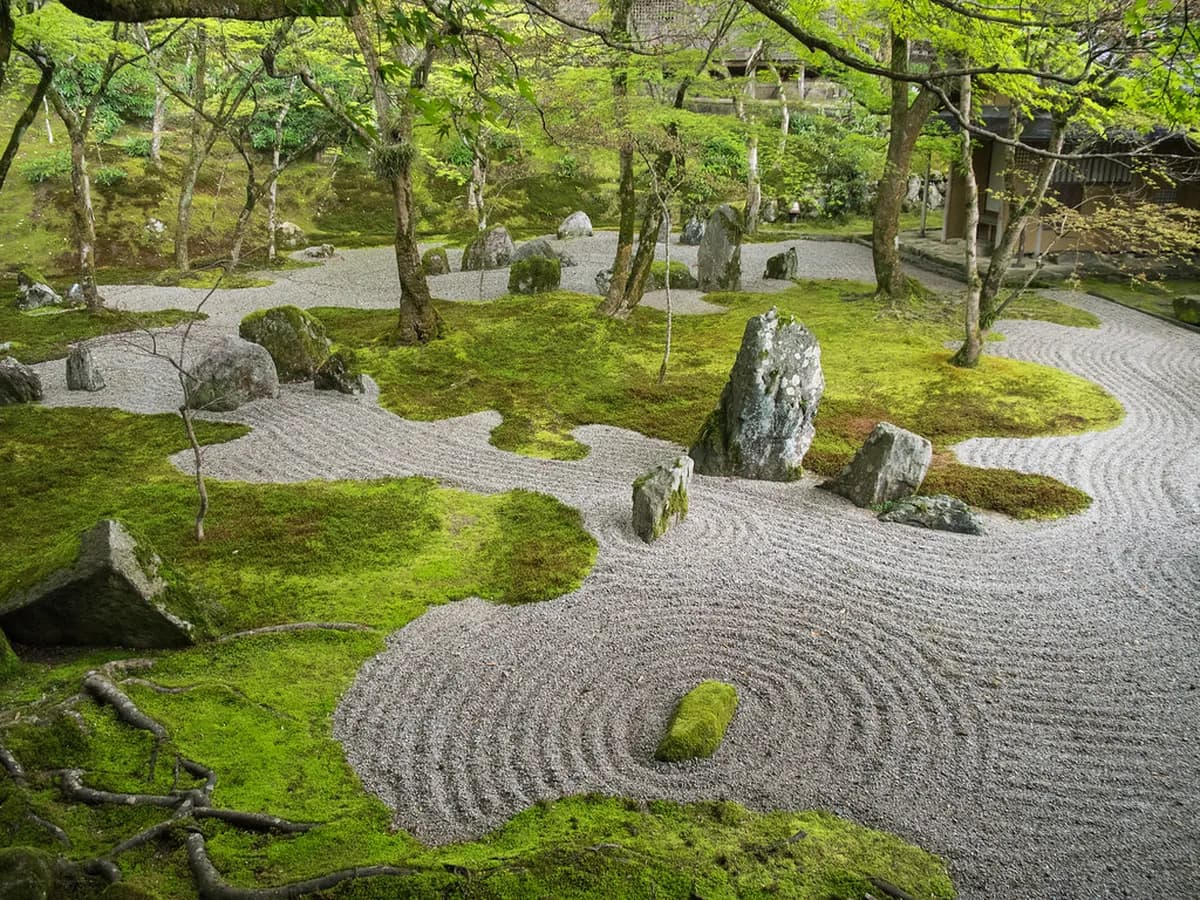
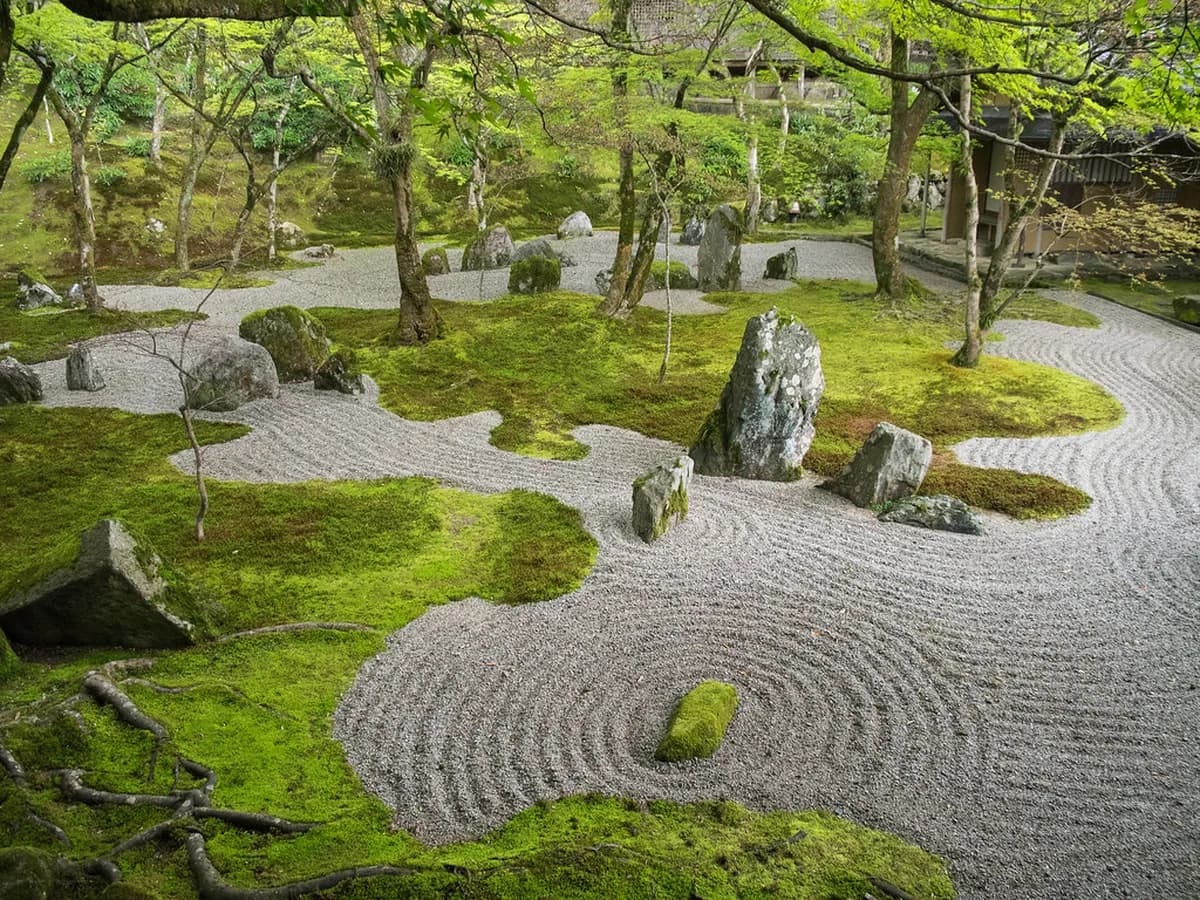
- Komyozenji Temple Zen moss garden
- Kanzeonji Temple & Tofuro ruins
Attractions & Culture
- Things to do in Dazaifu beyond the shrine
- Kyushu National Museum visitor guide
- Starbucks Dazaifu (Kengo Kuma design)
Food, Shopping & Seasons
Getting There
Free: The Fukuoka Essentials guide
Top things to do, where to stay, a perfect day plan, getting around, and the best time to go — a Fukuoka mini-guide you can take offline.
You might also like
Continue reading
More guides you'll find useful