Fukuoka Subway Pass 2026: ¥640 vs ¥2,500 — Which to Buy
Fukuoka Subway 1-Day Pass is ¥640 vs the ¥2,500 Tourist City Pass: what each covers, the 3-ride break-even, and which saves more in 2026.
On this page
Choosing the right ticket for your Fukuoka trip can save you a significant amount of money each day. You might feel confused between the affordable subway pass and the more expensive all-inclusive tourist city pass options.
If you have a compatible Visa, JCB, or American Express contactless card, you can tap directly at Fukuoka subway gates and your daily fare is automatically capped at ¥640, the price of the 1-Day Pass, with no ticket to buy.
This guide breaks down the costs and benefits of each choice to help you navigate this vibrant Japanese city. Whether you are visiting ancient shrines or modern shopping malls, the right transport strategy makes your journey much smoother.
Fukuoka offers a very efficient public transport network that connects the airport directly to the city center in minutes. For a full breakdown of every transport mode with route tables and 2026 fares, see our complete Fukuoka public transport guide. Understanding the differences between these passes ensures you do not overpay for transport you might not even use.
Budget travelers often prefer the simplicity of the subway system while others value the flexibility of local buses. We will examine the latest 2026 pricing and coverage details to help you make the most informed decision possible.
For nearby planning, see Fukuoka Landmarks for practical details.
Fukuoka Transport Pass Comparison: Subway vs Tourist Pass
Comparing these two options requires looking at your planned destinations and the total number of trips you will take. The subway pass costs significantly less than the tourist city pass which covers a much wider range of transport.
Most visitors find that the subway lines connect the most popular districts like Hakata and Tenjin very efficiently. However, if you plan to visit outlying areas like Dazaifu, the expanded coverage of the city pass might be helpful.
Recent updates for 2025 and 2026 show a large price gap that makes the budget choice much clearer for most. You should evaluate your daily route carefully before purchasing any physical ticket at the station machines.
The subway pass is almost always the better deal for travelers staying within the central urban area of the city. Conversely, the tourist city pass serves those who want to ride the green Nishitetsu buses without worrying about individual fares.
- Fukuoka Subway 1-Day Pass
- Cost: 640 Yen (child 320 Yen)
- Coverage: All subway lines
- Best for: City center
- Purchase: Ticket machines
- Fukuoka Tourist City Pass
- Cost: 2,500 Yen (2,800 Yen with Dazaifu)
- Coverage: Subway and buses
- Best for: Wide area
- Purchase: Information centers
For nearby planning, see Dazaifu Tenmangu Shrine Transport Guide: Nishitetsu vs JR for practical details.
Fukuoka Subway 1-Day Pass: What It Covers
The Fukuoka City Subway 1-Day Pass offers unlimited travel across the Kuko, Hakozaki, and Nanakuma lines for a full day. You can purchase this pass for 640 Yen (320 Yen for children) at any subway station ticket machine throughout the city center.
Travelers often use the Kuko Line to reach the airport or the busy shopping districts found near the main stations. The Nanakuma Line recently expanded to provide better access to the Kushida Shrine and other central cultural landmarks.
Using the Official Fukuoka City Subway Fare Guide helps you confirm current pricing and operating hours for all three major lines. This pass is ideal if your itinerary focuses on the urban core and major transit hubs.
If you have a compatible credit card, you can also benefit from the Fukuoka City Subway Credit Card Touch Payment Info program. This system automatically caps your daily spending at 640 Yen, which is actually cheaper than the physical paper pass.
Fukuoka Tourist City Pass: Coverage, Cost, and Where to Buy
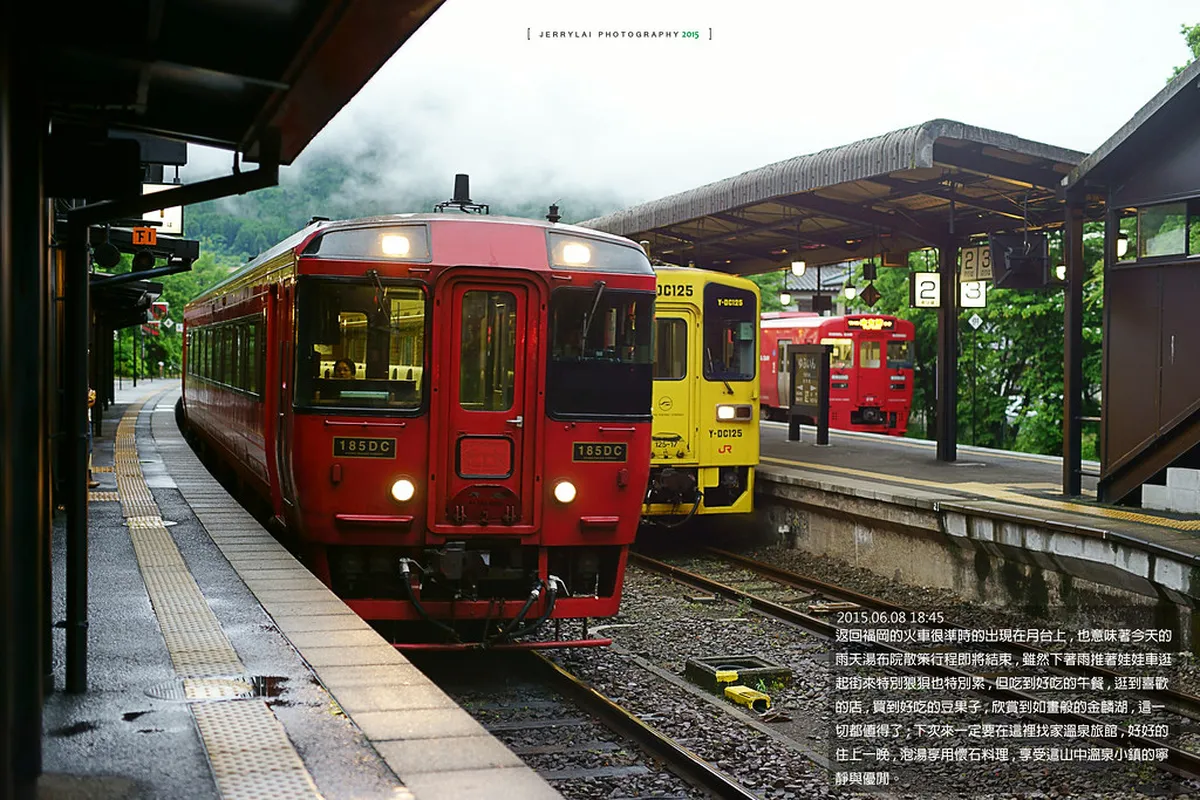
The Fukuoka Tourist City Pass provides a comprehensive solution for travelers who want to use buses and private trains. It covers the subway lines along with Nishitetsu trains, Showa buses, and the local JR Kyushu railway lines.
What the Fukuoka Tourist City Pass covers
| Operator | Covered routes / trains | Partly covered (and up to where) | Not covered / restrictions | Pass version |
|---|---|---|---|---|
| Fukuoka City Subway | All three lines: Airport (Kuko), Hakozaki, Nanakuma | — | Automatic gates can't read the pass: show it to station staff | Both |
| JR Kyushu | Local and rapid trains | Kagoshima Line Takeshita–Kashii (includes Hakata); Kashii Line Kashii–Saitozaki; Chikuhi Line Meinohama–Kyudaigakkentoshi | Only local and rapid trains are listed, so limited express and Shinkansen aren't included; outside these sections you pay the extra fare (e.g. the Sasaguri Line to Nanzoin) | Both |
| Nishitetsu trains | Kaizuka Line (all); limited express, express and local trains | Tenjin Omuta Line: Fukuoka (Tenjin)–Sakuranamiki (¥2,500 pass) or Fukuoka (Tenjin)–Nishitetsu Futsukaichi–Dazaifu (¥2,800 pass) | Beyond those stations you pay the extra fare | Dazaifu section: ¥2,800 pass only |
| Nishitetsu buses | General bus routes within Fukuoka City | — | Not buses bound for Dazaifu; not the Dazaifu Liner Bus "Tabito" | Both |
| Showa Bus | Meinohama Station (south exit)–Odo Park–Marinoa City Fukuoka; Kyudaigakkentoshi Station–Nishinoura–Futamigaura–Ito office | — | West Coast Liner not included | Both |
| Fukuoka City ferries | Meinohama–Nokonoshima; Hakata Wharf–Saitozaki / Shikanoshima | — | Genkaijima and Oronoshima routes not included; show the pass at the ferry ticket window to get it stamped | Both |
Fukuoka Tourist City Pass tickets and prices
| Ticket / product | Adult price | Child price | Currency | Price valid from | Where to buy |
|---|---|---|---|---|---|
| Fukuoka Tourist City Pass: Fukuoka City | 2,500 | 1,250 | JPY | Current price, in place since at least April 2023 | Nishitetsu Tenjin Expressway Bus Terminal, Hakata Bus Terminal, Fukuoka Airport bus terminals, Nishitetsu Fukuoka (Tenjin) Station; Subway customer service centers at Tenjin and Hakata; Hakata Station General Information Center; Fukuoka City Tourist Information Center Tenjin |
| Fukuoka Tourist City Pass: Fukuoka City + Dazaifu | 2,800 | 1,400 | JPY | Current price, in place since at least April 2023 | Same counters as above |
The pass is sold only to overseas visitors staying in Japan on a short-stay visa, who show their passport at the counter. It's valid for one day, only for the holder, and lost passes aren't reissued. Unused passes can be refunded for a ¥220 fee. It also gives small discounts at some sights, such as Fukuoka City Museum (¥200 → ¥150). Verified against the official Fukuoka Tourist City Pass page and the Fukuoka City pass pamphlet.
This pass is available at the Fukuoka City Tourist Information Center located inside the main Hakata Station and Tenjin Station buildings. You will need to show your passport to prove your tourist status when purchasing this specific ticket type.
A digital version is sold in the 'my route' smartphone app, but only to visitors from South Korea, Taiwan and Thailand; everyone else buys the paper pass at a counter.
Child and Family Discounts on Fukuoka Subway and Tourist Passes
Japan's transit system almost always sets child fares at half the adult price, and Fukuoka's subway and tourist passes follow this pattern for children in elementary school, generally ages 6 to 11. The child version of the ¥640 subway day pass costs ¥320 at station ticket machines, and the Tourist City Pass similarly offers a discounted child ticket at the same Hakata Station and Tenjin Station information centers where the adult version is sold. Preschool children under 6 typically ride free with a paying adult, usually up to two free children per fare-paying passenger, though this can vary slightly by operator.
For families mixing subway, Nishitetsu bus, and JR Kyushu rides in one day, the math changes quickly once two or three fare-paying children join the trip. A family of four with two children at the child-fare age often reaches the day pass breakeven with fewer total rides than a solo adult would need, because each child ticket costs only about half of what an adult pays for the same unlimited-ride benefit. If your itinerary is lighter on subway hops and heavier on buses to spots like Canal City Hakata or Fukuoka Tower, it is worth pricing out a nimoca card for each family member instead, since IC cards also charge children half fare per tap and avoid paying for unlimited rides the family will not fully use.
Buses, JR Trains, and Nishitetsu: Getting Around Fukuoka
While the subway is fast, some of the most famous sights require using the extensive bus network or private railway lines. The Nishitetsu Railway is the primary way to reach the historic district of Dazaifu from the central Tenjin area.
If you want to see the massive bronze Buddha, you should learn how to visit Nanzoin Temple using the local JR Kyushu trains. These specific train lines are not covered by the standard subway pass, so you must pay separate fares.
The Nishitetsu bus system is incredibly useful for reaching Canal City Hakata or the Fukuoka Tower which are far from subway exits. Buses in Fukuoka use a distance-based fare system where you take a small paper ticket when boarding from the back.
Budget travelers should remember that the tourist city pass includes these buses, making it a viable option for heavy bus users. Always check the destination signs on the front of the bus to ensure you are heading in the correct direction.
Fukuoka Airport Terminal Transfers: Subway Access and Shuttle Bus
Fukuoka Airport has two separate terminal areas: the Domestic Terminal, connected directly to the subway's Kuko Line at Fukuoka Airport Station, and the International Terminal, a short distance away. A free shuttle bus links the two terminals every 10 to 15 minutes, so travelers arriving internationally need to ride the shuttle before they can tap into the subway system at the domestic side.
Once you reach Fukuoka Airport Station, the ride into the city is fast and cheap: Hakata Station is about 5 minutes away and Tenjin is around 11 minutes, with single fares starting around ¥260 one-way. If you buy the ¥640 subway day pass right after landing, that first airport ride already counts toward the three-ride breakeven point, so travelers who plan an airport-to-hotel trip plus two more subway hops the same day typically come out ahead with the pass rather than paying cash for each ride.
The Tourist City Pass does not add any special discount on the airport shuttle bus itself, since that connector is already free, but it does cover the subway leg from the airport into the city just like the day pass. Because the shuttle costs nothing either way, the choice between the subway pass, the tourist pass, or a nimoca card should be based on your plans for the rest of the day rather than on the airport transfer segment alone.
Nimoca IC Card: Flexible Everyday Travel
The Nimoca IC Card is the local rechargeable smart card that works on almost all forms of transport in the city. You can use it on subways, buses, Nishitetsu trains, and even for small purchases at convenience stores like Lawson or 7-Eleven. You also get a small per-ride discount on Nishitetsu buses when paying with Nimoca instead of cash.
Travelers who already own a Suica, ICOCA, or PASMO card from Tokyo or Osaka can use them interchangeably on the Fukuoka transport network. This eliminates the need to buy a new local card if you are visiting multiple cities during your 2026 Japan trip.
Day Pass vs nimoca IC Card: Mechanics and Breakeven
Buying a nimoca card requires a ¥500 refundable deposit plus your initial top-up amount. You get the full ¥500 back when you return the card at any Nishitetsu service counter at the end of your trip, so it is effectively free to use. By contrast, the ¥640 subway day pass is non-refundable but unlocks unlimited rides for one calendar day.
The breakeven math is simple. Single subway fares start at ¥210 and rise with distance, so the day pass pays for itself after roughly three standard rides in one calendar day. If you plan four or more subway hops between Hakata, Tenjin, Ohori Park, and the airport, the day pass wins. If your day mixes one or two subway rides with a bus to Momochi or a Nishitetsu train to Dazaifu, the nimoca card wins because the day pass does not cover buses or Nishitetsu lines at all.
Where to Buy nimoca and How to Top Up
Pick up a nimoca card at Nishitetsu Fukuoka (Tenjin) Station, most Nishitetsu service counters, Fukuoka Airport, or selected convenience stores near transit hubs. The minimum first load is typically ¥1,000.
Topping up your card is simple at any subway station machine or inside most local buses using ¥1,000, ¥5,000, or ¥10,000 notes. You can also top up at the counter inside 7-Eleven, FamilyMart, and Lawson stores across the city. This pay-as-you-go method ensures you only pay for the exact distance you travel without committing to an unlimited daily pass.
One smart hybrid strategy: use the subway day pass on your busiest sightseeing day (airport plus Hakata plus Tenjin plus Ohori in one go), then switch to your nimoca card on slower days when you mix a single subway ride with a bus or a Nishitetsu trip.
| Pass / method | Price (2026) | Networks covered | Break-even trips | Best for |
|---|---|---|---|---|
| Subway 1-Day Pass (paper) | ¥640 | 3 subway lines only | 3+ subway rides | City-centre sightseeing |
| Subway daily cap (credit card tap) | ¥640 | 3 subway lines only | 3+ subway rides | Solo travellers with contactless card |
| Nimoca IC card | ¥500 deposit + top-up | Subway, Nishitetsu bus/rail, JR bus | Pay-as-you-go | Multi-day, mixed transport days |
| Fukuoka Tourist City Pass | ¥2,500 (¥2,800 with Dazaifu) | Subway + Nishitetsu bus/rail + city JR sections + Showa bus + city ferries | 5+ mixed rides | Wide-area exploration, frequent bus use |
Which Fukuoka Pass is Best for Your Itinerary?
Deciding between these passes depends heavily on whether you plan to follow a 1-day Fukuoka landmarks itinerary or explore further. The subway pass pays for itself after only three short trips within the city center.

For those planning a trip to the shrine, reading a Dazaifu Tenmangu Shrine transport guide will help you compare individual fares. The total cost of a round trip to Dazaifu and a few subway rides is still usually less than the tourist pass.
Families should calculate the total cost for adults since children under the age of six usually travel for free on most lines. Two adults using the subway pass will spend much less than those buying multiple expensive tourist city passes for a day.
If your day includes multiple bus rides to coastal areas or the baseball stadium, the tourist pass might offer better convenience. However, most budget-conscious travelers will find that the subway pass combined with walking is the most economical strategy.
Is the Fukuoka Subway Pass Worth It?
For most city-centre travellers, yes. The Subway 1-Day Pass costs ¥640 (tapping a contactless Visa, JCB, or Amex card instead caps your day at the same ¥640), and single subway fares start at ¥210 and rise with distance. That means the pass pays for itself after roughly three standard rides in one day — an easy total if you are hopping between Hakata, Tenjin, and Ohori Park.
Staying in the central core (Hakata, Tenjin, Ohori, airport)? Buy the ¥640 subway pass, or just tap a contactless card. Heading out to Dazaifu or riding several Nishitetsu buses? Only then does the ¥2,500 Tourist City Pass start to make sense.
Where the subway pass falls short is coverage: it works on the three subway lines only, so buses and Nishitetsu trains to outlying sights are not included. If your day mixes a couple of subway hops with bus or Nishitetsu travel, a pay-as-you-go IC card usually beats both passes.
Where to Buy Passes and How to Top Up
You can find the subway 1-day pass at any blue ticket machine located near the entrance of every subway station. These machines have an 'English' button that makes the selection process very easy for international visitors to follow.
The Fukuoka City Tourist Information Center in Hakata Station is the best place to buy the more complex city pass. Staff members there speak multiple languages and can provide you with a paper map of the entire transport network.
If you are using an IC card, you can top up the balance at the same machines used for buying individual tickets. Simply place your card on the reader and select the amount of cash you wish to add to your balance.
Digital tickets are becoming more popular through various travel apps that allow you to pay with your smartphone. This is a great way to avoid carrying physical cards or paper tickets while you explore the busy city streets.
- Hakata Station Information Center
- Location: Central Concourse
- Hours: 8:00 AM - 8:00 PM
- Passes: Tourist City Pass
- Service: English support
- Subway Ticket Machines
- Location: All stations
- Hours: First to last train
- Passes: Subway 1-Day
- Service: Self-service
The Fukuoka Tourist City Pass (¥2,500) covers JR Kyushu local and rapid trains only on three city sections (Kagoshima Line Takeshita–Kashii, the Kashii Line, and Chikuhi Line Meinohama–Kyudaigakkentoshi). The JR Sasaguri Line to Nanzoin Temple is not included, so you pay that fare separately. Factor this into your break-even calculation.
Budget Travel Tips for Navigating Fukuoka
Many travelers do not realize how close the major districts are when walking through the central city streets. You can walk from Hakata Station to the Nakasu nightlife area in less than fifteen minutes at a steady pace.

This walkability means you might not need an unlimited pass if you stay in a central hotel location. Explore the top 7 Fukuoka cultural landmarks on foot to save your transport budget for local ramen.
Combining short walks with single subway rides often costs less than buying a full-day tourist pass for your group. Always check a map before deciding to take the train for just one or two stops in the downtown area.
Using the credit card touch payment system is the ultimate tip for solo travelers who want the lowest possible price. You get the benefit of a daily cap without having to commit to a physical pass before you start your day.
Frequently Asked Questions
Does my Tokyo Suica card work on the Fukuoka Subway?
Yes, your Suica or Pasmo card works perfectly on all Fukuoka subway lines and local buses. You can also use it to pay for your round trip to the shrine as explained in this Dazaifu transport guide. Simply tap your card at the gates just like you do in Tokyo.
Is the Fukuoka Tourist City Pass worth the 2026 price?
For most travelers, the 2,500 Yen price is difficult to justify compared to the 640 Yen subway pass. You would need to take many bus and train rides to break even. It is only worth it if you value the convenience of a single ticket for everything.
Can I use a credit card to pay for the subway in Fukuoka?
Yes, Fukuoka now supports contactless credit card payments from Visa, JCB, and American Express at most subway gates. Your total daily fare is automatically capped at 640 Yen, which is the best deal for budget travelers. Check the official subway site for any updates on compatible card types.
Choosing between the Fukuoka City Subway Pass and the Tourist City Pass depends on your specific daily plans. For most budget travelers, the subway pass or the credit card touch payment cap offers the best overall value.
If you plan to explore the wider region including Dazaifu and use many local buses, the tourist pass provides unmatched convenience. Always calculate your expected number of trips to ensure you are choosing the most cost-effective option for your journey.
Fukuoka is a wonderful city to explore whether you are using the modern subway or walking through the historic districts. With the right transport pass in your pocket, you can focus on enjoying the incredible food and culture of Kyushu.
Free: The Fukuoka Essentials guide
Top things to do, where to stay, a perfect day plan, getting around, and the best time to go — a Fukuoka mini-guide you can take offline.
You might also like


Continue reading
More guides you'll find useful