

Fukuoka Itinerary 5 Days: Historic Landmarks, Food and Nature Travel Guide
Plan your Fukuoka itinerary across 5 days with a day-by-day schedule covering historic landmarks, local food scenes, and nature escapes — plus timing, transport, and budget tips.
On this page
Fukuoka packs an impressive range of experiences into a compact, walkable city. You get ancient shrines, buzzing food markets, seaside parks, and a legendary noodle culture — all within easy reach. This five-day itinerary balances historic landmarks, nature escapes, and Fukuoka's celebrated food scene in a practical day-by-day schedule.
Each day has a clear theme so planning feels straightforward, not overwhelming. Timing tips, transport details, and budget ranges are woven in throughout so you can make confident decisions on the ground. Whether you are a first-time visitor or returning traveler, this guide gives you execution-level direction from Day 1 to Day 5.
Key Takeaways for Your Fukuoka Trip
This five-day itinerary moves from historic Fukuoka on Day 1 to a food deep-dive on Day 2, nature on Day 3, the Dazaifu day trip on Day 4, and a culture-and-markets finale on Day 5. Each day is designed to keep travel distances short and experiences varied. Check the Fukuoka free and cheap attractions guide if you want to trim costs further.
For transport, load a Nimoca IC card before Day 1 — it covers the subway, Nishitetsu bus, and Nishitetsu rail. If you plan three or more subway trips in a single day, the Subway Day Pass (¥640) becomes the better deal. Budget travelers can expect to spend roughly ¥6,000–¥9,000 per day, while mid-range travelers typically land at ¥12,000–¥18,000 per day. Spending longer allows deeper exploration of surrounding areas like Itoshima or Yanagawa.
- Day 1 — Historic Fukuoka
- Theme: Castle ruins, Ohori Park, Tochoji Temple
- Pace: Leisurely morning, active afternoon
- Day 2 — Fukuoka Food Scene
- Theme: Hakata ramen, yatai stalls, izakayas
- Best time for yatai: After 7 pm
- Day 3 — Nature and Parks
- Theme: Momochi beach or Ohori Park green space
- Decision: Based on weather forecast
- Day 4 — Dazaifu Day Trip
- Theme: Dazaifu Tenmangu Shrine, Kyushu National Museum
- Transport: Nishitetsu rail (~40 min, ¥410 one-way)
- Day 5 — Culture, Markets and Discovery
- Theme: Yanagibashi Market, Kushida Shrine, Canal City
- Best start: Arrive at market before 10 am
Day 1: Discover Historic Fukuoka
Load a Nimoca IC card before Day 1 — it covers the subway, Nishitetsu bus, and the Nishitetsu rail line to Dazaifu. The Subway Day Pass (¥640) only beats it when you make three or more subway trips in a single calendar day.
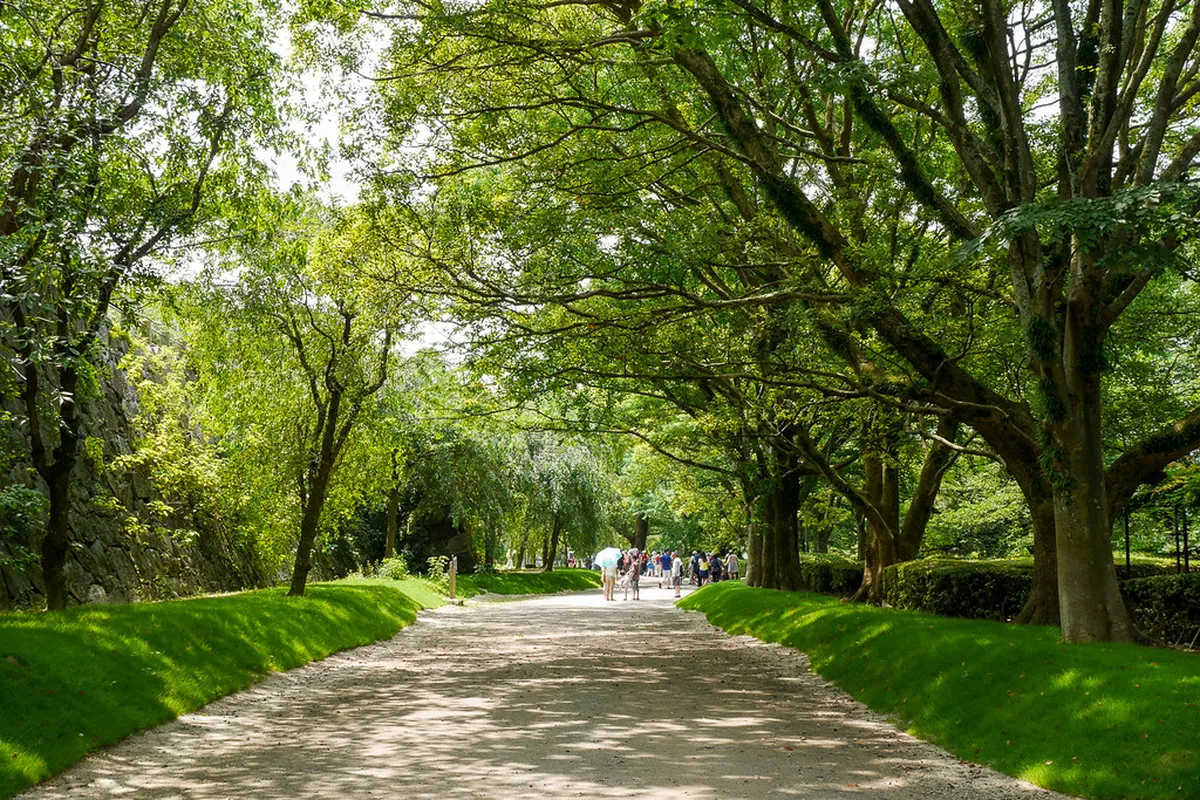
Start your morning at Fukuoka Castle Ruins in Maizuru Park, ideally by 9 am before crowds arrive. The stone walls and remaining turrets sit on a hill with sweeping views over the city. Entrance to the ruins is free, making this one of the best low-cost starts to any Fukuoka itinerary.
From the castle, walk south into Ohori Park for a relaxed loop around the central lake. The 2-kilometre path takes about 30–40 minutes at an easy pace and passes Japanese garden sections worth a short detour. Pack a snack or grab one from a park vendor if you skipped breakfast.
Head to Tochoji Temple in Hakata district by early afternoon — a 15-minute subway ride from the park. The temple holds Japan's largest wooden seated Buddha statue, standing 10.8 metres tall inside its hall. Entry costs around ¥50 and the walk-through cave beneath the statue is a memorable, quiet experience.
Wrap up Day 1 with dinner along the Nakasu riverfront. Try Dinner at Ganso Nagahamaya for a taste of Fukuoka's iconic tonkotsu ramen in a classic setting. The Nakasu area is lively after dark, so take a short evening walk along the canal before heading back.
Day 2: Dive into Fukuoka's Food Scene
Start Day 2 with a light breakfast at Breakfast at Pudding Café, a charming local spot popular with morning regulars. Save your appetite — this day is built around Fukuoka's three signature food experiences. The city's food culture runs from budget bowls to atmospheric late-night stalls, so knowing where to go at what time matters.
Spend the afternoon exploring the Tenjin and Nakasu food zones on foot. Both neighbourhoods concentrate restaurants, street vendors, and small ramen counters within short walking distance. Try a Hakata ramen shop at lunch — most open from 11 am and offer bowls from around ¥800–¥1,200.
For dinner, use the comparison below to choose the experience that suits your style. Yatai stalls close on rainy nights — check the forecast before planning your evening around them. If rain strikes, Dinner at Hakata Ramen Shoten is a reliable indoor alternative with excellent tonkotsu broth.
- Yatai Stalls (Outdoor Street Stalls)
- Cost: ¥1,500–¥3,000 per person
- Hours: Best after 7 pm; closed on rainy nights
- Atmosphere: Intimate, communal, cash-only
- Best for: First-timers, couples, experience seekers
- Hakata Ramen Shops
- Cost: ¥800–¥1,200 per bowl
- Hours: Open from 11 am; many open past midnight
- Atmosphere: Fast, focused, counter seating
- Best for: Solo travelers, quick meals, lunch
- Nakasu Izakayas
- Cost: ¥2,500–¥5,000 per person with drinks
- Hours: Evening from 6 pm; later seatings available
- Atmosphere: Social, sake-friendly, group-oriented
- Best for: Groups, those who want variety and drinks
Day 3: Nature and Parks in Fukuoka
Begin the morning with breakfast at Breakfast at Kashi Kashi, a neighbourhood café near the Momochi area. Check the weather before committing to your Day 3 route — this day has two distinct options. A clear forecast calls for a beach-focused morning; an overcast day suits the Ohori Park and Botanical Garden route instead.
On clear days, head to Momochi Seaside Park and walk the shoreline with views across Hakata Bay. Climb Fukuoka Tower nearby for panoramic city views from 234 metres — admission runs around ¥800. The observation deck is open until 10 pm, so a late afternoon visit avoids the midday crowds.
On overcast or cooler days, revisit Ohori Park with more time and walk into the adjacent Fukuoka City Botanical Garden. The garden charges a small entry fee and covers seasonal blooms, a greenhouse, and quiet walking paths. This combination works well for travelers who prefer green space over waterfront walks. Explore more top outdoor activities and nature spots in Fukuoka if you want to extend this day further.
Whatever route you choose, aim to finish at Fukuoka's adventure and activity scene for an optional late afternoon activity. Cycling rentals near Ohori Park are affordable and let you cover more ground at your own pace. Return to Tenjin for dinner and a browse through the evening market stalls before calling it a night.
Day 4: Dazaifu Exploration
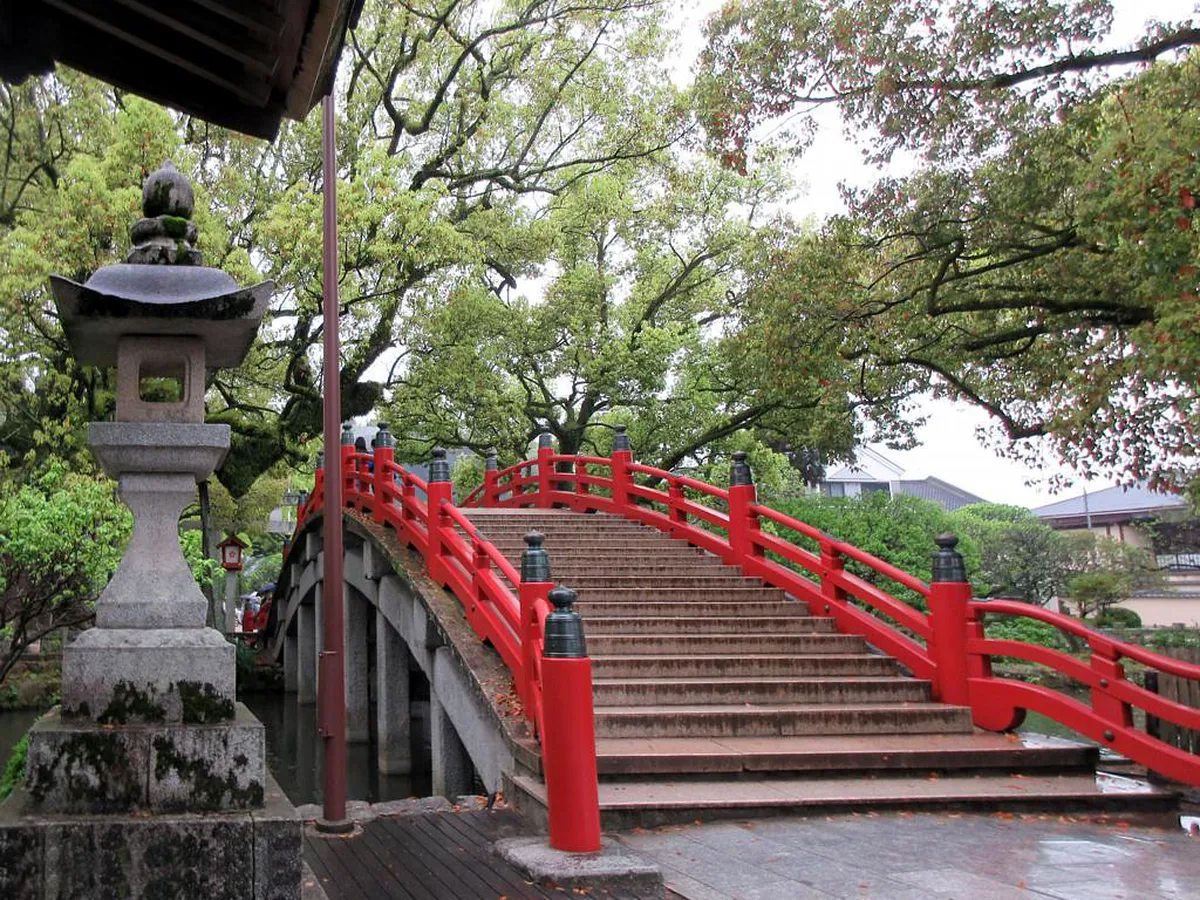
Take the Nishitetsu Futsukaichi line from Nishitetsu Fukuoka Station in Tenjin, changing at Futsukaichi for Dazaifu — about 40 minutes and ¥410 one way. Plan to arrive at Dazaifu Tenmangu Shrine before 9 am or after 2 pm to avoid the peak crowd window of 10 am–1 pm. An early arrival means quieter shrine grounds, better photos, and a more reflective atmosphere.
The shrine honours the scholar-god Tenjin and sits within plum-blossom gardens that are stunning in late February. Walk the full shrine grounds including the Tenkai Inari Shrine tucked in the wooded back section. Allow at least 60–90 minutes to explore the main hall, gardens, and quieter inner paths.
After the shrine, spend an hour on the Dazaifu Temmangu Street approach lined with souvenir stalls and plum-cake vendors. Umegae mochi (grilled plum-shaped rice cakes) is the local specialty and costs around ¥130–¥180 per piece. Try a fresh-grilled version from one of the older family stalls for the best texture.
Finish the afternoon at Kyushu National Museum, a five-minute walk from the shrine through a covered tunnel. The museum covers 10,000 years of Asian cultural exchange and admission costs around ¥700 for the permanent collection. Return to Fukuoka by early evening on the same Nishitetsu line. For a deeper Dazaifu planning guide, see How To Plan A Dazaifu Tenmangu Shrine Day Trip From Fukuoka.
Day 5: Culture, Markets and Local Discovery
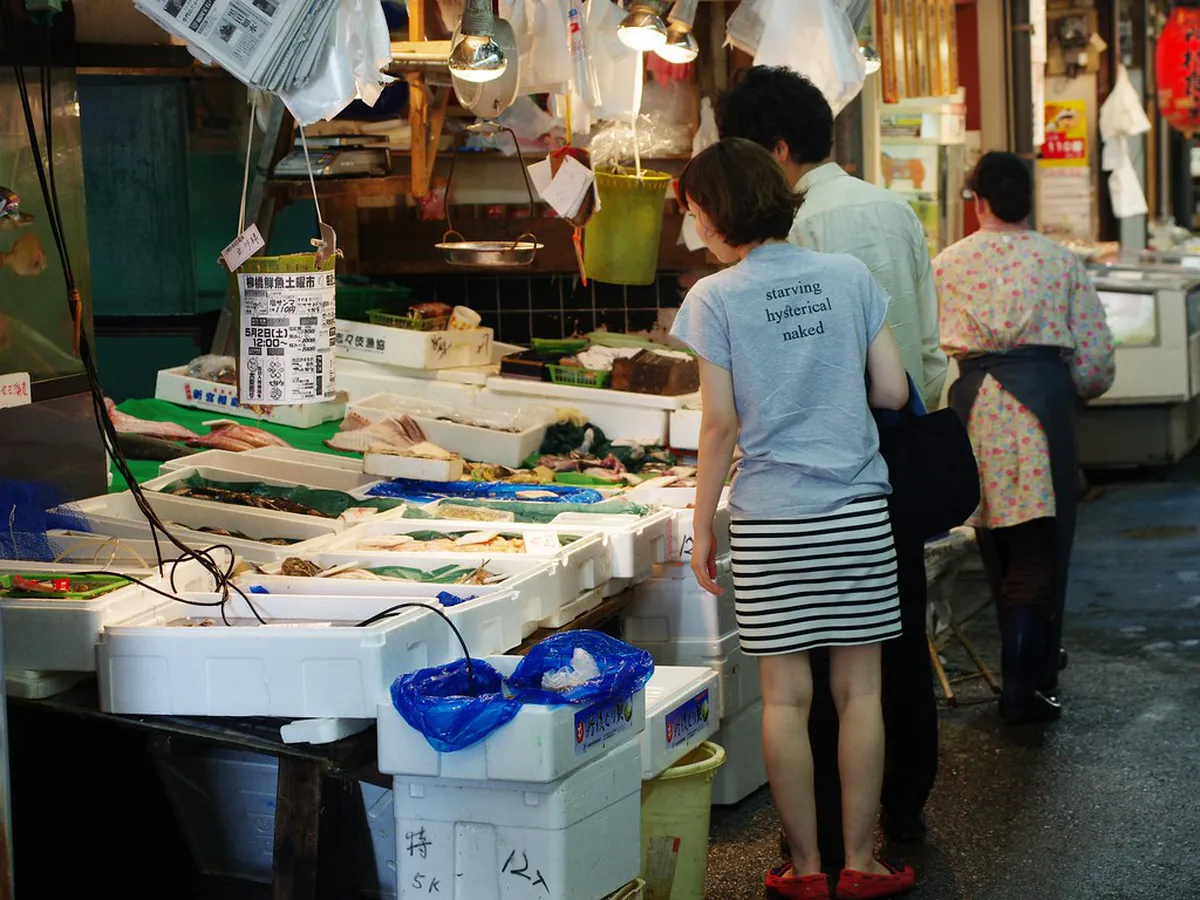
Start Day 5 at Yanagibashi Rengo Market — Fukuoka's so-called "kitchen" — between 7 am and 10 am while stalls are fully stocked. Many vendors close by noon, so arriving early is non-negotiable for the full experience. Pick up fresh local produce, grilled fish skewers, or a cup of coffee from one of the small market cafés.
From the market, walk or take a short taxi to Kushida Shrine in Hakata, the oldest and most beloved shrine in the city. Entry is free and the shrine houses the massive Gion Yamakasa float used in Fukuoka's biggest annual festival. Spend 30–45 minutes here before deciding on your afternoon path based on your traveler type.
Budget shoppers will enjoy the Tenjin Underground Mall — over 150 stores connected directly to the subway station. Culture-first travelers should walk the Hakata machiya folk museum area near 2-4 Gokusho-machi, Hakata-ku for Edo-period merchant house architecture. Foodies will get the most from Canal City Hakata, which concentrates ramen stadium vendors and specialty food shops in one location.
For breakfast before the market, try Breakfast at Café Sweets nearby for a light set-meal start. Wrap up your final evening with a relaxed dinner at whichever food style you haven't tried yet. Fukuoka's compact layout means getting from Hakata to Tenjin for a last dinner takes under 15 minutes by subway.
| Day | Theme | Key stops | Transport | Budget range |
|---|---|---|---|---|
| Day 1 | Historic Fukuoka | Castle Ruins, Ohori Park, Tochoji Temple, Nakasu | Subway + walk | ¥1,500–¥3,000 |
| Day 2 | Food scene | Hakata ramen, Tenjin lunch, Nakasu yatai dinner | Walk / subway | ¥3,000–¥6,000 |
| Day 3 | Nature & parks | Momochi beach or Ohori Park + Botanical Garden | Bus or walk | ¥1,000–¥2,500 |
| Day 4 | Dazaifu day trip | Dazaifu Tenmangu, Kyushu National Museum | Nishitetsu rail ¥410 one-way | ¥2,500–¥4,000 |
| Day 5 | Culture & markets | Yanagibashi Market, Kushida Shrine, Canal City | Walk / subway | ¥2,000–¥4,000 |
Best Time to Visit: Seasonal Highlights
Yatai stalls on Days 2 and 5 close on rainy nights — check the evening forecast and have a sit-down ramen shop as a backup. Most stalls open around 18:00–19:00 and are cash-only.
Late March through April brings cherry blossoms to Ohori Park and Maizuru Park — both are top viewing spots in the city. This season is popular, so book accommodation at least two months in advance. The mild temperatures also make it ideal for the outdoor portions of this itinerary, from the castle ruins to Momochi beach.
Summer (June–August) is yatai season at its most atmospheric, with warm nights perfect for open-air dining. Fukuoka also hosts major festivals like Hakata Gion Yamakasa in July, which draws large crowds to Kushida Shrine. Typhoon risk peaks from late August through September, so check forecasts if traveling then and build flexibility into Day 3.
Autumn (October–November) offers comfortable temperatures, autumn foliage, and fewer tourists than spring. Dazaifu's wooded grounds turn vivid orange and red in November, making the Day 4 trip especially scenic. For a full seasonal breakdown with festival dates and travel cautions, see the best time to visit Fukuoka seasonal guide.
Short on time? Follow our 3-day Fukuoka itinerary for a tighter route.
Frequently Asked Questions
Is 5 days enough to see Fukuoka?
Yes — five days covers Fukuoka's main historic landmarks, food highlights, and nature spots comfortably. This itinerary includes one full day trip to Dazaifu and still leaves time for markets and shopping on Day 5. First-time visitors often find five days ideal without feeling rushed. Spending longer allows deeper exploration of surrounding areas like Itoshima or Yanagawa.
Are Fukuoka's yatai stalls open every night?
Most yatai stalls operate nightly but close on rainy evenings — this is a practical constraint many visitors overlook. The busiest stall clusters sit along the Nakasu and Tenjin areas and typically open from around 6–7 pm. Check the nightly weather forecast before building your dinner plan around them. Have a ramen shop or izakaya as your backup option.
What is the daily budget for a 5-day Fukuoka trip?
Budget travelers can manage on roughly ¥6,000–¥9,000 per day covering food, local transport, and low-cost or free attractions. Mid-range travelers spending on meals, museum entry, and a comfortable hotel typically spend ¥12,000–¥18,000 per day. Accommodation is the biggest variable — prices range from ¥3,000 hostel dorms to ¥15,000+ hotel rooms. See the Fukuoka budget attractions guide for more cost-saving tips.
What is the best transport card for this itinerary?
The Nimoca IC card is the most versatile option for this five-day itinerary. It works on the subway, Nishitetsu buses, and the Nishitetsu rail line to Dazaifu — the three modes you will use most. The Subway Day Pass (¥640) only makes sense on days with three or more subway trips. Load the Nimoca card at any subway station ticket machine on arrival. See how to get around Fukuoka: Subway Day Pass vs Nimoca IC card for the full comparison.
Is Fukuoka safe for solo travelers?
Fukuoka is widely regarded as one of Japan's safest and most liveable cities, including for solo travelers. Crime rates are low, public transport is reliable, and most central areas are well-lit and walkable at night. Solo diners fit naturally at Hakata ramen counters and yatai stools. English signage is common in train stations and tourist areas, reducing navigation stress for first-timers.
Five days in Fukuoka gives you enough time to move between history, food, and nature without feeling squeezed. The day-by-day structure here balances iconic stops like Dazaifu Tenmangu Shrine with local discoveries like Yanagibashi Market. Following the timing and transport details in each section will help you make the most of every day.
Load your Nimoca card, check the weather before Day 3, and arrive at the yatai stalls after 7 pm for the best experience. Whether you lean toward history, food, or the outdoors, Fukuoka rewards curious travelers who plan ahead. Start booking accommodation early, especially for cherry blossom and festival seasons, and your five days will run smoothly.
Free: The Fukuoka Essentials guide
Top things to do, where to stay, a perfect day plan, getting around, and the best time to go — a Fukuoka mini-guide you can take offline.
You might also like


Continue reading
More guides you'll find useful


