Fukuoka Day Trips 2026: Dazaifu & Yanagawa in One Day (¥1,500 Combo Ticket)
Do Dazaifu Tenmangu + Yanagawa canal cruise in one day on the ¥1,500 Nishitetsu day ticket. Leave by 9AM — exact step-by-step 2026 itinerary included.
On this page
Planning the best day trips from Fukuoka itinerary: Dazaifu and Yanagawa allows you to experience ancient history and scenic water canals in one journey. This route combines the spiritual atmosphere of a major Shinto shrine with the relaxed pace of a river town. Travelers often find this combination to be the most rewarding excursion in the Kyushu region.
Fukuoka serves as an ideal base for exploring southern Japan due to its excellent railway connections and central location. You can easily access diverse cultural sites while staying near the modern amenities of the city center, and many of the top 20 Best Fukuoka Attractions in 2026 are just minutes from your hotel. Exploring these two iconic towns provides a deep look into the traditions of the Chikuzen Province.
The journey south reveals a side of Japan that feels worlds away from the neon lights of Hakata. Visitors can enjoy famous local snacks, architectural wonders, and traditional boat rides within a single day. Checking out the 12 best things to do in Fukuoka Japan helps set the stage for these adventures.
This guide covers everything from transport logistics to the best spots for a traditional steamed eel lunch. You will learn how to navigate the train lines and maximize your time at each historic stop. Prepare for a full day of discovery that showcases the unique charm of the Fukuoka prefecture.
How to Get from Fukuoka to Dazaifu and Yanagawa
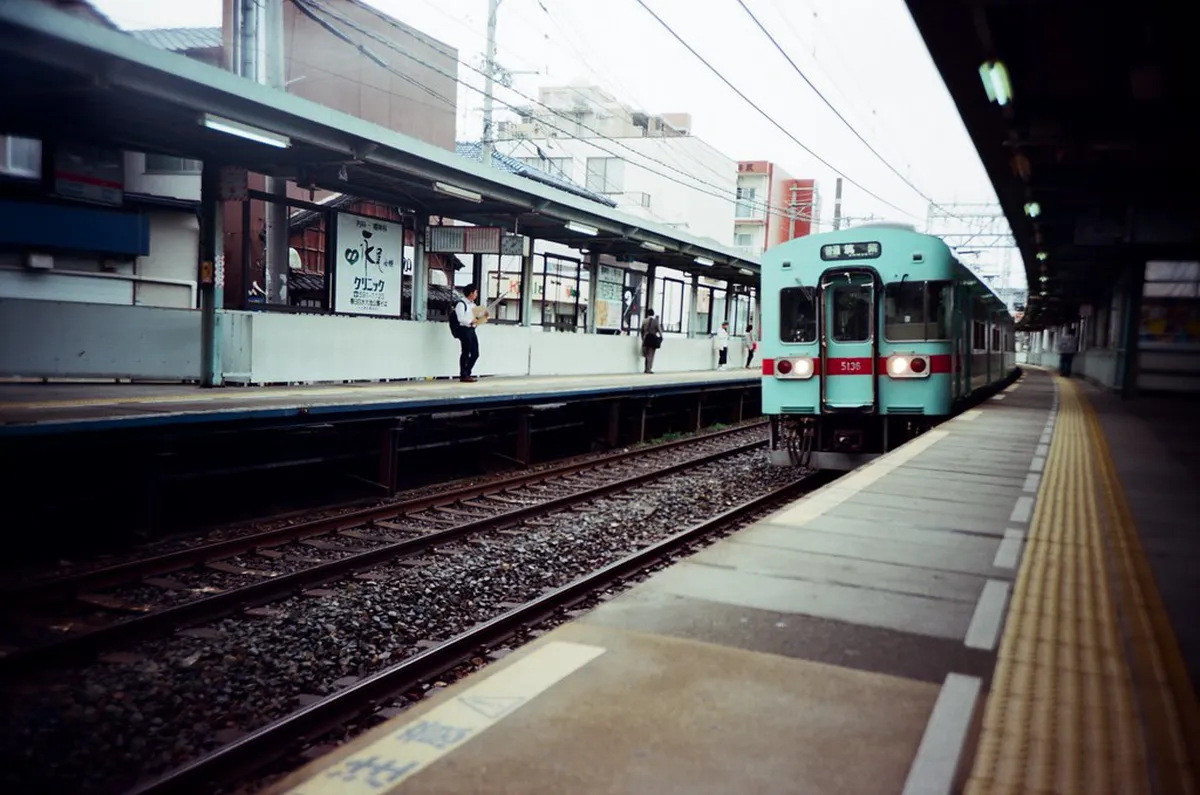
The journey begins at Nishitetsu Fukuoka Tenjin Station, which is the main hub for private railway travel in the city. If you need help navigating Fukuoka's subway, buses, and payment options before your day trip, our Fukuoka public transport guide covers everything. Travelers should look for the Nishitetsu-Tenjin-Omuta Line to begin their trip southward. Most express trains heading toward Omuta provide the fastest service for the first leg of your adventure.
To reach Dazaifu, you must typically transfer at Nishitetsu-Futsukaichi Station to a dedicated branch line. This transfer is usually very efficient and takes less than five minutes between the designated platforms. Detailed directions are available on the Dazaifu Tenmangu Official Website (Access Guide) for first-time visitors.
Another popular option is the Dazaifu Liner Bus Tabito, which runs directly from Hakata Station to the shrine area. This bus is convenient if you prefer to avoid train transfers, though it can be subject to highway traffic. The ride generally takes about 40 minutes depending on the time of day and road conditions.
Once you finish in Dazaifu, return to Nishitetsu-Futsukaichi Station to continue your journey south to Yanagawa. The express train from Futsukaichi to Yanagawa takes approximately 30 to 40 minutes through the scenic countryside. Planning your transfers carefully ensures you have plenty of time to enjoy the canals in the afternoon.
Leave Nishitetsu Tenjin Station by 9:00 AM to arrive at Dazaifu before the tour-bus crowds (10:00–11:00). This timing also means you get the freshest Umegae Mochi from street vendors before queues build up on the main approach road.
The JR Pass is not valid on Nishitetsu Railway — the private line used for both Dazaifu and Yanagawa. Purchase the Nishitetsu Sightseeing Ticket (~¥3,070 adult) at Tenjin Station, or pay with an IC card (SUGOCA/Suica). The ticket also covers the 70-minute Yanagawa canal boat ride.
The Dazaifu and Yanagawa Sightseeing Ticket: Is it Worth It?
The Nishitetsu Railway offers a combined sightseeing ticket that specifically caters to this popular day trip route. This pass covers your round-trip train fare from Tenjin to both Dazaifu and Yanagawa stations. It also includes a ticket for the famous canal boat ride, which is a major highlight for most visitors.
Purchasing this ticket usually saves travelers several hundred yen compared to buying each segment individually. You can find the latest pricing and vendor locations on the Dazaifu and Yanagawa Sightseeing Ticket Official Info page. Most people buy their pass at the Tenjin Station service center before boarding.
Beyond transportation, the pass provides small discount coupons for local shops and specific restaurants in both towns. These perks are great for trying the local plum cakes or getting a small discount on a traditional lunch. The convenience of having all your tickets in one paper folder simplifies the entire day.
If you plan to visit only one of the two towns, individual fares or an IC card like SUGOCA might be better. However, for the full combined itinerary, the sightseeing ticket remains the most cost-effective and logical choice. It eliminates the need to use ticket machines at every single stop during your busy schedule.
- Sightseeing Ticket Cost and Benefits
- Adult Price: Approximately ¥3,070
- Train Coverage: Full round trip
- Boat Tour: 70-minute punting included
- Bonus: Local snack coupons
| Segment | Route | Duration | Cost (adult) |
|---|---|---|---|
| Fukuoka → Dazaifu | Nishitetsu Tenjin → Futsukaichi → Dazaifu | ~35 min | included in pass |
| Dazaifu → Yanagawa | Nishitetsu Futsukaichi → Yanagawa | ~30–40 min | included in pass |
| Yanagawa canal boat | 70-min punting tour | 70 min | included in pass |
| Combined ticket total | Round-trip rail + boat | full day | ~¥3,070 |
| Dazaifu Liner Bus (alt.) | Hakata Station → Dazaifu direct | ~40 min | separate fare |
Dazaifu Itinerary: Tenmangu Shrine and the Famous Starbucks
Dazaifu Tenmangu is one of Japan's most significant shrines and is dedicated to the deity of learning. Read the full shrine visitor guide for detailed history and planning tips. The approach to the shrine is lined with charming shops selling traditional crafts and tasty snacks. You will pass through several large stone torii gates before reaching the main sacred grounds.
A unique feature available until 2027 is the temporary shrine hall, which was built for the 1,125th-anniversary renovations. This structure features a stunning "floating forest" on its roof, creating a modern yet spiritual atmosphere. Visitors can view official updates and history on the Dazaifu Tenmangu Official Site during their visit.
Architecture fans should not miss the Starbucks located right on the main shopping street. Designed by the famous architect Kengo Kuma, it uses over 2,000 interlocking wooden beams without any nails. It is a perfect example of modern Japanese design blending with a historic neighborhood setting.
The shrine grounds also house the legendary "Flying Plum" tree, which reportedly flew from Kyoto to follow its master. Beautiful plum blossoms fill the area during late February and early March each year. Take some time to explore the quiet ponds and smaller sub-shrines located behind the main hall.
Exploring the "Venice of Kyushu": Yanagawa Canal Punting
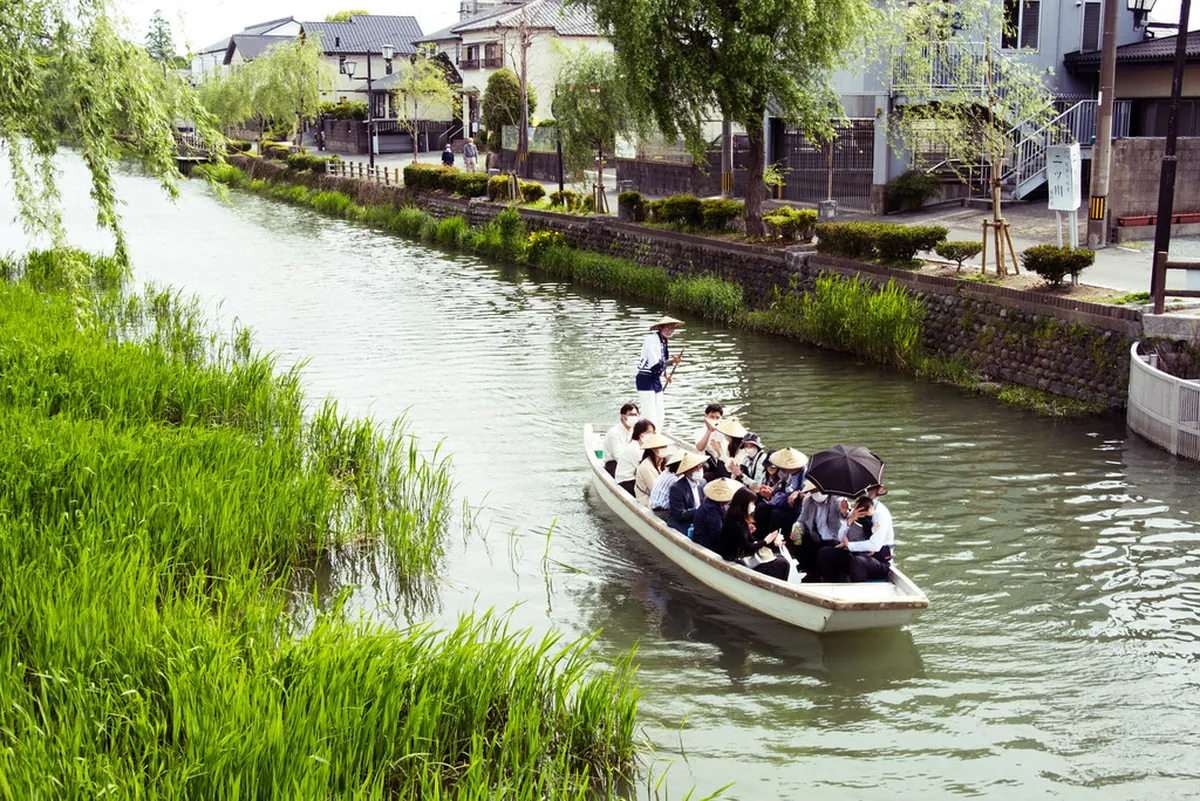
Yanagawa is often called the "Venice of Kyushu" because of its extensive network of historic canals. The best way to experience this town is by taking a Donko-bune boat tour. These low-profile wooden boats are skillfully guided by punters using long bamboo poles.
During the 70-minute journey, the boatmen often sing traditional folk songs that echo under the low stone bridges. This musical element adds a deeply cultural layer to the peaceful scenery of the water. You will glide past ancient storehouses and weeping willow trees that line the riverbanks.
The boat ride is particularly beautiful during the spring cherry blossom season or when the irises bloom in early summer. In the colder winter months, many boats are equipped with kotatsu heaters to keep passengers warm. This seasonal flexibility makes Yanagawa a great destination throughout the entire year.
Most boat tours end near the town's historic district, which is famous for its old residences and gardens. From the disembarkation point, you can easily walk to local restaurants for a late afternoon meal. The slow pace of the water provides a perfect contrast to the busy streets of Fukuoka.
What to Eat: Umegae Mochi and Yanagawa Steamed Eel
No visit to Dazaifu is complete without trying Umegae Mochi, which are grilled rice cakes filled with sweet bean paste. These snacks are stamped with a plum blossom pattern and served warm from street-side stalls. They are the most famous local treat and offer a perfect boost of energy while walking.
In Yanagawa, the local specialty is Unagi no Seiromushi , or steamed eel served over rice in a bamboo box. The eel is grilled first and then steamed with a sweet soy-based sauce to create a tender texture. You can find excellent versions of this dish at Dazaifu Namiman (Google Maps) or traditional riverside shops.
The steaming process allows the flavors of the sauce to soak deeply into every grain of rice. This dish is considered a luxury meal and is the perfect way to celebrate your day trip. Many restaurants have been serving this specific recipe for over a hundred years in the historic district.
If you have extra time, look for local green tea shops that serve high-quality Yame tea from the nearby mountains. Pairing a hot cup of tea with your mochi provides a truly authentic Japanese snack experience. These small culinary details make the itinerary feel much more personal and memorable.
- Must-Try Local Specialties
- Food: Umegae Mochi (Plum Cake)
- Meal: Unagi no Seiromushi (Steamed Eel)
- Drink: Yame Green Tea
- Snack: Mentai-flavored crackers
Visiting the Kyushu National Museum

The Kyushu National Museum is located just a short walk from the Dazaifu Tenmangu Shrine grounds. This massive building is an architectural marvel featuring a curved blue glass facade that reflects the surrounding hills. It is one of only four national museums in Japan and focuses on Asian history.
Visitors can reach the museum via a futuristic tunnel equipped with moving walkways and colorful rainbow lighting. The main hall houses rotating exhibitions that showcase the deep cultural ties between Kyushu and mainland Asia. Check the Kyushu National Museum Official Site for current special exhibit schedules.
The museum is designed to be interactive and accessible for travelers of all ages. You can spend about two hours exploring the various galleries and the impressive open-air atrium. It provides a great indoor alternative if the weather turns rainy during your day trip.
After your museum visit, you can easily walk back to the station or return to the shrine for more photos. The elevated location offers some of the best views of the Dazaifu area from the large glass windows. This stop adds a significant educational component to your cultural itinerary.
Nanzoin Temple: The Reclining Buddha Alternative
If you have extra time or prefer a different spiritual site, Nanzoin Temple is a fantastic alternative. This temple is famous for its massive bronze Reclining Buddha, which is one of the largest in the world. It is located in the mountains and offers a very different atmosphere than the flatlands of Dazaifu.
The temple grounds feature a unique "Melody Bridge" that acts like a giant xylophone when you strike the metal bars. This playful feature is a favorite for families and photographers visiting the forest setting. You can learn more about the how to visit Nanzoin Temple Fukuoka: dress code and logistics before you go.
To reach Nanzoin, you must take a JR train from Hakata Station toward Sasaguri instead of the Nishitetsu line. The journey takes about 25 minutes and places you directly at the base of the temple stairs. It is possible to combine this with Dazaifu if you start your day very early.
Please remember that Nanzoin has a strict dress code and does not allow large groups or loud behavior. Covering your shoulders and knees is required to enter the main area where the Buddha statue rests. This site provides a peaceful mountain retreat for those looking for a quieter experience.
Is Dazaifu and Yanagawa Worth Visiting as a Day Trip?
Combining Dazaifu and Yanagawa into a single day trip is highly recommended for any visitor to Fukuoka. It balances the spiritual history of Tenmangu with the scenic relaxation of the Yanagawa canals. Beyond the shrine's iconic grounds, you can explore things to do in Dazaifu that showcase the city's unique charm. You get to see two distinct sides of Kyushu culture without feeling overly rushed.
Understanding your 17-Part Guide to Fukuoka Travel Budget and Daily Costs 2026 will help you plan for the combined ticket and meals. The total expense for this day trip is quite reasonable given the amount of activities included. It offers excellent value for solo travelers, couples, and families alike.
Most travelers find that eight to ten hours is enough to cover both locations comfortably. Starting your day in Dazaifu by 9:00 AM allows you to reach Yanagawa for a late lunch and boat tour. This timing avoids the largest tour groups and gives you the best lighting for photos.
Ultimately, this itinerary provides some of the most iconic experiences in the entire prefecture. From the grilled mochi to the singing boatmen, the memories from this trip will last a lifetime. It is a must-do journey that perfectly complements the modern energy of Fukuoka city.
Frequently Asked Questions
Can I use the JR Pass for this Fukuoka day trip itinerary?
No, the JR Pass does not cover the Nishitetsu Railway lines used for Dazaifu and Yanagawa. You should purchase the specific Nishitetsu sightseeing ticket or use an IC card like SUGOCA. This route is managed by a private company rather than Japan Railways.
How long is the boat ride in Yanagawa?
The standard canal punting tour in Yanagawa takes approximately 70 minutes to complete. It covers a large loop through the historic moat system surrounding the former castle grounds. Most visitors find this length perfect for relaxing and enjoying the traditional songs of the punters.
Is the Dazaifu Tenmangu main hall open in 2026?
The main hall is currently undergoing major renovations until 2027 for its 1,125th anniversary. However, a stunning temporary hall with a forest roof is open for visitors and prayer. You can still enjoy the full shrine experience and explore the beautiful grounds during this time.
What is the best way to avoid crowds in Dazaifu?
To avoid the largest crowds, try to arrive at Dazaifu Tenmangu before 10:00 AM on weekdays. Most large tour groups arrive in the late morning and early afternoon. Visiting early also ensures you get the freshest Umegae Mochi from the street vendors before the lines get long.
A day spent exploring Dazaifu and Yanagawa offers a perfect blend of Kyushu's spiritual and scenic beauty. This itinerary allows you to step back in time while enjoying some of the region's best culinary delights. You will return to the city with a deeper appreciation for the traditions of southern Japan.
After a full day of sightseeing, you might want to relax at a local food stall in the evening. Learning about Fukuoka Yatai etiquette: a guide to street food stalls is the perfect way to end your trip. These stalls offer a warm atmosphere and delicious ramen to cap off your adventure.
Whether you are interested in history, architecture, or simply enjoying a boat ride, this day trip has something for everyone. The ease of the Nishitetsu train system makes it accessible for any traveler based in Tenjin or Hakata. Make sure to pack your camera and an appetite for this essential Fukuoka experience.
Free: The Fukuoka Essentials guide
Top things to do, where to stay, a perfect day plan, getting around, and the best time to go — a Fukuoka mini-guide you can take offline.
You might also like

Continue reading
More guides you'll find useful