Kumamoto Day Trip Itinerary: 10 Best Things to Do in One Day
Plan the perfect Kumamoto day trip with this 1-day itinerary. Includes Kumamoto Castle recovery updates, Suizenji Garden, and local ramen spots.
On this page
Kumamoto stands as a resilient and historic jewel in the heart of Kyushu. This vibrant city blends samurai heritage with modern charm and incredible local flavors. Most travelers arrive via the high-speed rail from Fukuoka for a quick yet fulfilling visit. Our guide helps you navigate the best sights using a time-efficient Kumamoto day trip itinerary.
The city is famously known for its massive castle and the lovable Kumamon mascot. Since the 2016 earthquake, the community has worked tirelessly to restore its historical landmarks.
You will see a unique mix of ancient stone walls and innovative reconstruction projects. Consult the Kumamoto City Official Tourism Guide for seasonal event updates.Essential Kumamoto Day Trip Logistics
Getting to the city is simple thanks to the efficient Kyushu Shinkansen network. Most visitors start their journey from Hakata Station in Fukuoka for a forty-minute ride. You should check the JR Kyushu Shinkansen Timetable to maximize your daylight hours. Early departures allow you to beat the mid-morning crowds at major attractions.
Upon arrival, head straight to the tourist information center inside the station. You can purchase a one-day tram pass here for five hundred yen. This pass offers unlimited rides on both the A-Line and B-Line city trams. It is much more convenient than paying individual fares for every short hop.
Large coin lockers are available at both the JR station and the Sakuramachi Bus Terminal. These facilities accommodate everything from small backpacks to full-sized suitcases for day-trippers. Use the Google Maps 1-Day Itinerary Route to visualize these key transit hubs. Proper planning ensures you spend more time exploring and less time navigating.
- Kyushu Shinkansen Access
- Route: Hakata to Kumamoto
- Duration: 40 minutes
- Cost: Included in JR Pass
- Kumamoto City Tram Pass
- Type: 1-day unlimited pass
- Price: 500 yen
- Purchase: Station tourist office
| Stop | Tram Line | Travel Time from Station | Entry Fee |
|---|---|---|---|
| Kumamoto Castle | A or B → Kumamoto-jo/Shiyakusho | ~10 min | ¥800 |
| Suizenji Jojuen Garden | Line 2 → Suizenji Koen | ~20 min | ¥400 |
| Shimotori Arcade | A or B → Torichosuji | ~8 min | Free |
| Kumamon Square | A or B → Torichosuji | ~8 min | Free |
Morning: Suizenji Jojuen Garden and Izumi Shrine
Start your morning at Suizenji Jojuen, a stunning landscape garden built in the seventeenth century. This garden features a circular walking path that mimics the ancient Tokaido road. You can see a miniature version of Mount Fuji sculpted from perfectly manicured grass. The spring-fed pond remains crystal clear throughout the entire year.
Izumi Shrine sits within the garden grounds and honors the Hosokawa family. Many locals visit this sacred spot to pray for good fortune and health. You might witness a traditional wedding procession if you visit during a weekend. The shrine architecture provides a beautiful contrast to the surrounding greenery and water.
Consider stopping at the Kokin-Denju-no-Ma teahouse for a brief cultural break. You can enjoy matcha and traditional sweets while overlooking the scenic pond. This historic building was moved from Kyoto and offers an authentic atmosphere. It is a peaceful way to begin your Kumamoto day trip itinerary before the crowds arrive.
Former Residence of Lafcadio Hearn
A short walk from the city center leads to the former home of Lafcadio Hearn. He was a famous writer who introduced Japanese folklore to the Western world. This residence offers a rare look at Meiji-era domestic architecture in a quiet neighborhood. You can walk through the preserved rooms and see where he wrote his famous stories.
The house is free to enter and provides excellent English information for international visitors. You will learn about Hearn's deep connection to local culture and his Japanese name, Koizumi Yakumo. Check the Lafcadio Hearn Memorial Museum Info for specific seasonal opening hours. This site serves as a vital cultural bridge between Japan and the West.
The garden surrounding the house reflects the simple aesthetic of the late nineteenth century. It provides a calm environment for reflection away from the busy shopping arcades. Visitors often appreciate the intimate scale of this historical site compared to the massive castle nearby. It is a hidden gem that many standard tours often overlook.
Mid-Morning: Kumamoto Castle and Earthquake Recovery
Kumamoto Castle remains one of the most impressive fortresses in all of Japan. The massive stone walls and black wooden exterior create a truly imposing silhouette. While the 2016 earthquake caused significant damage, the restoration progress has been remarkable. You can now access the main keep via a specially designed elevated walkway.
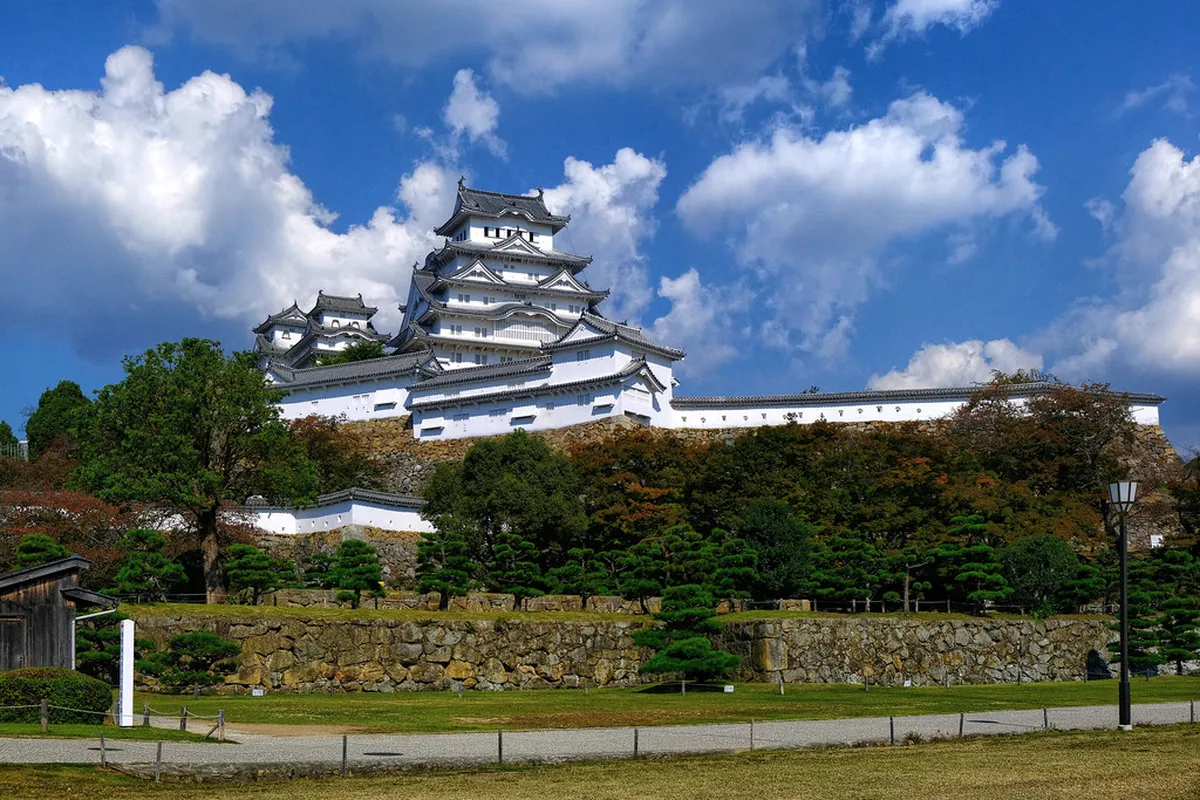
This walkway provides a unique vantage point to see the ongoing reconstruction efforts. Engineers are carefully placing each stone back into its original position using modern technology. You should visit the Kumamoto Castle Official Guide to see which turrets are currently open. The interior of the main keep now houses a modern museum about the castle's history.
For the best unobstructed photo of the main tower, head over to Kato Shrine. This shrine sits on the castle grounds and offers a perfect side-angle view. You can also explore the Hosokawa Gyobutei History nearby to see a high-ranking samurai villa. These sites together provide a comprehensive look at the city's feudal past.
Lunch: Sakura-no-baba Josaien "Castle Town"
Sakura-no-baba Josaien is a reconstructed Edo-period village located at the foot of the castle. This area features many shops and restaurants serving regional Kumamoto delicacies. It is the perfect place to grab lunch after exploring the castle fortifications. The atmosphere feels like stepping back in time to the era of the samurai.
You must try Ikinari Dango, a local snack made with sweet potato and red bean paste. These steamed dumplings are surprisingly filling and often vegan-friendly for travelers with dietary restrictions. Many stalls offer them hot and fresh for a quick treat while you browse. It is a classic taste of the region that locals have loved for generations.
The Wakuwaku-za history museum in the complex offers interactive exhibits about the castle's construction. You can even try on traditional samurai armor for a memorable photo opportunity. This facility helps explain the complex engineering behind the massive stone walls you saw earlier. It is an educational and fun stop for visitors of all ages.
Afternoon: Kumamoto City Hall Observation Deck
Many tourists miss the best free view in the city located at Kumamoto City Hall. Head to the 14th floor to find a dedicated observation deck open to the public. From here, you get a direct, eye-level view of the castle's main keep. It is a fantastic spot for photography without the crowds of the castle grounds.
This perspective allows you to see the true scale of the reconstruction project from above. You can spot the different colors of the new and old stone walls clearly. The deck also offers a panoramic view of the surrounding city and distant mountains. It provides a great sense of orientation for the rest of your afternoon plans.
The 14th-floor Kumamoto City Hall observation deck is free and open to the public, giving an eye-level view of the castle keep without entering the paid area. Ideal for a quick photography stop after leaving the castle grounds.
The observation area is usually quiet and provides a nice break from walking. You can find English pamphlets that explain the different landmarks visible from the windows. It is one of the most underrated stops on a Kumamoto day trip itinerary. Best of all, there is no entrance fee for this premium viewing experience.
Culture: Kumamoto Prefectural Museum of Art
The Kumamoto Prefectural Museum of Art is located within the scenic Ninomaru Park. This museum houses a significant collection of art ranging from ancient artifacts to modern works. You can explore the permanent collection of the Hosokawa family's personal treasures. The building itself is an architectural masterpiece designed by Kunio Maekawa.
Special exhibitions often feature famous Japanese artists or international traveling collections. The quiet galleries provide a sophisticated atmosphere for art lovers to enjoy. You should check the museum's website for the current schedule of temporary displays. It is a great indoor activity if the weather becomes unpredictable during your visit.
Walking through Ninomaru Park to reach the museum is a highlight in itself. The wide open lawns offer great views of the castle turrets and seasonal flowers. You will often see local families enjoying picnics or students practicing traditional sports here. This area captures the relaxed and cultured spirit of the city perfectly.
Late Afternoon: Shimotori Shopping Arcade and Kumamon Square
Shimotori is the largest covered shopping arcade in the city and stays lively all day. You can find everything from high-end fashion to quirky local souvenir shops here. It is a great place to experience the modern side of Kyushu urban life. The arcade is also packed with cafes where you can rest your feet for a bit.
A visit to Kumamon Square is essential for any fan of Japan's most famous mascot. You can see Kumamon's office and browse a huge variety of themed merchandise. The mascot usually performs live at 11:00 AM or 3:00 PM on most days. Check the official schedule online to ensure you don't miss the energetic dance show.
Exploring the side streets around the arcade reveals many hidden bars and boutiques. You can find some of the best things to do in Kumamoto tucked away in these alleys. This area becomes especially vibrant as the sun begins to set and the neon lights turn on. It is the perfect transition from sightseeing to an evening of dining.
Dinner: Kumamoto Ramen and Local Food Guide
End your day with a steaming bowl of local ramen, famous for its rich garlic oil. The broth is typically a creamy tonkotsu base seasoned with roasted garlic chips. This unique flavor profile sets it apart from the lighter ramen styles found in other cities. Many popular shops are located within walking distance of the Shimotori arcade.
Coin lockers at JR Kumamoto Station fill by mid-morning on weekends and during cherry blossom and autumn foliage seasons. Store luggage as soon as you arrive, or ask your hotel to hold bags if you check out before your train.
Adventurous eaters should try Basashi, which is thinly sliced raw horse meat served with ginger. It is considered a premium delicacy in the region and is known for its lean texture. You can find it on the menu at most traditional izakayas throughout the downtown area. Pair it with local sake for a truly authentic Kyushu dining experience.
If you have extra time, you might consider the ANA Japan Travel Planner: Yamaga Onsen for a future trip. The city's food culture is deeply tied to its high-quality water and volcanic soil. Every meal here feels like a celebration of the local agriculture and history. You will leave the city feeling satisfied and eager to return for more.
Where to Stay in Kumamoto
Staying near Kumamoto Station is the most convenient choice for travelers using the Shinkansen. Several modern hotels are located just steps away from the train platforms and tram stops. This area is ideal if you have an early departure the following morning. You will find plenty of convenience stores and quick dining options nearby.
For a more lively atmosphere, look for accommodation in the downtown area near Shimotori. This puts you within walking distance of the best nightlife and shopping in the city. Many boutique hotels and traditional guesthouses are situated in this vibrant district. It is the best choice if you want to explore the local bar scene.
You can find more travel inspiration at japanactivity.com for your entire Kyushu journey. Booking your stay in advance is highly recommended during the cherry blossom or autumn foliage seasons. The city offers a wide range of prices to suit every traveler's budget. Choose the area that best matches your personal travel style and interests.
Frequently Asked Questions
Can I use my Suica or Pasmo card on the Kumamoto City Tram?
Yes, you can use major IC cards like Suica or Pasmo on the city tram. Remember to tap your card when you board and again when you exit. If you plan to ride more than three times, the 1-day pass is a better value.
Is Kumamoto Castle fully open to the public in 2026?
The main keep is open, but some surrounding turrets and walls are still under repair. You can view the progress from a special elevated walkway. Check the official castle website for the most current access maps before your visit.
What is the best time to see Kumamon at Kumamon Square?
Kumamon usually makes appearances at 11:00 AM and 3:00 PM on most days. These schedules can change, so verify the times on the official website. Arrive early as the square can get very crowded during performances.
How long does it take to travel from Fukuoka to Kumamoto?
The Kyushu Shinkansen takes approximately 40 minutes from Hakata Station to Kumamoto Station. This makes a day trip very easy and efficient for travelers based in Fukuoka. Trains run frequently throughout the day and evening.
A day trip to Kumamoto offers a perfect blend of history, culture, and modern fun. From the towering castle to the peaceful gardens, every stop provides a unique experience. You will find the city's recovery efforts truly inspiring and the local people incredibly welcoming. We hope this itinerary helps you make the most of your time in this Kyushu gem.
Pair this with our broader Kumamoto attractions guide for the full city overview, or see our Kumamoto attractions guide and Kumamoto 2-day itinerary for related deep-dives.
Free: The Kumamoto Essentials guide
Top things to do, where to stay, a perfect day plan, getting around, and the best time to go — a Kumamoto mini-guide you can take offline.
You might also like
Continue reading
More guides you'll find useful