

Kamakura Festival Itinerary and Transport Guide: 8 Essential Sections
Master your Kamakura trip with our guide to festival dates, transport passes from Tokyo, and a step-by-step itinerary covering the Big Buddha and hidden temples.
On this page
Kamakura offers a perfect blend of samurai history and coastal beauty just south of Tokyo. Planning a visit during a local festival requires careful timing and smart transport choices. This guide helps you navigate the crowded streets while seeing the most iconic temples. You will discover how to save time and money on your journey.
Many travelers struggle with the logistics of reaching this seaside city during peak events. Our comprehensive itinerary ensures you witness the best cultural performances without the stress. From the Great Buddha to hidden forest trails, every stop is carefully planned. Prepare for a memorable day trip that balances tradition with modern convenience.
Getting from Tokyo to Kamakura: Transport Options
Reaching Kamakura from central Tokyo is straightforward if you choose the right train line. The JR Yokosuka Line provides a direct connection from Tokyo Station and takes about an hour. Most visitors prefer this route for its reliability and frequent departures throughout the day. You can view the full network on the JR East Official Route Map before you depart.
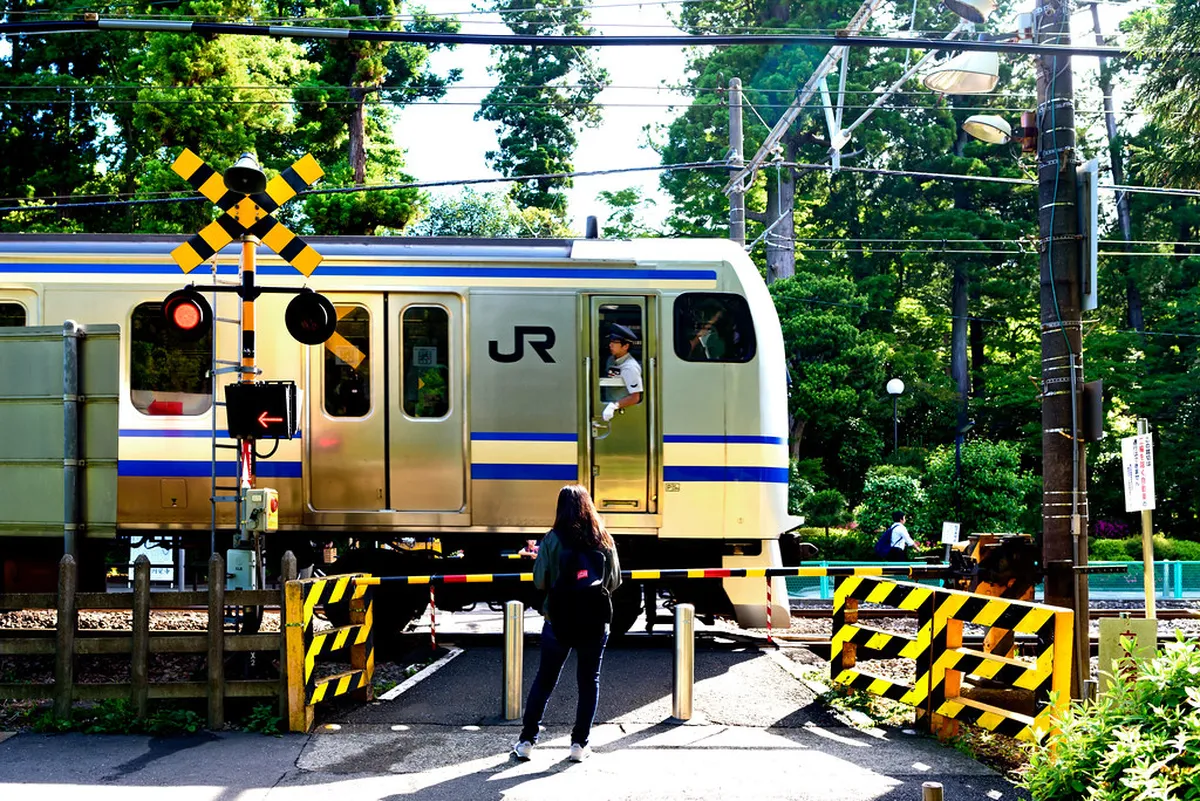
If you are starting from Shinjuku or Shibuya, the JR Shonan-Shinjuku Line is your best bet. This line avoids the need to transfer at major hubs like Tokyo or Shinagawa. Ensure the train is bound for Zushi or Kurihama to reach your destination directly. Travelers using a JR Pass will find these options the most cost-effective for their trip.
The Odakyu Railway offers a slower but more scenic alternative from Shinjuku Station. This route involves a transfer at Fujisawa Station to the charming Enoden Line. Budget-conscious travelers often choose this path to enjoy the coastal views of Sagami Bay. It is a great way to start your journey if you enjoy a relaxed pace.
Navigating Kamakura: Enoden Railway vs. Walking
Beginning your day at Kita-Kamakura Station allows you to walk downhill toward the city center. This pro strategy saves energy and lets you visit quieter Zen temples before the crowds arrive. Most tourists head straight to the main station and struggle with uphill climbs later. You can enjoy a peaceful start to your morning by following this simple route.
The Enoden Line is an iconic green train that runs along the coast between Kamakura and Fujisawa. It stops at popular locations like Hase and Yuigahama Beach every twelve minutes. While the train is historic and beautiful, it can become extremely packed during festival weekends. Walking between central sites is often faster than waiting for a spot on the train.
Hiking trails connect many of the northern temples to the Great Buddha in the west. The Daibutsu Hiking Course offers a refreshing break from the city streets and urban noise. Always check local weather reports as these dirt paths can become slippery after rain. This route provides unique vantage points that most casual tourists never get to see.
Kamakura Festival Calendar: Best Times to Visit
| Festival | Month | Venue | Highlight |
|---|---|---|---|
| Kamakura Matsuri | April | Tsurugaoka Hachimangu | Shizuka no Mai dance, traditional parades |
| Reitaisai (Yabusame) | September | Tsurugaoka Hachimangu | Horseback archery ceremony |
| Hasedera Seasonal Light-ups | June & Autumn | Hase-dera Temple | Hydrangea & autumn leaf illuminations |
April marks the arrival of the Kamakura Matsuri, a week-long celebration of local culture and history. The highlight is the Shizuka no Mai dance performed at the main Shinto shrine. Visitors can watch traditional parades and martial arts demonstrations throughout the city streets. You should book your Kamakura events and seasonal festivals experiences early for this busy period.
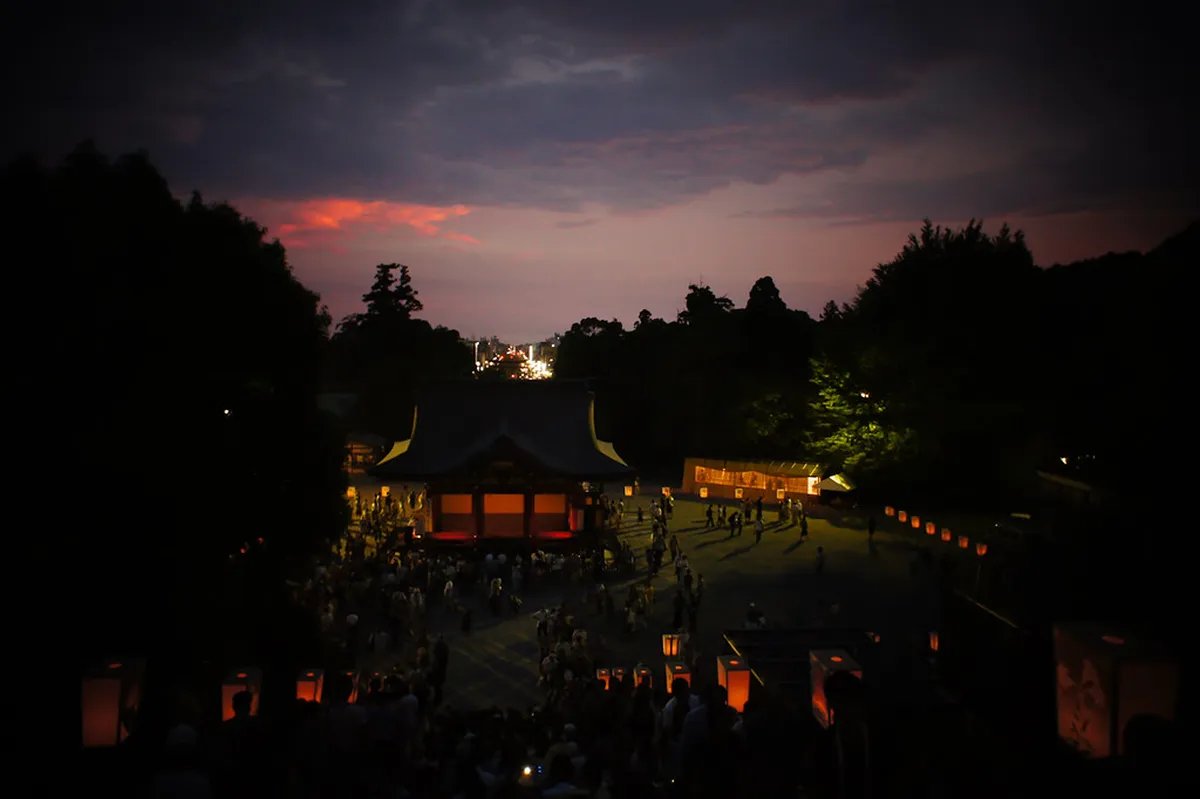
September hosts the Reitaisai festival, which features spectacular horseback archery known as Yabusame. This event draws massive crowds to the Tsurugaoka Hachimangu Shrine for the main ceremony. Specialized transport advice is vital as the Enoden line often faces severe boarding restrictions. Arriving early in the morning helps you secure a viewing spot for the archery.
Seasonal light-ups at Hasedera Temple are a must-see during the hydrangea and autumn leaf seasons. These evening seasons transform the temple grounds into a glowing wonderland after sunset. Check the Official Kamakura City Tourism Association website for specific entry times and dates. Planning a late-night return to Tokyo is necessary if you stay for the full show.
During the Reitaisai in September, the Enoden Line faces severe boarding restrictions near the festival venue. Use Wadazuka or Yuigahama stations instead of Kamakura Station to avoid the worst congestion.
The Perfect 1-Day Kamakura Itinerary
Start your morning at Kita-Kamakura Station to explore the serene Engaku-ji and Kencho-ji temples. Walking south from here leads you through historic gates and beautiful Zen gardens. This path avoids the heavy morning congestion found at the main city station. You can find more detailed route tips on Japan Activity to help plan your stops.
Lunch should be enjoyed along Komachi-dori, a bustling street filled with local delicacies and souvenirs. After eating, head toward the coast to visit the famous Great Buddha at Kotoku-in. The walk takes about twenty minutes from the central shrine area through pleasant neighborhoods. This timing allows you to reach the statue before the late afternoon tour buses arrive.
End your day by watching the sunset at Yuigahama Beach or taking the Enoden to Enoshima. The coastal views are particularly stunning as the sky turns orange over the Pacific Ocean. Many local restaurants near the water offer fresh seafood for a perfect final meal. Catching a late train back to Tokyo ensures you avoid the peak rush hour.
- Morning Zen Temple Exploration
- Start: Kita-Kamakura Station
- Visit: Engaku-ji Temple
- Activity: Zen garden walk
- Time: 9:00 AM
- Central Shrine and Lunch
- Location: Tsurugaoka Hachimangu
- Dining: Komachi-dori street
- Tip: Try Shirasu bowls
- Time: 12:30 PM
- Iconic Buddha and Coastal Views
- Stop: Kotoku-in Temple
- Access: Enoden or walking
- Must-see: Great Buddha statue
- Time: 3:00 PM
Top Sightseeing Stops: The Big Buddha and Beyond
The Great Buddha, or Daibutsu, is the most famous landmark in the city and stands over eleven meters tall. This bronze statue survived a massive tsunami in the 15th century that destroyed its surrounding hall. Visitors can actually step inside the hollow statue for a small additional fee. It remains a powerful symbol of resilience and peace for the entire region.
Tsurugaoka Hachimangu serves as the spiritual heart of the city and is dedicated to the patron god of the samurai. The long approach to the shrine is lined with cherry trees that bloom beautifully in early April. Check the Tsurugaoka Hachimangu Official Site for information on seasonal rituals and ceremonies. Its grand staircases provide an excellent view of the city layout below.
Hasedera Temple is renowned for its massive wooden statue of Kannon and its impressive hillside gardens. The temple offers a panoramic view of the coastline from its upper observation deck. Small stone statues known as Jizo are scattered throughout the grounds, creating a peaceful atmosphere. This site is particularly popular during the rainy season for its vibrant hydrangea displays.
Early morning arrivals (before 9:00 AM) are strongly recommended for photography at the Great Buddha. This allows you to capture the statue without large tour groups that arrive around mid-morning.
Local Food Guide: What to Eat in Kamakura
Shirasu, or baby whitebait, is the most celebrated local specialty found in nearly every restaurant. You can enjoy it raw or boiled on top of a warm bowl of rice. Many shops along the coast serve this dish fresh from the morning catch in Sagami Bay. It is a light and nutritious meal that perfectly suits the seaside environment.
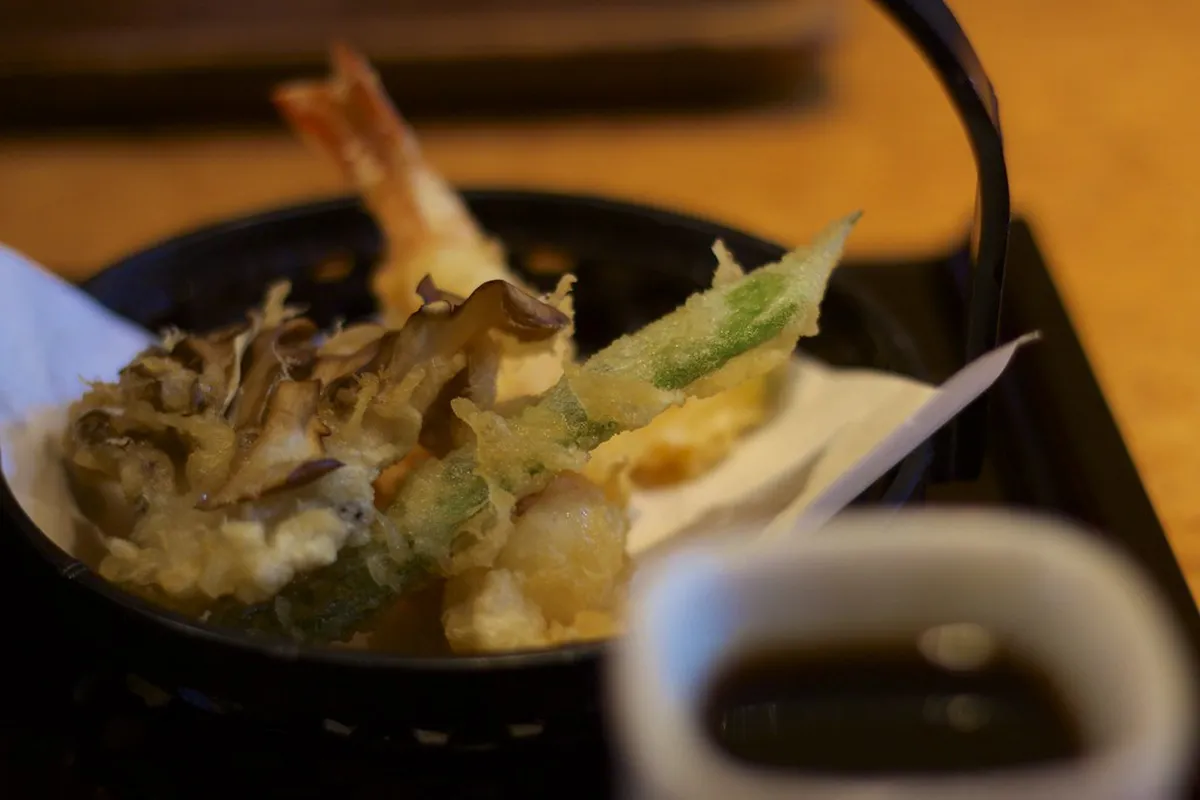
Komachi-dori is the ultimate destination for street food lovers and souvenir hunters alike. You can try unique snacks like purple sweet potato soft serve or grilled rice crackers. These small bites allow you to sample many flavors while walking toward the main shrine. Be sure to look for the famous Hato Sabure dove-shaped butter cookies for a classic gift.
Traditional Zen temple cuisine, known as Shojin Ryori, is available at several restaurants near Kencho-ji. These vegetarian meals are beautifully presented and focus on seasonal vegetables and tofu. Eating this style of food provides a deeper connection to the local monastic history. It is a calm and reflective dining experience away from the busy shopping streets.
Where to Stay: Recommended Hotels and Areas
Staying overnight allows you to experience the city after the day-trip crowds have returned to Tokyo. The Kamakura Park Hotel offers comfortable rooms with stunning ocean views. It is located near the beach, making it ideal for those who want a relaxing coastal retreat. You can easily access the Enoden line from this location for further exploration.
Budget-conscious travelers should consider the Iza Kamakura Hostel & Bar for its social atmosphere. This hostel is situated very close to Hase Station and the Great Buddha statue. It provides a great base for meeting other travelers while staying in a historic neighborhood. The staff can often provide local tips for hidden cafes and bars nearby.
Ryokans near the northern temples offer a more traditional Japanese lodging experience. These inns often include multi-course kaiseki dinners made with local ingredients. Waking up in a quiet temple district is a fantastic way to beat the morning rush. Consider these options if you want a deeper immersion into the local samurai culture.
Practical Travel Tips for a Smooth Trip
The Odakyu Enoshima-Kamakura Free Pass costs around 1,640 yen when departing from Shinjuku Station. This ticket becomes a great deal if you plan to visit both Enoshima Island and Kamakura. Travelers only visiting the city center might find a standard Suica card more cost-effective. Check the Odakyu Global - Enoshima-Kamakura Freepass Details for current pricing and coverage.
Crowd avoidance is essential during major festivals like the Reitaisai in September. Avoid the main Kamakura Station bottleneck by using the nearby Wadazuka or Yuigahama stations instead. Walking between sites is often faster than waiting for the crowded Enoden train during peak hours. You will save a lot of time by planning your route away from the primary transport hubs.
Early morning arrivals are highly recommended for photography enthusiasts who want clean shots of the temples. Most major sites open their gates at 8:00 AM or 9:00 AM. Visiting the Great Buddha first thing in the morning ensures a much quieter experience. You can then enjoy a relaxed lunch before the afternoon crowds peak in the shopping district.
Frequently Asked Questions
Is the Enoshima-Kamakura Free Pass worth it for a day trip?
The pass is worth it if you visit Enoshima and use the Enoden line at least three times. For a simple trip to the Great Buddha, using a Suica card is usually cheaper. Check the Japan Activity site for more cost comparisons on local transit.
What are the best festivals to attend in Kamakura?
The Kamakura Matsuri in April and the Reitaisai in September are the most significant cultural events. Both feature traditional dances, parades, and historical reenactments. These festivals offer a deep look into the city's samurai heritage and religious traditions.
How do I get to Kamakura from Shinjuku vs. Tokyo Station?
From Shinjuku, take the JR Shonan-Shinjuku Line for a direct one-hour journey to the city. From Tokyo Station, use the JR Yokosuka Line for a similar travel time. Both routes are frequent and covered by the Japan Rail Pass for international tourists.
Kamakura remains one of the most rewarding day trips from Tokyo for history and nature lovers. Using our transport guide ensures you spend more time sightseeing and less time in transit. Following the downhill strategy from Kita-Kamakura will save your energy for the best views. We hope this itinerary helps you create lasting memories in this ancient coastal city.
For the wider city overview, see our Kamakura attractions guide.
Free: The Kamakura Essentials guide
Top things to do, where to stay, a perfect day plan, getting around, and the best time to go — a Kamakura mini-guide you can take offline.
You might also like


Continue reading
More guides you'll find useful


