Kamakura Day Trip From Tokyo: Train, Pass & Itinerary (2026 Guide)
Kamakura day trip from Tokyo in 2026: JR Yokosuka Line vs Shonan-Shinjuku Line fares, JR Pass break-even, last train times, and a 10-step itinerary from Tokyo Station.
On this page
A Kamakura day trip from Tokyo is the easiest one-day cultural escape on the JR map: the JR Yokosuka Line covers the 51 km from Tokyo Station to Kamakura Station in roughly 60 minutes for ¥940 one-way (2026 rate), no transfer required. This guide focuses on the journey itself — departure platforms, pass break-even math, return-trip last-train cutoffs — so you can spend the day on temples instead of timetables. Exploring Kamakura offers a refreshing escape from the neon lights of Tokyo. This coastal city blends ancient samurai history with beautiful Zen temples and sandy beaches. You will find that many travelers call this region the Kyoto of the East. A well-planned Japan Activity itinerary ensures you see the Great Buddha and hidden bamboo groves in one day. For the in-Kamakura sightseeing route on its own, see our generic 1-day Kamakura sightseeing route.
Kamakura Day Trip From Tokyo: TL;DR for 2026
How long is the train from Tokyo to Kamakura? About 60 minutes on the direct JR Yokosuka Line from Tokyo Station, or 56 minutes on the JR Shonan-Shinjuku Line from Shibuya / Shinjuku. Total door-to-door, expect 75–90 minutes including platform walks.
Is the JR Pass worth it just for Kamakura? No. A round trip from Tokyo Station costs ¥1,880 in 2026, while a 7-day JR Pass is ¥50,000. The JR Pass only pays off for a Kamakura day trip if you are already using it for longer-haul rides like Tokyo–Kyoto on the same week.
What time do trains stop running back to Tokyo? The last direct JR Yokosuka Line departure from Kamakura to Tokyo Station leaves at approximately 22:53 on weekdays (2026 schedule). The last Shonan-Shinjuku Line train toward Shinjuku/Shibuya runs around 22:30. Always confirm same-day on the JR East app.
How to Get from Tokyo to Kamakura
Choosing the right train line depends on your budget and starting location in Tokyo. The JR Yokosuka Line offers the fastest direct route from Tokyo Station or Shinagawa. Travelers usually arrive at Kamakura Station in just under one hour. This route is ideal for those using a Japan Rail Pass.
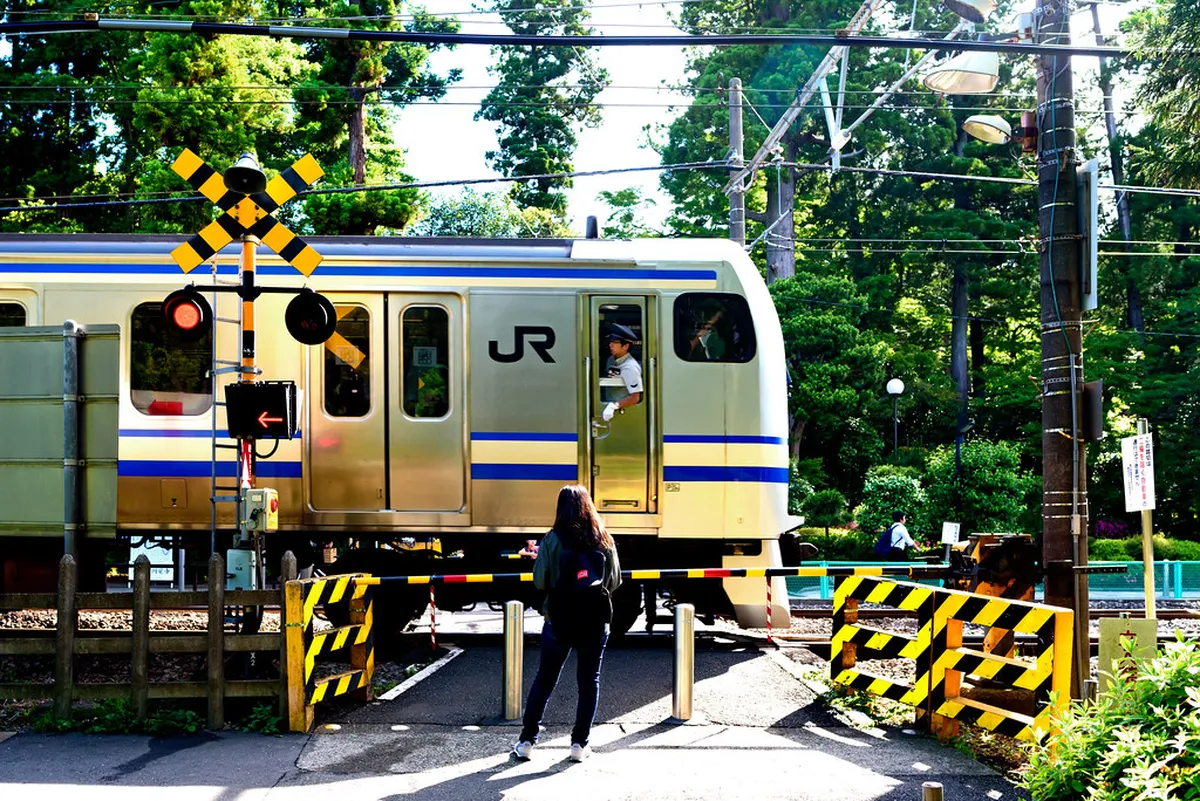
Budget-conscious travelers often prefer the Odakyu Railway from Shinjuku Station. You can purchase the Enoshima-Kamakura Free Pass for a discounted round-trip fare. This pass also includes unlimited rides on the local Enoden train line. It provides excellent value if you plan to visit the Enoshima island area.
The JR Shonan-Shinjuku Line is another convenient option for those staying in Shibuya or Ikebukuro. Most trains go directly to Kamakura, but some require a quick transfer at Ofuna. Check the digital displays at the platform to ensure you board the correct train. Reliable transport makes your Kamakura day trip itinerary from Tokyo much smoother.
- JR Yokosuka Line from Tokyo Station
- Time: 55–62 minutes
- Cost: ¥940 one-way (2026)
- Best for: Speed
- Pass: JR Pass accepted
- Odakyu Line with Free Pass
- Time: 90 minutes
- Cost: ¥1,640 round trip (2026)
- Best for: Budget
- Includes: Enoden Line access
| Route | From | Journey time | One-way cost (2026) | JR Pass valid? |
|---|---|---|---|---|
| JR Yokosuka Line | Tokyo Station | 56–62 min | ¥940 | Yes |
| JR Yokosuka Line | Shinagawa | 48–52 min | ¥820 | Yes |
| JR Shonan-Shinjuku Line | Shinjuku / Shibuya | 50–65 min | ¥940 | Yes |
| Odakyu Enoshima-Kamakura Pass | Shinjuku | 90 min | ¥1,640 round trip | No (separate pass) |
| Yokohama transfer | Yokohama | 24–28 min | ¥360 | Yes |
For deep route-by-route logistics including Enoden timetable quirks and rainy-day alternatives, see our Kamakura transportation guide.
Tokyo Departure Platforms and Station-by-Station Options
Where you start in Tokyo dictates which line is fastest, not personal preference. Tokyo Station and Shinagawa funnel you onto the JR Yokosuka Line; Shibuya, Shinjuku and Ikebukuro funnel you onto the JR Shonan-Shinjuku Line. Yokohama is a transfer hub for both. Below is the platform-level guide so you can walk straight to the right gate.
- Tokyo Station — JR Yokosuka Line, underground platforms 1–4 (Sobu/Yokosuka Line concourse, B5 floor). Direct trains to Kamakura every 10–15 minutes during daytime. Journey: 56–60 min, ¥940.
- Shinagawa Station — JR Yokosuka Line, platforms 13–14. Same train as Tokyo Station, 8 minutes shorter. Journey: 48–52 min, ¥820.
- Shinjuku Station — JR Shonan-Shinjuku Line, platforms 1–4. Direct trains every 20–30 minutes (some require transfer at Ofuna). Journey: 56–65 min, ¥940.
- Shibuya Station — JR Shonan-Shinjuku Line, platforms 3–4. Same train as Shinjuku, 6 minutes shorter. Journey: 50–58 min, ¥940.
- Ikebukuro Station — JR Shonan-Shinjuku Line, platforms 1–2. Adds 12 min vs. Shinjuku. Journey: 70–78 min, ¥1,170.
- Yokohama Station — transfer point for either JR Yokosuka or JR Shonan-Shinjuku. Useful if you stayed near the bay. Journey: 24–28 min, ¥360.
The frequency tradeoff matters: the Yokosuka Line runs roughly twice as often as the Shonan-Shinjuku Line, so if you miss one Yokosuka train you wait 10 minutes; miss a Shonan-Shinjuku and you wait up to half an hour. Departing before 9:00 AM is always faster — rush-hour-direction trains add seats but commuter-direction (toward Tokyo) is the crowded leg, not yours.
The JR Yokosuka Line runs roughly twice as often as the Shonan-Shinjuku Line during the day. Miss a Yokosuka train and you wait 10 minutes; miss a Shonan-Shinjuku and you may wait up to 30.
JR Yokosuka vs. Shonan-Shinjuku: Which Line to Pick
Both lines reach Kamakura Station directly and both accept the JR Pass and Suica/Pasmo. The decisive factors are starting station and frequency.
- Pick JR Yokosuka Line if you start at Tokyo Station, Shinagawa, or anywhere along the Keihin-Tohoku corridor. Trains run every 10–15 min during daytime; the journey is one straight shot and you keep your seat through to Kamakura.
- Pick JR Shonan-Shinjuku Line if you start at Shinjuku, Shibuya or Ikebukuro. Some Shonan-Shinjuku services terminate at Ofuna and require a 4-minute transfer to a local Yokosuka train; check the digital sign for “Zushi” or “Kurihama” as the destination, which means no transfer.
- Avoid mid-route swaps. Switching from Shonan-Shinjuku to Yokosuka mid-journey rarely saves time and frequently adds 8–15 minutes of platform-waiting.
One more wrinkle: weekday rush-hour Shonan-Shinjuku trains can be standing-room-only as far as Yokohama. If you have a 9:00 AM departure and want a seat for the full hour, the Yokosuka Line from Tokyo Station is more reliable.
Passes and Fares: JR Pass vs. Suica vs. Kamakura-Enoshima Pass
For most one-day travelers, a Suica or Pasmo IC card is the cheapest option — you simply tap and pay. The pass economics only stack up if you also plan to ride the Enoden Line or extend to Enoshima.
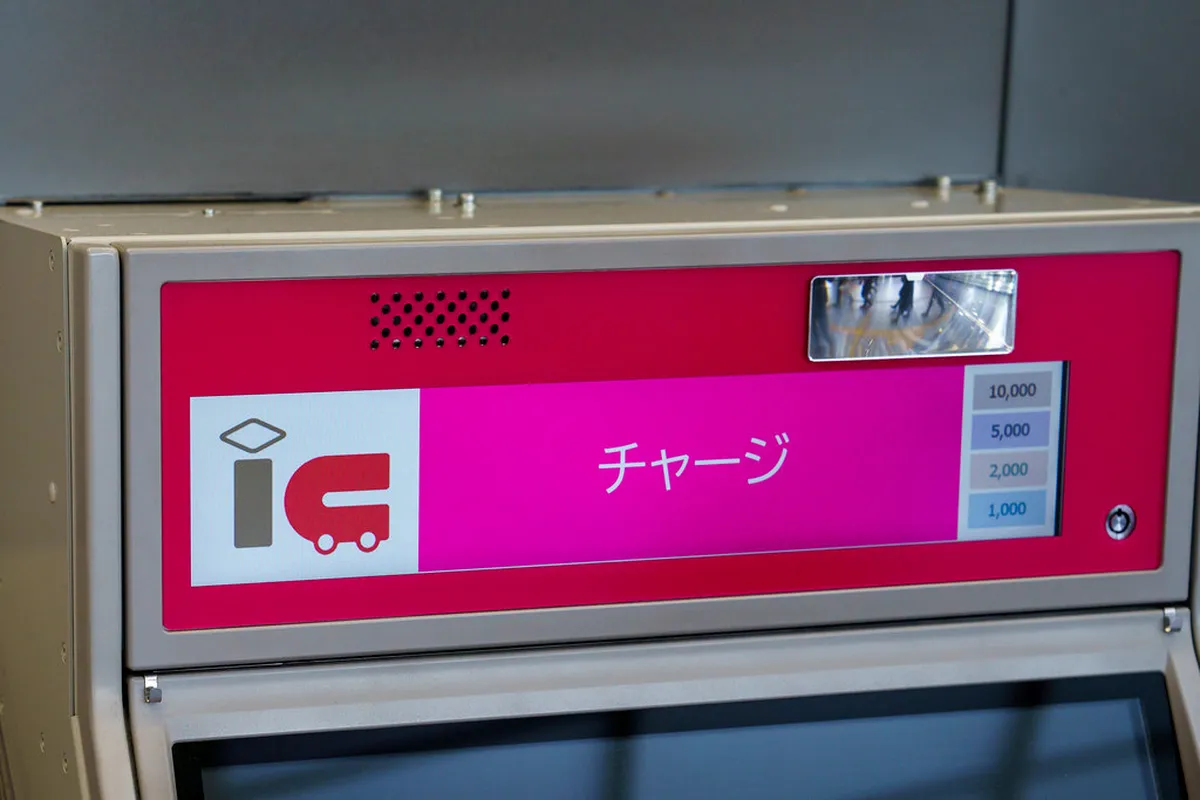
- Suica / Pasmo IC card — pay-as-you-go. Tokyo Station to Kamakura round trip costs ¥1,880 in 2026. Add ¥310 each way for the Enoden between Kamakura and Hase Station. Best when you only plan to make 1–2 train hops in Kamakura.
- Kamakura-Enoshima Pass (JR East) — ¥700 in 2026. Covers unlimited rides between Kamakura, Kita-Kamakura, and Enoshima on the JR Yokosuka Line + the entire Enoden Line for one day. Does NOT include Tokyo↔Kamakura. Buy this in addition to your Tokyo round-trip ticket if you plan to hop between four or more stops.
- Enoshima-Kamakura Free Pass (Odakyu) — ¥1,640 in 2026. Round trip from Shinjuku on the Odakyu Line PLUS unlimited Enoden rides. Best deal if you start from Shinjuku and want both Kamakura and Enoshima. Journey is 90 min vs. 60 on JR.
- 7-Day Japan Rail Pass — ¥50,000 in 2026. Covers JR Yokosuka and JR Shonan-Shinjuku trains. Break-even is roughly Tokyo–Kyoto round trip on the Tokaido Shinkansen (~¥28,000) plus a couple of long-distance hops. For a single Kamakura day trip alone the JR Pass is never worth it.
Quick break-even math: a 7-day JR Pass needs roughly ¥50,000 of paid travel to justify itself. A Tokyo–Kamakura round trip is ¥1,880, which is 3.8% of the pass. You need at least one Shinkansen leg in your week for the pass to pay off — otherwise pay-as-you-go on Suica.
How to Get Around Kamakura
The Enoden Line is the most iconic way to travel between major sightseeing spots. This charming green train runs along the coast and through narrow residential streets. It connects Kamakura Station to Hase and Enoshima.
Walking is a fantastic way to experience the quiet atmosphere of the temple districts. Many of the most famous Zen sites are located within walking distance of each other. You can follow well-marked paths that lead from Kita-Kamakura toward the city center. This approach allows you to discover small cafes and hidden gardens.
Using an IC card like Suica or Pasmo makes hopping on buses and trains very simple. Most local transport operators in the Kanagawa prefecture accept these digital payment methods. You can also rent bicycles near the main station for more flexibility. Cycling along the beach road offers a unique perspective of the coastline.
Detailed Itineraries for a One-Day Trip
Timing your visit can drastically change the atmosphere of your trip. June is famous for hydrangea blooms, while late November brings vibrant autumn colors. Arriving before 9:00 AM helps you avoid the largest tour groups. Early starts allow for peaceful moments at the most popular shrines. If you prefer a different cultural escape from Tokyo, a day trip to Kawagoe offers an equally convenient Edo-era alternative.
Weather conditions also play a role in your sightseeing success. Clear winter mornings offer the best chances to see Mount Fuji from the coast. You should check the visibility forecast if mountain views are a priority. Rainy days provide a moody and beautiful backdrop for the mossy temple gardens.
Planning your route geographically prevents unnecessary backtracking across the city. Most visitors find it efficient to start in the north and move southward. This flow naturally leads you toward the ocean for a relaxing sunset. Keep your schedule flexible to allow for spontaneous local discoveries.
Kamakura Day Trip: A Step-by-Step Itinerary From Tokyo
Start your morning at Tokyo Station underground platform 1 (or Shinjuku platform 4 if you are on the Shonan-Shinjuku Line). Catch the 7:43 JR Yokosuka Line departure to land at Kita-Kamakura Station around 8:30 AM and explore the quiet Zen temples first. This area feels much less crowded than the main station downtown. Engakuji and Kenchoji are essential stops in this district.
Walk toward Tsurugaoka Hachimangu, which serves as the most important Shinto shrine in the city. The long approach road features beautiful cherry trees and traditional gates. After paying your respects, head to Komachi-dori for a lunch break. This street is famous for its diverse street food and craft shops.
Please remember that local etiquette discourages eating while walking on Komachi-dori. Many shops provide small standing areas for customers to enjoy their snacks. Try the local whitebait croquettes or matcha ice cream while resting. Respecting these rules helps maintain the clean and pleasant atmosphere for everyone.
Book your Kamakura activities in advance to save time during your visit. Afternoon slots at the most popular temples often fill up quickly. Organizing your tickets early ensures a stress-free experience. This allows you to focus on the scenery rather than logistics.
- Depart Tokyo Station, JR Yokosuka Line
- Time: 7:43 AM
- Platform: Underground 1 (B5)
- Cost: ¥940 to Kamakura
- Duration: 56 minutes
- Arrive at Kita-Kamakura Station
- Time: 8:30 AM
- Activity: Visit Engakuji
- Atmosphere: Peaceful Zen
- Cost: ¥500
- Walk the Daibutsu Hiking Course
- Time: 10:00 AM
- Path: Wooded trails
- Difficulty: Easy to moderate
- Duration: 60 minutes
- Visit Tsurugaoka Hachimangu Shrine
- Time: 11:30 AM
- Feature: Lotus ponds
- Entry: Free
- Focus: Samurai history
- Lunch on Komachi-dori Street
- Time: 12:30 PM
- Food: Shirasu (whitebait)
- Etiquette: No walking-eating
- Shopping: Local crafts
- Ride the Enoden Line to Hase
- Time: 2:00 PM
- Route: Scenic coastal
- Stop: Hase Station
- Vibe: Retro train
- Marvel at the Great Buddha
- Time: 2:30 PM
- Site: Kotoku-in
- Feature: Bronze statue
- Height: 11.3 meters
- Explore Hasedera Temple Gardens
- Time: 3:30 PM
- View: Sagami Bay
- Flower: Seasonal hydrangeas
- Bonus: Cave shrine
- Photo at Kamakura-kokomae Crossing
- Time: 4:30 PM
- Theme: Slam Dunk anime
- Tip: Stay off tracks
- View: Ocean backdrop
- Sunset at Yuigahama Beach
- Time: 5:30 PM
- Activity: Relaxing walk
- Vibe: Coastal breeze
- Cost: Free
- Return Train to Tokyo Station
- Time: 7:00 PM
- Route: JR Yokosuka Line direct
- Dinner: Station bento
- Arrival: ~8:05 PM Tokyo Station
Must-See Kamakura Attractions
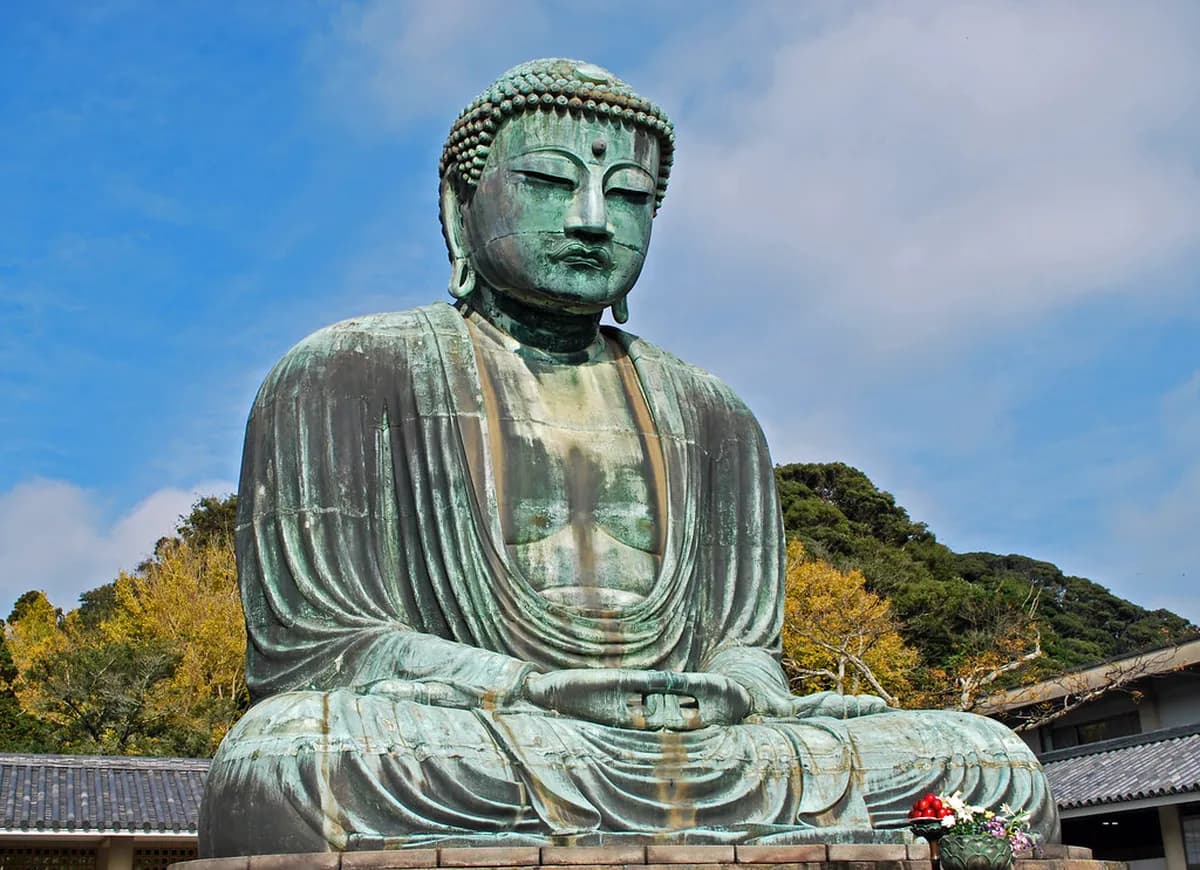
The Great Buddha at Kotoku-in is the most famous landmark in the entire city. This massive bronze statue has survived typhoons and earthquakes since the 13th century. It remains an awe-inspiring sight for every first-time visitor.
Hasedera Temple is another essential stop located just a short walk from the Buddha. It is famous for its stunning gardens and the eleven-headed statue of Kannon. The temple grounds offer a panoramic view of the coastline and the town below. Many people enjoy the peaceful atmosphere of the underground cave shrine.
Tsurugaoka Hachimangu stands as the cultural heart of the city near the main station. It was founded by the first shogun of the Kamakura period. You can see traditional wedding processions here on many weekends. The surrounding ponds and bridges provide excellent photography opportunities throughout the year.
Use the Google Maps Location for Kotoku-in to navigate easily between sites. Finding your way around the Hase district is simple with digital maps. Most attractions are grouped together in this historic neighborhood. This makes it easy to see multiple sites in one afternoon. For deeper context on each landmark, see our Kamakura attractions guide.
Museums, Art, and Culture in Kamakura
The Kamakura Museum of Literature is housed in a beautiful western-style villa. It showcases the works of many famous authors who lived in this coastal town. The museum gardens are particularly lovely during the rose blooming season.
Zen Buddhism has deeply influenced the architecture and daily life of the region. Many temples offer public meditation sessions for those seeking a deeper experience. You can observe the minimalist design and careful landscaping in the older temple complexes. These sites provide a quiet space for reflection away from the busy streets.
The Hojo clan played a significant role in shaping the history of this former capital. Their legacy is visible in the many family temples scattered across the hills. Visiting these smaller sites offers a more intimate look at samurai history. You will find fewer tourists at these locations compared to the Great Buddha.
Parks, Gardens, and Outdoor Spots in Kamakura
Hokokuji Temple is world-famous for its small but dense bamboo grove. You can enjoy a bowl of matcha tea while sitting among the towering green stalks. This hidden gem provides a cool and serene environment even on hot summer days. It is often referred to as the Bamboo Temple by international visitors.
The Daibutsu Hiking Course connects the northern temples to the Great Buddha area. This trail takes about an hour and leads you through lush forests and ridge paths. The hike is a great way to see the city's natural geography.
Meigetsu-in Temple becomes the center of attention during the hydrangea season in June. Thousands of blue flowers line the paths and surround the ancient structures. The temple's circular window offers a famous view of the rear garden. Expect larger crowds during this peak floral window in early summer.
Family-Friendly and Budget-Friendly Options
Families often enjoy spending time at Yuigahama Beach during the warmer months. The shallow waters and sandy shores are perfect for children to play safely. You can watch local surfers or simply enjoy a picnic with a view of the ocean. The beach is only a short walk from the Enoden Hase Station.
Many of the smaller shrines and temples offer free admission to the public. You can explore the beautiful grounds of Tsurugaoka Hachimangu without paying an entry fee. This makes it easy to experience the local culture on a limited budget. Walking through the historic residential streets is also a free and rewarding activity.
Street food on Komachi-dori provides a cost-effective way to sample local flavors. You can find everything from savory rice crackers to sweet bean-filled pastries. Sharing different snacks allows you to try many items without spending a lot of money.
The last direct JR Yokosuka Line from Kamakura to Tokyo Station departs at approximately 22:53 on weekdays (2026). Aim to be at Kamakura Station by 22:00 to leave a buffer for slow Enoden returns from Hase or Enoshima.
Return Trip Logistics: Last Trains Back to Tokyo
The return leg is where most day-trippers slip up. Kamakura is rural enough that the last train window closes earlier than in central Tokyo, and missing it forces a costly taxi or hotel scramble. Lock these times into your phone before you leave Tokyo Station in the morning.
- Last JR Yokosuka Line direct to Tokyo Station — approximately 22:53 weekdays, 22:48 weekends (2026 schedule). Arrives Tokyo Station around 23:55.
- Last JR Shonan-Shinjuku Line toward Shinjuku/Shibuya — approximately 22:30 weekdays. Some services terminate at Ofuna with a transfer; double-check on the JR East app the same day.
- Last Odakyu Line from Fujisawa to Shinjuku — approximately 23:45. If you missed the Yokosuka Line direct, hop the Enoden to Fujisawa and switch to Odakyu.
- Practical buffer: aim to be at Kamakura Station no later than 22:00. The last 30 minutes give you margin for slow Enoden returns from Hase or Enoshima.
If you miss the last train, options are: a taxi to Yokohama Station (~¥9,000, 35 min) where late-night options to Tokyo run until midnight; or check into a Kamakura business hotel near the station — expect ¥9,000–¥15,000 walk-in rates in 2026. For a planned overnight, see our pick of the best ryokans in Kamakura.
Check Hotel Availability and Recommended Stays
Staying overnight allows you to experience the city after the day-trippers leave. The atmosphere becomes much quieter and more local in the evening hours. You can enjoy a peaceful dinner at one of the many small coastal restaurants. Early morning walks through the temples are only possible if you stay nearby.
Accommodations range from traditional Japanese ryokans to modern boutique hotels. Booking your room several months in advance is highly recommended for 2026 travel. Popular weekends and holiday periods often see hotels reach full capacity quickly. Check for places near the beach if you want a relaxing resort vibe.
Staying near Kamakura Station provides the best access to transport and dining. The Hase area offers a more historic and quiet setting for your stay. Consider your priority between convenience and atmosphere when choosing a location. A two-day visit allows for a much more relaxed exploration of the region. If you want a full evening plan after sunset, see our Kamakura nightlife itinerary for late-night transport and bar logistics.
Frequently Asked Questions
How long is the train from Tokyo to Kamakura?
The direct JR Yokosuka Line from Tokyo Station to Kamakura Station takes 56–62 minutes and costs ¥940 one-way in 2026. From Shibuya or Shinjuku, the JR Shonan-Shinjuku Line covers the same trip in 50–65 minutes for ¥940. Door-to-door, plan for 75–90 minutes.
Is the JR Pass worth it for a Kamakura day trip?
No. A 7-day JR Pass costs ¥50,000 in 2026 while a Tokyo–Kamakura round trip is ¥1,880. The JR Pass only pays off if you also use it for at least one long-distance Shinkansen leg, like Tokyo–Kyoto, in the same week. For a standalone Kamakura day trip, a Suica or Pasmo IC card is far cheaper.
What time do trains stop running back to Tokyo from Kamakura?
The last direct JR Yokosuka Line train from Kamakura to Tokyo Station departs at approximately 22:53 on weekdays in 2026, arriving Tokyo around 23:55. The last Shonan-Shinjuku Line toward Shinjuku/Shibuya runs around 22:30. Aim to be at Kamakura Station by 22:00 to allow buffer for slow Enoden returns.
Should I take the JR Yokosuka Line or the Shonan-Shinjuku Line?
Pick the Yokosuka Line if you start at Tokyo Station or Shinagawa — it runs every 10–15 minutes and most trains are direct. Pick the Shonan-Shinjuku Line from Shibuya, Shinjuku, or Ikebukuro, but check the destination sign: only trains marked “Zushi” or “Kurihama” reach Kamakura without a transfer at Ofuna.
What happens if I miss the last train back to Tokyo?
You have two options. Take a taxi to Yokohama Station (~¥9,000, 35 minutes) where late-night services to Tokyo run until midnight, or stay overnight in Kamakura. Walk-in business hotels near Kamakura Station typically run ¥9,000–¥15,000 in 2026. Booking ahead is much cheaper.
Is the Enoshima Kamakura Free Pass worth it?
Yes, the pass is worth it if you plan to visit both Enoshima and Kamakura in one day. It covers your round-trip from Shinjuku and provides unlimited Enoden rides. This can save you several hundred yen compared to individual tickets. Check more Kamakura activities to maximize your pass value.
How much time should you plan for a Kamakura day trip?
You should plan at least 8 to 10 hours for a full experience. This allows enough time to see the Great Buddha, visit two major temples, and enjoy lunch. Most travelers leave Tokyo around 8:00 AM and return after sunset. A longer stay helps you avoid rushing between sites.
Can you see Mount Fuji from Kamakura?
Yes, Mount Fuji is visible from several coastal spots on clear days. Yuigahama Beach and Inamuragasaki Park offer some of the best viewpoints. Visibility is usually highest during the cold, dry winter months. Early mornings provide the crispest views before clouds form around the peak.
What should travelers avoid when visiting Kamakura?
Avoid eating while walking on busy shopping streets like Komachi-dori. It is considered impolite and creates litter issues in the narrow thoroughfares. You should also avoid visiting during midday on weekends if you dislike heavy crowds. Try to arrive early at the Great Buddha to beat the tour buses.
A Kamakura day trip from Tokyo offers a perfect blend of culture and nature when you handle the train logistics first and the temples second. The JR Yokosuka Line from Tokyo Station at ¥940 is the simplest play; the Odakyu Enoshima-Kamakura Free Pass is the smartest if you start in Shinjuku and want Enoshima too; and a 22:00 cutoff at Kamakura Station keeps the return leg painless. Lock the times in, leave the rest to spontaneity, and you will be back in Tokyo before the city itself winds down. If you're planning other Tokyo day trips, explore alternatives beyond Kamakura's temples and coast.
Free: The Kamakura Essentials guide
Top things to do, where to stay, a perfect day plan, getting around, and the best time to go — a Kamakura mini-guide you can take offline.
You might also like


Continue reading
More guides you'll find useful