Kamakura Day Trip Itinerary 2026: 10 Essential Planning Tips
The ultimate Kamakura day trip itinerary for 2026. Includes Tokyo transport guides, hidden samurai temples, Enoden line tips, and the best street food spots.
On this page
Kamakura offers a perfect escape from the neon lights of Tokyo into a world of ancient samurai history. This coastal city remains a top destination for travelers seeking Zen temples and beautiful ocean views. Planning a successful journey requires understanding the latest transport options and crowd management strategies.
A well-structured kamakura day trip itinerary 2026 ensures you see the Great Buddha and hidden gems without feeling rushed. Most visitors start their day early to beat the afternoon tourist surge at the most popular landmarks. You will find that this guide balances iconic sights with quiet corners for a peaceful experience.
The year 2026 brings updated transit schedules and new local regulations to help manage the growing number of visitors. Travelers can enjoy a mix of traditional culture and modern street food along the famous Komachi-dori. Follow this expert plan to maximize your time in Japan's historic seaside capital.
Essential Logistics: Getting from Tokyo to Kamakura
The JR Yokosuka Line offers the fastest direct route from Tokyo Station to the heart of this ancient coastal city. Most trains depart every fifteen minutes and reach Kamakura in approximately one hour. Travelers can use their standard Suica or PASMO cards for a seamless boarding process. This route is particularly convenient for those staying near Tokyo or Shinagawa stations.
Alternatively, the Odakyu Line provides a budget-friendly option departing from Shinjuku Station. This route involves a transfer at Fujisawa Station but offers the Enoshima-Kamakura Free Pass. The pass covers the round trip from Shinjuku and unlimited rides on the local Enoden train. Choosing this option can save money if you plan to explore the entire coastline.
For those who prefer a more comfortable stay before their early morning start, consider booking a room nearby. Staying at the Sotetsu Fresa Inn Kamakura puts you just one stop away from the main temples. This location allows you to reach the sights before the large tour buses arrive from central Tokyo. Early arrivals often enjoy the most peaceful atmosphere at the shrines.
- JR Yokosuka Line Direct
- Start: Tokyo or Shinagawa
- Time: 60 minutes total
- Cost: 950 yen one-way
- Best for: Speed and comfort
- Odakyu Enoshima-Kamakura Pass
- Start: Shinjuku Station
- Time: 90 minutes total
- Cost: 1,640 yen pass
- Best for: Budget travelers
| Route | From | Time | Cost | Best for |
|---|---|---|---|---|
| JR Yokosuka Line | Tokyo / Shinagawa | 60 min | 950 yen one-way | Speed and simplicity |
| JR Shonan-Shinjuku Line | Shinjuku / Shibuya | 56–65 min | 940 yen one-way | West Tokyo travelers |
| Odakyu Enoshima-Kamakura Pass | Shinjuku | 90 min | 1,640 yen round trip | Budget + Enoshima extension |
| Enoden Day Pass (Noriorikun) | In Kamakura | Unlimited hops | 800 yen | Coastal sightseeing loop |
The Odakyu Enoshima-Kamakura Free Pass (1,640 yen from Shinjuku) includes unlimited Enoden rides for one day — the best value if you plan to visit both Kamakura and Enoshima Island.
Getting Around: The Enoden Line and Walking Routes
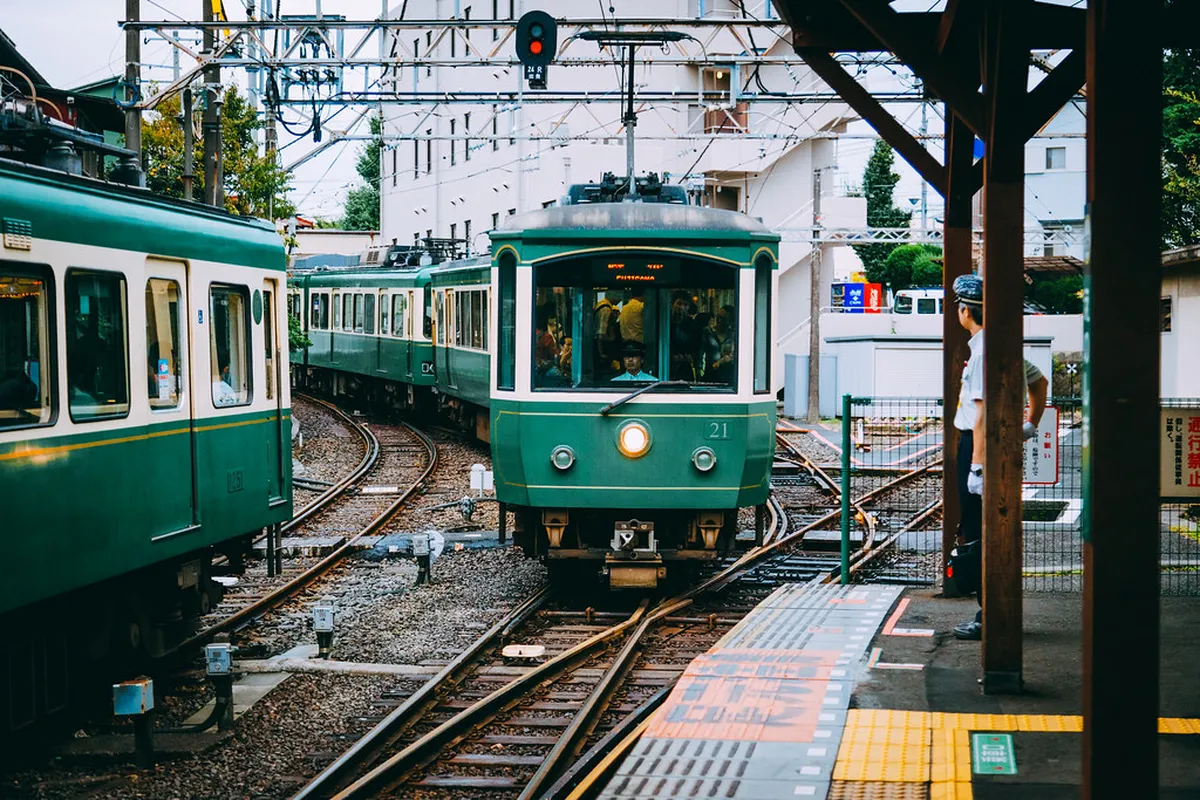
The Enoden Line is an iconic green train that slowly winds through narrow streets and along the coast. It connects Kamakura Station with the beach areas and the famous Enoshima Island. Riding this historic train is an experience in itself and offers great views of Sagami Bay. You should purchase the Noriorikun day pass if you plan to hop on and off frequently.
Walking remains the best way to explore the dense temple district in the northern part of the city. A popular route begins at Kita-Kamakura Station and leads south toward the city center. This path takes you through quiet residential streets and past several significant Zen temples. Most travelers find that walking between sites reveals hidden details that buses often miss.
Using a digital IC card like Suica or PASMO makes navigating the Enoden and local buses much easier. You can simply tap your phone or card at the station gates without buying individual paper tickets. This saves valuable time during the busy peak hours in 2026. Keep your balance topped up at any ticket machine before heading to the coastal stations.
- Enoden Line One-Day Pass
- Official Name: Noriorikun Pass
- Cost: 800 yen adults
- Value: Unlimited train rides
- Where: Any Enoden station
The Perfect 1-Day Kamakura Day Trip Itinerary 2026
Start your morning at Kita-Kamakura Station by 8:30 AM to enjoy the quietest hours of the day. Visit Engaku-ji and Kencho-ji temples as you begin your walk toward the city center. These sites offer stunning Zen architecture and peaceful forest backdrops. This early start allows you to reach the main shrine before the midday crowds arrive.
Head toward Tsurugaoka Hachimangu by late morning to see the city's most important Shinto shrine. Afterward, stroll down Komachi-dori for a quick lunch and some local souvenir shopping. This vibrant street is famous for its unique snacks and traditional Japanese crafts. Many visitors enjoy the mix of modern boutiques and old-fashioned tea houses found here.
Spend your afternoon taking the Enoden train to Hase Station for the Great Buddha and Hasedera Temple. The coastal views from the train provide a refreshing change of pace from the temple walks. End your day by watching the sunset at Yuigahama Beach or Enoshima Island. This full-day loop covers the most essential sights while maintaining a relaxed pace for 2026.
Must-See Landmarks: From the Great Buddha to Hasedera
The Kotoku-in Temple houses the iconic Great Buddha, a massive bronze statue that has survived since the 13th century. Visitors can even step inside the hollow statue for a small additional fee of 50 yen. This landmark is one of the most iconic Kamakura landmarks and a symbol of Japanese resilience. Photographers should arrive early to capture the statue without large groups of people in the frame.
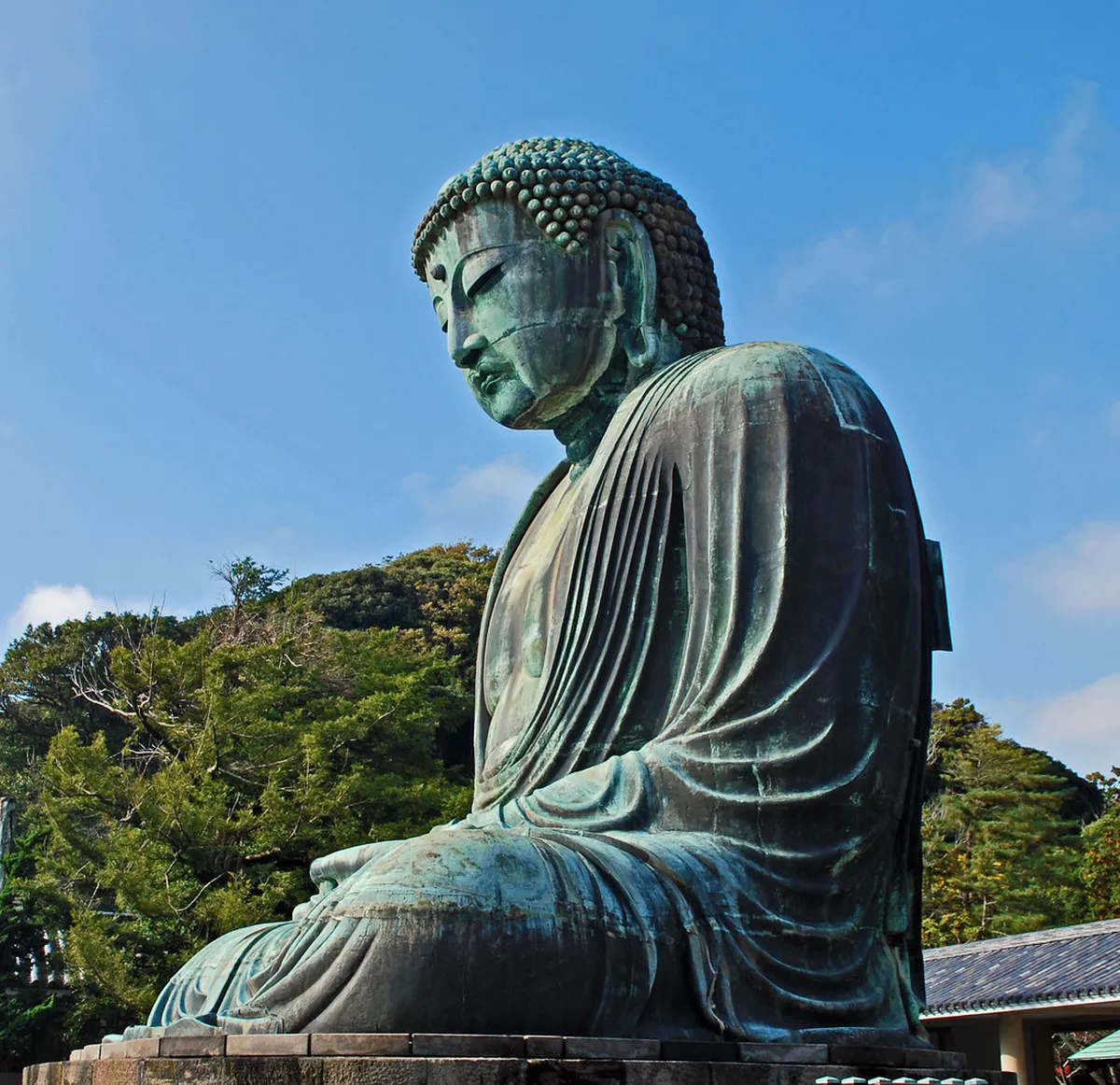
Nearby, Hasedera Temple offers some of the most beautiful garden landscapes and coastal vistas in the region. The temple is famous for its statue of Kannon and its thousands of small Jizo statues. You can see the ocean from the observation deck while enjoying a peaceful moment. Check the Hasedera temple - Kamakura (Flickr/Visual Reference) for a preview of its seasonal floral beauty.
Tsurugaoka Hachimangu serves as the spiritual heart of the city and features a grand approach lined with cherry trees. The shrine complex includes several ponds and smaller sub-shrines that are worth exploring. It was founded by the first shogun of the Kamakura period and holds deep historical significance. Walking through the massive torii gates provides a powerful sense of the city's samurai past.
The Hidden History: Samurai Secrets and the "Divorce Temple"
Tokei-ji Temple holds a unique place in Japanese history as a sanctuary for women seeking divorce during the feudal era. It was known as the "Divorce Temple" because it provided legal protection to women who stayed there for three years. Today, it is a peaceful Zen temple famous for its beautiful plum blossoms and quiet atmosphere. History buffs will appreciate the rare insight into the social structures of the samurai period.
The city's identity is deeply tied to the Kamakura Period, when it served as the political capital of Japan. Many temples were built by samurai families to demonstrate their devotion and power. You can see these influences in the robust architecture and strategic locations of the mountain temples. Exploring these sites offers a deeper understanding of the warrior class that once ruled the nation.
For a broader look at the region's cultural evolution, visit the local museums nestled in the hills. The Kamakura Museum of Literature (Official/Visual Reference) is housed in a stunning Western-style villa. It showcases the works of famous authors who were inspired by the city's unique charm. This spot provides a quiet break from the more crowded religious sites nearby.
During the Kamakura Matsuri (April) and Reitaisai (September), the Enoden Line runs at severe capacity on festival days. Arrive at Kamakura Station before 9:00 AM to board with ease, or walk between Hase and the city center instead of waiting for the train.
4 Lesser-Known Spots to Avoid the 2026 Crowds
Zeniarai Benzaiten is a hidden gem where visitors wash their money in a sacred spring to invite wealth. The shrine is located inside a cave and requires a short uphill walk from the city center. It offers a mystical atmosphere that feels worlds away from the busy shopping streets. Many locals visit here to pray for financial success and good fortune.
Hokokuji Temple is famous for its small but stunning bamboo grove located behind the main hall. You can enjoy a bowl of matcha tea while sitting among the towering bamboo stalks. This site is often less crowded than the famous bamboo forests in Kyoto. It provides a serene environment for meditation and photography during your day trip.
Sasuke Inari Shrine features a long path of red torii gates winding up a forested hillside. It is dedicated to the fox spirits and was historically a place of prayer for the Minamoto clan. The secluded location makes it a perfect escape for those looking to avoid the 2026 tourist surge. You will find hundreds of small fox statues hidden among the trees and rocks.
- Zeniarai Benzaiten Ugafuku Shrine
- Best for: Washing money for luck
- Access: 20-minute walk from station
- Cost: Free (bring coins)
- Vibe: Hidden cave atmosphere
- Hokokuji Bamboo Temple
- Best for: Matcha and bamboo
- Access: Short bus ride
- Cost: 300 yen entry
- Vibe: Quiet and green
- Sasuke Inari Hidden Shrine
- Best for: Red torii gates
- Access: Near Zeniarai Benzaiten
- Cost: Free entry
- Vibe: Secluded and mystical
- Ankokuron-ji Mountain Temple
- Best for: Mount Fuji views
- Access: 15-minute walk
- Cost: 100 yen entry
- Vibe: Panoramic and peaceful
Kamakura Foodie Guide: Shirasu and Street Food Trends
Shirasu, or baby whitebait, is the most famous local specialty you must try during your visit. It is often served raw or boiled over a bowl of rice, known as Shirasu-don. Many restaurants near the station and along the coast offer this fresh seasonal delicacy. The taste is delicate and salty, reflecting the city's close connection to the sea.
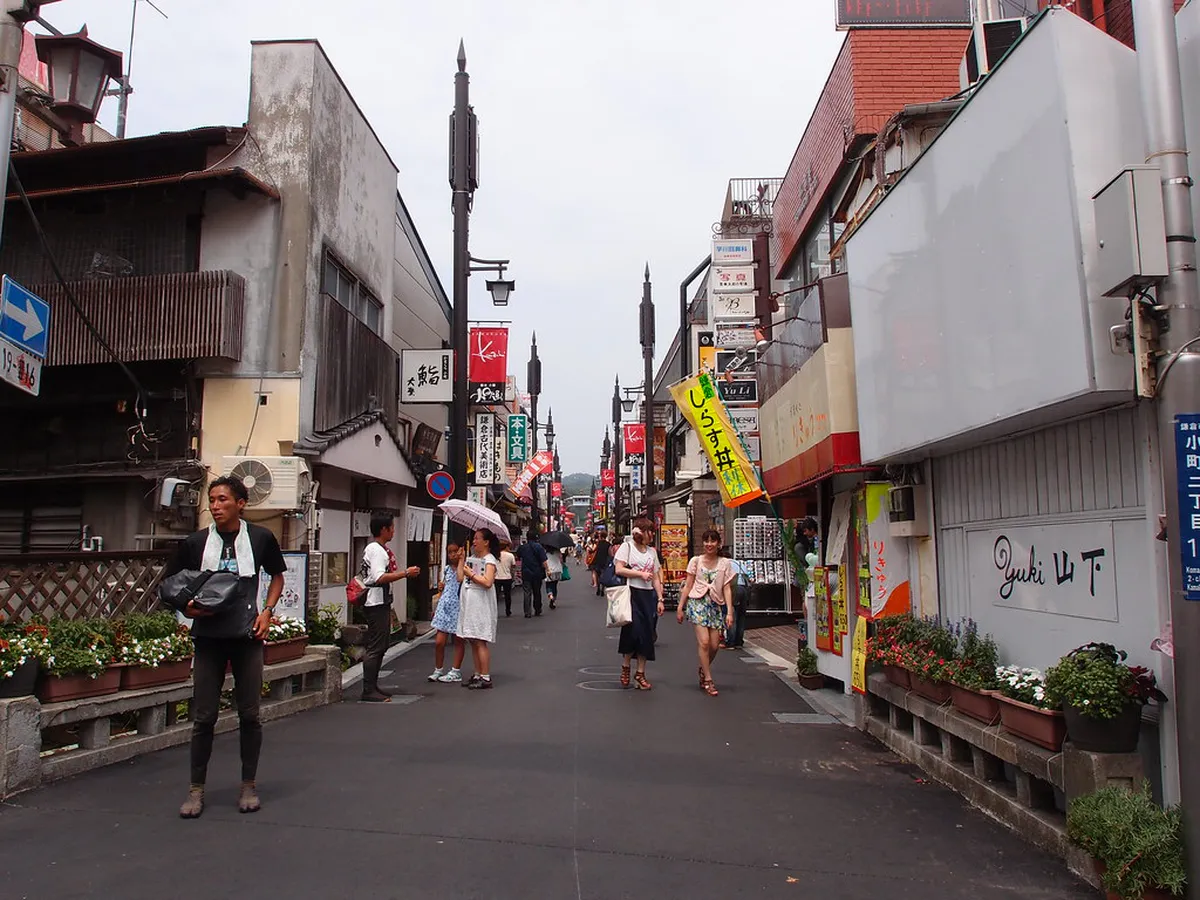
Komachi-dori is the center of the local street food scene, offering everything from matcha ice cream to grilled rice crackers. You can find unique snacks like purple sweet potato croquettes and giant senbei crackers. Please remember that local etiquette in 2026 discourages eating while walking to keep the streets clean. Most shops provide a small standing area where you can enjoy your food comfortably.
For a more relaxed dining experience, look for hidden cafes in converted traditional houses. The Iza Kamakura Hostel & Bar offers a friendly spot to grab a drink and meet other travelers. These local establishments often use fresh ingredients sourced directly from the nearby markets. Ending your day with a local craft beer or a traditional tea is highly recommended.
Kamakura Photography Guide: Most Instagrammable Spots
The railroad crossing near Kamakurakoko-mae Station is world-famous among fans of the "Slam Dunk" anime. You can capture the green Enoden train passing with the sparkling blue ocean in the background. However, please be mindful of traffic and residents when taking your photos in this area. Local authorities have requested that visitors stay off the tracks to ensure safety for everyone.
Hasedera Temple provides incredible panoramic views of the coastline from its upper observation deck. The gardens are meticulously maintained and offer different colors depending on the season you visit. June is particularly popular for the vibrant hydrangeas that bloom across the temple grounds. Use a wide-angle lens to capture the scale of the temple architecture against the sea.
The Great Buddha statue at Kotoku-in remains the most photographed landmark in the entire city. For the best lighting, try to visit during the late afternoon when the sun hits the bronze surface. You can find more inspiration for your trip planning at Japan Activity to discover other scenic locations. Remember to silence your camera shutter when inside temple halls to respect those praying.
Comparing Day Trips: Kamakura vs. Hakone vs. Nikko
Kamakura is often called the "Kyoto of the East" because of its high concentration of historical temples. It is the easiest day trip from Tokyo for those who want a mix of history and beach vibes. Compared to Hakone, it is much more walkable and requires less complex transportation planning. You can see the major highlights without needing a multi-day pass or cable cars.
Hakone is better suited for travelers looking for hot springs and iconic views of Mount Fuji. While it is beautiful, the journey often takes longer and can be more expensive due to various transport modes. Nikko offers grander, more ornate shrines and stunning mountain scenery further north of Tokyo. Each destination has a unique atmosphere, but Kamakura remains the top choice for a relaxed, coastal experience.
Cost is another factor to consider when choosing your day trip destination for 2026. A trip to Kamakura typically costs less in transit and entry fees than a full day exploring things to do in Nikko. The proximity to Tokyo allows for a full day of exploration without feeling exhausted by travel time. Most visitors find that the Zen atmosphere here provides a perfect balance to the energy of the capital.
- Kamakura Coastal Zen Escape
- Travel Time: 60 minutes from Tokyo
- Best for: Temples and beaches
- Main Draw: Giant Buddha statue
- Vibe: Historical and relaxed
- Hakone Mountain Onsen Trip
- Travel Time: 90-120 minutes
- Best for: Hot springs and Fuji
- Main Draw: Lake Ashi cruises
- Vibe: Scenic and resort-like
- Nikko Grand Shrine Journey
- Travel Time: 120 minutes
- Best for: Ornate architecture
- Main Draw: Toshogu Shrine
- Vibe: Majestic and mountainous
Frequently Asked Questions
Can you do Kamakura in one day?
Yes, you can easily explore Kamakura's main highlights in a single day. Most visitors cover the Great Buddha, Hasedera, and Tsurugaoka Hachimangu within eight hours. Starting your day by 9:00 AM allows for a relaxed pace and time for a coastal lunch. Check out more iconic Kamakura landmarks to prioritize your must-see spots.
Is the Enoshima-Kamakura Free Pass worth it in 2026?
The Enoshima-Kamakura Free Pass is worth it if you depart from Shinjuku and plan to visit Enoshima Island. It covers your round-trip fare and unlimited Enoden rides for one low price. If you are staying near Tokyo Station, using a standard IC card is usually more convenient. Evaluate your starting point to choose the best value.
What is the best time of day to visit the Great Buddha?
The best time to visit the Great Buddha is immediately after the gates open at 8:00 AM. This allows you to avoid the large tour groups that typically arrive around mid-morning. Late afternoon also offers beautiful lighting for photography as the sun begins to set. Visiting early ensures a more contemplative and peaceful experience at this sacred site.
How do I get from Kamakura Station to the Bamboo Forest?
You can reach the Hokokuji Bamboo Forest by taking a short 10-minute bus ride from Kamakura Station. Look for buses departing from the east exit towards Jomyoji. Alternatively, it is a pleasant 20-to-30-minute walk through the city's charming residential neighborhoods. Walking allows you to see smaller shrines and local gardens along the way.
A day trip to Kamakura offers a refreshing blend of coastal beauty and deep historical roots. Following a structured kamakura day trip itinerary 2026 helps you navigate the city's top sights with ease and confidence. You will leave with a greater appreciation for Japan's samurai heritage and its peaceful Zen traditions.
Remember to start your journey early and respect local etiquette to ensure a positive experience for everyone. Whether you are photographing the Enoden train or tasting fresh shirasu, the city provides endless opportunities for discovery. This ancient capital remains one of the most rewarding excursions you can take from Tokyo.
Plan your visit carefully to balance the famous landmarks with the hidden gems found in the hills. The memories of the Great Buddha and the sunset over Sagami Bay will stay with you long after you return. Enjoy your journey through this historic seaside treasure and embrace the timeless charm of Kamakura.
For the wider city overview, see our Kamakura attractions guide.
Free: The Kamakura Essentials guide
Top things to do, where to stay, a perfect day plan, getting around, and the best time to go — a Kamakura mini-guide you can take offline.
You might also like


Continue reading
More guides you'll find useful