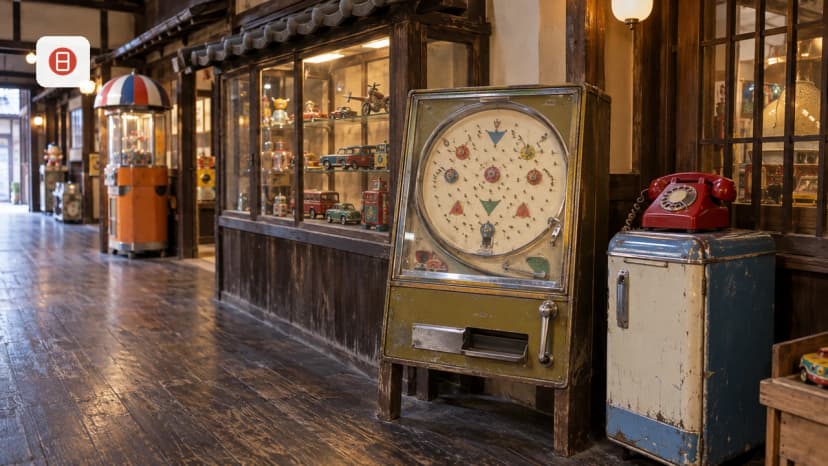
Takayama is a mountain city in Gifu Prefecture that feels like a step back into the Edo period. One of the most authentic ways to experience its local charm is by visiting the riverside morning market before the tour buses arrive. This miyagawa morning market visitor guide covers everything you need: what to eat, what to buy, how to get there, and how to behave so vendors actually enjoy talking to you.
The market stalls line the eastern bank of the Miyagawa River and have been doing so for over 200 years. Local farmers, many of them elderly women, bring fresh produce and handmade crafts from the surrounding Hida highlands every single morning. Exploring these stalls is an essential part of any Takayama visit in 2026.
The atmosphere is defined by the smell of grilled mochi and the sound of rushing river water below the red Nakabashi Bridge. Visitors who arrive by 08:00 get the best produce selection and the quietest experience. Everything here closes by noon, so the morning window matters.
Essential History and Atmosphere of Miyagawa Morning Market
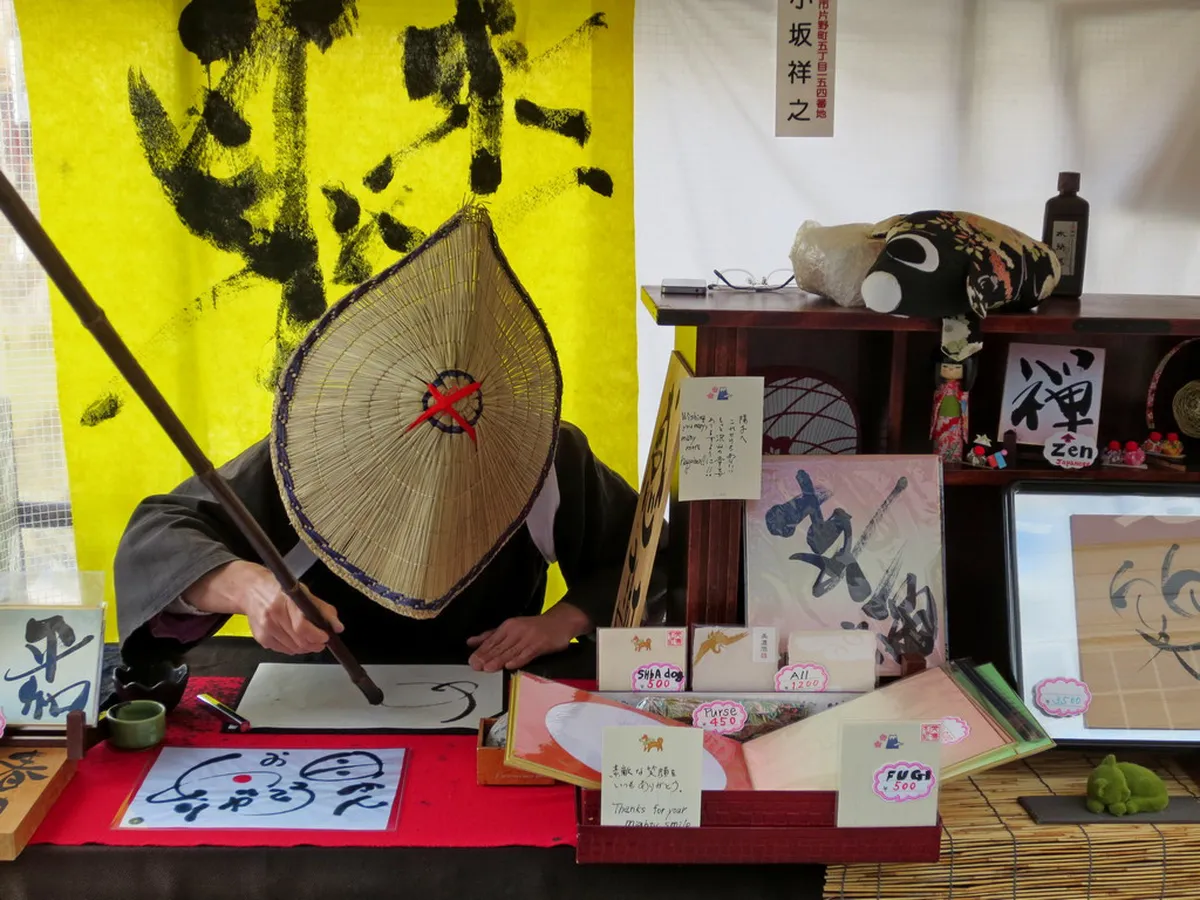
The morning market tradition in Takayama dates back to the Edo period, when local farmers gathered near the river to sell mulberry and silk to regional merchants. Over generations, that trading post evolved into the daily open-air food and craft market that draws visitors from across Japan today. The Miyagawa market is widely considered one of the largest and most famous morning markets in the country.
Walking the stalls in 2026, you still feel the community-oriented character that makes this place stand out from tourist-facing markets elsewhere. Vendors arrange their stalls under white canvas tents along a paved pedestrian walkway that runs between the Kaji-bashi and Yayoi-bashi bridges. The riverside setting adds a natural backdrop that gives the whole experience a calm, unhurried quality even when it gets busy.
The market carries the Japanese word "Asaichi" — literally "morning market" — and that tradition carries real social weight in Hida culture. For the vendors, this is not a side hustle; it is often the primary way they sell to the community. That context is worth keeping in mind as you browse, because it shapes how you should interact with the stalls and the people behind them.
📍 Where to Find the Morning Markets (Miyagawa vs. Jinya-mae)
Takayama has two morning markets operating simultaneously every day, and visitors often confuse them. Knowing the difference before you arrive will help you plan your morning more efficiently.
The Miyagawa Morning Market runs along the eastern bank of the Miyagawa River, between Kaji-bashi and Yayoi-bashi bridges. It is the larger of the two, with roughly 40–50 stalls on a busy morning, and covers a mix of street food, fresh produce, pickles, crafts, and souvenirs. The scenic riverside location makes it the more photogenic choice and the natural first stop for most visitors.
The Jinya-mae Morning Market sits directly in front of the historic Takayama Jinya government building, about 10 minutes' walk west. It is noticeably smaller — typically 10–20 stalls — and leans more toward fresh vegetables, homemade miso, and local produce than crafts or snacks. The atmosphere is calmer and more neighbourhood-oriented, which some visitors prefer. Both markets open around 07:00 and close at noon; both are free to browse.
If you have one morning, start at Miyagawa for the food and photography, then walk to Jinya-mae afterward if time allows. If your primary interest is produce and local pantry staples, Jinya-mae is the better fit.
🍢 What to Eat: Must-Try Local Street Food
The food at Miyagawa is what most visitors remember longest. Prices are low — most snacks cost between ¥200 and ¥600 — so ordering several things while walking is easy and encouraged.
- Gohei Mochi — skewered rice cake coated in a sweet walnut or miso sauce and grilled over charcoal. This is the signature Hida snack and almost every stall sells a version. Expect to pay around ¥200–300.
- Hoba Miso — a thick, savoury miso paste paired with a dried magnolia leaf. Vendors sell it pre-packaged as a take-home souvenir, but some stalls grill it on-site over a small burner. It is rarely found outside the Hida region, making it one of the best pantry souvenirs you can buy here.
- Hida Beef Bun — a steamed bun filled with premium Hida wagyu. Richer and beefier than a standard nikuman, and a serious breakfast at around ¥400–600.
- Takayama Pickles (Tsukemono) — thinly sliced vegetables fermented with a mild, clean flavour specific to the Hida highlands. Try a small sample before buying; many vendors offer them freely.
- Hida Coffee — several stalls brew drip coffee using local water and regional blends. On a cool mountain morning, a hot cup while overlooking the river is a simple pleasure worth building time for.
Eating while strolling is acceptable at the market, but finish your food and dispose of the wrapper before approaching the next stall. Arriving hungry makes the whole experience more rewarding.
🛍️ What to Buy: Authentic Souvenirs and Crafts
Shopping at the market puts money directly into the hands of the artisans and farmers making the goods. The range is wide enough to suit different budgets and tastes.
- Sarubobo dolls — the faceless red fabric dolls that are the symbol of the Hida region. They are sold as good-luck charms in sizes from keychain to palm-sized. Authentic handmade versions cost more than the mass-produced ones sold in souvenir shops; the stitching quality shows the difference.
- Ichii Itto-bori carvings — single-blade wood carvings made from local yew. Animal figurines and small birds are common. These are a Takayama specialty you can also see at the Hida Folk Village, but market prices are often lower.
- Local honey, jams, and yuzu marmalade — small-batch preserves made from mountain produce. Practical, lightweight, and genuinely regional.
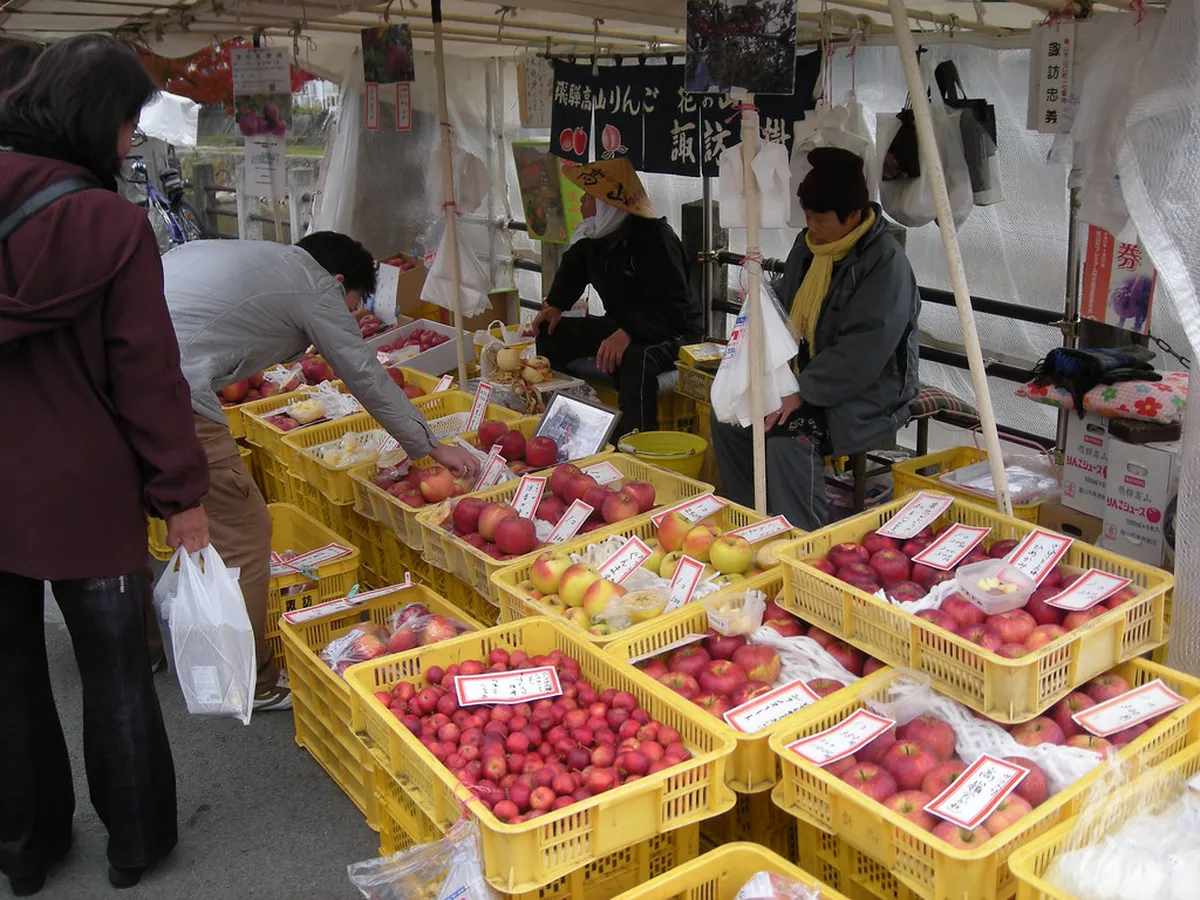
- Fresh seasonal produce — the freshest and most local food you can take away. Peaches in summer, apples and persimmons in autumn, mountain vegetables in spring. Buying in-season produce from the farmer who grew it is hard to beat.
Wooden chopsticks and small kitchen tools made from local cypress are consistently popular practical souvenirs. If you plan to buy several items, bring a compact tote bag — the narrow stall tables make balancing multiple packages awkward.
Seasonal Produce Calendar: What's Fresh and When
No competitor page covers this, but it is one of the most useful planning details for visitors choosing when to visit Takayama. The market runs year-round, but what you find changes substantially by season.
- Spring (March–May) — mountain vegetables dominate: warabi (bracken fern), zenmai, and sansai (wild greens). Strawberries appear from late April. The stalls are less crowded than in peak tourist months.
- Summer (June–August) — peak season for produce. Peaches and plums arrive in July. Corn, cucumbers, and tomatoes from Hida highland farms appear fresh daily. The market is most colourful and busy during Obon week in mid-August.
- Autumn (September–November) — the best season for fruit lovers. Hida apples (locally prized for their sweetness), pears, grapes, and chestnuts fill the stalls from September onward. Persimmons appear in October and November. Autumn is also when mushroom varieties from the surrounding forests are sold fresh.
- Winter (December–February) — the quietest months, with fewer stalls. Root vegetables, dried mushrooms, pickled goods, and preserved produce make up most of the food offering. The market opens at 08:00 rather than 07:00. Snow-covered stalls with the river in the background create one of the most striking visual experiences in Takayama.
If seasonal produce is a priority, aim for late September through early November. You get peak fruit selection, comfortable temperatures, and autumn foliage along the riverbanks as a bonus.
| Season | Market opens | Highlight produce |
|---|---|---|
| Spring (Mar–May) | 07:00 | Warabi, zenmai, sansai wild greens; strawberries from late April |
| Summer (Jun–Aug) | 07:00 | Peaches, plums, corn, cucumbers, tomatoes; busiest during Obon (mid-Aug) |
| Autumn (Sep–Nov) | 07:00 | Hida apples, pears, chestnuts, persimmons, fresh mushrooms |
| Winter (Dec–Feb) | 08:00 | Root vegetables, dried mushrooms, pickled goods; fewer stalls overall |
🚶 How to Get to Miyagawa Morning Market
The market is an easy walk from the train station with no need for public transport. From the east exit of JR Takayama Station, walk straight along Ekimae Chuo-dori Street toward the river. After about 10 minutes you will reach the Miyagawa River; turn left and the market stalls will be visible immediately along the eastern bank.
The path is flat and accessible for strollers and visitors with limited mobility. Bilingual signs in Japanese and English point toward the market from several points in the old town. If you are walking from the Takayama Old Town area on the other side of the river, cross at any of the footbridges — Nakabashi is the most scenic.
Taxis from the station cost around ¥700 and take under five minutes, which is worth considering early on cold winter mornings. There are paid parking lots within a five-minute walk of the market if you are arriving by car. Walking is almost always the better choice during daylight hours because parking near the old town can be limited on weekends and public holidays.
🌞 Practical Tips for a Smooth Visit (Timing, Cash, Etiquette)
Arriving before 09:00 is the single best thing you can do. The produce selection is at its freshest, the stalls are fully set up, and the crowds are thin. By 10:30 on a weekend, the market fills significantly. In 2026, the market opens at 07:00 from April to November and at 08:00 from December to March, closing at noon daily. Check the Miyagawa Morning Market official site before visiting for any seasonal adjustments.
Arriving before 09:00 gives you the best produce selection and the calmest experience. The market opens at 07:00 from April to November and 08:00 from December to March, and closes at noon every day. Most vendors are cash-only — bring ¥3,000–5,000 in small bills and coins.
Cash is essential. Most vendors are elderly farmers running small operations and do not have card readers. Bring ¥3,000–5,000 in small bills and coins to cover snacks and a souvenir or two. The nearest ATMs are at the 7-Eleven and post office near Takayama Station, both open early. Finding accommodation close to the market area means you can walk there without planning cash stops in advance.
Vendor etiquette matters here more than at tourist-facing markets in larger cities. Follow these specifics:
- Do not handle produce, crafts, or packaged goods without being invited to do so. Point and ask before picking anything up.
- Ask before photographing vendors or their stalls. A nod or a quick "shashin wo totte mo ii desu ka?" ("May I take a photo?") is enough and is always appreciated.
- Do not eat snacks at the stall where you bought them; step aside and eat while moving, or finish before approaching the next vendor.
- Public rubbish bins are almost non-existent in central Takayama. Carry a small plastic bag for wrappers and dispose of waste at your accommodation.
Do not handle produce or crafts without being invited to do so, and always ask before photographing vendors or their stalls. These are working farmers, not tourist performers — the etiquette you show directly affects how warmly the next visitor is received.
- Even basic Japanese — "arigatou gozaimasu" (thank you) and "ikura desu ka?" (how much?) — gets a warm response from vendors who deal with many visitors who make no attempt.
Is Miyagawa Morning Market Worth Visiting?
Yes, without reservation. The market delivers the kind of authentic local experience that is increasingly rare in popular Japanese tourist destinations. The produce is genuinely grown nearby, the crafts are genuinely made by the vendors selling them, and the setting along the Miyagawa River is one of the prettiest in the Hida region.
The market pairs naturally with a morning departure for a day trip to Shirakawa-go village, since both activities finish in time for an afternoon bus. On a weekday it is quieter; on weekends and during Golden Week (late April to early May), it gets genuinely busy by 09:30. It is free to enter and budget-friendly once inside — even spending ¥2,000 on snacks and souvenirs feels like good value.
The one caveat: if you dislike crowds or are visiting in peak summer, plan to arrive no later than 07:30. The market is at its best in the first two hours after opening, and that applies in every season.
Market Tour and Cooking Lesson in Takayama
For visitors who want a deeper experience than a solo stroll, guided market tours with a cooking lesson are available and worth the investment. These programs pair a guided walk through the stalls — where the guide explains what you are seeing and facilitates conversations with vendors — with a hands-on cooking session in a renovated historical building in the old town.
The cooking portion typically focuses on regional Hida dishes using ingredients purchased at the market that morning: Hoba Miso grilled on magnolia leaves, miso soup with local mountain vegetables, and occasionally regional rice dishes. The connection between buying an ingredient and cooking it an hour later sharpens your understanding of the food culture in a way that solo browsing does not.
Group sizes are small, usually four to eight participants, and sessions book out quickly during peak autumn and spring seasons. Book at least a week in advance online if you have a fixed travel date. The tours end with a shared meal, which makes them a good choice for solo travellers who want a social morning in Takayama.
A Morning Stroll Along the Miyagawa River
The Nakabashi Bridge is the best single photography spot in the area. The red lacquered wood contrasts sharply with the green riverbanks and the mountain backdrop, and in early morning light before the crowds arrive, it photographs well in almost any season. Stand on the bridge itself or on the riverbank to the south for the best angle.
After the market, walk north along the eastern bank away from the busiest stalls. This quieter stretch follows the river toward the Sakurayama Hachimangu Shrine and the festival floats hall. Large koi are visible in the clear water year-round, and in spring the cherry trees along the bank add colour that makes the riverside one of the better walks in Gifu Prefecture.
The full riverside walk from Kaji-bashi to the shrine takes about 20 minutes at a slow pace. It is flat the entire way and is one of those routes where the journey is as worthwhile as the destination.
A Connection to Local Life: Meeting the Vendors
The vendors running these stalls are largely elderly women who have been bringing their produce and crafts to the market for decades. They are sometimes described as the matriarchs of the Asaichi tradition, and that description is accurate. Many of them grow their own vegetables, pickle their own goods, and sew their own fabric crafts in the same mountain villages their families have lived in for generations.
Interaction is welcome and actively appreciated, but it works best when you slow down. Stop at a stall, make eye contact, and look at the goods without immediately moving on. Vendors notice and respond to genuine interest. Simple phrases in Japanese open conversations that basic English often cannot — even a tourist-level attempt at "oishii" (delicious) after sampling a pickle produces a visibly different response than silence.
Supporting these vendors directly preserves the Asaichi tradition in a concrete way. Many of the farmers selling here are not represented in any supermarket or gift shop. What they bring to the market each morning is the full extent of their commercial activity, and buying from them — even a single small item — keeps that tradition economically viable for future visitors to enjoy.
Frequently Asked Questions
What time does the Miyagawa Morning Market open and close?
The market typically opens at 7:00 AM from April to October and at 8:00 AM from November to March. It usually closes around noon every day. You should check the official site for exact times during your specific visit dates.
Do vendors at the Takayama morning market accept credit cards?
Most vendors at the morning market are elderly farmers who only accept cash payments. You should carry small yen bills and coins for snacks and souvenirs. A few larger stalls may accept cards, but this is not common.
Is the Miyagawa Morning Market open every day of the year?
Yes, the market is generally open every day throughout the year regardless of the weather. Some vendors may choose to stay home during heavy snow or very severe storms. It is a reliable attraction for most travelers visiting the city.
How much time should you plan for the Miyagawa Morning Market?
You should plan to spend about one to two hours exploring the various stalls and enjoying the riverside scenery. This allows enough time for snacking and shopping without feeling rushed. You can then continue to the Higashiyama Walking Course nearby.
The Miyagawa Morning Market is a vibrant part of Takayama's daily rhythm and one of the most rewarding early-morning experiences available to visitors anywhere in Japan. The food is genuine, the crafts are handmade, and the vendors who sell them have been doing this for their whole lives. That combination is increasingly rare.
Arrive early, bring cash, treat the vendors with the same respect you would show any skilled professional, and try at least one thing you have never eaten before. You will leave with a better understanding of the Hida region than any museum can offer, and probably with a bag of pickles and a Sarubobo doll you did not plan to buy.
For more Takayama trip planning, see our Takayama itinerary, things to do in Takayama, Takayama morning markets guide.