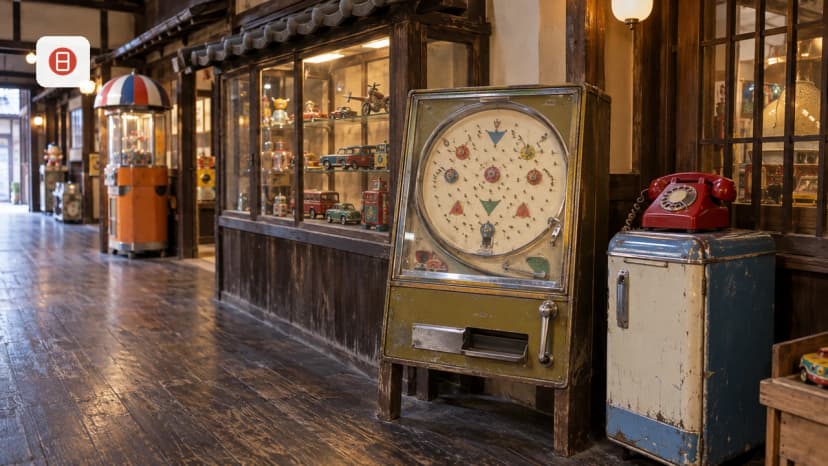
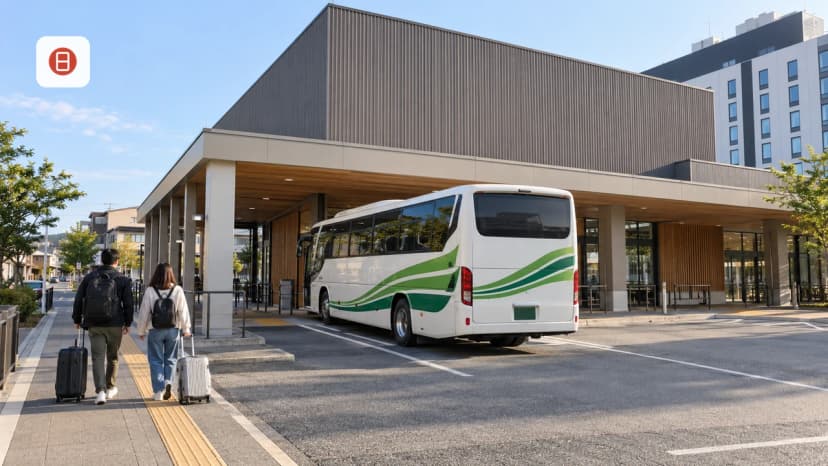
Takayama Jinya stands as a remarkable landmark that offers a unique window into the fascinating history of feudal Japan.
This building remains the only surviving provincial government office from the Edo period that you can still visit today — a daikansho intact while every other example was razed during the Meiji modernization.
Our comprehensive takayama jinya visitor guide provides everything you need for a well-planned, educational trip in 2026.
What Is Takayama Jinya?
Takayama Jinya was established during the Edo period to govern the Hida region, which held the status of a tenryō — a territory under the direct rule of the Tokugawa Shogunate rather than a local feudal lord. Originally the residential compound of the Kanamori clan, the Shogunate seized it in 1692 and converted it into an administrative base run by appointed officials called daikan (local governors) and, for a period, higher-ranking gundai.
This direct rule was not accidental. The Hida highlands were among the finest timber-producing regions in all of Japan. The area's hinoki cypress and Japanese cedar were essential raw materials for the Shogunate's most ambitious construction projects — Edo Castle, the shrine complex at Nikko Toshogu, and the imperial temples of Kyoto. By placing Hida under direct Shogunate control, the Tokugawa government secured an uninterrupted supply of this strategic resource and kept its revenues out of the hands of any rival domain.
Today, Takayama Jinya is the only facility of its kind still standing in Japan. It holds the designation of a National Historic Site, and its survival through two centuries of modernization makes it a genuinely rare cultural asset.
Architectural Highlights: The Oshirasu and Rice Storehouses
The most dramatically charged space in the entire complex is the oshirasu, the formal courtroom where the daikan presided over criminal and civil trials. Unlike a modern courtroom where all parties stand roughly at the same level, the oshirasu is built on three distinct tiers. The presiding official sat elevated on a raised platform at the rear. The accused knelt on white gravel below — exposed, with no bench or chair — while witnesses occupied a separate lateral area separated by a low railing. Interrogation tools are displayed openly, a deliberate reminder that confessions were extracted under considerable duress in the Edo justice system.
Walking through this room with no barriers between you and the white gravel floor is one of the more visceral history experiences available in Japan. No other building in the country lets you stand in the accused's physical position within an intact Edo-era courtroom.
At the rear of the complex, four enormous rice storehouses (kura) command the back of the property. These were built to exceptionally high standards — thick clay-and-plaster walls, minimal windows, and elevated floors — to protect the rice collected as tax from thousands of farming households across the Hida mountains. The scale of the storehouses gives a concrete sense of the enormous output the region was expected to deliver annually. They now contain displays on local history, agricultural tools, and the logistics of mountain transport.
The Jinya Grounds and Traditional Gardens
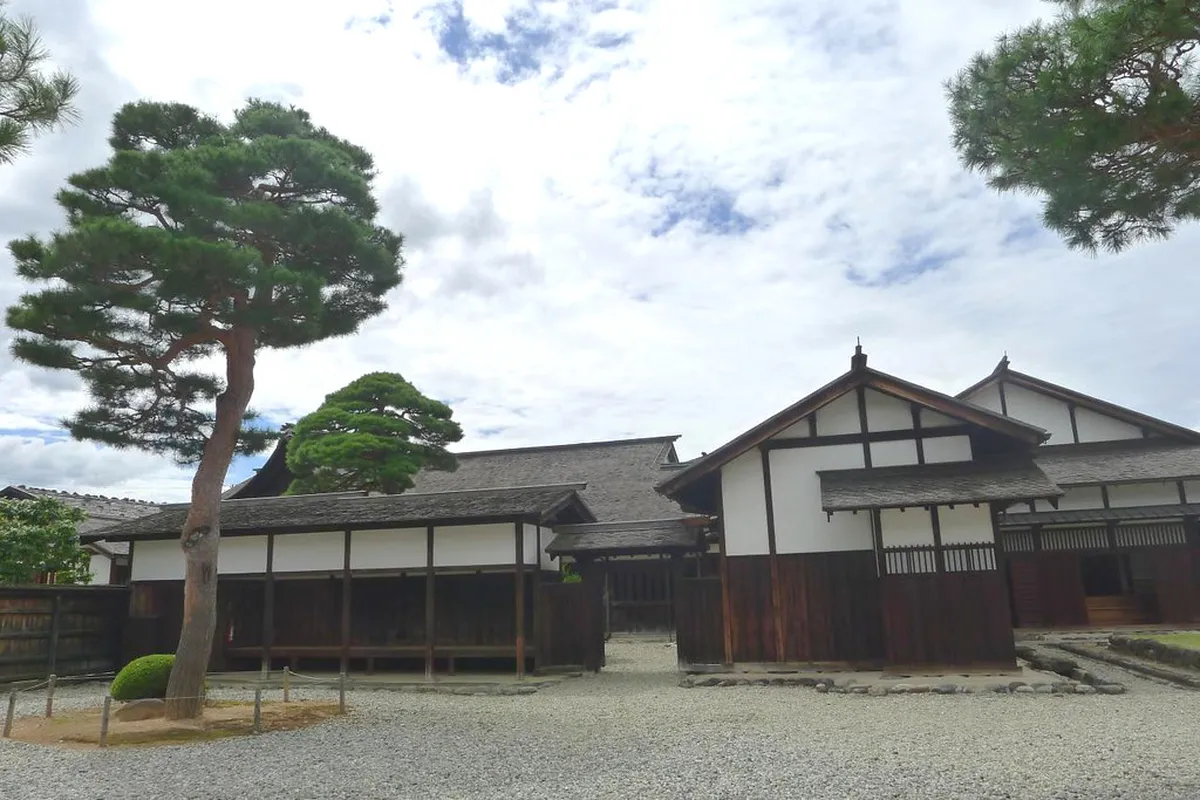
The outdoor areas surrounding the main building reflect classic Japanese design principles that prioritize harmony between interior and exterior. When the large sliding doors of the tatami rooms are pushed back, the inner garden becomes a living painting framed by dark wooden posts. Photographers should position themselves inside the rooms and shoot outward through the door frames — the contrast between the dim interior woodwork and the bright moss-and-pine garden creates the kind of image that does not require any editing to look composed.
The garden is designed primarily for viewing rather than strolling. Stone lanterns, carefully shaped pines, and a mossy ground cover remain constant across seasons, while the mood shifts dramatically throughout the year. In winter, snow settles on horizontal branch tips and the garden becomes monochromatic — quieter and more austere than any other time. In autumn, the surrounding maple trees add a brief wash of red and amber before the foliage drops. Spring brings soft cherry color to the neighboring streets, though the Jinya's own planting is evergreen.
The tatami rooms arranged around the garden follow a clear hierarchy. Officials of higher rank occupied rooms with higher ceilings, more refined wood grain, and better garden views. Servant quarters are noticeably plainer. Walking through the complex in sequence makes the social stratification of Edo governance legible in purely spatial terms.
Pair Your Visit with the Jinya-mae Morning Market
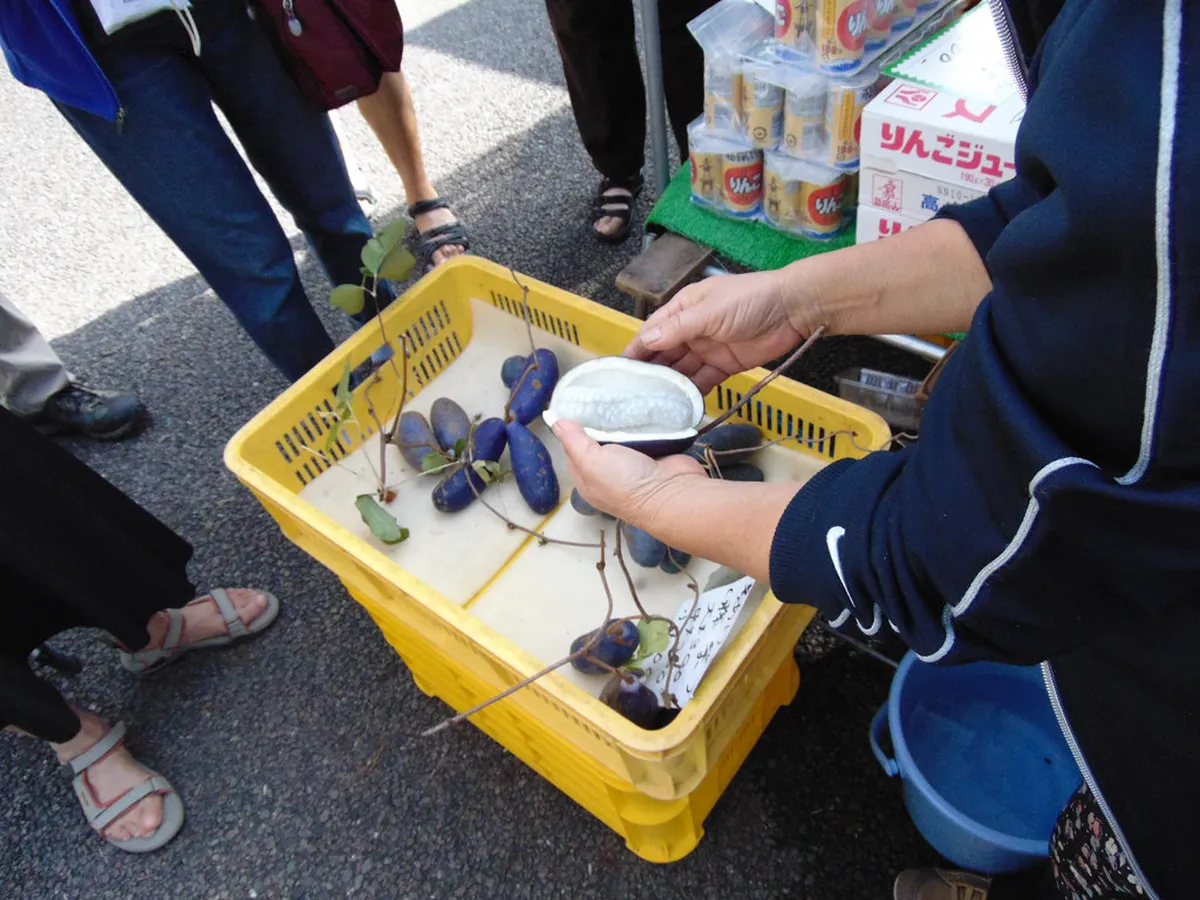
One of the best-structured mornings in Takayama pairs the Jinya-mae Morning Market with the Jinya itself. The market runs daily from 07:00 until around 12:00, and it sets up directly in front of the Jinya's main gate. Vendors sell fresh mountain vegetables, hand-dyed textiles, pickles, and handmade crafts. Unlike the Miyagawa Morning Market along the river, which tends to draw more souvenir buyers, the Jinya-mae market stays closer to the agricultural produce its farmers originally brought to town.
A practical three-hour morning itinerary: arrive at the Jinya-mae market by 08:00 to shop while crowds are still light, pick up a breakfast of mitarashi dango or fresh fruit from a vendor, then enter the Jinya at 08:45 when the gates open — you will often have the first twenty minutes largely to yourself before tour groups arrive. By 10:00 or 10:30 you can head into the Sanmachi Suji merchant district for sake brewery visits and a mid-morning break.
This sequence matters because both the market and the Jinya are at their best in the morning light. The low-angle sun illuminates the Jinya's dark wooden exterior from the east, and the market vendors are most engaged before the midday rush. Afternoons see the market pack up and the Jinya fill with large guided groups.
Practical Information: Access, Tickets, and Hours
Takayama Jinya sits at 1-5 Hachikenmachi in the old town, approximately a 10-minute walk from JR Takayama Station. Exit the station's east side and walk toward the Nakabashi Bridge — the Jinya is just across the bridge on the left. The address is straightforward to navigate without a map once you reach the bridge.
Admission for adults is 440 yen. High school students and younger enter free. The site opens at 08:45 daily. Closing time is 17:00 from March through October and 16:30 from November through February. The site is closed on 29 December, 31 December, and 1 January. Check the Hida Takayama Official Guide for any 2026 schedule updates or temporary exhibition changes.
| Season | Opening Hours | Adult Admission |
|---|---|---|
| March–October | 08:45–17:00 | ¥440 |
| November–February | 08:45–16:30 | ¥440 |
| High school & under | Same as above | Free |
Shoes must be removed at the entrance — plastic bags are provided. The interior can be cold in winter, so bring a warm layer. Most visitors complete the tour in 60–90 minutes.
The site is closed on 29 December, 31 December, and 1 January. Always confirm hours on the official site before your visit as imperial ceremonies can occasionally cause ad-hoc closures.
Photography is allowed throughout most of the complex, including the gardens and main halls — look for small signs near any restricted exhibits. Most visitors complete the tour in 60 to 90 minutes; allow two hours if you plan to photograph carefully or read every exhibit panel.
Seasonal Trade-offs: Choosing When to Visit
Visiting during the Takayama Matsuri — held in mid-April (spring festival) and mid-October (autumn festival) — means the town comes alive with elaborately decorated festival floats and costumed processions. The energy is extraordinary, but accommodation books out months in advance and the Jinya itself will be busy all day. If you plan to attend the festival, book lodging by January for spring and by July for autumn, and visit the Jinya either before the main festival days or at opening time on a festival morning.
A quiet winter morning — particularly in January or February — offers a completely different experience. Snowfall on the garden creates the most photogenic version of the grounds. Crowds are minimal and the staff are more available for questions. The trade-off is that the closing time is 30 minutes earlier and the tatami rooms are genuinely cold. Bringing hand warmers and thick socks makes winter visits comfortable rather than uncomfortable.
Late spring and early autumn (May, September) are the practical sweet spots: mild temperatures, full opening hours, the morning market in full operation, and no festival congestion. These months also give you the best conditions for exploring the Takayama old town streets immediately after your Jinya visit without feeling rushed or overheated.
Exploring Beyond the Jinya: Day Trips and Nearby Areas
Many travelers use Takayama as a base for exploring the wider Hida and Gifu region. The most popular day trip is the 50-minute bus ride to Shirakawa-go, a UNESCO World Heritage village of thatched-roof farmhouses set against steep mountain slopes. The architectural contrast with the Jinya — rural vernacular versus formal administrative — makes the two sites a natural pairing on a single itinerary.
Hida Furukawa, reachable in 15 minutes by train, offers a much quieter version of Takayama's canal-and-storehouse aesthetic. It suits travelers who want to see the region's preserved architecture without the foot traffic of the main tourist district. Gero Onsen, one of Japan's three great hot spring towns, is about one hour south by train and makes an ideal final stop before departing toward Nagoya.
The Takayama Festival Floats Hall in town displays four of the full-scale festival floats year-round, which is worth thirty minutes if you cannot time your trip to coincide with the festivals themselves. Regional rail passes typically cover the short hops to Furukawa and Gero, keeping costs modest.
Family and Budget Visitor Notes
At 440 yen for adults and free entry for children and high school students, Takayama Jinya is one of the most affordable significant historical sites in central Japan. Combining it with the free Jinya-mae Morning Market and the free outdoor walkways of Sanmachi Suji gives you a full morning of high-quality cultural experience for under 500 yen per adult.
Families with young children will find the courtroom and storehouses particularly engaging — the visual storytelling of the oshirasu and the sheer scale of the kura require very little explanation to hold attention. The main challenge is mobility: the interior is entirely traversed on foot without shoes, on smooth wooden and tatami floors, which can be slippery for toddlers and difficult for visitors with mobility impairments. Restrooms and a rest area are available on site.
Those staying overnight in the area have access to a quieter experience at opening time before day-trippers arrive from Nagoya or Toyama. If you are deciding between a ryokan or a business hotel, the old town location means a short walk to both the Jinya and the morning market regardless of where you stay.
Frequently Asked Questions
What makes Takayama Jinya unique?
Takayama Jinya is the only surviving Edo-period provincial government office in Japan. While many other offices were destroyed, this complex was preserved as a historical landmark. It offers a rare look at feudal administration, including a courtroom and massive rice storehouses used for tax collection.
How much is the admission for Takayama Jinya?
The admission fee for adults is 440 yen as of 2026. High school students and younger children can often enter for free or at a reduced rate. This makes it a very budget-friendly attraction for families exploring the Hida Folk Village area and other local sites.
Is Takayama Jinya worth visiting?
Yes, it is highly recommended for anyone interested in Japanese history and architecture. The site provides deep insights into the Tokugawa Shogunate's rule and features beautiful traditional gardens. It is a perfect educational stop that complements the nearby merchant streets and morning markets.
How long does it take to tour Takayama Jinya?
Most visitors spend between 60 and 90 minutes exploring the various rooms and exhibits. If you are a photography enthusiast or a history buff, you might want to allow two hours to see everything. The self-guided nature of the tour allows you to move at your own comfortable pace.
Can you take photos inside Takayama Jinya?
Photography is generally allowed in most areas of the Jinya, including the gardens and main halls. However, you should look for signs indicating any specific exhibits where flash or cameras are prohibited. The open sliding doors provide excellent natural light for capturing the traditional interior and garden views.
Takayama Jinya remains an essential destination for anyone wanting to experience the authentic history of the Hida region.
The combination of unique architecture, historical exhibits, and beautiful gardens makes it a highlight of any trip to Gifu.
We hope this guide helps you plan a memorable visit to this remarkable witness of Japan's feudal past.
For more Takayama trip planning, see our Takayama itinerary, things to do in Takayama, Takayama Jinya guide.
Official sources: For the latest details, see the official website and Wikipedia.