Tokushima doesn't get the crowds of Kyoto or Osaka, and that's exactly why its attractions feel different. In Naruto, on the prefecture's northern coast, tidal currents collide hard enough to form whirlpools you can watch from a boat deck or through a glass floor suspended 45 metres above the strait. In the city centre, Awa Odori — the 400-year-old dance that gives Tokushima its nickname "Dancing City" — has a purpose-built hall where you can watch it, or join in, on any day of the year, not just during the mid-August festival. A short drive away, the Otsuka Museum of Art houses over 1,000 full-size ceramic reproductions of Western masterpieces, from the Sistine Chapel ceiling to Monet's water lilies, in a building large enough that most visitors need a full day. And beyond the city, the Iya Valley's vine bridges and river gorges give Tokushima Prefecture one of Shikoku's best wilderness day trips. This guide covers the 6 attractions worth building a Tokushima itinerary around, grouped by area and type, with 2026 prices, free alternatives, and how to string them into one or two days.
Top 6 attractions in Tokushima
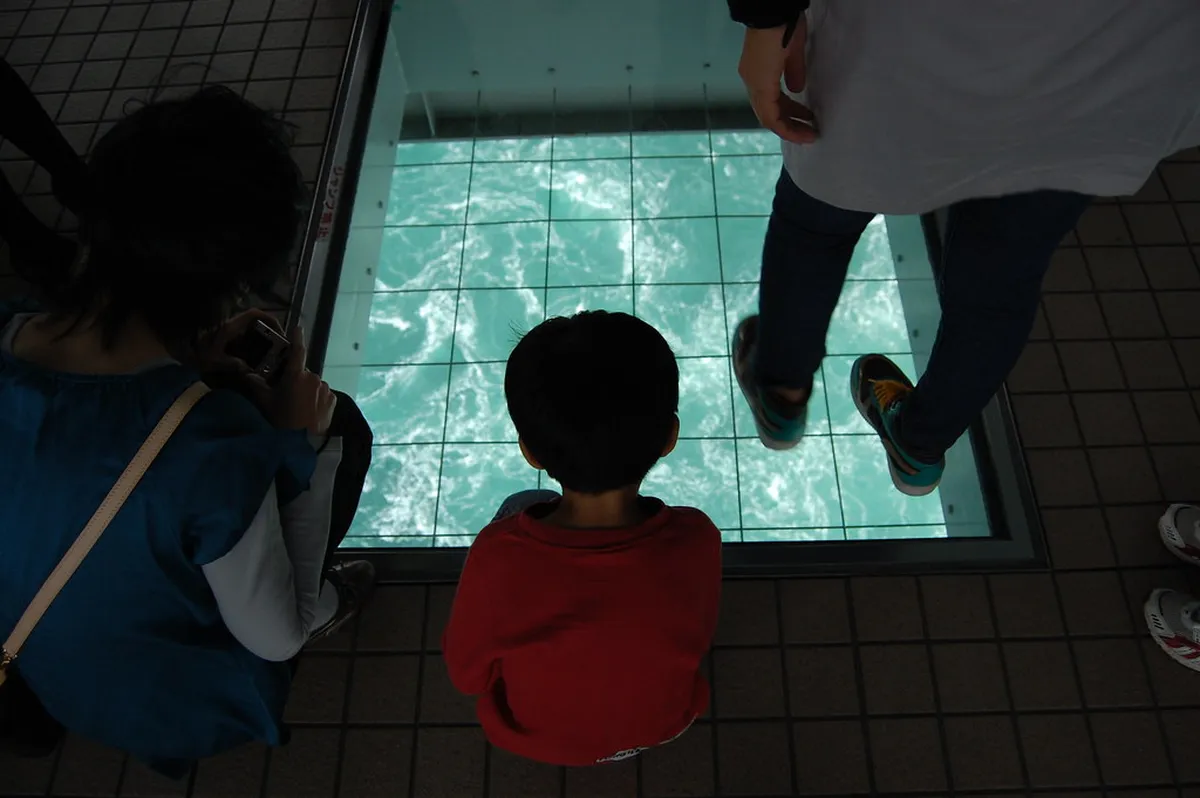
Naruto Whirlpools
One of the world's largest tidal whirlpools, churning in the Naruto Strait between Shikoku and Awaji Island — best seen by sightseeing cruise or from the Uzu-no-michi glass-floored walkway.
Visitor guide →
Prefer a narrative walk-through? Our things to do in Tokushima blog guide covers these sights in itinerary form.
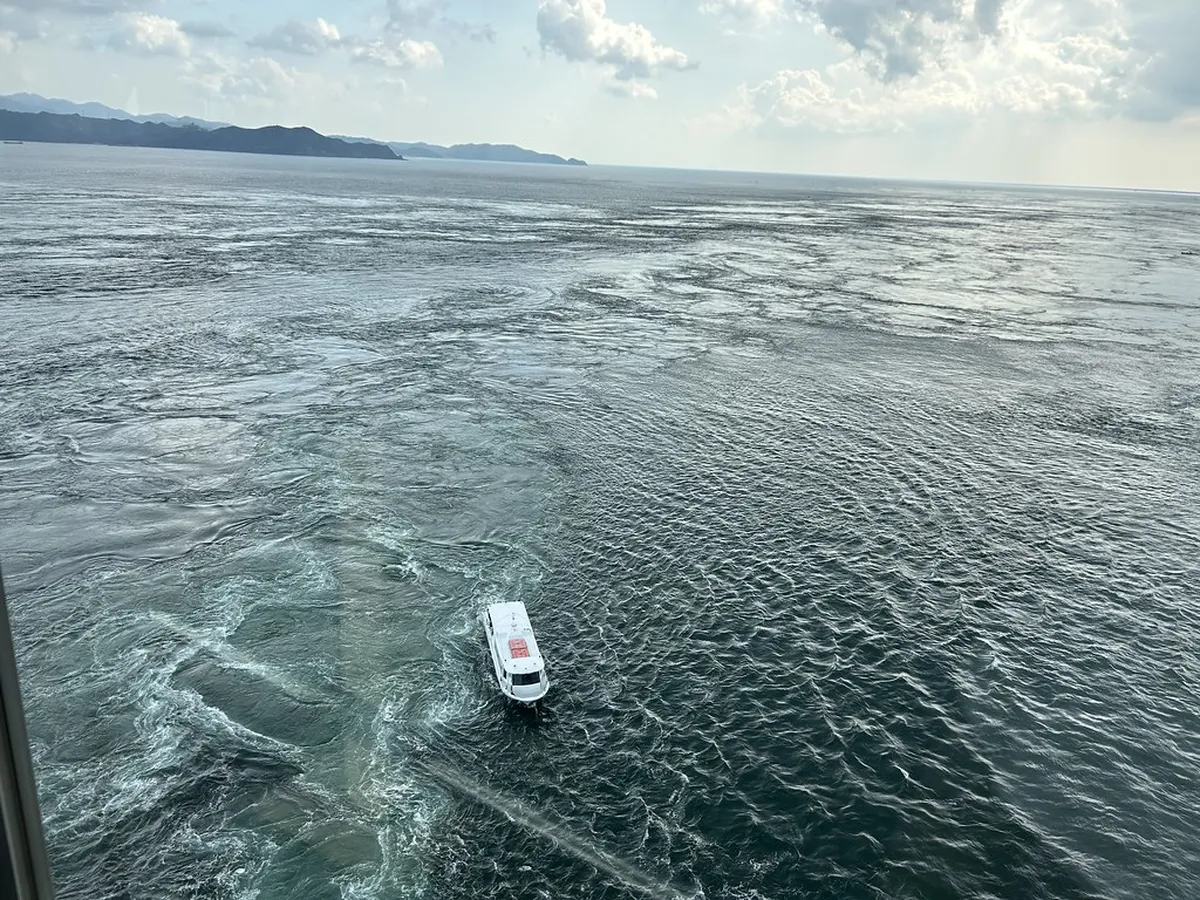
Uzu-no-michi Walkway
A 450-metre walkway suspended inside the Onaruto Bridge girder with glass floor panels that let you look straight down at the Naruto whirlpools from 45 metres up.
Visitor guide →
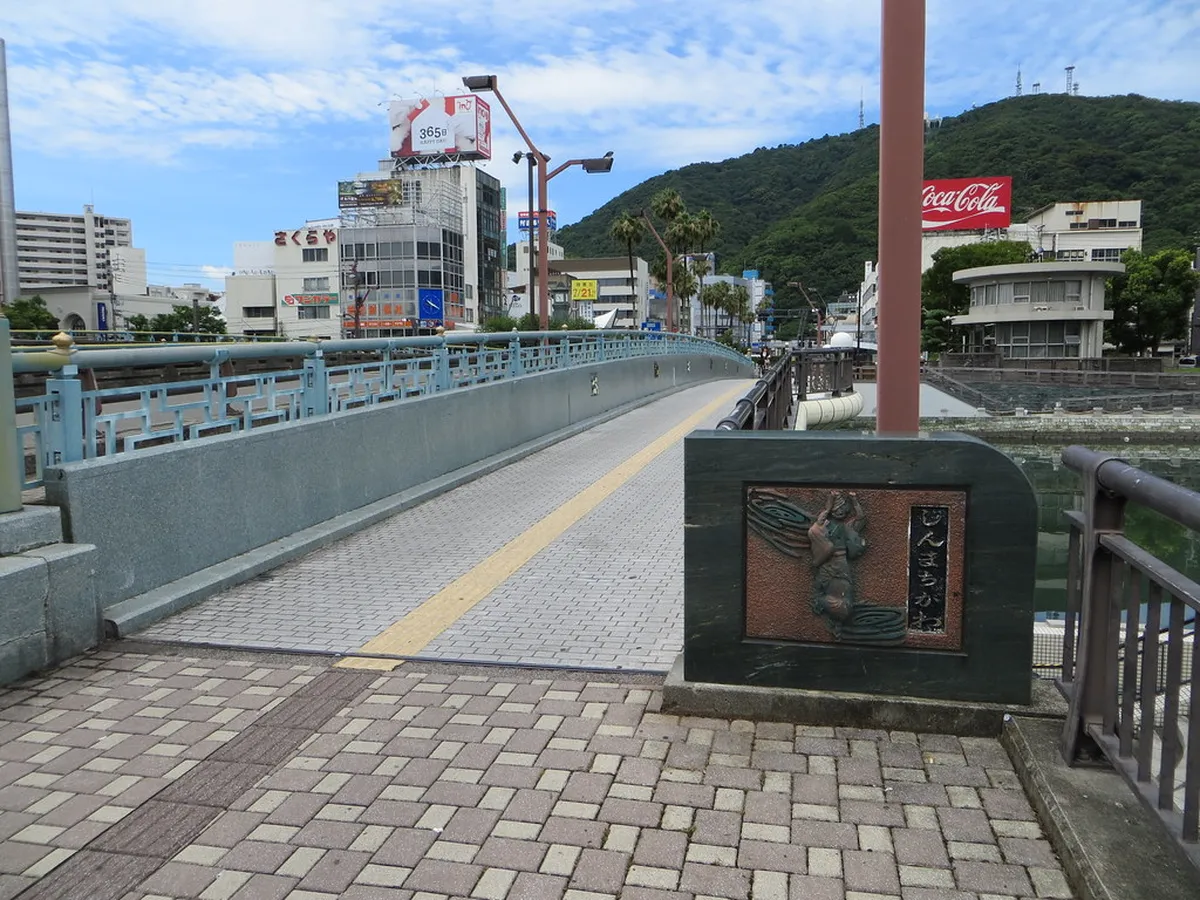
Awa Odori Kaikan
The year-round home of Tokushima's Awa Odori dance — a museum, daily live troupe performances you can join, and the boarding point for the Mt. Bizan ropeway, all in one hall.
Visitor guide →
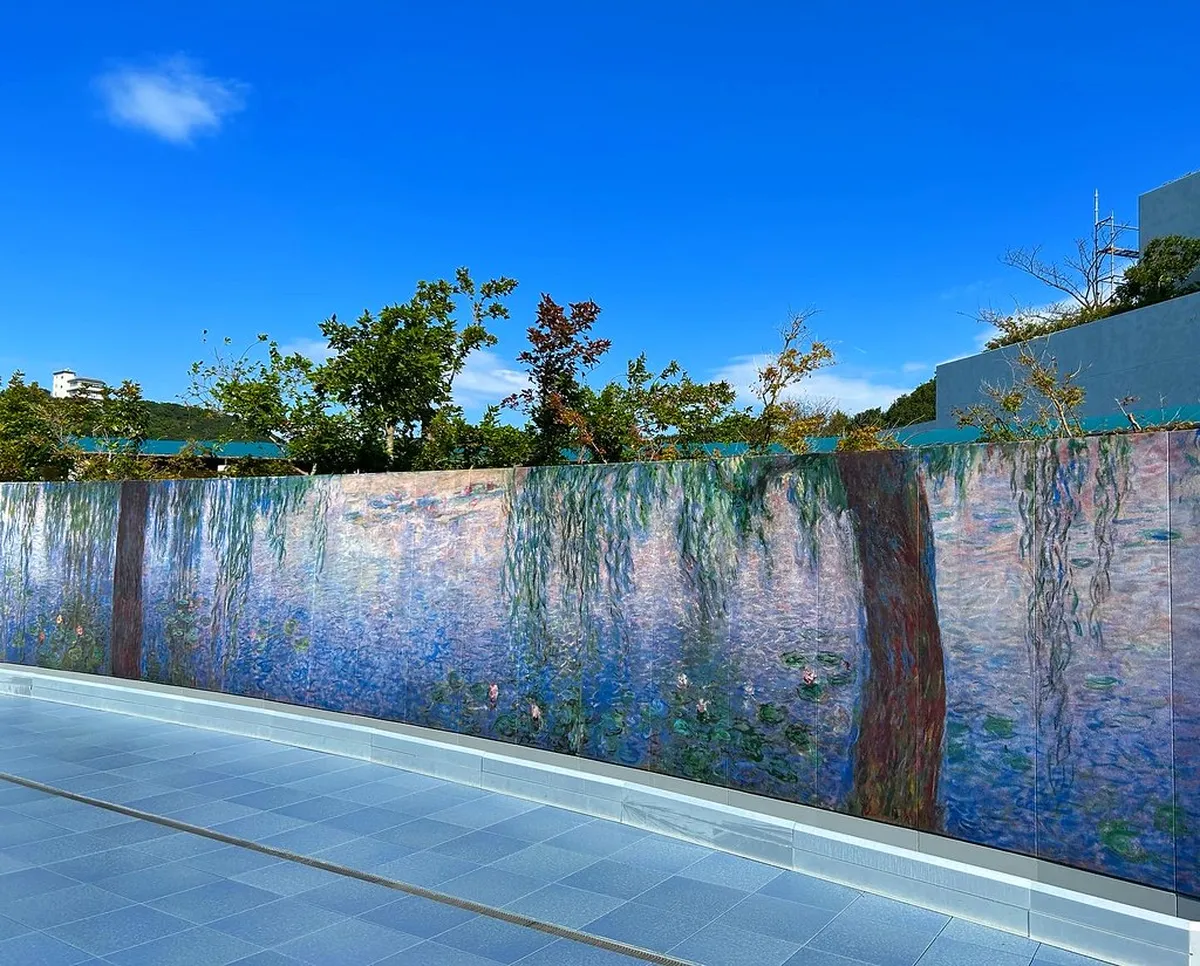
Otsuka Museum of Art
Japan's largest exhibition space, displaying more than 1,000 life-size ceramic reproductions of Western masterpieces — from Michelangelo's Sistine Chapel ceiling to Monet's water lilies — all touchable and photographable.
Visitor guide →

Mount Bizan
Tokushima's beloved 290-metre city mountain — a six-minute ropeway from the Awa Odori Kaikan lifts you to a summit park with sweeping views over the city, the Yoshino delta and, on clear days, Awaji Island.
Visitor guide →
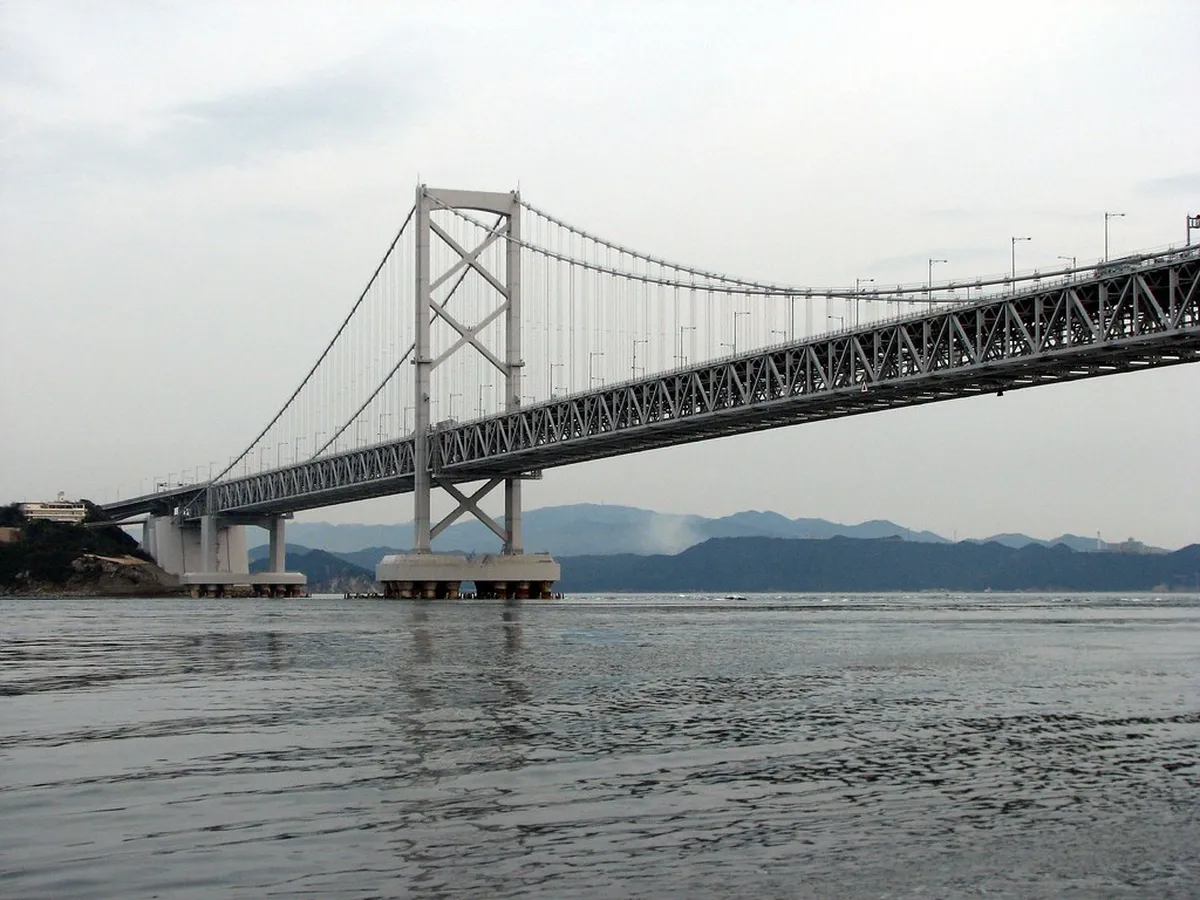
Onaruto Bridge
The 876-metre-span suspension bridge that leaps the Naruto Strait between Shikoku and Awaji Island — an icon of Naruto, and the structure whose girder houses the Uzu-no-michi whirlpool walkway.
Visitor guide →
Tokushima attractions by area
Tokushima's sights split cleanly into two clusters, and which one you base yourself near shapes your whole itinerary.
Naruto (30-40 minutes from Tokushima Station) is the whirlpool cluster. The Naruto Whirlpools themselves are the headline draw, viewable either from a sightseeing cruise that runs close to the vortices or from the Uzu-no-michi walkway, a glass-floored promenade built into the girder of the Onaruto Bridge itself. All three sit within a few hundred metres of each other at Naruto Park, so a single visit covers the whirlpools from above and (tide-dependent) from the water. The Otsuka Museum of Art is a short bus or taxi ride from the same park — most visitors treat Naruto as a half-day loop: whirlpools first, museum second (or vice versa, depending on tide times).
Central Tokushima City is compact and walkable from the JR station. The Awa Odori Kaikan sits about 10 minutes on foot from the station and doubles as the boarding point for the Mount Bizan ropeway, so the two are almost always paired into one stop: dance performance (or museum), then a six-minute ride up to the summit park for the view back down over the city and the Yoshino River delta.
Tokushima attractions by type
- Natural wonders: the Naruto Whirlpools and the Uzu-no-michi walkway — tidal phenomena rather than static sights, so timing your visit around the tide chart matters more here than anywhere else on this list.
- Culture and performing arts: Awa Odori Kaikan, home to Tokushima's signature dance year-round and the closest most visitors get to the full mid-August festival experience without the festival crowds.
- Art and museums: the Otsuka Museum of Art, a full-scale reproduction of more than 1,000 Western masterpieces on ceramic boards — the only museum in Japan where visitors are encouraged to touch and photograph works this significant.
- Viewpoints and engineering: Mount Bizan for the summit panorama, and the Onaruto Bridge itself as a feat of civil engineering that happens to double as a whirlpool-viewing platform.
Free vs paid Tokushima attractions
Tokushima's attractions split fairly evenly between free viewpoints and ticketed experiences, which makes it easy to build a budget-friendly day around one or two paid highlights.
- Free: viewing the Naruto Whirlpools from the shoreline park or bridge-side observation areas (the cruise and Uzu-no-michi walkway are paid, but the shore view costs nothing); walking across sections of Onaruto Bridge's public paths; a day trip to Kotohira's shrine town, reachable by train from Tokushima.
- Paid: Uzu-no-michi glass-floor walkway, ¥510 for adults; Otsuka Museum of Art, ¥3,300 for adults — the single biggest ticket item in the cluster, but it's an all-day museum, not a quick stop; Awa Odori Kaikan's dance hall and museum, ¥300 for the museum floor (performance tickets are separate); Mount Bizan ropeway, ¥1,500 round-trip for adults.
Prices above are per-adult 2026 rates for the standalone attractions; check each visitor guide linked in the cards above for child pricing, combo tickets and current hours before you go.
Suggested Tokushima itineraries
Naruto half-day: Take the train or bus from Tokushima Station to Naruto Park, walk the Uzu-no-michi glass-floor walkway, then either book a whirlpool cruise or watch from the shore depending on the tide schedule, and finish with the Otsuka Museum of Art before heading back.
Tokushima City + Naruto, 1 day: Start early at Awa Odori Kaikan, ride the Mount Bizan ropeway for the morning view, then take the bus out to Naruto for the whirlpools and Uzu-no-michi in the afternoon. It's a full day, but doable without a car if you keep the Naruto leg to two stops.
2 days, adding Iya Valley: Day one covers Tokushima City and Naruto as above. Day two is a car or bus day trip out to the Iya Valley for its vine bridges and river gorge scenery — Shikoku's most dramatic landscape and a complete change of pace from the coastal and urban sights on day one.
Getting around Tokushima's attractions
Central Tokushima City is walkable, and Awa Odori Kaikan and Mount Bizan are both within 10-15 minutes on foot of JR Tokushima Station. Naruto's attractions need a short JR train ride (Naruto Line, roughly 30 minutes) to Naruto Station, followed by a local bus to Naruto Park — the whirlpools, Uzu-no-michi and Otsuka Museum are all reachable from the same bus stop area, so one bus pass covers the whole Naruto leg. A rental car simplifies the Naruto side (parking is straightforward at the park) and becomes close to essential for the Iya Valley, which has limited and infrequent public transport and is best reached by car from either Tokushima City or the Miyoshi/Oboke area.
Best time to visit Tokushima
The single biggest date on Tokushima's calendar is the Awa Odori Festival, held 12-15 August, when the dance that Awa Odori Kaikan performs year-round takes over the streets with an estimated 100,000 dancers. It's the best time to experience Awa Odori at full scale, but also the busiest and hottest week to visit — book accommodation well ahead if this is the draw. Outside festival week, spring (late March-May) and autumn (October-November) bring comfortable temperatures for walking Naruto Park and riding the Bizan ropeway, plus the clearest views from the summit. For the whirlpools specifically, timing matters more than season: they're largest around the spring and neap tide changes, so check the day's tide chart (available on the official cruise operators' sites) before booking a boat rather than just picking a travel month.
Frequently asked questions about Tokushima attractions
What is Tokushima best known for?
Tokushima is best known for the Naruto Whirlpools, one of the largest tidal whirlpool phenomena in the world, and for Awa Odori, a 400-year-old traditional dance performed at a mid-August festival that draws around 100,000 dancers. The Otsuka Museum of Art and Mount Bizan's ropeway views round out the city's main draws.
How many days do you need in Tokushima?
One full day covers Tokushima City and Naruto's core sights — Awa Odori Kaikan, Mount Bizan, the whirlpools and Uzu-no-michi. Two days lets you add a day trip to the Iya Valley, which needs its own dedicated day given the drive time and the scenery it offers.
Are the Naruto whirlpools worth it?
Yes, for most visitors. Naruto's whirlpools are a genuinely large-scale tidal phenomenon rather than a minor roadside stop, and the Uzu-no-michi walkway lets you see them from directly above through a glass floor for a relatively low ¥510 ticket. The cruise option gets closer to the water but costs more and depends on that day's tide conditions.
When is the best time to see the Naruto whirlpools?
The whirlpools are largest around spring and neap tide changes, which shift daily rather than following the calendar season. Check a same-day tide chart before booking a cruise or timing your Uzu-no-michi visit — mid-tide periods produce far smaller, less dramatic swirling than peak tide-change windows.
Is Tokushima worth visiting?
Yes, particularly for travelers who've already done Tokyo, Kyoto and Osaka and want a less crowded, more distinctive stop. Tokushima combines a rare natural phenomenon (the whirlpools), a living festival culture (Awa Odori), a genuinely unusual art museum, and easy access to Shikoku's most dramatic wilderness scenery in the Iya Valley — a combination no other single city in the region offers.
How do you get from Tokushima to the Iya Valley?
By car, it's roughly 1.5-2 hours from Tokushima City to the Iya Valley's vine bridges via the Tokushima Expressway toward Miyoshi. Without a car, it's a train to Oboke Station followed by a local bus, but schedules are infrequent, so most day-trippers either rent a car or join an organized tour departing from Tokushima.
What is the Awa Odori festival?
Awa Odori is Tokushima's signature traditional dance, performed with a distinctive shuffling step to shamisen, taiko drum and flute. The festival version runs 12-15 August each year, when an estimated 100,000 dancers parade through the city's streets — Japan's largest dance festival. Awa Odori Kaikan lets you see (and join) a shorter version of the same dance on any day of the year.
Plan your Tokushima trip
Once you've mapped out which of these 6 attractions fit your schedule, the next step is timing: see our 2-day Tokushima itinerary for a route that sequences Naruto and the city centre efficiently, add the Iya Valley attractions guide if you're extending into Shikoku's interior, and check the Kotohira guide for a worthwhile extra stop if you're continuing on toward Kagawa Prefecture.

