
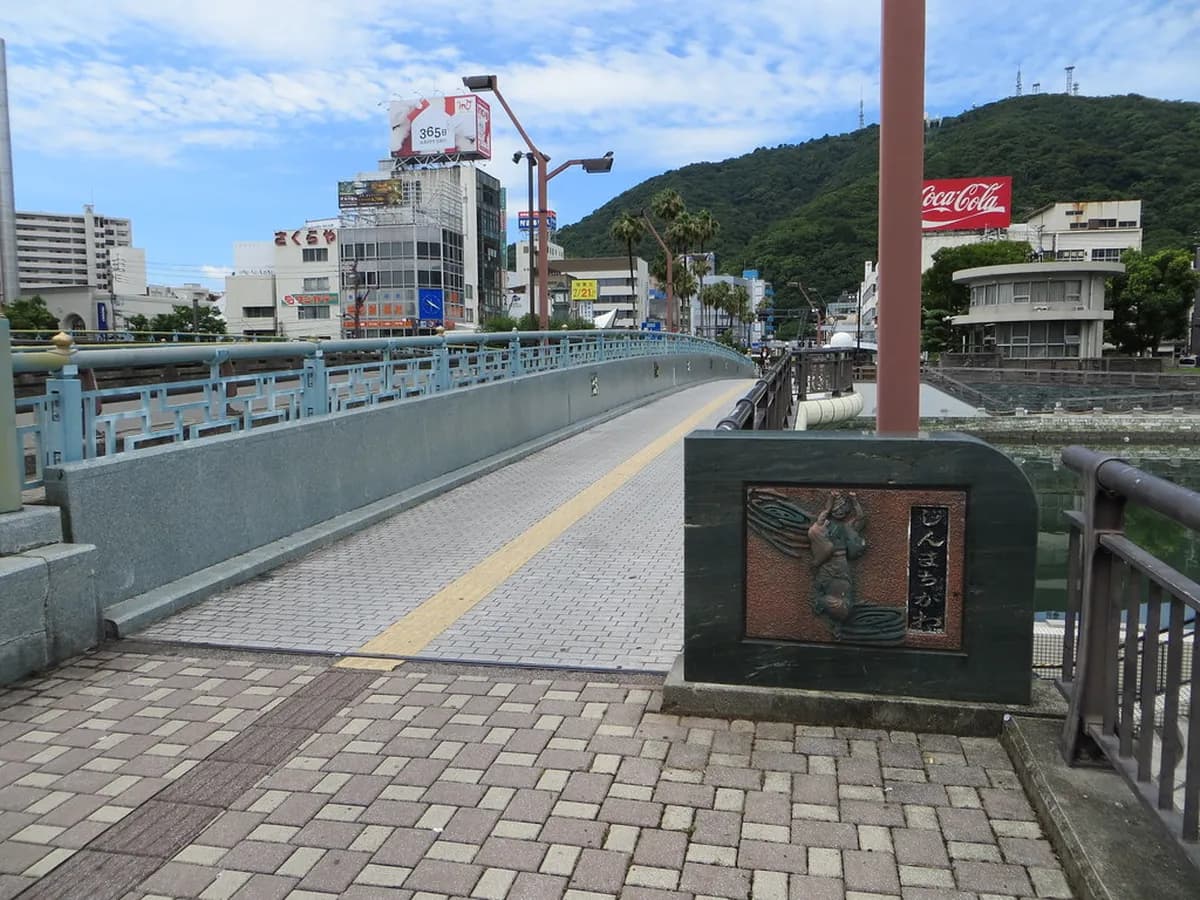
Awa Odori Kaikan is Tokushima City's year-round gateway to Awa Odori, the energetic summer dance tradition that fills the streets each August. It combines a museum, live troupe performances, visitor participation, souvenirs, and the Mount Bizan Ropeway base in one central stop.
This 2026 visitor guide covers the Kaikan itself and the main Tokushima Awa Odori Festival. Use it to plan transit, ticket choices, accommodation strategy, accessibility considerations, and the common mistakes that make festival nights harder than they need to be.
The Kaikan is useful even if you cannot visit during August. It gives first-time visitors the dance vocabulary, costumes, instruments, and rhythm before they step into the festival crowds or continue up to Mount Bizan for city views.
What is Awa Odori? A Brief History and Cultural Significance
Awa Odori is Japan's most famous traditional dance festival, originating in Tokushima Prefecture. It is often called the 'Fool's Dance' due to its playful, energetic movements. The festival has roots dating back over 400 years and remains closely tied to Obon, a Buddhist season for honoring ancestral spirits. That link is why Awa Odori is celebrated as both a community party and a cultural remembrance.
Dancers and musicians perform in groups called 'Ren,' each with distinct costumes, formations, and musical style. Men often dance with a wide, low stride, while women use smaller, more graceful steps under amigasa hats or other festival attire. Traditional instruments like the shamisen, taiko drums, kane bells, and flutes provide the rhythm.
The call 'Yattosa, yattosa!' echoes through the streets and helps pull spectators into the mood of the dance. Understanding the chant, instruments, and Ren culture makes the Kaikan exhibits and the August street performances easier to appreciate.
Awa Odori Kaikan: Your Year-Round Gateway to the Dance
The Awa Odori Kaikan provides a practical year-round way to experience the dance without waiting for the August festival. It is located at the base of Mount Bizan in central Tokushima City, so it works well as a first stop after arriving at JR Tokushima Station or before riding the ropeway.
Visitors can watch skilled Ren dance troupes in a theater setting and usually try the basic steps during the participation segment. The museum explains how the dance evolved, why the costumes matter, and how the instruments create the festival rhythm.
A gift shop offers local crafts and Awa Odori-themed souvenirs. You can also take the Mount Bizan Ropeway directly from the Kaikan. If you are short on time, pair a daytime show with the ropeway; if you want a stronger performance atmosphere, plan around the evening show.
- Daily Performances and Participation
- Schedule: 11 AM, 2 PM, 3 PM, 4 PM
- Evening Show: 8 PM daily
- Audience: Opportunity to learn basic steps
- Cost: ¥800 daytime, ¥1,000 for 8 PM show
- Museum Exhibits and Facilities
- Content: History, costumes, instruments
- Shop: Local crafts, souvenirs
- Access: Mount Bizan Ropeway available
- Visitor Information: Hours, Admission, and Access
- General Admission: ¥300
- Combined Ticket: Includes performance
- Location: Central Tokushima City
- Check: Official website for current details
For accessibility, the Kaikan is much easier to manage than festival street viewing: seating is defined, weather is not an issue, and taxis can drop visitors close to the building. During festival week, arrive with extra time because nearby streets and pedestrian flows can change around evening performances.
Tokushima Awa Odori Festival 2026: Dates, Schedule, and Highlights
The main Tokushima Awa Odori Festival takes place annually in mid-August. In 2026, the official dates are August 11 to 15. The main street performances run from August 12 to 15.
These spectacular evening performances typically run from 6:00 PM to 10:00 PM. Central Tokushima City roads close to traffic during these times, and pedestrian routes can become one-way or heavily controlled near the busiest performance areas.
The best plan for first-time visitors is to use the afternoon for the Kaikan, Mount Bizan, food, and restroom breaks, then move toward the evening viewing area before the crowds peak. If you have reserved seating, arrive before the block starts; if you are free-viewing, expect to keep moving until you find an open edge with a clear sightline.
The festival coincides with the Obon holiday, a significant time for family gatherings. This adds cultural depth but also compresses hotel, restaurant, taxi, and train demand into the same few days.
Paid Seats vs. Free Street Viewing: Which is Right for You?
Deciding between paid seats and free street viewing depends on how much certainty you want. Paid seats provide a clear, unobstructed view of professional Ren troupes in designated Enbujō performance arenas. They are best for photographers, families, visitors with limited mobility, and anyone who wants to avoid hunting for a viewing spot in heavy crowds.
Free street viewing is more spontaneous. You can drift between central streets, riverside areas, and the edges of performance routes to catch different groups, but the view quality changes quickly as crowds build. It works best for flexible travelers who value atmosphere over a guaranteed front-facing view.
The main street performances typically run in 90-minute blocks. The first block is usually 6:00 PM to 7:40 PM. A second block runs from 8:20 PM to 10:00 PM. If you want both experiences, book one paid block and use the other block for free street viewing.
- Paid Seats (Enbujō)
- Cost: ¥800-¥1,000+ per block
- View Quality: Unobstructed, clear
- Crowd Level: Managed, seated
- Flexibility: Fixed viewing times
- Atmosphere: Structured, performance-focused
- Free Street Viewing
- Cost: Free
- View Quality: Variable, dynamic
- Crowd Level: Dense, standing
- Flexibility: Wander freely
- Atmosphere: Spontaneous, immersive
Tickets and Reserved Seating: How to Book
Securing tickets for the Awa Odori Festival's reserved seating is crucial. Sales typically begin in early summer, and popular blocks or seating areas can sell out quickly once the final 2026 maps and sales windows are published.
Use the official festival website as the primary source, then follow its listed online booking platform or local ticket agency. If you are staying in Tokushima City, ask your hotel whether it can help interpret seating zones, but still confirm the ticket conditions yourself before paying.
For the Awa Odori Kaikan, general admission is around ¥300. Live performance tickets are extra, costing about ¥800 during the day and ¥1,000 for the 8 PM evening show. Prices can shift, so always verify on the official Kaikan website before your visit.
A practical booking order is: reserve accommodation first, choose your viewing night, buy the festival seating block if needed, then lock in intercity transport. This prevents the common problem of owning a festival ticket but having no realistic way to stay near Tokushima afterward.
Getting to Tokushima: Transportation Options
Tokushima is accessible by plane, train, and bus from major Japanese cities. Your best route depends on whether you value speed, cost, luggage convenience, or rail-pass compatibility. During August, book earlier than you normally would because festival demand affects the final legs into Tokushima.
From Tokyo, flying is the fastest option. JAL and ANA offer direct flights from Haneda to Tokushima Awaodori Airport. The flight takes approximately 1 hour and 15 minutes, then you continue into central Tokushima by local airport transport or taxi.
Alternatively, traveling from Tokyo by train takes longer but offers scenic views. Take the Tokaido/Sanyo Shinkansen to Okayama, a journey of about 3 hours. Then, transfer to a rapid train across the Seto Ohashi bridge to Takamatsu, followed by a limited express train to JR Tokushima Station. This entire train journey can take 5-6 hours and cost around ¥19,000 one way.
From Osaka, buses are a convenient and affordable option. Direct buses run regularly to Tokushima, taking approximately 2.5 hours. Trains are also available, often involving a transfer at Okayama or Takamatsu.
- Choose the plane from Tokyo if you have limited vacation time or arrive with luggage.
- Choose the train if you are already using rail travel through Okayama, Takamatsu, or wider Shikoku.
- Choose the Osaka bus if price and a direct city-to-city route matter more than rail-pass coverage.
Confirm schedules and fares on official JR, airline, or bus operator websites, especially for late-night returns after festival performances.
Where to Stay: Accommodation Strategies for the Festival
Finding accommodation during the Awa Odori Festival can be challenging due to high demand. Booking early is essential, ideally several months in advance. Treat lodging as the anchor of your itinerary, then build tickets and transport around it.
Staying in Tokushima City offers the most convenient access to the festival grounds. You will be within walking distance or a short ride to the main performance areas, which matters after 10:00 PM when everyone leaves at once. Options range from business hotels to traditional ryokan.
For example, Hotel Avanti is a popular choice in Tokushima. However, rooms book up very quickly during the festival. Be prepared for higher prices during this peak period.
An alternative strategy is to stay in a nearby city like Takamatsu or Naruto. Takamatsu, about an hour away by train, offers more hotel availability and often better rates. Naruto is even closer, just 40 minutes by train.
The Smart Base: Takamatsu and Late-Night Uzushio. Staying in Takamatsu allows you to experience the festival as a day trip. You can take the late-night Uzushio train back after the evening performances. This requires careful planning of train schedules and advance booking. Takamatsu also offers its own attractions, such as Ritsurin Garden and the city's lively shopping arcades.
- Choose Tokushima City if you want the lowest stress and can secure a room.
- Choose Naruto if you want a shorter outside-base commute and may also visit the whirlpools.
- Choose Takamatsu if better hotel availability, food options, and onward Shikoku travel matter.
- Avoid basing in Osaka unless you accept a long day and a strict transport cutoff.
Wherever you stay, do not bring bulky luggage into the evening festival zone. Store it at your hotel or station locker before roads close and sidewalks fill.
Can You Join the Dancing? Visitor Participation
Many visitors dream of joining the Awa Odori dance themselves. Opportunities exist for tourists to participate, and you do not need formal training to get involved.
During the main festival, look for 'Niwa Ren,' which are impromptu dance groups that welcome public participation. Join from the side when invited rather than stepping into a formal troupe line, and follow the pace of the people around you.
The Awa Odori Kaikan also offers a chance to learn and participate in a more relaxed environment. Daily performances often include a segment where audience members can try basic steps, making it the easiest place to practice before festival night.
Embrace the spirit of 'Aho ni naru ga kachi,' meaning 'It's a win to be a fool.' Wear light, comfortable clothing, keep your bag small, and choose footwear that can handle standing, walking, and dancing on hot pavement.
Can't Make it to Shikoku? Explore Koenji Awa Odori in Tokyo
If a trip to Tokushima is not possible in August, you can still experience Awa Odori in Tokyo. The Koenji Awa Odori is a major festival held annually in Suginami Ward and is the strongest alternative for travelers based in the capital.
In 2026, the Koenji edition runs on August 29–30, from 5:00 PM to 8:00 PM. Eight performance stages are set up around JR Koenji Station, Shin-Koenji Station, and Konan-dori. This makes it easy to reach from central Tokyo without booking Shikoku transport or festival-season accommodation.
Koenji is smaller than Tokushima but still attracts over a million spectators and thousands of dancers. The experience is more compact and urban, while Tokushima remains the original destination with deeper local context, the Kaikan, Mount Bizan, and multiple festival nights.
Use Koenji as a substitute if logistics make Shikoku unrealistic, or as a follow-up if you want to compare how Awa Odori culture travels beyond Tokushima.
Common Mistakes to Avoid When Visiting Awa Odori
Planning your Awa Odori trip carefully helps avoid common pitfalls. Most problems come from treating festival week like an ordinary city visit, when transport, rooms, restaurants, and walking routes all behave differently.
- Underestimating crowds: arrive early and expect slow movement near the main viewing areas.
- Booking too late: hotels sell out months in advance, and prime seating disappears quickly.
- Carrying luggage into the festival zone: store large bags before roads close and sidewalks crowd.
- Ignoring transport changes: public routes may be altered or crowded during festival hours.
- Skipping weather prep: August in Tokushima is hot, humid, and prone to sudden rain.
- Overpacking the schedule: leave recovery time between Kaikan shows, meals, ropeway visits, and evening performances.
If accessibility is a concern, prioritize the Kaikan performance or reserved festival seating, avoid the densest standing areas, and use taxis before road restrictions begin.
Beyond the Festival: What Else to See in Tokushima
Tokushima offers many attractions beyond the Awa Odori Kaikan and festival. If you have one extra day, keep the city morning light, then add either Naruto's coast or Mount Bizan depending on your energy level.
Visit the famous Naruto Whirlpools, a stunning natural phenomenon. You can view these powerful tidal currents from the Naruto Bridge or take a sightseeing boat. The Uzu-no-Michi Walkway under the bridge offers a unique perspective.
Explore the Otsuka Museum of Art, home to impressive ceramic reproductions of Western masterpieces. This vast museum provides a unique cultural experience and pairs naturally with a Naruto Whirlpools day.
Take the Mount Bizan Ropeway from the Awa Odori Kaikan to the summit of Mount Bizan. Enjoy panoramic views of Tokushima City and the Seto Inland Sea. The mountain is the easiest add-on because the ropeway departs from the same building as the Kaikan.
Discover the beauty of the Iya Valley, known for its vine bridges and stunning gorges. This area provides a dramatic contrast to the city's vibrancy, but it deserves more time than a quick festival-night side trip.
Tokushima is also renowned for its delicious local cuisine. Try Tokushima Ramen, explore local markets for fresh seafood and regional specialties, and use the Tokushima guide to build a broader city plan.
FAQ: Your Awa Odori Kaikan & Festival Questions Answered
Frequently Asked Questions
Where can I see Awa Odori?
You can experience Awa Odori year-round at the Awa Odori Kaikan in Tokushima City, which offers daily performances. The main Awa Odori Festival takes place in Tokushima from August 11-15, 2026, with street performances from August 12-15. Additionally, the Koenji Awa Odori in Tokyo offers an alternative viewing experience on August 29-30, 2026.
What is the meaning of Awa Odori?
Awa Odori is a traditional Japanese dance festival originating in Tokushima (formerly Awa Province). It is deeply connected to the Obon festival, a Buddhist tradition honoring ancestral spirits. The dance itself is a joyful, energetic expression, often called the 'Fool's Dance,' celebrating community and tradition.
When is the Awa Odori festival 2026?
The Tokushima Awa Odori Festival in 2026 will run from August 11 to 15. The main street performances, which are the festival's highlight, are scheduled for August 12 to 15. These evening shows typically occur between 6:00 PM and 10:00 PM.
Is the Awa Odori festival free to watch?
Yes, you can watch the Awa Odori festival for free by finding a spot along the streets where 'Ren' (dance troupes) perform. However, for a guaranteed, unobstructed view of the professional dance groups, you can purchase tickets for reserved seating in the designated performance arenas ('Enbujō').
Can foreign visitors join in the dancing?
Absolutely! Foreign visitors are welcome to join the dancing. During the main festival, look for 'Niwa Ren' (impromptu dance groups) that encourage public participation. The Awa Odori Kaikan also offers opportunities to learn and join in during their daily performances. Just embrace the spirit and have fun!
How do I get from Tokyo to Tokushima for the festival?
The fastest route is a direct Haneda flight to Tokushima Awaodori Airport, followed by local transport into the city. By rail, take the Shinkansen to Okayama, continue through Takamatsu, and transfer to a limited express for JR Tokushima Station. Book early for August travel.
What if I can't get to Tokushima in August?
Visit the Awa Odori Kaikan year-round for museum exhibits and live performances, or consider Koenji Awa Odori in Tokyo on August 29-30, 2026. Koenji is easier from central Tokyo, while Tokushima remains the original festival destination.
The Awa Odori Kaikan is the most reliable way to understand Tokushima's signature dance before facing the scale of the August festival. Whether you visit year-round or during the 2026 celebrations, plan around performance times, transport constraints, heat, and crowd flow.
Use the Kaikan for context, choose paid or free viewing based on your comfort needs, and secure lodging before you finalize the rest of your itinerary. From the festival streets to Mount Bizan and Naruto's coast, Tokushima rewards travelers who leave enough time for both culture and logistics.
For authoritative information, refer to the Awa Odori Kaikan on Wikipedia and Awa Odori Kaikan official site.
Planning the rest of your trip? See our things to do in Tokushima, Tokushima itinerary and Awa Odori Kaikan guide.