Skip to content
Japan Activity logo
Japan Activity
Things to Do in Inuyama: 5 Top Attractions (2026 Guide)

Things to Do in Inuyama: 5 Top Attractions (2026 Guide)

A curated guide to 5 of Inuyama's most-visited attractions — tickets, opening hours and visitor tips for each, verified for 2026.

5 min readBy Kenji Tanaka
Share this article:
On this page

Inuyama is a compact castle town in Aichi Prefecture and one of the easiest day trips from Nagoya — about 25–30 minutes by Meitetsu train. It packs Japan's oldest original castle keep, a National-Treasure teahouse, a preserved Edo old-town street and the open-air Meiji Mura museum into a walkable area. We've narrowed the field to 5 sights that consistently reward the time and ticket price — each entry below links to a full visitor guide with verified opening hours, current pricing, and the practical tips that don't make it into the official site's FAQ. Bookmark this page as your starting point.

Top 5 attractions in Inuyama

Inuyama Castle Town (Honmachi)

Inuyama Castle Town (Honmachi)

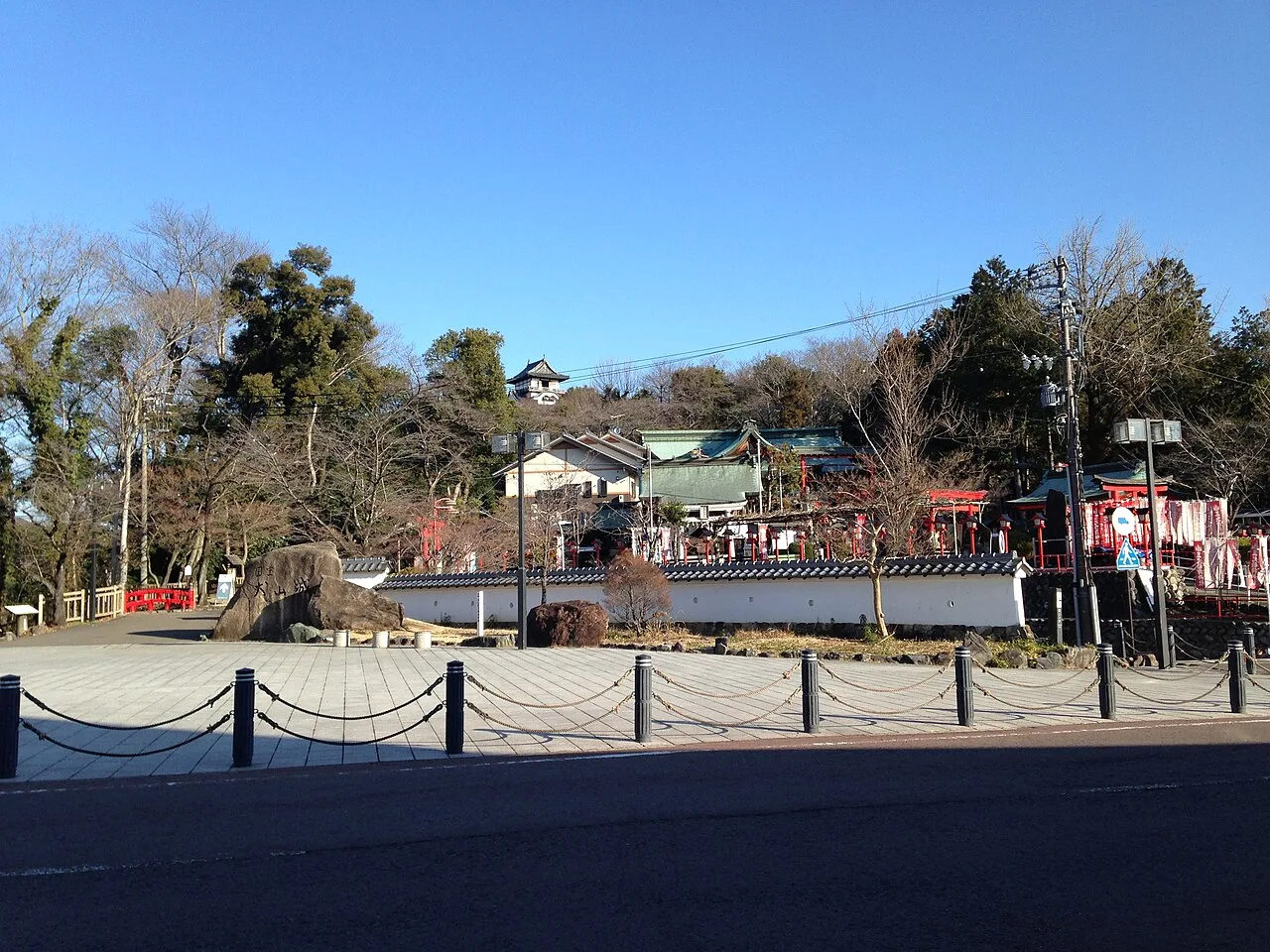
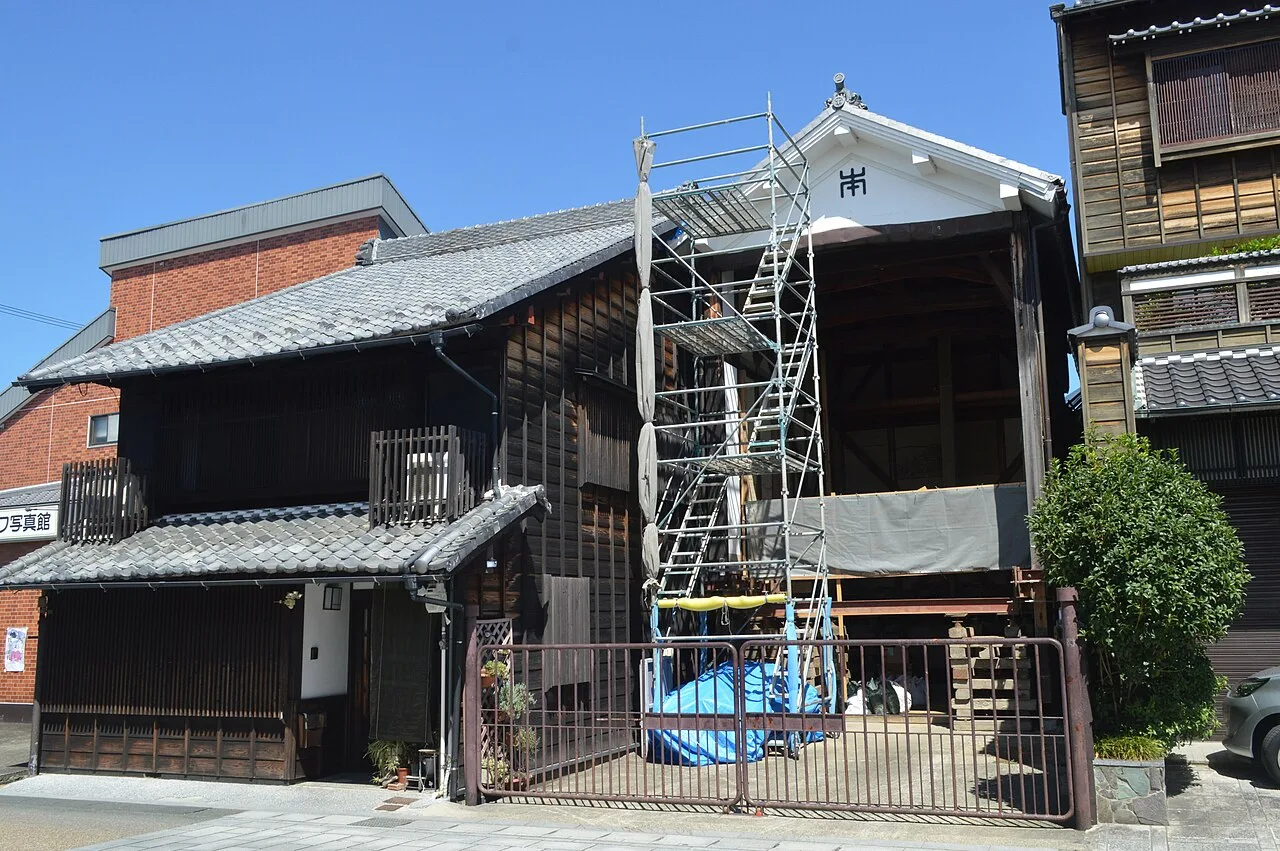
Honmachi-dori is Inuyama's preserved Edo-era castle-town street, stretching roughly 600 metres from near Inuyama Station up to the foot of Inuyama Castle, a designated National Treasure. Traditional wooden machiya line both sides, today housing street-food vendors (gohei-mochi, dango, kushiyaki, Hida beef sushi), sake brewers, craft shops, and cafes. Key highlights include the Dondenkan festival-float museum — displaying rotating UNESCO-listed Inuyama Matsuri yama year-round — and Sanko Inari Shrine with its tunnel of red torii gates at the street's upper end. The street itself is free and publicly accessible at all hours; individual shops typically operate 10:00–17:00 with many closed on weekdays.

Visitor guide →
Inuyama Castle

Inuyama Castle

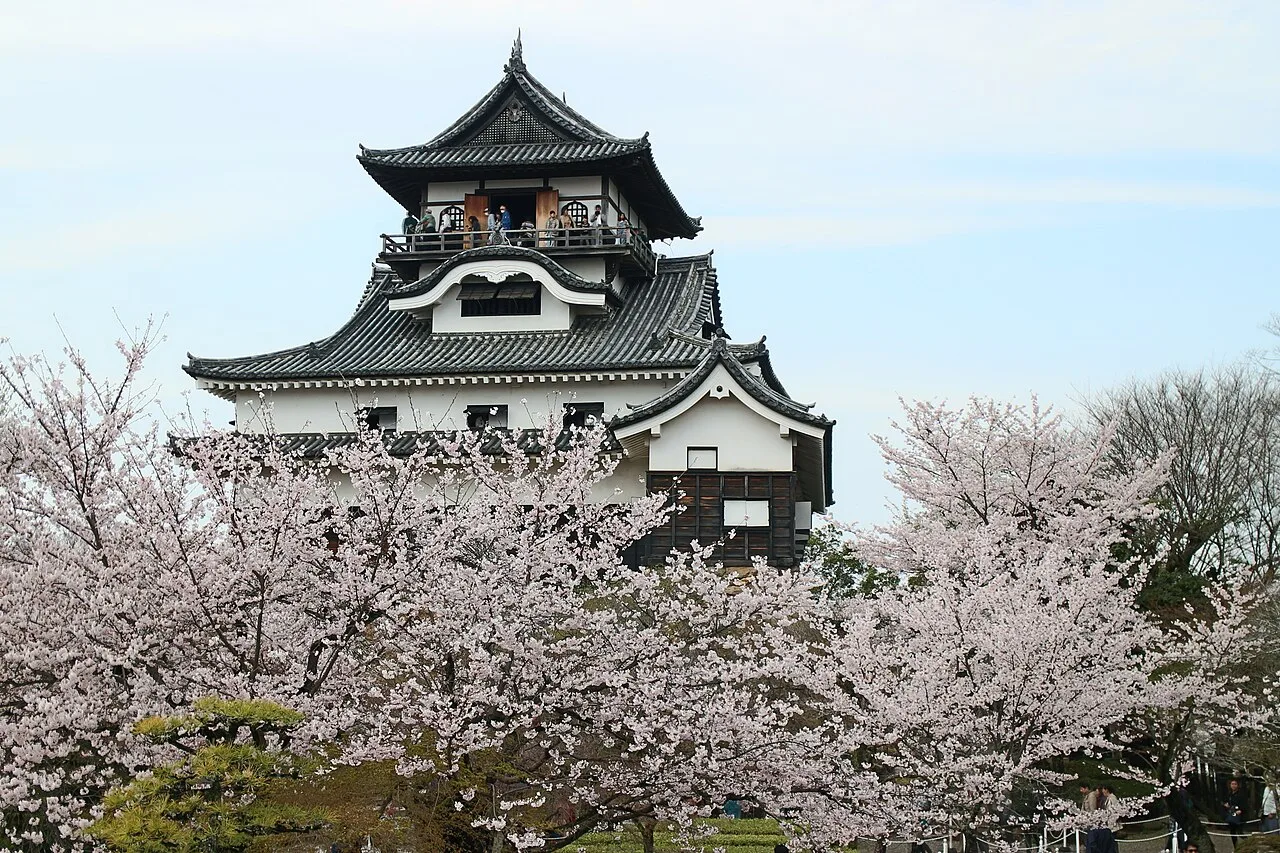
Inuyama Castle (犬山城, Inuyama-jō) is one of Japan's most historically significant fortresses, standing on a forested bluff above the Kiso River in Inuyama, Aichi Prefecture. Built around 1537, its wooden tenshu is designated a National Treasure — an honour shared by only four other Japanese castles — and is one of the twelve surviving original keeps from the pre-modern era. Visitors climb steep original wooden stairs to reach an open exterior balcony at the top, offering 360-degree panoramic views over the river, surrounding mountains, and the historic castle town below. Privately owned by the Naruse samurai clan for over two centuries, the castle transferred to a public nonprofit foundation in 2004. It remains one of Japan’s most visited and photographed historic castles.

Visitor guide →
Meiji Mura

Meiji Mura

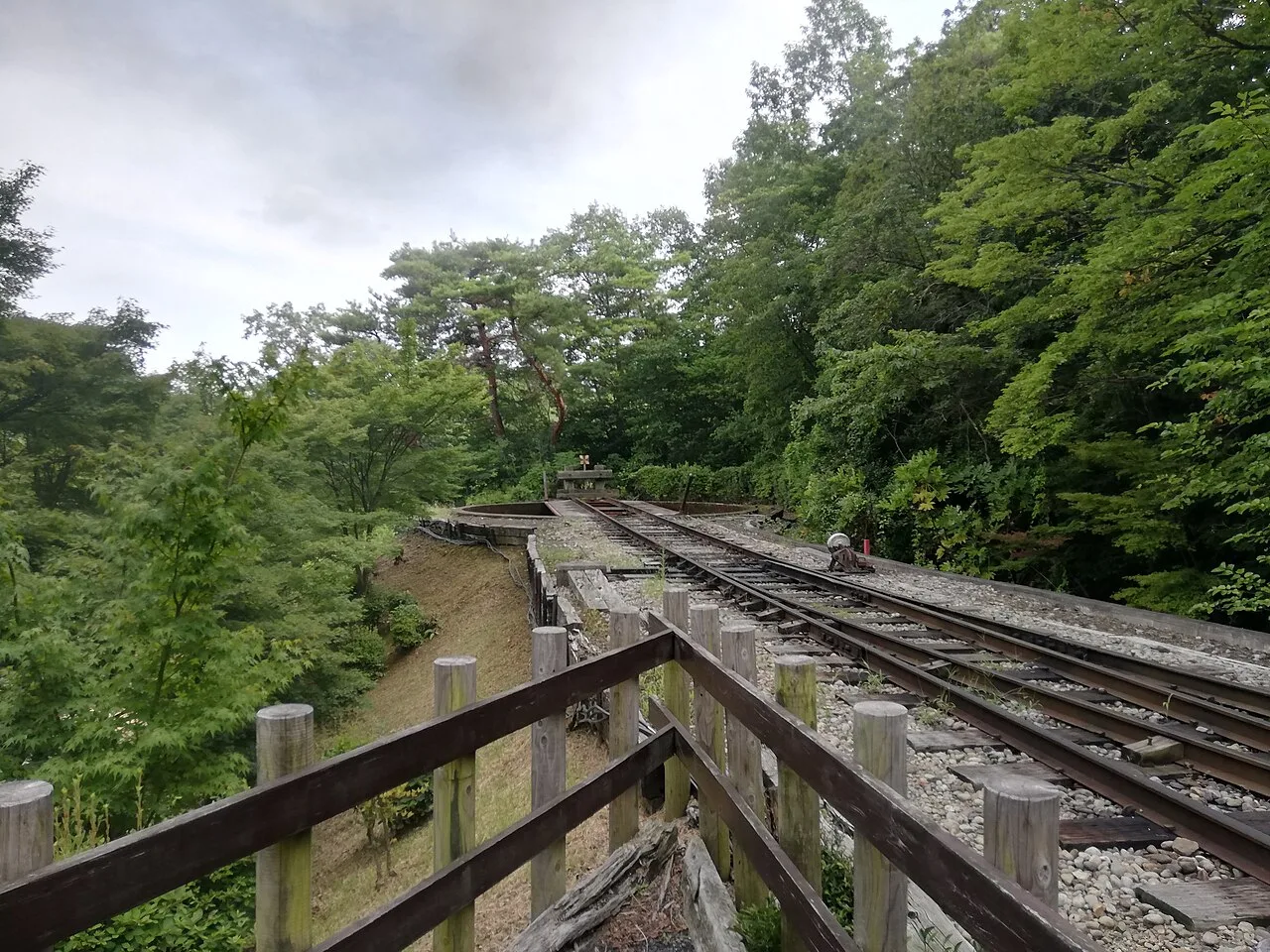
Museum Meiji-mura (博物館明治村) is an expansive open-air architectural museum in Inuyama, Aichi Prefecture, preserving 67 historic buildings from Japan’s Meiji, Taishō, and early Shōwa eras relocated from across the country. Founded in 1965, the museum spreads across roughly 100 hectares of forested hillside alongside Lake Iruka. Its centrepiece is the iconic entrance lobby of Frank Lloyd Wright’s Imperial Hotel (Tokyo, 1919–1968), reconstructed here after surviving the 1923 Great Kantō Earthquake. Visitors can ride a working Meiji-era steam locomotive and a restored Kyoto streetcar through the grounds, explore buildings from Lafcadio Hearn’s former summer house to a 19th-century Japanese immigrant assembly hall from Hawaii, and dine in authentic Meiji-era dining rooms. A thorough visit typically takes four to six hours.

Visitor guide →
Sanko Inari Shrine

Sanko Inari Shrine

Sanko Inari Shrine (三光稲荷神社) stands at the base of Inuyama Castle hill in Inuyama, Aichi Prefecture, and has served as the guardian shrine of the former Inuyama domain for centuries. Today it draws visitors as much for its romantic power-spot reputation as for its historical significance. The shrine is instantly recognisable by its tunnel of vermilion torii gates leading up through the trees and by the clusters of pink, heart-shaped ema — wooden votive plaques — hung by those seeking blessings for love and relationships. A zeniarai (coin-washing) basin on the grounds invites visitors to rinse money in sacred water in the hope it will return multiplied. Admission is free and the grounds are accessible around the clock, making it an easy and rewarding first stop on the walk up to National Treasure Inuyama Castle from the Honmachi historic streetscape.

Visitor guide →
Uraku-en Garden & Jo-an Teahouse

Uraku-en Garden & Jo-an Teahouse

Uraku-en Garden is a serene traditional Japanese garden in Inuyama, Aichi Prefecture, home to Jo-an—one of Japan’s three teahouses designated a National Treasure. Jo-an was built in 1618 by Oda Urakusai, a younger brother of the powerful daimyo Oda Nobunaga and a devoted disciple of tea master Sen no Rikyu, before being relocated to its current Inuyama setting in 1972. The intimate two-and-a-half tatami-mat teahouse features a distinctive shake (wood-shingle) roof, a nijiriguchi (crawling entrance), and characteristic Uraku-mado windows. Visitors can stroll through the garden’s bamboo grove, enjoy seasonal foliage, and savour matcha green tea with a traditional sweet at the Ko-an pavilion. Uraku-en adjoins the Hotel Indigo Inuyama Urakuen Garden and sits within easy walking distance of Inuyama Castle, making it a natural pairing for a full day of cultural exploration.

Visitor guide →

Planning your visit to Inuyama

Most of these attractions are clustered in walkable districts. Pair two or three per day, rather than trying to sprint between them — opening-hour overlap and ticket-window queues make a tight schedule riskier than it looks on a map. The individual guides linked above each call out the best time of day to visit and which nearby sights are worth bundling.

Inuyama sits about 25–30 minutes from Nagoya by Meitetsu train. For full itineraries, transport and where to stay, see our guide to things to do in Inuyama — and if you are basing yourself in the city, browse more things to do in Nagoya, the wider Nagoya attractions hub, and nearby Gifu.