

Shirakawa-go Travel Guide: 9 Essential Tips & Attractions
Discover the magic of Shirakawa-go with our guide to Gassho-zukuri farmhouses, seasonal light-ups, farmhouse stays, and essential transport tips from Takayama.
On this page
Tucked away in the remote mountains of Gifu Prefecture, Shirakawa-go feels like a village frozen in time. This UNESCO World Heritage site is famous for its iconic thatched-roof farmhouses that resemble hands pressed together in prayer. Travelers often visit to witness the harmony between traditional Japanese architecture and the rugged alpine landscape. Whether you are planning a winter wonderland escape or a lush summer retreat, this guide covers everything you need for a perfect trip.
Most visitors focus on the main village of Ogimachi, where the highest concentration of historic homes still stands today. While many treat it as a quick stop, staying overnight offers a rare glimpse into a lifestyle that has persisted for centuries. Understanding the logistics of the shirakawa-go itinerary is key to avoiding the heavy midday crowds. Preparation ensures you can fully appreciate the quiet beauty of this living museum.
Key Takeaways
- Book winter light-up visits via the mandatory lottery system.
- Use the official tourist association site for minshuku reservations.
- Respect the 'Living Village' by staying out of private residential areas.
- Visit the Shiroyama Viewpoint for the best panoramic photos.
The History and Heritage of Shirakawa-go
The history of this region is defined by its extreme isolation and the resilience of its people. Designated as a UNESCO World Heritage Site in 1995, the area preserves a unique social system and way of life that vanished almost everywhere else in Japan. In the Edo Period, the villagers developed specialized industries to survive the long, harsh winters. These activities included the cultivation of silkworms and the secret production of saltpeter for gunpowder.
Saltpeter production was a vital economic pillar that funded the construction of the massive farmhouses visitors see today. Villagers produced this gunpowder ingredient beneath the floorboards of their homes using organic waste and soil, keeping the operation hidden from outside authorities. This secret industry allowed the remote community to trade with the outside world despite the difficult terrain. Most general guides mention only silk, but the saltpeter trade was arguably the greater driver of the village's architectural ambition during the Edo era.
Central to the village's survival is the concept of "Yui," which refers to communal labor and mutual spirit. When a massive thatched roof needs replacing — a job requiring 530 or more workers — the entire community gathers to complete the task in a single day. This tradition of working together is a core reason for the village's preservation and its UNESCO designation. Witnessing a re-thatching event is rare but highlights the deep social bonds of the roughly 700 local residents who still call Ogimachi home.
Architectural Marvels: Gassho-zukuri Farmhouses
The term "Gassho-zukuri" translates to "constructed like hands in prayer," referring to the steep pitch of the roofs. This design is not merely aesthetic but serves a critical functional purpose during the heavy Gifu winters. The sharp angles allow massive amounts of snow to slide off easily, preventing the wooden structures from collapsing. Each house is built without a single metal nail, using intricate wooden joints and straw ropes instead.
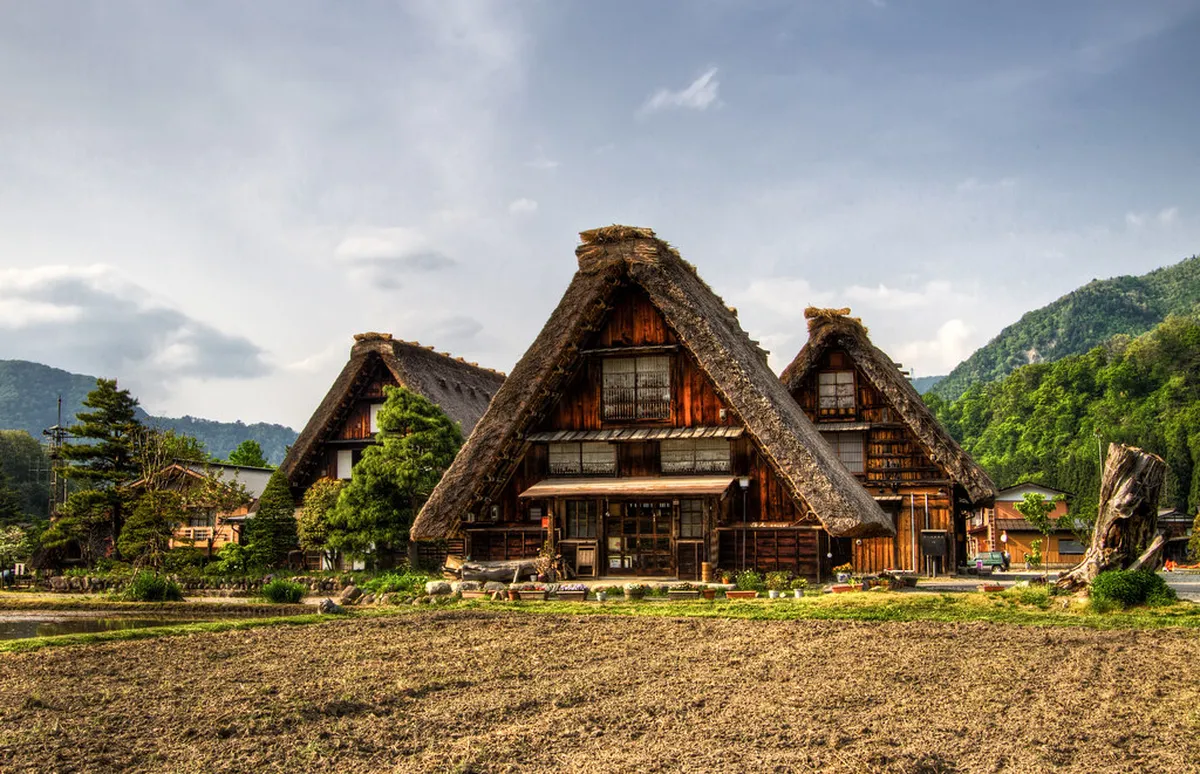
Inside these homes, the space is divided into multiple functional levels for family life and industry. The upper floors were traditionally used for sericulture, as the rising heat from the first-floor hearth kept the silkworms warm. Smoke from the open "irori" fireplace also helps preserve the wood and thatch from rot and insects. Stepping inside one of these structures provides a tactile connection to Japan's rural past that photographs cannot fully replicate.
Three farmhouses in Ogimachi are open to the public as museums, each with a distinct character. The Wada House is the largest in the village — it was home to a wealthy silk-trading family who also served as village leaders, and its upper floors display silk-harvesting equipment. The Kanda House offers visitors access to all four floors and some of the best upper-level views looking out over the rooftops. The Nagase House is the tallest of the three at five stories; the Nagase family served as physicians to the ruling Maeda clan, and the upper levels give a close-up view of the roof's interior construction. All three are open 09:00–17:00 daily and charge 300 JPY for adults and 150 JPY for children. The Kanda House closes every Wednesday from December through February.
The Kanda House is closed on Wednesdays from December through February, so plan your museum visits around this schedule if visiting in winter.
Things To Do In Shirakawa-go & Ogimachi Village
Walking through Ogimachi Village is the primary activity for most travelers arriving in the region. The village is remarkably walkable, with narrow paths winding between rice paddies and historic homes. Pick up a current map at the information center near the bus terminal, which also tells you which farmhouses are open for public viewing each day. Admission to the village itself is free; if you arrive by car, parking costs around 1,000 JPY.
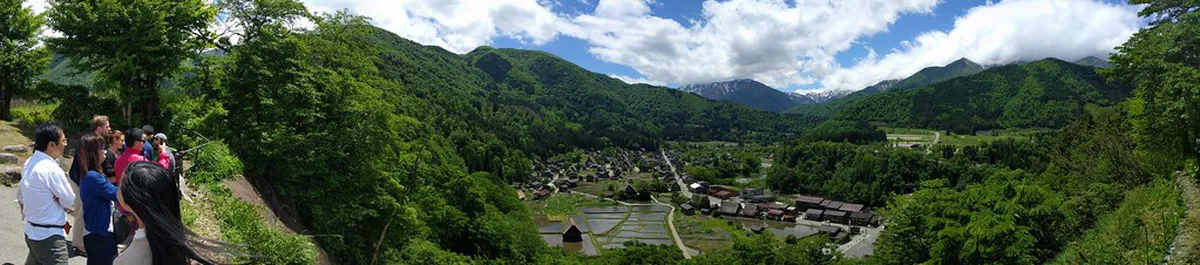
For the most famous panoramic view of the village, head up to the Shiroyama Viewpoint — the former site of Ogimachi Castle. You can reach the overlook via a 15 to 20-minute uphill walk or a convenient shuttle bus departing from near the bus stop. The shuttle costs 200 JPY each way and runs every 20 minutes during peak hours. Capturing the village from above is essential for seeing the full spread of Gassho-zukuri rooftops against the alpine valley.
Beyond the farmhouses, Myozenji Temple's museum offers a unique look at a thatched-roof temple. Its main hall and bell tower gate follow the same architectural style as the farmhouses, making it one of the few places where you can see how religious life integrated with local building techniques. Open 08:30–17:00 (09:00–16:00 December to March); admission is 300 JPY for adults. The Shirakawa Hachiman Shrine, said to have been founded between 708 and 715, stands a short walk from the main street and hosts the Doburoku Festival every 14–15 October — one of the best reasons to visit in autumn.
The main street, known as Shirakawa Kaido, is lined with restaurants, craft shops, and street food stalls. It is the busiest part of Ogimachi; walking even five minutes away from it brings you into quieter lanes lined with farmhouses and almost no other tourists. Check the shirakawa-go best time to visit guide for a monthly breakdown of crowds and conditions.
Unwind at Shirakawa-no-Yu Hot Spring
At the southern end of Shirakawa Kaido, right beside the Shokawa River, sits Shirakawa-no-Yu — the village's natural hot spring bath. Almost every guide skips this detail, but it is the single best way to decompress after a few hours of walking the village. The onsen has both an indoor and an outdoor bath, with separate facilities for men and women. It opens daily from 07:00 to 21:30 (last entry 21:00) and costs 700 JPY for adults and 300 JPY for children.
The outdoor bath in particular frames the surrounding mountains and is especially atmospheric in winter when steam rises over the snow. Towels are available to rent inside if you arrive without one. The facility also has a small number of guest rooms if you want a simple overnight option that does not require booking through the minshuku reservation system. Given that most day-trippers leave by mid-afternoon, the baths are typically uncrowded from 16:00 onwards — a good reason to schedule your bus home later rather than earlier.
Seasonal Beauty: Best Times to Visit
Every season brings a dramatic transformation to the landscape of Shirakawa-go. Spring features blooming cherry blossoms against the backdrop of snow-capped mountains in late April. Summer turns the rice paddies a vibrant green, offering a cool mountain escape from Japan's humid cities. Autumn is particularly stunning when the surrounding forests turn shades of fiery red and gold in late October and early November.
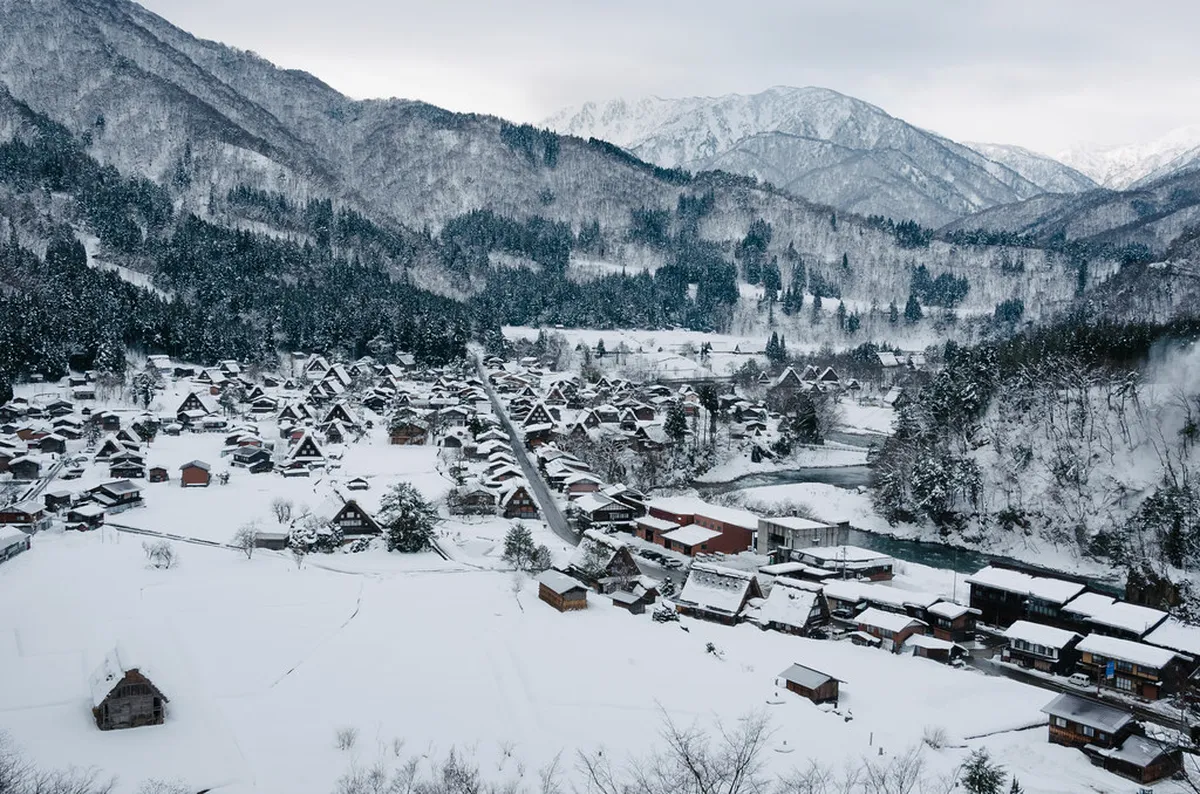
Winter is arguably the most popular time to visit, as the village becomes a serene snow-covered dreamscape. However, the famous winter light-up events now require a mandatory lottery system to manage overtourism. You cannot simply show up on light-up nights without a confirmed reservation for parking or a tour bus. Review the shirakawa-go winter light up rules early to secure your spot for 2026 — lottery slots typically open several months before each event.
The Doburoku Matsuri festival takes place on 14–15 October, celebrating the local harvest with traditional dances at Shirakawa Hachiman Shrine. Visitors can sample unrefined sake and watch lion dances; this period offers a festive atmosphere that differs greatly from the quiet winter months. If avoiding crowds is a priority, consider visiting on a weekday in early June or late September — the weather is mild, the rice paddies are green, and tour buses are far fewer.
Winter light-up events now require a mandatory lottery system for parking or bus tour reservations. Lottery slots open months in advance, so plan ahead and secure your spot early if winter is your target season.
Shirakawa-go's Culinary Delights
The local cuisine of the Hida region is hearty and relies heavily on mountain ingredients. Hoba Miso is the most famous dish, featuring sweet miso paste grilled on a dried magnolia leaf. It is often topped with succulent Hida beef or local mushrooms and served over rice. Many small restaurants in Ogimachi serve this for lunch, providing a warm meal on cold days.
Doburoku is a local specialty of unrefined, chunky sake that is legally brewed only in this village. You can try a cup at the Doburoku Festival Museum located near the Hachiman Shrine. The flavor is slightly sweet and sour, reflecting the traditional fermentation methods of the region. It is a rare opportunity to taste a beverage that is strictly regulated elsewhere in Japan.
For a quick snack, look for stalls selling Gohei-mochi — grilled rice cakes coated in walnut miso, skewered and eaten standing up. Hida beef skewers and croquettes appear along the main street and provide a hearty bite between farmhouse visits. Local shops also offer soft-serve ice cream flavored with toasted soy flour or chestnut. Dining early is recommended, as most village eateries close by 16:00 or 17:00.
Staying Overnight: Accommodations in Shirakawa-go
Staying overnight in a traditional minshuku is the ultimate way to experience the village's soul. These family-run guesthouses provide a simple room with tatami mats and a shared irori hearth for the evening. All minshuku include dinner and breakfast because no restaurants operate in the village at night — expect a traditional meal featuring local river fish, mountain vegetables, and Hida beef. Consider a shirakawa-go gassho farmhouse stay for an immersive cultural experience.
Booking these accommodations can be challenging because most do not appear on major travel websites like Booking.com or Agoda. The correct approach is to use the Shirakawa-go Tourist Association's reservation page at shirakawa-go.gr.jp or to call the minshuku directly — the tourist association can provide phone numbers in English. Demand is extremely high, especially for the handful of houses that accept international guests. Start your search at least three to four months before your intended stay, and be flexible with dates.
The main benefit of staying overnight is enjoying the village after the day-trip buses have departed. You can walk the quiet streets at dusk or early morning when the mist clings to the mountains. This peaceful atmosphere is when the living-village feeling is most palpable. Be aware that amenities are basic, check-in times are strict (typically by 17:00), and most houses have a curfew in the evening.
How Do You Get to Shirakawa-go?
Since there is no train station in the village, all visitors must arrive by bus or private car. The table below summarises the three main routes for 2026; prices and schedules can vary by season so confirm at the point of booking.
| Departure city | Operator | Journey time | One-way fare (adult) | Notes |
|---|---|---|---|---|
| Takayama | Nohi Bus | ~50 min | ~1,360 JPY | Most frequent; departs from Takayama Bus Terminal beside JR station |
| Kanazawa | Hokutetsu / Nohi Bus | ~75–85 min | ~1,850 JPY | Good option when travelling the Hokuriku coast; advance booking advised |
| Nagoya | Meitetsu Bus | ~2 hr 50 min | ~2,600 JPY | Convenient for arrivals at Chubu Centrair Airport |
Takayama serves as the most popular gateway, with Nohi Bus departures running throughout the day. The journey offers scenic views of the Shokawa River valley and is easy to combine with a visit to Takayama's old town. Travelers often use the shirakawa-go from takayama route as part of a larger Gifu itinerary. For those coming from Kanazawa, a kanazawa to shirakawa-go day trip lets you see both destinations in a single day.
If you are coming from Nagoya, direct buses run via the Tokai Hokuriku Expressway and are very convenient for those flying into Chubu Centrair Airport. Book all long-distance bus tickets in advance through the Japan Bus Online portal or directly at the originating bus terminal. Always check the latest schedules before travel, as winter weather and road conditions can occasionally cause delays or cancellations. The shirakawa-go from nagoya journey is the longest of the three but requires no transfers.
Essential Shirakawa-go Travel Tips
Shirakawa-go is a living village, not just a tourist attraction. Around 700 people live here full-time; respect their privacy by not entering gardens or peeking through windows. Houses that are not open to the public are clearly marked with "No Entry" signs in Japanese and English. Stick to the designated paths and public areas throughout your visit.
Luggage management is a practical concern for travelers moving through on the Takayama–Kanazawa corridor. The main bus terminal has coin lockers that fill up quickly during peak hours; a staffed luggage counter inside the tourist information building handles oversized bags. Traveling light or using a luggage forwarding service (takkyubin) from your previous hotel will make village exploration far easier. Most accommodations in Takayama and Kanazawa offer next-day forwarding for around 1,500–2,000 JPY per bag.
Wear comfortable walking shoes with good grip, especially in winter when paths to the viewpoint become icy. Public restrooms are available near the bus terminal and main parking areas. Carry some cash, as many small shops and food stalls do not accept credit cards. Most of the farmhouse museums close at 17:00, so plan to arrive at the village no later than 13:00 if you want to visit two or three of them plus the viewpoint at a relaxed pace.
Day Trips and Excursions Around Shirakawa-go
Shirakawa-go sits at the centre of one of Japan's most rewarding travel triangles, making it easy to extend your itinerary in any direction. Takayama is less than an hour away by bus and is home to one of Japan's best-preserved Edo-period old towns. Its historic morning markets, sake breweries, and Hida folk village fill a full day and pair naturally with an afternoon in Ogimachi. The combination of Takayama and Shirakawa-go is one of the most popular two-day circuits in Central Japan.
The smaller villages of Suganuma and Ainokura — collectively known as the Gokayama villages — are also part of the same UNESCO World Heritage listing but receive far fewer visitors. Suganuma has only nine gassho-zukuri farmhouses and almost no tour groups; Ainokura, the more remote of the two, has around twenty farmhouses and offers the same architecture in near-total quiet. Both villages are accessible by bus from Ogimachi and take one to two hours to explore. If you value authentic atmosphere over convenience, a half-day loop from Ogimachi to Ainokura and back is genuinely different from anything you will experience in the main village.
Kanazawa, roughly 75 km to the north, provides an excellent urban counterpoint to the rural tranquility of Shirakawa-go. Kenroku-en garden, the Higashi Chaya geisha district, and the 21st Century Museum of Contemporary Art can fill two to three days. For those building a longer Chubu circuit, Shirakawa-go works naturally as a midpoint stop between Takayama and Kanazawa, with a through-bus service connecting all three in a single day without backtracking.
Explore attractions in other cities
Frequently Asked Questions
What is the best time of year to visit Shirakawa-go?
Winter is the most iconic time for snow, but late October offers stunning autumn colors. Spring brings cherry blossoms in late April, while summer is lush and green. Each season provides a completely different visual experience for travelers. For more details on the neighboring village, see our guide to the Gokayama villages.
How do I get from Takayama to Shirakawa-go?
The most convenient way is by the Nohi Bus, which takes about 50 minutes. Buses depart frequently from the Takayama Bus Terminal next to the JR station. You should book your tickets in advance during peak seasons to guarantee a seat. Some buses are non-reserved, but these can have long queues.
Can you stay overnight in a Gassho-zukuri house?
Yes, several farmhouses operate as minshuku (family-run guesthouses). These stays include traditional meals and a chance to sleep on tatami mats. Reservations are essential and should be made months in advance through the local tourist association. It is a unique way to experience the village after hours.
Is Shirakawa-go worth a day trip?
Shirakawa-go is definitely worth a day trip if you are staying in Takayama or Kanazawa. You can see the main highlights and viewpoints in about three to four hours. However, an overnight stay is better for those who want a quiet, crowd-free experience. Most visitors find the architecture and scenery truly unique.
Shirakawa-go remains one of Japan's most captivating destinations for its architectural beauty and cultural depth. By following the local etiquette and planning your transport in advance, you can enjoy a seamless visit. Don't forget to check the latest travel updates before you depart for your mountain adventure. Whether you stay for a few hours or a full night, the village's timeless charm is sure to leave a lasting impression.
Explore More Shirakawa-go Guides
Deep-dive guides for planning a Shirakawa-go trip — how to get there, when to go, where to stay overnight, and the nearby gassho villages worth pairing.
Getting There
- Shirakawa-go from Tokyo
- Shirakawa-go from Nagoya
- Shirakawa-go from Takayama
- Kanazawa to Shirakawa-go Day Trip
Plan Your Visit
Stay & Experience
Nearby
Plan Your Japan Trip
Nearby destinations worth pairing with a Shirakawa-go trip: Takayama.
For ticket prices, opening hours and visitor details on each sight, browse our Shirakawa-go attractions hub.
Free: The Takayama Essentials guide
Top things to do, where to stay, a perfect day plan, getting around, and the best time to go — a Takayama mini-guide you can take offline.
You might also like


Continue reading
More guides you'll find useful


