
Kanazawa to Shirakawa-go Day Trip: Complete Travel Guide
Plan the perfect Kanazawa to Shirakawa-go day trip. Compare bus vs. car options, see the best Gassho-zukuri houses, and learn how to beat the crowds.
On this page
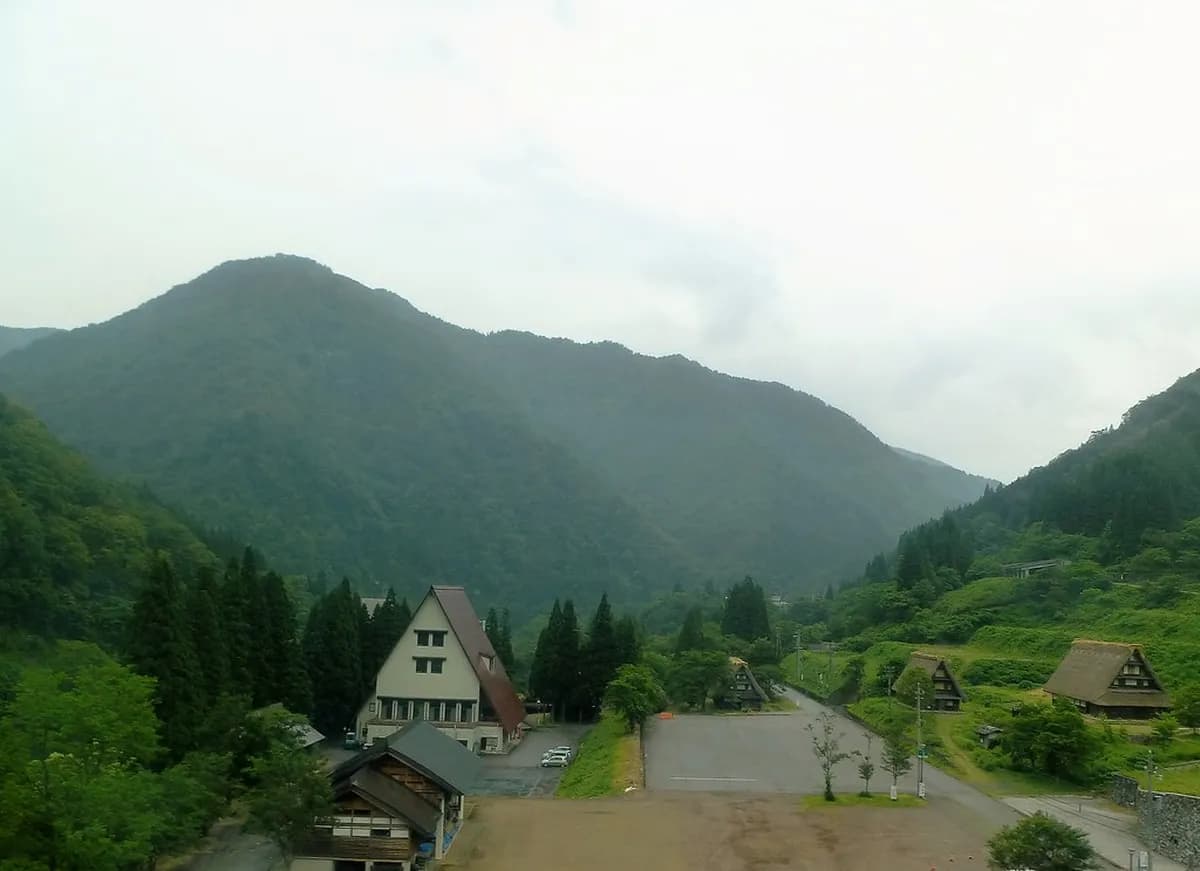
Visiting the historic village of Shirakawa-go is a highlight for many travelers exploring the Hokuriku region. This UNESCO World Heritage site offers a glimpse into traditional Japanese life with its iconic thatched-roof houses. Planning a kanazawa to shirakawa-go day trip allows you to experience these stunning landscapes with ease.
The journey takes you from a modern city into the heart of the Japanese Alps within 75 minutes. You will find ancient farmhouses nestled in a valley surrounded by high mountain peaks. This guide covers everything from transport logistics to the best local treats you must try.
Why Shirakawa-go is a Must-Visit from Kanazawa
Shirakawa-go is famous for its unique gassho-zukuri farmhouses, which look like hands joined in prayer. These steep roofs — pitched at between 45 and 60 degrees — were engineered to shed the heavy snowfall common in this part of Gifu Prefecture. The houses were built without nails and range from 100 to 400 years old, making them among the oldest surviving rural structures in Japan.
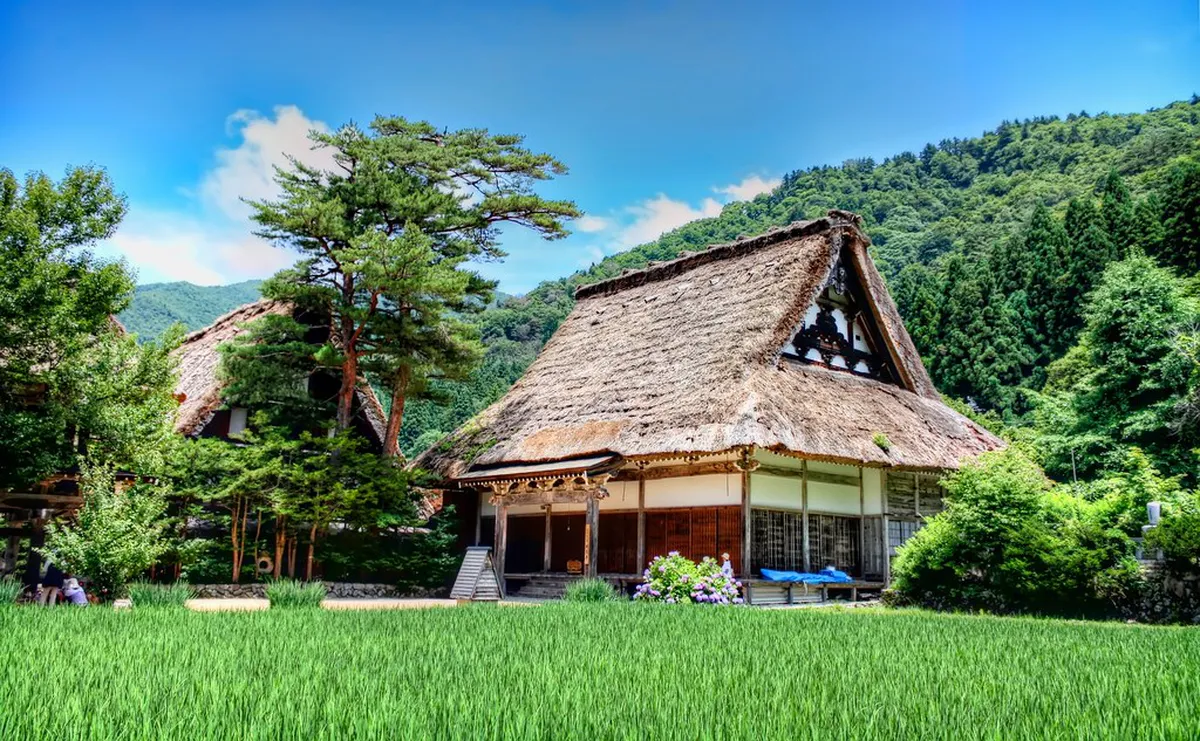
The village earned its UNESCO World Heritage status in 1995 because of its preserved community spirit and architectural history. Local families still live in many of these homes and maintain the traditional thatched roofs together through a cooperative practice called yui. Seeing this living tradition is a rare opportunity that few other destinations in Japan can match.
Kanazawa serves as the perfect base for this excursion thanks to its direct highway bus connection and its position at the edge of the Japanese Alps. Many travelers stay two nights in the city and dedicate one day entirely to the mountain villages. Consult a Kanazawa transport guide to plan your base logistics before heading out.
Each season transforms the village. Summer brings lush rice paddies and fireflies at dusk. Autumn fills the valley with red and gold leaves. Winter is the most photogenic season, when snow covers every rooftop in the village and the weekly illumination events draw visitors from across Japan. Spring cherry blossoms arrive in mid-April and last only a few days.
Transportation Guide: Bus, Car, and Tours
The direct highway bus co-operated by Hokuriku Rail Road (Hokutetsu) and Nohi Bus is the most popular choice. It departs from Kanazawa Station's East Exit bus terminal at stop #2 and reaches Shirakawa-go in 75 to 90 minutes with no transfers. The one-way fare is 2,800 yen for adults as of 2026. Reservations are strongly recommended and can be made online via the Hokuriku Rail Road website up to one month in advance.
Bus reservations for Shirakawa-go open exactly one month in advance at 09:00 Japan time. Popular dates — Golden Week, mid-April cherry blossoms, October–November foliage, and winter illumination weekends — sell out within minutes. Book both the outbound and return slots in the same session.
Renting a car gives you the most flexibility, especially if you want to combine Shirakawa-go with Gokayama in a single day. The drive from Kanazawa takes about 60 minutes via the Tokai-Hokuriku Expressway, with toll costs around 1,500 yen each way. Parking at Ogimachi costs 1,000 yen per vehicle. In winter, snow chains or winter tyres are legally required on mountain roads, so check rental conditions carefully before booking.
A third route works well for last-minute travelers or those traveling on a budget: take a local IR train from Kanazawa to Takaoka (about 40 minutes, 870 yen), then board the World Heritage Bus to Shirakawa-go (about 2 hours 10 minutes, 1,800 yen). No reservation is required on this combination, but seats are first-come-first-served, so board at Takaoka Station to secure a place. Four departures run daily in each direction. This is a practical alternative if you are making a Takayama connection on your onward journey.
Guided tours bundle transport, a commentary guide, and sometimes lunch. The Sankakusei Kaido Bus (3-star highway bus) operated by West Japan JR Bus runs on Saturdays, Sundays, and Japanese holidays and covers Gokayama, Shirakawa-go, and Takayama in a round trip for 6,800 yen — a genuinely good deal for a three-site day. Private van tours from operators like Kanazawa Adventures cost around 10,000 yen per person but include GPS audio guides and operate mostly on weekdays.
| Option | Cost (one way) | Time | Notes |
|---|---|---|---|
| Direct Highway Bus | 2,800 yen | 75–90 min | Reservation required; East Exit stop #2 |
| Rental Car | ~1,500 yen tolls + 1,000 yen parking | 60 min | Best for families or combined Gokayama itinerary; winter tyres required |
| Train + World Heritage Bus | ~2,670 yen total | 3 hours | No reservation needed; good last-minute option |
| Guided Day Tour | 6,800–10,000 yen | Full day | Covers multiple heritage sites; limited operating days |
- Direct Highway Bus: 2,800 yen one-way, 75–90 min, reservation required, Kanazawa Station East Exit stop #2
- Rental Car: ~1,500 yen in tolls, 60 min, parking 1,000 yen at Ogimachi, best for families or combined Gokayama itineraries
- Train + World Heritage Bus: ~2,670 yen total, 3 hours, no reservation needed, good last-minute option
- Guided Day Tour: 6,800–10,000 yen, full day, includes multiple heritage sites, operates on limited days
Japan Rail Pass Holders: What the Bus Companies Don't Tell You
The Hokutetsu and Nohi direct highway buses are private operators and the Japan Rail Pass is not valid on either. You will pay the full 2,800 yen fare regardless of what passes you hold. This catches many first-time visitors off guard at the ticket window.
However, JR Pass holders can reduce costs by using the train+bus combination. The shinkansen from Kanazawa to Shin-Takaoka takes under 15 minutes and is covered by the JR Pass. From Shin-Takaoka, Nohi Bus runs direct services to Shirakawa-go for 2,800 yen. Alternatively, take the shinkansen to Toyama (about 25 minutes, JR Pass covered) and connect to a Nohi Bus service to Shirakawa-go for 2,400 yen one-way. Neither route beats the direct Kanazawa bus on total travel time, but they cut cost if you have already committed to the pass. The non-reservation Takaoka World Heritage Bus also connects after a local train from Kanazawa, and that local leg is covered if you hold an IR Ishikawa Railway pass (not the standard JR Pass).
The key rule: budget 2,800 yen for the Shirakawa-go bus leg no matter which origin point you depart from, unless you are taking the no-reservation Takaoka route at 1,800 yen. Plan your return bus reservation at the same time you book the outbound, as afternoon slots fill quickly during autumn and cherry blossom season.
Exploring Ogimachi: The Heart of Shirakawa-go
Ogimachi, the largest settlement in the Shirakawa-go area contains 59 gassho-zukuri farmhouses — the highest concentration of any village on this route. Start your visit by heading immediately to the Shiroyama viewpoint (Ogimachi Castle Site Observatory) for a panoramic look at the entire valley. This is best done in the first 20 minutes after arrival, before tour groups from Takayama begin pulling in around 10:00 AM.
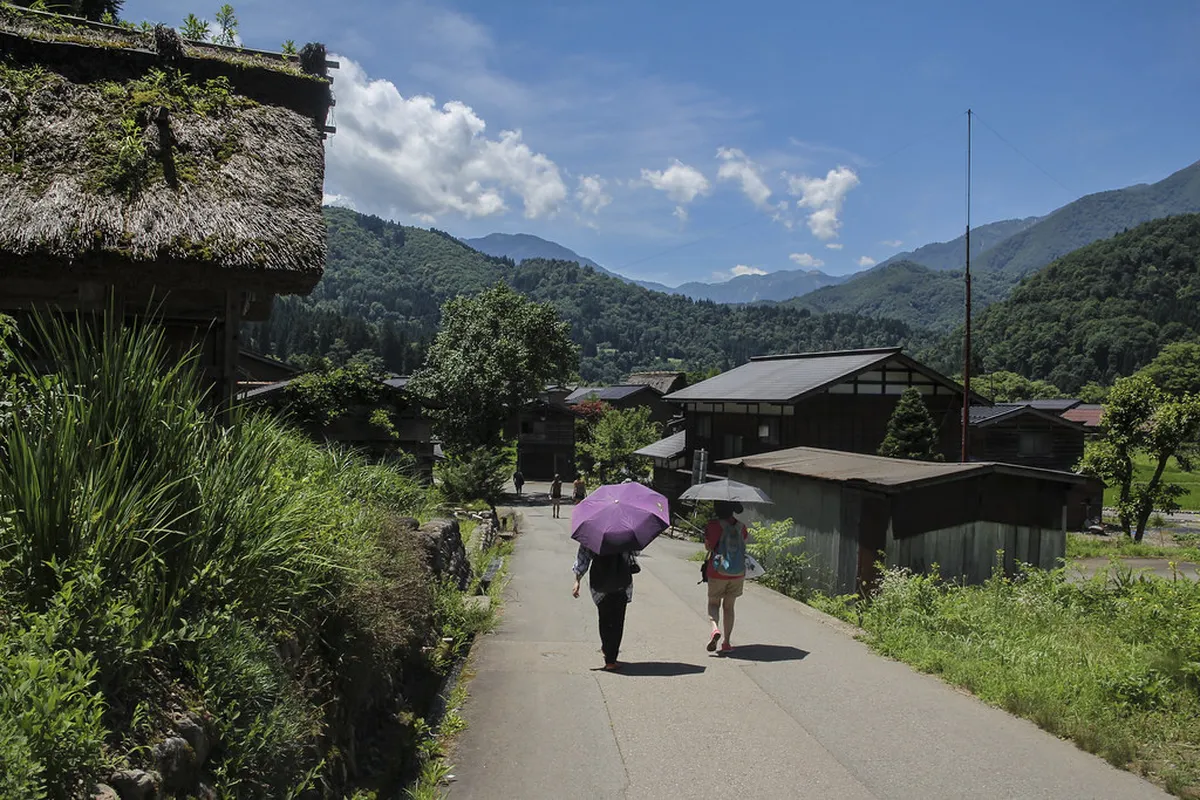
The Wada House is the largest farmhouse in the village and is open to the public for 300 yen. You can explore the upper floors to see the wooden framework up close and understand how silkworms were raised in the attic space. The open-air museum Gassho-zukuri Minka-en, a short walk from the village centre, has 26 relocated farmhouses, a watermill, and a temple — entry costs 600 yen and takes 45 to 60 minutes to walk through.
Food lovers should stop by the local shops for Hida beef skewers, mitarashi dango, and local sake at the Doburoku Festival Museum. A must-try is the famous Mizu Pudding at Shirakawa-go Purin-no-Ie — this dessert uses local spring water for a lighter, silkier texture than a standard pudding. The shop often runs out by 13:00, so visit early or on your way back from the viewpoint.
Crossing the Deai-mon Suspension Bridge on arrival offers a striking view of the Shokawa River below. The bridge connects the main bus stop and parking area directly to the historic heart of the village, and the 5-minute walk is one of the most atmospheric moments of the whole trip.
Gokayama: The Secluded UNESCO Alternative
the Gokayama villages sit just north of Shirakawa-go but lies within Toyama Prefecture rather than Gifu. Its two villages — Suganuma and Ainokura — are quieter and less commercially developed than Ogimachi. Travelers who find Shirakawa-go too crowded, especially on weekends, often prefer Gokayama as the main destination rather than a secondary one.
Suganuma has 9 gassho-zukuri houses and a combined folklore and gunpowder museum for 300 yen. Ainokura has 23 farmhouses and a separate Ainokura Minzokukan museum (200 yen) dedicated to washi paper production tools and traditional farming implements. Some houses in Ainokura offer washi-making workshops — a genuinely hands-on way to engage with the local heritage and take home a meaningful souvenir.
Getting to Gokayama from Kanazawa directly requires a rental car or the Hokutetsu seasonal bus that runs from March to November (one-way 1,540 yen, about 60 minutes). By car, the drive from Gokayama to Shirakawa-go via the expressway takes only 26 minutes and costs 570 yen in tolls, making a combined visit very practical if you have a vehicle. Visiting Kenrokuen Garden on a separate day keeps this excursion focused and unhurried.
Without a car, the most realistic way to combine both sites is the Sankakusei Kaido Bus guided tour or an early-start car rental itinerary. Most solo travelers who rely on public transport and want depth find that committing fully to one village produces a better experience than rushing between two.
Sample 1-Day Itinerary and Timing
The single most important timing decision on a Kanazawa to Shirakawa-go day trip is taking the 8:00 AM bus. By arriving at 9:15 AM, you beat the first wave of coach tours from Takayama, which typically reach Ogimachi between 10:00 and 10:30. That 45-minute window gives you the Shiroyama Observatory almost to yourself — one of the best photo opportunities in the Japanese Alps.
Plan lunch for 11:30 to avoid queues. The soba restaurants near the village centre fill quickly from noon onward, and several close by 14:00. After eating, you have time for the open-air museum, the Wada House interior, and a slow browse of the craft shops before the afternoon crowds thin out after 14:30.
Catching the 15:20 bus back puts you in Kanazawa by around 16:45 — in time for dinner or an evening walk in the Higashi Chaya geisha district. You can then enjoy the nighttime atmosphere at a local izakaya or check the Kanazawa itinerary guide for evening options.
- 08:00 — Depart Kanazawa Station East Exit (reserved bus)
- 09:15 — Arrive Ogimachi; walk Deai-mon Bridge immediately
- 09:30 — Shiroyama Observatory before tour coaches arrive
- 10:30 — Wada House interior (300 yen)
- 11:30 — Soba lunch at a farmhouse restaurant
- 12:30 — Mizu Pudding at Purin-no-Ie (go early — stock runs out)
- 13:00 — Open-air museum Minka-en (600 yen, allow 45 min)
- 14:30 — Souvenir shopping and last walk through the main street
- 15:20 — Depart for Kanazawa; arrive ~16:45
Practical Tips for Reservations, Seasons, and Crowds
Bus reservations open at exactly 9:00 AM Japanese time one month before your travel date. Popular dates — golden week, cherry blossom season in mid-April, autumn foliage in October and November, and winter illumination weekends — sell out within minutes of the window opening. Set a calendar reminder and book both the outbound and return trip in the same session. If you miss the window, the non-reservation Takaoka World Heritage Bus is your fallback, but block an extra 90 minutes each way.
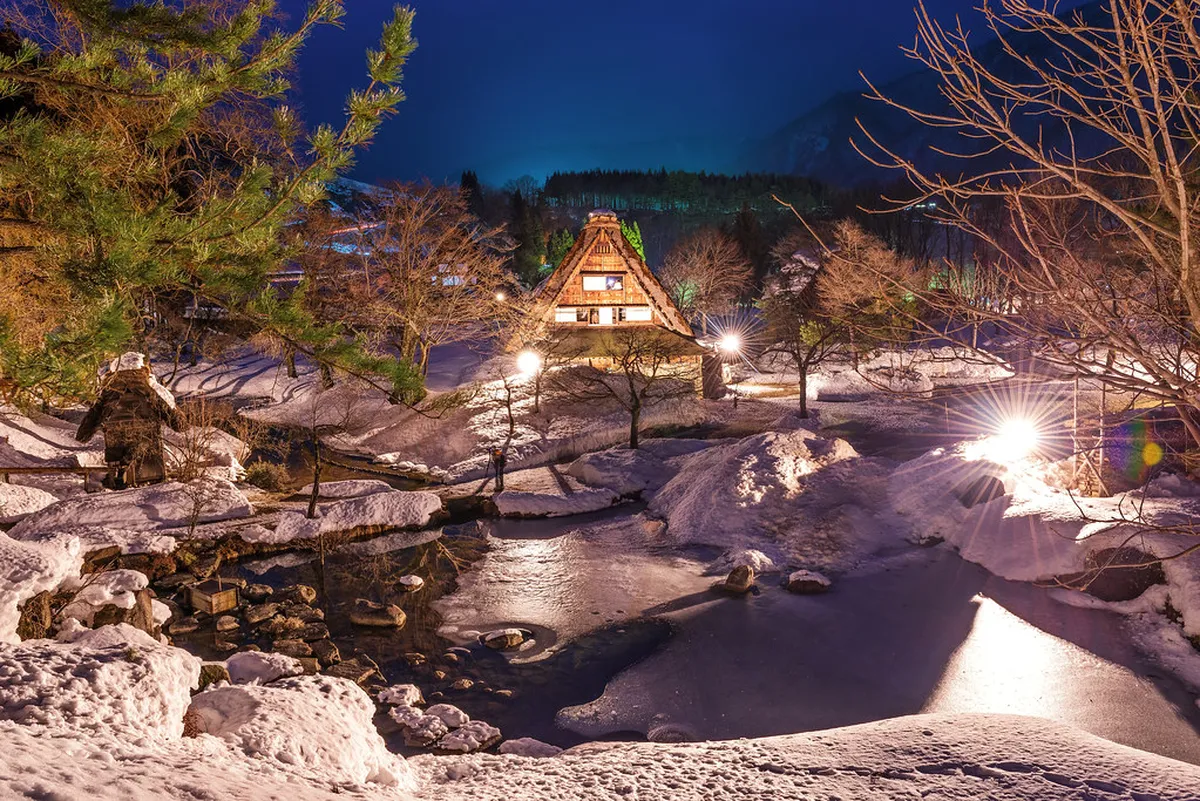
Winter visitors should note that road conditions can close mountain routes without notice. If you are driving, check the Hakusan Shirakawa-go White Road official site for seasonal alerts. The White Road itself is a scenic toll route open from June through mid-November only, and it adds a stunning detour through waterfalls and alpine forest if you have the time. In winter the buses run on schedule, but carry warm layers — the valley is noticeably colder than Kanazawa city.
If you are driving in winter, snow chains or winter tyres are legally required on mountain roads. Rental car conditions vary by company — confirm this before booking. The Hakusan Shirakawa-go White Road closes entirely from mid-November and reopens in June, so that scenic detour is only possible in summer and early autumn.
Wear comfortable walking shoes because the village paths are gravel and uneven. The luggage storage service near the Ogimachi bus stop charges a small fee and is useful if you want to walk freely without a heavy bag. Bring cash — most small food stalls and museum ticket booths in the village do not accept credit cards.
Use our Kanazawa attractions hub to plan the rest of your trip.
Frequently Asked Questions
How long is the bus from Kanazawa to Shirakawa-go?
The direct highway bus typically takes about 75 to 85 minutes to reach the village. This time can vary slightly depending on weather conditions and seasonal traffic. Most buses are very punctual and depart from the Kanazawa Station East Exit bus terminal.
Do I need a reservation for the bus to Shirakawa-go?
Yes, most highway buses on this route require a seat reservation in advance. You can book tickets online or at the bus terminal up to one month before your trip. Some non-reserved buses exist, but they are less frequent and fill up very fast.
Is a day trip to Shirakawa-go from Kanazawa worth it?
Absolutely, it is one of the most rewarding excursions in Japan due to the unique architecture. You can see the main highlights in four to five hours, making it a perfect day trip. After returning, you can dine at the best restaurants in Kanazawa to end your day.
Can you visit both Shirakawa-go and Gokayama in one day?
It is possible to visit both if you have a rental car or use the specific World Heritage Bus. Doing so requires a very early start and a fast pace at each location. Most travelers find that focusing on one area allows for a more relaxing and meaningful experience.
A kanazawa to shirakawa-go day trip is an essential experience for anyone visiting central Japan. By planning your transport early and arriving before the crowds, you can fully enjoy the peaceful mountain scenery. The memories of these ancient farmhouses and the local hospitality will stay with you long after you return home.
Free: The Kanazawa Essentials guide
Top things to do, where to stay, a perfect day plan, getting around, and the best time to go — a Kanazawa mini-guide you can take offline.
You might also like


Continue reading
More guides you'll find useful


