

Kanazawa Tea Ceremony Experience: A Complete Guide
Discover the best tea ceremony experiences in Kanazawa. Learn about top tea houses like Shigure-tei, essential etiquette, costs, and how to book your session.
On this page
Kanazawa remains one of the most famous cities in Japan for experiencing the deep traditions of the ancient tea ceremony. This historic city preserved its cultural treasures through the centuries, offering visitors a rare glimpse into the refined Edo period lifestyle. A Kanazawa tea ceremony experience provides more than just a drink — it is a slow, meditative journey into Japanese hospitality. You will find peaceful gardens and wooden tea houses that make this city the perfect place to learn about matcha.
The Historical Significance of Tea in Kanazawa
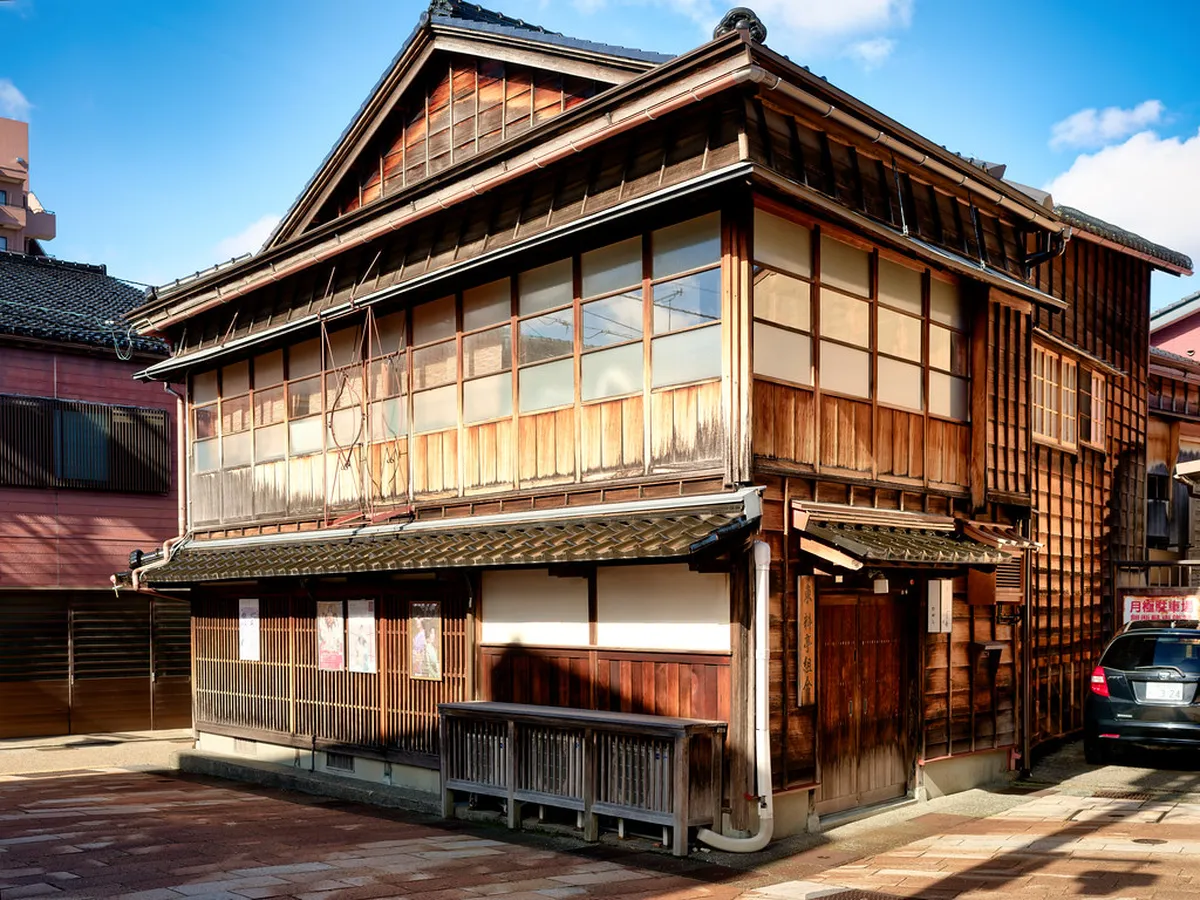
The roots of tea culture in this city date back to the powerful Maeda clan who ruled the Kaga Domain during the Edo period (1603–1867). These lords promoted the tea ceremony as a tool of cultural diplomacy — a way to show refinement, signal peace, and attract the finest artists and craftspeople from across Japan. By supporting local artisans, the Maeda family transformed Kanazawa into a center for high-quality ceramics, lacquerware, and gold leaf. This legacy is still visible today in many of the top historical landmarks in Kanazawa that you can visit.
The Maeda lords invited top tea masters to Kanazawa to develop the practice further. One of the most enduring results was the Ohi-yaki ceramic tradition, a style of hand-kneaded pottery that has been made in the same family workshop since the 17th century. Ohi-yaki bowls are prized for their warm amber glaze and their perfect fit in the palm of the hand — you may find yourself cradling one during a ceremony session in Kanazawa. Learn more about this living tradition at the Urasenke official organization, which has preserved tea ceremony forms for centuries. No other city in Japan has an equivalent single-family ceramic tradition so directly tied to the tea ceremony.
Kanazawa also developed its own roasted stem tea known as Kaga-bocha. Unlike conventional hojicha, Kaga-bocha is made from the stems of the tea plant rather than the leaves, producing a smooth, low-caffeine brew with a gentle nutty aroma. Many tea houses in the city offer it as a less formal alternative to ceremonial matcha — worth trying if you want a taste of a distinctly local tradition that most visitors walk past.
Top Tea Houses: Where to Experience the Ritual
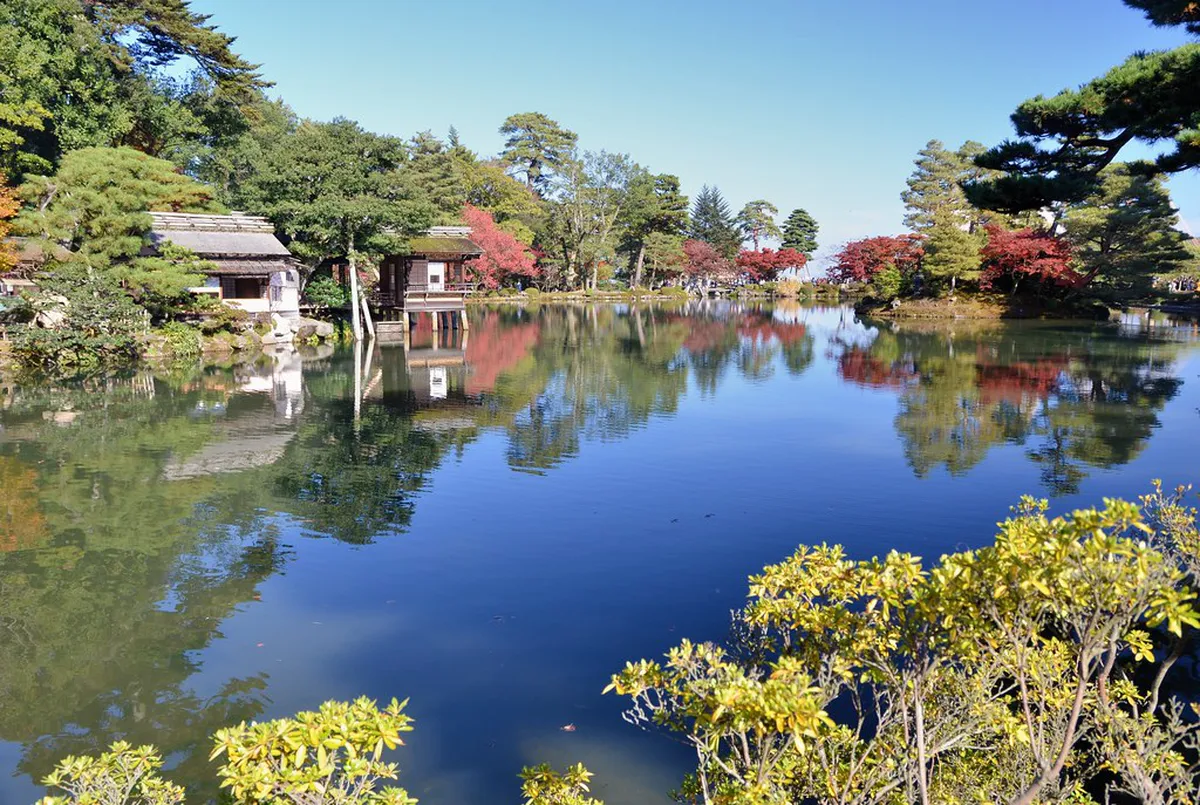
Choosing the right location is the first step toward enjoying an authentic and memorable session. The key practical question is whether you want to watch a demonstration or actively whisk your own matcha. Below are the main options in 2026, organized by that distinction.
Shigure-tei (Kenrokuen Garden) — This reconstructed villa offers a peaceful view of the mossy garden landscapes while a kimono-clad host serves high-grade matcha and seasonal sweets. It is a demonstration-and-receive format; you do not whisk the tea yourself, but the setting inside the tatami room with views over the garden is exceptional. Walk-ins are accepted during opening hours (09:00–16:30, closed New Year's holidays). Cost: 730 yen for matcha with wagashi. It is a central part of any Kenrokuen Garden guide because it connects the natural landscape with historical architecture.
Gyokusen'an (Kanazawa Castle Park) — Positioned inside the restored Gyokusen'inmaru Garden, this rest house follows the same receive-only format as Shigure-tei. The view here looks across the reconstructed garden toward the castle walls, which makes it feel more secluded than the busier Kenrokuen. Cost: 720 yen for matcha with a sweet. Walk-ins accepted, same hours as Shigure-tei.
Gyokusen-en Nishida Family Garden — This is the hands-on option for travelers who want to whisk their own bowl of matcha under instruction. The garden itself dates to the Edo period and contains the oldest tea room in Kanazawa. English-speaking staff are available. Cost: 700 yen for garden entry; tea ceremony experiences start at around 3,000 yen per person. Closed on Wednesdays and from late December through February. Advance booking is strongly recommended.
Kenrokutei (Kenrokuen) — A newer commercial experience that runs group sessions of up to ten people. The format includes a demonstration by a tea master followed by a hands-on whisking practice and instruction on the tea utensils. English is available. Cost: 5,500 yen per person. This is the most structured beginner option, suitable for first-timers who want guided explanation rather than silent observation.
The table below summarizes the key differences at a glance.
| Venue | Cost | Format | Booking | English |
|---|---|---|---|---|
| Shigure-tei (Kenrokuen) | ¥730 | Watch only | Walk-in | Signage available |
| Gyokusen'an (Castle Park) | ¥720 | Watch only | Walk-in | Limited |
| Gyokusen-en (Nishida Garden) | ¥3,000+ | Whisk your own | Required (48 h+) | Staff available |
| Kenrokutei (Kenrokuen) | ¥5,500 | Demo + hands-on | Recommended | Available |
The Flow of the Ceremony: What to Expect
A traditional tea ceremony follows a specific sequence designed to focus your mind on the present moment. When you enter the room, the scent of fresh tatami and the faint sound of boiling water set a calm tone. The room will be arranged simply — a scroll, a flower, a ceramic water jar — every element chosen to reflect the current season.
The host will first serve a small sweet called wagashi to balance the bitterness of the upcoming tea. In Kanazawa, these sweets are often decorated with a thin layer of gold leaf — the city produces more than 98 percent of Japan's gold leaf, and its confectioners lean into this tradition with genuine pride. Finish the sweet completely before the host begins the rhythmic whisking of the matcha.
The tea itself is prepared with a bamboo whisk called a chasen. The host adds sifted powdered green tea to the bowl, pours in hot water at around 80°C, and whisks in a rapid W-shaped motion until a smooth, creamy froth appears on the surface. In hands-on sessions, you will be guided through this same motion — it takes more wrist speed than most first-timers expect. When you receive the bowl, turn it two quarter-turns clockwise before drinking so that the decorated front of the bowl faces away from your lips.
At more formal venues, the ceremony will end with a brief inspection of the bowl and a shallow bow of thanks. At casual garden tea houses the atmosphere is quieter and less ritualized, but the basic sequence of sweet first, then tea, and then quiet appreciation remains the same.
Essential Etiquette and Cultural Tips
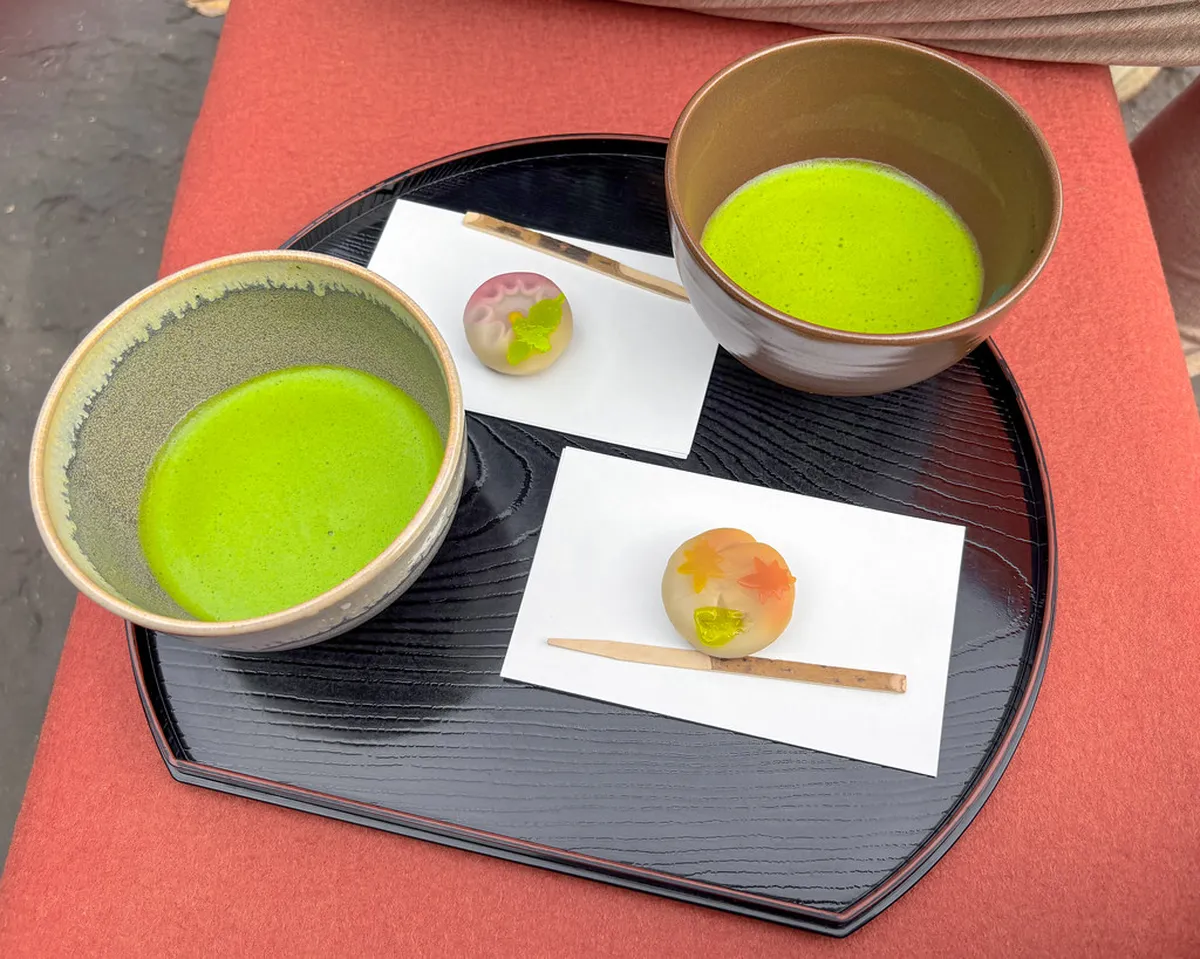
Understanding basic manners will help you feel more comfortable during your Kanazawa tea ceremony experience and show genuine respect to your host. Most of the rules are simple and forgiving for foreign visitors — the tea ceremony tradition in Kanazawa is well accustomed to international guests.
The footwear question is one of the most common sources of anxiety for first-time visitors. The short answer: clean socks are ideal when stepping onto tatami, but bare feet are generally accepted at public tea houses like Shigure-tei.
When you receive the bowl, turn it two quarter-turns clockwise before drinking so the decorated front faces away from your lips. After drinking, turn it back and place it quietly. This simple gesture shows genuine respect for the host's ceramic.
Sitting correctly matters more than footwear. The formal position is seiza — kneeling with your legs folded beneath you. Most foreign visitors find this uncomfortable after a few minutes. Watch the Japanese guests around you: when the ceremony reaches a natural pause, many will shift into a sideways sitting position with both legs folded to one side. This is perfectly acceptable and expected. Do not force yourself to stay in seiza until your legs go numb — shifting discreetly is far less disruptive than needing to stand up.
- Wear socks or bring a clean pair in your bag — socks are always acceptable, bare feet usually are too
- Avoid strong perfume, which clashes with the subtle aroma of the matcha
- Remove large rings or bracelets before handling the tea bowl — they can scratch a delicate ceramic surface
- Keep phones on silent and do not photograph during the ceremony itself; most venues allow photos before and after
- Accept the wagashi sweet gracefully and eat it before the tea is presented
Learning how to experience authentic Kanazawa samurai and geisha traditions often starts with mastering these simple gestures. The tea ceremony is one of the clearest windows into the city's broader culture of careful, considered hospitality.
Planning Your Visit: Costs, Booking, and Timing
Most tea ceremonies in the city are affordable, and the two main garden tea houses (Shigure-tei and Gyokusen'an) do not require advance booking for walk-in sessions. Arrive by 15:30 at the latest to ensure you are seated before the last admission at 16:00. Both are closed during New Year's holidays.
If you want a hands-on experience at Gyokusen-en or a structured session at Kenrokutei, reserve at least 48 hours in advance. Gyokusen-en closes on Wednesdays and shuts for the winter period from late December through the end of February, so check the calendar carefully if you are traveling in that window.
Gyokusen-en (the hands-on garden experience) closes on Wednesdays and is entirely shut from late December through February. Confirm availability before building your itinerary around it, especially in winter or mid-week.
The best seasons to visit are spring (late March to early May) and autumn (October to November). Garden views during cherry blossom or autumn foliage season transform an already beautiful experience into something exceptional. Summer sessions inside the air-conditioned tatami rooms offer relief from the heat, but the garden views are less dramatic than in spring or fall.
Budget roughly 730–800 yen for a casual session including matcha and wagashi. A hands-on lesson at a private garden runs 3,000–5,500 yen per person. Private group bookings at specialist studios can reach 10,000 yen or more. Including a tea session in a 2-day Kanazawa itinerary for authentic cultural experiences ensures you see the best of the city without feeling rushed — allow at least 45 minutes at any venue so the experience does not feel hurried.
Use our Kanazawa attractions hub to plan the rest of your trip.
Frequently Asked Questions
What is the best place for a tea ceremony in Kanazawa?
Shigure-tei in Kenrokuen Garden is often considered the best spot for beginners. It offers a beautiful setting and a very affordable price for a high-quality experience. You can easily find it using the Kanazawa transport guide to reach the garden gates.
Do I need to book a Kanazawa tea ceremony in advance?
For casual tea and sweets at public houses like Shigure-tei or Gyokusen'an, you do not need a reservation. However, if you want a hands-on whisking lesson or a private session, booking at least 48 hours in advance is highly recommended.
What should I wear to a Japanese tea ceremony?
You should wear modest clothing that allows you to sit comfortably on the floor. Most importantly, bring a pair of clean white socks to wear on the tatami mats. Avoid wearing strong perfumes or large jewelry that could distract from the subtle tea aroma.
How much does a tea ceremony experience cost in Kanazawa?
A standard session with matcha and a seasonal sweet usually costs between 700 and 800 yen. More elaborate experiences that include a tour of a private garden or a hands-on lesson can range from 3,000 to 5,000 yen per person.
Participating in a tea ceremony is the best way to slow down and appreciate the quiet beauty of Kanazawa. Whether you choose a grand garden or a hidden tea house in the Higashi Chaya District, the experience will stay with you. Be sure to plan your visit around your broader Kanazawa itinerary to make the most of your time in 2026. Take a moment to breathe, sip your tea, and enjoy the timeless hospitality of this historic Japanese city.
Free: The Kanazawa Essentials guide
Top things to do, where to stay, a perfect day plan, getting around, and the best time to go — a Kanazawa mini-guide you can take offline.
You might also like


Continue reading
More guides you'll find useful


