2-Day Kanazawa Itinerary 2026: The Definitive Cultural Guide
Plan a 2-day Kanazawa itinerary covering Kenrokuen Garden, Kanazawa Castle, Higashi Chaya District, Omicho Market, and samurai streets — with timed schedules, 2026 transport costs, and accommodation tips for between days.
On this page
Plan a 2-day Kanazawa itinerary covering Kenrokuen Garden on Day 1 morning (arrive by 8am for free early entry), Kanazawa Castle and the Nagamachi Samurai District in the afternoon, then Omicho Market at dawn on Day 2, Higashi Chaya District mid-morning, and a gold-leaf workshop in the afternoon — finishing in time for dinner on fresh seafood. Two days is the ideal window to absorb the city's samurai and geisha heritage without the crowds of Kyoto, and this 2026 guide gives you exact times, walking distances, Machi-nori bike tips, and current bus fares to make every hour count.
Kanazawa preserves its Edo-period character because it escaped wartime bombing. The powerful Maeda clan funded local arts for centuries, creating a city where samurai culture, geisha tradition, and master craftsmanship coexist on the same city block. This article absorbs the best of the former kanazawa-2-day-itinerary and kanazawa-itinerary-2-days guides into one definitive resource for 2026 visitors. For broader context, also explore our guides to Tokyo, Osaka, and Kyoto.
For a tighter one-day visit, see our 1-day Kanazawa itinerary. For a full overview of the city's highlights and cluster of detail guides, start with the Kanazawa attractions pillar guide.
Quick Facts for 2026 Visitors
- Loop Bus 1-day pass: ¥800 (covers all major sights; buy at Kanazawa Station)
- Machi-nori bike share: ¥200/30 min or ¥1,000/day (17 ports across the city; IC card accepted)
- Kenrokuen Garden: ¥320 adults; free before official opening (see Day 1 tip below)
- Kanazawa Castle Park: outer grounds free; Gyokusen-in-maru Garden ¥320
- Shinkansen Tokyo→Kanazawa (Kagayaki): ~¥14,380 unreserved / covered by Japan Rail Pass; ~2h30m. Book via JR West or Japan Rail Pass reservations.
- Thunderbird Osaka/Kyoto→Kanazawa: ~¥6,600–¥7,500; ~2h15m
For a complete breakdown of buses, bikes, and taxis, see our Kanazawa transport guide.
| Sight / Transport | Cost (2026) | Notes |
|---|---|---|
| Kenrokuen Garden | ¥320 adult (free before opening) | Opens 7am (summer) / 8am (winter) |
| Kanazawa Castle Park | Free (outer); ¥320 Gyokusen-in-maru Garden | Combines well with Kenrokuen |
| 21st Century Museum (paid zone) | ¥1,600 adult | Free zones accessible without ticket |
| Nomura Clan Samurai House | ¥550 adult | Best single stop in Nagamachi District |
| Myoryuji Ninja Temple | ¥1,200 adult | Phone booking required 2–3 days ahead |
| Shima Teahouse Museum | ¥750 adult | Higashi Chaya District, 30–40 min |
| Kanazawa Yasue Gold Leaf Museum | ¥320 adult | 40 min; Sakuda workshop from ¥1,500 |
| Loop Bus 1-day pass | ¥800 | Buy at Kanazawa Station; cash only |
| Machi-nori bike share | ¥200/30 min or ¥1,000/day | IC card accepted; 17 ports citywide |
| Shinkansen Tokyo→Kanazawa | ~¥14,380 unreserved | ~2h30m; JR Pass eligible |
Day 1 Morning: Kenrokuen Garden & Kanazawa Castle (7am–12pm)
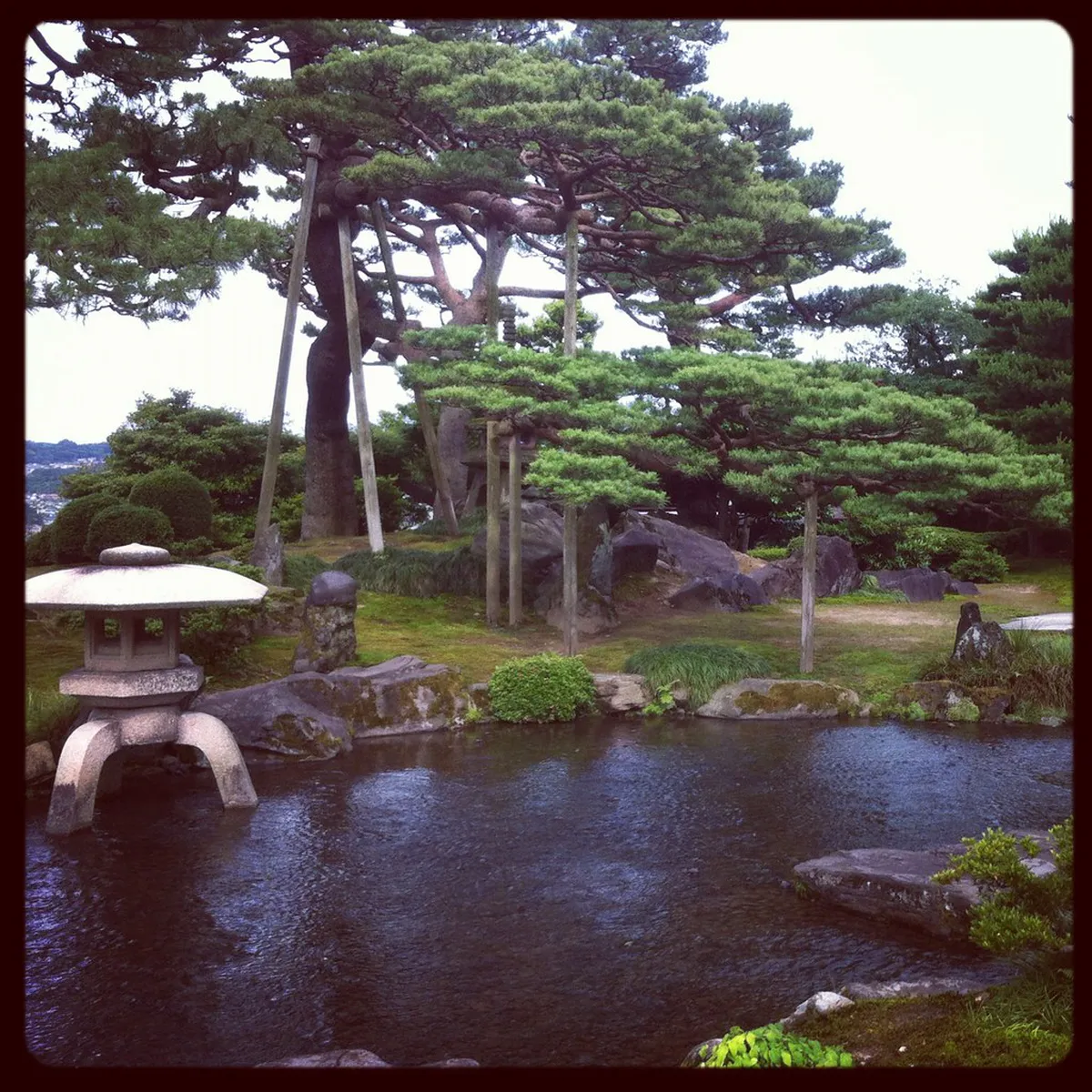
7:00am — Kenrokuen Garden (free early entry)
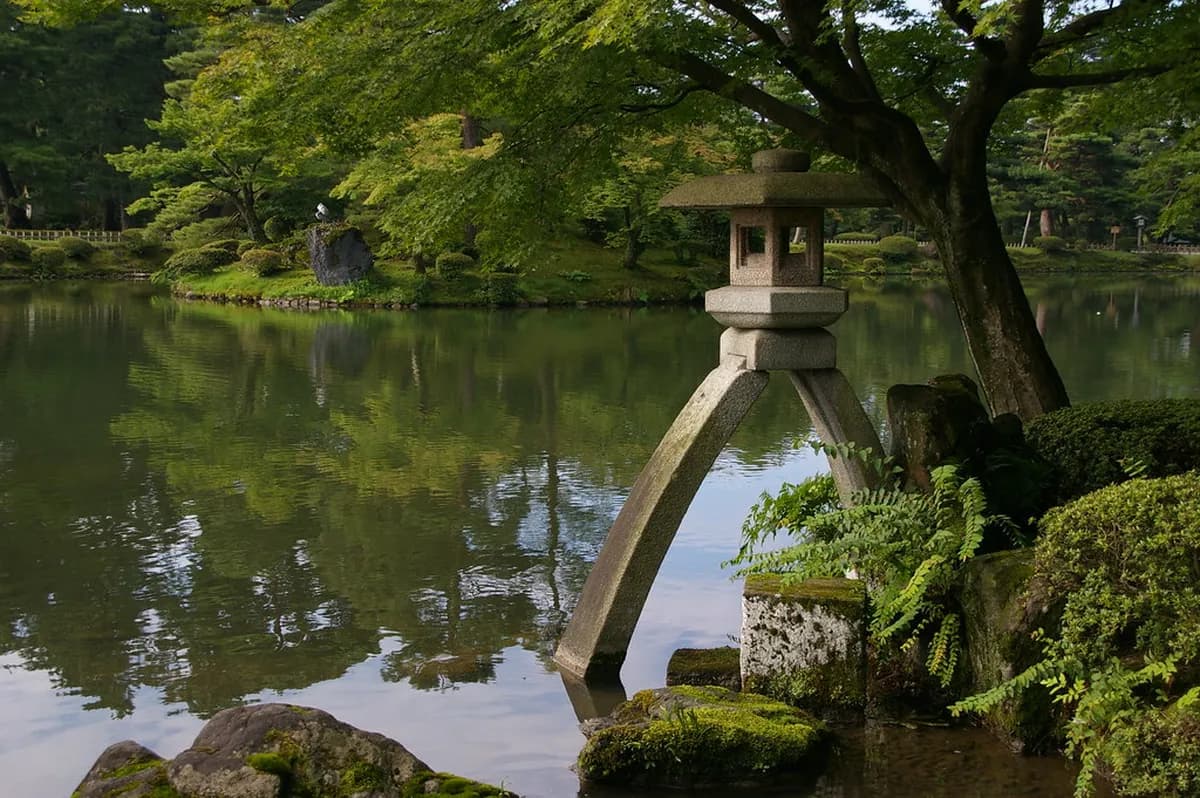
Arrive at Kenrokuen Garden before the ticket booths open to enjoy free admission and a crowd-free atmosphere. The garden gates open at 7:00am in summer (March–October) and 8:00am in winter. This is the single best time-saving hack in Kanazawa: you get Japan's top-ranked landscape garden entirely to yourself for 30–60 minutes before the first tour buses arrive. For opening times and seasonal updates, check the Visit Kanazawa official site.
Plan at least 60–90 minutes here. The garden's six defining attributes — spaciousness, seclusion, artifice, antiquity, water features, and broad views — reveal themselves slowly as you walk the central path around Kasumi-ga-ike Pond. In winter, look for the iconic yukizuri rope supports protecting the pines from snow. For a deep dive, see our Kenrokuen Garden guide.
Arrive at Kenrokuen Garden before the ticket booths open (7:00am in summer, 8:00am in winter) to enter for free and enjoy Japan's top-ranked landscape garden in near-solitude before the first tour buses arrive.
Walking distance to next stop: 5 minutes across the bridge.
9:00am — Kanazawa Castle Park
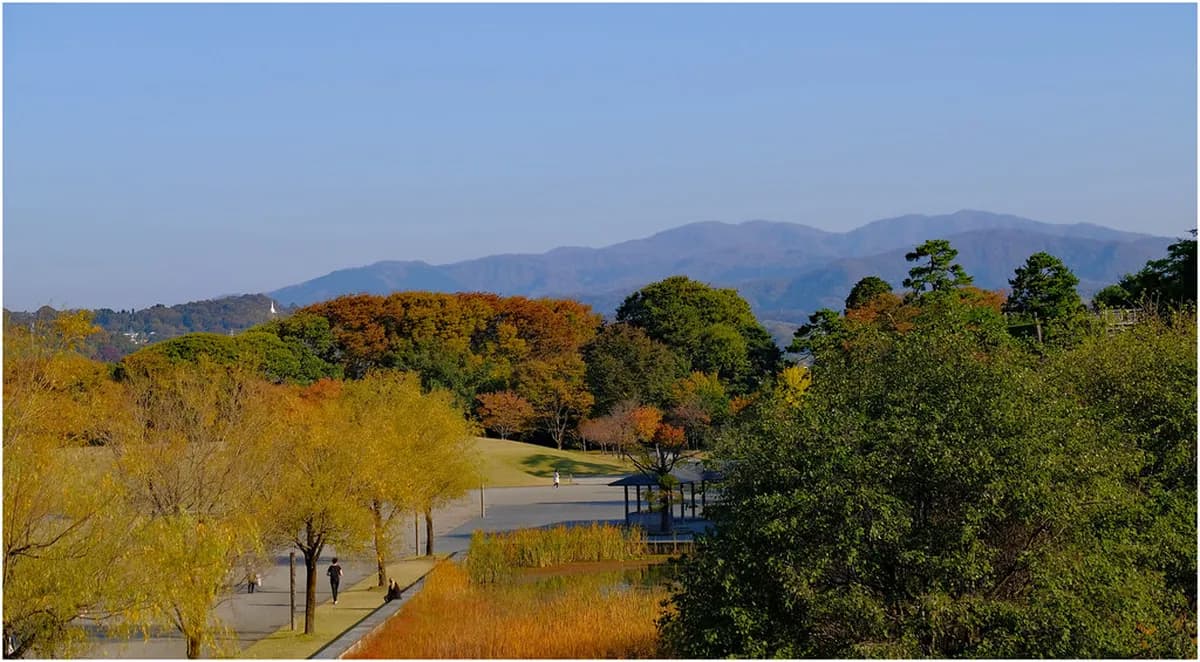
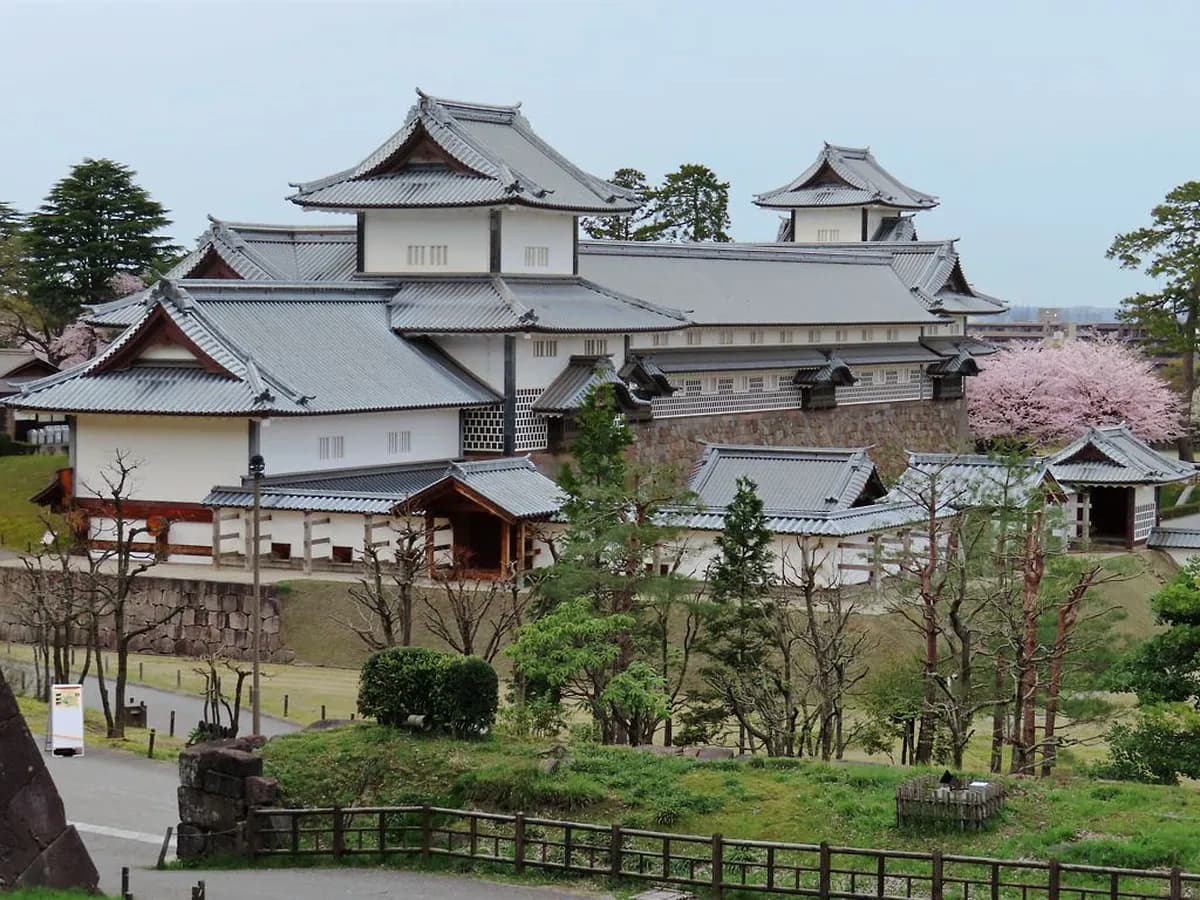
Cross directly from Kenrokuen into Kanazawa Castle Park. The outer grounds are free; allow 45–60 minutes to walk the stone walls, enter the restored Hishi-yagura turret (¥320), and read the Maeda clan history panels. The turrets were rebuilt using traditional joinery — no metal nails — and the Ishikawa-mon Gate is one of the best-preserved castle gates in Japan.
For full visitor logistics — opening hours, interior exhibit details, photo spots — see our Kanazawa Castle Park guide.
Walking distance to next stop: 12 minutes northwest to Omicho.
10:30am — 21st Century Museum (optional 30-min detour)
If modern art interests you, the 21st Century Museum of Contemporary Art is a 2-minute walk south of the castle. Admission to the free zones costs nothing; the paid "Swimming Pool" installation (¥1,600 adults) is worth 20 minutes. It's one of the most photographed spots in Japan. Skip this and head straight to Omicho if your priority is food.
Day 1 Midday: Omicho Market Lunch (12pm–1:30pm)
12:00pm — Omicho Market kaisendon lunch
Walk 12 minutes north from the castle to Omicho Market, established in 1721 and still the city's culinary heart. Over 180 stalls sell live crab, yellowtail, and seasonal seafood from the Sea of Japan. The market's second floor is lined with small restaurants serving kaisendon (raw fish rice bowls) from ¥1,500–¥2,500.
Arrive by noon to beat the lunch queue. The most popular stalls (look for crab-tower displays) often run out of premium cuts by 1pm. Budget 45–60 minutes for eating and browsing. For recommended stalls, timings, and what to order, see our Omicho Market food guide.
Machi-nori tip: Omicho has a bike port (Port 12) directly outside. Unlock a bike here to reach Nagamachi in 8 minutes instead of a 20-minute walk.
Day 1 Afternoon: Nagamachi Samurai District & Ninja Temple (1:30pm–6pm)
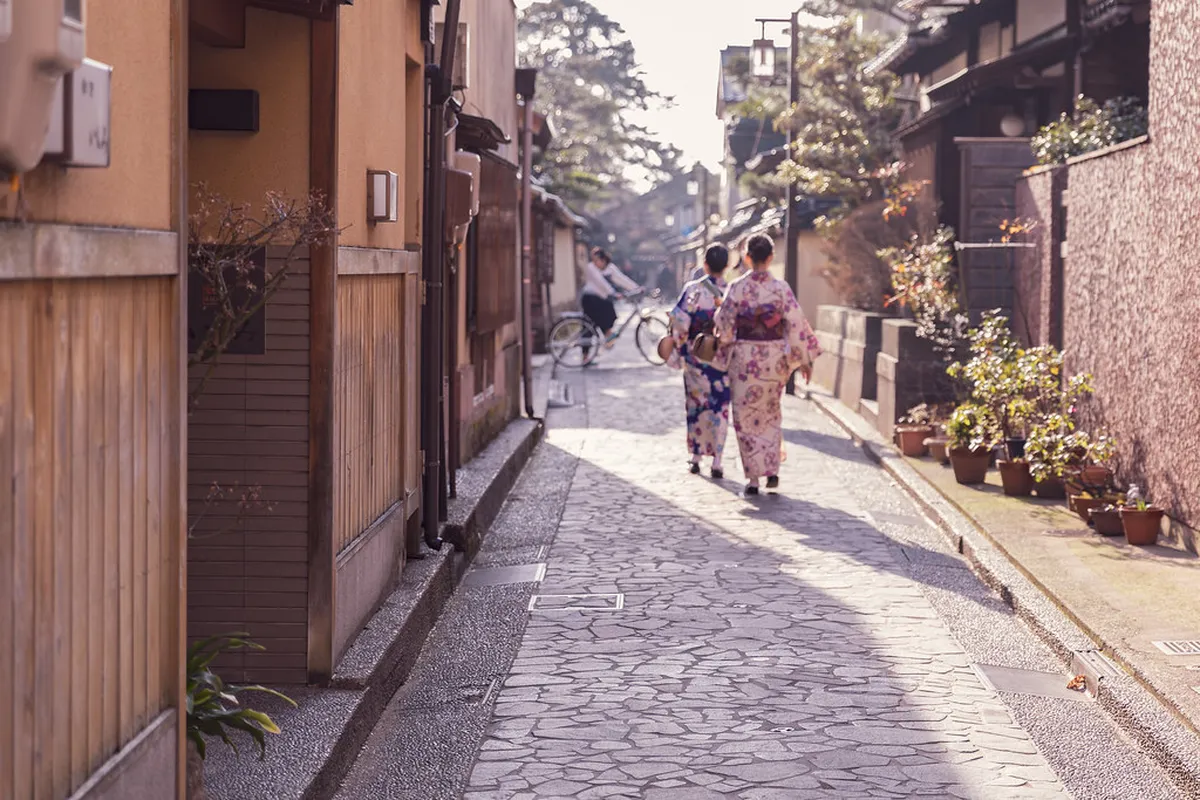
1:30pm — Nagamachi Samurai District
The Nagamachi Samurai District is a 20-minute walk southwest from Omicho (or 8 minutes by Machi-nori bike). Earthen walls, narrow water canals, and wooden gate houses line the lanes exactly as they did in the Edo period. Allow 45–60 minutes to wander. The Nomura Clan Samurai House (¥550 entry) is the best single stop: authentic armor displays, a celebrated private garden, and a tea room overlooking a koi pond.
Walking distance between key points within Nagamachi: 5–10 minutes end to end.
3:00pm — Myoryuji Ninja Temple (pre-book required)
A 10-minute walk from Nagamachi, Myoryuji Temple (known as the Ninja Temple) must be reserved by phone — ask your hotel concierge to call at least 2–3 days ahead, as English bookings are not available online. Tours are in Japanese with English-language pamphlets. The hidden staircases, trap doors, and false ceilings take 50 minutes to explore. For cultural heritage details, the Kanazawa tourism board has up-to-date booking contacts. Entry: ¥1,200.
If you couldn't book in advance, replace this slot with the Oyama-jinja Shrine nearby (free entry; notable for its Dutch-designed stained-glass gate from the 19th century).
Myoryuji Ninja Temple requires a phone booking in Japanese — walk-ins are not accepted. Ask your hotel concierge to call at least 2–3 days before your visit. The Hokutetsu Loop Bus also does not accept Suica or Pasmo; pay cash or buy the ¥800 day pass at the station.
5:00pm — Evening stroll & dinner
Return toward the station area or your accommodation for dinner. The city's signature Kaga cuisine speciality, jibu-ni (duck stew in thick sauce with seasonal vegetables served on Wajima lacquerware), is worth seeking out at one of the mid-range restaurants on Katamachi street. Budget ¥2,500–¥4,000 per person. For current restaurant picks, see our best restaurants in Kanazawa guide.
Where to Stay Between Day 1 and Day 2
Your accommodation choice affects how much time you lose to transit on Day 2 morning. Three zones suit a 2-day itinerary best:
- Near Kanazawa Station: widest selection, easiest Shinkansen arrival/departure. Loop Bus stop at the door. Best if you arrive late on Day 0 with heavy luggage.
- Near the Castle Park / Katamachi: walking distance to both days' morning sites. Boutique machiya townhouses give an authentic experience; book 4–6 weeks ahead as room counts are small.
- Higashi Chaya edge: premium location for Day 2 morning — you can walk to the geisha district in 5 minutes. Quieter after day-trippers leave; atmospheric evening light on the lattice facades.
For hotel picks by budget level across all three zones, including a traditional ryokan with onsen option, see our where to stay in Kanazawa guide.
Day 2 Morning: Higashi Chaya District & Gold Leaf (8am–12pm)
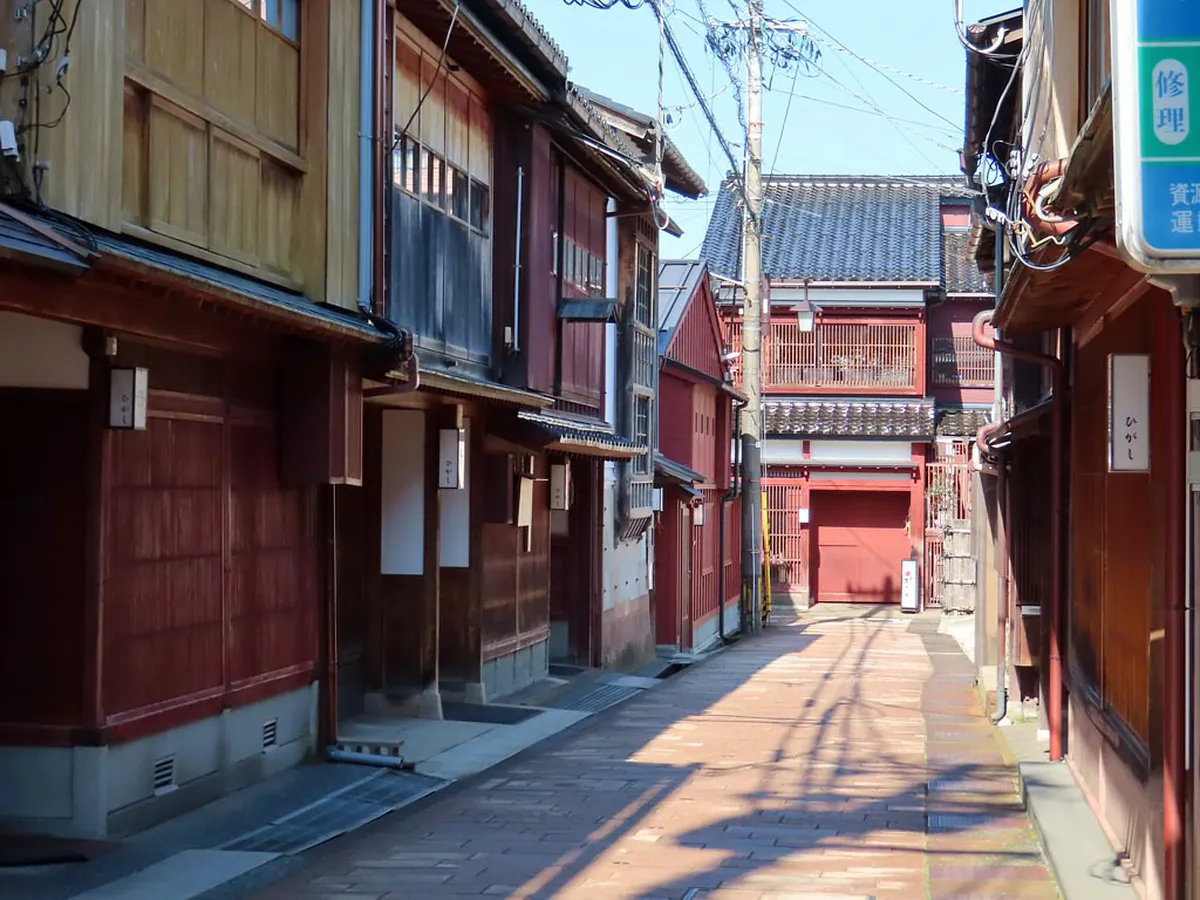
8:00am — Higashi Chaya District
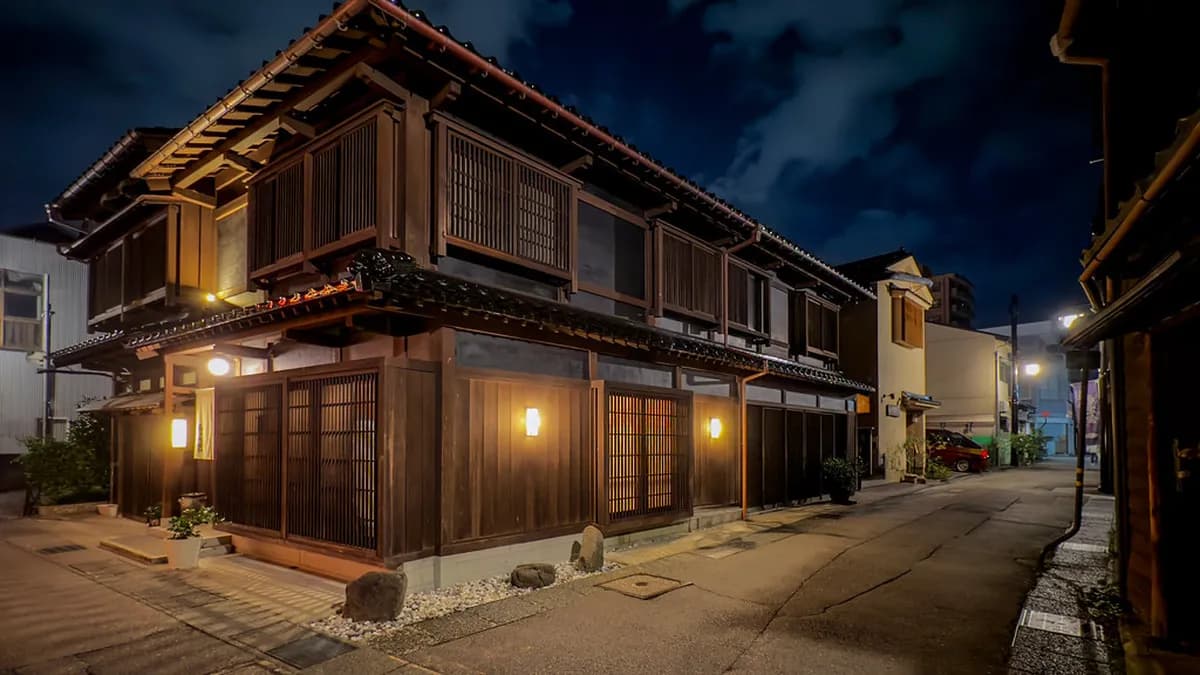
The Higashi Chaya District is Kanazawa's largest geisha neighborhood, 15 minutes by Loop Bus (or 12 minutes by Machi-nori bike) from the station. Arriving before 9am gives you the stone-paved lanes almost to yourself — the latticed wooden tea house facades glow warm in morning light. Café Mademoiselle opens at 8:30am and serves matcha with seasonal wagashi sweets in a preserved interior.
The Shima Teahouse Museum (¥750) takes 30–40 minutes and reveals the world of geiko entertainment: crimson-lacquered interiors, musical instruments, and account ledgers from 200 years of patronage. For the full visitor breakdown of both tea houses open to tourists, opening times, and matcha café recommendations, see our Higashi Chaya District guide.
Walking distance to next stop: 10 minutes southwest to the gold leaf district.
10:00am — Gold leaf workshop or Yasue Museum
Kanazawa produces over 98% of Japan's gold leaf (kinpaku). Two options fit neatly into your schedule:
- Kanazawa Yasue Gold Leaf Museum — watch masters beat gold to 0.0001mm thinness; ¥320 entry; allow 40 minutes.
- Sakuda Gold Leaf workshop — apply gold foil to your own chopsticks or lacquer box; ¥1,500–¥3,000 depending on item; 30–45 minutes; walk-ins usually accepted before 11am.
The workshop produces a unique souvenir and is more memorable for first-time visitors. The museum is better if you want depth on the craft history.
Day 2 Afternoon: Nishi Chaya or Omicho Return (12pm–4pm)
12:00pm — Lunch and Nishi Chaya District
Head back through the station area for lunch, then visit Nishi Chaya District — the smaller, quieter western geisha quarter. It lacks museums but the atmosphere is more authentically lived-in. A 20-minute walk from the gold-leaf area or one Loop Bus stop. Good for an hour of slow wandering and souvenir shopping (Kaga-yuzen silk scarves, gold-leaf cosmetics).
Alternatively, if you skipped the Omicho kaisendon on Day 1, return now for a seafood lunch — the market is also open Day 2 and is never the same twice.
2:00pm — Kanazawa Station farewell
Kanazawa Station's Motenashi Dome and wooden Tsuzumi-mon Gate are worth 20 minutes on your way out. The station's underground food hall (Hyakkaban) stocks the best omiyage selections: gold leaf monaka wafers, jibu-ni sauce kits, and Kaga-roasted tea — all vacuum-sealed for easy travel.
If you're routing via Osaka next, check our day trips from Kanazawa guide — several stops (Gokayama, Shirakawa-go) sit directly on the Kanazawa–Takayama–Osaka highway bus route and can be absorbed as half-day stops between cities.
Optional Day 3: Shirakawa-go Day Trip
If your schedule allows a third day, the UNESCO World Heritage village of Shirakawa-go makes an excellent add-on. Highway bus from Kanazawa Station: 75 minutes each way, ¥1,900 one-way (2026 fare); advance reservation strongly recommended via Nohi Bus. Return buses cap at ~4:30pm, so plan a 9am departure for maximum time in the village.
The gassho-zukuri farmhouses — built at steep angles to shed the region's record snowfall — are still inhabited. Climb to the Shiroyama Viewpoint for a full valley panorama. This alternative day trades urban samurai culture for alpine rural Japan, and the two experiences complement each other well. Full logistics including winter access and combined Shirakawa-go/Gokayama loops are covered in our day trips from Kanazawa guide.
Getting Around: Loop Bus vs Machi-nori Bikes (2026)
Kanazawa has no metro. Two options cover the 2-day itinerary above efficiently:
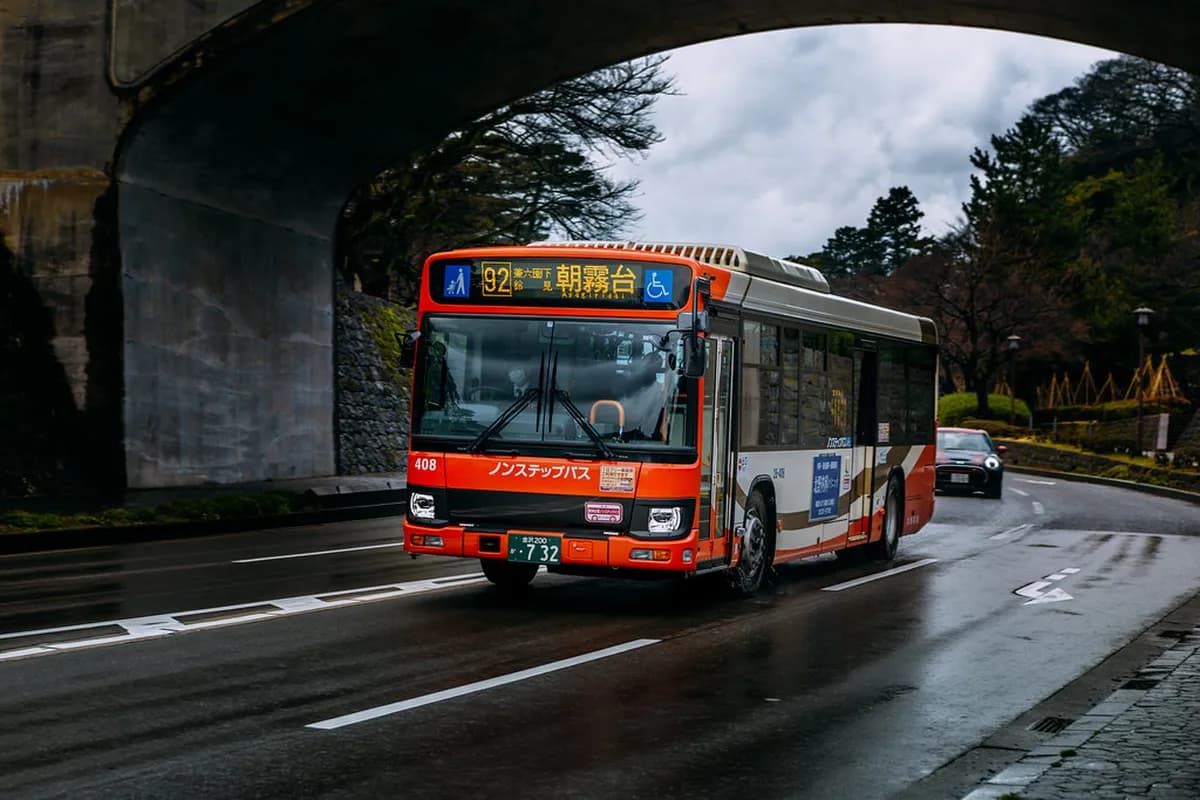
- Kanazawa Loop Bus: ¥200/ride or ¥800/day pass. Runs clockwise and counter-clockwise loops; digital arrival boards in English. Stops at all major sights. Buy the day pass if you take ≥4 rides.
- Machi-nori bike share: ¥200/30 min or ¥1,000/day. 17 docking ports including Kenrokuen, Omicho, Higashi Chaya, and the station. IC card (Suica, Pasmo) accepted at all ports. Best for the Castle→Omicho→Nagamachi triangular loop on Day 1. App: Docomo Bike Share or register on-site.
Note: the Hokutetsu Loop Bus does not accept Suica or Pasmo — pay in cash or use the day pass. Taxis are metered; the city center is small enough that most rides run ¥700–¥1,200. For detailed bus route maps and taxi rank locations, see our Kanazawa transport guide.
Pre-Trip Checklist
- Book Myoryuji Ninja Temple via your hotel concierge (2–3 days ahead minimum)
- Reserve your accommodation — machiya townhouses and ryokan with onsen fill 4–6 weeks out
- Book Shirakawa-go bus if adding Day 3 (Nohi Bus; English booking available online)
- Confirm Kenrokuen opening time for your visit date (seasonal variation: 7am vs 8am)
- Download the Docomo Bike Share app and link your IC card for Machi-nori
- Check high-end restaurant reservations for jibu-ni dinner 1 week ahead
Frequently Asked Questions
Is 2 days enough time to see Kanazawa?
Yes — two days covers all of Kanazawa's headline sights comfortably. Day 1 handles Kenrokuen, the Castle, Nagamachi, and the Ninja Temple. Day 2 covers Higashi Chaya District, gold leaf, and Omicho Market. If you add a third day, the Shirakawa-go UNESCO village makes an ideal day trip 75 minutes by highway bus. For a tighter schedule, our 1-day itinerary distills the very best into a single day.
What is the best order to visit Kanazawa's sights over 2 days?
Start Day 1 at Kenrokuen Garden before 8am for free entry, then cross to Kanazawa Castle, lunch at Omicho Market, and spend the afternoon in Nagamachi Samurai District and the Ninja Temple. On Day 2, start in Higashi Chaya District before 9am, then do a gold leaf workshop, and finish with Nishi Chaya or a second Omicho visit. This ordering minimises transit backtracking and puts you at the busiest spots before crowds arrive.
How do I book the Ninja Temple in Kanazawa?
The Myoryuji Temple requires a phone reservation in Japanese — walk-in visitors are not accepted. Ask your hotel concierge to call 2–3 days before your visit. Tours are in Japanese, but English pamphlets are provided. Entry costs ¥1,200 in 2026. If you cannot secure a booking, the Oyama-jinja Shrine nearby is a worthwhile free alternative with its distinctive Dutch-designed stained-glass gate.
Can I use my Suica card on the Kanazawa Loop Bus?
No. The Hokutetsu Loop Bus does not accept Suica or Pasmo. Pay ¥200 per ride in cash, or buy the ¥800 all-day pass at Kanazawa Station — it pays for itself after four rides. The Machi-nori bike share is the exception: it does accept IC cards at all docking ports.
What is the best way to get to Kanazawa from Tokyo or Osaka?
From Tokyo, the Hokuriku Shinkansen Kagayaki express reaches Kanazawa in about 2h30m (unreserved ~¥14,380 in 2026; covered by Japan Rail Pass). From Osaka or Kyoto, the Thunderbird limited express takes approximately 2h15m (~¥6,600–¥7,500; also JR Pass-eligible). Kanazawa Station has a Tourist Information Centre with English-language bus maps and passes available on arrival.
Is Kanazawa worth visiting for food alone?
Absolutely. Kanazawa has arguably the best seafood market outside Tokyo's Toyosu — Omicho Market delivers crab, yellowtail, and kaisendon bowls from ¥1,500. The city's own Kaga cuisine (jibu-ni duck stew, Kaga vegetables, snow crab) makes it a serious culinary destination. For stall picks, timing tips, and what to order, see our Omicho Market food guide and best restaurants in Kanazawa.
A 2-day Kanazawa itinerary in 2026 rewards preparation: the free Kenrokuen early-entry window, an advance Ninja Temple booking, and a Machi-nori bike for the castle-to-Nagamachi loop all save 30–60 minutes apiece, turning a tight two days into a genuinely relaxed experience.
The city's compact layout — most of the itinerary above is walkable or one bus stop apart — means two days actually goes further here than in most Japanese cities of comparable cultural weight.
Start with the Kanazawa attractions guide if you want the full picture of what the city offers, then return here to lock in your day-by-day schedule. And if you're planning the wider Hokuriku region, the day trips from Kanazawa guide covers the best extensions including Shirakawa-go, Gokayama, and the Noto Peninsula.
Free: The Kanazawa Essentials guide
Top things to do, where to stay, a perfect day plan, getting around, and the best time to go — a Kanazawa mini-guide you can take offline.
You might also like
Continue reading
More guides you'll find useful