Kanazawa Hyakumangoku Festival 2026: 3-Day Itinerary and Machi-Nori Bike Guide
Plan your visit with our Kanazawa Hyakumangoku Festival 2026 guide. Includes a 3-day itinerary, Machi-Nori bike tips, parade schedules, and local June event highlights.
On this page
Quick answer: The Kanazawa Hyakumangoku Festival 2026 runs Friday June 5 through Sunday June 7. The headline Hyakumangoku Parade marches from Tsuzumimon Gate at Kanazawa Station to Kanazawa Castle on Saturday June 6 from 2:00 PM to 5:50 PM. Admission to all street events is free. The Machi-Nori bike-share system (165 yen per 30 min, or 1,650 yen all-day pass, operating 7:30–22:30) is the fastest way to move between venues when main roads are closed to vehicles.
The Kanazawa Hyakumangoku Festival stands as the most vibrant celebration of samurai heritage in Ishikawa Prefecture. This grand event honors the legacy of Lord Maeda Toshiie and the prosperity of the Kaga Domain. Travelers visiting in 2026 can expect three days of colorful parades, traditional music, and stunning lantern displays. Unlike festival celebrations in Kyoto and Osaka, Kanazawa's event emphasizes deeper samurai history. Navigating the historic streets during this peak period requires a smart strategy and local transport knowledge.
Our comprehensive guide provides a detailed 3-day itinerary to help you experience every major festival highlight. We focus on the unique Machi-Nori bike-share system to help you bypass heavy traffic and crowded buses. You will discover the best viewing spots for the famous samurai procession and the evening lantern floating. Plan your journey carefully to enjoy the perfect blend of feudal history and modern Japanese hospitality. For a full overview of the city's top sights, visit our Kanazawa attractions guide.
What is Hyakumangoku Festival?
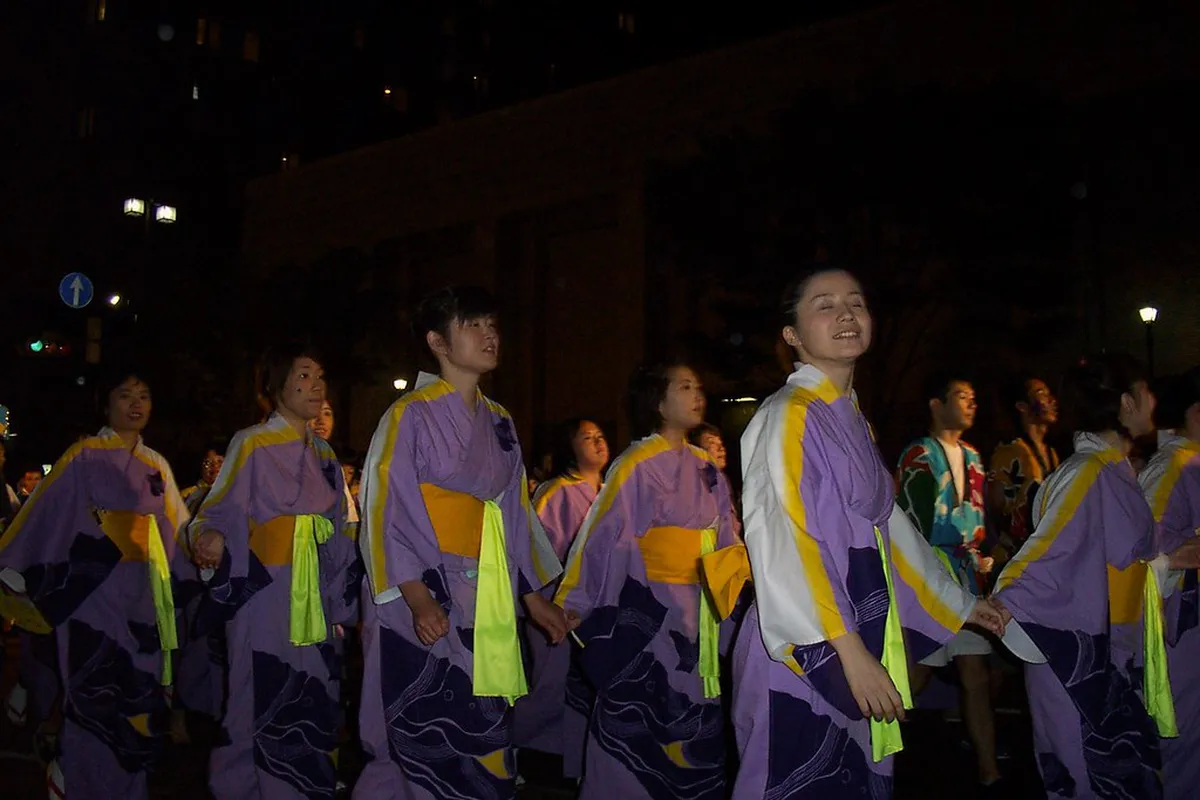
The Hyakumangoku Festival commemorates the historic entry of Lord Maeda Toshiie into Kanazawa Castle in 1583. This pivotal moment marked the beginning of the Kaga Domain's rule, which became the wealthiest feudal domain outside Edo in Japan. The term "Hyakumangoku" refers to the one million koku of rice that the domain produced annually, a measure of extraordinary agricultural and political power. This immense wealth allowed the city to flourish as a center for high art and samurai culture that rivals Kyoto to this day.
Modern celebrations transform the city into a living museum of the Edo period for one weekend each June. You will see hundreds of participants dressed in authentic samurai armor and traditional silk kimonos recreating the lord's original procession into the city. The festival serves as a proud reminder of Kanazawa's status as a cultural capital that survived World War II intact — the only major Japanese city to do so. Understanding this deep history makes the visual spectacles of the Hyakumangoku Parade much more meaningful for visitors.
Local residents spend months preparing for the intricate performances and massive street dances that define the weekend. The event emphasizes the continuity of craft traditions like Kaga Yuzen silk dyeing and gold leaf production unique to Kanazawa. Every corner of the city center vibrates with the sound of taiko drums and bamboo flutes. It is a rare opportunity to witness the living spirit of the samurai in a contemporary setting. The 2026 edition marks the 75th anniversary of the modern festival's revival, making it a particularly landmark year to attend.
Hyakumangoku Festival 2026: Complete Schedule
The 75th Kanazawa Hyakumangoku Festival runs from Friday June 5 through Sunday June 7, 2026. Below is the confirmed day-by-day schedule. Always verify final times on the Visit Kanazawa official event page before you travel, as specific performance slots may shift.
Friday June 5 — Opening Day
Friday focuses on spiritual and evening river events that set the contemplative mood for the weekend. The Kaga Yuzen Toro Nagashi lantern-floating ceremony begins at approximately 7:00 PM along the Asano River near the Higashi Chaya geisha district. Thousands of hand-painted silk lanterns representing the Kaga Yuzen dyeing tradition drift downstream under the historic bridges. Securing a spot on the Tenjin-bashi or Asano-gawa Ohashi bridges at least an hour before sunset gives you the best photographic angles for the procession of light.
Saturday June 6 — Main Parade Day
Saturday is the centerpiece of the entire festival and the busiest day in the city. The schedule runs as follows:
- 10:30–16:00 — Folk song performances at the Kanazawa Opera House (free admission)
- 14:00–17:50 — Hyakumangoku Main Parade from Tsuzumimon Gate to Kanazawa Castle Park (free street viewing)
- 18:00–20:00 — Traditional Dance Parade (10,000-person Odori Nagashi) along Route 157 — public participation welcomed
- 19:00–21:00 — Takigi Noh torchlight theater at Kanazawa Castle Park (separate ticket required)
Traffic restrictions on the main parade route begin from around noon on Saturday. Use the Machi-Nori bike lanes and backstreets to navigate freely — see the full cycling strategy in the Machi-Nori section below.
| Event | Day | Time | Location | Cost |
|---|---|---|---|---|
| Kaga Yuzen Toro Nagashi (lantern floating) | Friday June 5 | ~7:00 PM | Asano River, Higashi Chaya | Free |
| Hyakumangoku Main Parade | Saturday June 6 | 2:00–5:50 PM | Tsuzumimon Gate → Castle Park | Free |
| 10,000-Person Odori Nagashi street dance | Saturday June 6 | 6:00–8:00 PM | Route 157 city centre | Free |
| Takigi Noh torchlight theater | Saturday June 6 | 7:00–9:00 PM | Kanazawa Castle Park | Ticketed |
| Hyakumangoku Chakai tea ceremony | Sunday June 7 | 8:30–4:00 PM | Kenrokuen Garden | Small fee |
Sunday June 7 — Cultural Close
Sunday offers a slower, more refined pace as the festival winds down with indoor and garden ceremonies:
- 08:30–16:00 — Hyakumangoku Chakai grand tea ceremony at Kenrokuen Garden (small entry fee)
- 10:00–16:00 — Bon Shogatsu traditional performances continue at Kanazawa Castle Park
- 10:30–16:00 — Folk song performances at Theater Kagekiza
Sunday morning before the crowds arrive is also the best window to stroll the Ishikawa Prefectural Museum of Art and the Noh museum near the castle. Most of the festival core is within walking distance of Kanazawa Station and Castle Park, making it easy to build a relaxed loop without any transport.
Hyakumangoku Parade Route and Best Viewing Spots
The 2026 Hyakumangoku Parade departs from the East Plaza at Tsuzumimon Gate, Kanazawa Station, and ends at Kanazawa Castle Park — a route of roughly 2.5 km through the central city. The procession runs Saturday June 6 from 2:00 PM to approximately 5:50 PM. The parade features famous actors portraying Lord Maeda Toshiie, Kaga Shishi lion dancers, warrior processions in period armor, and traditional music groups.
Three zones consistently offer the clearest, least-crowded views along the route:
- Tsuzumimon Gate departure area — Arrive by 12:30 PM for front-row position as the procession forms and launches. The drumming and pre-march ceremonies here are spectacular.
- Katamachi crossing (mid-route) — A wide intersection with space on both sides. Arrive by 1:30 PM for a good spot. This is the best location to photograph mounted samurai with a wide street backdrop.
- Kanazawa Castle Park entrance — The procession's climax as Lord Maeda symbolically enters the castle grounds. Arrive by 1:00 PM as this area fills the fastest.
Most paid grandstand seating sells out weeks in advance — book through the official Kanazawa Tourism Association site as early as possible. Free standing areas are available along the entire route; barriers open roughly 60 minutes before the procession.
Arriving at the Tsuzumimon Gate departure area by 12:30 PM gives you a front-row position as the procession forms. For the Castle Park entrance — the most crowded finale spot — arrive by 1:00 PM.
The Kagatobi Firefighter Performance showcases incredible acrobatic feats on top of tall bamboo ladders at several points along the main parade route on Saturday. These synchronized movements and loud chants create an electrifying experience that many visitors remember more vividly than the parade itself.
Must-See Kanazawa Hyakumangoku Attractions
The Hyakumangoku Parade is the undisputed crown jewel of the entire three-day celebration. It features a dramatic reenactment of Lord Maeda's entry, complete with horses and period-accurate weaponry. Spectators line the streets for hours to catch a glimpse of the performers playing the roles of lords and ladies. Visit the Visit Kanazawa official event page for the most up-to-date route maps and docking station information.
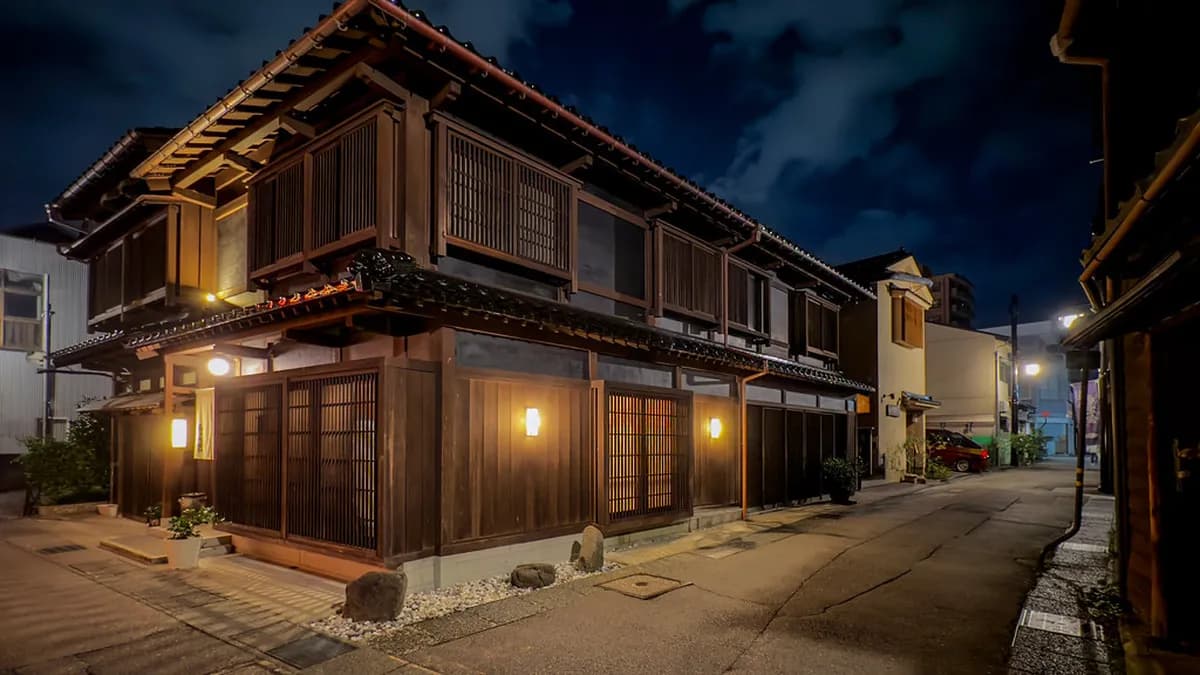
The Kaga Yuzen Toro Nagashi creates a magical atmosphere as glowing lanterns drift under historic bridges on Friday evening. This event honors the spirits of the river and showcases the city's famous silk-dyeing heritage that has been practiced in Kanazawa for over 300 years. Finding a spot on the Tenjin-bashi or Asano-gawa Ohashi bridges provides the best photographic angles. After the lantern floating, the narrow lanes of the nearby Higashi Chaya district — lined with restored 19th-century teahouses — are perfect for a late evening walk. This atmosphere rivals Kyoto's geisha quarters but remains less crowded. See our Higashi Chaya district guide for the best teahouse experiences and gold leaf craft shops in the area.
The Takigi Noh torchlight theater at Kanazawa Castle Park on Saturday night is one of the festival's hidden gems. Firelit performances of traditional Noh drama against the backdrop of restored castle walls are a deeply atmospheric experience. Tickets sell out well in advance — check the Kanazawa Tourism Association site as soon as your travel dates are confirmed.
- The Hyakumangoku Main Parade
- Time: 2:00 PM–5:50 PM Saturday June 6
- Start: Tsuzumimon Gate, Kanazawa Station East Plaza
- End: Kanazawa Castle Park
- Cost: Free street viewing
- Kaga Yuzen Lantern Floating
- Time: ~7:00 PM Friday June 5
- Location: Asano River near Higashi Chaya
- Cost: Free
- Tip: Arrive by 6:00 PM for bridge position
- 10,000 Person Street Dance (Odori Nagashi)
- Time: 6:00 PM–8:00 PM Saturday June 6
- Location: Route 157 city center
- Style: Bon Odori — public participation welcomed
- Takigi Noh Torchlight Theater
- Time: 7:00 PM–9:00 PM Saturday June 6
- Location: Kanazawa Castle Park
- Cost: Ticketed — book in advance
Museums, Art, and Culture During the Festival
Kanazawa is often called a "Little Kyoto" due to its well-preserved cultural districts and world-class museums. The 21st Century Museum of Contemporary Art offers a striking contrast to the traditional festival events. Its circular glass architecture and interactive exhibits make it a popular stop for families and art lovers. Check for special festival-themed exhibitions that often run during the first week of June — the museum stays open late on Saturday during the festival weekend.
The Ishikawa Prefectural Museum of Art houses treasures related to the Maeda family and local crafts. You can view exquisite examples of Kutani porcelain and intricate lacquerware used by the samurai elite. The museum provides a quiet escape from the loud festival drums and crowded outdoor streets. It is located near Kenrokuen Garden, making it an easy addition to your Sunday itinerary.
The Kanazawa Noh Museum introduces visitors to the mask-based theater that the Maeda lords patronized for centuries. You can try on traditional costumes and learn about the slow, deliberate movements of this art form. Noh performances are held at the nearby theater during the festival weekend — the Takigi Noh firelit performance at the castle on Saturday night is the most spectacular option. These indoor cultural sites provide essential context for the traditions you see performed in the streets.
Parks, Gardens, and Outdoor Spots
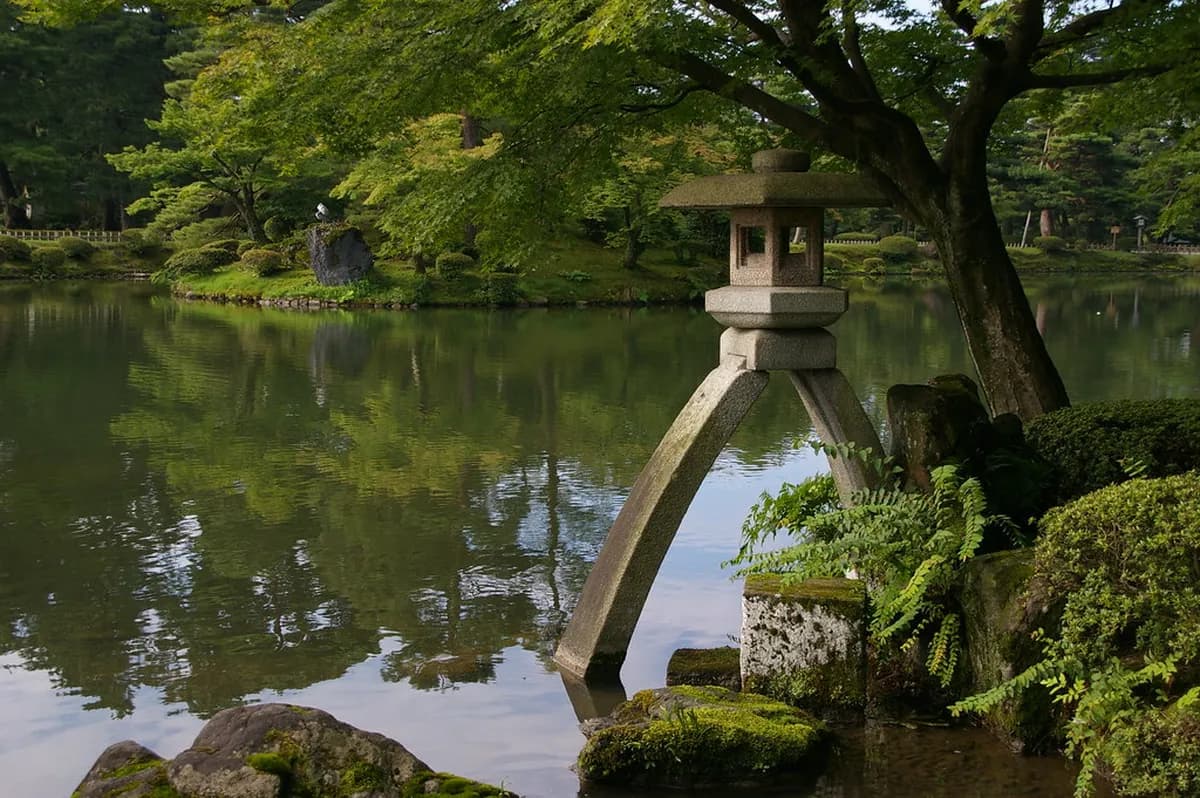
Kenrokuen Garden is widely considered one of the three most beautiful landscape gardens in all of Japan. During the festival, the garden offers extended hours and free admission for specific time slots on Sunday for the grand tea ceremony. The meticulously pruned pines and ancient stone lanterns provide a serene backdrop for the weekend's excitement. It is a perfect place to enjoy a quiet morning walk before the afternoon parade begins on Saturday.
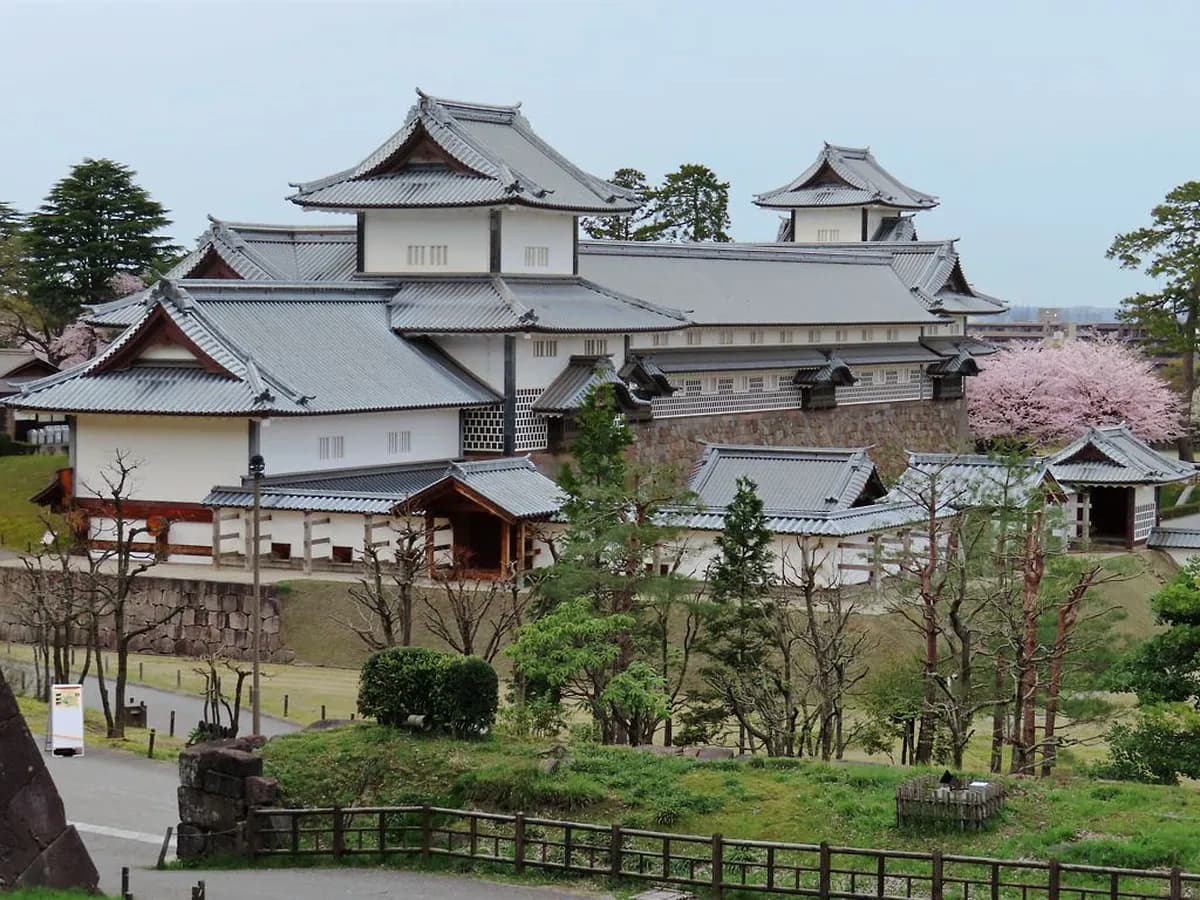
Kanazawa Castle Park serves as the final destination for the samurai procession on Saturday afternoon. The restored gates and turrets create an authentic atmosphere for the festival's climactic arrival reenactments. Vast open lawns allow thousands of visitors to gather and watch the closing ceremonies comfortably. Explore the Gyokusen'inmaru Garden within the castle grounds for its unique nighttime illumination that runs through the festival weekend.
June is also the peak season for firefly viewing along the Kuratsuki Canal and the Asano River after dark. Walking along the dark riverbanks at night offers a magical experience away from the main festival lights. These natural displays are a cherished local tradition that many international tourists overlook entirely — a perfect complement to the cultural intensity of the parade days.
Where to Stay During the Hyakumangoku Festival
Accommodation books out extremely fast for the Hyakumangoku Festival weekend — typically 3 to 6 months in advance. The June 5–7, 2026 dates fall on a Friday-to-Sunday, meaning demand for Saturday night (the parade day) is highest. Book as early as possible to avoid being pushed to hotels far outside the center.
The best neighborhoods for festival access are:
- Katamachi / Korinbo — Central location within walking distance of the parade route, Kenrokuen, and the castle. Highest concentration of hotels at all price points. Most convenient for the Saturday dance on Route 157.
- Around Kanazawa Station — Excellent transport access and walking distance to the parade start at Tsuzumimon Gate. Business hotels here are good value and often have availability slightly later than center options.
- Higashi Chaya area — Best for ryokan stays with a traditional atmosphere, steps from the Friday lantern floating on the Asano River. Premium pricing but unmatched ambiance.
Budget travelers who miss city center availability should look at Komatsu (30 min by Thunderbird express) or Toyama (45 min), which see far less festival demand. For a full breakdown of neighborhoods, hotel tiers, and ryokan recommendations, see our guide to where to stay in Kanazawa.
If you are attending the festival with an extended itinerary, our 2-day Kanazawa itinerary shows how to structure the days before and after the main festival events to cover the city's key cultural districts.
Family-Friendly and Budget-Friendly Festival Options
Most of the festival's primary events, including the parade and lantern floating, are entirely free to watch. Budget-conscious travelers can enjoy world-class cultural performances without spending a single yen on tickets. The street dance on Saturday night encourages everyone to join in regardless of their skill level. This inclusive atmosphere makes the event ideal for families traveling with children or large groups.
Omicho Market is the city's historic "kitchen" and offers affordable street food options like grilled seafood and fresh sashimi bowls. You can find delicious local snacks significantly cheaper than formal sit-down restaurant meals in the nearby hotel zone. The market is particularly lively on festival mornings as locals stock up on festive supplies. Try the "Kaisendon" seafood rice bowl for a filling, portable meal that fits both the spirit and the budget of the weekend. See our Omicho Market food guide for the 8 best stalls and what to order.
For evening dining after the parade, the restaurants around Katamachi and the Higashi Chaya district offer a full range from casual izakaya to traditional Kaga cuisine. Reservations are essential for Saturday June 6 — book 4 to 6 weeks in advance. Our Kanazawa restaurant guide lists the best spots by cuisine style and price range.
How to Plan a Smooth Festival Day
Success during the festival weekend depends on early planning and a flexible mindset toward crowds. Restaurant reservations fill up weeks in advance, especially for places near the castle or the river. We recommend booking a hotel within walking distance of the Katamachi or Korinbo districts for easy access. Morning is the best time to visit popular sites like the Nomura Samurai House or Kenrokuen before the parade begins.
The streets become significantly more crowded after 1:00 PM as spectators gather for the procession. Traffic restrictions on the main parade route start around noon on Saturday, so plan all cross-town movement for before 12:30 PM or use the Machi-Nori backstreet bike routes. Carry a refillable water bottle and wear comfortable walking shoes for a long day on your feet — June is warm and humid in Kanazawa. Sunscreen and a portable fan are essential as many viewing areas offer very little shade during the peak afternoon hours.
Consider using the Machi-Nori bike system to move between the Higashi Chaya and Nagamachi districts during the festival. Bicycles allow you to use narrow backstreets that remain open even when main roads are closed for the parade. This strategy saves significant time compared to waiting for buses that may be stuck in traffic. See the Machi-Nori section below for exact rental costs, operating hours, and the most useful docking stations during the festival.
Machi-Nori Bike Guide: Navigating Kanazawa During the Festival
The Machi-Nori bike-share system is the most efficient way to navigate Kanazawa's compact city center during the festival. With over 70 docking stations (cycle ports) across the city, you are rarely more than 5 minutes from a pick-up or drop-off point.
Machi-Nori Pricing and Hours (2026)
- Operating hours: 7:30 AM–10:30 PM daily
- Per-ride rate: 165 yen per 30 minutes; 110 yen per additional 30 minutes; maximum 2,200 yen per day on the per-ride plan
- All-day pass: 1,650 yen — available at the Machi-Nori main office and select convenience stores. Best value if you plan to use the bikes for 5+ trips across the festival day.
- Payment: Credit card (Visa, Mastercard, Amex, JCB, Diners) or IC card at cycle ports; all-day passes also accept cash at the office
- Registration: Download the Machi-Nori app on iOS or Android, register with a valid phone number, and add a credit card — takes under 5 minutes
All bikes are electric-assist, which makes the moderate uphill climb from Kanazawa Station toward Kenrokuen and the castle effortless for all ages. For a full breakdown of Kanazawa's transport options including the Kanazawa Loop Bus, regional rail, and taxi costs, see our Kanazawa transport guide.
Key Docking Stations for the Festival
- Tsuzumimon Gate (Kanazawa Station East) — Use this to arrive at the parade start and depart quickly before the road closures begin
- Near Kuromon Gate, Kanazawa Castle — Stage your bike here before the parade arrives, then ride out via the castle's back access lanes
- Asano River Bridge area, Higashi Chaya — Perfect for Friday lantern floating access and Saturday evening walks
- Omicho Market East Entrance — Reach the market quickly from any central location for mid-festival refueling
Festival Cycling Strategy
The main parade route (Tsuzumimon Gate → Katamachi → Castle Park) is closed to all vehicles including bicycles from roughly noon on Saturday. The key bypass is a backstreet route running parallel via the Oyama Shrine and Korinbo area, which remains passable on a bike throughout the day. Always confirm current closures on the morning of June 6 via the Machi-Nori app's map overlay or the Kanazawa City traffic advisory page.
Biking allows you to reach the Asano River for the lantern floating on Friday evening faster than any bus alternative. On Saturday morning before closures, a bike loop from the station to Kenrokuen to Omicho Market and back takes under 45 minutes and covers three of the city's top sites before the crowds peak.
One practical note: renting a yukata for the Saturday night street dance is a popular tradition. Riding a bicycle while wearing a tight yukata is uncomfortable and potentially unsafe. Choose between the full mobility of the Machi-Nori system and the traditional kimono aesthetic for your Saturday evening plan — most visitors opt for casual summer clothing to bike and change at the hotel before joining the dance.
The festival weekend (June 5–7, 2026) is Kanazawa's highest-demand accommodation period. Book your hotel and Saturday dinner reservation at least 3–6 months in advance — city-centre rooms typically sell out by April.
What to Eat During the Hyakumangoku Festival
Festival food in Kanazawa is as much a highlight as the parade itself. The city's seafood-forward Kaga cuisine reaches peak accessibility during the festival weekend, when food stalls line the streets and local restaurants run special Hyakumangoku menus.
Key eating experiences for the three-day weekend:
- Omicho Market kaisendon — A bowl of fresh seafood over rice from one of the market's dozen-plus stalls. Arrive before 11:00 AM on Saturday to avoid the longest queues. Budget 1,000–1,800 yen.
- Festival yatai street stalls — Grilled squid, taiyaki fish cakes, kakigori shaved ice, and freshly made mochi appear along the main parade route from Friday evening. Budget 200–600 yen per item.
- Katamachi izakaya evening meal — After the Saturday parade, the izakaya bars around Katamachi open their full menus. Kaga-style dishes include ji-dori chicken, Noto oysters, and gold leaf-dusted soft-serve ice cream. Reservations for 7:00 PM or 9:00 PM seatings avoid the post-parade rush.
- Kenrokuen tea ceremony on Sunday — Matcha and a traditional wagashi sweet served inside one of Japan's finest gardens. Tickets available at the Kenrokuen tea house; budget 800–1,200 yen per person.
For restaurant picks beyond festival street food, our Kanazawa restaurant guide covers the top 8 spots by price point and cuisine, including which places accept walk-ins during the festival weekend.
Frequently Asked Questions
When is the Kanazawa Hyakumangoku Festival 2026?
The Kanazawa Hyakumangoku Festival 2026 runs from Friday June 5 to Sunday June 7. The main Hyakumangoku Parade takes place on Saturday June 6, from 2:00 PM to approximately 5:50 PM, marching from Tsuzumimon Gate at Kanazawa Station to Kanazawa Castle Park. All street-level events are free to watch.
When is the best time to see the Hyakumangoku Parade?
The main parade starts at 2:00 PM on Saturday June 6, 2026, but the best viewing spots fill up well before that. Arrive at your chosen spot — Tsuzumimon Gate, the Katamachi crossing, or the Kanazawa Castle Park entrance — by 1:00 PM at the latest. The Gate area is best for seeing the pre-march ceremonies; the Castle Park entrance gives you the dramatic arrival finale.
Is the Machi-Nori bike system easy for tourists to use?
Yes, the system is user-friendly for international visitors. Download the Machi-Nori app, register with a phone number, and add a credit card — registration takes under 5 minutes. The per-ride rate is 165 yen per 30 minutes. If you plan to cycle all day, the 1,650 yen all-day pass (available at the Machi-Nori office and select convenience stores) offers much better value. Bikes are electric-assist, operating hours are 7:30 AM–10:30 PM, and there are over 70 docking stations across the city.
Can I participate in the 10,000 person street dance?
Yes. The Hyakumangoku Odori Nagashi street dance on Saturday evening from 6:00 PM along Route 157 is open to the public. Many local dance groups welcome tourists to join their circles. No prior experience is needed — basic movements are simple enough to follow within minutes. Wearing a yukata is optional but popular; you can rent one near Kanazawa Station for around 3,000–5,000 yen including dressing assistance.
Where should I stay for the Hyakumangoku Festival?
Book at least 3 to 6 months in advance — the festival weekend is the highest-demand period of the year in Kanazawa. The Katamachi and Korinbo neighborhoods are closest to the main parade route. Hotels near Kanazawa Station offer good access to the parade start at Tsuzumimon Gate. Ryokans in the Higashi Chaya area are the most atmospheric option and position you perfectly for the Friday lantern floating. See our full Kanazawa accommodation guide for specific hotel and ryokan recommendations by budget.
What is the Kaga Yuzen Toro Nagashi?
The Kaga Yuzen Toro Nagashi is the lantern-floating ceremony held on Friday evening (June 5) along the Asano River near the Higashi Chaya district. Hand-painted silk lanterns representing Kanazawa's famous Kaga Yuzen dyeing craft are floated downstream after dark, creating a river of soft light under historic bridges. The event starts around 7:00 PM; arrive by 6:00 PM to claim a spot on the Tenjin-bashi or Asano-gawa Ohashi bridges for the best view. Admission is free.
The Kanazawa Hyakumangoku Festival 2026 — running June 5 to 7 — offers an unforgettable journey into the heart of samurai tradition at its 75th anniversary. By following this 3-day itinerary, you can balance the high energy of the Saturday parade with the quiet cultural depth of the lantern floating and tea ceremony. Using the Machi-Nori bike system (165 yen per 30 min, all-day pass 1,650 yen, operating 7:30 AM–10:30 PM) ensures you stay mobile and see more of the city's hidden gems even when the main roads close. Book accommodation 3 to 6 months in advance, secure restaurant reservations for Saturday evening, and prepare for one of Japan's most spectacular summer events.
Free: The Kanazawa Essentials guide
Top things to do, where to stay, a perfect day plan, getting around, and the best time to go — a Kanazawa mini-guide you can take offline.
You might also like
Continue reading
More guides you'll find useful