Kanazawa 2 Day Itinerary: The Ultimate First-Timer’s Guide
Plan the perfect 2 days in Kanazawa with this expert itinerary. Covers Kenroku-en, Samurai districts, gold leaf crafts, and essential transport tips for "Little Kyoto."
On this page
Kanazawa 2 Day Itinerary
Kanazawa often feels like a hidden treasure compared to the bustling streets of Tokyo or Kyoto. This coastal city offers a unique blend of Edo-period history and vibrant modern art scenes. Following a structured Kanazawa 2 day itinerary ensures you capture the essence of this historical powerhouse. You will discover why many travelers refer to this destination as the authentic Little Kyoto of Japan.
The city is famous for its well-preserved districts where samurai and geisha once walked daily. You can explore stunning gardens and sample some of the freshest seafood in the entire country. Planning your visit with the Official Kanazawa Tourism (Visit Kanazawa) site helps you stay updated on seasonal events. This guide provides everything you need for a seamless and memorable 48-hour journey.
2 Days in Kanazawa Itinerary – My Experience
My time in Kanazawa revealed a city that balances its feudal past with a sophisticated present. Many travelers find that 48 hours is the perfect window to explore the major historical landmarks. You can walk through ancient streets in the morning and visit modern museums by the afternoon. This pace allows for deep immersion without the exhaustion of a larger metropolis.
The absence of massive crowds makes the experience feel much more personal and authentic. I noticed that the local craft culture adds a layer of depth to every sightseeing stop. You might find yourself mesmerized by the intricate gold leaf applications found in local shops. This itinerary focuses on maximizing your time while maintaining a relaxed and enjoyable atmosphere.
Starting your journey at the iconic Tsuzumi-mon Gate sets a grand tone for the entire trip. The architecture here serves as a bridge between the old world and the new era. You will quickly see why the Kaga Domain was once the wealthiest region in Japan. Every corner of the city tells a story of resilience and artistic dedication.
What to Know Before You Visit Kanazawa
Understanding the history of the Maeda Clan is essential for appreciating the city's grand architecture. They ruled the Kaga Domain for centuries and invested heavily in arts rather than military might. This legacy earned Kanazawa its reputation as a UNESCO Creative City of Crafts and Folk Arts today. You will see this influence in the local lacquerware, silk, and gold leaf industries.
Timing your visit can drastically change the visual experience of the city's famous landscapes. Spring brings vibrant cherry blossoms that frame the castle walls and garden ponds beautifully. Winter visitors can witness the unique *yukizuri* ropes designed to protect pine trees from heavy snow. Each season offers a distinct perspective on the traditional beauty of this coastal region.
Kanazawa is often called Little Kyoto because it escaped the heavy bombing of World War II. This preservation means you are seeing original structures rather than modern concrete reconstructions. Many visitors appreciate the compact nature of the city which makes it very walkable. You should prepare for a mix of traditional atmosphere and very modern amenities.
Where to Stay in Kanazawa
Choosing the right base for your Kanazawa 2 day itinerary depends on your travel style. The area around the JR Kanazawa Station is ideal for those arriving by Shinkansen. You will find numerous dining options and easy access to the local bus hub here. This location is perfect for travelers who prioritize convenience and modern hotel facilities.
Alternatively, staying near the Kenroku-en Garden provides a more traditional and quiet atmosphere for your evenings. This area allows you to be the first in line for the garden's morning opening. You can find charming boutique options that blend into the historical surroundings of the city. Walking to the samurai districts from here is both easy and scenic.
For a high-end experience, consider booking a room at the Hyatt Centric Kanazawa near the station. If you prefer a blend of comfort and local hospitality, the Hotel Intergate Kanazawa is an excellent choice. Both hotels offer great service and easy access to the city's main attractions. Always book your accommodation in advance during the peak cherry blossom season.
- Station Area Hotels
- Type: Modern hotels
- Best for: Shinkansen access
- Where: Near East Exit
- Cost: Mid to high
- Korinbo District Options
- Type: Business and boutique
- Best for: Shopping/Dining
- Where: Central city
- Cost: Moderate
- Higashi Chaya Ryokans
- Type: Traditional inns
- Best for: Authentic atmosphere
- Where: Geisha district
- Cost: Premium
Day 1: Kanazawa Castle, Kenroku-en & Nagamachi Samurai District
Start your first morning at the impressive grounds of Kanazawa Castle Park. This site served as the administrative heart of the region for many generations. You can admire the massive stone walls and the beautifully reconstructed Hishi Yagura turret. The wide open spaces provide a peaceful start to a busy day of sightseeing.
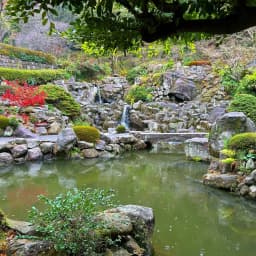
Just across the bridge lies the world-famous Kenrokuen Garden Official Guide, one of Japan's top three landscapes. This garden is designed to be beautiful in every season with its ponds and tea houses. You should allow at least two hours to walk the winding paths and enjoy the views. Many visitors find this to be the highlight of their entire kanazawa highlights tour.
In the afternoon, head toward the Nagamachi Samurai District to see where high-ranking warriors once lived. The earthen walls and narrow lanes transport you back to the Edo period instantly. You can visit the Nomura Clan Samurai House to see a stunning private garden and historic artifacts. This area is perfectly walkable and offers many quiet spots for photography.
End your day with a visit to the Myoryuji Temple, often called the Ninja Temple. You must call ahead to book a tour because they do not accept walk-in visitors. The building is full of trap doors, hidden staircases, and secret passages for defense. While it was not for actual ninjas, the clever engineering is truly fascinating to witness.
Day 2: Omicho Market, Higashi Chaya District & Sake Tasting
Begin your second day at Omicho Market, the city's lively kitchen for over 280 years. You can find over 170 stalls selling fresh seafood, local produce, and unique snacks. Trying a seafood bowl or *kaisen-don* for breakfast is a local tradition you should not miss. The market is most energetic in the morning before the lunch crowds arrive.
After breakfast, make your way to the Higashi Chaya District, the largest of the three geisha areas. You will see beautiful wooden facades and traditional tea houses lining the main street. Consider visiting the Kanazawa Yasue Gold Leaf Museum to learn about local craftsmanship. This museum offers a much deeper look at the art than just buying gold leaf ice cream.
Modern art lovers should spend their afternoon at the 21st Century Museum of Contemporary Art Official Site. The circular building features interactive exhibits like the famous Swimming Pool installation. You can walk around the outdoor art pieces for free even without a gallery ticket. This museum provides a sharp and refreshing contrast to the historical sites visited earlier.
Wrap up your evening with a sake tasting session at one of the local breweries. Kanazawa is known for its high-quality water and rice, which produce excellent regional sake varieties. Many shops in the Chaya districts offer tasting flights for a very reasonable price. It is the perfect way to toast to a successful 48-hour adventure.
Alternative Day 2: Day Trip to Shirakawa-go
If you prefer alpine scenery over city museums, consider a day trip to Shirakawa-go. This UNESCO World Heritage site is famous for its traditional *gassho-zukuri* farmhouses. You can reach the village in about 75 minutes by highway bus from Kanazawa Station. Many travelers find this to be a magical addition to their 2026 travel plans.
The village is stunning during the winter when thick snow covers the steep thatched roofs. You can also enjoy lush green landscapes during the summer and vibrant colors in autumn. Walking through the village allows you to see how people lived in this remote region centuries ago. Some farmhouses are open to the public as museums or even overnight stays.
You must book your bus tickets in advance as the route is very popular with tourists. The Nohi and Hokutetsu bus companies operate regular services throughout the day. If you choose this path, you will miss some city sites but gain an incredible mountain experience. Decide based on whether you prefer historical city life or rural mountain traditions.
How to Get Around Kanazawa
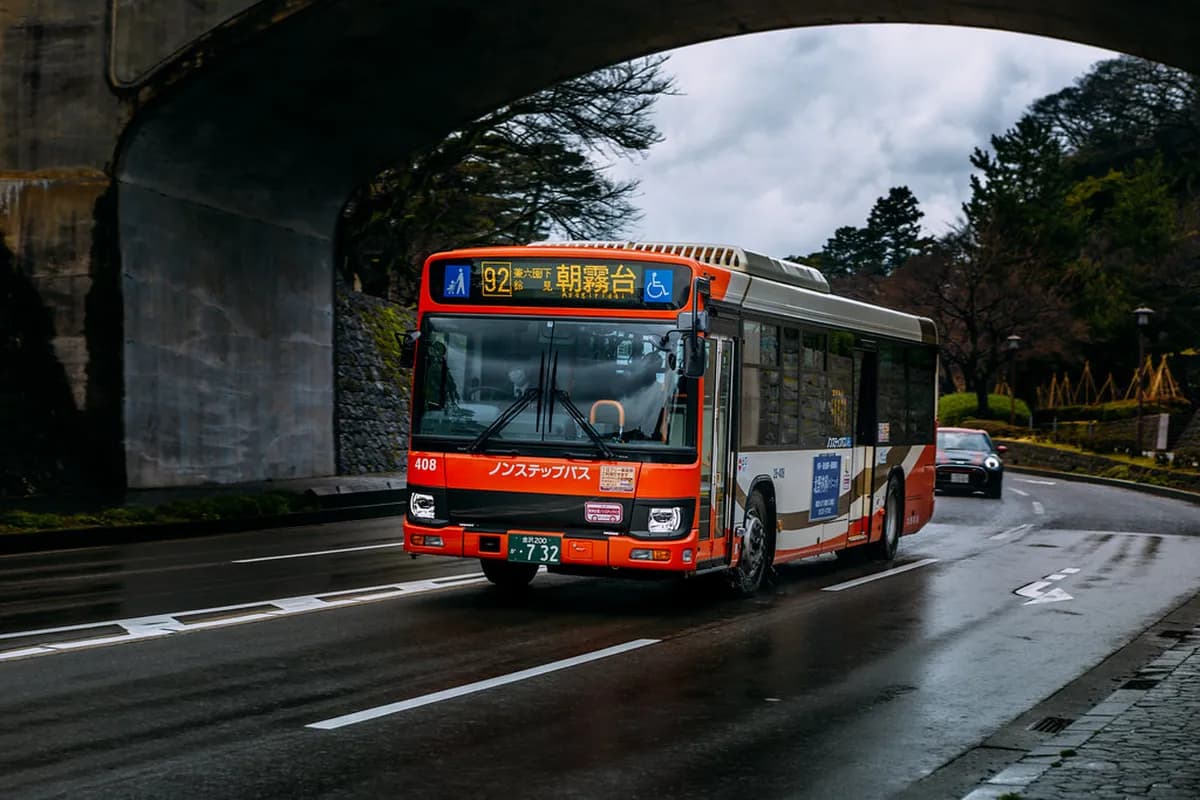
Getting around the city is relatively simple if you understand the local bus system. The Kanazawa Loop Bus is the most convenient option for most first-time visitors. It connects the JR Station with all major attractions like Kenroku-en and the Chaya districts. You can purchase a one-day pass for 800 JPY to save money on multiple rides.
One critical tip for travelers is the specific IC card limitation on local buses. While Suica and Pasmo cards work for trains to Kanazawa, they are not accepted on Hokutetsu buses. You must carry cash or use the specific one-day paper pass mentioned above. This is a common trap that can cause confusion for many international visitors.
The city center is surprisingly compact and very enjoyable to explore on foot. Walking between the castle and the samurai district takes only about fifteen to twenty minutes. You can also use the Machi-Nori public bike-sharing system for a faster way to travel. Taxis are readily available near the station and major hotels for group travel needs.
- Kanazawa Loop Bus Pass
- Type: 1-Day Pass
- Best for: Major highlights
- Where: Bus terminal
- Cost: 800 JPY
- Walking the City Center
- Type: Free exploration
- Best for: Hidden alleys
- Where: Central districts
- Cost: 0 JPY
- Machi-Nori Rental Bikes
- Type: Bike sharing
- Best for: Quick transit
- Where: Multiple docks
- Cost: 165 JPY base
Frequently Asked Questions
Is 2 days enough for Kanazawa?
Two days is the perfect amount of time to see the city's main historical and cultural sites. You can comfortably visit the castle, gardens, and samurai districts without feeling rushed. This duration also allows for a half-day museum visit or a long seafood lunch at Omicho Market.
How do I get from Tokyo to Kanazawa?
The fastest way is taking the Hokuriku Shinkansen from Tokyo Station directly to Kanazawa Station. The journey takes approximately 2.5 to 3 hours depending on the train type. You can use a JR Pass for this trip, making it a very cost-effective and efficient option.
Is the JR Pass valid on Kanazawa city buses?
The JR Pass is generally not valid on the local Hokutetsu buses or the popular Kanazawa Loop Bus. You will need to pay with cash or buy a local one-day pass for these routes. However, there is a specific JR bus route that pass holders can use for free.
What is Kanazawa famous for?
Kanazawa is world-famous for its gold leaf production, traditional crafts, and the stunning Kenroku-en Garden. It is also celebrated for its well-preserved Edo-period districts and fresh seafood from the Sea of Japan. You can find more details on kanazawa highlights here.
A Kanazawa 2 day itinerary offers a deeply rewarding look into Japan's rich cultural heritage. From the quiet beauty of Kenroku-en to the bustling stalls of Omicho Market, every moment feels significant. You will leave with a greater appreciation for the craftsmanship and history of this unique coastal city. It is truly a destination that captures the heart of every traveler who visits.
Make sure to plan your transport and bookings ahead of time for a smooth experience. Exploring the Japan Activity website can help you find more inspiration for your next trip. Whether you choose the city sights or a mountain detour, Kanazawa will not disappoint. Start packing your bags for an unforgettable journey through the historical streets of Little Kyoto.
 2 Days in Kanazawa Itinerary: 10 Essential Planning TipsApril 17, 2026