

Kagoshima Itinerary: Best Things to Do & Sakurajima Volcano Tours 2026
Complete Kagoshima itinerary for 2026: Sakurajima volcano tours (from ¥250 ferry), Sengan-en Garden, Ibusuki sand baths, Chiran samurai district, and exact tour prices.
On this page
- Sakurajima ferry: ¥250 per adult, runs every 15–20 minutes, 15-minute crossing
- Sakurajima Island View Bus day pass: ¥500 — covers all volcano observatories
- CUTE Pass (unlimited city trams + ferry): ¥1,200/day
- Half-day guided volcano tours from ¥4,000–¥8,000 per person; private charters from ¥34,000 for 3 people
- Must-do: Yunohira Observatory (373 m), Nagisa Lava Foot Bath (free), Sengan-en Garden, Ibusuki sand bath
- Best word count for this page: 2026 is an active eruption year — check the Japan Meteorological Agency volcano alerts before visiting
Kagoshima sits at the southern tip of Kyushu and offers a rare combination of volcanic energy, samurai heritage, and exceptional cuisine. Known as the "Naples of the East," this seaside city delivers sweeping views of the active Sakurajima volcano rising from Kinko Bay. In 2026, visitor numbers continue to grow as travelers discover that watching a live eruption from a café terrace is entirely normal life here. This guide covers the best things to do in Kagoshima, with detailed Sakurajima volcano tour options and exact prices so you can plan confidently. For a broader Kyushu context, Osaka sits roughly 600km away by Shinkansen and serves as the most common regional transit hub.
Planning this itinerary requires balancing city exploration with island adventures and meaningful day trips. The local culture is deeply tied to the powerful Satsuma clan and the volcanic soil that enriches the region's signature kurobuta pork and sweet potato shochu. Whether you want to hike a lava trail, soak in a sand bath, or walk through a preserved samurai quarter, this guide has you covered with current facts, durations, and costs.
How to Get to Kagoshima
 Fukuoka Japan" loading="lazy" width="1200" height="800" />
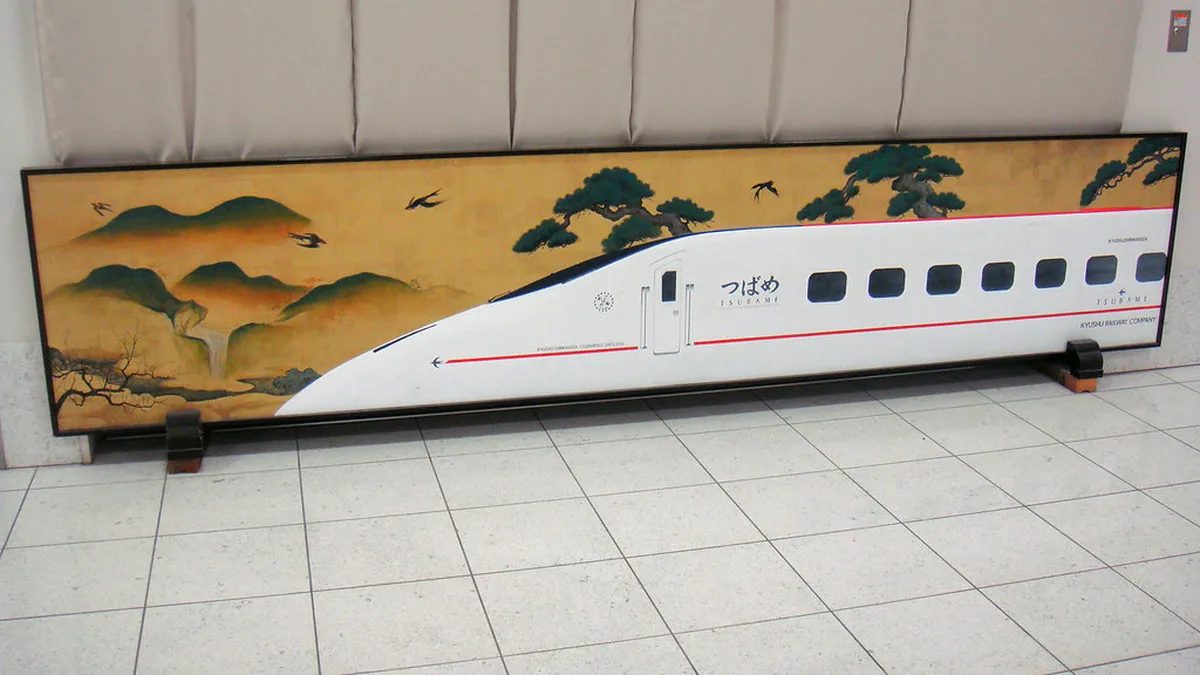
Most international travelers arrive via the Kyushu Shinkansen from Fukuoka or Osaka. The bullet train terminates at Kagoshima-Chuo Station, the city's main transport hub. Fastest Mizuho trains from Hakata (Fukuoka) take roughly 80 minutes. Confirm JR Pass validity before boarding — the Kyushu Shinkansen is covered by the national JR Pass and the Kyushu Pass.
Flying is efficient from Tokyo or distant islands. Kagoshima Airport sits about 45 minutes by limousine bus from the city center (roughly ¥1,300 per person). Airport buses drop passengers at Tenmonkan and Kagoshima-Chuo Station, running every 10–15 minutes during peak hours. Ferries from Osaka and Okinawa also dock at the city's main port, giving you a dramatic first view of the smoking volcano as you enter the bay.
Getting Around: CUTE Pass, City Tram & Sightseeing Buses
Kagoshima's tram network connects Kagoshima-Chuo Station with Tenmonkan and the ferry port on two main lines. A single ride costs ¥170–¥190, but the CUTE Pass at ¥1,200/day unlocks unlimited rides on trams, city buses, the City View sightseeing bus, and the Sakurajima Ferry — almost essential if you plan to visit the volcano and multiple city sites in one day.
City View Bus Route
The Kagoshima City View Bus loops past all major attractions on a single route, with announcements in English and Chinese. The bus runs every 30 minutes from approximately 9:00 to 17:00. It stops at Shiroyama Observatory, Sengan-en Garden, the aquarium, and Tenmonkan — ideal for first-day orientation without navigating multiple transfers.
- Single ride: ¥190
- Day pass: ¥600 (or included with CUTE Pass)
- Frequency: every 30 minutes
Sakurajima Island View Bus
Once you cross to the island, the Sakurajima Island View Bus circles the entire volcano in under an hour and serves every major observatory and trailhead. It runs roughly every 30 minutes during daylight hours.
- Day pass: ¥500 per person
- Coverage: Yunohira Observatory, Arimura Lava Observatory, Nagisa Foot Bath, Sakurajima Visitor Center
For more detail on tram routes and day-pass buying locations, see our Kagoshima transport guide.
Sakurajima Volcano Tours 2026: Options, Prices & What to Expect
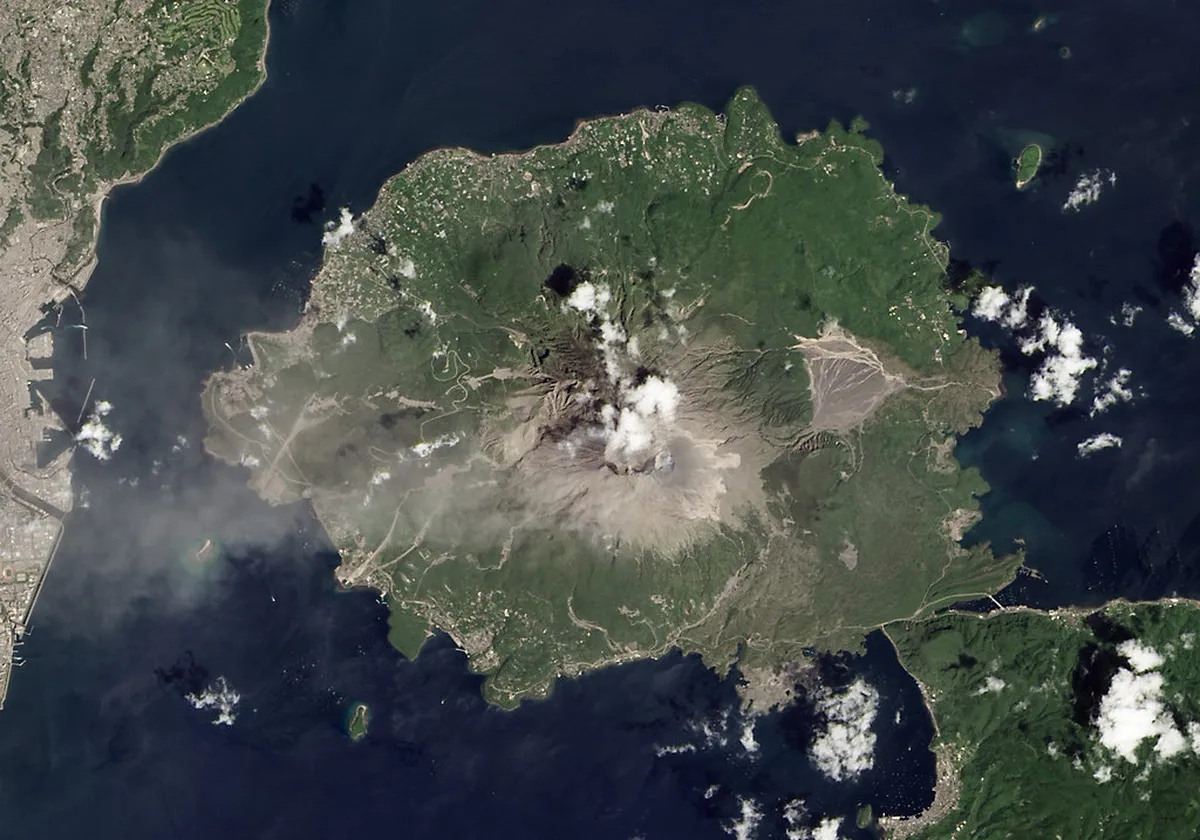
Sakurajima is one of the world's most active volcanoes, erupting more than 1,000 times per year with mostly small ash plumes. The Japan Meteorological Agency monitors activity continuously and maintains a 2 km exclusion zone around the active crater — all visitor facilities and observation points sit safely outside this zone. Here is exactly how to visit in 2026.
Sakurajima Ferry — The Cheapest Entry
The simplest approach: walk to the Kagoshima Port ferry terminal (10 minutes from Tenmonkan by tram) and board the next ferry. Departures run 24 hours a day, every 15–20 minutes during daytime, every 30–60 minutes at night. The 15-minute crossing costs ¥250 for adults, ¥130 for children. The return trip is included in the CUTE Pass, making this effectively free if you already hold a day pass.
For complete ferry logistics — including what to do when ash is falling and how to pack your bag — read our dedicated guide: How to Visit Sakurajima: Ferry Guide & Ash Survival 2026.
The Sakurajima Ferry runs 24 hours a day. The ¥250 adult fare is included with the CUTE Pass (¥1,200/day), which also covers unlimited city trams and the City View Bus — essential if you plan to visit the volcano and two or more city attractions on the same day.
| Tour Type | Duration | Price (2026) | Best For |
|---|---|---|---|
| Self-guided (ferry + Island View Bus) | Half day | ¥750 (¥250 ferry + ¥500 bus pass) | Independent travelers |
| CUTE Pass (ferry + trams + city bus) | Full day | ¥1,200/day | City + volcano combo |
| Standard guided half-day tour | 4–5 hours | ¥4,000–¥6,000/person | First-time visitors |
| Viator / GetYourGuide half-day | 4–5 hours | US$39–$80/person | Easy booking + free cancel |
| Private charter (up to 3 people) | 7 hours | ¥34,000 | Families / small groups |
| Private charter (up to 8 people) | 7 hours | ¥46,000 | Large groups |
Guided Half-Day Volcano Tours
Guided tours bundle the ferry, Island View Bus access, and a knowledgeable local guide who explains volcanic geology and Satsuma agriculture at each stop. In 2026, half-day options (4–5 hours) are widely available from the pier:
- Standard group tour: from approximately ¥4,000–¥6,000 per person — guide meets you at the pier, covers Yunohira Observatory, Arimura Lava Observatory, and Nagisa Foot Bath
- Viator/GetYourGuide half-day tours: from US$39–$80 per person with free cancellation
- Shore excursion (cruise guests): from US$80 for a 7-hour guided excursion including ferry and Island View Bus
Private Charter Tours
For families or small groups wanting full flexibility, chartered taxi tours are the most comfortable option:
- 7-hour charter (up to 3 people): approximately ¥34,000
- 7-hour charter (up to 8 people): approximately ¥46,000
- Covers custom stops including Yunohira Observatory, Sakurajima Visitor Center, lava trails, and optional volcano-adjacent lunch
Specialist Volcanologist Tours
For serious geology or photography enthusiasts, Volcano Adventures offers multi-day Sakurajima expeditions accompanied by a professional volcanologist and volcano photo expert. These tours include hotel transfer, group dinner, and 3 full observation days with multiple vantage points for eruption photography. Pricing is in the US$2,000+ range for the full programme — book well in advance as spots are limited.
Top Stops on Sakurajima (Self-Guided or Guided)
Yunohira Observatory (373 m)
The highest publicly accessible point on the volcano offers a 360° panorama: the rugged Kitadake crater slopes, the Taisho Lava Field, Kinko Bay, and the Kagoshima cityscape on clear days. Open 9:00–17:00 daily; 15 minutes by car from the ferry terminal, or take the Island View Bus. No entrance fee.
Arimura Lava Observatory
A lower vantage point (approximately 75 m) with a series of connected viewing platforms and paved walking paths that afford an unobstructed look directly toward the active craters. Ideal for watching ash plumes against the sky. Accessible via Island View Bus.
Nagisa Lava Foot Bath (Free)
One of Japan's longest natural foot baths at 100 meters, heated by geothermal activity along the shoreline. Open to all visitors at no charge. Bring a small towel. Located near the ferry terminal, making it easy to visit before or after the main sightseeing loop.
Nagisa Lava Trail Hike
A 5 km paved trail through the 1914 Taisho-era lava flows, passing stretches where pioneer plants have reclaimed the scorched earth over the past century. Walking time: approximately 50 minutes. Keep to the paved path — stepping onto the lava rocks is dangerous and prohibited.
Sakurajima Visitor Center
Free entry; excellent exhibits on the volcano's eruptive history, lava flow maps, and local agriculture (Sakurajima grows the world's largest daikon radish — up to 45 kg — and the smallest peelable orange). A good first stop before heading to the observatories.
Day 1: City History, Shiroyama Views & Tenmonkan
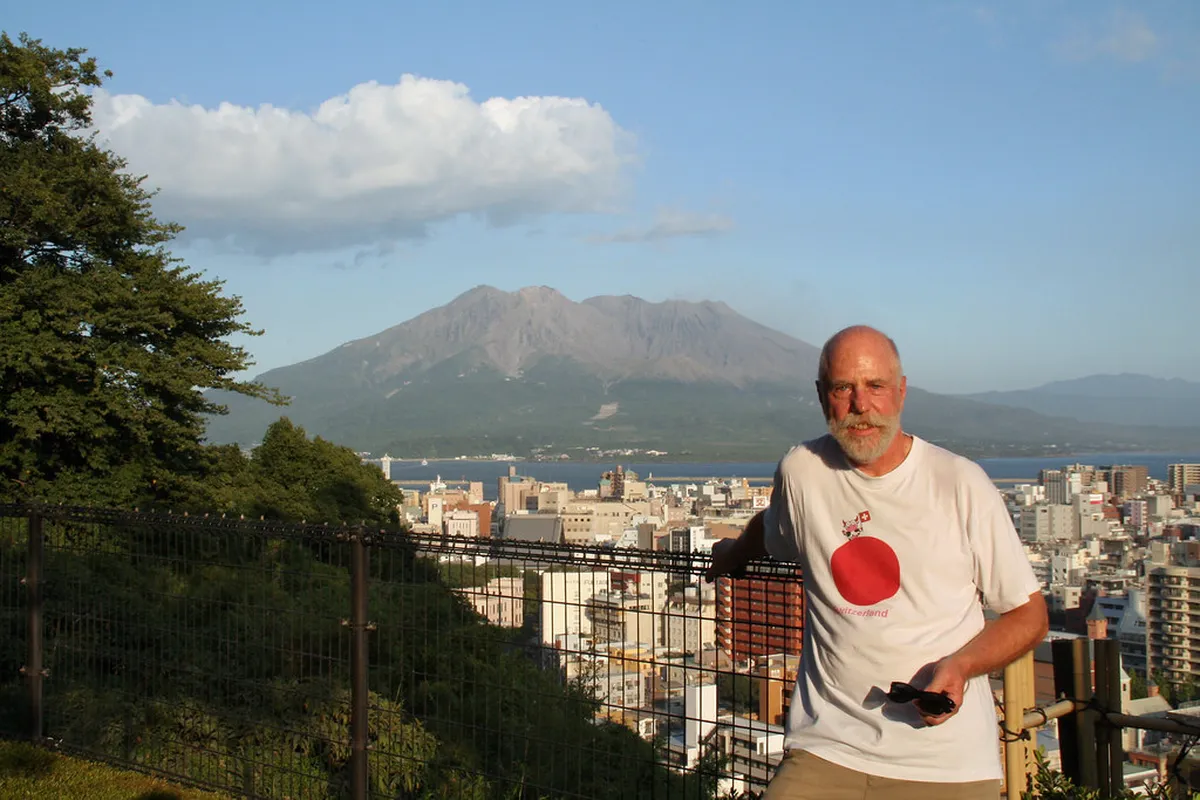
Start the first day at Shiroyama Park Observation Deck for the most famous angle of Sakurajima framed by the city skyline. This hilltop park was the site of the final battle of the Satsuma Rebellion in 1877. Early morning (before 8:00) provides the clearest air and best light for photography — arrive via the City View Bus or a short taxi from the station.
Descend toward the statues of Saigo Takamori and Okubo Toshimichi, two of the most important figures of the Meiji Restoration who both hailed from Kagoshima. The nearby Museum of the Meiji Restoration uses interactive exhibits — including a life-size steam-punk drama show — to explain how this southern city reshaped modern Japan. Budget 60–90 minutes here.
Spend the afternoon in Tenmonkan, the largest covered shopping and dining district in southern Kyushu. The arcade's roof keeps you shielded from both rain and occasional ash falls. Browse boutiques selling traditional Satsuma Kiriko cut glassware and stop for the famous Shirokuma shaved ice (topped with fruit and condensed milk) at the original Tenmonkan Mujaki shop — the perfect warm-weather treat after a full day on your feet.
For a full overview of all city landmarks worth your time, see 22 Best Kagoshima Attractions in 2026.
Day 2: Sakurajima Volcano Tour & Sengan-en Garden
Catch the first ferry after breakfast — boats run continuously so there's no need to rush. Use the half-day on the island to work through the Yunohira Observatory, Arimura Lava Observatory, and Nagisa Foot Bath in sequence via the Island View Bus. If you booked a guided tour, your guide will handle the routing. Budget 3–4 hours on the island to experience it without rushing.
After returning to the mainland, spend the afternoon at Sengan-en Garden. Built in 1658 by the Shimazu clan, the garden uses Sakurajima as its "borrowed scenery" backdrop — one of the most photographed garden compositions in Japan. The adjacent Shoko Shuseikan Museum documents the industrial heritage of the Satsuma clan. Entry to the garden and museum combined is approximately ¥1,000–¥1,500 for adults. Visit the Sengan-en official site for seasonal events and current hours.
For additional Sakurajima day-trip details including ash survival packing tips, read our companion guide: How to Visit Sakurajima: Ferry Guide & Ash Survival 2026.
Ash awareness: Keep a small sealed bag or compact umbrella in your daypack. Check the official ash forecast at Visit Kagoshima City before heading out. Most locals treat a light ash fall the way other cities treat drizzle — it's manageable with minor preparation.
Sakurajima maintains a permanent 2 km exclusion zone around the active crater. All tourist observatories and trails are outside this zone, but check the Japan Meteorological Agency alert level before visiting. Alert level 3 (rarely reached) closes the Yunohira Observatory road.
Day 3: Chiran Samurai District or Ibusuki Sand Baths
Day three presents a choice based on your travel style: emotional history in Chiran or physical rejuvenation in Ibusuki. Both destinations sit 60–90 minutes from the city center.
Chiran — Satsuma's Little Kyoto
Chiran preserves one of Japan's best-maintained samurai residential districts, with seven historic houses open to visitors surrounded by manicured Edo-period gardens. Walking through the stone-walled lanes feels like stepping two centuries back. The town also holds the sobering Peace Museum for Kamikaze Pilots, which documents the young men who launched missions from this airfield during World War II. Budget a full day if you plan to visit both the samurai quarter and the museum. Chiran is best reached by direct bus from Kagoshima-Chuo Station bus terminal.
Ibusuki — Natural Steam Sand Baths
Ibusuki's geothermally heated beach sand baths are among Japan's most unusual wellness experiences. At the Saraku Sand Bath Hall (about 1 km from Ibusuki Station), attendants bury you in naturally warm volcanic sand at around 50–55°C while you listen to waves break nearby. The heat improves circulation and provides a gentle detox effect that most visitors describe as deeply relaxing rather than painful. A single session typically costs around ¥1,100–¥1,300 and lasts 10–15 minutes in the sand plus shower time. Ibusuki is served by the scenic Ibusuki no Tamatebako limited express from Kagoshima-Chuo — the black-and-white train is a destination in itself.
Guided tours that combine Chiran and Ibusuki in a single day (around 8 hours) are available via ToursByLocals and similar platforms starting from approximately ¥10,000–¥15,000 per person for small groups.
For a complete day-by-day breakdown including distances and timing, see the Kagoshima 3-Day Itinerary.
Day 4 & 5: Yakushima Extension or Extra City Time
Yakushima Island, a UNESCO World Heritage site, is reachable by jetfoil in 2–3 hours from Kagoshima port. It's non-negotiable as an overnight stay — the landmark trek to the Jomon Sugi ancient cedar (approximately 7,200 years old) takes 10 hours round-trip and demands early-morning starts only feasible if you sleep on the island. Waterproof gear is mandatory: Yakushima records some of the highest rainfall in Japan.
If you'd rather use the extra time in the city, consider spending a morning at Io World Kagoshima City Aquarium (excellent for families, features deep-sea Kagoshima species and a dolphin pool) or visiting the Kirishima Shrine in the Kirishima mountain range — a spiritual landmark dating to the 6th century with a dramatically forested approach. The shrine sits 70–80 minutes from the city by bus and pairs well with a short hike through the Kirishima-Kinkowan National Park volcanic landscape.
What to Eat: Kurobuta Black Pork, Shochu & Kagoshima Sweets
Kagoshima's food culture is inseparable from its volcanic soil and livestock heritage.
- Kurobuta (black pork): Berkshire pigs raised on sweet potatoes produce meat of exceptional marbling and flavor. Try it as tonkatsu or shabu-shabu. Restaurants within Amu Plaza at Kagoshima-Chuo Station reliably serve it; expect ¥1,500–¥2,500 for a tonkatsu set.
- Kagoshima Ramen: Lighter pork-bone broth than Hakata ramen, often topped with braised pork belly. Local chains like Kirin Ramen near Tenmonkan serve an authentic bowl for around ¥800–¥1,000.
- Sweet potato shochu: Kagoshima is the heartland of imo (sweet potato) shochu. Local brands like Mori Izo and Satsuma Musume are sought after nationally. Order it in a kuro-joka (traditional black ceramic heated pot) — warming the spirit with hot water opens the earthy, floral aroma. A glass at a Tenmonkan izakaya costs ¥400–¥700.
- Shirokuma shaved ice: A Kagoshima institution — enormous mound of fine-shaved ice topped with sweetened condensed milk, candied fruits, mochi, and red beans. The original Tenmonkan Mujaki shop serves the definitive version for around ¥900. Queue after 11:00; the wait is worth it.
- Sakurajima-grown produce: Look for the giant daikon radish in local markets and restaurants — its mild, sweet flavor comes from the volcanic mineral-rich soil.
Where to Stay in Kagoshima: Best Neighborhoods
Kagoshima-Chuo Station area: Best for day-trippers. You have immediate access to the Shinkansen, the main bus terminal for Chiran/Ibusuki, and the tram to the ferry port. Modern business hotels are competitive (¥6,000–¥12,000/night); the area is quieter at night than Tenmonkan.
Tenmonkan: Best for evening exploration. Walking distance to the city's best bars, ramen shops, and the Shirokuma ice café. Well-connected to the ferry terminal for morning volcano starts. A mix of boutique guesthouses and mid-range hotels serves most budgets.
Waterfront / volcano-view rooms: For a genuinely memorable experience, book a room with a direct Sakurajima view. The Kagoshima Sun Royal Hotel is noted for its panoramic bay views and onsen facilities. Waking up to see ash drifting from the summit is a start to the day that no other Japanese city can match.
Browse options that include private hot spring baths with volcano views at Kagoshima experiences.
Practical Tips for Visiting Kagoshima in 2026
- Best time to visit: Spring (March–May) and autumn (September–November) offer the most comfortable temperatures and clearest volcanic views. Summer is hot and humid; typhoon season runs July–October.
- Ash preparation: Pack a dust mask (N95-style or simple surgical mask), a compact umbrella, and wrap camera lenses in a zip-lock bag on high-eruption days. The city sells ash-specific umbrellas as souvenirs.
- CUTE Pass vs single tickets: If you plan to visit Sakurajima and two or more city attractions in one day, the ¥1,200 CUTE Pass pays for itself quickly. Buy at the tourist information office inside Kagoshima-Chuo Station.
- Volcano safety: The JMA monitors Sakurajima 24/7. All tourist areas are outside the 2 km exclusion zone. Real-time alert level updates are available at Japan Meteorological Agency.
- Language: English signage is good on the ferry, Island View Bus, and at major observatories. Away from the main circuit, a translation app helps.
- Cash vs card: Most restaurants and attractions accept card in 2026, but carry ¥3,000–¥5,000 cash for small food stalls, the foot bath area vendors, and local farm stands on Sakurajima.
Frequently Asked Questions
Is Sakurajima safe to visit in 2026?
Yes. Sakurajima is safe for tourists in 2026. The Japan Meteorological Agency restricts access within 2 km of the active crater, and all visitor facilities, observatories, and trails sit well outside this zone. Eruptions are frequent but typically small ash emissions that pose no danger to visitors at the designated viewpoints. Always check the current alert level at JMA before your visit.
How much does it cost to visit Sakurajima?
The Sakurajima Ferry costs ¥250 per adult (¥130 for children) each way. The Island View Bus day pass is ¥500. The Nagisa Lava Foot Bath is free. Budget around ¥1,000–¥1,500 for basic self-guided volcano access including ferry and bus. Guided half-day tours start from approximately ¥4,000–¥6,000 per person; private charter taxis run ¥34,000 for up to 3 people for a full day.
How long do you need in Kagoshima?
Two days covers Sakurajima and the main city highlights. Add one day for a Chiran or Ibusuki day trip. Allow 2–3 extra days if you want to visit Yakushima Island. A comprehensive Kagoshima Prefecture trip — city, volcano, Ibusuki, Chiran, Kirishima, and Yakushima — takes 5–7 days.
What is the best way to get around Kagoshima?
The CUTE Pass (¥1,200/day) is the most efficient option for sightseers, covering unlimited tram, City View Bus, and Sakurajima Ferry rides. For Ibusuki and Chiran, use the local train or a bus from Kagoshima-Chuo Station. Renting a car is the most flexible option for covering the full Satsuma Peninsula in a single day.
What is Kagoshima's most famous food?
Kurobuta (black pork) is the signature dish — prized nationally for its marbling and flavor, typically served as tonkatsu or in shabu-shabu. Kagoshima is also the heartland of sweet potato shochu (imo shochu), best enjoyed heated in a traditional kuro-joka ceramic pot. The Shirokuma shaved ice dessert at Tenmonkan Mujaki is the city's most iconic sweet.
Can I do Sakurajima as a day trip from Fukuoka?
It's possible but long — the Shinkansen from Hakata (Fukuoka) to Kagoshima-Chuo takes about 80 minutes. Combine that with 4–5 hours on the island plus transit time, and you're looking at a 10–12 hour day. A better option is an overnight stay in Kagoshima so you can also see Sengan-en and Tenmonkan without rushing.
Do I need to book Sakurajima tours in advance?
For independent visits (ferry + Island View Bus), no advance booking is needed. For guided half-day tours, booking 24–48 hours ahead via Viator, GetYourGuide, or local operators is recommended in spring and autumn peak seasons. Private charter taxis benefit from 3–7 days advance notice. Volcano Adventure multi-day tours should be booked months in advance due to limited group sizes.
Kagoshima offers something genuinely rare: urban comfort alongside an active geological spectacle you can watch from a café or experience up close on a lava trail. From the ¥250 ferry ride to the island to a private volcanologist tour, the range of options fits every budget and interest level. The local flavors of kurobuta pork and sweet potato shochu provide a culinary dimension as rich as the Satsuma samurai history. Use this guide to lock in your dates, pick your volcano tour format, and plan the day trips that match your pace.
For the full picture of every landmark and activity worth your time, visit our comprehensive overview: 22 Best Kagoshima Attractions in 2026. For a structured day-by-day schedule with transport times built in, see our Kagoshima 3-Day Itinerary. Ready to plan your Sakurajima crossing? Everything you need is in our dedicated How to Visit Sakurajima: Ferry Guide & Ash Survival 2026.
Free: The Kagoshima Essentials guide
Top things to do, where to stay, a perfect day plan, getting around, and the best time to go — a Kagoshima mini-guide you can take offline.
You might also like


Continue reading
More guides you'll find useful


