
Kagoshima Attractions Itinerary & Transport Guide 2026: Trams, Ferries & Top Sights
Kagoshima transport guide 2026: CUTE Pass fares, city tram routes, Sakurajima ferry schedule (250 yen, every 15-20 min), JR trains, City View Bus, taxi, and a full attractions itinerary for 1-5 days.
On this page
Kagoshima Attractions Itinerary & Transport Guide 2026: Trams, Ferries & Top Sights
TL;DR: Kagoshima's public transport network is easy to master with one key tool — the CUTE Pass (1,300 yen/day adults). It covers the city tram, all municipal buses including the City View loop, and the Sakurajima Ferry (250 yen standalone). Buy it at Kagoshima-Chuo Station on arrival, then follow this attractions itinerary to move efficiently between Sengan-en, Shiroyama, Chiran, and the volcano without paying per-ride.
Kagoshima sits in the shadow of Sakurajima, one of Japan's most active volcanoes. Daily life here is shaped by volcanic ash forecasts, ferry schedules, and the rhythmic clang of the city tram. Planning a successful trip means balancing samurai-era history in Chiran with the raw geology of lava trails, all threaded together by a surprisingly modern and affordable public transport network. This 2026 guide lays out every transport option — tram, bus, JR, taxi, ferry — alongside a practical day-by-day attractions itinerary.
Whether you have a single day or a full week, Kagoshima rewards deliberate planning. The top Kagoshima attractions range from UNESCO World Heritage gardens to geothermal sand baths three train stops away. Use this kagoshima transport guide to move between them without guesswork.
Kagoshima Transport 2026: Every Option Compared
Kagoshima-Chuo Station is the gateway for all incoming Shinkansen and long-distance rail. Once you arrive, five distinct transport modes cover the city and surroundings. Understanding each one before you leave the station saves both yen and confusion on day one of your kagoshima transport itinerary.
City Tram (Streetcar)
Kagoshima operates two tram lines — Line 1 (Kagoshima-Chuo to Korimoto) and Line 2 (Kagoshima-Chuo to Kagoshima Station) — that criss-cross the downtown core and connect both JR railway stations. Trams run every 5-10 minutes during peak hours. The flat single-ride fare is 230 yen for adults; children pay 120 yen. Pay on exit through the front door — IC transit cards (Suica, ICOCA, Hayakaken) are accepted. The tram is the fastest way to move between Kagoshima-Chuo Station and Tenmonkan shopping arcade (about 8 minutes) and is the backbone of any multi-day kagoshima itinerary.
Kagoshima City View Bus
The tourist-oriented City View Bus loops every 30 minutes from Kagoshima-Chuo Station's east exit, hitting 15 key stops including Shiroyama Observatory, Sengan-en Garden, Iso Beach, and the Sakurajima Ferry Terminal. English audio announcements play at every stop. A single ride costs 230 yen; an all-day City View ticket is 600 yen. The CUTE Pass includes unlimited City View rides, making it the smarter buy for any full-day sightseeing schedule.
Sakurajima Ferry
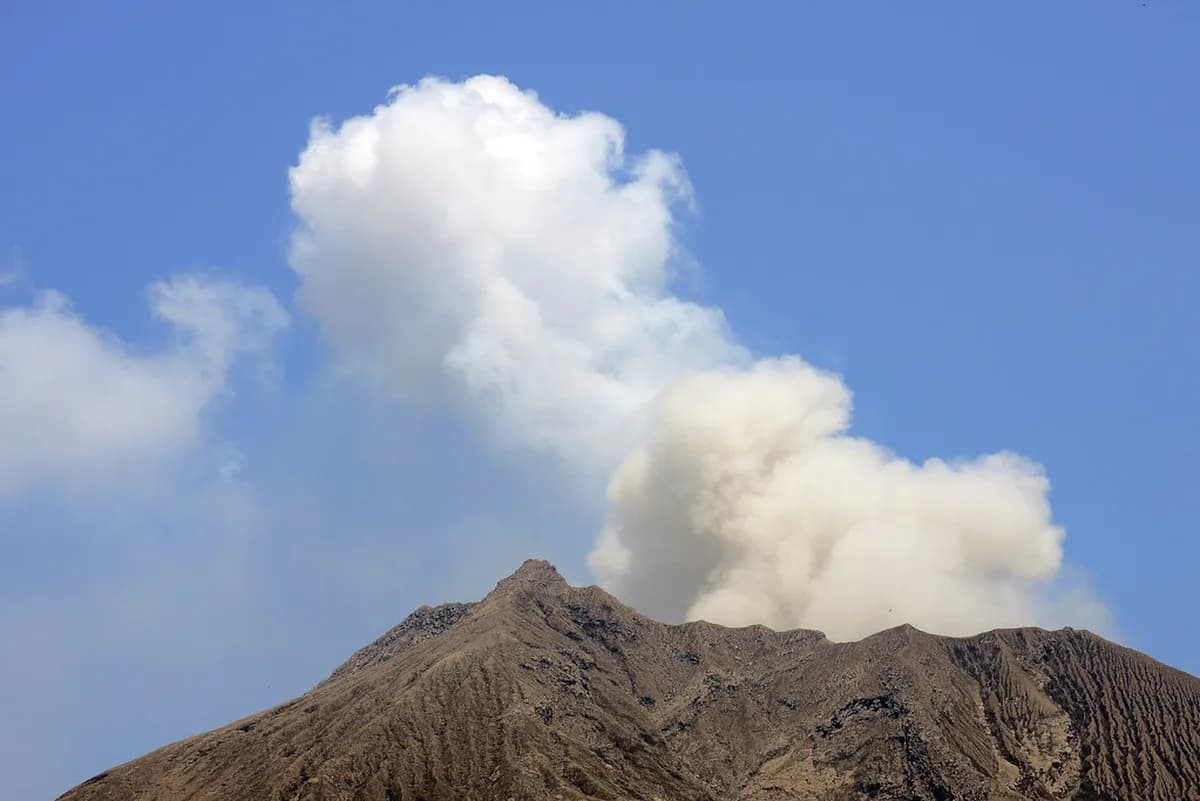
The Sakurajima Ferry is Kagoshima's most iconic transport link — a 15-minute crossing from Kagoshima Port to Sakurajima Island with boats departing every 15-20 minutes, 24 hours a day. The fare is 250 yen per adult (130 yen children), paid upon arrival at the Sakurajima port terminal rather than at boarding. IC cards and credit cards are accepted. The morning crossing at sunrise is one of the best free experiences in southern Kyushu: Sakurajima's ash plume catches the early light while the city skyline fades behind you. See the detailed crossing logistics in our Sakurajima ferry guide and ash survival tips.
JR Trains
JR Kyushu operates lines out of Kagoshima-Chuo for day trips beyond the city. Key routes for sightseers:
- Ibusuki no Tamatebako (Limited Express) — Kagoshima-Chuo to Ibusuki, ~50 minutes, around 1,290 yen reserved. Rotating panoramic seats; booking 2-3 days ahead is strongly recommended during Golden Week and summer.
- Kagoshima Honsen Line — Local service south through Chiran-area stops (transfer to bus at Kagoshima-Chuo for Chiran itself).
- Shinkansen (Kyushu Shinkansen) — Connects Kagoshima-Chuo to Fukuoka (Hakata) in about 80 minutes (Mizuho/Sakura services). Covered by the JR Kyushu Pass.
For city-only sightseeing, JR trains add little value over the tram and bus network. Reserve JR for the long-haul day trips.
Taxi
Taxis start at around 750 yen for the first 1.5 km, then increment at roughly 100 yen per 300 m. A taxi from Kagoshima-Chuo Station to the Sakurajima Ferry Terminal runs approximately 3,200 yen (15-20 minutes). Taxis are most useful late at night when trams stop (around 23:00) or for direct transfers with heavy luggage. Apps like GO Taxi and DiDi operate in Kagoshima city; English-capable drivers are not guaranteed outside the main hotel zones.
The CUTE Pass: Is It Worth It in 2026?
The CUTE (City-Union-Tram-Ecology) Pass bundles unlimited rides on all municipal buses (City View + Sakurajima Island View), both tram lines, and the Sakurajima Ferry into a single pass. Updated 2026 pricing:
- 1-Day Pass: 1,300 yen adults / 650 yen children
- 2-Day Pass: 1,900 yen adults / 950 yen children
Break-even on the 1-day pass: two tram rides (460 yen) + one Sakurajima Ferry round-trip (500 yen) = 960 yen. Add one City View bus ride (230 yen) and you're already ahead. Any standard full-day itinerary covering the volcano plus central sights easily pays back the pass. The CUTE Pass also unlocks entry discounts at over 10 attractions including the Kagoshima City Aquarium. Purchase at the information desk inside Kagoshima-Chuo Station or digitally via the Jorudan mobile ticket app before departure.
| Mode | Single Fare (Adult) | Day Pass | Best For |
|---|---|---|---|
| City Tram | 230 yen | via CUTE | Downtown hops, Tenmonkan |
| City View Bus | 230 yen | 600 yen standalone / CUTE | Tourist loop, Shiroyama, Sengan-en |
| Sakurajima Ferry | 250 yen one-way | via CUTE | Volcano day trip |
| JR Ibusuki Express | ~1,290 yen reserved | JR Kyushu Pass | Ibusuki sand baths |
| Taxi | ~750 yen start | N/A | Late night, luggage transfers |
| CUTE Pass 1-Day | — | 1,300 yen | Full sightseeing day |
1-Day Kagoshima Itinerary: Maximizing the CUTE Pass
One full day in Kagoshima is enough to hit the city's two defining experiences: the volcano and the samurai garden. Start with the CUTE Pass at Kagoshima-Chuo, then execute this sequence to minimize backtracking.
- 08:00 — Sakurajima Ferry crossing. Take the tram to the ferry terminal (alight at Suizokukan-guchi stop). Board the first morning ferry (250 yen, covered by CUTE). The 15-minute crossing at sunrise is unmissable. Walk the Nagisa Lava Trail (3 km, flat) and soak in the free Nagisa Park Foot Bath before 10:30.
- 10:45 — Sakurajima Island View Bus loop. Catch the Island View Bus at the ferry terminal (CUTE covered). Ride to Yunohira Observatory (373 m elevation, city views across the bay), allow 15 minutes for photos, then complete the loop back to the port. Total: ~60 minutes.
- 12:30 — Return ferry + lunch at Sengan-en. Ferry back to the city, then board the City View Bus toward Sengan-en. The garden's cafe serves Satsuma-style bento overlooking Sakurajima — the borrowed-scenery effect at its best.
- 14:00 — Sengan-en Garden + Shoko Shuseikan Museum. Allow 90 minutes for the garden walk and the UNESCO-listed industrial heritage museum. Entry is 1,500 yen adults (CUTE discount applies).
- 15:45 — City View Bus to Shiroyama Observatory. The panoramic viewpoint above the city is a 5-minute ride from Sengan-en on the City View loop. Best afternoon light falls on Sakurajima between 15:30-17:00.
- 17:30 — Tram to Tenmonkan. Drop down to the covered arcade for Kurobuta black pork shabu-shabu or Kagoshima ramen. Evening tram back to your hotel.
3-Day Kagoshima Itinerary: Volcano, Chiran & Ibusuki
Three days is the ideal window for most visitors — enough to cover the city highlights, a major day trip, and one immersive cultural experience. Our full 3-day Kagoshima itinerary maps every route in detail, but here's the transport-smart framework:
- Day 1 — City + Sakurajima: Follow the 1-day CUTE Pass plan above. Wrap up at Tenmonkan for dinner and shochu tasting.
- Day 2 — Chiran Day Trip: Bus from Kagoshima-Chuo Station Stop 16 at 09:00 (75 min, ~960 yen each way). Visit Chiran Peace Museum (500 yen entry, English audio guide essential) and all seven Samurai Residence gardens (530 yen combined ticket). Return bus departs around 15:30 — check the timetable at the bus stop on arrival. Back in the city by 17:30.
- Day 3 — Ibusuki: Take the Limited Express Ibusuki no Tamatebako from Kagoshima-Chuo (~50 min, ~1,290 yen reserved). Book seats in advance — the panoramic rotating-seat train fills up quickly. Sand bath at Saraku Hall (yukata rental included; ~1,300 yen entry), then optional bus to Cape Nagasaki-bana for views of Mount Kaimon ("Satsuma Fuji"). Return by afternoon express.
For a deeper Sakurajima experience on Day 1, see our dedicated Sakurajima day trip itinerary with timings for each lava viewpoint.
Top Kagoshima Attractions 2026: What Not to Miss
The 22 best Kagoshima attractions span geology, samurai history, modern culture, and coastal scenery. These are the non-negotiables for any itinerary:
Sengan-en Garden (Iso Garden)
Built in 1658 by the Shimadzu clan, Sengan-en is a 49,500 m² Japanese garden that uses Sakurajima as its "borrowed" mountain and Kinko Bay as its pond. The Shoko Shuseikan on the grounds is part of Japan's Meiji Industrial Revolution UNESCO World Heritage cluster — early iron furnaces, reverberatory furnaces, and textile machinery that industrialized southern Japan. Allow 90 minutes. City View Bus stop: Sengan-en-mae. Entry: ~1,500 yen adults.
Shiroyama Observatory
The most famous panoramic view in the city — Sakurajima framed by the bay with Kagoshima sprawling beneath. Reach it via the City View Bus (Shiroyama stop) or a short taxi. Dawn and late afternoon offer the best photography light. Entry is free; the hilltop hotel terrace café serves coffee with the same view.
Chiran Samurai District & Peace Museum
Often called "Little Kyoto of Satsuma," Chiran's samurai district preserves seven immaculate garden-residences from the Edo period, featuring koi ponds, tea pavilions, and the Satsuma-style "borrowed scenery" technique. A 10-minute walk away, the Chiran Peace Museum for Kamikaze Pilots houses over 4,000 artifacts — personal letters, photographs, and last words of young pilots stationed there. English audio guides are available and essential for context. Entry: 500 yen (museum) + 530 yen (garden complex).
Nagisa Lava Trail, Sakurajima
A 3-km coastal walk through hardened 1914 eruption lava fields with information boards at each major flow deposit. Entirely flat and accessible. The free Nagisa Park Foot Bath at the trail's end is 100 m long — the longest in Japan — using natural geothermal water that stays around 40°C year-round. Bring a small towel (or buy one at the visitor center for ~300 yen).
Tenmonkan Shopping & Dining District
Kagoshima's covered arcade is the city's culinary and social heart. Try Kurobuta black pork dishes (shabu-shabu, tonkatsu), local shiro kumasotsu (white bear ice desserts), and Satsuma shochu. The arcade protects pedestrians from both rain and volcanic ash — a design feature unique to Kagoshima. Tram stop: Tenmonkan-dori, Lines 1 & 2.
Kagoshima City Aquarium
Located steps from the Sakurajima Ferry Terminal, the aquarium's centrepiece is a 25-m-wide Kuroshio Current Tank holding 1,500 tons of water and 800+ species. The building faces directly toward Sakurajima — the volcano forms an unplanned backdrop from the upper viewing floors. Entry ~1,500 yen adults; CUTE Pass holders receive a discount. Combine with the morning ferry to avoid doubling back.
Kagoshima Transport Tips: Ash Days, Timing & Practical Logistics
Kagoshima's volcanic environment creates transport conditions found nowhere else in Japan. Factor these into your day planning to avoid frustration:
- Ash forecasts: Check the Japan Meteorological Agency's Sakurajima page or the Kagoshima Yokanavi app each morning. When the wind blows east (toward the city), expect ash on streets and tram platforms. Carry a fold-up umbrella and a KN95 mask — not for eruption danger, but for comfortable breathing during moderate ash fall.
- Tram timing: Lines operate roughly 06:00-23:00. Last tram from Tenmonkan toward Kagoshima-Chuo runs around 22:40. Plan dinner accordingly or budget for a ~900 yen taxi home.
- Ferry 24-hour service: The Sakurajima Ferry runs all night, with departures every 60 minutes between midnight and 05:30. It is the only 24-hour public transport in the city — useful for early airport transfers (Kagoshima Airport is northeast, about 40 min by airport bus from Chuo).
- IC card compatibility: Suica, ICOCA, Hayakaken, and other national IC cards work on trams and most buses. Top up at Kagoshima-Chuo Station's green kiosks. Having an IC card as a backup to the CUTE Pass is recommended.
- Luggage storage: Coin lockers are abundant at Kagoshima-Chuo Station (300-700 yen depending on size). Use them on your arrival day before check-in so you can head straight to Sakurajima without dragging bags.
- Chiran bus check: The return bus from Chiran to Kagoshima-Chuo runs infrequently in the afternoon (roughly every 60-90 minutes). Photograph the timetable at the Chiran bus stop on arrival — missing the 15:30 departure means waiting until 17:00.
Frequently Asked Questions
How much does the Kagoshima CUTE Pass cost in 2026?
The 2026 CUTE Pass costs 1,300 yen for a 1-day adult pass and 1,900 yen for a 2-day adult pass. Children pay 650 yen (1-day) or 950 yen (2-day). It covers unlimited rides on all municipal buses (City View and Sakurajima Island View), both tram lines, and the Sakurajima Ferry. Buy it at Kagoshima-Chuo Station or via the Jorudan mobile app before you travel.
How much is the Sakurajima Ferry in 2026?
The Sakurajima Ferry costs 250 yen per adult one-way (130 yen for children aged 1 to elementary school age) in 2026. You pay upon arrival at the Sakurajima port — not when boarding in Kagoshima. IC cards and credit cards are accepted. The ferry runs every 15-20 minutes during daytime, 24 hours a day. The CUTE Pass (1,300 yen/day) covers unlimited ferry crossings and is worth it if you combine the crossing with tram and City View bus rides.
What is the Kagoshima city tram fare?
The Kagoshima city tram charges a flat fare of 230 yen per adult ride (120 yen children), regardless of distance. Pay on exit at the front door. IC transit cards (Suica, ICOCA, Hayakaken) are accepted. Trams run on two lines connecting Kagoshima-Chuo Station with Kagoshima Station and Korimoto, with services every 5-10 minutes during peak hours. The tram stops running around 23:00.
How do I get from Kagoshima-Chuo Station to Sakurajima?
Take the tram (Line 1 or 2) or the City View Bus from Kagoshima-Chuo Station to the Suizokukan-guchi (Aquarium) stop — about 15 minutes. From there, walk 5 minutes to the Sakurajima Ferry Terminal. The ferry takes 15 minutes and departs every 15-20 minutes throughout the day. Round trip costs 500 yen in cash, or use the CUTE Pass for unlimited crossings.
How long should I spend in Kagoshima?
Two to three days covers Kagoshima City and Sakurajima comfortably. Add one day for a Chiran or Ibusuki day trip, making a total of 3-4 days the sweet spot for most visitors. Five days or more opens up Yakushima Island (2-hour jetfoil) or the Amami Islands. A single day is feasible if you focus exclusively on the Sakurajima ferry loop and Sengan-en Garden, moving by CUTE Pass.
Is it safe to visit Kagoshima and Sakurajima when the volcano is active?
Yes — minor eruptions and ash emission occur almost daily and are generally safe for tourists observing from designated areas. The ferry and island buses continue to operate during normal volcanic activity levels. If ash falls, use an umbrella and a face mask (KN95 recommended) to avoid breathing fine particles. Check the Japan Meteorological Agency's daily activity report or the Kagoshima Yokanavi app each morning. Alert Level 3 (approach prohibited within 2 km of the crater) is the norm — only Level 4 or 5 triggers ferry restrictions.
Can I use IC cards like Suica on Kagoshima trams and buses?
Yes. Suica, ICOCA, Hayakaken, and other national IC transit cards are accepted on both city tram lines and most municipal buses. Top up at the green kiosks inside Kagoshima-Chuo Station. IC cards are a good backup alongside the CUTE Pass — use the pass for full days and the IC card for single rides on quieter days.
Kagoshima rewards travelers who plan their transport before they arrive. Picking up a CUTE Pass (1,300 yen) at Kagoshima-Chuo Station on day one unlocks the city tram, City View Bus, Sakurajima Ferry, and Island View Bus in a single ticket — the most cost-efficient way to execute a full Kagoshima attractions itinerary. Layer in a JR day trip to Ibusuki and a bus excursion to Chiran for a complete picture of what southern Kyushu offers.
The volcano is always present here — in the ash on the tram platforms, in the ferry passengers checking the sky, in the borrowed scenery of Sengan-en's garden walls. Kagoshima's transport network exists in quiet conversation with Sakurajima, and understanding that relationship is the first step to visiting on its own terms. Use this kagoshima transport guide as your foundation, then dive deeper into the 3-day itinerary and Sakurajima ferry logistics for a complete trip plan.


