
Kagoshima 3 Day Itinerary: The Complete 2026 Planning Guide
Plan your perfect Kagoshima 3 day itinerary for 2026. Day-by-day guide covering Sakurajima, Sengan-en, Shiroyama, Chiran samurai district, Ibusuki sand baths, and the best black pork restaurants.
On this page
TL;DR — Kagoshima in 3 days: Day 1 covers the Sakurajima ferry loop and Sengan-en garden. Day 2 hits Shiroyama Observatory, the Museum of the Meiji Restoration, and Tenmonkan's food scene. Day 3 offers a choice: Chiran samurai district for history or Ibusuki sand baths for wellness. Buy the CUTE pass (¥1,200/day) to keep transport costs minimal, and book the Ibusuki no Tamatebako train in advance.
Fukuoka travelers often extend south to Kagoshima, which sits at the southern tip of Kyushu and delivers a rare combination of active volcanic landscapes, deep samurai heritage, and a genuinely relaxed pace that most Japanese cities have long abandoned. The omnipresent silhouette of Sakurajima across the bay sets the tone from the moment you arrive — this is a city that has coexisted with geological drama for centuries and built an entire culture around it.
Three days is the sweet spot: long enough to reach the day-trip destinations that define the region, short enough that you will not feel stretched. This Kagoshima 3 day itinerary is built around honest 2026 prices, updated transport options (including the new Sengan-en railway station that opened in March 2025), and the practical details that other guides leave out. For the broader picture of what the prefecture offers, start with our Kagoshima attractions overview before diving into the day-by-day plan below.
Before You Go: Kagoshima Planning Essentials
Getting to Kagoshima is straightforward from anywhere on Kyushu. The Kyushu Shinkansen links Hakata (Fukuoka) to Kagoshima-Chuo in approximately 80 minutes; the JR Pass covers this leg. Flying is efficient if you are arriving from Tokyo — Kagoshima Airport is served by multiple daily flights and an expressway bus connects it to the city center in about 40 minutes for around ¥1,400.
The single best transport purchase for this itinerary is the CUTE (City Urban Tourist Experience) pass. At ¥1,200 for a one-day pass or ¥1,400 for two days, it covers unlimited rides on city buses, streetcars, the City View sightseeing bus, and — crucially — the Sakurajima Ferry. Buy it at Kagoshima-Chuo Station, the tourist information counter near the ferry terminal, or at most major hotels. Two days of the pass easily covers Days 1 and 2; for Day 3 you will need either a separate train ticket or the ¥2,000 all-day Ibusuki option if you choose the coastal route.
Best time to visit is October–November (clear skies, mild temperatures, autumn foliage framing the volcano) or late March to early April (cherry blossoms along Shiroyama Hill). Summers are hot and humid with active typhoon risk. Year-round, check the Japan Meteorological Agency's daily Sakurajima alert level before heading to the island — Alert Level 2 means restricted access within 1 km of the crater. For major annual events, see our Kagoshima festival calendar and best times to visit.
| Transport / Pass | Cost | Covers | Notes |
|---|---|---|---|
| CUTE Day Pass | ¥1,200/day | Tram, buses, City View Bus, Sakurajima Ferry | Buy at Kagoshima-Chuo Station |
| Shinkansen Hakata→Kagoshima-Chuo | ~¥10,700 | One way | JR Pass valid; ~80 min |
| Airport expressway bus | ¥1,400 | Airport→city center | ~40 min journey |
| Ibusuki no Tamatebako train | ¥1,360 one way | Kagoshima-Chuo→Ibusuki | JR Pass valid; reserve in advance |
| Chiran bus (Yamagataya center) | ¥660 one way | Kagoshima→Chiran | ~75 min; no direct train |
The CUTE pass (¥1,200/day) is excellent value on Days 1 and 2 — a single day combining City View Bus (two rides), tram (two rides), and Sakurajima Ferry (return) already costs ¥1,340 without the pass. For Day 3, buy individual tickets for the Chiran bus or Ibusuki train instead.
- CUTE Day Pass — ¥1,200 (covers tram, city buses, City View Bus, Sakurajima Ferry)
- Shinkansen Hakata–Kagoshima-Chuo — approx. ¥10,700 (JR Pass valid)
- Airport expressway bus — ¥1,400 (45 min to city center)
- Alert Level check — Japan Meteorological Agency (check daily)
Day 1: Sakurajima Ferry, Island Loop, and Sengan-en Garden
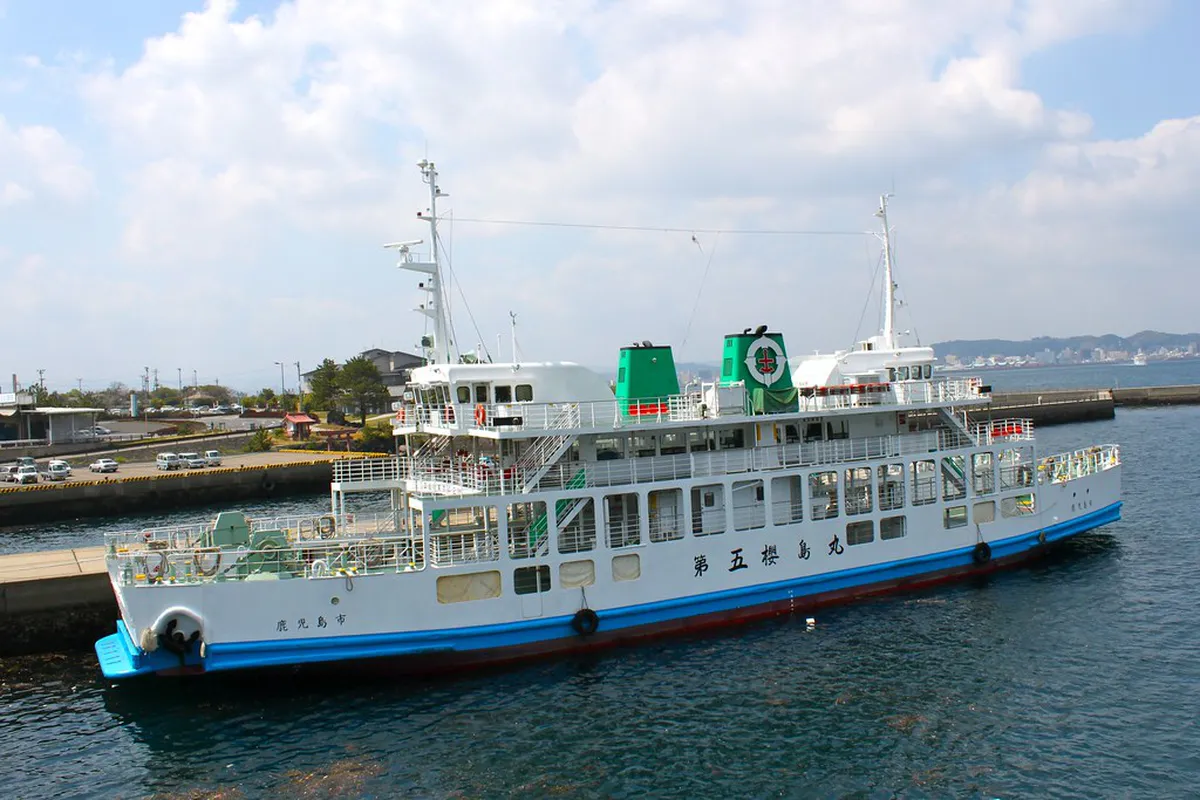
Day 1 covers: morning Sakurajima ferry crossing → Visitor Center and Nagisa Lava Trail → Yunohira Observatory → island footbath → ferry return → afternoon at Sengan-en garden and Shoko Shuseikan Museum → dinner in central Kagoshima.
Morning: Sakurajima Volcano Island
Take the Sakurajima Ferry from Kagoshima Port — ferries depart every 15 minutes around the clock and the crossing takes 15 minutes. Round-trip fare is ¥500 per adult (included in the CUTE pass). Aim to catch the 8:00–8:30 departure so you have the volcanic slopes to yourself before tour groups arrive.
At the island, the free Island View Bus (¥100/ride or free with CUTE pass) runs a loop connecting the main viewpoints roughly every 30 minutes. Stop first at the Sakurajima Visitor Center (free entry, open 9:00–17:00) for a concise explainer of Sakurajima's geological history — it has erupted over 1,000 times per year in active decades and deposited enough lava in 1914 to permanently connect the island to the Osumi Peninsula.
Walk the Nagisa Lava Trail (free, 3 km, flat), a boardwalk-style path cutting through 1914 lava fields right at sea level. The compressed black rock stretches to the waterline in dramatic fashion. Adjacent to the trailhead is Japan's longest free footbath (100 meters) — perfect for resting feet after the rocky terrain. Note that ash can fall at any time, so carry a compact umbrella and keep your camera bag closed when the summit is smoking heavily.
If conditions allow, continue to the Yunohira Observatory (free, 373 m altitude) via the Island View Bus for the best views of the main craters and Kinko Bay. Return to the ferry terminal by 12:30–13:00 for the afternoon Sengan-en leg.
Afternoon: Sengan-en Garden and Shoko Shuseikan
Since March 2025, the easiest way to reach Sengan-en from central Kagoshima is the new JR Kagoshima-Chuo line — a station now sits directly adjacent to the garden, cutting travel time to 8 minutes (¥240 one way). Alternatively, board the City View Bus from Kagoshima-Chuo Station (stop 5, every 30 minutes, CUTE pass valid).
Sengan-en (仙巌園) charges ¥1,000 for the garden only or ¥1,600 for the combined ticket including the Shoko Shuseikan Museum and Shimadzu Residence (open 8:30–17:30, last entry 17:00). The combined ticket is worth it: the Shoko Shuseikan is Japan's oldest Western-style factory building, now a museum tracing how the Shimadzu clan launched Japan's first industrial revolution in the 1850s using the garden's grounds. The famous "borrowed scenery" technique uses Sakurajima as the garden's dramatic backdrop, framing the smoking volcano between manicured hedges and stone lanterns.
Allow 2–2.5 hours. Do not skip the hidden hiking path behind the main garden that climbs to a quiet upper terrace viewpoint that most visitors miss. For evening dining, head to the Tenmonkan district — our full guide on Kagoshima famous food covers the best kurobuta and shirokuma spots in the area.
- Sakurajima Ferry — ¥250/adult one way (¥500 return; free with CUTE pass)
- Island View Bus — ¥100/ride (free with CUTE pass)
- Nagisa Lava Trail — Free, open 24 hours
- Yunohira Observatory — Free, open 9:00–17:00
- Sengan-en garden only — ¥1,000 adult; combined ticket — ¥1,600 adult
- Sengan-en hours — 8:30–17:30 (last entry 17:00)
Day 2: Shiroyama Observatory, Meiji Restoration Museum, and Tenmonkan
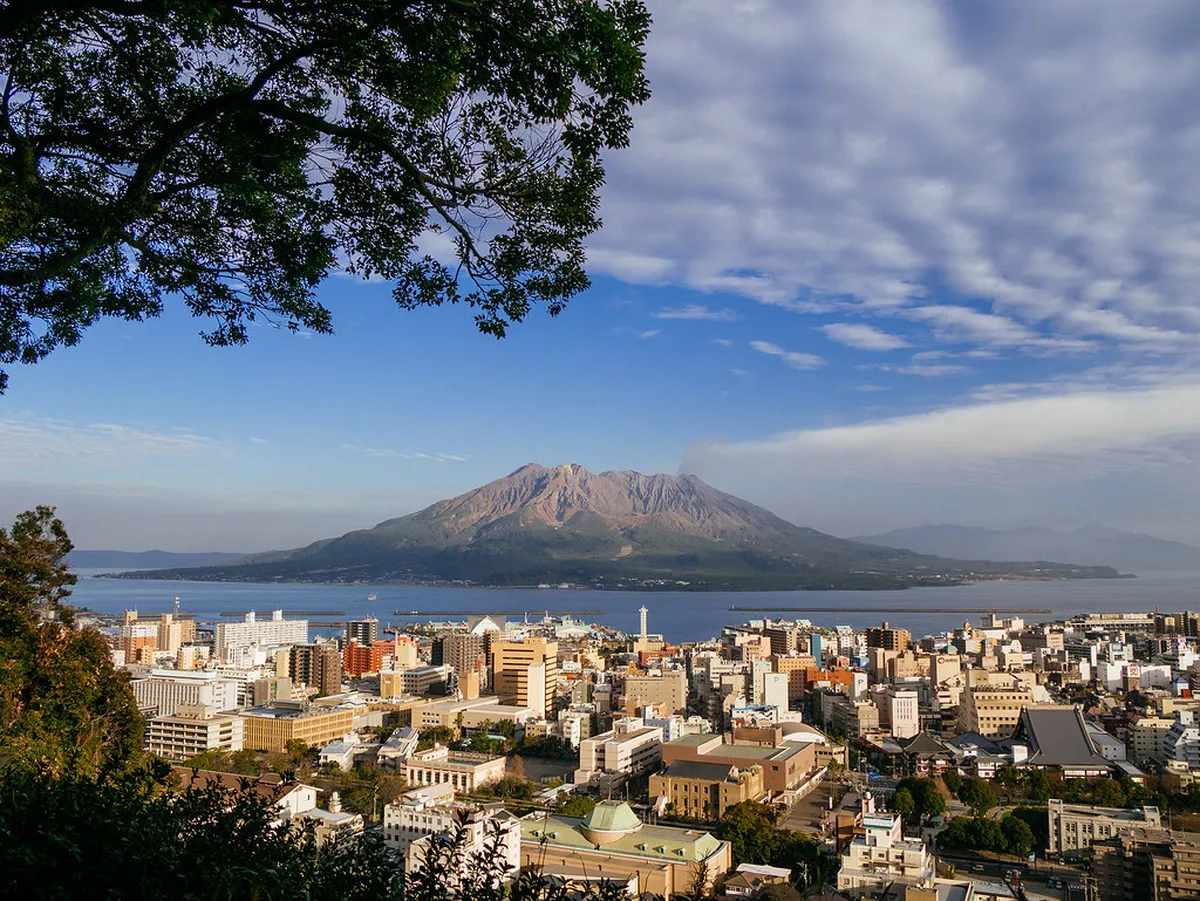
Day 2 covers: sunrise at Shiroyama Observatory → Museum of the Meiji Restoration → Kagoshima City Aquarium (optional) → afternoon in Tenmonkan for shopping, shirokuma dessert, and kurobuta dinner.
Morning: Shiroyama Park and Observatory
Arrive at Shiroyama Observatory by 7:00–7:30 for the best light on Sakurajima across the bay. The hill is where Saigo Takamori and his last 40 loyalists made their final stand during the Satsuma Rebellion of 1877 — one of the most cinematic episodes in modern Japanese history. Entry is free and the park is always open. The City View Bus stops here (CUTE pass valid); alternatively the walk from Tenmonkan takes 25 minutes through forested switchbacks.
The forest around the summit is genuinely beautiful — subtropical vegetation, moss-covered rocks, and a historical atmosphere that the open-air observation deck cannot fully convey. Allow 60–90 minutes to walk the ridge trail and take in the panorama at leisure.
Late Morning: Museum of the Meiji Restoration
The Museum of the Meiji Restoration (維新ふるさと館) is a 10-minute walk downhill from Shiroyama toward the Kotsuki River. Admission is ¥300 for adults (open 9:00–17:00, last entry 16:30). The museum's centerpiece is a 25-minute theatrical robot show depicting key scenes from the Restoration — overly touristy but surprisingly engaging for its sheer commitment to spectacle. English audio guides are available at no extra charge. This attraction anchors Kagoshima's claim to being the "birthplace of modern Japan" since many of the Meiji oligarchs were Satsuma-domain men from this city.
Afternoon: Tenmonkan and Kagoshima Waterfront
Spend the afternoon in Tenmonkan, the covered arcade that functions as Kagoshima's social and culinary hub. For lunch, Tenmonkan Mujaki (天文館むじゃき) is the original home of shirokuma (白熊) — the enormous shaved ice dessert topped with fruit and sweet beans. A full shirokuma costs around ¥1,000 and serves as a genuine meal replacement in summer heat. The restaurant sits right inside the arcade, open from 11:00 daily.
For the optional afternoon add-on, the Io World Kagoshima City Aquarium (open 9:30–18:00, adults ¥1,500) is a 15-minute walk from Tenmonkan toward the waterfront. The main tank features a whale shark and is one of the most dramatic displays in western Japan. It pairs naturally with the Sakurajima Ferry terminal nearby.
Check the JMA Sakurajima alert level every morning before heading to the island — Alert Level 3 (current as of May 2026) means entry within 2 km of the craters is prohibited. Carry a compact umbrella as an ash shield, and keep camera bags sealed when the summit is actively smoking.
End the day with a proper kurobuta dinner. Kagoshima black pork (Berkshire breed raised on sweet potato) is genuinely distinct — richer, more marbled, and sweeter than standard tonkatsu. Ajimori (味処 あじもり) near Tenmonkan specializes in kurobuta shabu-shabu sets from ¥3,500; Ichiniisan (一二三) is the go-to for tonkatsu sets from ¥1,800. Both are open for dinner from 17:30. For a deeper dive into the nightlife scene here, see our Kagoshima nightlife guide covering the best bars and yatai stalls in the area.
- Shiroyama Observatory — Free, open 24 hours
- Museum of the Meiji Restoration — ¥300 adult; 9:00–17:00 (last entry 16:30)
- Io World Kagoshima Aquarium — ¥1,500 adult; 9:30–18:00
- Shirokuma at Tenmonkan Mujaki — ¥900–¥1,100; open from 11:00
- Kurobuta dinner (Ajimori) — shabu-shabu sets from ¥3,500
Day 3: Chiran Samurai District or Ibusuki Sand Baths
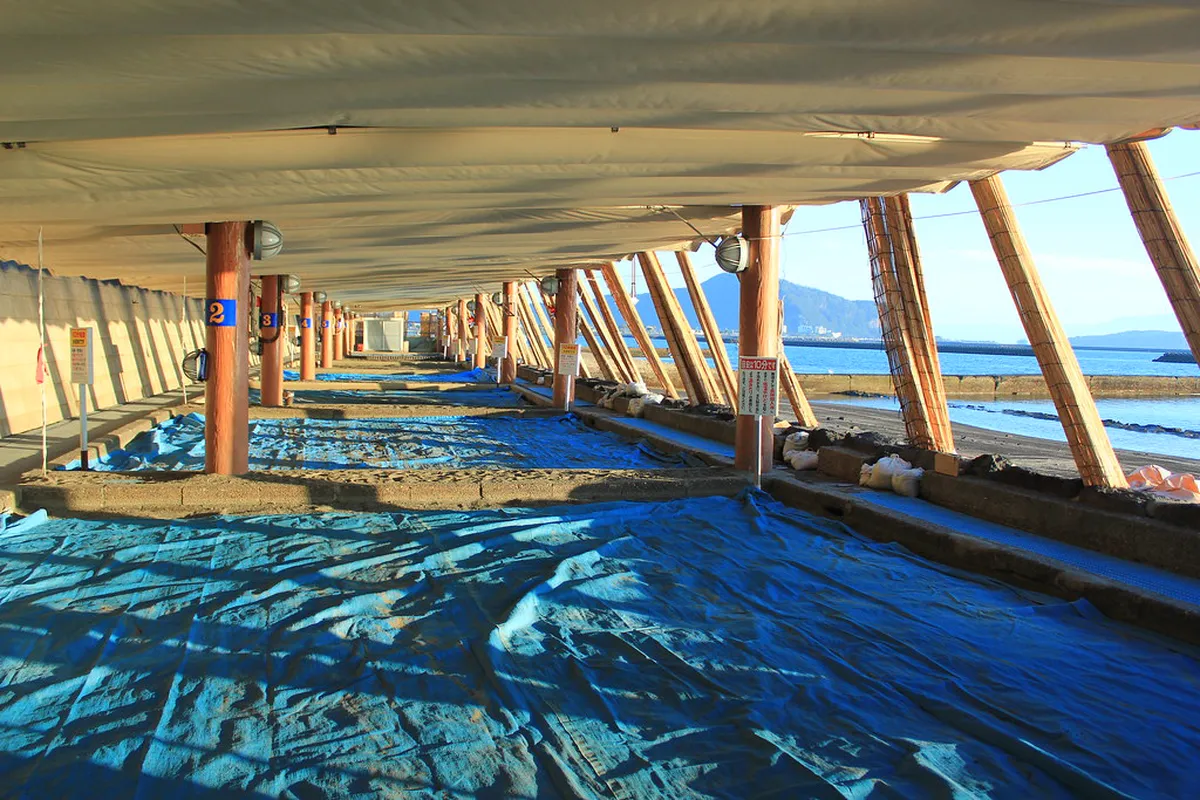
Day 3 covers: choose one day trip — Chiran (history, kamikaze museum, samurai gardens) OR Ibusuki (coastal scenery, natural steam sand baths, scenic train). Plan to be back in Kagoshima by 17:30 for a farewell dinner.
Option A: Chiran Samurai District (History Focus)
Chiran (知覧) is 35 km south of Kagoshima, reached by bus from Yamagataya Bus Center (about 75 minutes, ¥660 one way; buses depart roughly every 30–40 minutes). There is no direct train. Arrive by 9:30 to beat tour groups.
The Chiran Samurai Residence District (武家屋敷群) charges ¥530 for adults and gives access to seven historically preserved samurai gardens from the Edo period. The gardens are remarkably intact — dry stone raked-gravel designs and clipped shrub arrangements that reflect a particular Satsuma aesthetic distinct from Kyoto styles. Allow 60–90 minutes to walk the entire preserved street.
The Chiran Peace Museum for Kamikaze Pilots (知覧特攻平和会館) stands 10 minutes on foot from the samurai district (admission ¥500, open 9:00–17:00). The museum documents the young pilots of the Special Attack Units who departed from Chiran airfield during the final stages of the Pacific War. The personal letters and photos are understated and deeply affecting — this is not a place for snap judgments. Budget at least 90 minutes.
Return buses to Kagoshima run until 19:00. Combined admission for both Chiran sites: ¥1,030 adults.
Option B: Ibusuki Sand Baths (Wellness Focus)
Ibusuki (指宿) is 50 km south of Kagoshima, reached in 60–75 minutes by the Ibusuki no Tamatebako limited express train (¥1,360 one way; JR Pass valid; departs from Kagoshima-Chuo twice daily — check the JR Kyushu timetable and book the 8:58 departure to secure window seats). The train itself is a design object worth photographing — its black-and-white paintwork references the volcanic sand and white steam of the destination.
Ibusuki's main attraction is Sunamushi Onsen (砂むし温泉 砂楽), the natural steam sand bath on the beachfront. Admission is ¥1,500 for adults (includes yukata rental and towel; open 9:30–21:00, closed second Wednesday of each month). Attendants shovel warm volcanic sand over you as you lie at the water's edge — a 10–15 minute treatment that feels remarkably like a full-body sauna. Arrive when it opens to avoid long queues; mid-morning slots are typically shorter than afternoon.
After the sand bath, walk 15 minutes along the coast to Ikedako Lake, a crater lake famous for its giant eels and scenic framing of Kaimondake volcano. The lake is free to visit. For lunch, Ibusuki's local specialty is somen noodles cooled in natural hot spring water — served at small restaurants near the station for ¥900–¥1,200.
For more day-trip options from Kagoshima, see our guide on Kagoshima itinerary: best things to do and Sakurajima volcano tours.
- Chiran bus from Yamagataya Bus Center — ¥660 one way (75 min)
- Chiran Samurai Residence District — ¥530 adults
- Chiran Peace Museum — ¥500 adults; 9:00–17:00
- Ibusuki no Tamatebako train — ¥1,360 one way (JR Pass valid)
- Sunamushi sand bath (Sabusaikan) — ¥1,500 adults; 9:30–21:00
- Ikedako Lake — Free; 15-min coastal walk from Ibusuki Station
Where to Stay in Kagoshima 2026
Most travelers do best by choosing one base for all three nights rather than splitting between locations — Kagoshima is compact enough that daily commutes from a central hotel are quick.
Near Kagoshima-Chuo Station is the most practical choice. Amu Plaza mall provides dining options within the station building, and every major bus line and the Shinkansen depart from here. Business hotels in this zone start from ¥6,500–¥8,000 per night for a clean single room. The JR Kyushu Hotel Kagoshima sits directly above the station for maximum convenience.
Tenmonkan area suits travelers prioritizing evenings out. The covered arcade, bars, and yatai food stalls are all walkable, and the city tram connects you to the ferry terminal in 10 minutes. Boutique guesthouses and mid-range hotels here start from ¥5,500–¥7,500 per night. See our guide to how to see the top highlights in Kagoshima in 2 days for the hotel areas that align best with a compressed schedule.
Waterfront hotels near the ferry pier offer the premium experience — waking up to direct Sakurajima views and a 3-minute walk to the first ferry of the day. Rates are typically ¥9,000–¥15,000 per night. The Shiroyama Hotel Kagoshima in the hills above the city also provides outstanding views and access to a rooftop onsen, though the hilltop location requires taxis for evening dining.
- Kagoshima-Chuo Station zone — ¥6,500–¥8,000/night, best for transit
- Tenmonkan zone — ¥5,500–¥7,500/night, best for evening dining
- Waterfront/ferry zone — ¥9,000–¥15,000/night, best for Sakurajima views
What to Eat: Kagoshima Food Guide 2026
Kagoshima's food identity is built on four pillars, all tied to the volcanic soil and historical isolation of the Satsuma domain: black pork, shochu, street fish cakes, and shirokuma dessert.
Kurobuta (黒豚) — Berkshire pigs raised on locally grown sweet potatoes yield meat with a noticeably different fat-to-muscle ratio than standard breeds. Eat it as shabu-shabu (thin slices in hot broth, ¥3,000–¥5,000/set) or as tonkatsu (breaded cutlet, ¥1,800–¥2,500). Ajimori and Ichiniisan are the benchmark restaurants; expect wait times of 20–40 minutes at dinner on weekends.
Satsuma Shochu (薩摩焼酎) — Distilled from Kagoshima sweet potatoes and classified as an Intangible Cultural Heritage, this spirit is lower-proof than Chinese baijiu but stronger than most Japanese sake (typically 25% ABV). Order it "oyuwari" (hot water dilution, 6:4 ratio) in winter or "mizuwari" (cold water) in summer. Most izakaya offer tasting flights of three regional varieties for ¥800–¥1,200. For a cultural deep-dive, see our article on how to experience Kagoshima culture: shochu, samurai, and Sakurajima.
Satsuma-age (薩摩揚げ) — Deep-fried fish cakes made from white fish paste mixed with burdock, ginger, or sesame. Sold warm at street stalls and depachika (department store basements) for ¥150–¥300 each. The best version in the city center comes from the stalls in the basement of Yamakataya Department Store near Tenmonkan.
Shirokuma (白熊) — A towering shaved ice dessert decorated with canned fruit, sweet red beans, and condensed milk in a pattern that resembles a polar bear face. Original price ¥900–¥1,100 at Tenmonkan Mujaki. A scaled-down cup version (¥450) is available at convenience stores across the city for quick access between sightseeing stops.
Getting Around: Transport Tips for 3 Days
Kagoshima's city tram (streetcar) runs two lines and connects Kagoshima-Chuo Station to Tenmonkan, the waterfront, and the Museum of the Meiji Restoration area. Single rides cost ¥170–¥190 (or ¥2,000/day for the city tram 1-day pass, though the CUTE pass is better value if you are combining it with buses and the ferry).
The City View Bus (Macca) runs a loop route stopping at Kagoshima-Chuo Station → Tenmonkan → Shiroyama Observatory → Sengan-en → Iso Beach → back to the station. Departures are every 30 minutes from 9:00–17:00. All stops are covered by the CUTE pass. This is the single most efficient way to do Day 1 and Day 2 without planning individual transit legs.
For volcano ash: locals carry a small fold-up umbrella at all times. If ash is falling heavily on Sakurajima Island, Island View Bus routes near the crater may be shortened. The ferry itself continues operating through light ash conditions. Always check the JMA alert level the evening before your Sakurajima visit.
Taxis from central Kagoshima to Sengan-en cost approximately ¥1,500–¥2,000 one way and are useful in the evening when the City View Bus stops running. Ride-hailing apps (Uber, DiDi) operate with limited coverage — taxis hailed on-street are more reliable in this city.
- CUTE pass — ¥1,200/day (tram + buses + City View Bus + Sakurajima Ferry)
- City View Bus — every 30 min, 9:00–17:00 (CUTE pass valid)
- City tram single fare — ¥170–¥190
- Taxi to Sengan-en — approx. ¥1,500–¥2,000
Frequently Asked Questions
Is 3 days enough for Kagoshima?
Three days is the ideal duration for Kagoshima City and one day-trip destination. You can cover Sakurajima and Sengan-en on Day 1, explore the city's historical and culinary districts on Day 2, and reach either Chiran or Ibusuki on Day 3. Travelers who want to include Yakushima or Amami Oshima should budget a separate trip of at least 2–3 additional days for each island.
Is the CUTE pass worth buying for a 3-day trip?
Yes, for Days 1 and 2 the CUTE pass is excellent value. A single day of using the City View Bus (two rides), the tram (two rides), and the Sakurajima Ferry (round trip) already costs ¥1,340 without the pass — so the ¥1,200 pass saves money from the first day. On Day 3 you typically need train tickets to Chiran or Ibusuki instead, so purchase the pass for only the days you spend in the city center.
Is it safe to visit Sakurajima volcano in 2026?
Yes, with proper precautions. Sakurajima is one of the world's most active volcanoes and is continuously monitored by the Japan Meteorological Agency (JMA). At Alert Level 2 (the usual status), visitors can access most of the island including the Nagisa Lava Trail and Yunohira Observatory but must stay 1 km from the crater. The ferry continues operating through light ash conditions. Check the JMA alert level every morning before visiting the island.
Does the JR Pass cover transportation in Kagoshima?
The JR Pass covers the Shinkansen journey to Kagoshima-Chuo Station and local JR trains to Ibusuki (for Day 3 Option B). It does not cover the city trams, the Sakurajima Ferry, or the private City View Bus. For all in-city transport, the CUTE pass is more practical and better value. The Ibusuki no Tamatebako scenic train is JR Pass-eligible but requires a seat reservation.
Should I choose Chiran or Ibusuki for Day 3?
Choose Chiran if you are drawn to military history, samurai culture, or quiet preserved streetscapes. The Peace Museum for Kamikaze Pilots is one of the most thoughtful war-history museums in Japan. Choose Ibusuki if you want a physically restorative day — the sand baths are genuinely relaxing and the scenic Ibusuki no Tamatebako train adds luxury to the transit. Ibusuki is also easier logistically (direct train vs. bus transfer). Both require a full day; do not try to combine them in one day.
When is the best time to visit Kagoshima?
October and November are the best months — temperatures drop below 25°C, humidity eases, and the autumn foliage around Shiroyama Hill provides strong visual contrast against the volcanic skyline. Late March to early April offers cherry blossoms but comes with higher accommodation prices and more crowds. Avoid mid-July through August for heat and typhoon risk. Winter (December–February) is mild by Japanese standards but occasionally rainy.
How much does a 3-day Kagoshima trip cost?
Budget travelers can manage on ¥8,000–¥10,000 per day (excluding accommodation) by using the CUTE pass, eating at local teishoku restaurants for ¥900–¥1,200 per meal, and skipping the combined Sengan-en ticket. Mid-range travelers spending on kurobuta dinners, the Io World Aquarium, and the Ibusuki no Tamatebako train should budget ¥15,000–¥20,000 per day. Hotel costs add ¥5,500–¥15,000 per night depending on zone and property type.
A well-structured Kagoshima 3 day itinerary covers the full range of what makes this corner of Kyushu unusual: geological spectacle (Sakurajima from both the island and the mainland garden), samurai history that genuinely mattered at a national scale (Meiji Restoration, Shiroyama, Chiran), a food scene rooted in volcanic agriculture (kurobuta, sweet-potato shochu, satsuma-age), and a coastal wellness tradition that predates modern spa culture by centuries (Ibusuki sand baths). Three days is enough to experience each layer without rushing any of them.
The keys to making this itinerary work in practice: buy the CUTE pass on arrival, check the JMA Sakurajima alert level the night before your island visit, book the Ibusuki no Tamatebako train at least a week in advance if choosing Option B on Day 3, and arrive at Shiroyama by 7:30 for morning light on the volcano before the coaches arrive.
For a deeper exploration of the region, our guide to Kagoshima itinerary: best things to do and Sakurajima volcano tours covers additional volcano experiences and guided tour options. If you want to extend your time, the Kagoshima 5-day itinerary adds Yakushima Island ferry crossings and deeper prefecture excursions to the core city plan.
Free: The Kagoshima Essentials guide
Top things to do, where to stay, a perfect day plan, getting around, and the best time to go — a Kagoshima mini-guide you can take offline.
You might also like


Continue reading
More guides you'll find useful


