
Kagoshima 2 Day Itinerary: How to See the Top Highlights in 2026
Plan your perfect Kagoshima 2 day itinerary in 2026. Day-by-day schedule covering Sakurajima, Sengan-en, Shiroyama, and local food — with CUTE pass prices, admission fees, and insider tips.
On this page
- Day 1: Shiroyama Observation Deck (morning views) → Museum of the Meiji Restoration → Sengan-en Garden → Tenmonkan evening food crawl
- Day 2: Early Sakurajima ferry → Island View Bus loop (Yunohira Observatory, Nagisa Lava Trail) → Sakurajima Magma Onsen → Kagoshima City Aquarium
- Pass: CUTE 2-day pass (¥1,900 adults) covers trams, buses, City View Bus, Sakurajima ferry — buy on arrival at the tourist info desk
- Don't miss: Kurobuta tonkatsu, Shirokuma shaved ice at Tenmonkan Mujaki, sweet potato shochu
Kagoshima sits at the southern tip of Kyushu, staring across Kinko Bay at one of the world's most active volcanoes. A well-structured Kagoshima 2 day itinerary lets you take in this city's volcanic drama, samurai heritage, and outstanding local food without rushing. This 2026 guide builds a day-by-day plan designed to maximize your time — whether you arrive by Shinkansen from Hakata or fly in from Tokyo.
The city is compact and navigable using a single transport pass. Two full days are enough to cover the core highlights: the smoking peak of Sakurajima, the historic Sengan-en garden, the panoramic Shiroyama Observation Deck, and the lively Tenmonkan covered arcade. For context on how this compares to longer visits, see our Kagoshima 3-day itinerary or browse the full Kagoshima attractions and transport guide.
Getting to Kagoshima
The fastest overland route is the Kyushu Shinkansen from Hakata (Fukuoka) on the Mizuho or Sakura services. Journey time is about 80 minutes and a one-way unreserved seat costs roughly ¥10,000 without a rail pass. JR Pass holders can ride these trains for free, making it one of the most cost-effective long legs in Kyushu.
Kagoshima Airport handles frequent routes from Tokyo Haneda and Osaka Itami. A limousine bus from the airport to Kagoshima-Chuo Station takes roughly 50 minutes and costs ¥1,400. Book the bus return ticket on arrival to lock in your spot for departure day.
Ferries from Osaka and several southern islands also dock at Kagoshima Port. If you are island-hopping from Yakushima or Amami Oshima, the ferry arrival gives you a dramatic first view of Sakurajima rising out of the bay — have your camera ready before the ship enters Kinko Bay.
Getting Around: The CUTE Pass and City Tram
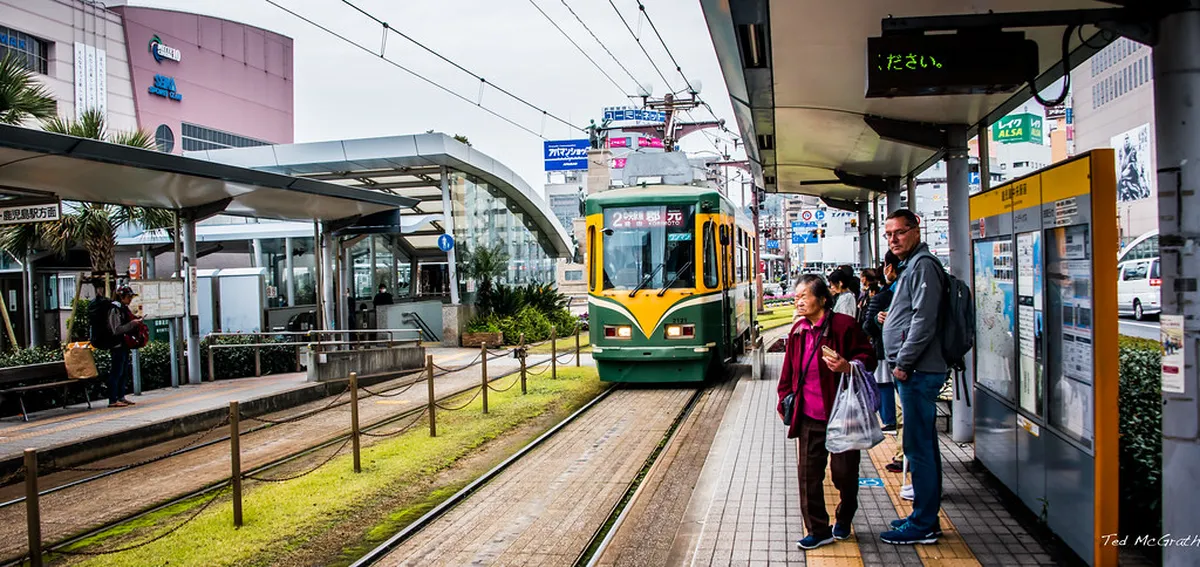
The CUTE sightseeing pass is the smartest purchase you will make in Kagoshima. It covers unlimited rides on the city tram, local buses, the City View Bus loop, and the Sakurajima ferry. For a 2-day stay, buy the two-day version. 2026 prices: adults ¥1,900, children ¥950. The one-day version costs ¥1,300 (adults) / ¥650 (children).
You can purchase a physical CUTE pass at the tourist information counter inside Kagoshima-Chuo Station, or buy a digital version through the Waku Waku Kagoshima Fan App. The digital pass loads instantly on your smartphone and is scanned at the fare gates — no queuing required. Cardholders also receive discounts at over 10 attractions including the Kagoshima City Aquarium.
The 2-day CUTE Pass (¥1,900 adults) pays for itself within one day if you take two tram rides plus the Sakurajima Ferry. Buy it at the tourist information desk inside Kagoshima-Chuo Station or download it via the Waku Waku Kagoshima Fan App before arrival.
The city tram runs two main lines through the heart of Kagoshima. Line 1 links Kagoshima-Chuo Station with the Tenmonkan shopping district; Line 2 extends toward the waterfront. Trams depart every few minutes during the day, making them the most reliable way to move between the station and Tenmonkan. Note that the JR Pass does not cover local trams — only the CUTE pass or a Suica/ICOCA card works here.
For Sakurajima, the ferry departs every 15 minutes around the clock from the terminal near the city aquarium. The crossing takes 15 minutes and costs ¥250 each way if paying individually — included with the CUTE pass. On the island itself, the Sakurajima Island View Bus loops the main sights, departing from Sakurajima Port every 30 minutes and completing the circuit in 55 minutes. A standalone Island View Bus fare is approximately ¥460, also covered by the CUTE pass.
Day 1: City History, Shiroyama Views & Tenmonkan
Morning: Shiroyama Observation Deck & Museum of the Meiji Restoration
Start at Shiroyama Park Observation Deck before the afternoon clouds build over Sakurajima. Take the City View Bus from Kagoshima-Chuo Station — the CUTE pass covers the fare. The short uphill walk through subtropical forest takes about 10 minutes from the bus stop. From the deck you get the city's most photogenic angle on the volcano: downtown Kagoshima in the foreground, the smoking caldera rising above the bay.
Shiroyama hill is also historically significant. This forest was the site of the last stand of the Satsuma Rebellion in 1877, when Saigo Takamori and fewer than 500 samurai made their final defense here. Information boards along the path explain the battle in English.
After descending, walk to the Museum of the Meiji Restoration (Ishin Furusato-kan), an 8-minute walk from Kagoshima-Chuo Station. Admission: ¥300 (adults). The exhibits use robots, dioramas, and bilingual displays to tell the story of the Satsuma Domain's outsized role in ending feudal Japan. The robot theater dramatizing the Meiji coup is one of the more unusual sights in Kyushu — genuinely worth 30–45 minutes.
Afternoon: Sengan-en Garden
Head northeast by City View Bus to Sengan-en, the historic villa of the Shimadzu clan. Built in 1658, this 50,000-square-meter Japanese garden is UNESCO World Heritage-listed as part of the Meiji Industrial Revolution sites. Admission: ¥1,600 (adults), ¥800 (students). Hours: 9:00–17:00.
The garden uses Sakurajima and Kinko Bay as borrowed scenery — the volcano serves as the garden's "mountain" and the bay as its "pond." Stroll through the stone lanterns, seasonal flower beds, and historic outbuildings of the Shimadzu residence. In spring, cherry blossoms frame the volcano views; in autumn, chrysanthemums take over. The attached Shoko Shuseikan museum (included in combined tickets) houses original machinery from Kagoshima's early industrial era.
Just outside the garden gates, Iso Beach is a low-key spot to rest and photograph Sakurajima without tour-bus crowds. It's less visited than the main observatories and particularly lovely in the late afternoon light when the ash plume catches the golden hour.
Evening: Tenmonkan Food Crawl
Return to the city center and spend the evening in the Tenmonkan District — southern Kyushu's largest covered shopping arcade. Start with Kurobuta (Berkshire black pork) tonkatsu at one of the specialist restaurants tucked inside the arcade's side streets. Expect to pay ¥1,500–¥2,500 for a full set with rice, miso soup, and shredded cabbage.
For dessert, walk to Tenmonkan Mujaki for the original Shirokuma shaved ice. This condensed-milk and fruit-topped mountain of flavored ice is a Kagoshima icon. Solo travelers should order the "Baby Bear" (kuma-chan) size — the standard serving is enormous.
End the evening with a glass of sweet potato shochu at a yatai (street stall) or izakaya. Kagoshima is the home of imo-jochu; the locally produced spirit is earthier and smoother than the grain varieties common elsewhere in Japan. For the full nightlife picture, see our guide to Kagoshima nightlife.
| Stop | Type | Admission (2026) | Best for |
|---|---|---|---|
| Shiroyama Observation Deck | Viewpoint | Free | Volcano panorama |
| Museum of the Meiji Restoration | Museum | ¥300 | Satsuma history |
| Sengan-en Garden | Historic Garden | ¥1,600 | Borrowed-scenery design |
| Tenmonkan District | Shopping / Food | Free entry | Kurobuta & Shirokuma |
Day 2: Sakurajima Volcano & Kagoshima Waterfront
Morning: Sakurajima Ferry & Island View Bus Loop
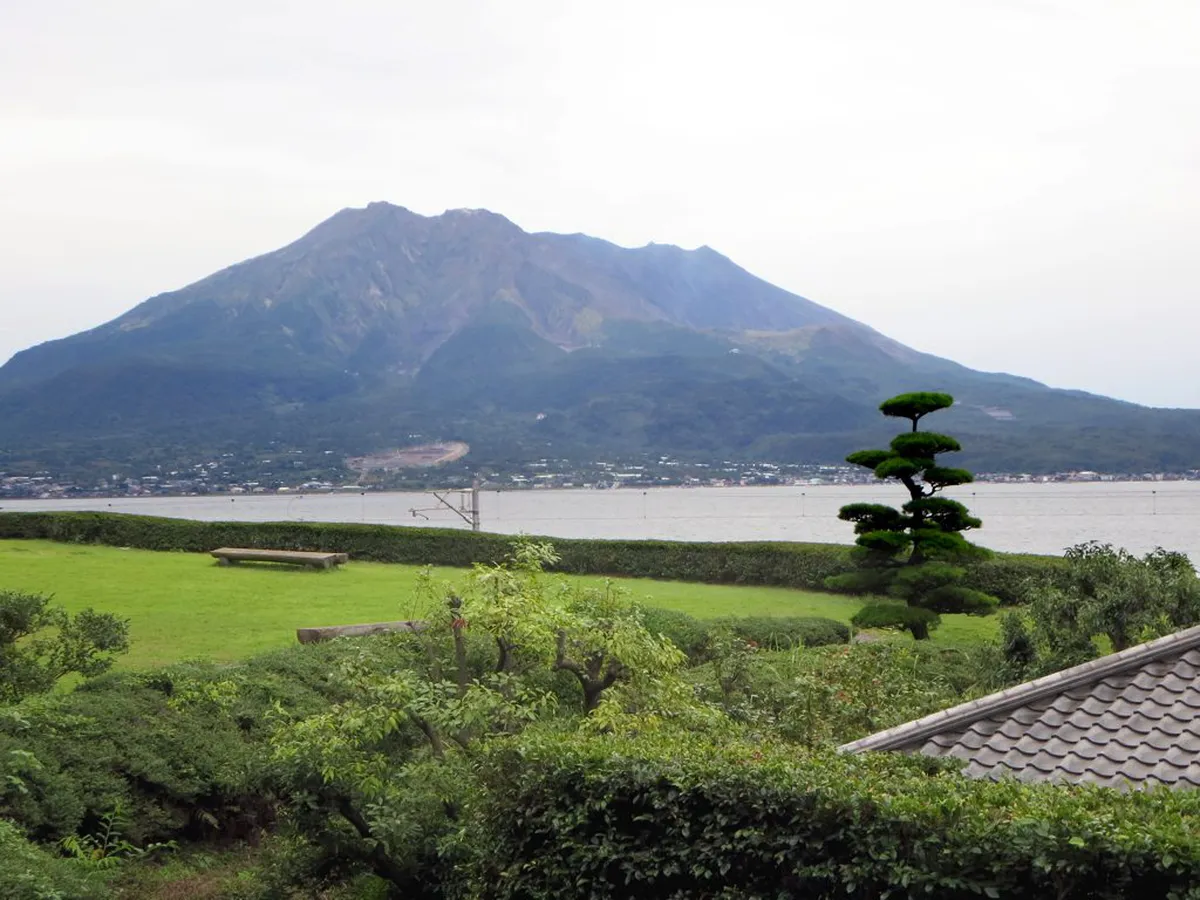
Take the first morning ferry to Sakurajima — aim for the 8:00 AM departure to beat the tourist buses. The 15-minute crossing already delivers stunning visuals: Kagoshima receding behind you, the volcanic cone growing closer, the sulfurous haze visible above the summit. Ferries depart every 15 minutes from the terminal adjacent to the city aquarium. The ¥250 adult fare is covered by the CUTE pass.
At Sakurajima Port, board the Sakurajima Island View Bus. The bus makes a 55-minute loop stopping at all the key viewpoints. Key stops:
- Yunohira Observatory — the highest publicly accessible point on the volcano at 373m. Free admission. The closest you can legally get to the active craters; on clear mornings the plume is directly overhead. Best photographic window is 8:00–10:00 before heat shimmer builds.
- Arimura Lava Observatory — looks directly onto the 1914 lava fields that buried a village and connected Sakurajima to the Osumi Peninsula. The sheer scale of the hardened lava is impressive.
- Nagisa Lava Trail — a short 3km walking path along the shoreline near the ferry terminal. The black lava formations jut into clear turquoise water; the walk takes about 45 minutes at a leisurely pace and is excellent for photos without crowds.
Ash survival tip: Check the daily ash forecast at the Sakurajima Visitor Center or via the official Kagoshima city website before heading to the island. Wind direction determines where ash falls. Carry a small towel to wipe dust from your clothes and skin, wear sunglasses, and pack a compact umbrella even on sunny days. If you see the eruption alert level rise, follow the instructions from the visitor center — eruptions are common but the danger zones are clearly marked.
The Island View Bus stops running around 17:30. Plan your Sakurajima visit for the morning so you can reach the higher observatories (including Yunohira at 373 m) before bus service ends for the day.
Late Morning: Sakurajima Magma Onsen
Near the ferry terminal, the Sakurajima Magma Onsen (Furusato Kanko Hotel) is a waterfront hot spring with direct views of Kinko Bay. Entrance: ¥500 per person; open daily. The natural water is geothermally heated and rich in minerals from the volcanic rock. This is one of the few places you can soak in a genuine volcanic onsen while looking out at the active caldera above you.
Afternoon: Kagoshima City Aquarium
Return to the mainland on the CUTE-pass ferry and visit the Kagoshima City Aquarium (Io World), located right beside the ferry terminal. Admission: ¥1,500 (adults); combo tickets with Sengan-en available and often cheaper if not visited separately. The aquarium focuses on the marine life of Kagoshima Bay and the surrounding Kuroshio current. The whale shark tank is the centerpiece — one of the largest in Japan at 4.5 million liters. Dolphin shows run at scheduled intervals; check the board at the entrance on arrival.
The aquarium sits at the base of the Dolphin Port waterfront area. The surrounding promenade is a pleasant place to walk, photograph Sakurajima from the mainland shore, and grab a final meal before heading back to your hotel or to the station for departure.
| Stop | Type | Admission (2026) | Best for |
|---|---|---|---|
| Sakurajima Ferry | Transport | ¥250 (CUTE included) | Volcano crossing |
| Yunohira Observatory | Viewpoint | Free | Crater proximity |
| Sakurajima Magma Onsen | Hot Spring | ¥500 | Volcanic soak |
| Kagoshima City Aquarium | Aquarium | ¥1,500 | Whale shark + dolphin show |
Where to Stay in Kagoshima
For a 2-day visit, location matters more than price tier. The two best base options are the Kagoshima-Chuo Station area and Tenmonkan.
Kagoshima-Chuo Station area is ideal if you are arriving by Shinkansen or have a day trip planned to Ibusuki or Chiran. Modern business hotels cluster here; the Amu Plaza mall inside the station covers dining through to midnight. Easy tram access to both Tenmonkan and the ferry terminal.
Tenmonkan suits travelers who want to walk to the evening food scene and don't mind a slightly longer tram ride to the ferry. Boutique hotels fill the backstreets. The district is also the central hub where both tram lines intersect, making it operationally convenient.
Waterfront / Dolphin Port properties near Kinko Bay give you unobstructed Sakurajima views from your room window. Several hotels here include onsen baths facing the volcano — worth the premium for the visual experience. For the full accommodation breakdown, see our Kagoshima attractions and transport guide.
What to Eat in Kagoshima: Food Guide 2026
Kagoshima's food identity is built on three pillars: Kurobuta pork, sweet potato shochu, and Shirokuma shaved ice. Factor these into your itinerary rather than treating them as an afterthought.
Kurobuta (Black Berkshire Pork): The most celebrated local product. The Berkshire breed produces marbled, tender meat prized across Japan. Tonkatsu (breaded and fried cutlet) is the classic preparation — expect to pay ¥1,500–¥2,500 for a full set at a specialist restaurant in Tenmonkan. Look for restaurants displaying the "kagoshima kurobuta" seal of authenticity. Shabu-shabu is the upscale alternative; a full hot-pot course runs ¥4,000–¥6,000 per person.
Shirokuma Shaved Ice: Invented at Tenmonkan Mujaki, this condensed-milk-drenched mountain of shaved ice topped with fruit, red beans, and mochi is served year-round. Order the Baby Bear size (kuma-chan, ¥480) for a solo visit. The full-size serving is designed for sharing. Queue times exceed 30 minutes on weekends in summer — visit on weekday mornings.
Kagoshima Ramen: Lighter than Hakata tonkotsu, Kagoshima ramen blends pork, chicken, and vegetable stocks into a milky but clean broth. Served with thick straight noodles and pickled daikon on the side. Most central ramen shops open for lunch from 11:00 and run until late evening. Budget ¥900–¥1,200 per bowl.
Sweet Potato Shochu: Kagoshima produces over 100 varieties of imo-jochu from locally grown sweet potatoes. The spirit is earthier, smoother, and lower in alcohol than grain shochu. Order it on the rocks (mizuwari) or with warm water (oyuwari). Many izakayas near Tenmonkan stock local small-batch labels not found outside the prefecture.
For a deeper dive into Kagoshima's culinary scene, see our dedicated Kagoshima food guide.
Beyond 2 Days: Day Trip Extensions
If your schedule allows a third day, three extensions are worth considering. This keeps the 2-day plan distinct from our full Kagoshima 3-day itinerary, which goes deeper on all three.
Ibusuki Sand Baths (1 hour by train): Natural geothermal steam heats the beach sand at Ibusuki to body temperature. Attendants bury visitors in yukata robes up to the neck for a 10–15 minute sweat. The experience costs ¥1,300 at the Sunamushi Kaikan facility. Trains depart Kagoshima-Chuo on the Ibusuki-Makurazaki line roughly every hour; the one-way ride takes 55–60 minutes.
Chiran Samurai District (75 min by bus): Seven preserved samurai gardens line a single pedestrian lane in this small town 35km south of Kagoshima. The gardens are compact but immaculately maintained; the adjoining Chiran Peace Museum covers the history of the kamikaze pilots who trained here. Bus from Kagoshima-Chuo Bus Center; allow 4 hours round-trip including time on site.
Yakushima Island (2 hours by high-speed ferry): UNESCO World Heritage island famous for ancient cedar trees (jomon sugi) and the moss-covered forest that inspired Studio Ghibli's Princess Mononoke. The high-speed ferry (Toppy) departs Kagoshima Port; round-trip tickets run ¥10,000–¥13,000. Plan at least 2 extra days to justify the journey.
Practical Tips for Your 2-Day Kagoshima Visit
- Best season: April–May (cherry blossom, mild temperatures) and October–November (low humidity, good visibility). Summer (July–August) is hot and humid; typhoon risk is highest September–October.
- Ash forecast: Check the Kagoshima city official website or ask your hotel before heading to Sakurajima. Wind from the south blows ash toward the city; wind from the north keeps it on the island.
- Cash: Carry yen in cash. Many local restaurants in Tenmonkan and smaller ryokan do not accept international cards reliably. 7-Eleven and Japan Post ATMs accept foreign cards.
- JR Pass note: The pass covers the Shinkansen into Kagoshima-Chuo but does NOT cover city trams, local buses, or the Sakurajima ferry. Budget separately for the CUTE pass.
- Ferry timing: The Sakurajima ferry runs 24 hours, but the Island View Bus stops at around 17:30. Plan the volcano visit in the morning to have bus access to the higher observatories.
Frequently Asked Questions
Is 2 days enough for Kagoshima?
Yes, 2 full days is enough to cover the main highlights: Sakurajima volcano, Sengan-en garden, Shiroyama Observation Deck, and the Tenmonkan food scene. You will not have time for extended day trips to Ibusuki or Yakushima, but those are best saved for a 3-day visit. The city is compact and the CUTE pass makes moving between sites quick and efficient.
How much does the CUTE pass cost in 2026?
In 2026, the CUTE 2-day pass costs ¥1,900 for adults and ¥950 for children. The 1-day version is ¥1,300 (adults) / ¥650 (children). The pass covers unlimited rides on the city tram, local buses, the City View Bus, and the Sakurajima ferry. It also unlocks discounts at over 10 attractions including the Kagoshima City Aquarium. Buy it at the tourist information desk inside Kagoshima-Chuo Station or digitally via the Waku Waku Kagoshima Fan App.
How do I get to Sakurajima from Kagoshima city?
Take the Sakurajima Ferry from the terminal near the Kagoshima City Aquarium. Ferries depart every 15 minutes, 24 hours a day. The crossing takes 15 minutes and costs ¥250 per adult one-way (included with the CUTE pass). On Sakurajima, board the Island View Bus at the port for a 55-minute loop covering Yunohira Observatory, Arimura Lava Observatory, and Nagisa Lava Trail.
How do I handle volcanic ash on Sakurajima?
Check the daily ash forecast and wind direction before visiting. Ash falls on whichever side is downwind of the crater. Pack a small towel to wipe off dust, wear sunglasses to protect your eyes, and bring a compact umbrella even on sunny days. If you see the eruption alert level increase, follow instructions from the visitor center. Eruptions are frequent but the restricted zones are clearly signed and enforced.
What is the must-eat food in Kagoshima?
The three must-eat items are Kurobuta (black Berkshire pork) tonkatsu, Shirokuma shaved ice from Tenmonkan Mujaki, and Kagoshima ramen. For drinks, try the local sweet potato shochu (imo-jochu) — Kagoshima produces over 100 varieties, and most izakayas near Tenmonkan stock local labels not widely available elsewhere.
What is the difference between a 2-day and 3-day Kagoshima itinerary?
A 2-day itinerary focuses on the city core: Sakurajima, Sengan-en, Shiroyama, and Tenmonkan. A 3-day itinerary adds at least one day-trip extension — typically Ibusuki sand baths, the Chiran Samurai District, or a deeper Sakurajima hike. If you want more depth on the 3-day version, see our full Kagoshima 3-day itinerary guide.
Is Sengan-en worth visiting in Kagoshima?
Yes. Sengan-en is one of Kagoshima's best attractions. The UNESCO-listed garden uses Sakurajima as borrowed scenery, creating one of the most distinctive landscape compositions in Japan. The ¥1,600 admission is well justified for the garden walk, the Shoko Shuseikan museum, and the seasonal flower displays. Allow 90 minutes to two hours to cover it properly.
Two days in Kagoshima deliver a concentrated hit of Japan's volcanic south: live eruptions across the bay, a samurai-era garden that uses that same volcano as its centerpiece, a city tram that costs almost nothing to ride, and the best pork-centric food in Kyushu. The CUTE pass keeps the logistics simple, and the morning ferry to Sakurajima is one of the most memorable short crossings in the country.
Use the day-by-day schedule above as your foundation, adjust based on weather and ash conditions, and leave the day trips to Ibusuki and Chiran for a third day if your schedule allows. For deeper coverage of every attraction, transport connection, and accommodation option, the full Kagoshima attractions and transport guide has everything you need. Start planning your Kagoshima trip for 2026 — this city rewards visitors who come prepared.
For the wider city overview, see our Kagoshima attractions guide.
Free: The Kagoshima Essentials guide
Top things to do, where to stay, a perfect day plan, getting around, and the best time to go — a Kagoshima mini-guide you can take offline.
You might also like


Continue reading
More guides you'll find useful


