
2 Days in Kanazawa Itinerary: 10 Essential Planning Tips
Discover the perfect Kanazawa itinerary for 2 days. Includes Kenroku-en Garden, Samurai districts, Omicho Market, and essential transport tips for "Little Kyoto."
On this page
2 Days in Kanazawa Itinerary: 10 Essential Planning Tips
Kanazawa offers a preserved look at old Japan without the intense crowds found in Kyoto. This coastal city served as the seat of the powerful Maeda Clan for centuries. Travelers often find the blend of samurai history and modern art truly unique.
Planning a Kanazawa itinerary for 2 days allows you to see the city's most famous landmarks at a relaxed pace. You can walk through ancient gardens and eat fresh seafood from the Sea of Japan. This guide provides a structured plan to maximize your 48 hours.
Many visitors call this city "Little Kyoto" because of its beautifully maintained traditional districts. However, the city maintains a distinct identity through its world-class crafts and gold leaf production. Following this route ensures you experience the best of both worlds.
Why Kanazawa is the Perfect "Little Kyoto" Alternative
The city avoided bombing during World War II, which helped preserve its historical architecture. Walking through the narrow streets feels like stepping back into the Edo period. You will see authentic samurai residences and traditional teahouses that have stood for generations.
Crowd levels here remain significantly lower than in Kyoto or Tokyo. This allows for a more intimate experience when visiting top things to do in Kanazawa. You can photograph the iconic gardens without hundreds of people in the background.
The city is also a member of the UNESCO Creative Cities Network - Kanazawa for its dedication to folk arts. Local artisans still practice traditional pottery, lacquerware, and silk dyeing today. This living history adds a layer of depth that many larger cities lack.
Foodies will appreciate the local Kaga cuisine, which emphasizes seasonal ingredients and elegant presentation. The proximity to the ocean ensures that sushi and sashimi here are among the best in Japan. Every meal feels like a celebration of regional culture and history.
2 Days in Kanazawa Itinerary – My Experience
The atmosphere in Kanazawa is remarkably calm and sophisticated. Most major attractions sit within a manageable walking distance from each other in the city center. I found that walking between districts revealed hidden shrines and charming local cafes.
Starting your day early is the best way to enjoy the popular sites. The morning light over the castle walls creates a stunning backdrop for early photography. You will notice a quiet dignity in the way locals maintain their traditional homes.
The city feels very safe and easy to navigate for first-time visitors to Japan. Clear English signage and helpful staff at tourist centers make logistics straightforward. You can easily spend hours getting lost in the beauty of the geisha districts.
Evening brings a different kind of magic to the lantern-lit streets of the Chaya areas. The sound of wooden sandals on stone paths echoes through the quiet alleys. It is a peaceful contrast to the neon-lit bustle of larger Japanese metropolises.
Day 1: Kanazawa Castle, Kenroku-en Garden & Samurai District
Begin your first morning at Kanazawa Castle Park to admire the massive stone walls and reconstructed gates. The castle grounds are free to enter and offer plenty of space for a morning stroll. Be sure to visit the Gyokusen-inmaru Garden for its beautiful pond and rest house.
Next, cross the bridge to Kenroku-en, which is widely considered one of the three most beautiful gardens in Japan. This landscape garden features unique water features, ancient trees, and seasonal flowers. Most visitors spend at least two hours exploring the winding paths and teahouses.
In the afternoon, walk toward the Nagamachi Samurai District to see where high-ranking warriors once lived. The mud-plastered walls and private entrance gates remain perfectly intact. You can enter the Nomura Clan Samurai House to see a stunning private garden and historic artifacts.
End your day with a visit to the nearby Oyama Shrine, known for its unique stained-glass windows. This shrine blends Japanese and European architectural styles in a surprising way. It provides a quiet spot for reflection before heading to dinner in the Korinbo area.
Day 2: Omicho Market, Higashi Chaya District & Gold Leaf Crafting
Start your second day at Omicho Market, often called the "Kitchen of Kanazawa." This bustling market has served the city for over 300 years. You can try fresh sea urchin, oysters, or a colorful kaisendon bowl for a memorable breakfast.
Head toward the Higashi Chaya District to see the largest of the city's three traditional geisha areas. The wooden latticework on the buildings is a hallmark of traditional Japanese design. Many of these structures now house upscale craft shops and elegant teahouses.
While in the district, stop by the Kanazawa Yasue Gold Leaf Museum Official Site to learn about the city's primary industry. You can even try a DIY gold leaf workshop to create your own souvenir. Eating a gold leaf ice cream cone is a popular and flashy local tradition.
As the sun sets, walk across the river to the Kazuemachi Chaya District for a quieter experience. This area feels more residential and intimate than the larger Higashi Chaya. The riverside path offers a romantic setting for a final evening walk in the city.
Alternative Day 2: The UNESCO Shirakawa-go Day Trip
If you prefer a mountain escape, consider a day trip to the village of Shirakawa-go. This UNESCO World Heritage site is famous for its traditional gassho-zukuri farmhouses. The steep thatched roofs are designed to withstand heavy winter snowfall in the Japanese Alps.
Buses depart regularly from the East Exit of Kanazawa Station for the one-hour journey. You should book your bus tickets in advance, especially during peak travel seasons. The village is small enough to explore fully in about four or five hours.
Walking up to the Shiroyama Viewpoint provides the best panoramic view of the entire village. From here, the houses look like a scene from a fairy tale nestled in the valley. You can also enter several historic houses to see the traditional silk-farming lofts.
Returning to the city in the late afternoon allows you to enjoy one last dinner by the station. Using the JR Takayama-Hokuriku Area Tourist Pass can make this trip more cost-effective. This alternative is perfect for those who love rural landscapes and traditional architecture.
Where to Stay in Kanazawa: Best Neighborhoods & Hotels
Choosing the right location depends on your transport needs and preferred atmosphere. Staying near Kanazawa Station is ideal for those arriving late or taking early day trips. You will find many modern hotels and a large shopping mall with diverse dining options.
For a more central experience, look for accommodation in the Korinbo or Katamachi areas. These neighborhoods sit within walking distance of the castle, gardens, and samurai district. You will be surrounded by local boutiques and the city's best nightlife.
Consider a stay at Booking.com: Hotel Intergate Kanazawa for a blend of comfort and local culture. This hotel often offers traditional craft workshops and local tea tastings for its guests. It is situated perfectly between the station and the main historical sites.
If you want a more traditional experience, seek out a renovated machiya townhouse. These private rentals allow you to live like a local in a historic wooden home. Many are located near the geisha districts, offering a quiet and atmospheric stay.
What to Know Before You Visit Kanazawa (Logistics & Budget)
The city experiences high rainfall throughout the year, so always carry a compact umbrella. Spring and autumn offer the most pleasant temperatures for walking between the outdoor attractions. Winter is beautiful but can bring heavy snow that might impact local transport schedules.
A daily budget of 10,000 to 15,000 JPY per person usually covers meals, entry fees, and local transport. Many temples and museums charge small admission fees ranging from 300 to 600 JPY. Most major shops and restaurants now accept credit cards, but keep cash for smaller market stalls.
One critical tip involves the Myoryuji Temple, also known as the "Ninja Temple." You must book your tour by phone in advance as they do not allow walk-ins. The tours are conducted in Japanese, but they provide helpful English guidebooks for foreign visitors.
Check the Official Kanazawa Tourism - Visit Kanazawa site for any seasonal festival dates. Festivals like the Hyakumangoku Matsuri in June can draw large crowds and affect hotel availability. Planning around these events can enhance your cultural experience significantly.
The Easiest Way to Travel Japan By Train to Kanazawa
Reaching the city from Tokyo is fast and efficient thanks to the Hokuriku Shinkansen. The Kagayaki express train makes the journey in just about two and a half hours. This route offers beautiful views of the Japanese countryside and the Sea of Japan coast.
Travelers coming from Osaka or Kyoto should take the Thunderbird Limited Express train. This direct service takes roughly two hours and forty minutes from Osaka. It is a comfortable way to transition from the Kansai region to the Hokuriku coast.
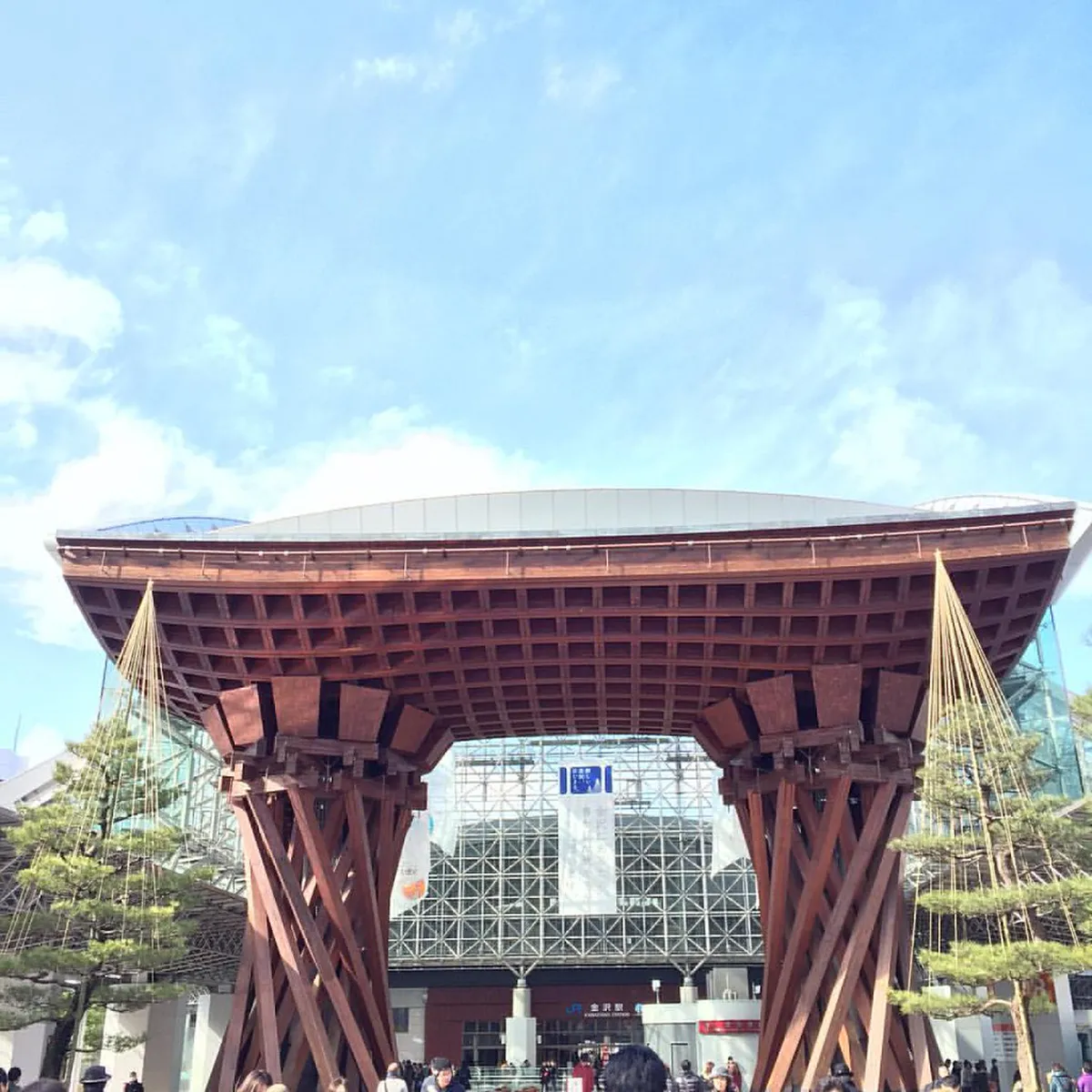
The Japan Rail Pass covers both the Shinkansen and the Thunderbird services. If you are not using a pass, booking tickets a few days in advance is recommended. The Kanazawa Station itself is a landmark, featuring the stunning wooden Tsuzumi-mon Gate.
For those traveling from Nagoya, the Shirasagi Limited Express provides a direct connection. This journey takes approximately three hours through scenic mountain passes. All these trains arrive at the central station, which serves as the hub for local buses.
Getting Around: The Kanazawa Loop Bus vs. Walking
The Kanazawa Loop Bus is the most convenient way to reach major tourist spots from the station. It runs in both clockwise and counter-clockwise directions every 15 minutes. This service stops directly in front of the castle, gardens, and traditional districts.
A major point of confusion for many travelers is the payment system on these local buses. Unlike most Japanese cities, the Loop Bus does not accept Suica, Pasmo, or other IC cards. You must pay the 200 JPY flat fare in cash or purchase a day pass.
You can find the Hokutetsu Bus Official Route Map online to plan your stops. Buying a one-day pass for 800 JPY is usually the best value if you plan to ride more than four times. These passes are available at the bus terminal outside the station's East Exit.
Walking remains a viable and pleasant option for those who are physically able. The distance from the Samurai District to the Castle Park is only about 15 minutes on foot. Walking allows you to discover the small details that make this city so charming.
FAQs About Planning a Kanazawa 2 Day Itinerary
Many travelers have specific questions about museum bookings and historical site access. The city's blend of modern and traditional sites requires a bit of logistical planning. These answers address the most common concerns for a smooth 48-hour visit.
Is two days enough to see everything in the city? While you can cover the main highlights in two days, a third day allows for a more relaxed pace. This extra time is perfect for diving deeper into the craft museums or taking a day trip.
How do I see the famous swimming pool at the art museum? This popular installation requires a separate timed entry ticket that often sells out early. Check the 21st Century Museum of Contemporary Art Official Site for booking details. You should reserve your spot online several days before your visit.
Can I see geisha performances in Kanazawa? While geisha still work in the Chaya districts, public performances are rare and usually require a private invitation. Some teahouses offer special evening shows for tourists during peak seasons. Always respect the privacy of geisha if you see them walking in the streets.
Frequently Asked Questions
How do I book the Ninja Temple in Kanazawa?
You must call Myoryuji Temple at +81 76-241-0888 to make a reservation. They do not accept online bookings or walk-ins. Reservations typically open one month in advance. It is best to have your hotel concierge call if you are not comfortable speaking Japanese.
Does the Kanazawa Loop Bus accept Suica cards?
No, the local Loop Bus does not accept Suica or Pasmo cards for payment. You must pay the 200 JPY flat fare in cash or use a paper day pass. Ensure you have small coins ready before boarding to avoid delays. You can find more info on top things to do in Kanazawa here.
Is Kenroku-en Garden free to enter?
Admission to Kenroku-en Garden generally costs 320 JPY for adults. However, the garden offers free entry during early morning hours before the regular opening time. It also features free admission during specific festival periods like the cherry blossom season. Check official schedules for exact dates.
A Kanazawa itinerary for 2 days offers a perfect balance of history, art, and incredible food. You will leave with a deep appreciation for Japan's feudal past and its vibrant modern culture. The city's manageable size makes it a stress-free addition to any Japan trip.
Remember to plan your transport carefully and book specific attractions like the Ninja Temple in advance. These small steps ensure you spend more time enjoying the sites and less time on logistics. The coastal beauty and historical depth of the city will likely exceed your expectations.
Whether you are wandering through samurai streets or tasting gold leaf treats, the city provides endless charm. Pack an umbrella, bring your walking shoes, and get ready to explore one of Japan's most rewarding destinations. Your 48-hour adventure in this coastal gem will be truly unforgettable.


