Higashi Chaya District Guide: 11 Essential Things to Do & See
Discover the best of Kanazawa's Higashi Chaya District with our 2026 guide. Explore historic teahouses, gold leaf crafts, machiya cafes, and evening walks.
On this page
Walking through the narrow streets of Kanazawa feels like stepping back into the Edo Period. The Higashi Chaya District remains the most famous of the three preserved geisha areas in the city. Travelers visit this neighborhood to see beautifully maintained wooden teahouses and vibrant local crafts. This comprehensive higashi chaya district guide helps you navigate the history and hidden gems of the area.
You can find many top Kanazawa attractions within walking distance of these historic lanes. The district was established in 1820 to provide entertainment for the wealthy merchant class. Today, it serves as a living museum where traditional arts and modern hospitality meet. Pairing Kanazawa with Tokyo, Kyoto, and Osaka creates a classic Kansai-plus-Alps loop. Planning your visit requires understanding the unique etiquette and timing of this cultural landmark.
The History and Culture of Kanazawa's Chaya Districts
The term chaya refers to traditional teahouses where guests are entertained by Geiko with music and dance. During the Edo Period, the Maeda Clan encouraged these arts to foster a sophisticated local culture in Kanazawa. The city flourished as one of Japan's premier cultural centers precisely because the Maeda lords invested heavily in the arts rather than warfare. Higashi Chaya is the largest of the three districts — Higashi, Kazuemachi, and Nishi — and boasts the highest concentration of historic buildings.
One thing that surprises many first-time visitors is the terminology. In Kanazawa, the traditional entertainers are called Geiko, not Geisha. Geisha is the more common term used in Tokyo and Osaka, while Geiko is the Kyoto and Kanazawa word — and locals notice the difference. Using the correct word shows respect for local culture and often earns a warmer response from shop owners.
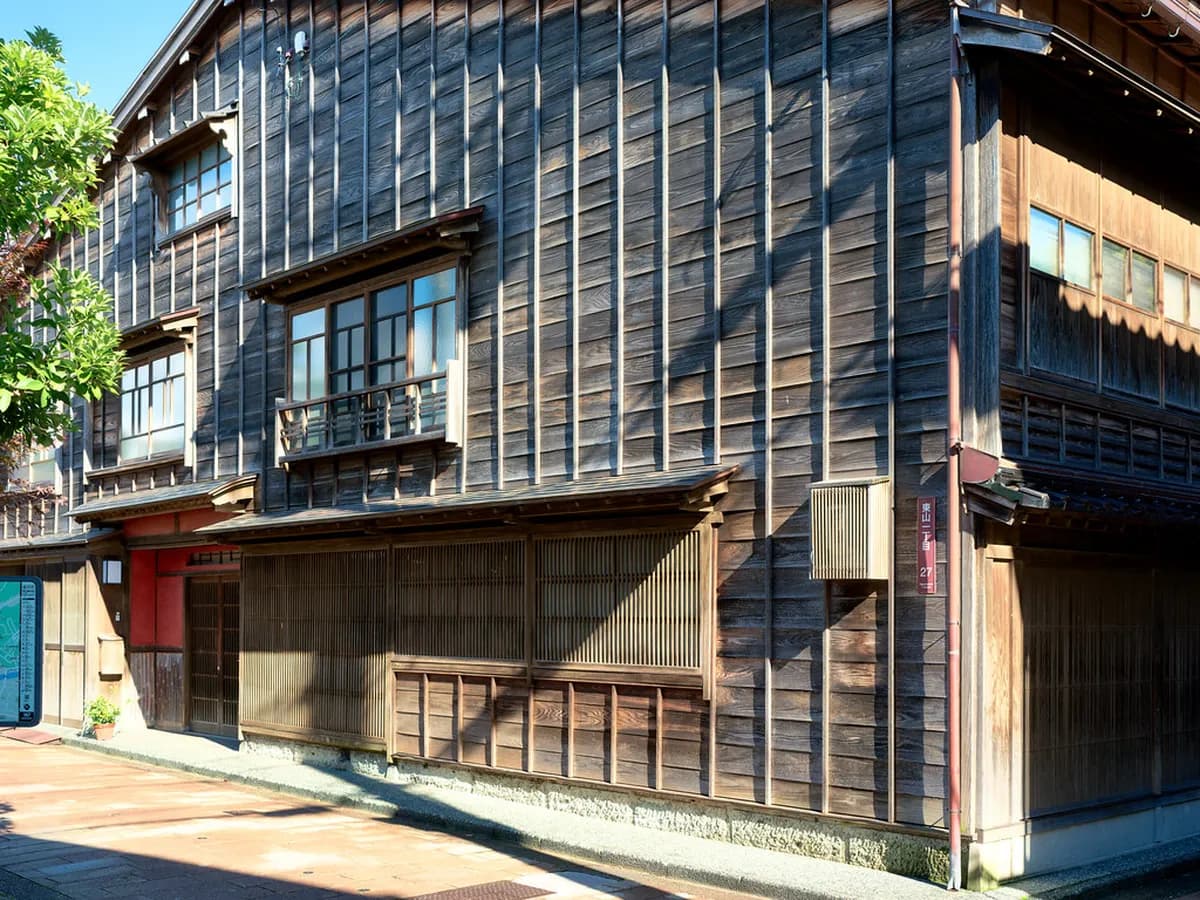
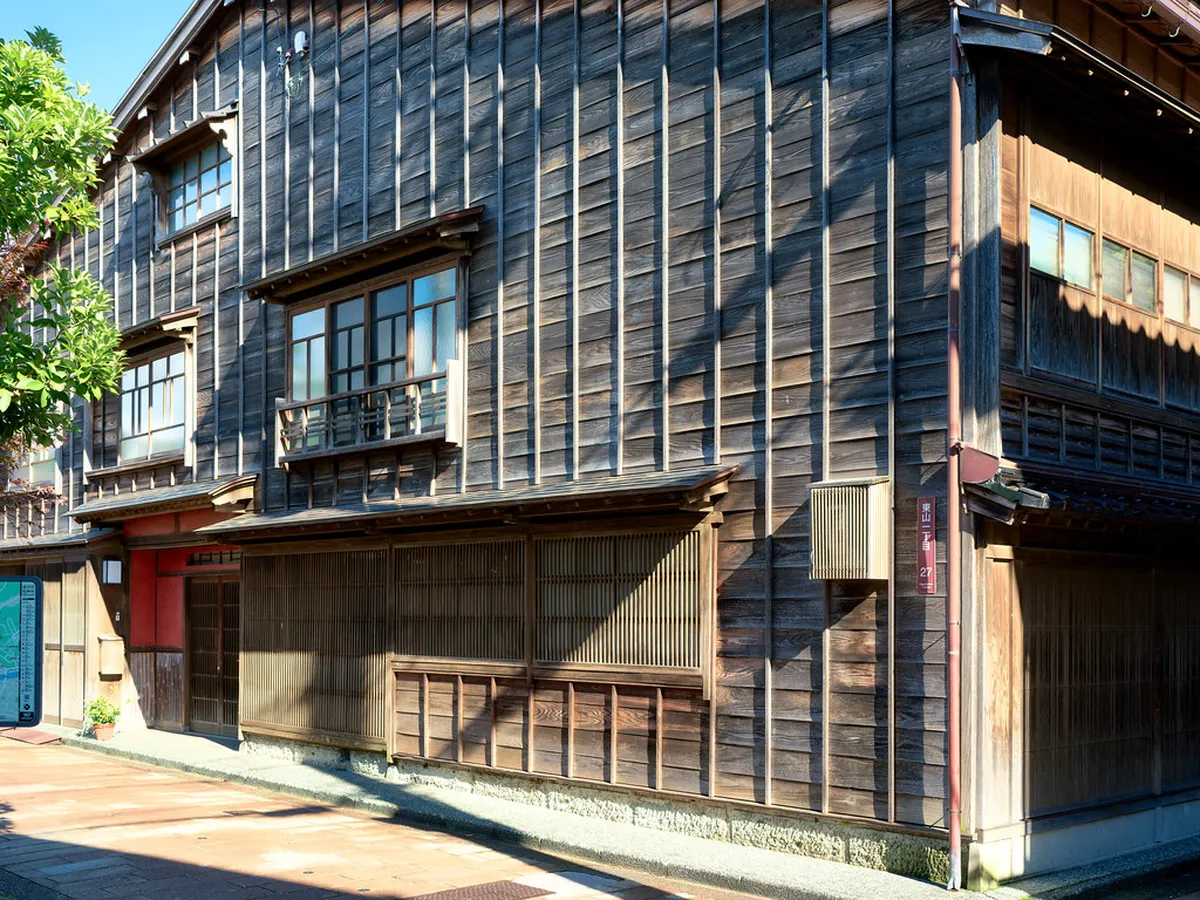
The buildings feature a unique architectural element known as Kimusuko, the fine wooden latticework covering the front facades. This design is not merely decorative. It allows people inside to see out clearly while remaining completely hidden from the street, providing privacy for exclusive guests while still admitting natural light. Preservation efforts have kept the streetscape almost exactly as it appeared two centuries ago, including moving all power lines underground to protect the historic view.
The district was designated as a National Important Preservation District for Groups of Traditional Buildings. This status ensures any renovations follow strict rules matching the original wooden aesthetic. Geiko culture remains active here, though it is largely invisible to the daytime tourist. The few teahouses that still operate at night do so under a referral-only system that dates back to the Edo Period itself.
Must-Visit Teahouses: Shima and Kaikarou
Two primary teahouses offer public access to those who want to see the interiors of these historic buildings. Ochaya Shima, built in 1820, is an Important Cultural Property and has remained almost untouched since its construction. Entry costs 500 yen and takes you through the ground-floor kitchen, geisha dressing rooms, and the small courtyard garden. The upper floor preserves the original banquet rooms divided by fusuma sliding doors, with a golden folding screen and drum still in place for performances.
You can also understand authentic Kanazawa geisha traditions through the artifacts on display at Shima. The ground floor showcases hair combs, shamisen picks, sake vessels, and old kitchen carafes. For 800 yen extra, the small rear tea room called Kansonan serves matcha and a traditional sweet while you look out over the garden. Photography is strictly forbidden throughout the building to protect the antique furnishings and quiet atmosphere.
Kaikarou is the largest teahouse in Kanazawa, designated as a Kanazawa City Preservation Architecture. Built roughly 200 years ago, it was renovated to display works by contemporary artists alongside the original structure. The interior features a striking gold-leaf staircase and vivid red walls. Kaikarou allows photos in limited areas, which makes it more popular with visitors wanting to document their trip. A tea and sweet set is available for those who want to sit inside the space.
Choosing between the two depends on what you want from the visit. Shima offers the most authentic and unaltered interior with the strongest sense of Edo-period daily life. Kaikarou gives you the visual drama of the gold-leaf staircase and a livelier atmosphere. Shima charges 500 yen admission; Kaikarou is slightly higher. Both forbid touching the wooden lattice walls and both enforce silence around any Geiko who may be on the premises.
The Gold Leaf Experience: Hakuza Hikari Kura and Hakuichi
Kanazawa produces approximately 99 percent of all gold leaf made in Japan. The city's humid climate and pure snowmelt water create ideal conditions for beating gold into sheets only 1/10,000th of a millimeter thick. Every gold leaf shop you see in the district sources or manufactures locally, which is why the quality consistently exceeds what you find in souvenir shops in Tokyo or Osaka.
Hakuza Hikari Kura is the most spectacular free attraction in the district. Walk through the main Hakuza store and exit through the back to find the golden storehouse — an old teahouse whose exterior is coated entirely in pure gold and platinum foil, with the inner walls covered in 24-carat gold leaf. The building is small but the impact is immediate, especially in afternoon light when it seems to radiate from the inside. No entry fee applies to viewing it, making it one of the best value stops in Kanazawa.
Hakuichi Higashiyama, whose building was once a public bathhouse, is the place for the famous gold leaf soft-serve ice cream. The ice cream costs 891 yen in 2026. Expect a wait of 15 to 20 minutes during peak hours between 11:00 and 14:00. The gold leaf itself adds no flavor — the appeal is entirely visual and textural — but the milk base is rich and high quality. The reward is a single sheet of gleaming gold draped over the soft serve that photographs exceptionally well before it begins to curl in warm weather.
For visitors who want a hands-on experience, Kinpakuya Sakuda at 1-3-27 Higashiyama offers one-hour workshops where you apply gold leaf to lacquerware or chopsticks. The shop is open 09:00–17:00 and the workshop requires advance booking. The gold-leaf-covered restroom inside the shop has become its own attraction. The items you make are yours to take home, making this one of the most memorable souvenirs in the district.
Traditional Crafts: Kutani-yaki and Kaga Yuzen
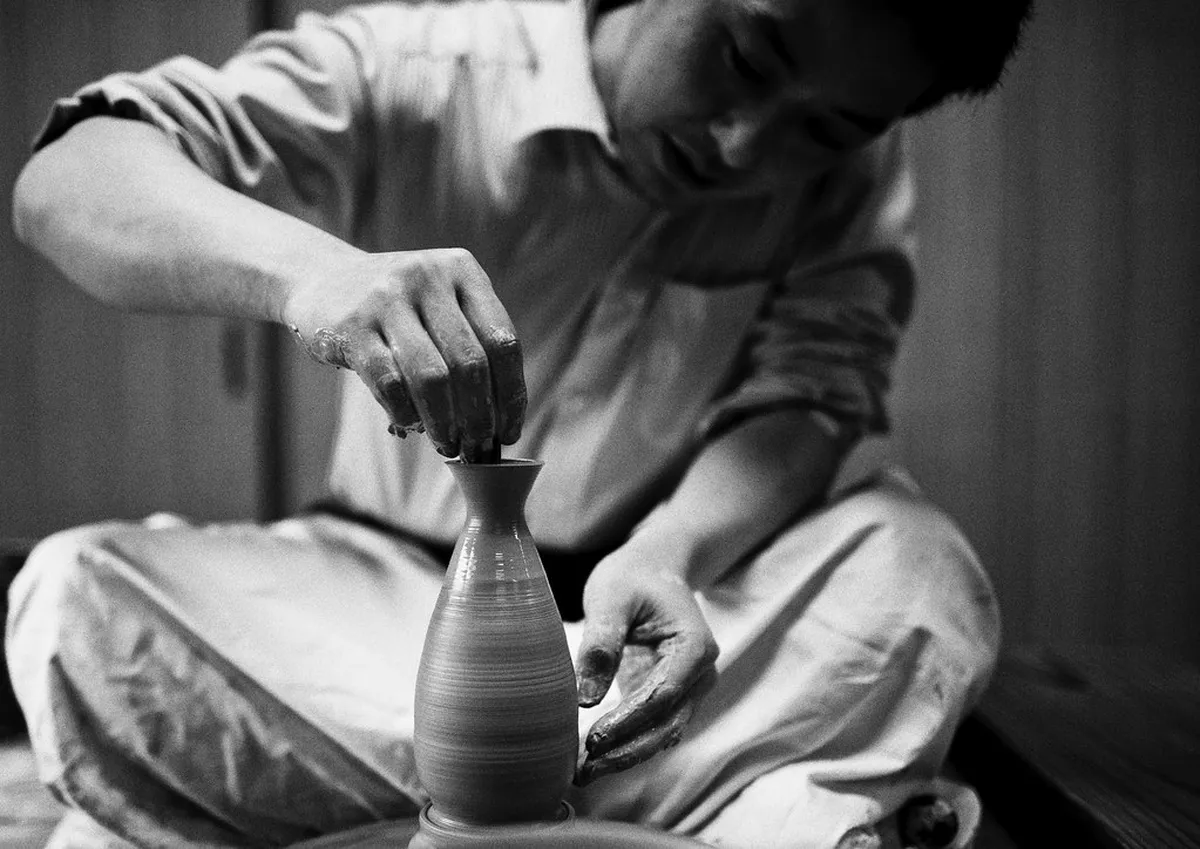
Beyond gold leaf, the district is a hub for other high-quality Japanese traditional crafts with centuries of history. Kutani-yaki is a style of porcelain originating in the nearby former Kaga Province, known for its bold five-color designs depicting local landscapes, flowers, and birds. Shops along the main street stock everything from small tea cups at around 500 yen to elaborate collector-grade pieces. The colorful glazing and intricate brushwork make Kutani-yaki among the most visually striking ceramics you will encounter in Japan.
Kaga Yuzen is the local silk-dyeing technique used to create kimono of the highest caliber. Unlike Kyoto's more painterly Yuzen style, Kaga Yuzen uses five traditional color tones — indigo, ochre, grass green, red, and ancient purple — and features highly realistic depictions of flowers and insects rendered with extreme precision. Some workshops in the district allow visitors to try dyeing their own silk handkerchief using authentic Kaga methods. This craft represents the elegance and meticulous attention to detail that defines Kanazawa's artistic identity.
Kanazawa shikki lacquerware and Wajima-nuri lacquerware also appear in many of the district galleries. Both styles take years to master and each piece is made entirely by hand using techniques passed down through multiple generations. Buying directly from these galleries supports artisans who keep these traditions alive and ensures you are purchasing authentic work. Look for official Ishikawa certification marks on packaging before you buy.
Best Machiya Cafés for a Traditional Break
Exploring the district on foot can be tiring, so a stop at a machiya café is essential. These cafés occupy renovated wooden townhouses that retain original beams, tatami flooring, and sliding doors while offering modern menus. Café Tamon, located in front of Utasu Shrine at 1-27-7 Higashiyama, is the best-known and most popular. Their signature Montblanc pancake made with Goroujima kintoki sweet potato costs 1,600 yen and uses locally grown ingredients from Kanazawa and the surrounding Ishikawa Prefecture.
Café Tamon has a gallery space displaying antiques including Kutani ware, and the window seats overlooking the garden fill up first. To avoid the longest waits, arrive at opening time or after 15:00. Mid-morning queues can exceed one hour on weekends and national holidays. The tatami room seats offer the most immersive experience but fill faster than the standard table areas.
Smaller, quieter alternatives offer traditional matcha and wagashi for a less crowded experience. Sitting on tatami mats while looking out at a moss garden is genuinely relaxing after an hour of walking on uneven cobblestones. Many of these cafés also serve lunch sets featuring seasonal vegetables and seafood from the Sea of Japan. The atmosphere inside these buildings is noticeably calmer than the busy main street outside, making them a good place to recharge between teahouse visits.
Sake and Sweets: Kaho Kazu Nakashima and Shuraku
Kanazawa's famously pure water — fed by snowmelt from the surrounding mountains — produces some of the finest sake in Japan. Ishikawa rice is also considered sweeter than rice from other prefectures, creating a distinctly rich and fruity style of nihonshu. The district concentrates this food culture in two very different but equally worthwhile stops.
Kaho Kazu Nakashima at 1-7-6 Higashiyama is run by the fourth generation of the Nakashima traditional sweets family. They introduce a new seasonal item every day, but the defining feature is the pairing philosophy: their handmade wagashi are specifically developed to complement not just matcha but also sake and wine. The acidity and umami of dry local sake cuts cleanly through the sweetness of fruit mochi in a way that you cannot replicate at home. In winter you find strawberry mochi; summer brings peach varieties. The sweets often sell out by mid-afternoon, so an early or lunchtime visit is recommended.
Higashi-yama Shuraku sits at the far end of the main street and dedicates an entire wall to Ishikawa nihonshu. The English-speaking staff can guide you through tasting flights comparing dry and sweet varieties, as well as plum wines and shochu distilled from local rice or sweet potatoes. This stop pairs naturally with a visit to the Omicho Market nearby, where you can taste the fish and vegetables that many of these sake styles are designed to accompany. Pairing sake with traditional sweets is a local custom that most visitors find genuinely surprising and worth repeating.
The Kanazawa Geisha Museum Most Visitors Skip
Before walking through the district, consider stopping at Kanazawa Asanogawa Enyukai Hall at 1-1-4 Kannonmachi (open 10:00–17:00, closed Wednesdays, admission 400 yen). This small museum covers the teahouse culture of all three Kanazawa Chaya Districts through video displays, dioramas, and actual instruments used by Geiko. Visitors can hold a real shamisen and take photos with it, which few people expect from a facility this affordable.
Enyukai Hall also offers "ozashiki experiences" with English-speaking guides if you book in advance. These sessions take place in a tatami room where you watch Geiko dances and play traditional ozashiki games alongside the performers — the kind of access that normally requires knowing a regular patron of a private teahouse. Understanding the hierarchy and etiquette before you set foot in the district makes every subsequent shop conversation and teahouse visit more meaningful.
The hall is a five-minute walk from the main Higashi Chaya entrance and most travelers walk past the sign without noticing it. At 400 yen it costs less than a cup of matcha and gives substantially more context than any illustrated brochure. If you are visiting in 2026 and your trip falls on a Saturday between April and March (excluding July, August, and the year-end holidays), the broader Ozashiki Asobi Experience event runs 13:00–14:00 across all three chaya districts. For 5,000 yen (2,500 yen for university students and under), tourists can meet real Geiko and receive hospitality at the teahouses — an experience normally closed to all but long-standing referral guests.
Evening Walks: Seeing the District Illuminated
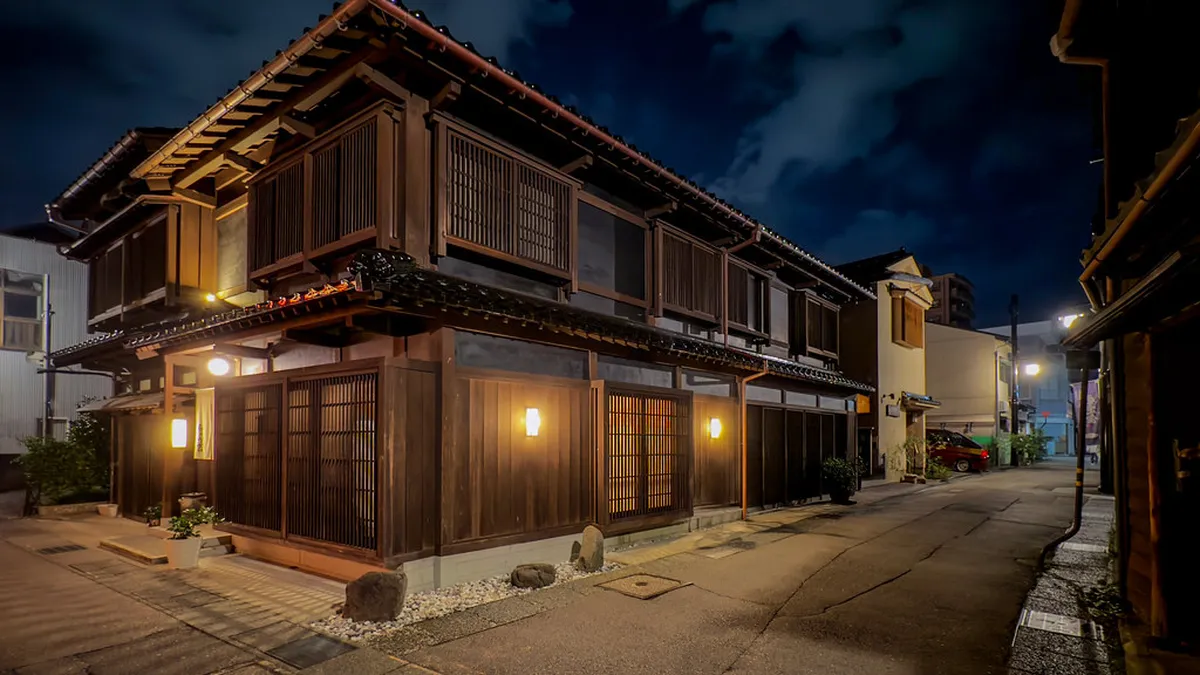
The Higashi Chaya District takes on a completely different character after the sun sets. Most shops close by 17:00 and the large daytime crowds disappear quickly. Warm lanterns illuminate the wooden facades, creating an atmosphere that no filter can replicate. This is the best time for photography if you want to capture the streets without people blocking the frame.
A natural route begins at the main entrance off Higashiyama-dori, moves down the central street past the teahouse facades, and then continues to the riverbank path along the Asano River. From there, a 10-minute walk south brings you to the Kazuemachi Chaya District, a smaller but equally beautiful geisha quarter whose stone pavements and softly lit lattice doors overlook the Asanogawa Bridge. The view from that bridge at night was used as the backdrop for a famous Japanese novel and is one of the most photographed scenes in all of Kanazawa.
Keep in mind that very few restaurants in the immediate district stay open late. Plan dinner in the Katamachi or Musashigatsuji areas before coming here for your evening walk. The illumination continues until late, so there is no rush. Respect local residents by keeping your voice low, as the narrow lanes amplify noise considerably after the daytime activity ends.
Local Guided Tours for Deeper Cultural Insight
A DIY walk is great for photos, but a guide can unlock the deeper secrets of the area. Many teahouses operate under the Ichigen-san Kotowari system, meaning they refuse first-time guests without a referral from a known patron. Professional guides often have the personal connections needed to grant you access to these exclusive spaces. You can Book Tour Kanazawa Geisha Districts Tour With Dinner for a full cultural immersion that includes both the district and a traditional meal.
Guides can explain the specific meanings behind the different lattice patterns on each building, which varied by the status and reputation of the teahouse. They also share stories about the notable Geiko who built their careers here and the wealthy merchants who financed the culture. Understanding the Edo-period social hierarchy that produced this neighborhood makes the architecture feel less like a museum and more like a story. Tours typically last two to three hours and cover the main highlights of the neighborhood.
Comparing the value of a tour versus a solo walk comes down to your interest in human history. If you primarily want photographs of the streetscape, a solo morning walk before 09:30 will serve you well. Those seeking genuine insight into Japanese hospitality culture, access to teahouse interiors, or a conversation with an active Geiko will find the cost of a guide easily justified. Half-day tours that combine the district with Kenrokuen Garden and Omicho Market offer the best value for first-time visitors to the city.
Photography Tips for the Historic Streets
Photography is a highlight of any visit, but local etiquette rules apply throughout the district. Never photograph Geiko or Maiko without explicit permission while they are walking between engagements. Many visitors try to take candid shots as the Geiko move between teahouses in the early evening, which is considered disrespectful and can result in being asked to leave the area by local guards. Direct your lens at the wooden textures, the play of light on cobblestones, and the reflections in shop windows instead.
Photography is strictly forbidden throughout Ochaya Shima (both floors). Kaikarou allows photos only in limited areas. Always check for No Photography signs before entering any teahouse or private shop — violations are not forgiven lightly in this community.
The best natural light for photography falls in the early morning before 09:00 or during the golden hour from 16:30 to 17:30 just before shops close. Midday sun produces harsh shadows in the narrow streets and flattens the warmth of the aged wood. Using a tripod is impractical because the lanes are too narrow and congested. Compact mirrorless cameras and wide-angle phone lenses work better than large DSLR setups for the tight spaces.
Look for angles in the smaller side alleys away from the main thoroughfare, where the perspective lines of the lattice doors create strong compositional depth. The contrast between dark cedar wood and the brilliant gold leaf visible through shop windows is visually striking in both morning and evening light. Always check for No Photography signs before entering shops or teahouse museums — violations are not forgiven lightly in this community.
Essential Travel Logistics: Access and Timing
Reaching the district is straightforward using the Kanazawa Loop Bus from the main Kanazawa Station East Exit. Ride the Jokamachi Kanazawa Sightseeing Bus and alight at Hashiba-cho (Higashi/Kazue-machi Chaya District) or Higashiyama 3-chome — both stops are a five-minute walk from the main entrance. You can also use a comprehensive Kanazawa itinerary to plan your full route through the city. Walking from the Katamachi entertainment district takes about 20 minutes along the riverbank path.
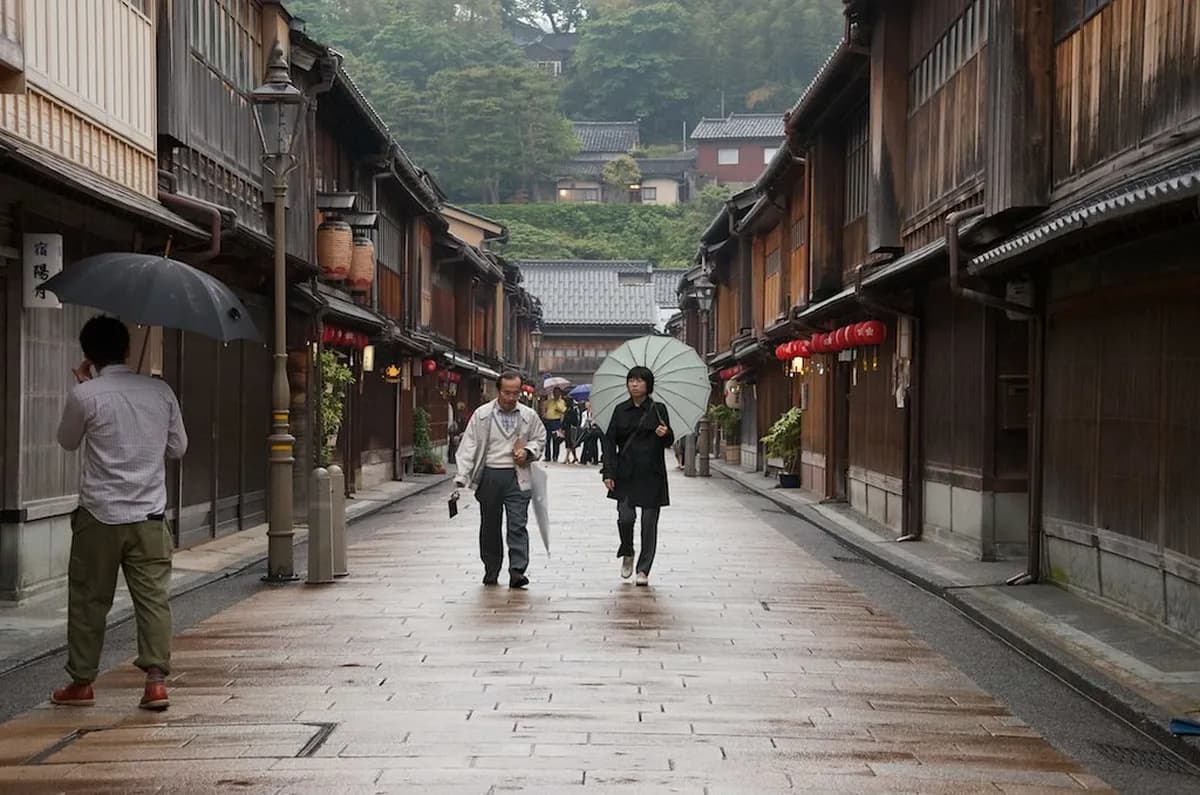
The best time to visit is before 10:00 to walk the main street before tour groups arrive. Most shops open by 09:30 and remain busy until they close at 17:00. Weekday mornings are significantly quieter than weekends and national holiday periods. Rainy days can be surprisingly beautiful, as the wet cobblestones reflect the lantern light and the absence of umbrellas-carrying crowds opens up the composition lines for photography.
There is no entry fee to walk the public streets of the district. Individual attractions like Shima (500 yen) and Kaikarou carry their own admission prices. Public restrooms are located near the main entrance, which is easy to miss once you are deeper inside the lanes. Wear comfortable shoes with closed toes — the original stone paths are uneven and can be slippery after rain.
Reaching the district is easy on the Kanazawa Loop Bus from the East Exit of Kanazawa Station — alight at Hashiba-cho or Higashiyama 3-chome, both a five-minute walk from the main entrance. The one-way fare is around ¥200.
Where to Stay Near the Higashi Chaya District
Staying within walking distance of the district allows you to catch it at its best — early morning before 09:00 and late evening after 19:00 — without needing the Loop Bus. The Hotel Rashiku Kanazawa at 4-7-1 Higashiyama sits roughly three minutes from the main entrance and offers a design that references the local machiya architectural style. For a broader selection across all budgets see our guide on where to stay in Kanazawa.
Choosing a traditional ryokan in the Higashiyama neighborhood provides tatami floors, futon beds, and a multi-course Kanazawa kaiseki breakfast featuring local rice, fish, and Kaga vegetables. Booking three to four months in advance is necessary for cherry blossom season in late March and early April. The area is quieter at night than the Katamachi entertainment district, which makes it suitable for families and early risers who want the morning streets to themselves.
Hotels and inns in this immediate neighborhood are generally mid-range to premium in pricing. Budget travelers often choose accommodation closer to Kanazawa Station and take the Loop Bus. The Station area has cheaper options and the bus ride to Higashi Chaya takes under 15 minutes. Either approach works — the decision depends entirely on whether the evening atmosphere and early-morning access justify the higher room rate.
See our Kanazawa attractions guide for the broader city overview.
Frequently Asked Questions
How much time should you plan for the Higashi Chaya district?
Most visitors find that two to three hours is enough to see the main streets and visit one teahouse museum. If you plan to enjoy a gold leaf experience and a café break, allow for four hours. Morning visits are best for avoiding crowds. Tea ceremony experiences can add another hour.
Is Higashi Chaya district worth visiting at night?
Yes, visiting at night is highly recommended for the atmosphere and photography. While the shops close by 5:00 PM, the illuminated streets are incredibly peaceful and beautiful. It offers a completely different experience compared to the busy daytime hours. The quiet lanes feel like a step back in time.
What should travelers avoid when visiting the teahouse district?
Avoid chasing or photographing Geiko without permission as they move between appointments. Do not block the narrow streets with large tripods or luggage. Avoid touching the delicate wooden latticework on the historic buildings. Respect the "No Photography" signs inside teahouses and private shops to maintain local harmony.
Which Higashi Chaya district guide options fit first-time visitors?
First-time visitors should prioritize the main street, the Shima museum, and a gold leaf shop. A guided tour is excellent for those who want cultural context and exclusive access. DIY walkers should use the Kanazawa Loop Bus for easy access. Focus on the main highlights before exploring the quieter side alleys.
The Higashi Chaya District is a cornerstone of any trip to Kanazawa and Ishikawa Prefecture. It offers a rare opportunity to see perfectly preserved Edo-period architecture and active geisha culture in the same afternoon. From gold leaf ice cream to quiet evening walks along the Asano River, the neighborhood provides cultural rewards at every turn. Using this higashi chaya district guide ensures you don't miss the hidden details of the area.
Remember to respect the local rules and residents while you explore these historic streets. The balance of traditional crafts and modern hospitality makes this a truly unique destination in Japan. Plan your visit for the early morning or late evening to see the district at its best. Your time in this golden city will surely be a highlight of your journey through Japan.
Free: The Kanazawa Essentials guide
Top things to do, where to stay, a perfect day plan, getting around, and the best time to go — a Kanazawa mini-guide you can take offline.
You might also like

Continue reading
More guides you'll find useful