8 Best Things to Eat at Omicho Market: A Food Guide (2026)
Discover what to eat at Omicho Market with our expert food guide. Includes top 8 stalls, best visiting hours, pricing, and local etiquette tips.
On this page
Omicho Market has anchored Kanazawa's culinary identity for over 300 years, sourcing daily catches from the Sea of Japan and distributing them to restaurants across Ishikawa Prefecture. Called "Kanazawa's Kitchen," the market stretches across a covered arcade near the city center, housing around 180 shops selling everything from live shellfish to Noto beef skewers and gold-leaf ice cream. Recognized as one of Japan's premier seafood markets, Omicho continues to define regional cuisine. This guide was last refreshed in May 2026 with updated hours, stall details, and seasonal information. Osaka and other Kansai cities also have excellent food markets worth exploring.
The variety here can overwhelm first-time visitors. Rather than wandering and settling for whatever looks photogenic, use this guide to plan a deliberate food crawl that covers the best snacks, premium sit-down meals, and raw seafood encounters in roughly two hours. One local strategy worth borrowing: enter through the quieter Jukken-machi entrance on the south side, grab a cup of sake at the first stall, and work your way east toward the busier seafood center before the noon rush.
When to Visit Omicho Market
The ideal window for a food tour is between 10:00 AM and 14:00. Before 10:00 AM, the wholesale section is active but most snack counters are still prepping. The full selection of street food peaks around midday, and many stalls start pulling down their shutters by 15:00 to 16:00. If you are aiming for a seated meal at Morimori Sushi, try to join the ticket queue before 10:45 AM to avoid waits that can stretch past 90 minutes.
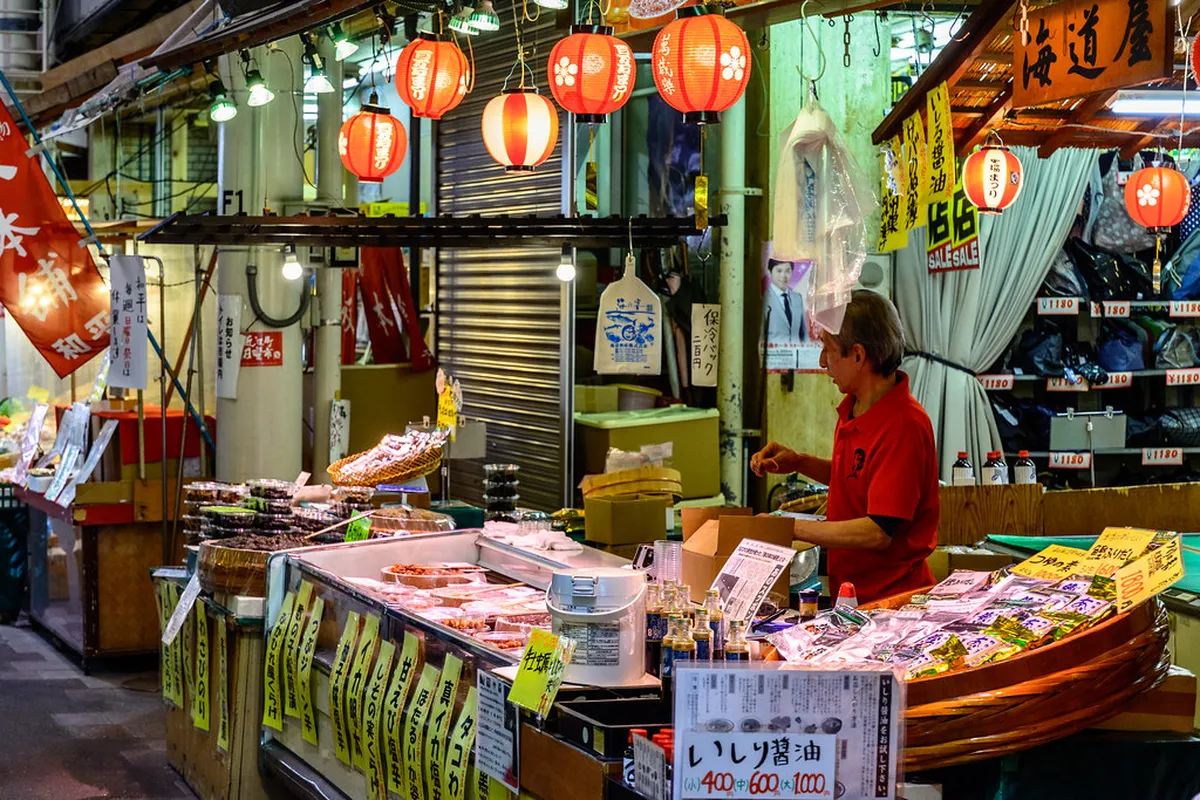
Wednesday is the traditional day off for many vendors inside the market — roughly half the specialist food stalls close that day. The market building itself stays open, but your options will be noticeably limited. Sundays and public holidays bring the heaviest tourist foot traffic, so arrive early if you visit then. Rainy days are actually good days to visit since all the main aisles are fully covered, and crowds thin out compared to sunny weather. Consult the official Kanazawa dining guide before you go for any seasonal festival closures or updated hours.
For those visiting Kanazawa on a tight schedule, a 60-minute stop between 10:30 and 11:30 covers the croquette stall, a sake tasting, and one or two seafood counters comfortably. Budget two full hours if you want a sit-down sushi or kaisendon meal. If the market is part of a longer day, pairing it with a morning walk through Higashi Chaya and cycling down to Omicho by 10:00 is a well-tested local routine.
Enter through the quieter Jukken-machi entrance on the south side and start at Sake no Osawa for a cup of local junmaishu before tackling the food stalls. This beats the main-entrance crowd and pairs perfectly with seafood.
Omicho Croquette (The Classic Market Snack)
Omichokorokke is the most-photographed stall in the market and justifiably so. The croquettes emerge from the fryer hot and shatter-crispy, with fillings that rotate from Kanazawa curry rice and sweet potato to octopus and premium beef. Most varieties cost 200 JPY to 400 JPY per piece. The curry rice croquette is the single most popular order — thick enough that the filling holds its shape after the first bite.
This stall is cash-only. No card, no IC transport card. Keep 500 JPY in coins in your pocket before approaching the counter. Hours run from 08:00 to 17:00 (or until sold out), and popular flavors disappear by mid-afternoon. If you arrive at 13:00 and find only plain potato croquettes left, that is why. The stall is near the center of the main arcade, easy to locate by the queue forming in front of it.
Ippuku Yokocho (Kanazawa Oden and Seafood Broth)
Ippuku Yokocho is the market's dedicated Kanazawa Oden counter. The broth is a pale, soy-forward dashi simmered with konbu from the Sea of Japan — lighter than Osaka-style oden and far more delicate. Signature items include kuruma-fu (a dense wheat gluten cake that absorbs the broth beautifully), shellfish cakes, and kobako-gani during winter. A mixed plate of four items typically lands between 800 JPY and 1,500 JPY.
The space has a seated area, which makes it a practical rest stop mid-crawl. Hours run 09:00 to 17:00 (food last order at 16:30). The stall closes every Tuesday and Wednesday, so plan accordingly. Arrive by 13:00 if you want full selection — some ingredients sell out before the afternoon. Pairing a small cup of local sake with the oden is exactly what the vendor at Sake no Osawa recommends, and the combination works well.
Kanakan Joy (Gold Leaf Ice Cream Experience)
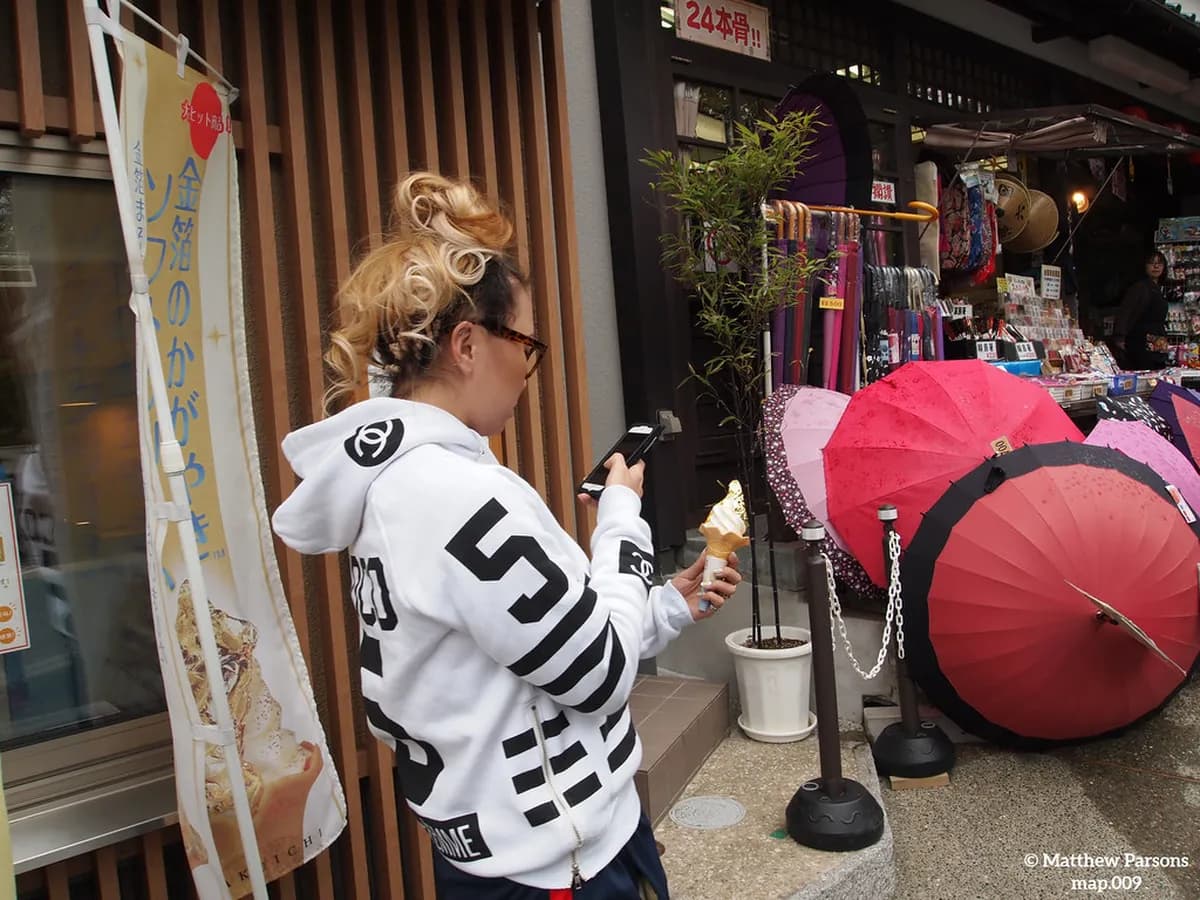
Kanazawa produces roughly 99 percent of all Japanese gold leaf, and Kanakan Joy turns that craft heritage into one of the market's most distinctive desserts. A single sheet of edible gold is draped over soft-serve milk ice cream, creating a shimmering cone that costs around 1,300 JPY. The gold itself adds no flavor — the appeal is the visual contrast and the quality of the base ice cream, which uses high-fat local dairy.
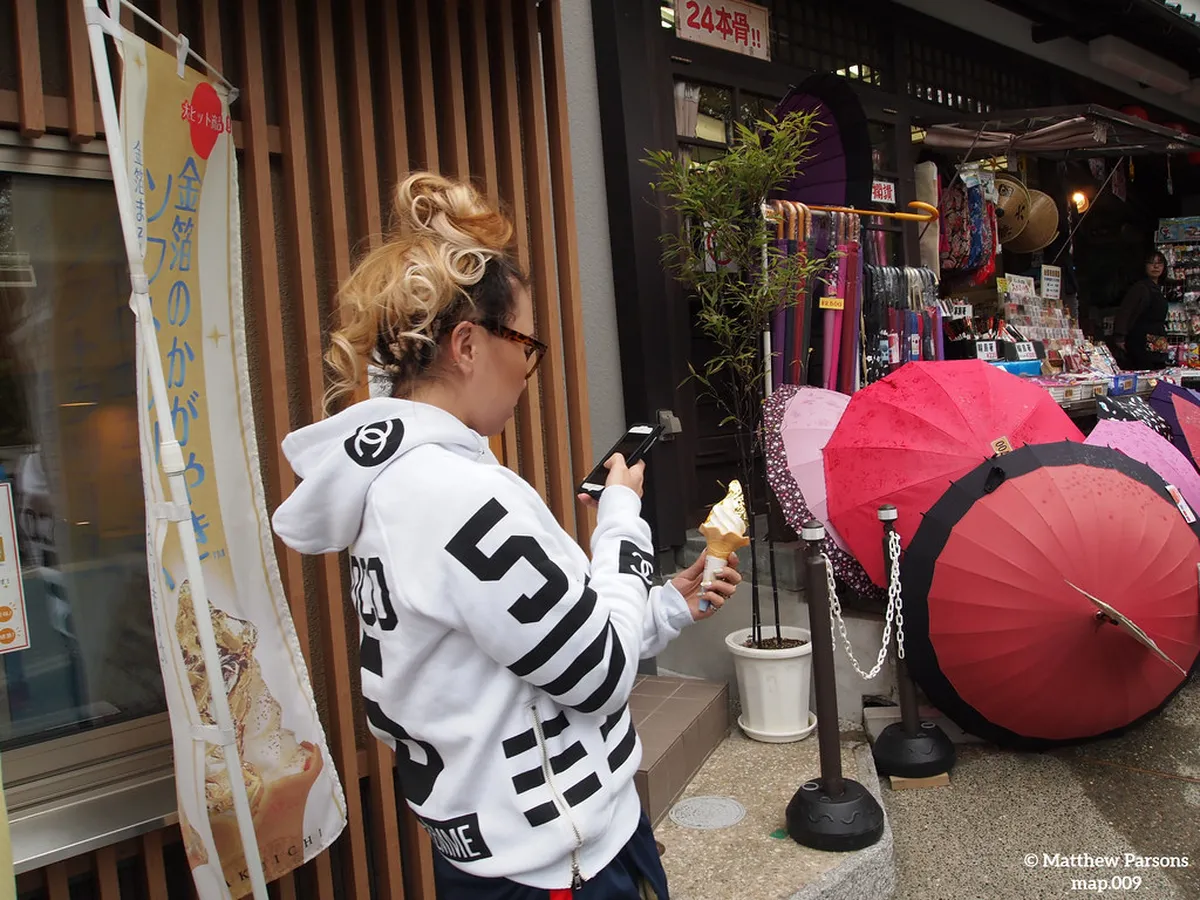
Hours run 07:30 to 16:00, and the stall closes on Sundays. It is one of the earlier-opening spots in the market, so early arrivals can grab a cone before the main lunch rush. If you are traveling with anyone who wants a food souvenir rather than a food experience, the stall also sells small packaged gold-leaf confections. This is a quick stop — eat at the counter, dispose of the stick in the provided bin, and move on.
Noto Beef Takumi (Wagyu Skewers and Bowls)
Noto Beef Takumi is the market's answer for visitors who want premium meat alongside all the seafood. Noto Beef is a rare wagyu variety raised exclusively in Ishikawa Prefecture, known for its high oleic acid ratio and an exceptionally buttery texture. The beef is grilled to order, so each skewer takes a couple of minutes — the smell alone draws a crowd. Skewers start at around 1,200 JPY and small roast beef bowls run up to 3,500 JPY.
Hours are 10:00 to 15:00 (or until sold out) and the stall closes on Wednesdays. Given the limited operating window, this is one to prioritize early in your food crawl rather than circling back to later. If you are including Omicho Market in a comprehensive Kanazawa itinerary, Noto Beef Takumi is the natural mid-morning splurge before moving on to raw seafood counters.
Morimori Sushi Omicho Fureai-kan (Premium Conveyor Belt)
Morimori Sushi inside the Omicho Fureai-kan building is consistently cited as the best kaitenzushi in Kanazawa. The rotating belt carries thick-cut local fish — nodoguro (blackthroat seaperch), sweet shrimp, seasonal flounder, and toro — at prices that reflect actual market quality rather than tourist markup. Budget between 2,500 JPY and 6,000 JPY for a satisfying meal. Hours run 10:00 to 17:30 and the restaurant closes on Tuesdays.
The wait times are the one real obstacle. During lunch hours, the queue regularly hits 60 to 90 minutes. The strategy that works: use the ticketing machine at the entrance the moment you arrive at the market, then use the waiting time to browse other stalls and grab snacks. Your number will be called by text or display. Arriving at 10:00 right as the stall opens usually means a wait of under 20 minutes. This approach converts the queue from a frustration into an extra snacking opportunity.
For those who want a seafood bowl rather than individual sushi pieces, Mawarusushi Ponta in the market serves generous kaisendon bowls from around 2,500 JPY, open 11:00 to 15:00. The chefs source directly from market vendors each morning, which keeps freshness consistent. If Morimori has an overwhelming queue, Ponta is the practical alternative.
Sake no Osawa (Local Sake Tasting)
Sake no Osawa sits just inside the Jukken-machi entrance and is best approached as the very first stop in your food crawl. The shop stocks sake from breweries across Ishikawa Prefecture, with small poured cups available from 360 JPY. The standout for first-time visitors is Sogen, a junmaishu brewed in the Noto Peninsula — medium-bodied, slightly off-dry, and specifically suited to the briny seafood you will be eating for the next two hours.
The staff will pour a small ceramic cup for 365 JPY or a plastic cup slightly cheaper. Walking the market with your cup in hand while sampling food is entirely normal here. Hours run 09:00 to 17:00. The shop also sells souvenir bottles in sizes small enough to fit in carry-on luggage, which makes it a practical final stop as well as a first one. For seafood pairing: the Sogen junmaishu cuts through fatty uni and amplifies the sweetness of fresh oysters — far better than beer for the market setting. If you prefer a drier style, ask the staff for a recommendation from the Hakusan Hakusaniku range.
Fresh Seafood Stalls (Oysters, Uni, and Scallops)
Multiple vendors in the market's covered arcade display live shellfish and shuck to order. Shimada Suisan is a reliable stop for Noto Peninsula oysters — the staff clean and open them in front of you, and even the smallest size is substantial. Prices for a single large oyster run 800 JPY to 1,500 JPY. Sea urchin (uni) served in the shell costs 800 JPY for a smaller portion or 1,000 JPY for a larger one. Scallops grilled over charcoal appear at several stalls for around 700 JPY per pair.
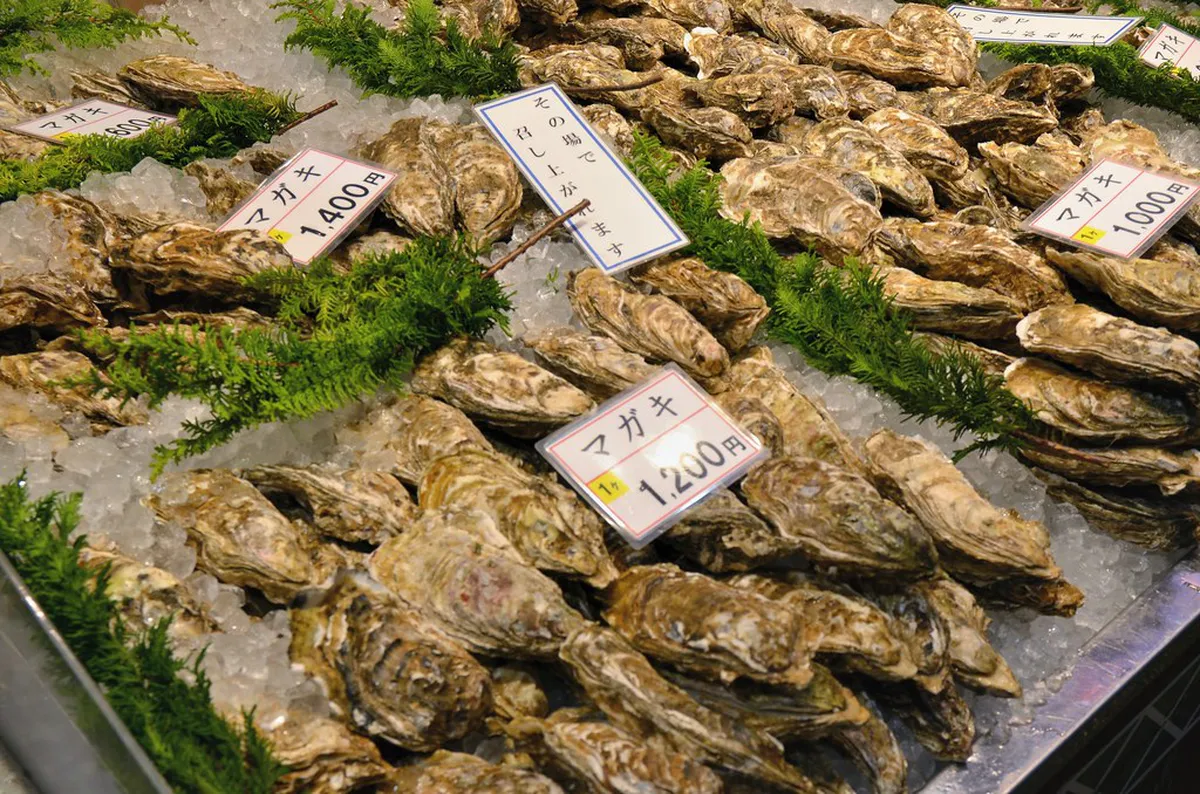
To find the freshest stalls, look for the counters where locals are eating rather than just photographing. Check for the ji-mono (地物) label, which guarantees the item is locally sourced — this is a more reliable indicator than any English signage. Most seafood stalls operate 09:00 to 16:00. You eat standing at a small counter beside the stall; the vendor will hand you a paper wrapper or small plate. Dispose of shells and wrappers in the bin the vendor provides rather than carrying them away.
Looking for the best restaurants in Kanazawa that extend beyond the market? The best restaurants in Kanazawa guide covers options from high-end kaiseki to casual izakaya across the whole city.
| Stall | Specialty | Hours | Closed | Approx. Price |
|---|---|---|---|---|
| Omicho Croquette | Curry rice & wagyu croquettes | 08:00–17:00 | — | 200–400 JPY each |
| Ippuku Yokocho | Kanazawa oden | 09:00–17:00 | Tue & Wed | 800–1,500 JPY (4 items) |
| Kanakan Joy | Gold leaf ice cream | 07:30–16:00 | Sunday | ~1,300 JPY |
| Noto Beef Takumi | Wagyu skewers & bowls | 10:00–15:00 | Wednesday | 1,200–3,500 JPY |
| Morimori Sushi | Premium kaitenzushi | 10:00–17:30 | Tuesday | 2,500–6,000 JPY |
| Sake no Osawa | Ishikawa sake tasting | 09:00–17:00 | — | from 360 JPY/cup |
Seasonal Seafood at Omicho: What to Eat and When
Omicho Market's menu changes dramatically by season, and knowing the calendar before you visit shapes what you should prioritize. No two visits are the same, and several of the market's most celebrated items are only available for a few months each year. Planning your Kanazawa trip around peak seafood season is one of the most effective upgrades you can make to the experience.
Winter (December to February) is the peak season for kobako-gani, the small female snow crab unique to the Hokuriku coast. The crab is only harvested legally from early November through late December, making it essentially unavailable from January onward in most years. The shell is packed with sweet meat and granular crab eggs called sotoko, typically served raw with a drop of ponzu. If you visit in November or December specifically, this is the single item to seek out above everything else — vendors at the fresh seafood stalls sell them for around 1,400 JPY each. Winter is also when the market's oden offerings expand significantly, with more seasonal ingredients available at Ippuku Yokocho.
Spring and Summer (April to August) bring hotate (scallops) and the best-quality uni of the year. Sea urchin from the Noto Peninsula reaches peak richness between June and August, when the roe is dense and creamy rather than watery. Oysters remain available year-round at Omicho but are meatiest and sweetest from October through April. Ama ebi (sweet shrimp) appear on kaisendon bowls throughout summer and are often the most cost-effective way to eat premium Hokuriku seafood — a full bowl topped with a dozen sweet shrimp typically costs less than ordering them individually at the fresh counter. Autumn (September to November) marks the return of nodoguro season at Morimori Sushi and the arrival of the first winter crabs. This shoulder period offers the widest variety across all categories and is arguably the best overall time to visit.
How to Get to Omicho Market
The market is about a 15-minute walk from Kanazawa Station's East Exit. The direct route follows Hyakumangoku-dori south and cuts through the Katamachi shopping district. This is a practical option in good weather and lets you pass by Oyama Shrine on the way. For a faster option, take any Hokutetsu Bus from the East Exit bus terminal and get off at the Musashigatsuji / Omicho Ichiba stop — the ride takes roughly 5 minutes and costs around 200 JPY. For additional transit and regional details, the Ishikawa Travel Guide covers navigation and local context.
There are two main entrances worth knowing. The main entrance on the north side is the most heavily used and can feel overwhelming during peak hours. The Jukken-machi entrance on the south side is quieter and deposits you directly beside the Sake no Osawa stall — a natural starting point for the food crawl described in this guide. Bicycle parking is clustered near the Jukken-machi entrance if you are using a Machi-Nori rental bike from Kanazawa Castle Park or Tatemachi. For more on getting around the city, the 2-day Kanazawa itinerary covers bus routes, bike hire, and walking distances in detail.
Cash is essential for the market. Most small seafood stalls and snack counters are cash-only, and the Omicho Croquette stall accepts no cards at all. Larger restaurants like Morimori Sushi and Ippuku Yokocho typically accept credit cards, but you should not rely on this. Carry at least 5,000 JPY in mixed bills and coins. A 7-Eleven with an international ATM is located near the Jukken-machi entrance if you need to withdraw before entering.
Many stalls close on Wednesdays — roughly half the specialist food stalls shut that day. The Omicho Croquette stall is cash-only, no cards. Carry at least 5,000 JPY in mixed bills and coins.
Essential Etiquette at Omicho Market
Walking through the market aisles while eating — known in Japanese as kui-aruki — is discouraged. Most stalls have a small designated standing space immediately adjacent to the counter. Finish your snack there, dispose of the wrapper or stick in the vendor's bin, and then continue browsing. This keeps the narrow covered aisles passable and aligns with the broader Japanese practice of eating mindfully in one place rather than on the move.
Public trash bins are essentially absent in Japan. The protocol at Omicho is to return all waste — skewers, shells, wrappers, cups — to the stall where you bought the item. Vendors expect this and have bins ready. Carrying trash around the market looking for a public can is unnecessary and unusual. If you are carrying a large backpack or rolling luggage, be extra cautious navigating the tighter sections near the raw seafood counters, where tanks and displays extend into the walkway.
Frequently Asked Questions
What time does Omicho Market open for food?
Most food stalls open around 9:00 AM, though the wholesale market starts much earlier. Peak lunch service for restaurants typically runs from 11:00 AM to 3:00 PM. Arriving by 10:30 AM is ideal for snacking.
Is Omicho Market cash only?
Many small street food stalls are cash-only, especially those selling croquettes or single oysters. Larger restaurants and modern shops usually accept credit cards. It is best to carry around 5,000 JPY in cash.
How do I get to Omicho Market from Kanazawa Station?
You can walk from the station in about 15 minutes or take a short bus ride. Most city buses from the East Exit stop at Musashigatsuji/Omicho Market. The bus takes roughly 5 minutes.
Omicho Market rewards visitors who come with a plan. The 10:00 AM arrival, Jukken-machi entrance, sake-first approach — these small choices add up to a noticeably better experience than joining the main crowd at noon. Whether you are prioritizing winter kobako-gani, a summer uni bowl, or a year-round plate of Noto beef skewers, the market's seasonal depth means there is always something worth making the trip for. I hope your 2026 visit delivers exactly the kind of Kanazawa flavors that justify the journey.
Free: The Kanazawa Essentials guide
Top things to do, where to stay, a perfect day plan, getting around, and the best time to go — a Kanazawa mini-guide you can take offline.
You might also like

Continue reading
More guides you'll find useful