

8 Best Things to Eat in Matsumoto: Food Guide (2026)
Discover the best Shinshu soba and traditional miso in Matsumoto. Our 2026 guide covers top noodle houses, miso brewery tours, and local secrets like Toji soba.
On this page
Matsumoto eats like a mountain town because its best dishes depend on cold air, clean spring water, and patient hands. Shinshu soba has a nutty aroma that fades quickly after milling, while local miso gains depth from long fermentation in cedar barrels. The strongest food days here are slow, early, and built around lunch rather than late-night grazing — a refreshing change from the pace in Tokyo. For a quick historical primer, the official castle site is useful.
This 2026 guide focuses on the dishes travelers actually plan around: hand-cut soba near the castle, Shinshu miso at working breweries, fresh wasabi from Azumino, and local izakaya plates like sanzayaki. The food pairs naturally with the city's history, especially if you visit Matsumoto Castle in the morning and use Nakamachi Street as your lunch base.
Nagano Prefecture produces nearly half of Japan's miso, and Matsumoto sits close to the center of that tradition. It is also one of the easiest cities in Japan for tasting soba at its source without renting a car. Use this as a practical route through the city's best local food rather than a generic restaurant list.
The Heritage of Shinshu Soba and Miso
Shinshu soba is not just soba served in Nagano. It is the regional style built around highland buckwheat, cold growing seasons, and soft mountain water from the Japanese Alps. The best noodles smell lightly roasted, hold a firm edge, and finish cleaner than richer Tokyo-style soba.
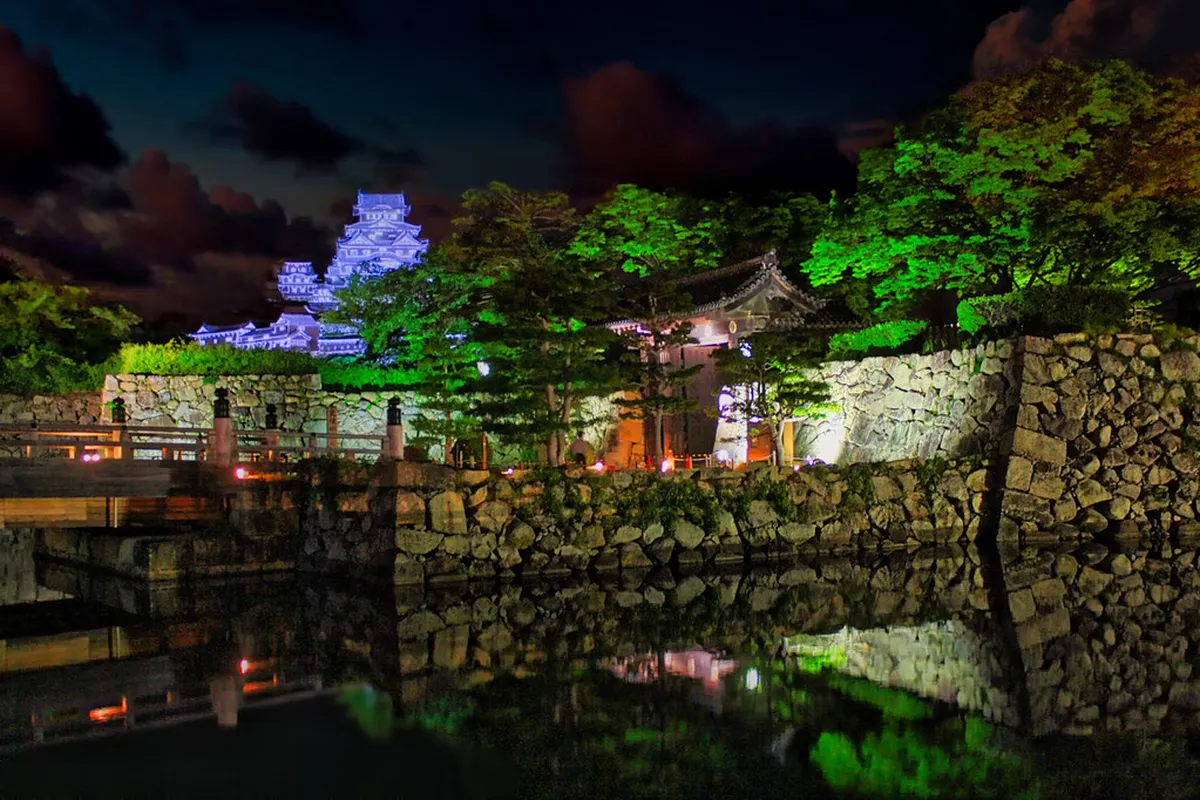
Many Matsumoto shops serve ni-hachi soba, a blend of about 80 percent buckwheat and 20 percent wheat that keeps the noodles elastic. Ju-wari soba, made with 100 percent buckwheat, has a deeper aroma but breaks more easily and often costs a little more. If you care most about fragrance, ask what flour the shop is using that day.
Shinshu miso is the other pillar. Nagano produces nearly 50 percent of Japan's miso, but traditional makers age a smaller amount in huge cedar barrels for one to three years. One-year miso tastes brighter and saltier, two-year miso becomes round and savory, and three-year miso turns darker, deeper, and almost caramel-like.
The connection between soba, miso, sake, and wasabi is water. Clean springs feed the noodle dough, fermentation rooms, and wasabi fields north of the city. That is why Matsumoto food makes the most sense as part of a wider Matsumoto attractions day rather than as isolated meals.
Metoba Soba: Three-Tiered Tradition by the River
Plan soba for lunch, not dinner. The best handmade soba shops often close by 14:00 and may stop earlier once the day's dough is used up. Arrive before opening or by 11:30 at the latest on weekends.
Metoba Soba is the easiest first stop for travelers who want a traditional meal without leaving the center. The restaurant sits near the Metoba River and close to Nakamachi Street, where black-and-white kura storehouses now hold cafes, craft shops, and noodle houses. It works well after a castle visit because the walk is short and the area stays pleasant even between lunch rushes.
The signature order is a three-tiered soba set served in stacked bamboo trays. Each layer lets you taste a slightly different topping or texture, usually with grated yam, seaweed, tempura, or seasonal vegetables. The dipping sauce tends to be a little sweeter than at purist soba shops, which makes it friendly for families and first-time soba eaters.
- Budget around EUR 13 to EUR 22 for a full lunch set, depending on tempura and side dishes.
- Choose this stop if you want Nakamachi Street atmosphere as much as noodle precision.
- After finishing the noodles, pour soba-yu into the remaining dipping sauce and drink it as a warm broth.
The soba-yu ritual matters here because it slows the meal down. The cloudy noodle water carries starch, minerals, and a faint buckwheat flavor, turning the leftover tsuyu into a savory soup. It is not a tourist performance; it is the normal finish to a proper Shinshu soba lunch.
Nomugi: Hand-Cut Excellence Near the Castle
Soba Noodles datokoro Nomugi is the serious soba choice near the castle. It is small, focused, and known for thin hand-cut noodles made in limited daily quantities. The shop often closes once the dough runs out, so treat it as an 11:00 or 11:30 lunch plan rather than a flexible afternoon stop.
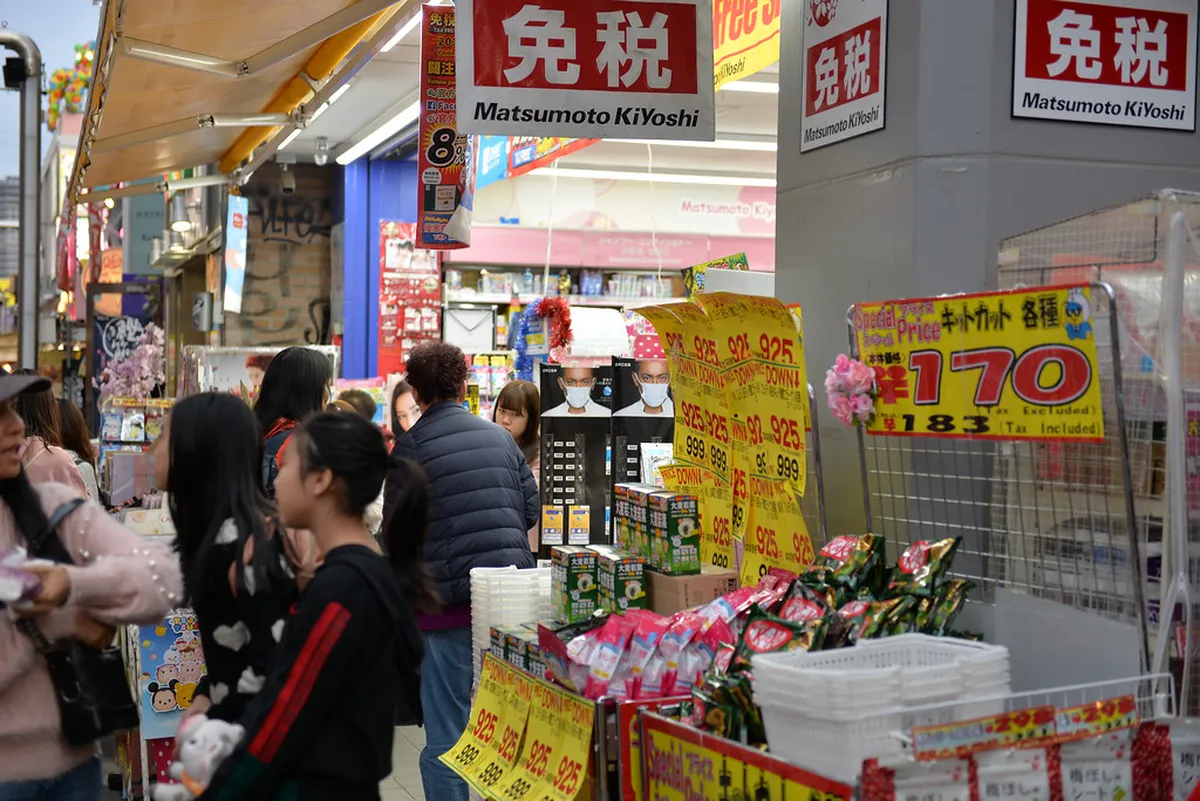
Nomugi's appeal is texture. The noodles are delicate but still springy, with a clean buckwheat aroma that shows why Matsumoto has a national soba reputation. Do not bury them in wasabi at the start; taste a few strands with only a light dip in sauce before adding condiments.
- Budget around EUR 11 to EUR 18 for a standard cold soba order.
- Arrive 20 to 30 minutes before opening in busy 2026 periods, especially weekends and autumn foliage season.
- Order extra only if you are genuinely hungry, because many small shops cannot accommodate long lingering after the queue forms.
Nomugi is also a good place to understand why ni-hachi soba dominates in town. The small amount of wheat helps the noodle hold its shape through cutting, boiling, and dipping. Ju-wari fans may prefer specialist menus elsewhere, but Nomugi is the more reliable introduction for most visitors.
Ishii Miso Brewery: Traditional Fermentation Tours
Ishii Miso Brewery is the clearest way to see Shinshu miso before it reaches the soup bowl. The brewery is known for long cedar-barrel aging, and the smell inside is deep, salty, and slightly sweet. Even a short visit explains why local miso tastes heavier and more rounded than the pale supermarket paste many travelers know.
The main trade-off is time. A brewery lunch or tour gives you the most context, while buying packaged Shinshu miso at a station shop is faster and easier to fit between trains. If food is a major reason for your trip, the brewery visit is worth the extra walk because you can compare aging levels and taste how fermentation changes the paste.
- One-year miso is brighter and good for everyday soup.
- Two-year miso has more umami and works well in marinades or grilled rice cakes.
- Three-year miso is darker, stronger, and best tasted in small amounts before buying a large tub.
The on-site meal often includes miso soup, grilled or simmered sides, and sometimes miso sweets. Expect a simple lunch rather than fine dining, but the educational value is high. For travelers choosing accommodation around local meals, the brewery pairs well with a stay from the where to stay in Matsumoto guide.
Toji Soba: The Seasonal Dipping Ritual
Toji soba is not a different noodle; it is a serving method. Diners use small bamboo baskets to dip soba into a shared hot pot of broth, mushrooms, greens, and sometimes duck or chicken. The technique warms the noodles without letting them soften into a standard soup bowl.
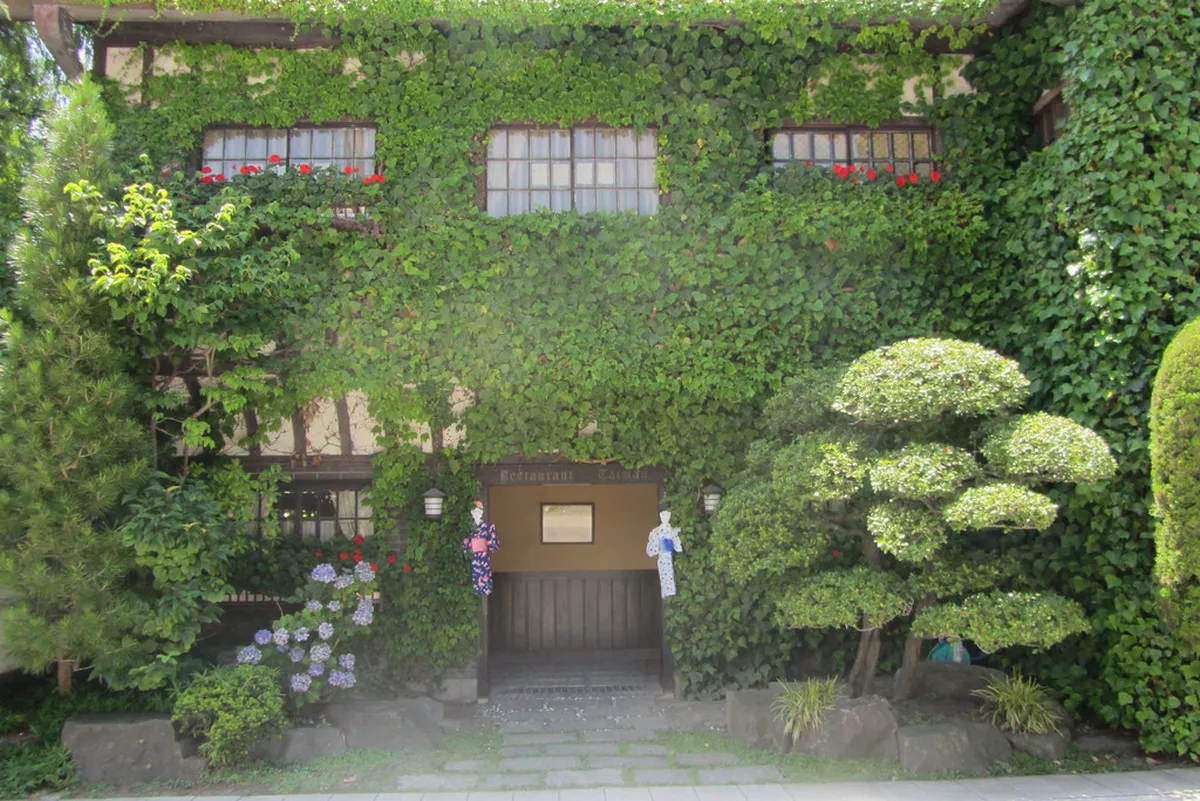
This is the best soba style for winter, especially from November through March when the air around Matsumoto turns sharp after sunset. The basket is lowered for only a few seconds, then lifted so the noodles keep their bite. A good pot tastes earthy from local mushrooms and lightly sweet from vegetables.
Toji soba is more social than zaru soba, so it suits couples, families, and small groups better than solo travelers in a hurry. Prices vary by ingredients, but a proper set usually costs more than a plain cold soba lunch. Book or call ahead in peak winter weekends because not every central shop serves it daily.
Sanzayaki and Basashi: Local Meat Specialties
Soba is not automatically vegetarian. The dipping sauce usually contains katsuobushi (dried bonito). Ask for "katsuo dashi nashi" and confirm with the shop before ordering if you need a fully plant-based meal.
Sanzayaki, often written sanzoku-yaki, is Matsumoto's garlic-heavy fried chicken. It is marinated with soy sauce, ginger, and a strong hit of garlic, then coated and fried until the crust turns rugged and crisp. Compared with standard karaage, the portion is larger, the seasoning is louder, and the garlic stays with you.
This is a dinner dish more than a refined lunch. Local izakayas serve it with shredded cabbage, rice, beer, or sake, and one plate can be enough for two people if you are also ordering soba or small sides. Budget around EUR 7 to EUR 13 for a plate in a casual pub.
Basashi is the more polarizing Nagano specialty. The horse meat is served chilled and raw, usually with ginger, garlic, and sweet soy sauce. It tastes lean and clean rather than gamey, but travelers who are unsure can order a small starter portion or choose smoked versions where available.
If you want an easy first izakaya night, start near Matsumoto Station and then compare the mood with the older Nakamachi area. The station side is livelier and later, while Nakamachi is better for quiet restored-storehouse dining. For a broader evening plan, combine this with the Matsumoto nightlife guide.
Vegan and Vegetarian Dining in Matsumoto
Matsumoto is easier for vegetarians than many rural Japanese cities, but soba is not automatically vegetarian. The noodle itself may be plant-based, while the dipping sauce usually contains katsuobushi, or dried bonito flakes. Tempura batter, soup stock, and pickles can also include fish-based dashi.
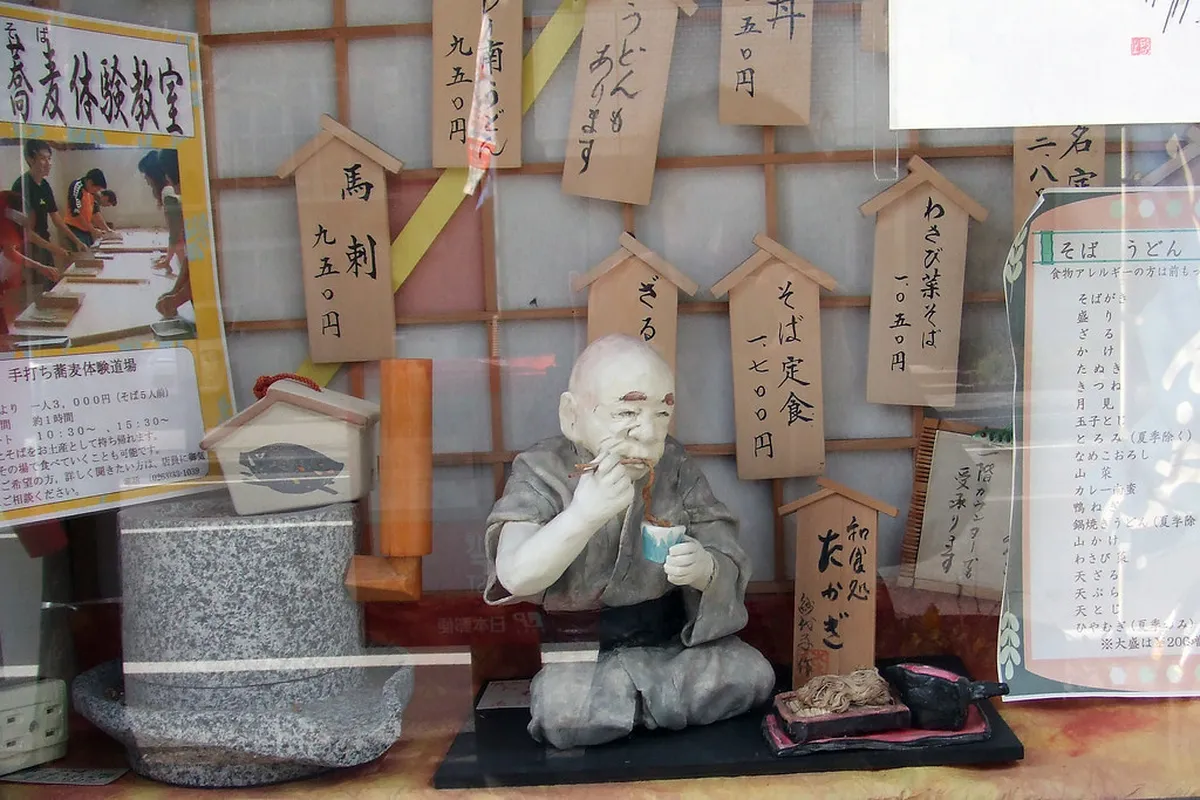
The safest request is for kombu-based broth or a sauce without katsuo dashi, but not every traditional shop can make that change on the spot. Modern cafes, vegan-friendly restaurants, and some flexible soba shops are more likely to help if you ask in advance. Use simple wording such as "katsuo dashi nashi" and confirm that bonito is not used in the sauce.
Good low-risk dishes include vegetable oyaki, gohei mochi with miso-walnut sauce, plain rice, pickles, and some seasonal vegetable tempura. Gluten-free travelers need extra care because soba can include wheat and shared boiling water is common. For a food-focused day trip with fresh wasabi and rural snacks, the Azumino day trip from Matsumoto is useful because the farm area has more casual tasting options. If you need a broader filter for diets and allergies, the diversity guide is the best starting point.
Practical Logistics for a Matsumoto Food Tour
| Dish / Experience | Typical Cost | Best Timing |
|---|---|---|
| Metoba Soba three-tier set | EUR 13–22 | Lunch |
| Nomugi cold soba | EUR 11–18 | Early lunch (open until sold out) |
| Ishii Miso brewery meal | Simple set lunch | Midday |
| Sanzayaki garlic fried chicken | EUR 7–13 per plate | Dinner at izakaya |
| Izakaya dinner with drinks | EUR 25–40 per person | Evening |
Plan soba for lunch, not dinner. The best handmade shops often close by 14:00 and may stop earlier once the day's dough is gone. In 2026, a safe food route is castle first, Nomugi or Metoba for early lunch, Nakamachi browsing, then Ishii Miso or a cafe break before izakaya dinner.
Cash still matters at older shops, especially small soba houses that operate like family kitchens. Carry enough yen for at least one full meal, and avoid arriving with large luggage. Lunch prices generally sit around EUR 10 to EUR 22, while a relaxed izakaya dinner with drinks can reach EUR 25 to EUR 40 per person.
Fresh wasabi is worth treating as a pairing rather than a condiment challenge. Real wasabi from the Azumino area has floral heat and fades quickly, so grate a small amount and add it gradually. It is especially good with cold soba because it sharpens the buckwheat aroma without overwhelming the dipping sauce. For a broader regional overview, the Nagano food overview is a useful companion.
Season matters. Winter is best for Toji soba, spring and autumn are pleasant for walking between food stops, and summer favors cold zaru soba with fresh wasabi. If you are building a full route, match meal timing to the best time to visit Matsumoto and leave room in your Matsumoto itinerary for early closures.
Matsumoto's best food is specific, seasonal, and tied closely to Shinshu's mountain climate. Start with hand-cut soba, finish the bowl with soba-yu, compare cedar-aged miso, and save one evening for garlic-rich sanzayaki. Those choices give you a better sense of the city than chasing every snack near the castle gates.
The main mistake is treating famous shops as flexible drop-ins. Arrive early, carry cash, and decide whether your priority is noodle craftsmanship, fermentation, vegetarian safety, or a relaxed historic setting. With that plan, Matsumoto becomes one of the most rewarding food stops in central Japan.
Explore Matsumoto Food and Dining
Use these guides to compare local dishes, dining areas and practical food experiences in Matsumoto.
Building the rest of the trip? Our Matsumoto attractions guide covers the sights, districts and logistics around this guide.
Explore food guide in other cities
Frequently Asked Questions
What is the difference between Shinshu soba and regular soba?
Shinshu soba is a regional designation for high-quality noodles made in Nagano Prefecture. It uses local buckwheat and pure mountain water, resulting in a distinctively nutty aroma and firm texture.
Where is the best area to find food in Matsumoto?
The Nakamachi and Nawate districts are the best areas for traditional dining. These historic streets are packed with century-old buildings housing specialty soba shops and miso breweries.
Are there vegetarian options available in Matsumoto?
Yes, though you must be careful with the fish-based dashi broth. Many shops offer vegetable tempura and miso-based dishes, and some specialized spots provide vegan-friendly noodle dipping sauces upon request.
Free: The Matsumoto Essentials guide
Top things to do, where to stay, a perfect day plan, getting around, and the best time to go — a Matsumoto mini-guide you can take offline.
You might also like


Continue reading
More guides you'll find useful


