
21 Best Dishes and Travel Tips for Nagoya (2026)
Discover the best Nagoya food guide with 21 top picks including Miso Katsu and Hitsumabushi. Get neighborhood context, timing tips, and practical booking advice.
On this page
After several trips through central Japan, Nagoya still feels like the city where food rewards curiosity fastest. Its regional cooking, known as Nagoya Meshi, is bolder than Kyoto, heavier than Tokyo, and more tied to workday routines than Osaka's street-food image. If you are asking Is Nagoya Worth Visiting? My Honest 2026 Travel Review for food, the answer is yes if you like red miso, grilled eel, peppery noodles, and breakfast cafes that still feel local.
This 2026 Nagoya food guide focuses on what travelers actually need to order, where each dish fits into a short itinerary, and how to avoid flavor fatigue. Before or after using our Nagoya Castle Visiting Guide: 8 Things to Know, build meals around nearby districts such as Meieki, Sakae, Osu, Atsuta, and Imaike. Understanding Nagoya cuisine means understanding Hatcho Miso, a dark soybean miso that gives the city its salty-sweet backbone.
The sections below separate the essential dishes from the useful travel tips. You can eat several classics at one food hall, chase a specific specialty restaurant, or use a guided tour if you only have one evening. The goal is not to try everything in one day, but to choose the right mix of red miso, eel, noodles, chicken, sweets, and street snacks for your appetite.
What to Eat in Nagoya First
| Dish | Typical Cost | Best Meal |
|---|---|---|
| Hitsumabushi (eel on rice) | EUR 25–45 | Lunch / Dinner |
| Miso Katsu set | EUR 12–22 | Lunch |
| Miso Nikomi Udon | EUR 10–18 | Lunch / Dinner |
| Tebasaki wings (5 pieces) | EUR 5–8 | Evening izakaya |
| Taiwan Ramen | EUR 7–11 | Late night |
| Kishimen (flat noodles) | EUR 5–10 | Quick lunch |
| Morning Set (coffee + toast) | EUR 3–8 | Breakfast |
Start with the dishes that explain the city fastest: hitsumabushi, miso katsu, miso nikomi udon, kishimen, tebasaki, Taiwan ramen, Ogura toast, and a morning set. Together they show Nagoya's range from expensive eel to cheap cafe breakfasts, and they fit naturally into a two-day Nagoya Itinerary 2026: Plan Your Perfect 3 to 5 Day Trip. Travelers comparing regional food scenes often note that Kyoto cuisine emphasizes delicacy, while Nagoya celebrates bold, working-class flavors.
If you have one meal, choose hitsumabushi or miso katsu. If you have one breakfast, choose a retro kissaten morning set. If you have one snack walk, go to Osu before dinner, then continue to Sakae for wings and late-night ramen.
Nagoya Food Tours
A Nagoya food tour is most useful when you only have one evening or when you want someone local to explain why the same red miso can taste sweet on pork, bitter in udon, and mellow in oden. Tours usually cluster around Osu, Sakae, or Meieki, which keeps walking time low and lets you compare several Nagoya Meshi dishes without over-ordering.
Expect small-group food walks to cost roughly EUR 55 to EUR 120 per person in 2026, depending on included drinks and restaurant stops. Book ahead for Friday and Saturday evenings, and tell the guide early if you avoid pork, shellfish, alcohol, or very spicy food because several classic dishes rely on those ingredients.
Hitsumabushi: Nagoya's Signature Grilled Eel
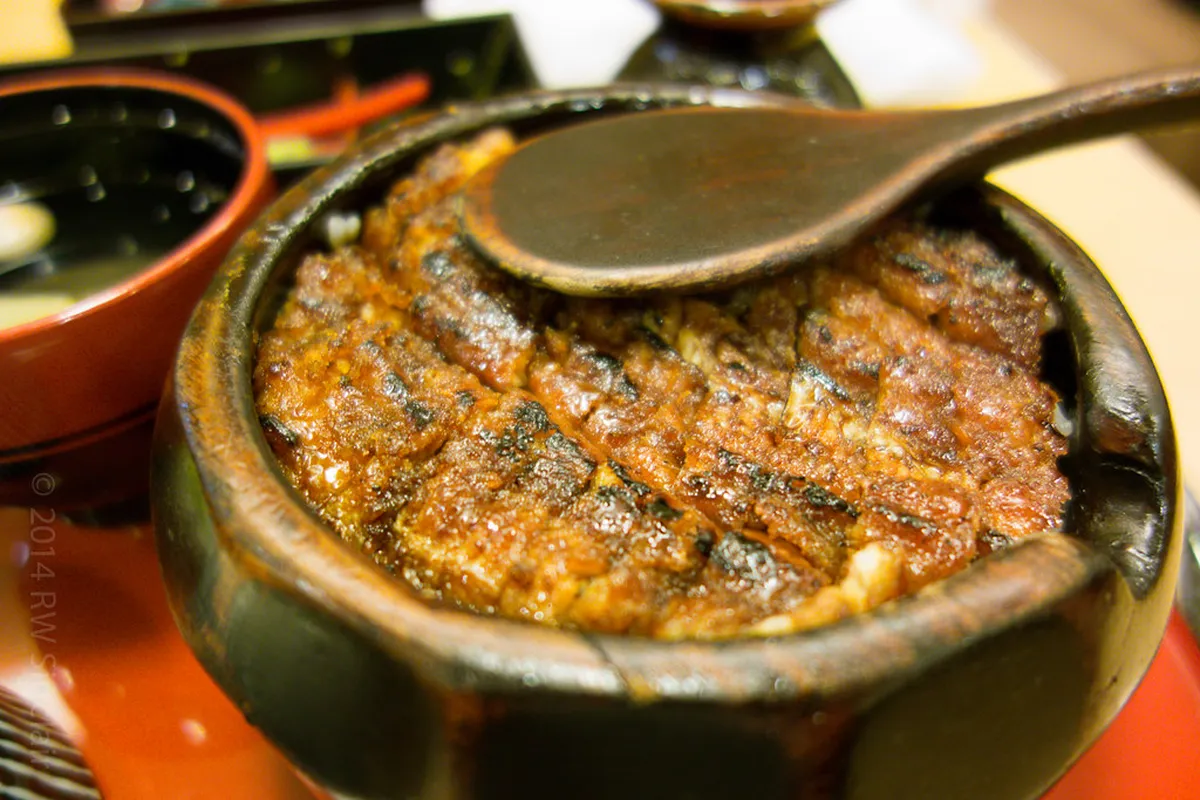
The traditional hitsumabushi ritual divides the bowl into four portions: eat one plain, one with wasabi and green onion, one as ochazuke with broth poured over, and the last portion your favourite way. The ritual is part of the value — do not rush it between train connections.
Hitsumabushi is grilled freshwater eel chopped over rice and served with condiments, broth, and a small paddle for dividing the bowl. The traditional method is to eat one portion plain, one with wasabi and green onion, one as ochazuke with broth, and the final portion your favorite way. The ritual is part of the value, so do not rush it between train connections.
Good sets usually cost EUR 25 to EUR 45, and famous restaurants around Atsuta and Nagoya Station often build lines before 11:00. The Hitsumabushi guide explains the eating style well, but the practical move is simple: arrive before opening, avoid peak lunch, and choose a mini set if you still want room for noodles later.
Miso Nikomi Udon
Miso nikomi udon is the dish to order when Nagoya feels cold, rainy, or too efficient. Thick udon is simmered in an earthenware pot with Hatcho Miso, dashi, chicken, green onion, fish cake, and an egg that cooks in the bubbling broth. The noodles can feel firmer than standard udon because many shops keep them intentionally chewy.
Plan on EUR 10 to EUR 18 for a filling bowl, usually served from about 11:00 to 21:00. The lid is often used as a cooling plate, which helps because the clay pot holds heat for a long time. This is the strongest red-miso introduction in the city, so order rice on the side if you are sensitive to salt.
Miso Katsu
Miso katsu takes a crisp pork cutlet and replaces standard tonkatsu sauce with a dark, glossy red-miso glaze. It is sweet, salty, earthy, and more direct than regular tonkatsu. Yabaton is the easy first stop because branches are common, service is efficient, and the mascot makes the restaurants simple to spot near Osu, Sakae, and station malls.
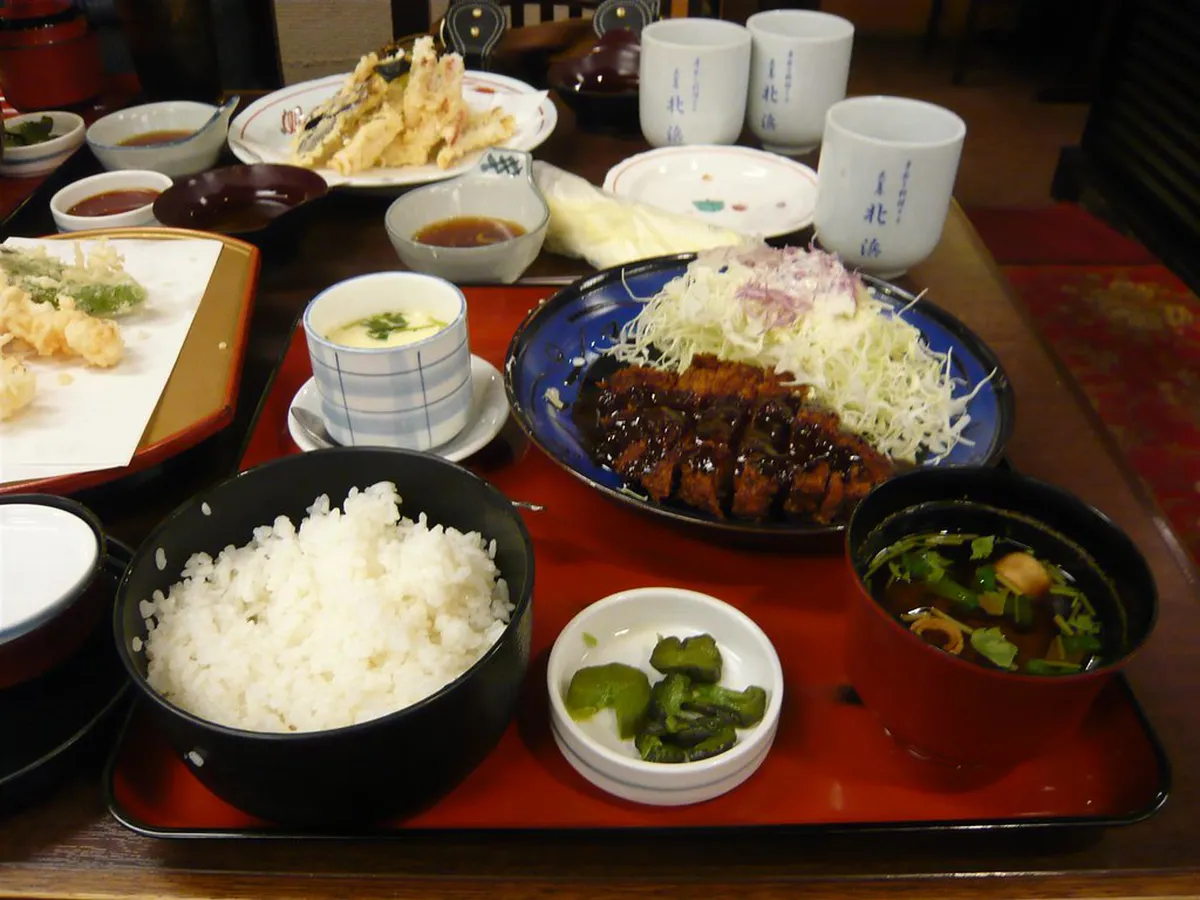
First-timers should order a half-and-half style if available, with part miso sauce and part standard sauce, because it makes the difference clear without overwhelming the cutlet. A set usually costs EUR 12 to EUR 22, and the teppan version stays hot on an iron plate. Pair it with shredded cabbage and rice rather than extra fried sides.
Miso Oden
Miso oden is the winter-friendly version of Japan's simmered stew, but Nagoya turns the broth or topping dark with red miso. Daikon, egg, konnyaku, tofu, fish cakes, and beef tendon absorb the sauce until they become deep brown. The flavor is softer than miso katsu but richer than standard convenience-store oden.
It works best as an izakaya order, especially with beer or oolong tea, because you can choose a few pieces instead of committing to a full meal. Individual items are often EUR 1 to EUR 3, and dinner service usually starts around 17:00. In Osu, old-style shops make it easy to combine miso oden with kushi katsu and a short shopping walk.
Morning Set
Nagoya's morning set is one of the best budget habits in Japan. Order coffee at a kissaten before about 10:30 or 11:00, and many cafes add toast, a boiled egg, salad, or a small side for the price of the drink. It reflects local cafe culture more than luxury dining, which is why it belongs in any real Nagoya food guide.
For value, a basic chain morning can cost EUR 3 to EUR 5, while a retro independent cafe may cost EUR 5 to EUR 8 with better atmosphere. The trade-off is time: older cafes are slower and smokier in feel, while station cafes are faster but less distinctive. Use morning sets before museums, shopping, or a long transit day.
Ogura Toast
Ogura toast is thick shokupan topped with sweet red bean paste and butter. It looks simple, but the balance matters: the bread should be fluffy, the butter should melt into the toast, and the beans should keep enough texture to avoid tasting like jam. It is sweet, but not usually dessert-level sweet.
You can order it as part of a morning set or as a separate cafe snack for about EUR 4 to EUR 8. It is a good choice for families because it is easy to share, but it is also filling enough to delay lunch. If your day includes heavy miso dishes, Ogura toast gives your palate a softer start.
Taiwan Ramen
Taiwan ramen was created in Nagoya, not Taiwan, by adapting spicy minced meat, garlic, chives, and chili into a soy-based ramen. Misen in Imaike is the classic name, and the bowl is famous because Japanese regional ramen is rarely this aggressive. It is a late-night dish, not a quiet lunch noodle.
Most bowls cost around EUR 7 to EUR 11, with many shops opening from 17:00 and running late. Beginners should know that the "American" version is usually milder, despite the name. If you are combining it with Nagoya Nightlife Guide 2026: Best Bars, Clubs & Izakayas, eat wings first and ramen second so the spice does not flatten everything else.
Kishimen: Nagoya's Famous Flat Noodles
Kishimen are broad, flat wheat noodles that sit between udon comfort and station-platform convenience. They are usually served in a light dashi and soy broth with bonito flakes, spinach, fish cake, and fried tofu. Compared with miso nikomi udon, kishimen is cleaner, faster, and easier to eat between sightseeing stops.
The best low-friction options are Nagoya Station platform shops and Miya Kishimen at Atsuta Shrine, where a bowl can cost roughly EUR 5 to EUR 10. Hot kishimen is reliable year-round, but chilled versions make sense during humid summer afternoons. This is the noodle to choose when you want local flavor without a heavy meal.
Tebasaki Chicken Wings
Tebasaki are Nagoya's peppery fried chicken wings, double-fried and seasoned with a sweet-salty glaze, sesame, and plenty of black pepper. They are built for izakaya drinking, so the experience is louder and more social than a noodle counter. Sekai no Yamachan and Furaibo are the famous names, but many neighborhood izakaya serve good versions.
A plate of five wings usually costs EUR 5 to EUR 8, and most shops get busy after 18:30. Order more cautiously than you think because the pepper and salt build fast. If you want a full Nagoya night, pair wings with miso oden, a small beer, and a late Taiwan ramen rather than ordering a large single entree.
Tenmusu Shrimp Rice Balls
Tenmusu are small rice balls filled with shrimp tempura and wrapped in nori. The dish began in nearby Mie Prefecture, but Nagoya made it famous as a portable station snack and department-store food. The best versions keep the rice plain so the shrimp, nori, and salty garnish do the work.
A box of five often costs EUR 6 to EUR 10 and travels well on a day trip. Buy it before boarding a train, or use it as a light lunch before a heavier dinner. If you are checking transport for side trips, pair this snack planning with our 10 Best Nagoya Day Trip Itineraries and Planning Tips.
Ebi Fry: Nagoya's Deep-Fried Shrimp
Ebi fry is not exclusive to Nagoya, but the city treats large fried shrimp as a local symbol because Aichi and neighboring Mie face Ise Bay. Specialty restaurants serve crisp panko shrimp with tartar sauce, cabbage, rice, and sometimes red-miso accompaniments. Ebidote Shokudo in the Esca underground area is a convenient station choice.
Expect EUR 14 to EUR 25 for a proper set, more for oversized shrimp. This is a good middle ground for travelers who want Nagoya flavor but need a break from red miso. Families also tend to do well with ebi fry because the flavor is familiar and the portions are easy to share.
Ankake Spaghetti: Nagoya's Peppery Pasta
Ankake spaghetti is thick pasta covered in a glossy, pepper-heavy sauce that sits somewhere between Japanese yoshoku and office-worker fuel. It is not elegant, and that is the point. The classic toppings are sausage and vegetables, often called mira-kan, though shops also add egg, cheese, cutlet, or fried shrimp.
A plate usually costs EUR 8 to EUR 14, with large portions available for a small surcharge. Spaghetti House Yokoi, Ciao, and similar chains are easy to fit into a weekday lunch. Order it when you want something uniquely Nagoya but less expensive than eel and less salty than a full miso meal.
Nagoya Cochin Chicken
Nagoya Cochin is a heritage chicken breed known for firm meat, rich eggs, and deeper flavor than standard young chicken. You will see it in oyakodon, yakitori, hot pot, egg pudding, and sometimes premium course meals. It is not automatically better for every dish, but it is noticeably more savory when grilled or simmered.
Casual bowls can start around EUR 12, while specialty dinners often run EUR 25 to EUR 50 per person. Reserve for weekend dinner if you want a dedicated poultry restaurant in Nishiki or Sakae. Budget travelers can still taste the breed through oyakodon at department-store restaurants near Meieki.
Ebi Senbei: Tasty Shrimp Crackers
Ebi senbei are the souvenir most visitors should buy instead of generic castle cookies. Bankaku Sohonpo's Yukari crackers are the safe recommendation: thin, crisp, deeply shrimp-flavored, and sturdy enough for luggage. Department-store basements at Meieki, Sakae, and airport shops make them easy to find without a separate errand.
Small packs often start around EUR 5, while gift tins can reach EUR 25 to EUR 35. The decision is simple: buy small packs for train snacks, tins for office gifts, and mixed boxes if you want to compare texture. This is one of the best low-time, high-locality purchases in the city.
Oni Manju and Uiro Sweets
Oni manju is a steamed sweet-potato bun with a bumpy surface and a chewy, rustic texture. It is usually best in autumn and winter, when sweet potatoes taste fuller, but traditional wagashi shops may sell it year-round. The appeal is quiet: less sugar, more texture, and a homemade feel.
Uiro is smoother and more souvenir-friendly, made from steamed rice flour and sugar with flavors such as matcha, sakura, chestnut, or brown sugar. Individual sweets often cost EUR 1 to EUR 3, while boxes cost EUR 6 to EUR 18. Choose oni manju for same-day eating and uiro for taking home.
Osu Kannon Shopping Street Food Route
Osu is the easiest self-guided street-food route in Nagoya because temple gates, arcades, retro shops, and casual snacks sit within a compact grid. Start near Osu Kannon, try a sweet or fried snack, continue toward Banshoji, then loop through the covered shopping streets for kushi katsu, karaage, bubble tea, or tenmusu. Our Nagoya Shopping Guide: 15 Best Districts, Markets, and Tips pairs well with this route.
Most snack counters open around 11:00 and slow down after 18:30, so late afternoon is the best window. Budget EUR 10 to EUR 20 if you graze lightly, or more if you add a sit-down miso katsu meal. Osu also works well during small seasonal events, though Japan's Lunar New Year period is not a national holiday and should not be treated like a guaranteed festival day.
Red Miso Intensity Scale
Avoid ordering multiple heavy red-miso dishes back to back. Start with miso katsu (sweetness softens the sauce), try miso oden as a medium-intensity evening side, and save miso nikomi udon for a separate meal when you can balance it with kishimen, Ogura toast, or ebi fry. Pacing matters more than restaurant choice.
The biggest first-timer mistake is ordering three heavy red-miso dishes in a row. Use a simple intensity scale instead: miso katsu is the easiest because sweetness and fried pork soften the sauce; miso oden is medium because the broth rounds out the salt; miso nikomi udon is strongest because the clay pot concentrates the miso and dashi.
If you are new to Hatcho Miso, start with miso katsu at lunch, then try miso oden or doteni as an evening side. Save miso nikomi udon for a separate meal, and balance it with kishimen, Ogura toast, or ebi fry. This pacing matters more than restaurant choice if you want Nagoya Meshi to feel exciting rather than exhausting.
Toyota Museum and Hard-Working Food Culture
Nagoya’s industrial identity helps explain why so much local food is hearty, fast, and built around strong flavors. The Toyota Commemorative Museum of Industry and Technology is not a food stop, but it gives useful context for the city’s maker culture, from textiles to cars. You can learn more about the cultural backdrop in our Nagoya Culture and Traditions Guide: Exploring Aichi’s Heritage.
A practical route is morning set near Meieki, Toyota Museum from 09:30 to 12:00, then lunch at Nagoya Maruhachi Shokudo in Lucent Tower. That keeps transport simple and lets you sample multiple Nagoya dishes without crossing the city. Use the subway and rail network confidently; our guide to How To Use Nagoya Subway: A Complete Guide to Tickets & Lines covers the basics.
Practical Dining Tips for 2026
For 2026, assume popular eel, miso katsu, and specialty chicken restaurants still need early arrival or reservations on weekends. Lunch peaks between 12:00 and 13:00, department-store restaurants fill quickly on rainy days, and many small shops close between lunch and dinner. Carry some cash, but expect station malls and major chains to accept cards or IC payments.
Do not build a Nagoya food day around only famous branches. The smarter rhythm is breakfast cafe, one specialty lunch, one lighter snack route, and one izakaya-style dinner. If your trip overlaps local events, check our Nagoya Festivals Guide: 8 Key Insights for Travelers, but confirm restaurant hours separately because holidays and private closures can change faster than event calendars.
Explore Nagoya Food and Dining
Use these guides to compare local dishes, dining areas and practical food experiences in Nagoya.
- Nagoya attractions hub: tickets, hours & maps
- Best Hitsumabushi in Nagoya
- 17 Best Restaurants and Food Experiences in Nagoya 2026
- 15 Best Nagoya Meshi Dishes and Local Food Experiences
- Nagoya Street Food Guide
- Nagoya Nightlife Guide 2026
- 6 Best Izakaya in Nagoya
- Nagoya Kishimen Guide 2026
- 6 Best Miso Katsu Restaurants in Nagoya
- Nagoya Ogura Toast Cafes
- Nagoya Taiwan Ramen Guide
- 5 Best Tebasaki in Nagoya
Building the rest of the trip? Our Nagoya attractions guide covers the sights, districts and logistics around this guide.
Explore food guide in other cities
Frequently Asked Questions
What is the most famous food in Nagoya?
Hitsumabushi, a specialized grilled eel dish, is widely considered the city's culinary crown jewel. It is famous for its three-step eating process and the high quality of freshwater eel sourced from the nearby Mikawa Bay area.
Is Nagoya food very spicy?
While most Japanese food is mild, Nagoya features several spicy options like Taiwan Ramen. These dishes use chili oil and black pepper to create a heat level that is significantly higher than typical Tokyo or Osaka cuisine.
Where is the best place to eat street food in Nagoya?
The Osu Kannon shopping district is the premier destination for street food. It offers a mix of traditional Japanese snacks and international fusion bites, all within a walkable, atmospheric neighborhood near a historic temple.
Nagoya is a city that rewards the hungry traveler with bold, unforgettable flavors that you simply cannot find elsewhere in Japan. From the refined ritual of Hitsumabushi to the comforting warmth of a Morning Set, the local food culture is both diverse and deeply satisfying. By following this guide, you will bypass the tourist traps and dive straight into the heart of what makes Nagoya Meshi so special. Pack your appetite and get ready to discover why this industrial hub is secretly one of the world's great food destinations.
Free: The Nagoya Essentials guide
Top things to do, where to stay, a perfect day plan, getting around, and the best time to go — a Nagoya mini-guide you can take offline.
You might also like


Continue reading
More guides you'll find useful


