

How to Use Nagoya Subway: Tickets, Lines & MANACA
Nagoya subway in 2026: tap English at the ticket machine, pick your fare, or just tap an IC card. Covers MANACA, the Meijo loop line and airport tips.
On this page
Quick start: if you are standing at a Nagoya subway ticket machine in 2026, tap English, find your destination fare on the map above the machine, choose that yen amount, pay in cash, and keep the ticket until the exit gate takes it. If you already have MANACA, Suica, Pasmo, ICOCA, or another major IC card, skip the ticket machine and tap in at the gate. For travelers continuing on the Tokyo and Kansai corridors, IC card systems are highly compatible across regions.
Nagoya's subway is easier than Tokyo's once you understand three things: fares are distance-based, Nagoya Station mixes several railway companies, and the Meijo Line is a loop with two directions. The system is usually the fastest way to reach Sakae, Osu, Nagoya Castle, Atsuta Jingu, and many stops in a first-time Nagoya Itinerary 2026: Plan Your Perfect 3 to 5 Day Trip.
Nagoya Subway Overview
The Nagoya Municipal Subway, written 地下鉄 (chikatetsu), has six main lines serving the city center and several outer neighborhoods. The useful tourist lines are the Higashiyama Line for Nagoya Station, Fushimi, and Sakae; the Meijo Line loop for Nagoya Castle and Kanayama; and the Tsurumai Line for Osu Kannon.
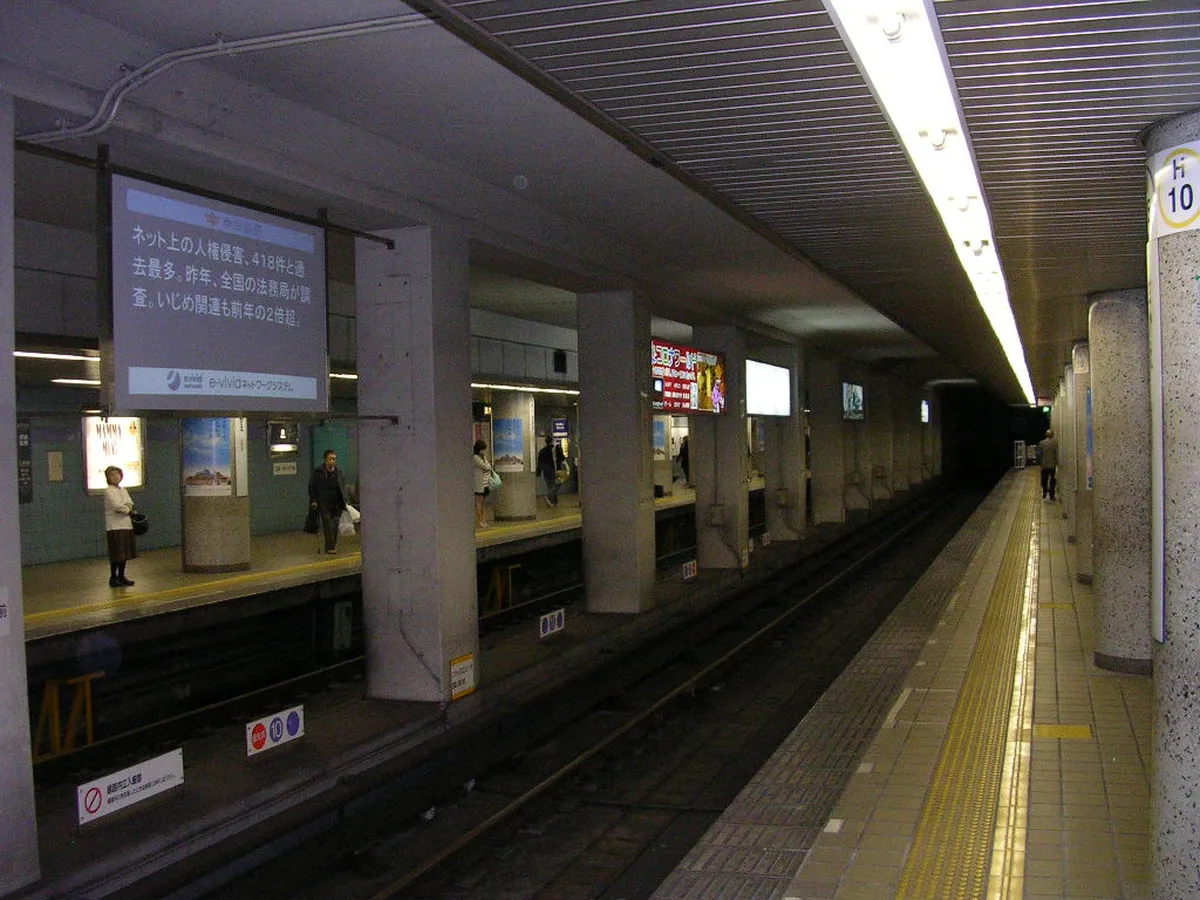
Subway entrances are marked with the subway symbol and line colors, but Nagoya Station can still feel confusing because JR, Meitetsu, Kintetsu, Aonami, and subway gates sit close together. Follow signs that say Subway or 地下鉄, not JR, unless you are deliberately using a JR train. That distinction matters because Japan Rail Passes do not work on the Nagoya Municipal Subway.
- Most useful subway lines for visitors:
- Higashiyama Line: Nagoya Station, Fushimi, Sakae, and eastern hotel areas.
- Meijo Line: loop line for Nagoya Castle, Sakae, Kanayama, and Atsuta Jingu area transfers.
- Tsurumai Line: Osu Kannon, Tsuruma Park, and connections toward northern and southern districts.
- Sakura-dori Line: quieter east-west route from Nagoya Station through Marunouchi and Hisaya-odori.
- Meiko Line: branch toward Nagoya Port Aquarium and waterfront attractions.
- Kamiiida Line: short northern line used mostly by local residents.
How to Buy a Paper Ticket (Step-by-Step)
Paper tickets are useful for one or two rides, especially if you do not want to buy an IC card. Nagoya ticket machines sell tickets by fare amount, not by destination name, so the map above the machines is part of the process. You can confirm the official ticket rules on the Transportation Bureau, City of Nagoya website.
Look for your destination station on the fare map, note the yen amount below it, then use the machine. The gate returns a regular ticket when you enter and keeps it when you exit. If you bought too cheap a ticket, use the fare adjustment machine near the exit gate before leaving.
- Use this button sequence at the machine:
- Tap English before selecting anything else.
- Choose a regular subway ticket or the day pass you want.
- Select the fare amount shown on the overhead map, such as ¥210, ¥240, ¥270, ¥310, or ¥340.
- Select the number of passengers if you are buying more than one ticket.
- Insert coins or bills, collect the ticket, and take your change.
- Insert the ticket at the entry gate and pick it up immediately on the far side.
Understanding Subway Fares and Zones
Nagoya subway fares are based on distance zones. Adult single fares in 2026 run from ¥210 for a short ride to ¥340 for the longest subway journeys, with intermediate fares of ¥240, ¥270, and ¥310. Children aged 6 to 12 usually pay about half the adult fare.
Transfers between Nagoya Municipal Subway lines count as one subway trip if you stay inside the paid area and follow signs for 乗り換え (norikae), meaning transfer. Exiting the gates usually ends the trip. That is why an IC card is easier if you plan to change lines often or are unsure which exit you need.
IC Cards: Using MANACA and Other Cards
MANACA is Nagoya's local rechargeable IC card. It works on the subway, city buses, Meitetsu, many shops, and vending machines that accept transport IC cards. A new card usually costs ¥2,000, including a ¥500 deposit and ¥1,500 usable balance.
You do not need MANACA if you already have Suica, Pasmo, ICOCA, TOICA, Kitaca, SUGOCA, nimoca, or another compatible Japanese IC card. Tap once when entering and again when exiting; the system deducts the correct fare automatically. Recharge at ticket machines outside the gates, fare adjustment machines inside the paid area, or many convenience stores.
Keep at least ¥1,000 on the card before a sightseeing day. Low balance is the most common reason a gate closes on visitors, and the display at the gate shows the remaining amount after each tap. For most travelers, an IC card is the cleanest choice unless a day ticket is cheaper for that specific day.
The Donichi Eco Kippu (¥620) covers unlimited subway and eligible city-bus rides on Saturdays, Sundays, public holidays, and the 8th of each month — the best-value day pass for most tourists. Your existing Suica, Pasmo, or ICOCA card works everywhere MANACA does; no need to buy a new card.
Nagoya Subway Lines and Key Routes
The Higashiyama Line is the main visitor line because it links Nagoya Station, Fushimi, Sakae, and the eastern side of the city. Use it for department stores, nightlife, and many stops in a Nagoya Shopping Guide: 15 Best Districts, Markets, and Tips. It is also one of the most crowded lines during commute hours, so the Sakura-dori Line can be more comfortable when both lines fit your route.
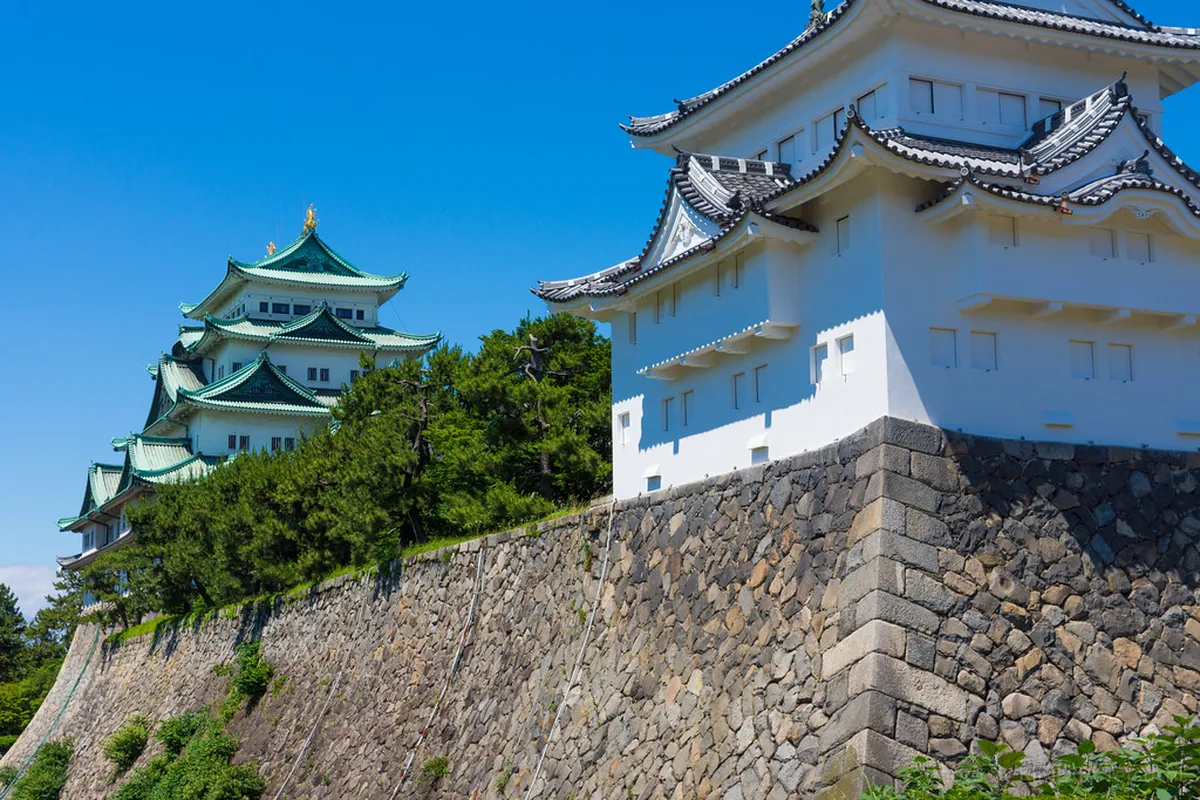
The Meijo Line is the line that causes the most first-timer mistakes. It runs as a circle, so platforms are marked Right Circle and Left Circle. Right Circle means clockwise; Left Circle means counter-clockwise. For Nagoya Castle, ride to Nagoyajo Station and use the castle signs from the gate.
The Tsurumai Line is best for Osu Kannon and local shopping streets. The Meiko Line is the branch toward Nagoya Port Aquarium. The Kamiiida Line is rarely needed unless your hotel or apartment is north of the city center.
Money-Saving Day Tickets and Passes
If you will ride three or four times in one day, compare a day ticket before using MANACA for every trip. The Donichi Eco Kippu is usually the best tourist deal on Saturdays, Sundays, public holidays, and the 8th day of each month. It costs ¥620 and covers eligible city buses and subway rides for the calendar day.
The subway-only 24-hour ticket costs ¥760 and is useful when your first ride is in the afternoon because it runs for 24 hours from first use. The bus and subway 1-day ticket costs ¥870 and is better on weekdays if you will combine subway rides with city buses. Some passes also unlock small discounts at attractions, so keep the ticket after passing through the gate.
| Ticket | Adult price | Best use |
|---|---|---|
| Subway 24-Hour Ticket | ¥760 | Subway-heavy routes over two half-days. |
| Bus and Subway 1-Day Ticket | ¥870 | Weekday sightseeing with buses and subway rides. |
| Donichi Eco Kippu | ¥620 | Weekends, holidays, and the 8th day of each month. |
For trips outside the subway network, check the route carefully before buying a local pass. A city subway ticket will not cover Meitetsu airport trains, Kintetsu trains, Aonami Line trains to LEGOLAND Japan, or most longer 10 Best Nagoya Day Trip Itineraries and Planning Tips routes.
Getting from the Airport to Nagoya City
Chubu Centrair International Airport is not on the Nagoya subway. Take Meitetsu from Central Japan International Airport Station to Meitetsu Nagoya Station, then walk into the Nagoya Station complex and follow signs for Subway or 地下鉄. Regular airport trains take about 35 minutes; the μ-SKY reserved train takes about 28 minutes.
Expect the basic fare to be around ¥980 in 2026, with an extra reserved-seat charge for μ-SKY services. A subway day ticket will not cover this airport train because Meitetsu is a separate company. If you want a prebooked option after a late flight, compare a Klook (Airport Transfer), but the train is usually the simplest daytime choice.
Navigating Nagoya Station
Nagoya Station is one of the world's largest station complexes by floor area, and it is really several stations stitched together. JR and Shinkansen platforms are above ground, Meitetsu and Kintetsu sit nearby, and the subway entrances are below the concourses. If your goal is the municipal subway, do not follow JR Central Towers signs after you leave the Shinkansen gates; look for Higashiyama Line or Sakura-dori Line signs instead.
For food, shopping, and a pause before your next train, the underground malls around Meieki are useful but easy to over-walk. That is where a nearby 21 Best Dishes and Travel Tips for Nagoya can help you choose a stop without crossing the station twice. If you are still choosing a base, staying near Nagoya Station, Sakae, or Fushimi keeps transfers simple in most 8 Best Areas and Tips for Where to Stay in Nagoya plans.
Exit Numbers, Elevators, and Sightseeing Stops
The fastest subway route is not always the best route if you have luggage, a stroller, or limited mobility. Before leaving the paid area, check the yellow station map for the exit number and elevator symbol. Some exits are close on the map but require stairs, while the elevator exit may save time and effort even if it adds one street crossing.
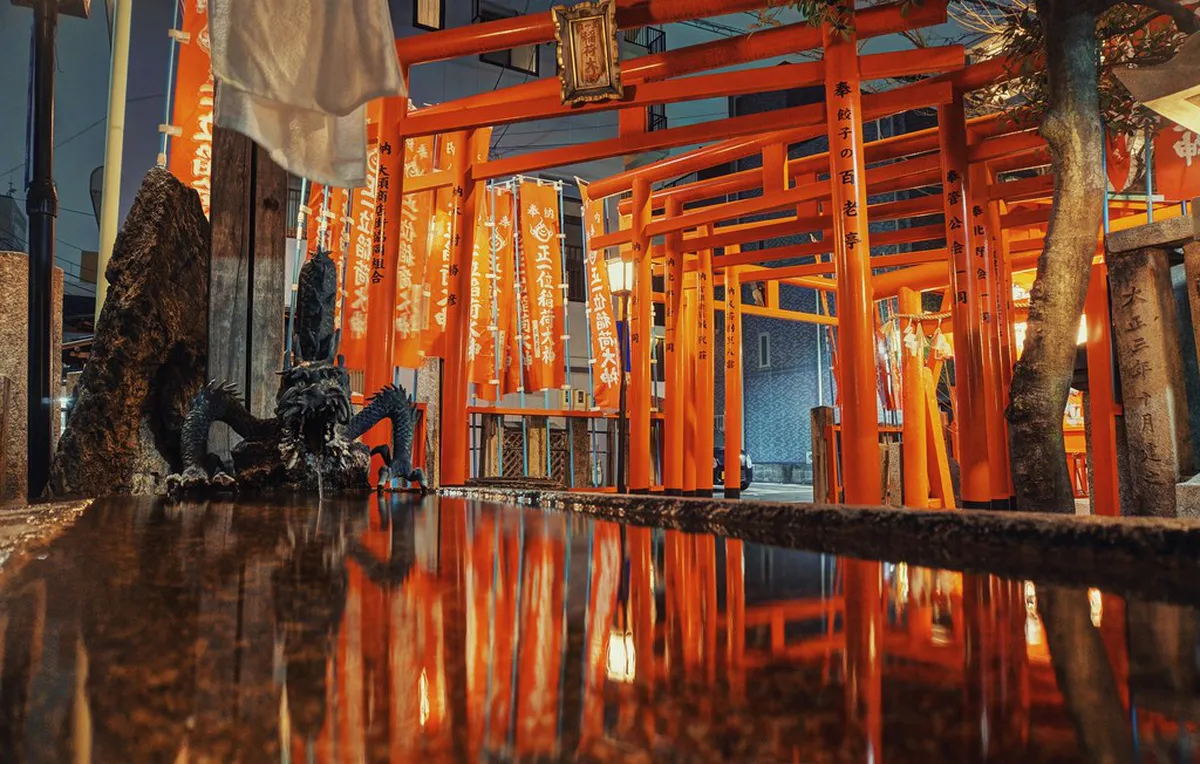
For common sightseeing stops, use Nagoyajo Station Exit 7 for Nagoya Castle, Osu Kannon Station Exit 2 for Osu Kannon, and the Sakae/Oasis 21 signs for central shopping and TV Tower. Exit planning matters because surfacing on the wrong side of a wide road can add ten minutes to a short walk. It also helps when deciding Is Nagoya Worth Visiting? My Honest 2026 Travel Review for a quick stopover, since many highlights sit close to subway exits.
If the weather is bad or you prefer cycling between nearby sights, services such as Rentalin Nagoya can work for short central routes. The subway is still better for longer hops, rush-hour rain, or reaching castle and port sights quickly.
Lockers, Lost and Found, and Common Mistakes
Coin lockers are spread through Nagoya Station, but large suitcase lockers can fill quickly on weekends and public holidays. Check locker areas near the Central Walkway, the JR side, and the underground shopping connections before committing to a long detour. If lockers are full, department-store service counters and luggage storage services around Meieki may be easier than dragging bags through Sakae.
Lost items on Japanese trains are often recovered, but report the loss to station staff as soon as possible. For subway problems, use the staffed gate or intercom near the ticket gates. Showing your ticket, IC card, and destination screen on your phone is usually enough even if you do not speak Japanese.
The Meijo Line is a loop — platforms are labelled Right Circle (clockwise) and Left Circle (counter-clockwise). Boarding the wrong direction is the most common first-timer mistake. A Japan Rail Pass is NOT valid on the Nagoya Municipal Subway; buy a separate ticket or IC card.
- Common mistakes to avoid:
- Trying to use a JR Pass on the subway. It is not valid on Nagoya Municipal Subway lines.
- Boarding the Meijo Line in the wrong circle direction. Right Circle is clockwise; Left Circle is counter-clockwise.
- Leaving the paid area during a subway transfer. Follow 乗り換え signs instead.
- Losing a paper ticket before the exit gate. Keep it separate from receipts.
- Choosing stairs with heavy luggage. Look for elevator symbols before exiting.
- Assuming airport trains are subway trains. Meitetsu airport service needs a separate fare.
Pair this with our broader Nagoya attractions guide for the full city overview.
Frequently Asked Questions
How much does the Nagoya subway cost?
Fares start at ¥210 / ~$1.40 for short trips between a few stations. Longer journeys across the city cost up to ¥340 / ~$2.25. You can pay with cash or an IC card.
Does the JR Pass work on the Nagoya subway?
No, the JR Pass is not valid on the Nagoya Municipal Subway. It only works on JR-operated lines and the Shinkansen. You must buy a separate ticket or card.
What is the best IC card for Nagoya?
The Manaca card is the best local option for travelers in Nagoya. It works on all subways and buses. You can also use Suica or Pasmo cards here.
Using the Nagoya subway is the most efficient way to see this vibrant Japanese city. With a Manaca card or a weekend pass, you can travel with total confidence. I hope this guide helps you navigate the underground network like a local expert. Enjoy your time exploring everything that Nagoya has to offer visitors.
Free: The Nagoya Essentials guide
Top things to do, where to stay, a perfect day plan, getting around, and the best time to go — a Nagoya mini-guide you can take offline.
You might also like


Continue reading
More guides you'll find useful


