

Is Nagoya Worth Visiting? Yes — Here's an Honest Review
My honest verdict: yes, if you want food over temples and fewer crowds than Kyoto or Osaka. Here's what actually makes Nagoya worth the stop.
On this page
Yes, Nagoya is worth visiting — but only if you know what you are coming for. It is not Kyoto. It does not have preserved wooden townscapes or serene temple districts on every corner. What it has is extraordinary food, a handful of genuinely important historical sites, and a pace of life that feels nothing like tourist-saturated Tokyo or Osaka.
Many travelers skip Nagoya entirely, watching it flash by from the Shinkansen window. I stayed two nights in April 2026 and left wishing I had booked a third. This guide gives you the honest picture — what to do, where to sleep, how long to stay, and who should probably visit somewhere else instead.
Is Nagoya Worth Visiting?
Nagoya is worth visiting if at least one of these applies to you: you care deeply about food, you are interested in Japan's industrial and feudal history, or you want a major Japanese city without the crowds. If you need a postcard-perfect backdrop of cherry blossoms and wooden machiya streets, you will be disappointed. Kanazawa or Kyoto serve that better.
The city was heavily bombed during World War II. Between 1942 and 1945 only Tokyo received more firebombing than Nagoya, which is why the modern cityscape feels functional rather than atmospheric. Wide boulevards, underground malls, and glass office towers replaced what once stood here. That history is actually worth understanding before you arrive — it reframes the city as a place of rebuilding, not a place that never had character.
What survived, and what was rebuilt with care, is genuinely impressive. Nagoya Castle's Honmaru Palace reconstruction is one of the finest examples of Edo-period court architecture in Japan. Atsuta Shrine draws more annual visitors than Kyoto's Kinkaku-ji. The food culture here is unique enough to have its own name. These things matter.
- Visit Nagoya if: you want great food, industrial history, and crowd-free sightseeing
- Skip Nagoya if: you only have 5–7 days in Japan and want traditional wooden architecture throughout
- Best alternative: Kanazawa for compact heritage, Hiroshima for powerful history
The Best Things to Do in Nagoya
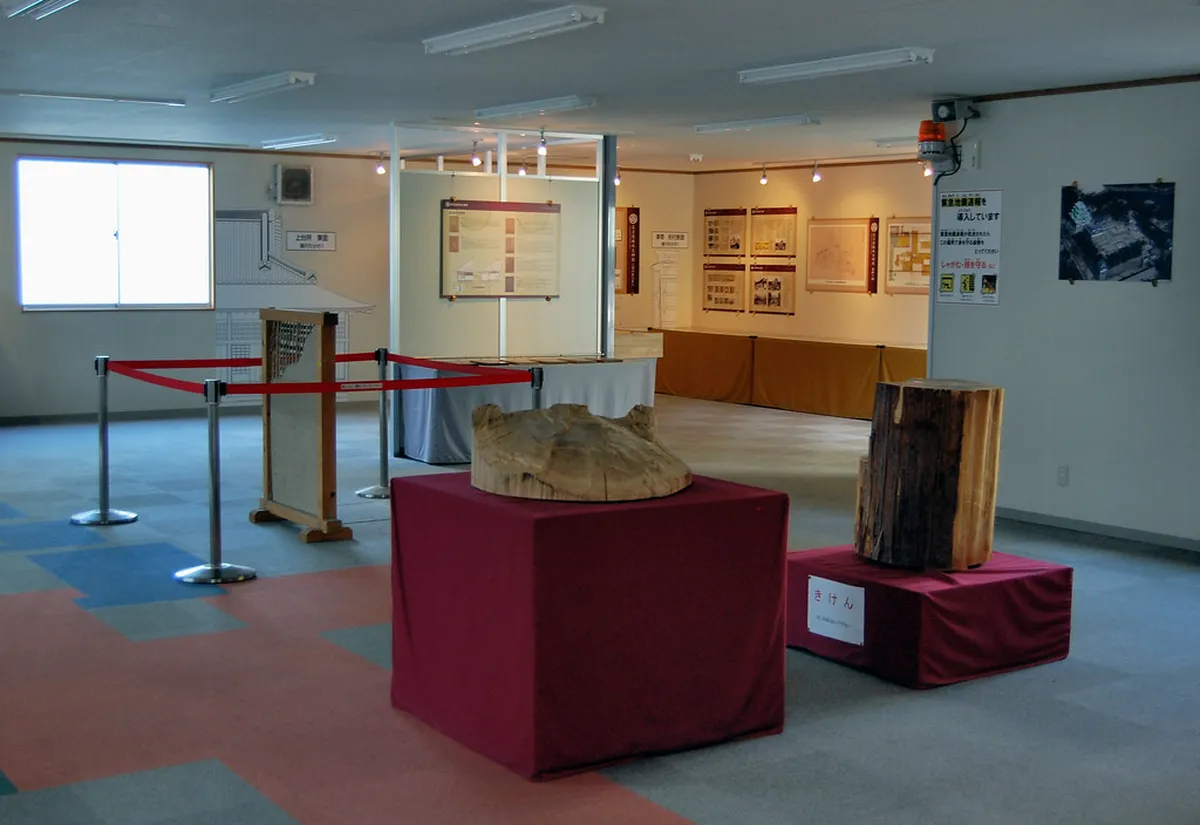
Atsuta Shrine — Japan's second most important Shinto site — is free to enter and just 10 minutes from Nagoya Station via the Meitetsu Line. Arrive before 09:00 to have it almost to yourself. Nagoya Castle's Honmaru Palace reconstruction (open 09:00–16:30, ¥500) is the real draw — photography without flash is permitted, unlike Nijo Castle in Kyoto.
Start at Nagoya Castle, but do not rush through it. The main tower is currently closed for seismic reinforcement, but the Honmaru Palace next to it is the real draw anyway. The reconstruction faithfully reproduces the 1615 original with gold-leaf ceiling paintings, tatami corridors, and nightingale floors. Photography without flash is permitted, which sets it apart from Nijo Castle in Kyoto. Entry is 500 JPY, open 09:00–16:30. Check out this Nagoya Castle Visiting Guide: 8 Things to Know for the best photo spots and entry tips.
Atsuta Shrine is Japan's second most important Shinto site after Ise Grand Shrine, yet most international visitors treat it as a footnote. The shrine houses the sacred sword Kusanagi-no-Tsurugi, one of the three Imperial Treasures of Japan. The grounds are forested and calm. Admission is free and it is just 10 minutes from Nagoya Station via the Meitetsu Line. Arrive before 09:00 to have it nearly to yourself. You can find more shrines and temples in Nagoya here.
Food is the core reason to visit. Nagoya Meshi — the regional cuisine — is unlike anything in Tokyo or Osaka. Try hitsumabushi (grilled eel served four ways over rice) at a riverside restaurant near Atsuta, misokatsu (pork cutlet drenched in red miso sauce) at Yabaton on the 9th floor of Meitetsu Department Store, and kishimen (flat wheat noodles in dashi broth). Consult this guide to Nagoya Meshi to find the best local eateries for each dish.
Beyond the classics, the SCmaglev and Railway Park and the Toyota Commemorative Museum of Industry and Technology are genuinely world-class if you have any interest in engineering. Find more at museums in Nagoya. The city also contains Osu Kannon, a 12th-century temple adjacent to a covered arcade packed with vintage clothing shops, street food, and electronics stalls — a very different energy from the station area.
- Nagoya Castle + Honmaru Palace: 500 JPY, 09:00–16:30, main tower currently closed
- Atsuta Shrine: free, open daily, 10 min from Nagoya Station via Meitetsu Line
- Misokatsu at Yabaton: Meitetsu Department Store 9F, no reservation needed before 17:00
- Osu Kannon + shopping arcade: free entry, best visited on weekday afternoons
Shikemichi: The Neighborhood That Survived the Bombs
Most visitors to Nagoya miss Shikemichi entirely. This small pocket of the city, encircled by the Hori River, a train line, and two major streets, somehow escaped the WWII firebombing that leveled almost everything around it. The narrow laneways are lined with dark wooden townhouses that look exactly like what you expected Nagoya to look like before you arrived.
It takes about 20 minutes to walk through at a slow pace. There are a handful of cafes and small craft shops. The real value is experiential: this is what Nagoya looked like in the Edo period, and it survived by geographic luck. No tour buses come here. I had the whole street to myself on a Thursday morning in April.
To get there from Nagoya Castle, walk northwest along Hori River for about 15 minutes. The best time is late morning before lunch crowds arrive at the nearby shotengai arcade on Endoji Street.
How Many Days in Nagoya Is Enough?
One day is not enough. A day trip from Kyoto or Tokyo lets you see the castle and one shrine, but you will miss the evening food culture and feel rushed the entire time. Two nights is the practical minimum if you want to cover the castle, Atsuta Shrine, Osu, and at least two proper Nagoya Meshi meals. You can use this Nagoya Itinerary 2026: Plan Your Perfect 3 to 5 Day Trip to plan your specific daily route.
Three days makes sense if you plan to add Ghibli Park (located in Nagakute, 30 minutes east by Metro Higashiyama Line and bus) or a day trip to Inuyama. Ghibli Park requires advance ticket booking — slots fill months ahead for the main Ghibli's Grand Warehouse section. Check out this Ghibli Park from Nagoya Guide: 10 Essential Tips for the booking process step by step. I suggest looking at 10 Best Nagoya Day Trip Itineraries and Planning Tips for more regional options.
Staying overnight also lets you experience the Nagoya Nightlife Guide 2026: Best Bars, Clubs & Izakayas in the Sakae district and the famous "Morning Service" breakfast culture. Local kissaten (old-style coffee shops) serve free toast and a boiled egg with every hot drink ordered before 11:00. It is a deeply Nagoya thing that no one in Tokyo does.
- Day trip: castle + 1 shrine, feels rushed, misses food culture
- 2 nights: comfortable coverage of main city sites + proper dining
- 3 nights: add Ghibli Park, Inuyama, or a half-day in Tokoname
Where to Stay in Nagoya
The area around Nagoya Station is the most convenient choice for transit access. You will reach the Shinkansen, local subway lines, and the Meitetsu Line to Atsuta Shrine all within a 5-minute walk. Most major hotel chains are clustered here, and prices are lower than equivalent properties in Osaka or Kyoto. Read my guide on 8 Best Areas and Tips for Where to Stay in Nagoya for specific hotel recommendations by budget.
Sakae is the better choice if you want to be near restaurants, bars, and the covered shopping arcades. It is one subway stop from Nagoya Station and home to the Oasis 21 complex and Mirai Tower. The Lamplight Books Hotel, a boutique property with a curated library and stylish rooms, is one of the more distinctive options in this district. Budget travelers will find clean business hotels for 6,000–8,000 JPY per night in the side streets.
Osu is worth considering if you are staying three or more nights. Walking distance to the Osu Kannon temple and the arcade, and slightly removed from the station crowds, it offers a calmer neighborhood feel. A clean mid-range business hotel here runs 7,000–9,000 JPY per night.
- Nagoya Station area: best for transit connections and bullet train access
- Sakae: best for dining, nightlife, and central walkability
- Osu: best for a local neighborhood feel over multiple nights
- Kanayama: budget option, 5 minutes south of Sakae by subway
When to Visit Nagoya
| Season | When | Verdict | Key Note |
|---|---|---|---|
| Best | May, October | Mild, uncrowded, clear skies | Ideal for outdoor sightseeing |
| Good | Mar–Apr, Nov | Cherry blossoms / autumn leaves | Busier; book ahead for Golden Week |
| Avoid | Jul–Aug | Extreme heat and humidity | 35°C+ in a basin; plan indoor mornings |
| Quietest | Jan–Feb | Cold, best hotel deals | Good for indoor attractions |
Summer (July–August) is genuinely uncomfortable — Nagoya sits in a basin that traps heat and humidity, with temperatures regularly reaching 35°C. Golden Week (late April to early May) causes sharp hotel price increases and busier public transport; book at least three weeks ahead if visiting then.
May and October are the best months. Temperatures are mild, skies are clear, and the parks are pleasant without the humidity or crowds of peak season. I visited in late April and found the castle grounds largely empty on weekday mornings, with comfortable walking weather throughout the day.
March and April bring cherry blossoms and significant domestic tourist traffic, particularly around Nagoya Castle. November draws visitors for autumn foliage, though peak colors in this part of central Japan often extend into late November, later than most travelers expect. Golden Week (late April to early May) causes sharp hotel price increases and busier public transport — book at least three weeks ahead if visiting then.
Summer (July–August) is genuinely uncomfortable. Nagoya sits in a basin that traps heat and humidity. Temperatures regularly reach 35°C and the combination with humidity makes outdoor sightseeing unpleasant before 10:00 or after 16:00. If you must visit in summer, plan morning-only outdoor activity and use the underground mall network during peak heat.
- Best: May, October (mild, uncrowded, clear skies)
- Good: March–April (cherry blossoms, busier), November (autumn leaves)
- Avoid: Golden Week (expensive), July–August (extreme heat and humidity)
- Quietest: January–February (cold, good hotel deals)
Nagoya as a Gateway: Offbeat Japan Within Reach
Nagoya's central location on the Tokaido Shinkansen line and the Chuo Line makes it one of the best bases in Japan for day trips. Inuyama is 30 minutes north by the Meitetsu Inuyama Line and has one of Japan's 12 original unmodified castle towers, significantly older and more atmospheric than Nagoya's own reconstructed one. The castle town below it has preserved Edo-period streets and a river walk.
Tokoname, 30 minutes south by train, is a pottery town with a walking trail past old kilns and the famous giant ceramic cat. The Nobunaga historical trail connects Nagoya to several sites related to the warlord's rise, worth following if you have an interest in the Sengoku period. For mountain scenery, the Japanese Alps are accessible by express train from Nagoya Station, making Matsumoto a viable day trip or overnight add-on to a Nagoya base.
The Bottom Line
Nagoya is not a city that sells itself on first impressions. The wide streets and glass towers do not look like the Japan of travel posters. But it delivers on food, on history if you look for it, and on the simple pleasure of moving through a major Japanese city without fighting for space at every turn.
Go for the misokatsu, stay for Shikemichi, and spend a morning at Atsuta Shrine before the tour groups arrive. Two nights is the right call for most visitors. If you have already done Tokyo, Kyoto, and Osaka, Nagoya is the most rewarding city to add next.
- Food: 10/10
- History: 7/10 (mostly hidden, worth seeking out)
- Value: 9/10
- Crowds: low — a genuine advantage
Use our Nagoya attractions hub to plan the rest of your trip.
Frequently Asked Questions
Is Nagoya Castle worth visiting if it is a reconstruction?
Yes, the castle is worth visiting for the magnificent Honmaru Palace reconstruction. The interior features stunning gold-leaf artwork and traditional architecture. Entry costs 500 yen for adults.
How far is Kyoto from Nagoya?
Kyoto is very close to Nagoya by train. The Shinkansen takes only 35 minutes to travel between the two cities. This makes Nagoya a very accessible stop on a standard Japan rail route.
What is Nagoya famous for?
Nagoya is famous for its unique red miso cuisine and the Toyota Motor Corporation. It is also known as the home of the sacred Atsuta Shrine. The city is a major hub for Japanese manufacturing.
Nagoya often gets an unfair reputation for being a boring industrial city. My visit proved that it is actually a vibrant hub with some of Japan's best food. I recommend giving it a chance on your next trip through central Japan.
Whether you come for the maglev trains or the miso pork, you will find value here. The lack of crowds makes for a much more peaceful travel experience. I hope this review helps you decide if Nagoya fits your travel style.
Free: The Nagoya Essentials guide
Top things to do, where to stay, a perfect day plan, getting around, and the best time to go — a Nagoya mini-guide you can take offline.
You might also like


Continue reading
More guides you'll find useful


