

Ghibli Park from Nagoya Guide: 10 Essential Tips
Master your Ghibli Park trip from Nagoya with our guide to tickets, the Linimo maglev, area maps, and pro tips for the Grand Warehouse.
On this page
Nagoya is the easiest base for Ghibli Park because the park sits east of the city in Nagakute, inside Expo 2005 Aichi Commemorative Park. This ghibli park from nagoya guide focuses on the decisions that matter before you go: which ticket to buy, how to time Ghibli's Grand Warehouse, whether the Linimo or bus makes more sense, and where to stay so the morning transfer is not stressful.
Ghibli Park is not a ride-heavy theme park. It is a spread-out collection of film worlds, detailed houses, photo rooms, forest paths, cafes, and small attractions that reward slow looking. In 2026, the biggest planning mistake is treating the Grand Warehouse entry time as the start of your whole visit. It is only the timed entry for that one indoor area, while the rest of your route depends on your pass, stamina, and crowd flow.
Ghibli Park Map
Ghibli Park is divided into five ticketed areas scattered across the wider Moricoro Park grounds. Ghibli's Grand Warehouse is the main indoor hub, with film scenes, temporary exhibitions, Cinema Orion, shops, and the photo sets most first-timers have seen online. Use the Ghibli Park Official (English) site before your visit because maps, operating notices, and special exhibition closures can change during 2026.
Hill of Youth sits near the main approach from Ai-Chikyuhaku Kinen Koen Station and covers Whisper of the Heart and The Cat Returns. Dondoko Forest is farther out and centers on Satsuki and Mei's House from My Neighbor Totoro. Mononoke Village is compact but useful for families because it has outdoor play elements and the Tatara-ba food experience. Valley of Witches is the largest outdoor-feeling zone, with Howl's Castle, Kiki's bakery, the Okino Residence, the Flying Oven, and several paid rides or activities.
The map matters because this is not one enclosed park gate with everything branching from a central plaza. You will repeatedly leave one themed area, walk through the public park, then queue again at another ticket checkpoint. Review the Grand Warehouse Details before locking your route because the Warehouse can absorb two to three hours by itself if you want photos, the short film, the Arrietty area, and souvenir shopping.
- Start with your Grand Warehouse time, then build the rest of the map around it instead of walking back and forth across the park.
- Allow 5 to 10 minutes between nearby areas, and more if you are moving with children, a stroller, or a mobility device.
- Photograph a map board when you arrive. Some walking paths through Moricoro Park are easier to follow with a visual reference.
- Keep Dondoko Forest and Hill of Youth out of the final hour if you care about them; official guidance warns these areas can be crowded late in the day.
Building a Nagoya stay around Ghibli Park
Nagoya is often treated as a transit stop between Tokyo and Kyoto, but it works well as a two-night base for Ghibli Park. Arrive the night before, visit the park as a full-day outing, then use the following morning for the city before moving on. Explore our 10 Best Nagoya Day Trip Itineraries and Planning Tips if you want to pair the park with Inuyama, Tokoname, Toyota, or another Aichi-area side trip.
The city also gives Ghibli fans useful backup plans if rain, ticket timing, or fatigue changes the day. Nagoya Castle, Osu shopping streets, the Tokugawa Art Museum, and Sakae’s department stores are easier to handle than adding a second long excursion after the park. Our Nagoya Culture and Traditions Guide: Exploring Aichi’s Heritage is a better follow-up than forcing another theme-park-style activity into the same evening.
If you are comparing Studio Ghibli stops across Japan, remember that Ghibli Park and the Tokyo museum solve different travel goals. Ghibli Park is larger, more physical, and more dependent on route planning. The museum is more compact and animation-focused, so fans doing both should avoid expecting the same pacing or ticket system.
Getting to Ghibli Park by subway and Linimo
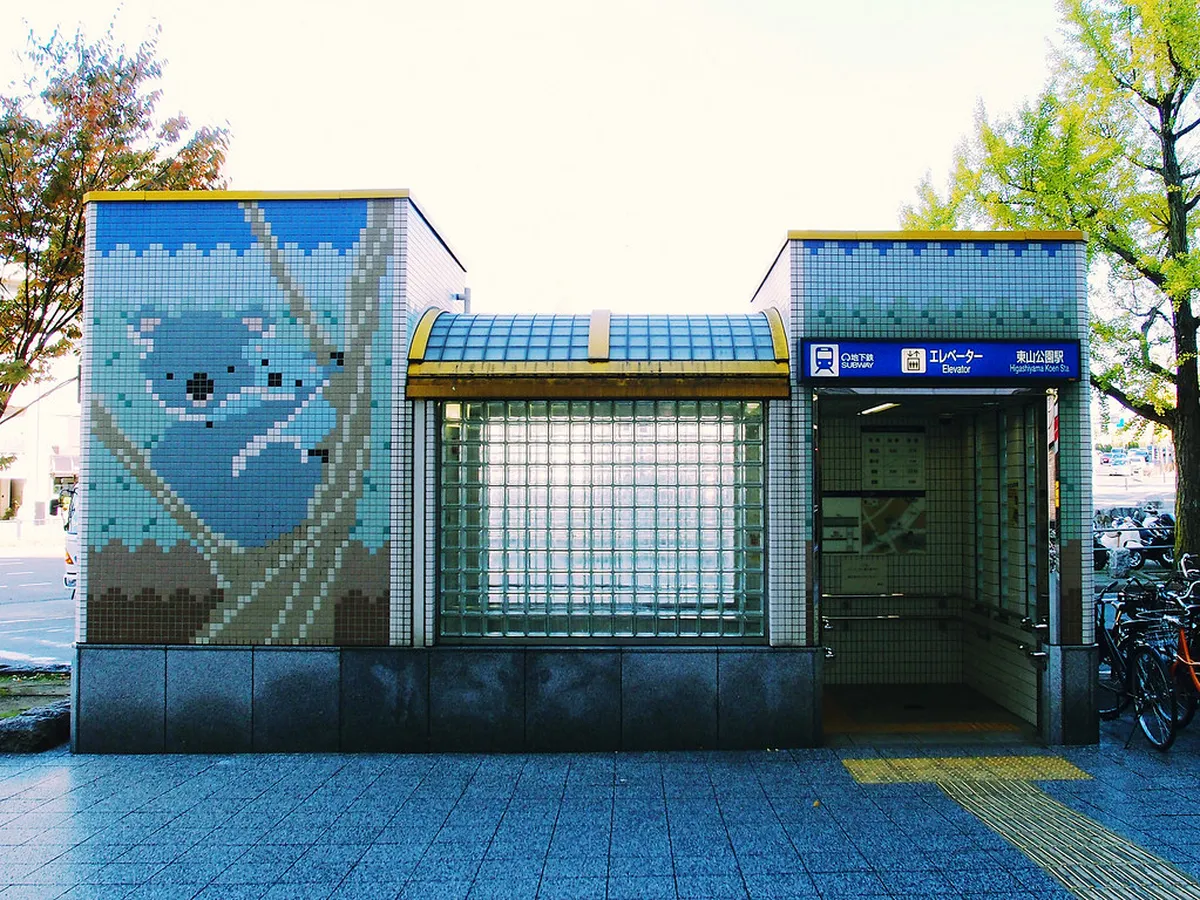
The standard route starts at Nagoya Station on the Higashiyama Subway Line. Ride east to Fujigaoka, then transfer to the Linimo for Ai-Chikyuhaku Kinen Koen Station. Our guide on How To Use Nagoya Subway: A Complete Guide to Tickets & Lines helps with the first leg if you are not used to Nagoya's station layout. The whole trip usually lands around 50 to 60 minutes once you include walking and the transfer.
The Linimo station exit is the cleanest arrival point because the park is just outside Exit 2. From there, you pass the public park approach before reaching the Ghibli areas. If you have a morning Grand Warehouse slot, build in buffer time for ticket checks and orientation. If your Warehouse time is later, you can enter other eligible areas first, then work back toward the indoor hub.
Do not plan this as a casual half-day from Tokyo unless you are comfortable with a very long day. The Shinkansen to Nagoya is fast, but the subway and Linimo leg adds about another hour each way. Staying overnight in Nagoya keeps the visit closer to the rhythm the park expects: arrive early, walk all day, eat either inside the park or back in town, then rest.
About Osu no Mori Cafe Kodama (Unofficial Ghibli Cafe)
Tickets go on sale two months in advance on the 10th at 14:00 Japan time and cannot be purchased at the park entrance. Set a reminder and book as soon as your month opens — popular slots sell out within hours.
Older Ghibli Park itineraries often send fans to Osu no Mori Cafe Kodama after the park. That advice needs a 2026 status check because the unofficial cafe is currently closed to the public. Do not build your dinner plan around it unless you verify a reopening through its own channels close to your travel date. Osu is still worth visiting for shopping and food, but it should not be treated as a guaranteed Ghibli stop.
The better thematic alternatives are inside Ghibli Park itself. Transcontinental Flight Cafe in Ghibli's Grand Warehouse is the most practical meal stop because it is indoors and attached to the area where many visitors spend the longest time. Valley of Witches has stronger atmosphere through the Flying Oven and Kiki's bakery, but those queues can become part of your route planning rather than a quick snack break.
If you are visiting with children, eat before everyone is hungry. Ghibli Park rewards patience, and food lines can feel longer when you are also trying to protect a timed Warehouse slot. Bring small snacks for the public Moricoro Park areas, but follow posted rules about where outside food and drinks are allowed inside the ticketed Ghibli zones.
Train, bus or taxi: choosing your route
The Nagoya-only hack is to compare the train route with the Meitetsu Bus instead of assuming the subway is always best. The train is frequent and usually the safest default, while the bus is transfer-free from Meitetsu Bus Center near Nagoya Station to Expo 2005 Aichi Commemorative Park. Check our 20 Best Nagoya Attractions list if you are grouping Ghibli Park with other sights on the same stay.
For most travelers, the Higashiyama Line plus Linimo costs about 670 yen and gives you the most departure flexibility. The tradeoff is the Fujigaoka transfer, which can be annoying with children, luggage, or a tight morning slot. The Meitetsu Bus is easier physically because you board once and get off near the park, but official 2026 guidance lists a limited number of daily shuttles and cashless payment rules on these routes. It is convenient only if the timetable fits your entry plan.
| Route | Best use | Time and cost |
|---|---|---|
| Higashiyama Line plus Linimo | Best for frequent departures, lower cost, and an easy fallback if you miss one connection. | About 50 to 60 minutes from Nagoya Station, around 670 yen. |
| Meitetsu Bus | Best for a direct ride from downtown, especially with young children or mobility fatigue. | Usually about 40 to 50 minutes, but limited departures and cashless rules make the timetable important. |
| Taxi | Best only when the group values door-to-door convenience more than budget. | Fast on a quiet road, but far more expensive and still exposed to traffic near opening. |
The surrounding area: Aichi Commemorative Park
Ghibli Park sits inside Aichi Commemorative Park, also called Moricoro Park, the former Expo 2005 site. That setting is part of the experience. You walk between Ghibli areas through a public park with lawns, forest paths, rest spaces, playgrounds, gardens, and seasonal scenery. Some public areas can be enjoyed without a Ghibli ticket, which helps if your group splits up or someone needs a quieter break.
The surrounding park also explains why the day feels more tiring than the map first suggests. You are not only standing in exhibit queues; you are moving between separate zones outdoors. Summer heat, winter wind, and rain all change the difficulty. Bring water, check the forecast, and assume the public-park walking time is part of the attraction rather than dead time.
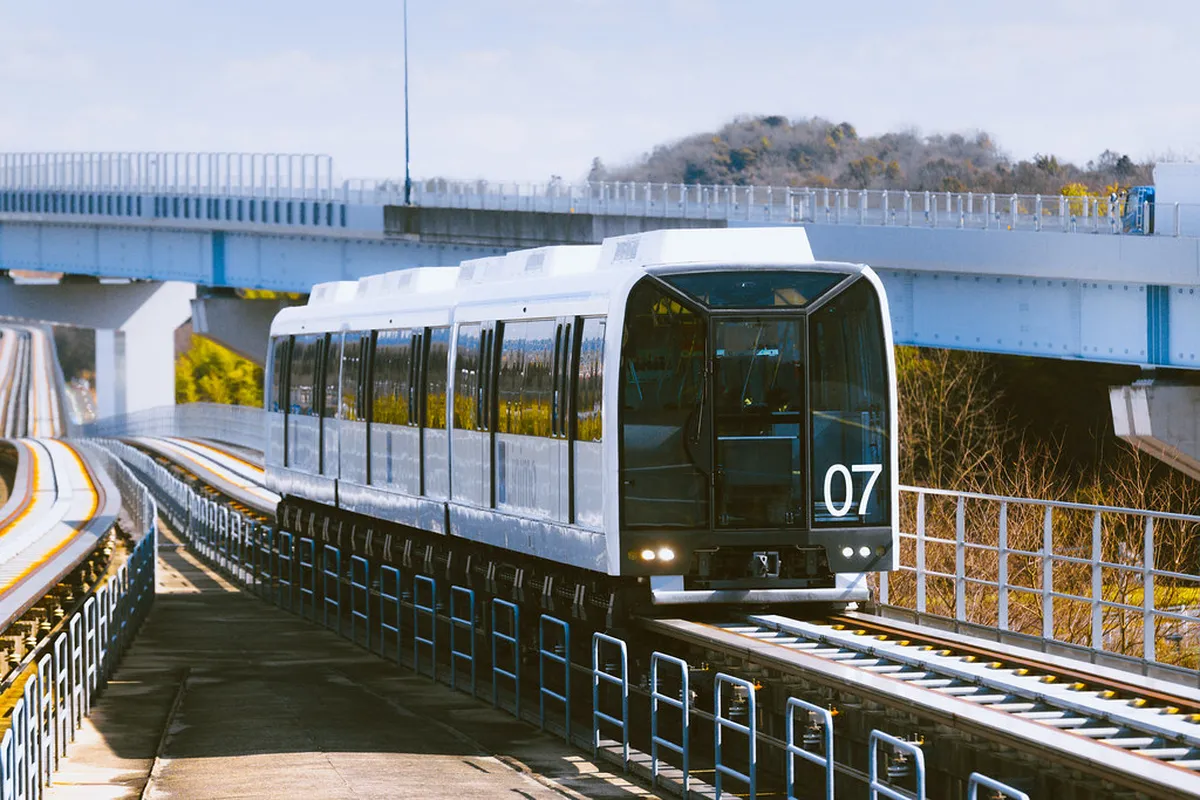
The Linimo is a small highlight in its own right. It is Japan's only commercial maglev train, and the smooth elevated ride makes the commute feel more memorable than a normal suburban transfer. Pro Tip: sit or stand near the front when it is not crowded for the best view along the elevated track toward the park. The Linimo is not covered by the JR Pass, so treat it as a separate local fare.
How to navigate the park
Most first-timers want the earliest possible Grand Warehouse entry, but that can put you in the same 10:00 rush as everyone else. A better reverse-flow strategy is to book a late morning or early afternoon Warehouse slot, then start with Hill of Youth, Valley of Witches, Mononoke Village, or Dondoko Forest depending on your pass. Check the Ticket Information page before choosing because only Ghibli's Grand Warehouse has an assigned entrance time, and you must enter it within the allowed window.
Pass choice is the other major decision. The O-Sanpo Day Pass Premium gives access to all five areas and the major interior buildings, including World Emporium, Satsuki and Mei's House, Okino Residence, Howl's Castle, and The House of Witches. In 2026, official overseas prices list adults at 7,300 yen on weekdays and 7,800 yen on weekends and holidays. The O-Sanpo Day Pass Standard costs 3,300 yen on weekdays and 3,800 yen on weekends and holidays, but it covers only Ghibli's Grand Warehouse, Mononoke Village, and Valley of Witches, with same-day paid tickets required for some Valley of Witches buildings if available.
| Pass | Pros | Tradeoffs |
|---|---|---|
| Premium Pass | Best if you are traveling specifically for Ghibli, want the famous interiors, and can commit the whole day to the park. | Costs more and requires a route that uses all five areas well. |
| Standard Pass | Enough if your priority is the Grand Warehouse, Valley of Witches atmosphere, Mononoke Village, cafes, shops, and photos. | You should not plan the trip around Howl's Castle interiors, World Emporium, or Satsuki and Mei's House. |
| Same-day Valley building tickets | Useful for Standard Pass holders who want a shot at Okino Residence, Howl's Castle, or The House of Witches. | Limited availability, extra fees, and no guarantee once sales end. |
Tickets go on sale two months in advance on the 10th at 14:00 Japan time, and tickets cannot be purchased at the park entrance. The Grand Warehouse photo sequence also needs its own plan. Go first to the Central Exhibition Room if the No-Face train scene matters to you, because that queue can grow quickly. After that, move to the Arrietty rooms, the Laputa robot soldier area, Cinema Orion, and the Yubaba office-style details before shopping. Photography rules vary by building, so treat the Warehouse as your main photo zone and expect many premium interiors elsewhere to prohibit photos.
Booking a tour can simplify the day if your date is fixed and official tickets are gone. Consider the Klook Ghibli Tour as a backup for bundled entry and transport, but read the included areas carefully. Some tours do not equal a full Premium Pass day, and the value depends on whether they cover the exact zones you care about.
What to Pack for Your Trip to Japan
The O-Sanpo Day Pass Premium (¥7,300 weekdays / ¥7,800 weekends) covers all five areas including the premium interiors. The Standard Pass (¥3,300 / ¥3,800) covers only Ghibli's Grand Warehouse, Mononoke Village, and Valley of Witches — skip it if Howl's Castle interiors are a priority.
Comfortable walking shoes are the most important item for Ghibli Park. The park is massive, and the day combines station transfers, outdoor paths, standing queues, and indoor exhibit time. Avoid new shoes, thin sandals, or anything slippery in rain. The most comfortable visitors are the ones who dress for a park walk first and a photo day second.
Bring a charged phone and a portable power bank. You need your phone for digital tickets, maps, train routing, photos, and checking any same-day notices. Screenshots may not be enough for ticket checks, so keep mobile data available. A small crossbody bag is easier than a large backpack in narrow interiors and queues.
- Pack a compact umbrella or light rain shell because many transfers between areas are outdoors.
- Carry a refillable bottle, but check rules before eating or drinking inside ticketed areas.
- Bring a passport or valid ID because tickets may be checked against the named purchaser.
- Use a small towel in summer and warm layers in winter because Moricoro Park is exposed between zones.
- For families, pack snacks for the public park sections, but do not rely on every themed food stop being quick.
Where to Stay in Nagoya
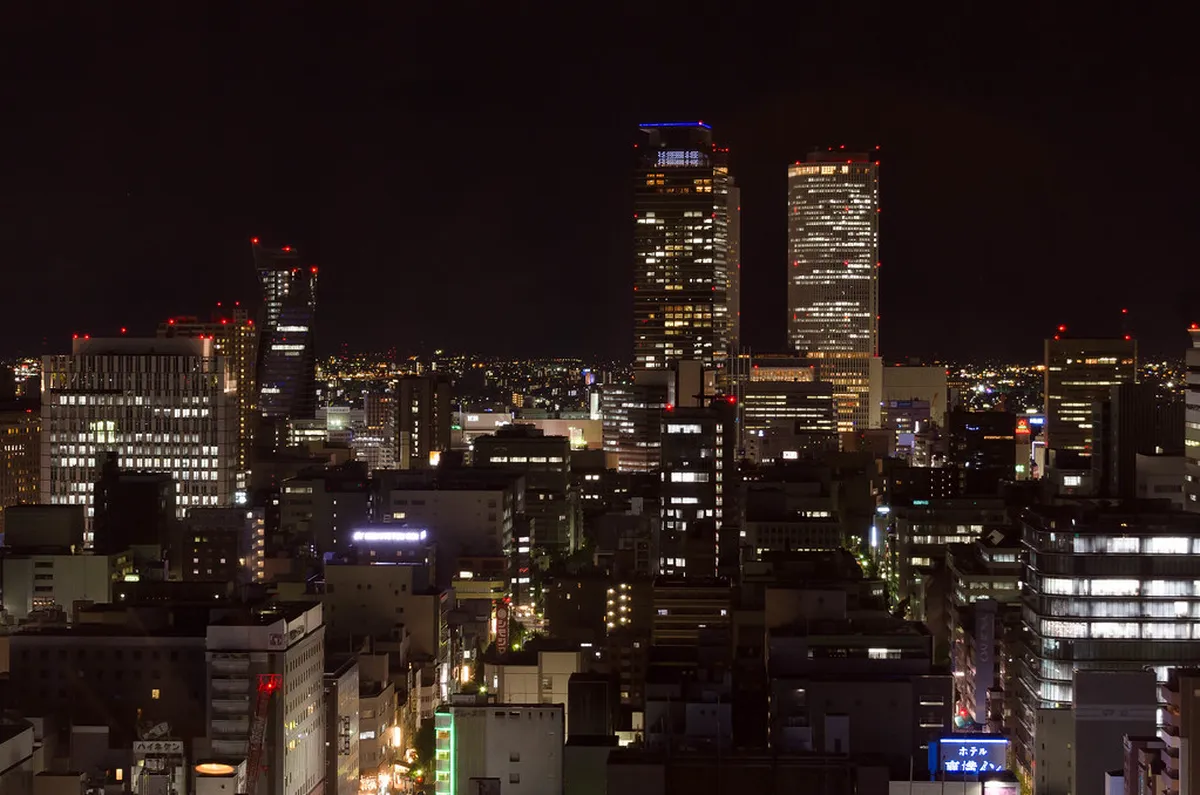
Stay near the Higashiyama Line if Ghibli Park is the main reason for your Nagoya stop. Nagoya Station is the most convenient choice for Shinkansen arrivals, luggage storage, and the Meitetsu Bus option. Sakae is better if you want restaurants, shopping, and nightlife after the park. Check our guide on 8 Best Areas and Tips for Where to Stay in Nagoya for specific hotel areas and tradeoffs.
Higashiyama Line access matters because it removes one layer of morning friction. From Nagoya Station or Sakae, you can ride directly toward Fujigaoka, transfer to Linimo, and reach the park without crossing town first. Hotels near Fushimi can also work, but confirm the route because some stays that look central on a map add extra transfers before the Ghibli commute even begins.
Book the night before your park visit, not only the night after. The ticket release time and pass type get most of the attention, but sleep is the quieter planning advantage. If you arrive in Nagoya late, choose a hotel with easy station access and simple breakfast options. The park day is long enough without adding a rushed hotel change, coin-locker search, or cross-city taxi before 09:00.
Frequently Asked Questions
How do I get from Nagoya Station to Ghibli Park?
Take the Higashiyama subway line to Fujigaoka Station. Transfer to the Linimo Maglev line and get off at Ai-Chikyuhaku-Kinen-Koen Station. The total trip takes about 50 minutes. You can find more details in our Nagoya itinerary guide.
Can you buy Ghibli Park tickets at the gate?
No, you cannot buy tickets at the park entrance. All tickets must be reserved in advance through the official website or authorized travel agents. Tickets are linked to specific entry times and often sell out months ahead of time.
Is Ghibli Park better than the Ghibli Museum?
Ghibli Park is much larger and focuses on immersive environments and life-sized sets. The Ghibli Museum in Tokyo is more intimate and focuses on the animation process itself. Both offer unique experiences that fans of Studio Ghibli will appreciate differently.
How much time do you need at Ghibli Park?
You should plan to spend a full day at the park to see all five areas. Most visitors spend 6 to 8 hours exploring the exhibits and walking between zones. Arriving early ensures you have enough time for the Grand Warehouse and outdoor forests.
Visiting Ghibli Park from Nagoya works best when you treat it as a full-day logistics puzzle with a beautiful reward. Buy tickets as soon as your month opens, choose Premium only if the interiors matter, use the Linimo or Meitetsu Bus according to your morning plan, and protect enough time for the Grand Warehouse photo sets. The smoother your route feels, the more attention you can give to the small Studio Ghibli details that make the park worth the trip.
Free: The Nagoya Essentials guide
Top things to do, where to stay, a perfect day plan, getting around, and the best time to go — a Nagoya mini-guide you can take offline.
You might also like


Continue reading
More guides you'll find useful


