

Nagoya Culture and Traditions Guide: Exploring Aichi’s Heritage
Discover the best of Nagoya's culture and traditions. From samurai history and Arimatsu tie-dyeing to the famous 'Morning Service' and modern art museums.
On this page
Nagoya is where samurai heritage, workshop craft, factory-era precision, and a confident modern arts scene meet. Tokyo and Kyoto usually get the first-time attention, but Nagoya gives cultural travelers a more practical view of how central Japan works. This nagoya culture and traditions guide focuses on the places, foods, etiquette, and booking details that matter when you are planning a real visit in 2026.
The city grew around the Owari Tokugawa family, then became one of Japan's great manufacturing centers. That history explains why Nagoya can feel both formal and experimental. You can move from castle screens and shrine rituals to shibori workshops, record shops, jazz bars, and miso-rich comfort food in a single day.
Nagoya's Cultural Identity: A Blend of Tradition and Modernity
Nagoya's identity is built on a useful tension: it is industrial without being culturally flat, and historical without feeling frozen. Tokugawa Ieyasu ordered Nagoya Castle in the early 1600s, and the Owari Domain became one of the most important Tokugawa branches. That political past still shapes the city's pride, its museums, and its taste for careful workmanship.
Modern Nagoya is also defined by engineering, ceramics, textiles, and car culture. The same respect for process that appears in Arimatsu-Narumi Shibori or folding-fan production also appears in Aichi's manufacturing reputation. For visitors, this means the strongest cultural days combine old and new rather than treating them as separate themes.
Compared with Kyoto, Nagoya is less ceremonial on the surface. Compared with Tokyo, it is easier to read at street level. The reward is a city where castle history, shrine etiquette, cafe customs, markets, and music venues feel connected to everyday local life.
Must-See Nagoya Attractions: Landmarks and Sacred Spaces
Start with Nagoya Castle because it gives the city its historical frame. The golden shachihoko on the roof are the visual icon, but the restored Honmaru Palace is the more rewarding cultural stop. Its screen paintings, carved transoms, and reception rooms show how the Owari Tokugawa displayed status through design. Read our Nagoya Castle Visiting Guide: 8 Things to Know before choosing your route through the grounds.

Atsuta Jingu adds the sacred side of Nagoya's story. The shrine is associated with the Kusanagi-no-Tsurugi, one of Japan's Imperial Regalia, and the wooded approach feels calm even when the surrounding city is busy. Bow lightly before passing through a torii gate, rinse hands at the purification basin if you use it, and keep photos away from restricted shrine areas.
Osu Kannon is less quiet and more urban. The temple anchors the Osu shopping district, where religious space, antiques, street snacks, electronics, and vintage fashion sit side by side. Check our 10 Best Sites and Tips for Nagoya Shrines and Temples if you want to add Yagotosan Koushoji Temple, whose five-story pagoda is an Important Cultural Property.
Museums, Art, and Culture in Nagoya: From Samurai to Modernity
The Tokugawa Art Museum is the strongest museum choice for understanding samurai-era Nagoya. Its collection comes from the Owari Tokugawa family and includes armor, swords, lacquerware, tea utensils, Noh costumes, and the 12th-century Tale of Genji Illustrated Scrolls. Pair it with Tokugawaen next door if you want history and garden design in one stop.
For modern and contemporary art, the Aichi Prefectural Museum of Art gives the city a wider international lens. Its 2025-2026 calendar includes high-interest exhibitions such as Aichi Expo anniversary programming, the Spirited Away Aubusson tapestry project, and Van Gogh-related shows. This is the place to see how Nagoya connects local collecting with global museum culture.
The Nagoya City Art Museum in Shirakawa Park is useful but needs calendar checking. Current exhibition-change closures listed by the museum include June 9 to July 4, September 8 to 26, and the winter changeover that ran from December 8 to January 8, plus March 9 to 19 on the 2025-2026 schedule. If your Nagoya day depends on this museum, confirm the exact month first and keep the nearby science museum or Osu as a backup.
Traditional Arts and Crafts: Shibori, Calligraphy, and Fan Making
Arimatsu-Narumi Shibori is Nagoya's signature craft experience. The technique developed along the old Tokaido route, where travelers bought patterned cloth as souvenirs. Artisans create the designs by tying, stitching, folding, or binding fabric before dyeing it, so even a small handkerchief shows real handwork.

Most Arimatsu shibori, calligraphy, koto, and fan-making workshops require booking at least 14 days in advance. Do not build a hands-on culture day around a same-week request unless the workshop page clearly states walk-ins are welcome.
The planning constraint is important: many serious shibori, calligraphy, koto, shrine-ritual, and fan-making sessions require booking at least 14 days in advance. Do not build a hands-on culture day around a same-week request unless the workshop page clearly says walk-ins are accepted. Materials, instructor scheduling, and small group limits make advance booking normal.
| Craft Experience | Typical Cost (JPY) | Advance Booking |
|---|---|---|
| Arimatsu Shibori (handkerchief) | ~¥1,800 | 14+ days recommended |
| Arimatsu Shibori (shirt / larger textile) | ~¥3,500–¥5,500 | 14+ days recommended |
| Nagoya Sensu folding-fan | ~¥2,000–¥4,000 | 14+ days recommended |
| Calligraphy session | ~¥2,000–¥4,000 | 14+ days recommended |
Budget around JPY 1,800 to JPY 5,500 for common shibori workshops, depending on whether you choose a handkerchief, towel, shirt, or larger textile. Nagoya Sensu folding-fan workshops are another good fit for travelers who want a portable souvenir. Calligraphy works best when you have time to slow down, because the lesson is as much about posture, brush pressure, and breathing as it is about writing a character.
Nagoya Meshi: The Culinary Traditions of the Chubu Region
Nagoya Meshi is bold, salty-sweet, and heavily tied to red miso. Miso katsu, miso nikomi udon, hitsumabushi, tebasaki, tenmusu, and ogura toast are not just "local foods"; they are how many visitors remember the city. Consult our 21 Best Dishes and Travel Tips for Nagoya if you want restaurant-by-restaurant planning.
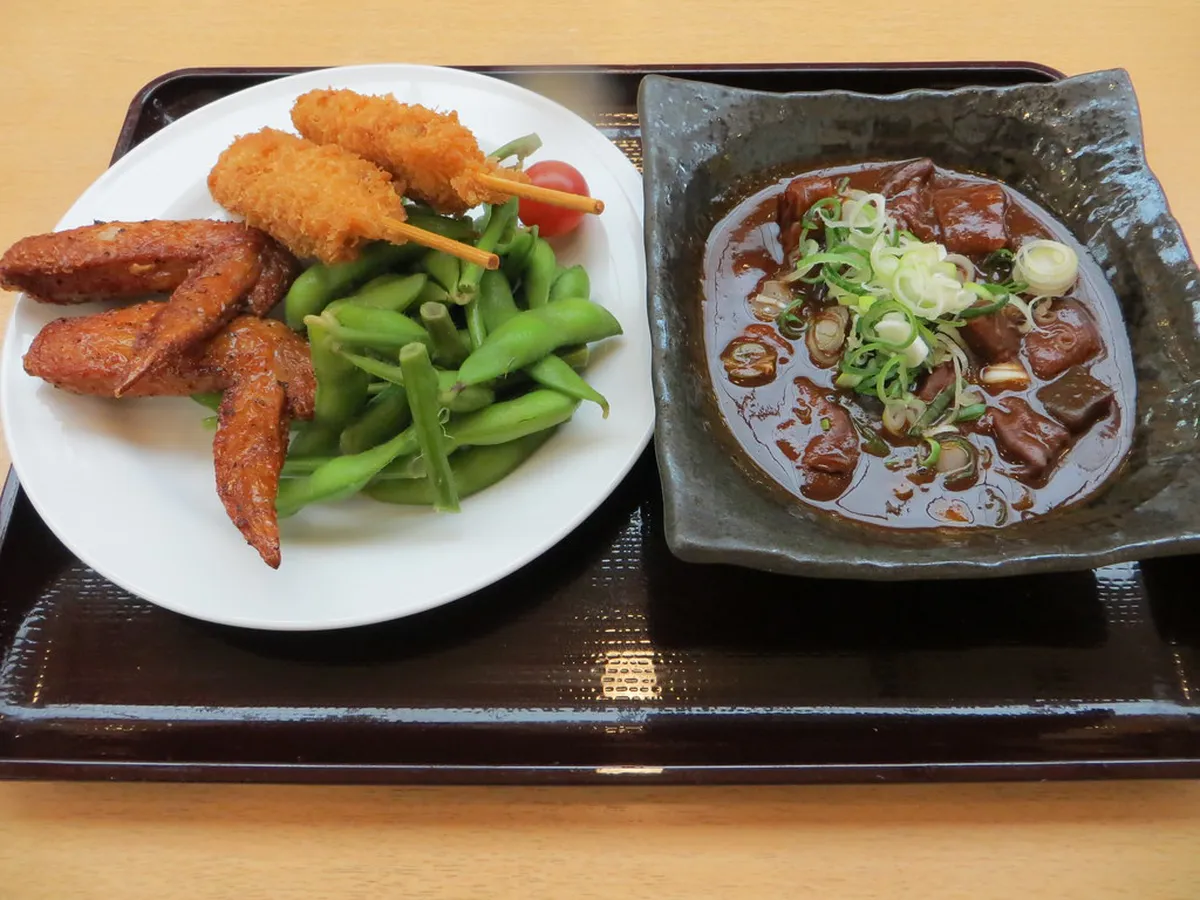
Hitsumabushi is the splurge meal. At classic eel restaurants such as Atsuta Houraiken, expect roughly JPY 3,500 to JPY 5,500 and follow the three-step rhythm: plain, with condiments, then with broth. Miso katsu at Yabaton is easier for a casual lunch and usually sits around JPY 1,200 to JPY 2,000. Tebasaki at Sekai no Yamachan or a similar izakaya is the better evening choice, often ordered in rounds with drinks.
Morning Service is the budget-friendly tradition travelers often misunderstand. In many kissaten, you order coffee first, then the toast, boiled egg, ogura bean paste, or small side arrives as the morning set. Look for a "Morning" sign before about 11:00, do not expect unlimited refills, and avoid lingering through the lunch turnover if the cafe is small.
Hitsumabushi is the splurge meal of Nagoya Meshi. At classic eel restaurants such as Atsuta Houraiken, expect roughly JPY 3,500 to JPY 5,500. Arrive before opening or by 11:00 AM to minimise queue time — supply of fresh eel is limited and popular branches can sell out before dinner service.
- Choose hitsumabushi when you want a slow meal and a clear local ritual.
- Choose miso katsu when you want Nagoya flavor without a long reservation window.
- Choose tebasaki when your culture day ends in Sakae, Osu, or an izakaya district.
Parks, Gardens, and Outdoor Cultural Spots in Nagoya
Tokugawaen is the most logical garden pairing with the Tokugawa Art Museum. Its pond, bridges, waterfall, and seasonal plantings recreate the controlled drama of a daimyo garden. Visit after the museum, not before, so the landscape reads as part of the Owari Tokugawa world rather than just a pleasant park.
Shirotori Garden works well with Atsuta Jingu because both sit in the southern part of the city. The garden design follows water from mountain to sea, with the main pond standing in for Ise Bay. The Seiyu-tei tea house gives you a quieter cultural pause, especially if you have spent the morning in busier temple or market areas.
Higashiyama Zoo and Botanical Gardens is better for families or travelers who need a slower outdoor day. The botanical garden includes one of Japan's oldest public greenhouses and a wide range of seasonal plantings. It is not as historically focused as Tokugawaen, but it shows how Nagoya residents use large green spaces for leisure, school visits, and seasonal outings.
Festivals and Seasonal Events Worth Timing Your Visit For
The Nagoya Festival in October is the city's clearest public expression of samurai heritage. Its procession celebrates the three great unifiers associated with the region: Oda Nobunaga, Toyotomi Hideyoshi, and Tokugawa Ieyasu. Our Nagoya Festivals Guide: 8 Key Insights for Travelers is the better place to check the current parade route and weekend timing.
Atsuta Festival in June brings a different tone, with Shinto rites, performances, martial arts demonstrations, food stalls, and evening fireworks. It is one of the best times to see a sacred site functioning as a living community space rather than only a sightseeing stop. Arrive early if you want shrine atmosphere; arrive later if the fireworks and food stalls are the priority.
Smaller market calendars can shape a trip just as much as the major festivals. Osu Antiques Market usually runs on the 18th and 28th of each month at Osu Kannon, while Higashi Betsuin's morning market is known for food, produce, crafts, and family-friendly stalls. Cherry blossoms at Tsuruma Park in late March and autumn color around gardens and castle grounds add the seasonal layer that locals build their weekends around.
Modern Culture: Markets, Record Stores, and Nightlife
The Osu Shopping District Location is Nagoya's best bridge between old temple culture and modern subculture. The arcades around Osu Kannon mix street food, thrift shops, electronics, anime goods, cafes, and vintage clothing. This is where the city feels most relaxed about mixing eras.
Record hunters should give Osu more time than a quick snack stop. Banana Records Osu is a dependable first stop for used vinyl, and the area has smaller shops where punk, jazz, rock, and Japanese pressings turn up at fair prices. Tower Records at Nagoya Parco in Sakae is better for new releases, pop, J-rock, and in-store events. Explore our Nagoya Shopping Guide: 15 Best Districts, Markets, and Tips if you want to fold this into a broader retail day.
Nightlife is centered around Sakae, Shinsakae, and pockets of Osu. Jazz Spot Swing, The Wiz, vinyl bars, Irish pubs, and clubs such as Mago or JB's show a side of Nagoya that is more music-driven than many first-time itineraries suggest. For a softer evening, time your visit with Nayabashi Yoichi, a riverside night market usually held on the fourth Friday and Saturday from around 17:00 to 22:00.
Family-Friendly and Budget-Friendly Cultural Options
Families do not need to choose between culture and easy logistics. LEGOLAND Japan Resort is a strong option because Miniland turns Japanese landmarks into a visual lesson that children can understand quickly. SEA LIFE Nagoya next door makes the Kinjo-futo area a simple half-day if you need fewer transfers.
For a lower budget, use free or inexpensive cultural anchors. Atsuta Jingu is free to enter, Osu Kannon is free to visit, Shikemichi can be explored on foot, and markets let you sample the city without committing to a full restaurant meal. Morning Service also helps families keep breakfast costs down if everyone is happy with a cafe start.
The main tradeoff is time, not money. Nagoya Castle, Tokugawa Art Museum, and Shibori workshops are richer for adults and older children, while the science museum, Higashiyama, and LEGOLAND are easier with younger kids. A balanced family day usually means one heritage stop, one food stop, and one flexible outdoor or market stop.
Practical Tips: How to Plan a Smooth Nagoya Cultural Day
Plan Nagoya by district rather than by a long list of attractions. A strong first cultural day is Nagoya Castle, Tokugawa Art Museum, Tokugawaen, then Sakae or Osu for food and evening streets. A second day can cover Atsuta Jingu, Shirotori Garden, Osu Kannon, and a craft or market stop if the dates line up.
The subway is the easiest way to connect these areas. Learn how to use the Nagoya subway before you arrive, and consider a day pass if you will make several rides. Most major ticket machines have English, but smaller shops, shrine stalls, and markets still make cash useful.
Book workshops first, then build the day around them. Museum hours and exhibition-change closures can remove a planned stop, and many gardens or museums close around 16:30 or 17:00. For etiquette, keep shrine visits quiet, step aside after praying, ask before photographing workshop interiors, and treat Morning Service as a cafe custom rather than a buffet deal.
Frequently Asked Questions
Which Nagoya culture and traditions guide options fit first-time visitors?
First-time visitors should focus on Nagoya Castle and Atsuta Jingu for a strong historical foundation. Adding a morning service at a local cafe and a stroll through Osu provides a well-rounded cultural experience. Check if Nagoya is worth visiting for your specific travel style before booking.
How much time should you plan for a Nagoya cultural tour?
A dedicated two to three-day trip is ideal for exploring the main cultural landmarks and museums. This timeframe allows you to visit the castle, attend a craft workshop, and enjoy the local food scene without rushing. You can see the highlights in one day if you plan carefully.
What should travelers avoid when exploring Nagoya's traditions?
Avoid arriving at traditional craft workshops without a prior booking, as most require 14 days of notice. Also, do not expect all museums to be open in 2026 due to major scheduled renovations. Always check official schedules to avoid disappointment during your cultural exploration.
What are the best traditional craft workshops in Nagoya?
The Arimatsu Shibori tie-dyeing workshops are highly recommended for their historical significance and hands-on nature. Calligraphy and fan-making classes in the Nishi district also offer excellent insights into local artistry. Remember to book these experiences at least two weeks in advance.
Nagoya rewards travelers who plan for both headline sights and smaller local habits. The castle, Atsuta Jingu, Tokugawa collections, Arimatsu workshops, and Nagoya Meshi give you the historical base. Markets, record shops, museum calendars, and Morning Service etiquette make the trip feel current rather than generic.
For 2026, the main rule is to check dates before you commit. Book craft sessions two weeks ahead, confirm museum closures, and time food or market stops around the neighborhoods you are already visiting. That approach keeps Nagoya's traditions practical, local, and easy to enjoy.
Free: The Nagoya Essentials guide
Top things to do, where to stay, a perfect day plan, getting around, and the best time to go — a Nagoya mini-guide you can take offline.
You might also like

Continue reading
More guides you'll find useful


