

10 Best Sites and Tips for Nagoya Shrines and Temples (2026)
Discover the best Nagoya shrines and temples with our expert guide. Learn local etiquette, find the Green Buddha, and explore 10 must-visit spiritual sites.
On this page
Nagoya's shrines and temples reward travelers who look beyond the castle, shopping arcades, and factory museums. While many visitors plan around the Nagoya Castle grounds, the city's sacred sites explain the older story behind the Owari Tokugawa family, local merchant districts, and Japan's imperial mythology. This nagoya shrines and temples guide focuses on the places that are worth your limited time in 2026, with practical station access and respectful visiting tips. Kyoto and Osaka offer more temples, but Nagoya's are less crowded.
The best route mixes forest shrines, busy temple markets, quiet pagodas, and one unmistakable green Buddha in the eastern hills. Most sites are free, most are close to subway or Meitetsu stations, and many can be combined with food, shopping, or a broader Nagoya Itinerary 2026: Plan Your Perfect 3 to 5 Day Trip. Bring small coins, wear shoes that slip on and off easily, and treat each stop as an active place of worship rather than a photo backdrop.
Understanding the Difference: Shinto Shrines vs. Buddhist Temples
Distinguishing a shrine from a temple makes every stop in Nagoya easier to understand. Shinto shrines are dedicated to kami, the spirits associated with nature, ancestors, places, and mythic figures. You usually enter through a torii gate, then pass a purification basin before approaching the worship hall. Shrine grounds often feel open and wooded, especially at Atsuta Shrine, where the forest is part of the experience.
Buddhist temples house images of Buddhas, Bodhisattvas, or sect founders, and their entrances are usually more architectural. Look for a sanmon gate, incense burners, bells, pagodas, and fierce Nio guardian statues near the gate. Temples in Nagoya also function as community spaces, which is why places such as Osu Kannon, Higashi Betsuin, Nittaiji, and Koshoji host markets, fairs, or seasonal events.
Use a quick visual check when you arrive. Torii gates and komainu guardians point to Shinto, while sanmon gates, incense smoke, pagodas, and human-like Buddhist statues point to a temple. Some Japanese sites blend traditions because Shinto and Buddhism coexisted for centuries, so do not worry if a place feels mixed. The important point is to adjust your ritual: clap at shrines, stay quieter at temples, and follow posted signs around photography or restricted halls.
Visiting Etiquette: How to Properly Make a Wish
At a Shinto shrine, start at the temizuya purification basin near the entrance. Hold the ladle in your right hand, rinse your left hand, switch hands, rinse your right hand, then pour water into your left palm to rinse your mouth without touching the ladle to your lips. Tip the ladle upright so the remaining water runs down the handle. This small sequence matters because it prepares you to approach the kami respectfully.
The usual shrine prayer sequence is simple: offer a coin, bow twice, clap twice, make your silent prayer, and bow once more. A 5 yen coin is popular because go-en sounds like a good connection or relationship in Japanese. At Buddhist temples, do not clap. Offer a coin, bow quietly, and if incense is available, fan the smoke gently toward yourself rather than blowing on it.
Photography rules vary, especially around inner altars, treasures, and prayer halls. Exterior photos are usually fine, but signs inside halls take priority. Keep voices low, step aside if someone is actively praying, and avoid blocking the main approach for photos. These basic habits make the difference between sightseeing and visiting in a way that matches Nagoya culture and traditions.
A 5-yen coin is the traditional offering at Shinto shrines — the Japanese word for 5 yen (go-en) sounds like "good connection," making it a popular choice for relationship and luck prayers. Keep a small supply of 5-yen coins in your pocket rather than searching for change at the purification basin.
Atsuta Shrine: Nagoya's Most Sacred Shinto Site
Atsuta Shrine is the essential first stop because it is one of Japan's most important Shinto shrines, not just a local attraction. The shrine is associated with the Kusanagi-no-Tsurugi, the sacred sword counted among the Three Imperial Regalia of Japan. Visitors cannot see the sword, and that is the point: imperial regalia are treated as sacred objects, not museum pieces, and their hidden status reinforces their ritual authority. In recent imperial enthronement ceremonies, the regalia appear symbolically as part of the legitimacy of the throne.
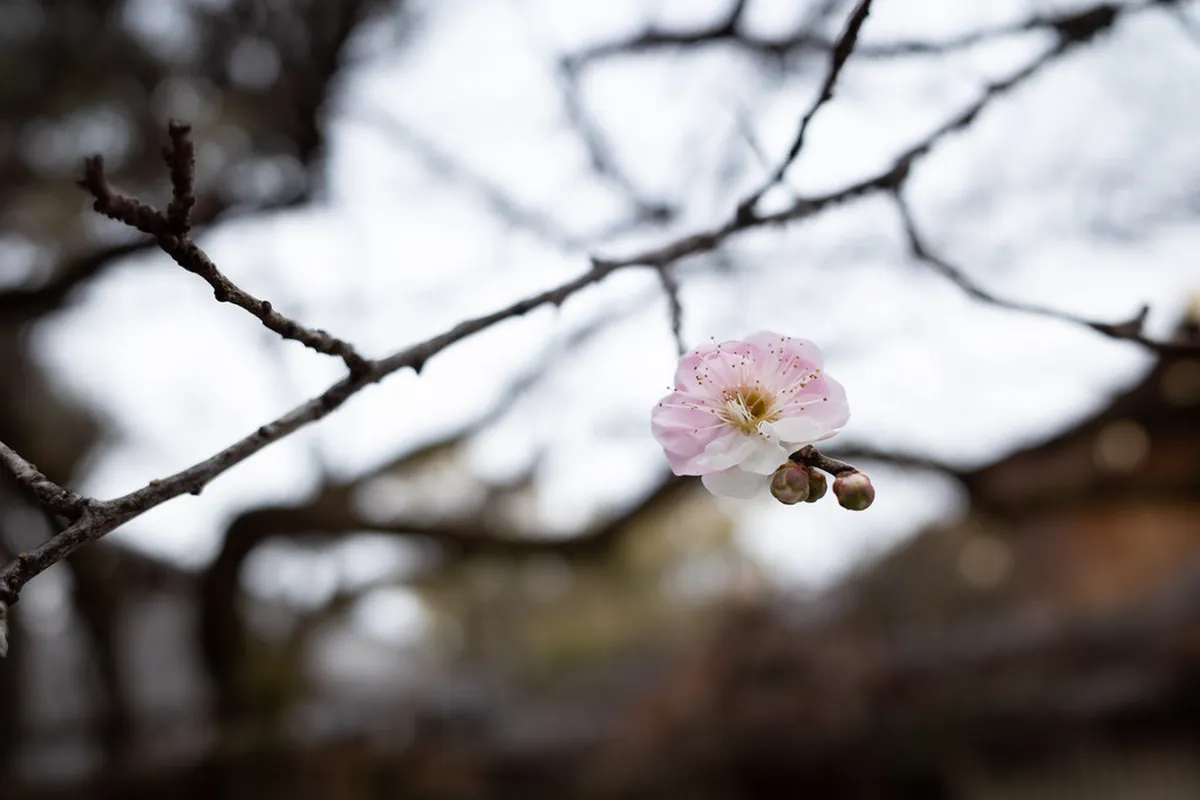
The physical experience is still powerful even without seeing the sword. The approach moves through a broad forest of old trees, past auxiliary shrines, sacred ropes, and quiet side paths. The Kusanagi-kan museum displays swords from the shrine collection, while the main worship area stays focused on prayer rather than exhibition. For detailed visitor information and festival schedules, check the official Atsuta Shrine website. For lunch, the shrine grounds are also a good place to try kishimen, the flat noodles that are one of the most useful Nagoya food specialties to know.
- How to get there: Use Jingu-mae Station on the Meitetsu Line for the shortest walk, or Atsuta Station on the JR Tokaido Line if that fits your route.
- Best time: Arrive before 9:00 on normal days for a quieter forest walk. Avoid the first three days of January unless you specifically want the hatsumode New Year crowds.
- Cost and time: The grounds are free and open all day, but museum hours and fees can change. Allow 60 to 90 minutes if you want more than a quick prayer stop.
Osu Kannon: The Cultural Heart of the City
Osu Kannon is the most accessible Buddhist temple in Nagoya and the easiest one to fold into a first visit. The temple stands at the edge of the Osu shopping arcades, so the experience shifts quickly from incense and prayer to vintage shops, street food, electronics, and cafes. The current hall is a postwar reconstruction, but the temple's roots go back to the 14th century and its move to Nagoya is tied to Tokugawa Ieyasu's city planning. For current hours and event information, the Japan National Tourism Organization profile for Osu Kannon offers reliable travel details.
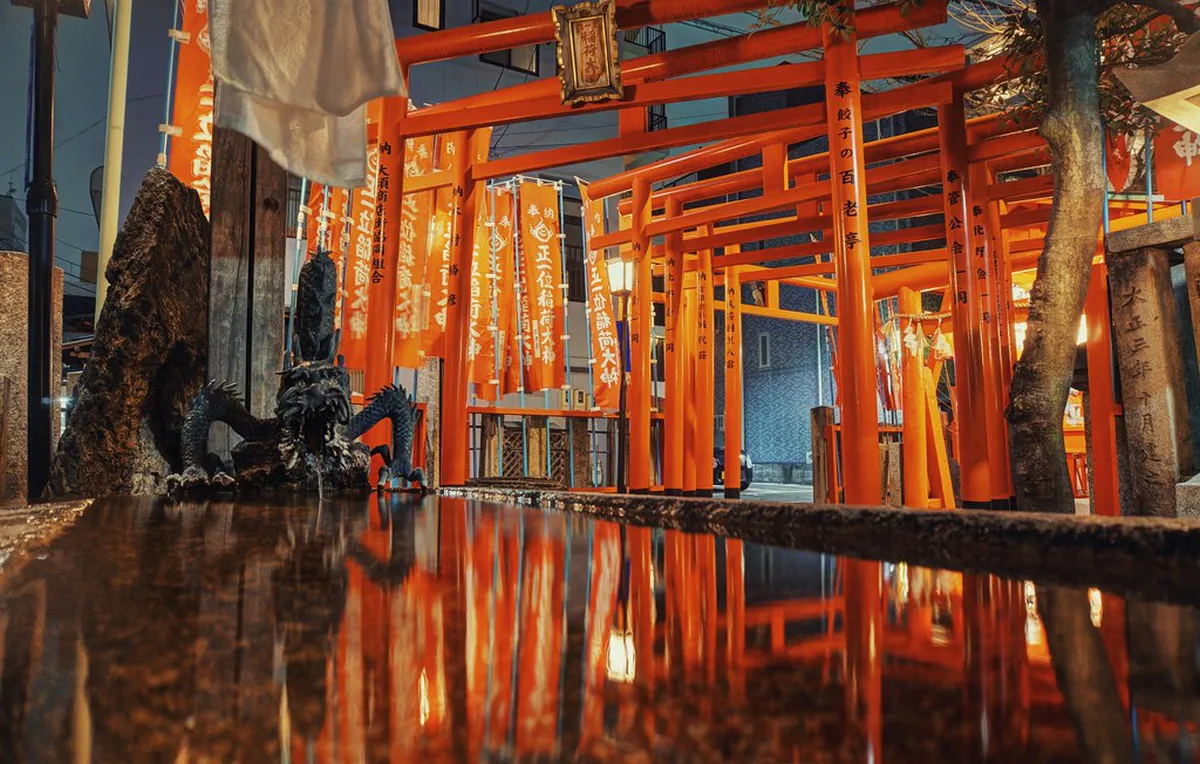
The best reason to time your visit is the antique market on the 18th and 28th of each month. Stalls fill the temple grounds with ceramics, kimono fabric, old coins, toys, tools, and everyday objects that make better browsing than most souvenir shops. Even when you do not buy anything, the market gives the temple a working neighborhood atmosphere that pure sightseeing misses. Pair it with Miwa Shrine and Banshoji for an Osu walking loop before lunch.
- How to get there: Take the Tsurumai Subway Line to Osu Kannon Station; Exit 2 puts you close to the temple plaza.
- Best time: Visit on the 18th or 28th for the market, or early evening for a calmer view of the vermilion hall before the arcades get busy.
- Nearby plan: Keep extra time for the arcades rather than treating the temple as a five-minute photo stop. This area is one reason travelers ask Is Nagoya Worth Visiting? My Honest 2026 Travel Review beyond the usual castle route.
Higashi Betsuin: A Local Favorite for Temple Markets
Higashi Betsuin is a large Jodo Shinshu temple complex on the former site of Furuwatari Castle, giving it both religious and local historical weight. The present buildings were rebuilt after wartime destruction, but the scale of the main hall, gate, and open grounds still gives the site a serious presence. It is less famous internationally than Osu Kannon, which makes it useful if you want a major temple without the same tourist rhythm.
The main draw for many Nagoya residents is the market calendar. The 28th of each month is the best-known fair, with food, crafts, produce, and household goods, while some local markets also appear on other 8 dates depending on the organizer and season. If your trip overlaps with the 28th, you can combine Higashi Betsuin in the morning with Osu Kannon later the same day. Checking Google Maps: Higashi Betsuin helps you see how close it is to central Nagoya.
- How to get there: Take the Meijo Subway Line to Higashi Betsuin Station; the temple is about three minutes on foot from the station area.
- Best time: Market mornings are liveliest before lunch. On non-market days, arrive around opening hours for a quiet look at the main grounds.
- Good for: Travelers who want a local temple market without leaving central Nagoya.
Nittaiji Temple: Japan's Only Non-Sectarian Temple
Nittaiji Temple stands apart because it does not belong to a single Buddhist sect. It was founded in 1904 to enshrine relics of the historical Buddha that were gifted from Thailand, and its name combines Japan and Thailand. That background makes the temple feel different from Nagoya's older sectarian temples. The grounds include a large main hall, a five-story pagoda, and Thai-influenced details that point to international Buddhist exchange.
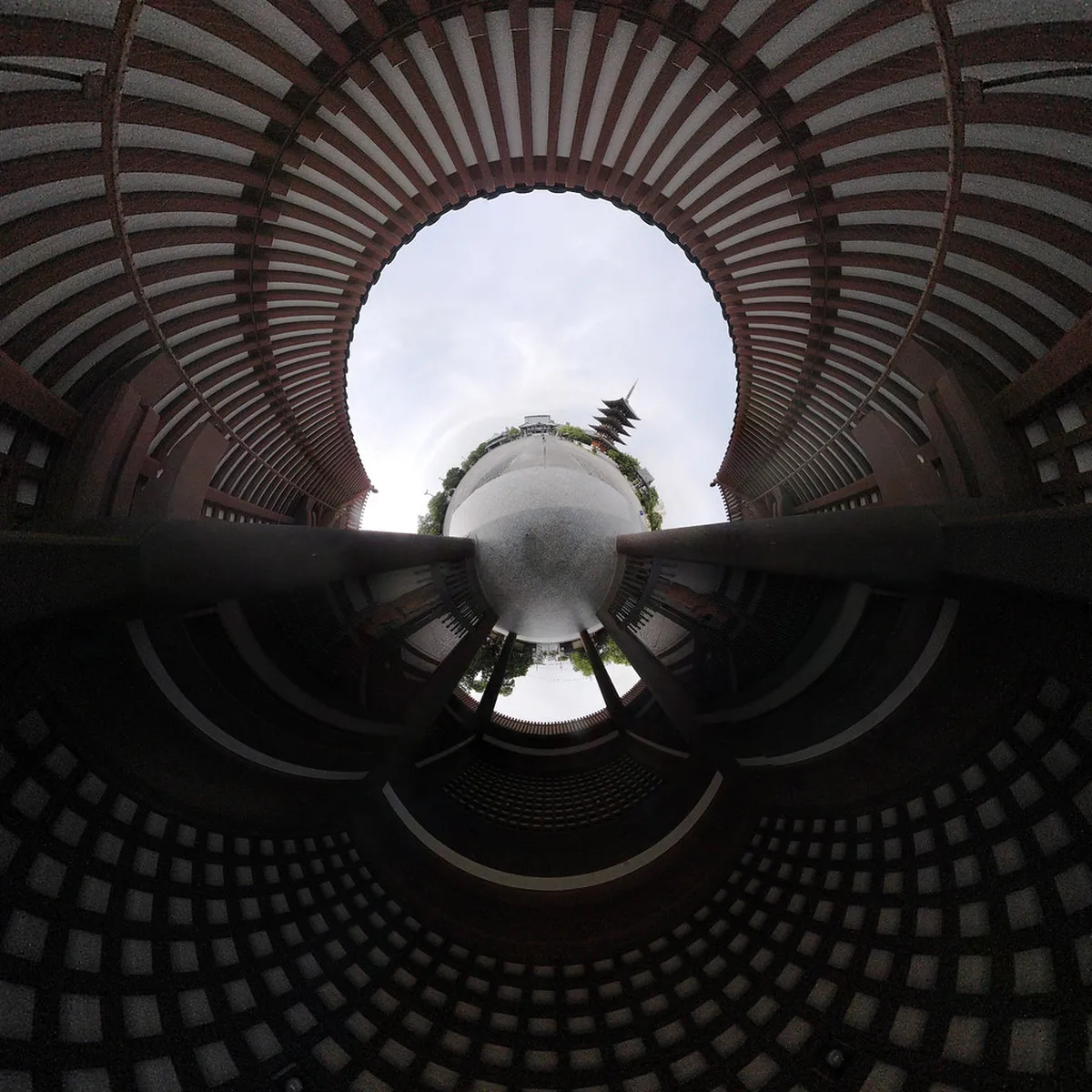
The surrounding Kakuozan neighborhood is part of the appeal. The approach has cafes, sweets shops, small galleries, and a slower pace than Sakae or Nagoya Station. Nittaiji also holds a popular market on the 21st of each month, when the approach becomes far more animated than usual. If you want spiritual architecture plus a pleasant neighborhood walk, this is one of the strongest half-day choices in the city.
- How to get there: Use Kakuozan Station on the Higashiyama Subway Line, then walk about 10 minutes along the approach.
- Best time: Go on the 21st for the market, or choose a weekday morning for quiet grounds and easier photos.
- Good for: Visitors interested in Buddhism beyond the usual Kyoto-style temple image.
Koshoji Temple: The Historic Five-Story Pagoda
Koshoji Temple in Yagoto is the best Nagoya stop for classic temple architecture. Its wooden five-story pagoda dates to the early 1800s and is often described as the only wooden five-story pagoda in the Tokai region. You can verify opening hours and seasonal details on the Nagoya official tourism site before visiting. The temple grounds are broad enough for a slow walk, with halls, slopes, trees, and quieter corners that feel removed from the city despite the easy subway access.
This is also one of the better choices for travelers who care about photography or seasonal atmosphere. The pagoda gives the grounds a clear focal point, and the mix of old wooden structures and landscaped areas works well in spring and autumn. Koshoji's fairs on selected monthly dates add a local market feel, but the temple is rewarding even without an event. It is a stronger pick than distant minor temples if you have only one day for Nagoya temples.
- How to get there: Ride the Meijo or Tsurumai Subway Line to Yagoto Station, then walk about five minutes from the station area.
- Best time: Weekday mornings are calmest. Autumn afternoons can be especially good when the light catches the pagoda and trees.
- Good for: Architecture, pagoda photos, and a quieter contrast to Osu.
Toganji Temple: Home of the Giant Green Buddha
Toganji Temple is the site that most surprises first-time visitors. Its 15-meter green seated Buddha stands in a leafy residential area near Motoyama, far from the expected tourist circuit. The temple also shows Indian and pan-Asian influences through features such as a Shiva-lingam and a shrine connected with Saraswati, reflecting the international study background of one of its priests. It is not the grandest temple in Nagoya, but it is one of the most memorable.
The detail worth slowing down for is the purification ritual connected to a large wooden block on the grounds. Local tradition says that touching or embracing the block helps cleanse past sins, so visitors treat it as a small, physical act of reflection rather than a spectacle. This is the kind of site where behavior matters: keep your voice low, give worshippers room, and avoid treating the green Buddha as a novelty prop. Check the Google Maps: Ryusenji/Toganji Area before leaving because the residential streets can be confusing on a first visit.
- How to get there: Take the Higashiyama or Meijo Subway Line to Motoyama Station, then walk about seven to 10 minutes.
- Best time: Late autumn and winter are comfortable for walking the leafy grounds. In warmer months, bring repellent and do not rush the uphill approach.
- Good for: Travelers who want one distinctive Nagoya-only temple memory.
Unique Specialty Sites: Miwa, Toyokuni, Banshoji, and Toshogu
Miwa Shrine is a small but rewarding stop in Osu because its guardian imagery is unusually memorable. Instead of the more familiar komainu guardian figures, the shrine is known for lucky rabbit statues connected with its enshrined deity, Omononushi. Visitors gently touch the rabbit statue for luck, especially in relationships, and the rabbit-shaped ema prayer plaques make the shrine stand out from more standard neighborhood sites. It is best treated as a meaningful 15-minute addition to Osu Kannon, not as a standalone cross-city trip.
Toyokuni Shrine belongs on the list for samurai history. It is dedicated to Toyotomi Hideyoshi, the unifier born in the Nakamura area, and sits within Nakamura Park near places tied to his early life. The large stone torii creates a strong entrance, while the park setting keeps the visit relaxed. If your interest is Sengoku history, pair it with the castle district and other sites connected to Oda Nobunaga, Toyotomi Hideyoshi, and Tokugawa Ieyasu.
Banshoji Temple shows how Nagoya's sacred sites can sit inside active commercial streets without feeling frozen in time. Founded by Oda Nobuhide, the father of Oda Nobunaga, the temple is now known for modern displays, a mechanical dragon performance, and its position in the Osu arcades. It is not the place for deep silence, but it captures the layered character of Osu: religious history, shopping, pop culture, and everyday city life packed into a few blocks.
Nagoya Toshogu is much quieter and more directly tied to the Tokugawa legacy. Dedicated to Tokugawa Ieyasu, it reflects the importance of the Owari Tokugawa branch in Nagoya's development. The shrine is convenient if you are already moving between Marunouchi, Sakae, and the castle area. Its black and gold details reward a close look, especially if you have seen larger Toshogu shrines elsewhere and want to compare the Nagoya version.
- How to get there: For Miwa Shrine, use Kamimaezu Station or walk from Osu Kannon Station. For Toyokuni Shrine, take the Higashiyama Subway Line to Nakamura Koen Station. Banshoji is inside the Osu arcades between Kamimaezu Station and Osu Kannon Station, while Nagoya Toshogu is a short walk from Marunouchi Station.
- Best time: Visit Miwa and Banshoji during an Osu shopping walk, Toyokuni on a slower history-focused morning, and Nagoya Toshogu during cherry blossom season if your dates line up.
- Good for: Miwa is best for relationship wishes and small details; Toyokuni and Toshogu are best for Nagoya's warrior-era story; Banshoji suits travelers following the Nagoya Shopping Guide: 15 Best Districts, Markets, and Tips route.
Practical Guide: Planning Your Nagoya Temple Route
The easiest route is to group sites by transit line and neighborhood. Start with Atsuta Shrine in the morning, then move to Osu for Osu Kannon, Miwa Shrine, and Banshoji. On another half day, use the Higashiyama Line for Kakuozan and Motoyama so you can pair Nittaiji with Toganji. Koshoji works as a separate Yagoto stop, while Higashi Betsuin can be added to central plans around market dates.
If you plan to visit three or more subway-based sites in one day, review how to use the Nagoya subway and compare a one-day pass with individual fares. The subway is usually easier than buses for this theme because key stops sit on the Meijo, Higashiyama, and Tsurumai lines. Meitetsu is better for Atsuta Shrine if you want the shortest walk to Jingu-mae Station.
| Site | Best market date | Nearest station | Entry fee |
|---|---|---|---|
| Osu Kannon | 18th & 28th of each month | Osu Kannon (Tsurumai Line) | Free |
| Higashi Betsuin | 28th of each month | Higashi Betsuin (Meijo Line) | Free |
| Nittaiji Temple | 21st of each month | Kakuozan (Higashiyama Line) | Free |
| Koshoji Temple | Selected monthly dates | Yagoto (Meijo/Tsurumai Line) | Free |
| Atsuta Shrine | No regular market | Jingu-mae (Meitetsu) | Free (museum extra) |
Most temple halls in Nagoya close around 16:30–17:00. If your visit falls on a market day, the grounds stay active later, but the main worship halls may be locked. Plan sacred site visits before mid-afternoon and save shopping and dining for the evening.
For a one-day version, choose Atsuta Shrine, Osu Kannon, Miwa Shrine, Banshoji, and Higashi Betsuin. For a deeper two-day route, add Nittaiji, Toganji, Koshoji, Toyokuni Shrine, and Nagoya Toshogu. Market timing can change the order: the 18th and 28th favor Osu Kannon, the 21st favors Nittaiji, and the 28th also favors Higashi Betsuin. Most temple halls close by about 16:30 or 17:00, so save shopping, arcades, and dinner for the evening rather than pushing sacred sites too late.
Frequently Asked Questions
Which Nagoya temple is the most popular for tourists?
Osu Kannon is the most popular temple due to its central location and proximity to a major shopping district. It offers a vibrant atmosphere and hosts famous antique markets twice a month.
Is there an entrance fee for Nagoya shrines and temples?
Most shrine and temple grounds in Nagoya are free to enter and explore. However, some specific treasure houses or inner gardens may charge a small fee ranging from 300 to 500 yen.
What is the best time of year to visit these sites?
Spring and autumn are ideal because the cherry blossoms and colorful maple leaves enhance the temple architecture. Many sites also host special festivals during these peak seasons.
Nagoya's religious sites offer a peaceful window into the city's soul, standing in quiet contrast to its industrial reputation. From the imperial majesty of Atsuta to the quirky rabbit statues of Miwa, these ten locations provide something for every type of traveler. I hope this guide helps you navigate the spiritual landscape of Nagoya with confidence and respect during your 2026 visit.
Remember to take your time at each stop and soak in the unique atmosphere that only these ancient grounds can provide. Whether you are here for a single day or a full week, these shrines and temples will surely be a highlight of your journey.
Free: The Nagoya Essentials guide
Top things to do, where to stay, a perfect day plan, getting around, and the best time to go — a Nagoya mini-guide you can take offline.
You might also like


Continue reading
More guides you'll find useful


