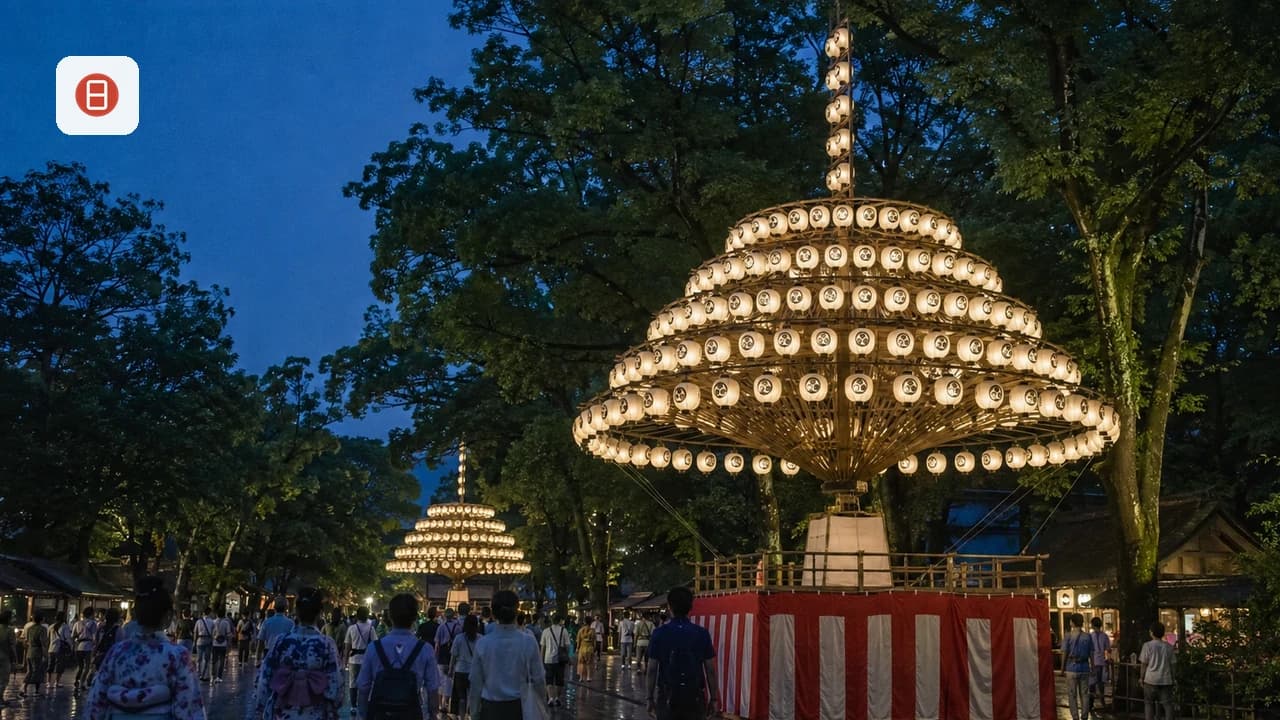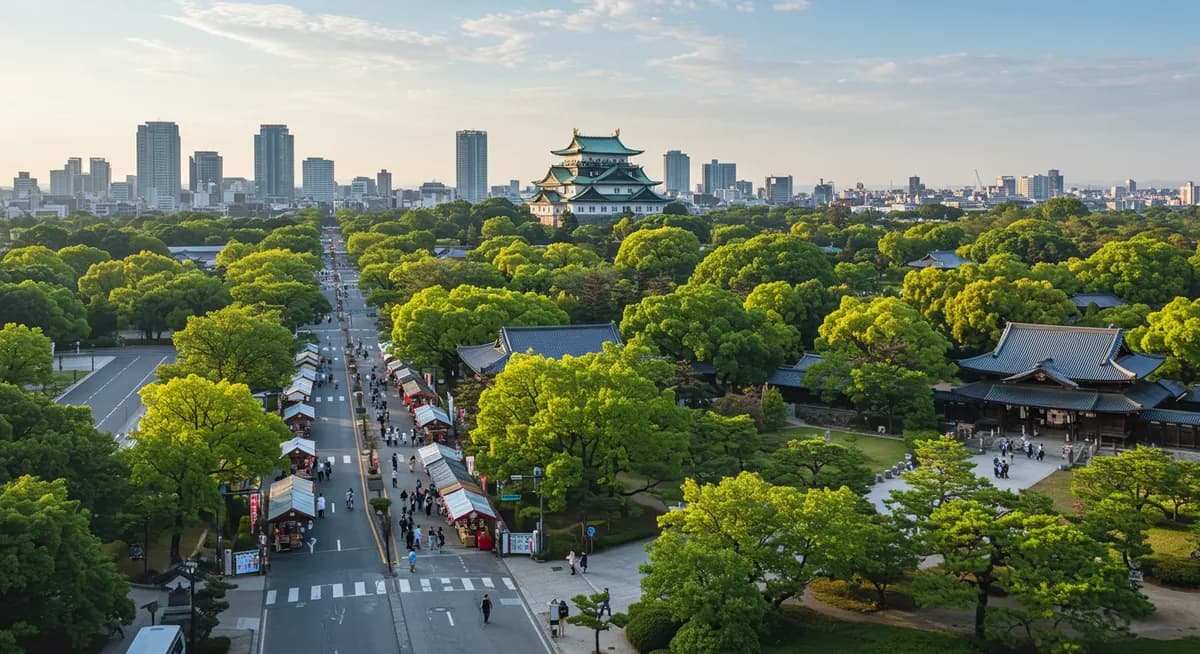
Nagoya Itinerary 2026: Plan the Perfect 3-5 Days
Day-by-day Nagoya plans for 3 to 5 days: Nagoya Castle, Toyota Museum, Shirakawa-go and Takayama day trips, plus budget tips and what to eat.
On this page
Planning a trip to Nagoya in 2026? You're in for a treat. Nagoya is Japan's fourth-largest city and sits right between Tokyo and Kyoto on the Tokaido Shinkansen line, yet most tourists skip it entirely. That means fewer crowds, lower prices, and a more authentic slice of Japanese life. This complete Nagoya itinerary covers 3 to 5 days of day-by-day plans — from Nagoya Castle and the Toyota Museum to day trips to Shirakawa-go and Takayama — plus budget tips, transport advice, and the best local food you shouldn't miss.
Nagoya is the birthplace of Toyota, home to one of Japan's most important Shinto shrines, and the undisputed capital of red-miso cuisine. Whether you want to explore samurai history at Nagoya Castle, ride the SCMaglev at 500 km/h in a simulator, or spend a morning browsing vintage kimono in the Osu shopping arcade, this guide will help you build the perfect trip.
1. How to Get to Nagoya
Nagoya sits at the geographic center of Japan's main island, making it one of the most accessible cities in the country. Here are your main options for getting there in 2026.
By Air: Chubu Centrair International Airport (NGO) handles direct flights from major cities across Asia, Europe, and North America. From the airport, the Meitetsu mu-SKY limited express reaches Nagoya Station in 28 minutes for about ¥1,250 (around $8 USD). A standard Meitetsu express costs ¥870 and takes 35 minutes. Airport limousine buses run to Nagoya Station for ¥1,300, while taxis cost ¥12,000 or more.
By Shinkansen: Nagoya is a major stop on the Tokaido Shinkansen. The Nozomi from Tokyo takes 1 hour 39 minutes (¥11,300 reserved seat), while the Hikari takes about 1 hour 50 minutes and is covered by the Japan Rail Pass. From Osaka, the ride is approximately 50 minutes (¥6,680). From Kyoto, it's 35 minutes (¥5,910).
The Donichi Eco Kippu day pass costs just ¥620 and gives unlimited subway and bus rides on weekends, holidays, and the 8th of every month — one of the best transport deals in Japan. On weekdays the subway-only day pass is ¥760. If you will make four or more rides in a day, either pass pays for itself.
By Highway Bus: Budget travelers can take an overnight bus from Tokyo (around ¥2,500 to ¥5,000 depending on the season) or Osaka (¥1,500 to ¥3,500). Buses arrive at the Meitetsu Bus Center adjacent to Nagoya Station. Willer Express and JR Tokai Bus are popular operators. For more on what awaits you, see our full things to do in Nagoya guide.
2. How to Get Around Nagoya
Nagoya has an efficient public transport network built around six subway lines, JR trains, Meitetsu and Kintetsu private railways, and city buses. For most visitors, the subway covers every major attraction.
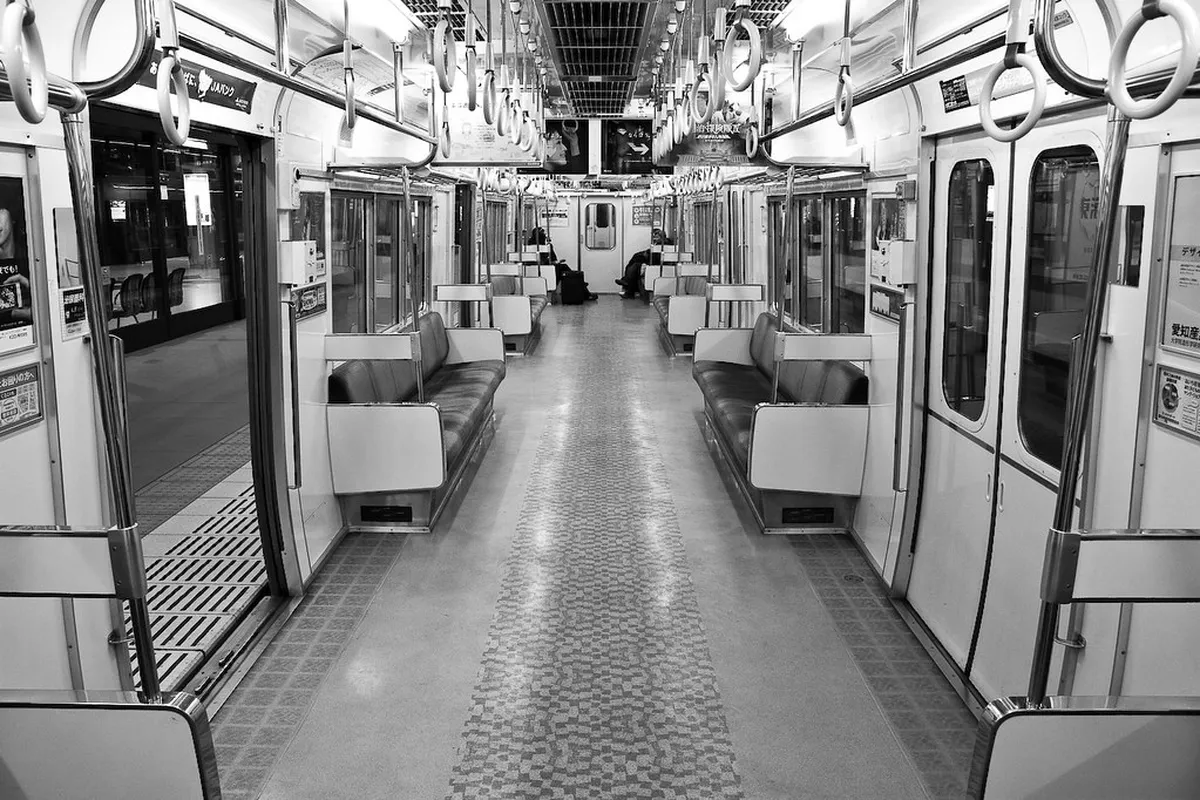
Nagoya Municipal Subway: Six color-coded lines connect Nagoya Station, Sakae, Osu, Nagoya Castle, Atsuta Shrine, and more. A single ride costs ¥210 to ¥330 depending on distance. The Donichi Eco Kippu (weekend/holiday day pass) costs just ¥620 and gives unlimited subway and bus rides — one of the best transport deals in Japan. On weekdays, the subway-only day pass costs ¥760.
Manaca IC Card: Tap-and-go on all subways, buses, and private railways. Purchase one at any station for a ¥500 refundable deposit plus your chosen balance. It also works at convenience stores and vending machines.
JR Central and Private Railways: JR lines connect Nagoya to surrounding cities like Inuyama (30 min) and are covered by the Japan Rail Pass. Meitetsu trains serve Chubu Centrair Airport and areas south of the city. Kintetsu connects to Ise-Shima.
City Buses: The Me~guru sightseeing loop bus stops at Nagoya Castle, the Tokugawa Art Museum, Noritake Garden, and other tourist spots. A one-day Me~guru pass costs ¥500 and is an excellent choice if you plan to hit multiple attractions on a single day. Route signs display destinations in English.
Taxis and Ride-Sharing: Taxis start at ¥500 for the first 1.1 km. They're most useful late at night or when traveling with heavy luggage. Japan Taxi and GO apps allow you to hail rides in English. For planning your routes around the best Nagoya highlights, having your IC card loaded in advance saves time.
3. Where to Stay in Nagoya
Nagoya offers accommodations across every price range. The two best areas for tourists are Nagoya Station (for transport access) and Sakae (for nightlife and shopping). Here is what to expect in 2026.
Budget (¥4,000 to ¥8,000 per night): Business hotels like Meitetsu Inn Nagoya Ekimae, Toyoko Inn chains near the station, and guesthouses in the Osu area. Capsule hotels near Sakae start around ¥3,500. Hostels with dormitory beds average ¥3,000 to ¥4,000.
Mid-Range (¥9,000 to ¥15,000): Daiwa Roynet Hotel Nagoya Taiko-dori, Mitsui Garden Hotel Nagoya Premier, and Hotel Vista Nagoya Nishiki offer modern rooms with good locations. Many include free breakfast.
Luxury (¥20,000+): The Nagoya Marriott Associa Hotel sits directly above Nagoya Station with panoramic city views. The Hilton Nagoya in Fushimi is known for its service. For a traditional experience, ryokan in the Arimatsu district offer a cultural immersion about 25 minutes from the center by Meitetsu train.
If you're following this Nagoya itinerary with day trips to Shirakawa-go and Takayama, staying near Nagoya Station gives you the easiest access to highway buses and JR lines. For an evening-focused trip with dining and nightlife, Sakae is ideal.
4. When to Visit Nagoya
Nagoya has four distinct seasons, each offering a different experience. The best months for most visitors are March through May and October through November.
Spring (March to May): Cherry blossoms peak around late March to early April. Nagoya Castle and Tsuruma Park are top hanami spots. The Nagoya Spring Festival runs through April. Temperatures range from 10 to 22 degrees Celsius, ideal for walking.
Summer (June to August): Hot and humid, with temperatures reaching 35 degrees Celsius. The rainy season (tsuyu) runs mid-June to mid-July. However, summer brings the Nagoya Port Fireworks Festival (mid-July) and the World Cosplay Summit (early August). Pack sunscreen and stay hydrated.
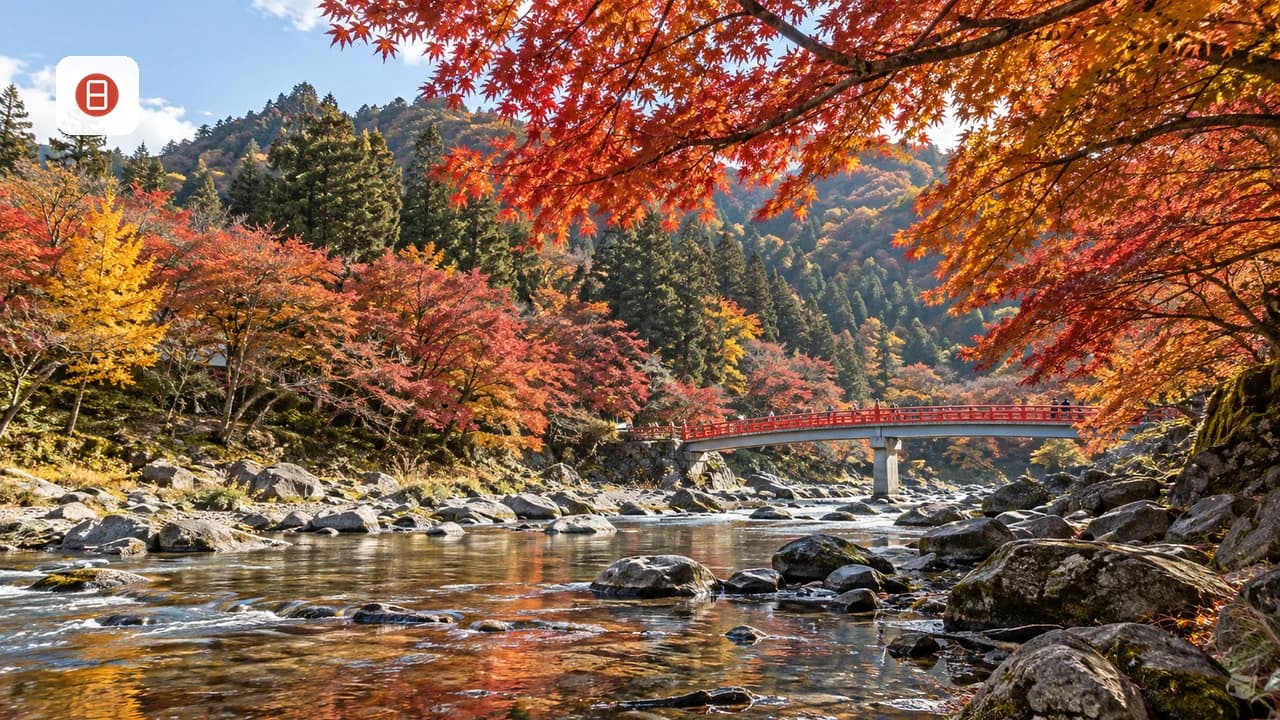
Autumn (September to November): The most comfortable season. Fall foliage at Tokugawa Garden and Korankei Gorge (90 min from Nagoya) peaks in mid-November. The Nagoya Festival in October features a massive parade with historical figures. Temperatures range from 12 to 25 degrees Celsius.
Winter (December to February): Cold but manageable, with temperatures around 2 to 10 degrees Celsius and occasional light snow. Fewer crowds mean shorter queues. Nagoya's winter illuminations light up Sakae and Hisaya-odori Park from November through February. The Shirakawa-go light-up events (January to February) are a highlight if you plan the day trip.
For event planning in 2026, check our Nagoya events calendar to align your visit with festivals and seasonal happenings.
5. How Many Days in Nagoya Is Ideal
For Nagoya city alone, 2 to 3 days covers the main attractions comfortably. Adding day trips to Shirakawa-go, Takayama, or Inuyama, plan for 4 to 5 days. Here is a quick breakdown:
- 2 days: Nagoya Castle, Osu, Sakae, Atsuta Shrine, Toyota Museum — enough for the highlights.
- 3 days: Add Tokugawa Art Museum, SCMaglev Railway Park, the Arimatsu historic district, or LEGOLAND Japan.
- 4 to 5 days: Include day trips to Shirakawa-go (UNESCO village), Takayama old town, or Inuyama Castle (Japan's oldest original castle, 30 min by Meitetsu).
The Shoryudo Highway Bus Pass (¥7,500 for 3 days in 2026) covers unlimited bus travel between Nagoya, Takayama, Shirakawa-go, Kanazawa, and Toyama — saving over 35% compared to individual tickets. Purchase it online before departure.
6. Nagoya Budget Breakdown for 2026
Nagoya is significantly cheaper than Tokyo or Kyoto. Here is what a typical day costs in 2026.
| Category | Budget | Mid-Range | Splurge |
|---|---|---|---|
| Accommodation | ¥4,000 | ¥12,000 | ¥25,000+ |
| Food (3 meals) | ¥2,000 | ¥4,500 | ¥10,000+ |
| Transport | ¥620 (day pass) | ¥1,000 | ¥3,000 |
| Attractions | ¥500 | ¥1,500 | ¥3,000 |
| Daily Total | ¥7,120 | ¥19,000 | ¥41,000+ |
At current exchange rates, a budget traveler can explore Nagoya for roughly $47 USD per day, while a mid-range trip runs about $125 USD per day. Many of Nagoya's best experiences — walking through Osu, visiting Atsuta Shrine (free entry), or watching the sunset from Oasis 21 — cost nothing at all.
7. Nagoya Itinerary: Day 1 — Nagoya Castle, Hommaru Palace, and Sakae
Morning: Nagoya Castle and Hommaru Palace
Nagoya Castle's main concrete keep is closed for wooden reconstruction and is not expected to reopen until 2032. Plan your visit around the restored Honmaru Palace and the castle grounds — the palace is the more rewarding interior experience and is included in the ¥500 adult admission.
Start your first day at Nagoya Castle, the city's most iconic landmark. Built in 1610 by Shogun Tokugawa Ieyasu, the castle is crowned by two golden shachihoko (tiger-fish ornaments) that have become Nagoya's symbol. The reconstructed Hommaru Palace is the real highlight — it's considered the finest example of samurai-era palatial architecture in Japan, with painted sliding doors and coffered ceilings that took 10 years to restore. The castle grounds open at 9:00 AM (last entry 4:00 PM). Admission is ¥500 for adults. Take the Meijo subway line to Shiyakusho Station (exit 7) for the shortest walk.
After exploring the castle, walk 5 minutes south to Kinshachi Yokocho, a food and shopping complex that opened alongside the Hommaru Palace restoration. The Yoshinao Zone features upscale Nagoya cuisine, while the Muneharu Zone has casual street-food stalls. Try your first taste of miso katsu here.
Midday: Tokugawa Art Museum and Garden
Take the Me~guru bus or subway to the Tokugawa Art Museum, which houses over 10,000 artifacts from the Owari Tokugawa family including samurai armor, tea ceremony tools, Noh costumes, and a National Treasure-designated illustrated scroll of The Tale of Genji. Admission is ¥1,400 (¥700 with student ID). Next door, the Tokugawa Garden is a traditional Japanese strolling garden with a pond, waterfall, and teahouse — included in the museum ticket. Budget 90 minutes for both.
Afternoon: Osu Shopping District
Head to Osu Kannon Temple and the adjacent Osu Shopping Street, one of Nagoya's most vibrant neighborhoods. This covered arcade stretches over 1,200 shops — vintage clothing, anime goods, electronics, traditional crafts, and street food. Don't miss the Nagoya morning-service culture if you skipped breakfast: Komeda Coffee (founded in Nagoya in 1968) offers a free thick-cut toast set with every morning drink order, a tradition unique to this region. Several Komeda branches line the arcade.
Evening: Dinner in Sakae and Oasis 21
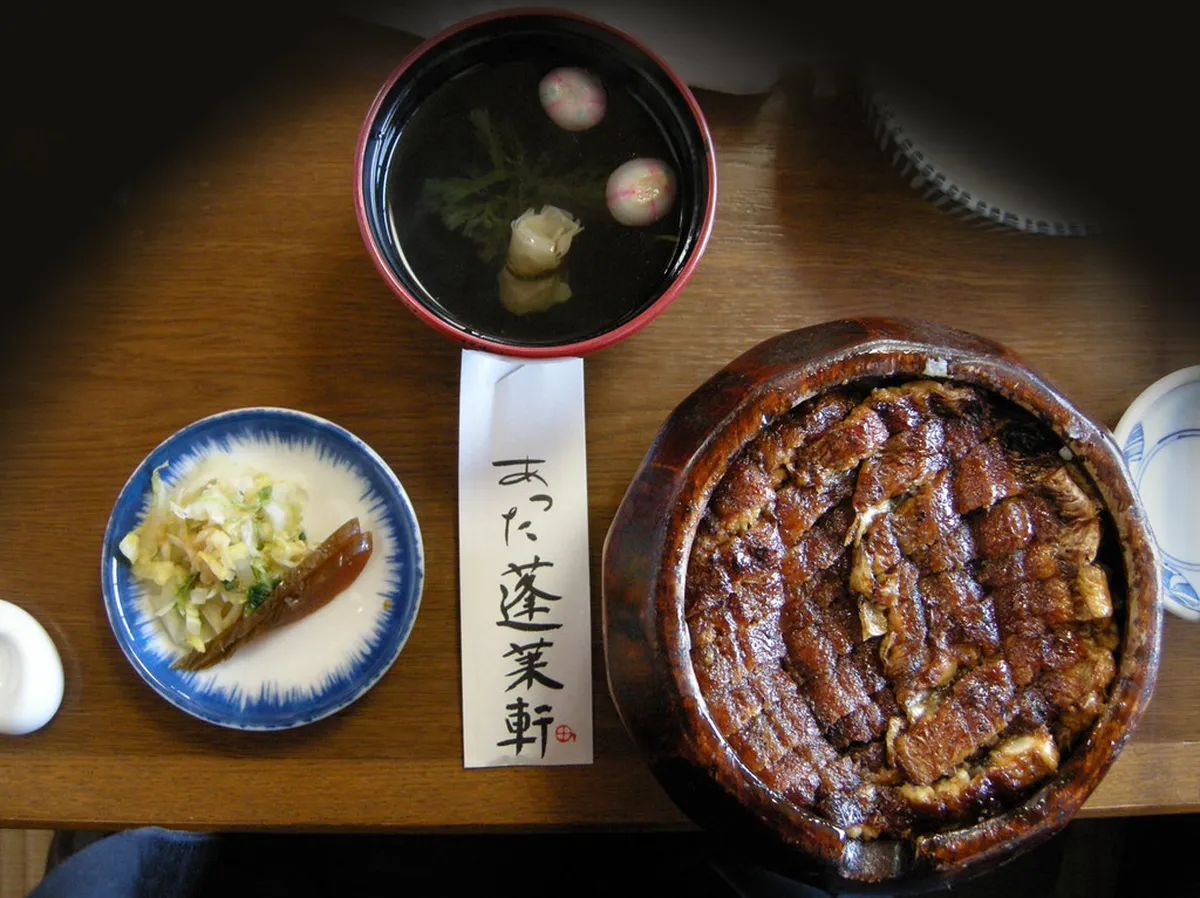
End your day in Sakae, Nagoya's modern downtown. Oasis 21 is an architectural landmark with a glass-roofed "spaceship" hovering above an open plaza — it's especially photogenic after dark when lit up in changing colors. Walk to the nearby Nagoya TV Tower (Japan's oldest, built 1954), which reopened after renovation as Mirai Tower with a sky deck at 100 meters (¥1,300 admission). For dinner, try hitsumabushi (grilled eel on rice, eaten three ways) at Atsuta Houraiken's Sakae branch — expect to pay ¥3,500 to ¥4,500 per person. See our Nagoya nightlife guide for after-dinner options.
Day 1 Insider Tips
- Buy the Donichi Eco Kippu (¥620) if visiting on a weekend — it covers all subway and bus rides for the day.
- Nagoya Castle is less crowded before 10:00 AM and after 3:00 PM.
- The Me~guru bus one-day pass (¥500) connects the castle, Tokugawa Museum, and Noritake Garden in a convenient loop.
8. Nagoya Itinerary: Day 2 — A Day Trip to Shirakawa-go
Morning: Early Departure to Shirakawa-go
Leave Nagoya early for Shirakawa-go, the UNESCO World Heritage village famous for its steep-roofed gassho-zukuri farmhouses. Nohi Bus and Gifu Bus operate direct highway buses from Meitetsu Bus Center (adjacent to Nagoya Station). The ride takes 2 hours 45 minutes and costs ¥3,600 one way (¥6,400 round trip). Book seats online at least a week ahead — they sell out in peak season. The first bus departs at 8:00 AM. Alternatively, the Shoryudo Bus Pass (¥7,500 for 3 days) covers this route and is worth it if you're also visiting Takayama.
Midday: Ogimachi Village Exploration and Lunch
Ogimachi is the main settlement and the most accessible part of Shirakawa-go. Wander the narrow lanes between 100+ preserved farmhouses, some over 250 years old. Visit the Wada House (¥400 entry, open 9:00 AM to 5:00 PM), the largest gassho-zukuri dwelling, to see the interior framework and learn about silk production on the upper floors. For lunch, try Hida beef skewers (¥500 to ¥800 per skewer), hand-pulled soba noodles, or gohei mochi (charcoal-grilled rice cakes with sweet miso glaze) at stalls near the central parking area.
Afternoon: Shiroyama Viewpoint
Hike 15 minutes uphill (or take the free shuttle from the village center) to the Shiroyama Observation Deck for the classic panoramic photo of the entire village. The view is iconic in every season — green rice paddies in summer, fiery maples in autumn, snow-covered rooftops in winter. Spend the remaining time browsing local craft shops for Sarubobo dolls, hand-dyed textiles, and locally brewed sake.
Evening: Return to Nagoya
The last bus back to Nagoya departs Shirakawa-go at 4:30 PM (confirm the 2026 schedule when booking), arriving around 7:15 PM. Back in Nagoya, grab dinner near the station — tebasaki (Nagoya-style crispy chicken wings) at Sekai no Yamachan is a local institution, with sets starting at ¥600. If energy permits, explore the izakaya-lined streets of the Meieki area.
Day 2 Insider Tips
- Book Shirakawa-go bus tickets at least 7 days ahead during cherry blossom and autumn foliage seasons.
- Wear comfortable walking shoes — the village paths are uneven gravel and stone.
- In winter (January to February), Shirakawa-go hosts evening light-up events. Entry requires a separate lottery reservation months in advance.
- Shirakawa-go is a living village with about 600 residents. Stay on marked paths and respect private property.
9. Nagoya Itinerary: Day 3 — Culture and Cuisine in Osu, Atsuta Shrine, and Sakae
Morning: Atsuta Shrine
Start day 3 at Atsuta Shrine, one of Japan's most sacred Shinto sites, housing the legendary sword Kusanagi no Tsurugi — one of the three Imperial Regalia. The shrine is set within a 200,000-square-meter forested precinct with 1,900-year-old camphor trees. Entry is free. The Treasure Hall (¥500) displays swords, masks, and ancient documents. From Nagoya Station, take the Meijo subway line to Jingu-Nishi Station (8 minutes). Arrive before 10:00 AM to enjoy the grounds in relative quiet.
Midday: Lunch at Atsuta Houraiken (Main Branch)
Walk 5 minutes from the shrine to Atsuta Houraiken, the most famous hitsumabushi restaurant in Nagoya, operating since 1873. Expect a 30 to 60 minute wait on weekends, but the signature eel-on-rice dish (¥4,400 for the standard set) is worth it. The ritual: eat the first portion plain, the second with toppings (wasabi, green onion, seaweed), and the third as ochazuke (with hot broth poured over).
Afternoon: Osu Kannon Temple and Shopping Street
Take the subway to Osu Kannon Station and explore the temple and its adjoining covered arcade. This is Nagoya's most eclectic neighborhood — a mix of Buddhist devotion and pop culture. Key stops include vintage kimono shops, retro game arcades, and the monthly Osu Antique Market (held on the 18th and 28th). Grab taiyaki (fish-shaped pastry, ¥200) or Taiwan-style bubble tea (¥450) as you browse. For a deeper dive into the city's cultural side, read our Nagoya culture guide.
Evening: Sakae Nightlife and Mirai Tower
Return to Sakae for your evening. Visit Mirai Tower (formerly Nagoya TV Tower) for sunset views — the sky deck is open until 9:00 PM (¥1,300). Hisaya-odori Park below is a landscaped promenade with cafes and seasonal pop-ups. For dinner, Sakae has everything from Michelin-starred kaiseki to ¥500 gyoza bars. Try miso nikomi udon (thick udon simmered in red miso broth) at Yamamotoya Honten — a Nagoya soul-food staple at ¥1,100 per bowl.
Day 3 Insider Tips
- Atsuta Shrine is free, but the Treasure Hall closes at 4:30 PM (last entry 4:10 PM).
- Atsuta Houraiken closes once daily eel supply runs out. Arrive by 11:00 AM for the best chance at a shorter wait.
- The Donichi Eco Kippu works on Saturdays, Sundays, holidays, and the 8th of every month.
- Osu is best on weekday afternoons for fewer crowds; weekends draw cosplayers and street performers.
10. Nagoya Itinerary: Day 4 — Takayama's Old Town Charm
Morning: Takayama Jinya and Miyagawa Morning Market
Catch an early JR Wide View Hida limited express from Nagoya Station to Takayama (2 hours 20 minutes, ¥6,140 reserved seat; covered by Japan Rail Pass). Start at Takayama Jinya, the only remaining Edo-period provincial government building in Japan (¥440 entry, open 8:45 AM). Then stroll through the Miyagawa Morning Market along the river, where local vendors sell pickled vegetables, Sarubobo dolls, handmade miso, and fresh produce. The market runs daily from 7:00 AM to noon.
Midday: Sanmachi Suji Old Town and Hida Beef Lunch
Explore Sanmachi Suji, the beautifully preserved old town with narrow streets of wooden merchant houses, sake breweries, and craft shops. Five sake breweries are open for tastings (look for the cedar ball — sugidama — hanging outside). For lunch, Hida beef is the star: a sushi-style serving of seared Hida beef on rice (¥800 to ¥1,200 for 2 pieces at street stalls) or a full Hida beef set meal at a sit-down restaurant (¥2,500 to ¥5,000).
Afternoon: Hida Folk Village
Take a 10-minute bus ride to Hida no Sato (Hida Folk Village), an open-air museum with over 30 relocated gassho-style farmhouses from the surrounding mountains. Entry is ¥700 (open 8:30 AM to 5:00 PM). Hands-on workshops let you try Sarubobo doll-making (¥500) or Ichii wood carving. The village overlooks the Japanese Alps — on clear days the mountain panorama is spectacular.
Evening: Return to Nagoya
The last JR Wide View Hida back to Nagoya departs around 7:00 PM (check 2026 timetable). Alternatively, stay overnight in Takayama to visit an onsen and experience the town's quiet evening atmosphere. Back in Nagoya, grab a late supper of tebasaki and draft beer at an izakaya near the station. For more adventure ideas, see our Nagoya adventures guide.
Day 4 Insider Tips
- Reserve JR Wide View Hida seats in advance — the route is scenic but limited to 3 to 4 departures per day.
- Takayama is compact and walkable. No local transport needed.
- Purchase local crafts as souvenirs — Sarubobo dolls are believed to bring good luck.
- Try the local sake. Takayama's cold mountain water produces some of Japan's best rice wine.
11. Nagoya Itinerary: Day 5 — Family Fun at LEGOLAND Japan or SCMaglev Railway Park
Option A: LEGOLAND Japan (Best for Families)
LEGOLAND Japan Resort is located in the Minato ward, about 24 minutes from Nagoya Station via the Aonami Line (¥350). The park opens at 10:00 AM; closing times vary by season (5:00 PM to 7:00 PM). One-day tickets cost ¥5,800 for adults and ¥4,000 for children (ages 3 to 12) when purchased online in advance — gate prices are higher. Start at Miniland, where Japanese landmarks are recreated in LEGO at 1:20 scale. Then hit Adventure Land for treasure-hunt rides, Pirate Shores for water-based attractions, and LEGO City where kids can drive cars and pilot boats. The Dragon Coaster in Knight's Kingdom is the park's top thrill ride.
Option B: SCMaglev and Railway Park (Best for Train Fans)
Located next to LEGOLAND on the Aonami Line, the SCMaglev and Railway Park showcases JR Central's railway history with 39 real trains on display, including a Shinkansen Series 0 and the L0 Series maglev prototype. The maglev simulator lets you "ride" at 500 km/h. Entry is ¥1,000 for adults and ¥500 for children. Open 10:00 AM to 5:30 PM (closed Tuesdays). Budget 2 to 3 hours.
Afternoon: Noritake Garden or Arimatsu Historic District
If you finish early, visit Noritake Garden (free entry to grounds; craft center ¥500), a park built on the original Noritake porcelain factory site where you can paint your own plate. Alternatively, take a 25-minute Meitetsu train to Arimatsu, a preserved Edo-period post town famous for shibori (tie-dye) textiles. Walk the old Tokaido highway lined with lattice-front merchant houses and visit the Arimatsu-Narumi Tie-Dyeing Museum (¥300).
Evening: Farewell Dinner
For your last dinner in Nagoya, try the dish you haven't sampled yet. If you haven't had kishimen (flat udon noodles in dashi broth), Esca underground mall beneath Nagoya Station has excellent options from ¥700. Or splurge on a full Nagoya-meshi course at a restaurant in the Midland Square complex. Browse our full list of Nagoya activities for last-minute additions.
Day 5 Insider Tips
- Buy LEGOLAND tickets online — they're ¥500 to ¥1,000 cheaper than gate prices and let you skip the ticket line.
- Visit LEGOLAND on weekdays to avoid 60+ minute ride queues.
- The Aonami Line day pass (¥800) covers unlimited rides if you're doing both LEGOLAND and the Railway Park.
- Download the LEGOLAND Japan app for live wait times and show schedules.
12. Must-Try Nagoya Food: A Culinary Guide
Nagoya has one of the most distinctive regional food scenes in Japan, collectively known as Nagoya-meshi. Every dish below is built on the city's signature ingredient: rich, dark hatcho miso (red soybean paste aged for two years). Here are the essentials for 2026:
- Miso Katsu — Crispy pork cutlet drenched in sweet-savory red miso sauce. Best at Yabaton in Osu (¥1,200 for a set meal).
- Hitsumabushi — Grilled unagi (eel) on rice, eaten three ways. Atsuta Houraiken is the definitive spot (¥4,400).
- Tebasaki — Deep-fried chicken wings with a sweet-spicy glaze. Sekai no Yamachan and Furaibo are the two local rivals. Sets from ¥600.
- Miso Nikomi Udon — Thick udon simmered in a clay pot with red miso broth, egg, and chicken. Yamamotoya Honten (¥1,100).
- Kishimen — Flat, wide noodles in a light dashi broth. A quick lunch staple at station-platform shops (¥400 to ¥700).
- Ogura Toast — Thick-sliced toast topped with sweet red bean paste. Part of Nagoya's famous morning service (free with a drink at Komeda Coffee).
- Taiwan Ramen — Spicy ground-meat ramen invented in Nagoya (not Taiwan). Misen in Imaike is the original (¥750).
- Tenmusu — Shrimp tempura rice balls. Perfect as a portable snack (¥750 for 5 pieces at Tenmusu Senju).
For the full experience, dedicate at least one meal per day to a different Nagoya-meshi specialty. Most dishes are available citywide, but the best versions are found at the restaurants listed above.
Frequently Asked Questions About Visiting Nagoya
Is Nagoya worth visiting, or should I skip it for Kyoto?
Nagoya is absolutely worth visiting. It offers a less-touristy alternative to Kyoto with its own castle, shrines, and a food scene that rivals any city in Japan. Most travelers who skip Nagoya regret it once they learn about hitsumabushi, the Hommaru Palace, and nearby Shirakawa-go. Budget at least 2 days for the city itself.
How much does a 3-day trip to Nagoya cost in 2026?
A budget 3-day trip costs approximately ¥21,000 to ¥25,000 ($140 to $165 USD), covering accommodation, food, transport, and attractions. A mid-range trip runs ¥55,000 to ¥60,000 ($365 to $400 USD). These estimates exclude Shinkansen fares to and from Nagoya.
What is the best transport pass for Nagoya?
For city sightseeing, the Donichi Eco Kippu (¥620, weekends and holidays) gives unlimited subway and bus access. For day trips to Shirakawa-go and Takayama, the Shoryudo Highway Bus Pass (¥7,500 for 3 days) saves over 35%. The Japan Rail Pass covers JR trains including the Shinkansen and Wide View Hida to Takayama.
Is Nagoya safe for solo travelers?
Yes. Japan consistently ranks as one of the safest countries in the world, and Nagoya is no exception. The city is well-lit, public transport runs until midnight, and violent crime is extremely rare. Solo travelers of all genders report feeling comfortable walking at night. English signage is available on all subway lines and at major attractions.
What is Nagoya's morning service (moningusabisu)?
Morning service is a Nagoya tradition where cafes include a free breakfast set — typically thick toast, a boiled egg, and sometimes salad — with any drink order before 11:00 AM. Komeda Coffee, founded in Nagoya in 1968, pioneered this custom. It's one of the best free breakfasts in Japan and a must-try cultural experience.
Can I do a day trip to Shirakawa-go from Nagoya?
Yes. Highway buses run directly from Nagoya Station to Shirakawa-go in about 2 hours 45 minutes (¥3,600 one way). The first bus departs at 8:00 AM and the last return bus leaves Shirakawa-go at 4:30 PM, giving you roughly 5 hours in the village. Book seats in advance during peak seasons.
What should I pack for Nagoya?
Comfortable walking shoes are essential — you'll average 15,000 to 20,000 steps per day. In spring and autumn, bring layers as temperatures swing between morning and afternoon. In summer, pack sunscreen, a portable fan, and a towel. In winter, a warm jacket suffices as most attractions are heated. A portable Wi-Fi device or Japan eSIM ensures you can navigate subway maps and translation apps.
A Nagoya itinerary of 3 to 5 days reveals one of Japan's most underrated cities. From the samurai grandeur of Nagoya Castle and the sacred grounds of Atsuta Shrine to the UNESCO village of Shirakawa-go and the old-town charm of Takayama, this region offers depth that rivals the Golden Route. Add in a food scene that has no equal — miso katsu, hitsumabushi, tebasaki, and morning service — and Nagoya earns its place on every 2026 Japan travel plan. Start mapping your route and discover why this city deserves more than a Shinkansen pass-through.
Free: The Nagoya Essentials guide
Top things to do, where to stay, a perfect day plan, getting around, and the best time to go — a Nagoya mini-guide you can take offline.
You might also like


Continue reading
More guides you'll find useful